Tag

Brain Atlas

All articles tagged with #brain atlas

Sex-Specific GLP-1 Brain Map Could Explain Weight-Loss Drug Differences
science4 hours ago

Sex-Specific GLP-1 Brain Map Could Explain Weight-Loss Drug Differences

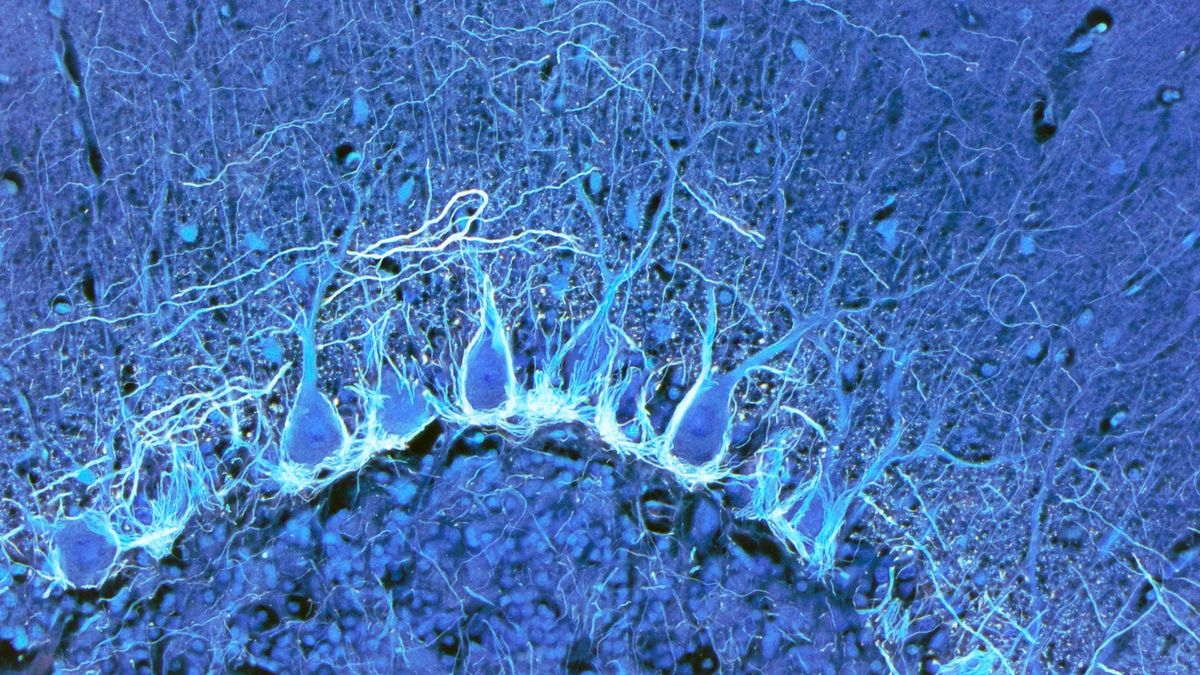
Researchers used RNAscope to build the first sex-specific atlas of GLP-1 expression in the mouse brain, mapping GLP-1 across 25 brain nuclei in three female and three male mice. They found notable sex differences: females have higher GLP-1 density in hindbrain appetite regions (ROb, SolV, SolM), while males show higher GLP-1 in the olfactory bulb, with some regions showing female-only (ventral tegmental area) or male-only (lateral hypothalamus) expression. The atlas helps explain why women often lose more weight on GLP-1 drugs like semaglutide and suggests potential sex-specific avenues for treating addiction, depression, and cognitive decline, though limitations include the small sample size and the fact that transcript presence does not prove peptide release or function.
Unveiling the Unprecedented Detail of the Human Brain: A Revolutionary Brain Cell Atlas
science-and-technology2 years ago

Unveiling the Unprecedented Detail of the Human Brain: A Revolutionary Brain Cell Atlas

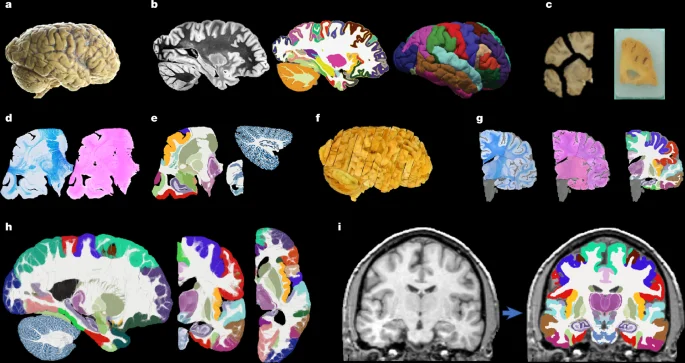
Scientists have created the largest and most detailed atlas of the human brain, revealing the arrangement and inner workings of 3,300 types of brain cells, many of which were previously unknown. The research, part of the BRAIN Initiative Cell Census Network, used cutting-edge techniques to map the cells found in the brains of humans, mice, and nonhuman primates. The atlas provides insights into the similarities and differences between human and nonhuman primate brains, and opens up new possibilities for understanding neurological diseases and what makes us human.

Mapping the Cuttlefish Brain for Instant Skin Color Changes.
science2 years ago

Mapping the Cuttlefish Brain for Instant Skin Color Changes.

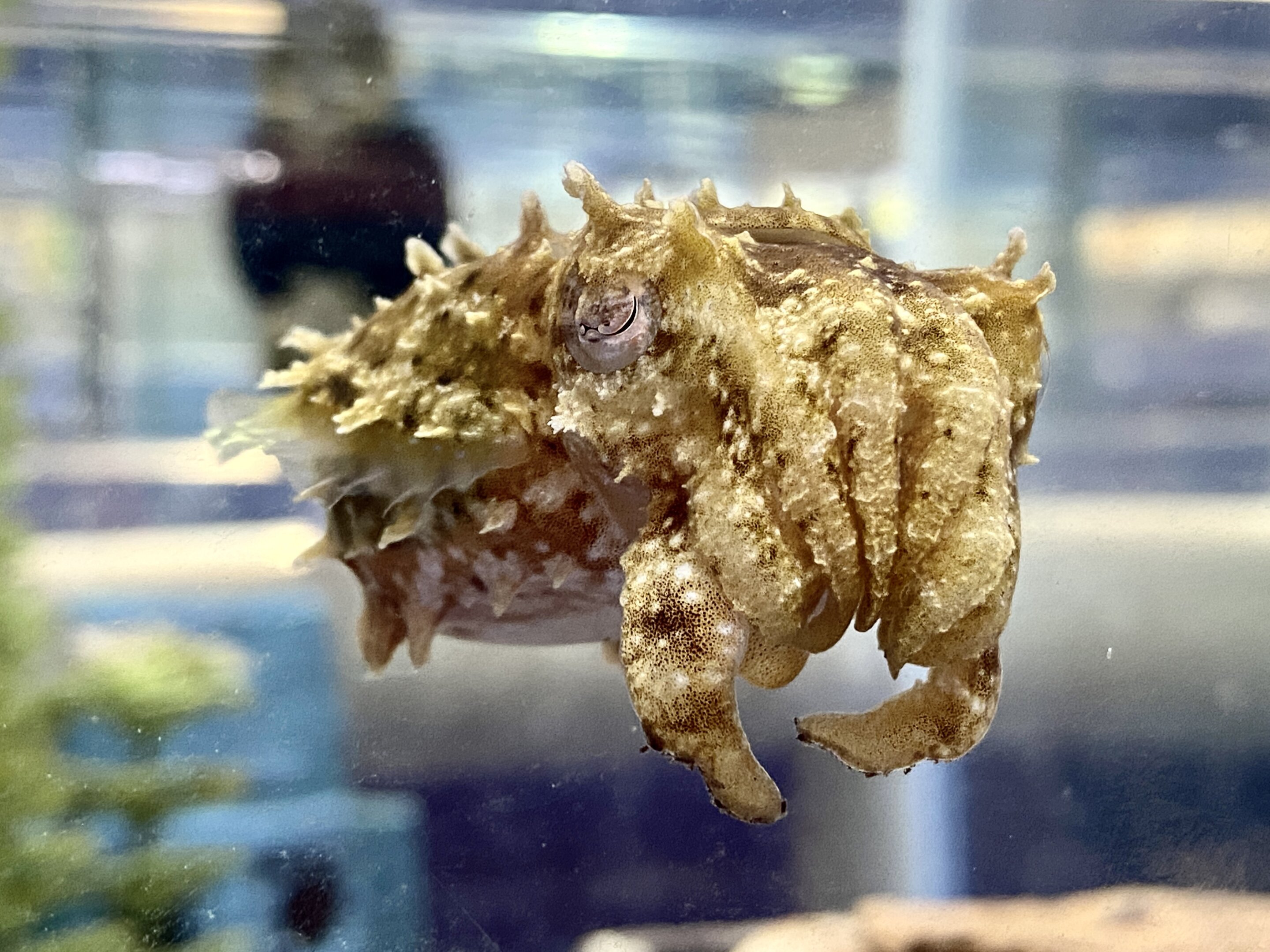
A team of neuroscientists at Columbia's Zuckerman Institute has created a brain atlas of the dwarf cuttlefish, Sepia bandensis, depicting the brain's overall 32-lobed structure as well as its cellular organization. The atlas will help researchers understand how the cuttlefish achieves its astonishing feat of camouflage. The team used magnetic resonance imaging (MRI) and histological techniques to create the atlas, which is available on the website Cuttlebase.org. The atlas offers cellular resolution and is equivalent to a detailed atlas that shows all of the roads, hills, lakes, and rivers of the states.