Tag

Sediment

All articles tagged with #sediment

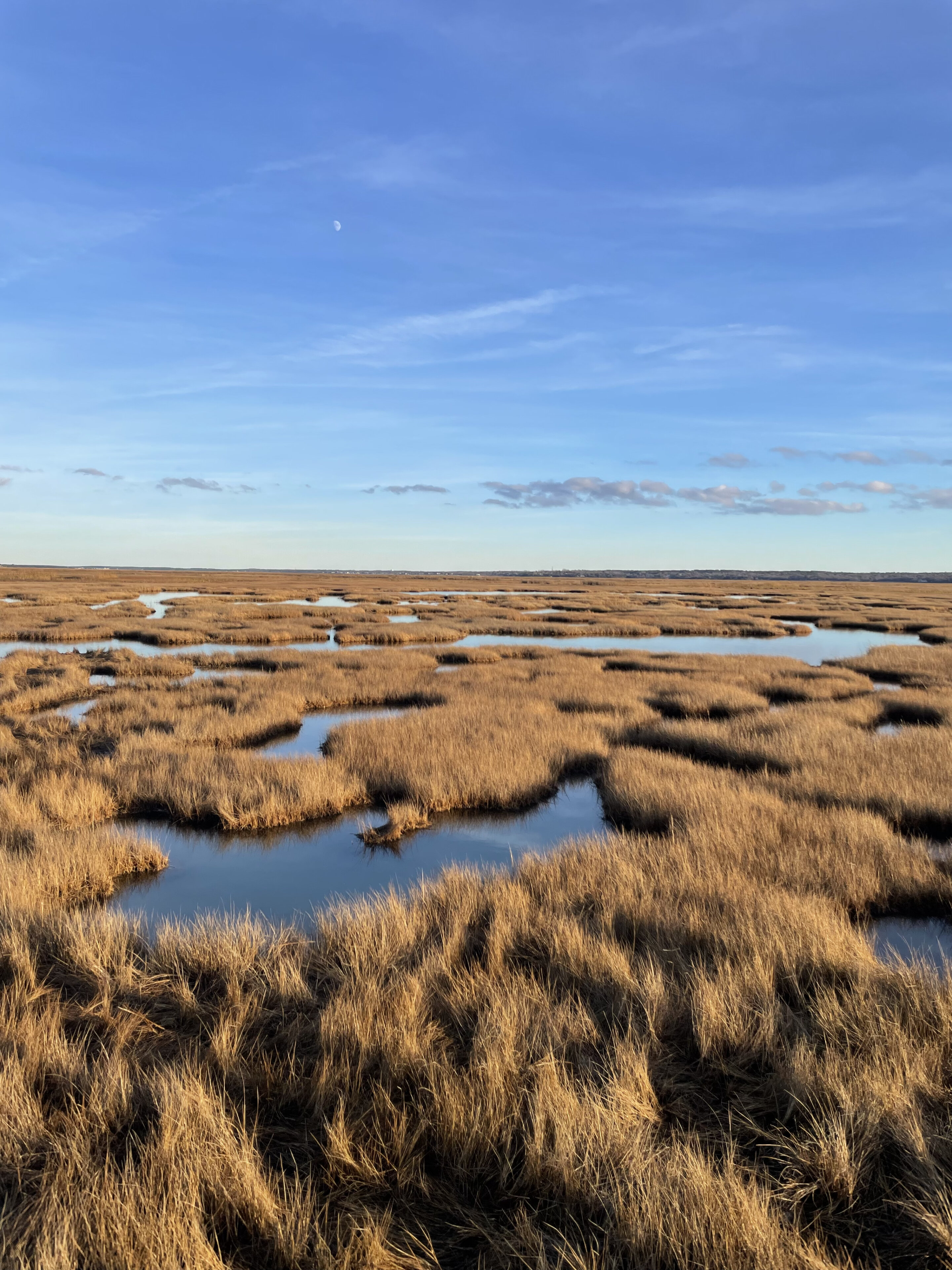
Rivers offer limited assistance in protecting coastal wetlands from sea-level rise, scientists warn

Originally Published 2 years ago — by Phys.org

Featured image for Rivers offer limited assistance in protecting coastal wetlands from sea-level rise, scientists warn
Source: Phys.org

A study published in Science reveals that large dam removal projects may not be an effective solution to combat the loss of coastal wetlands caused by sea-level rise. Researchers found that the majority of U.S. rivers do not deliver enough sediment to match the rising sea levels in their connected coastal areas. Nearly three out of every four rivers analyzed fell short of the required sediment amount by at least 10-fold. The study emphasizes that most U.S. watersheds are small and not significant sources of sediment buildup in wetlands, making dam removal ineffective in these areas. Alternative strategies, such as preserving low-lying land and restoring natural hydrology, are suggested to save tidal wetlands.

The Geological Influence on Earth's Diverse Evolutionary History

Originally Published 2 years ago — by Phys.org

Featured image for The Geological Influence on Earth's Diverse Evolutionary History
Source: Phys.org

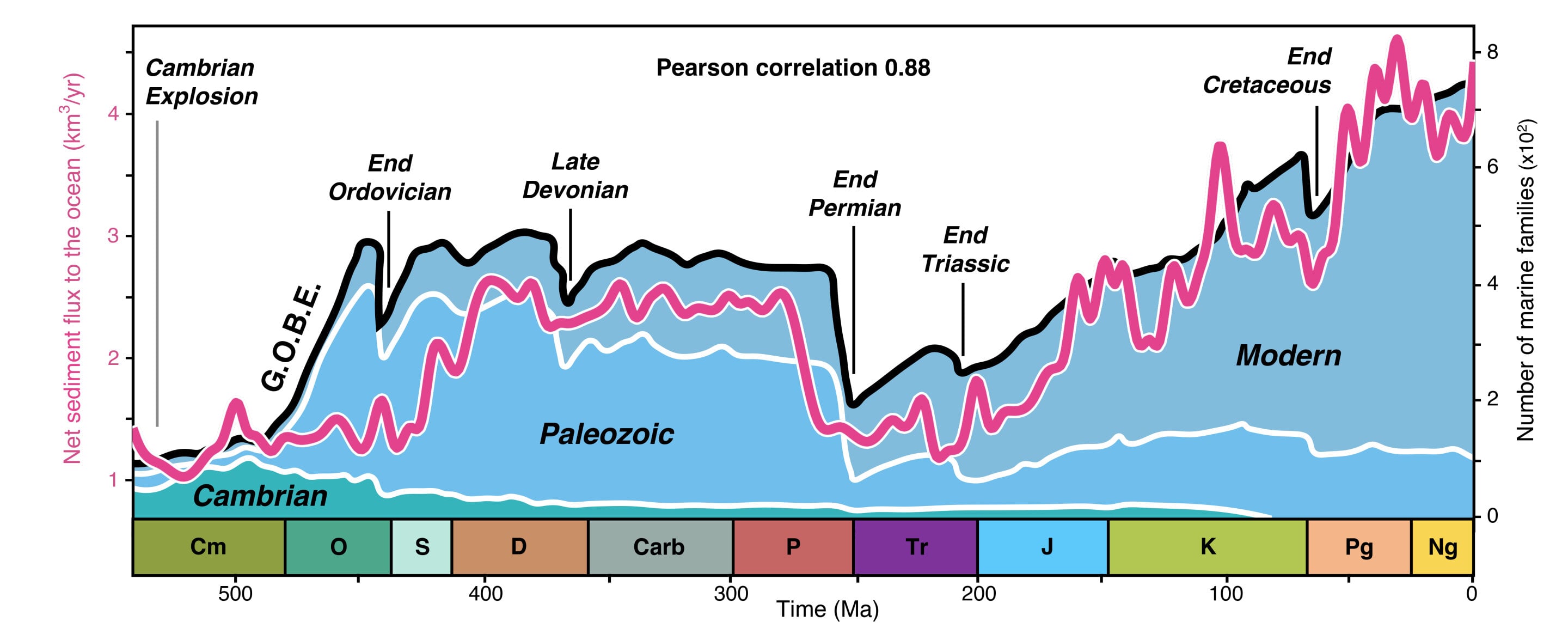
A new theory proposes that the evolution of biodiversity over the past 540 million years is linked to sediment "pulses" controlled by past landscapes. Computer simulations showed a positive correlation between the amount of sediment rivers carried into the oceans and the diversification of marine life. The simulations also revealed that episodes of mass extinctions in the oceans occurred after significant decreases in sedimentary flow, suggesting a lack of nutrients can destabilize biodiversity. On land, changes in landscape dynamics, such as thicker soil deposited by rivers, influenced plant diversification. The study highlights the strong influence of landscapes on the diversity of life on Earth and emphasizes the importance of considering interactions between tectonics, climates, and sediment flows in understanding biodiversity evolution.

The Perils of Deep-Sea Mining: Stressed Jellyfish Reveal Troubling Consequences

Originally Published 2 years ago — by The New York Times

Featured image for The Perils of Deep-Sea Mining: Stressed Jellyfish Reveal Troubling Consequences
Source: The New York Times

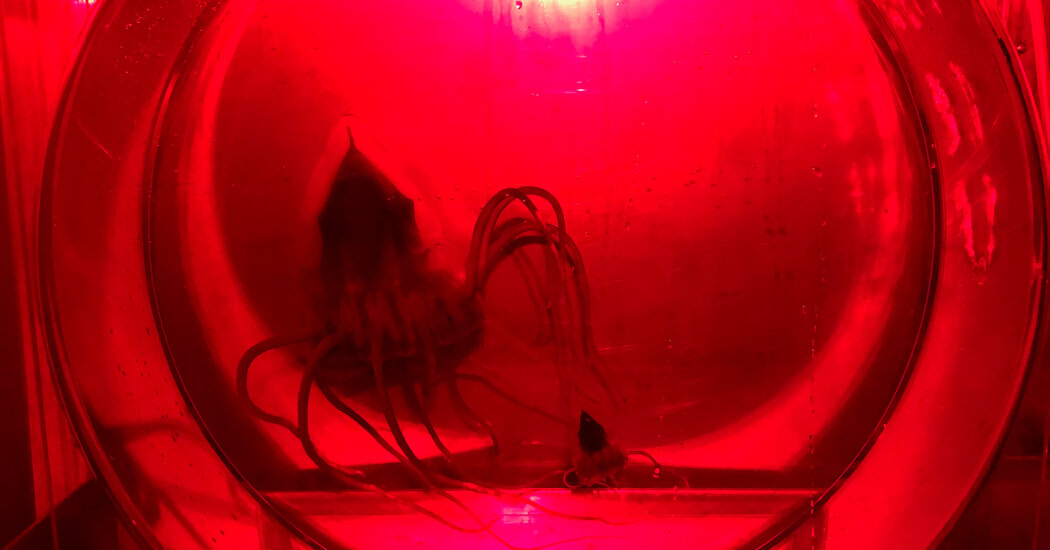
Shipboard experiments conducted on helmet jellyfish in the Norwegian fjords have provided insights into the potential dangers of deep-sea mining. The researchers simulated the effects of mining by pumping sediment into the jellyfish tanks, revealing that the animals struggled to cope with the muddy water. The jellyfish responded by producing excess mucus and activating genes associated with tissue repair and the immune system. The study suggests that deep-sea mining could negatively impact marine life and disrupt the biological cycle that keeps carbon in the deep ocean. It also highlights the potential risks to human life, as fish that rely on midocean communities for food could be affected.

Microplastics Contamination Explored in Cave Environments and Invertebrates

Originally Published 2 years ago — by Phys.org

Featured image for Microplastics Contamination Explored in Cave Environments and Invertebrates
Source: Phys.org

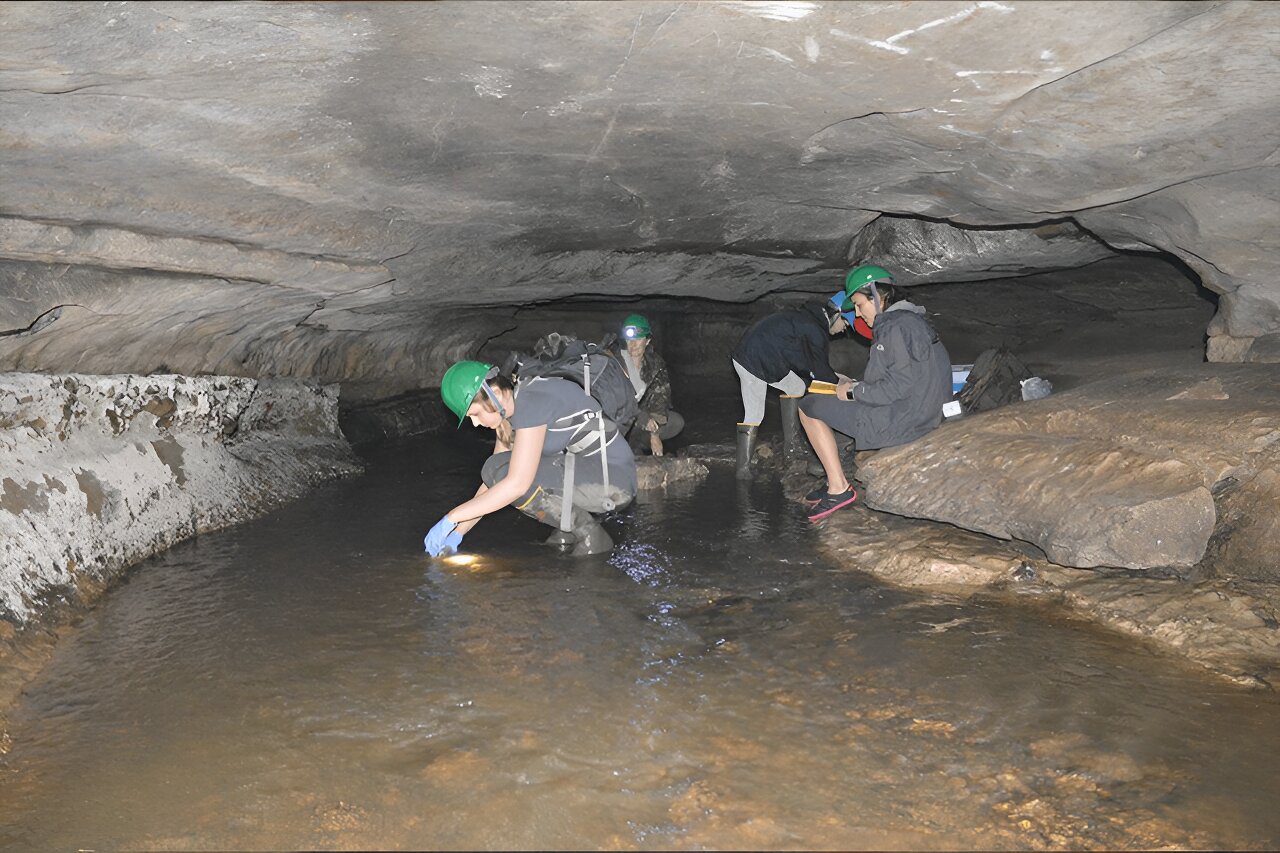
Researchers from Saint Louis University have discovered high concentrations of microplastics in a cave system in Missouri that had been closed to human visitors for 30 years. The study found that flooding increases the amount of microplastics in the cave, with the highest concentrations near the entrance and in sediment. Microplastics were almost 100 times more concentrated in sediment than in the water. The findings highlight the need for further research to understand the impact of microplastics on cave ecosystems and to develop strategies to reduce plastic pollution.

Crawford Lake in Canada: A Defining Site for the Anthropocene Age

Originally Published 2 years ago — by Euronews

Featured image for Crawford Lake in Canada: A Defining Site for the Anthropocene Age
Source: Euronews

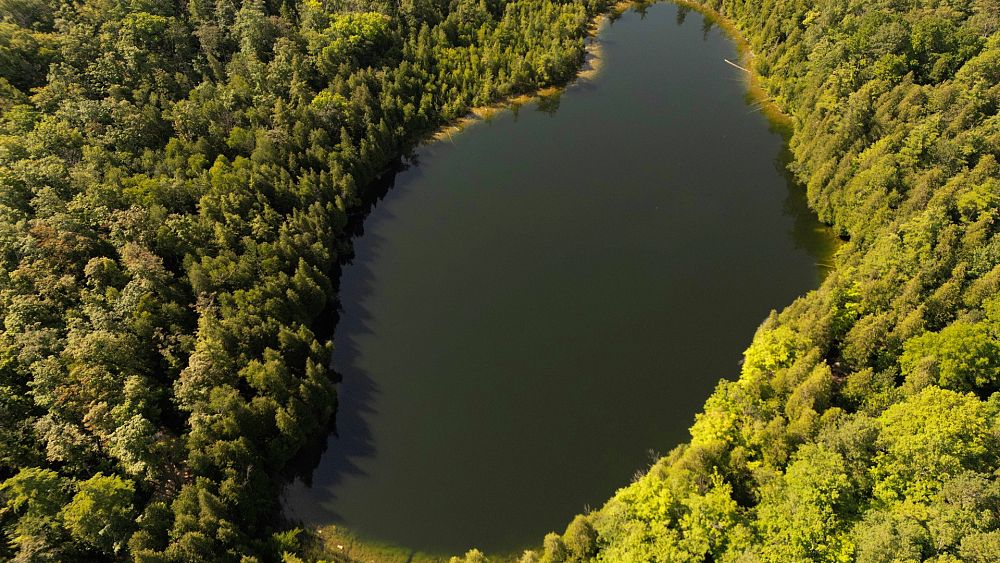
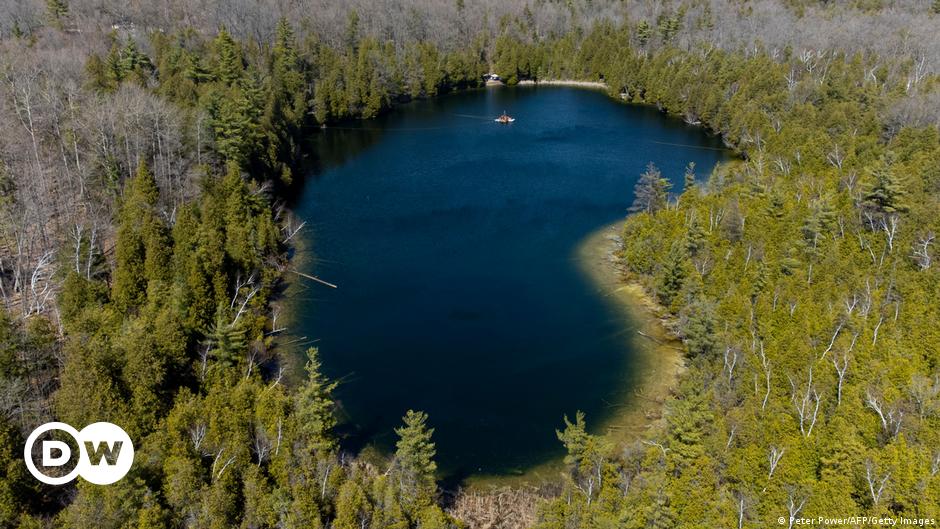
Scientists from the Anthropocene Working Group (AWG) have identified a remote lake near Toronto, Canada, as the potential birthplace of the Anthropocene epoch, a new geological time period characterized by humanity's significant impact on the planet. Sediment at the bottom of Crawford Lake contains evidence of environmental changes caused by human activity, including the presence of plutonium from nuclear testing in the 1950s. The AWG has proposed a start date for the Anthropocene between 1950 and 1954, but the final decision will be made at a conference in 2024.

Crawford Lake in Canada: The Start of the Anthropocene Era

Originally Published 2 years ago — by DW (English)

Featured image for Crawford Lake in Canada: The Start of the Anthropocene Era
Source: DW (English)

Scientists studying sediment at Crawford Lake in Canada have found evidence of the beginning of the Anthropocene age, a new epoch defined by human activity's destabilizing influence on the environment. The sediment at the bottom of the lake contains microplastics, residues from burnt oil and coal, and detritus from nuclear bombs, indicating a sudden and irreversible shift in Earth's conditions. The findings will be presented to the International Commission on Stratigraphy to formally recognize the Anthropocene epoch, which began around 70 years ago and marks a significant change in the planet's biology.

Unveiling Japan Sea's Sludge: A Disturbing Tale of Human Impact on Earth

Originally Published 2 years ago — by Barron's

Featured image for Unveiling Japan Sea's Sludge: A Disturbing Tale of Human Impact on Earth
Source: Barron's

Beppu Bay in Japan is being considered as a potential "golden spike" location for the Anthropocene, a new geological epoch defined by human impact on the Earth. The sediment in Beppu Bay contains layers that document how humans have altered the environment, from nuclear test contamination to microplastic pollution. The bay's unique characteristics, such as its basin-like shape and lack of oxygen, have preserved these anthropogenic markers. Core samples from the bay show signatures of nuclear bomb tests, providing evidence of human impact. The designation of the Anthropocene is seen as a warning for humanity to address the rapid deterioration of the global environment.

Unveiling Japan Sea's Sludge: A Disturbing Tale of Human Impact on Earth

Originally Published 2 years ago — by Barron's

Featured image for Unveiling Japan Sea's Sludge: A Disturbing Tale of Human Impact on Earth
Source: Barron's

Beppu Bay in Japan is being considered as a potential "golden spike" location for the Anthropocene, a new geological epoch defined by human impact on the Earth. The sediment in Beppu Bay contains layers that document various anthropogenic markers, including manmade chemicals, radionuclides, and microplastics. The unique characteristics of the bay, such as its basin-like shape and lack of oxygen, have preserved these markers, allowing scientists to pinpoint the precise date and level of the Anthropocene-Holocene boundary. The bay also contains signatures from nuclear bomb tests carried out in the Pacific Ocean, making it a compelling site for understanding human impact on the environment.

Crawford Lake: A Key to Unlocking the Anthropocene Epoch?

Originally Published 2 years ago — by Newser

Featured image for Crawford Lake: A Key to Unlocking the Anthropocene Epoch?
Source: Newser

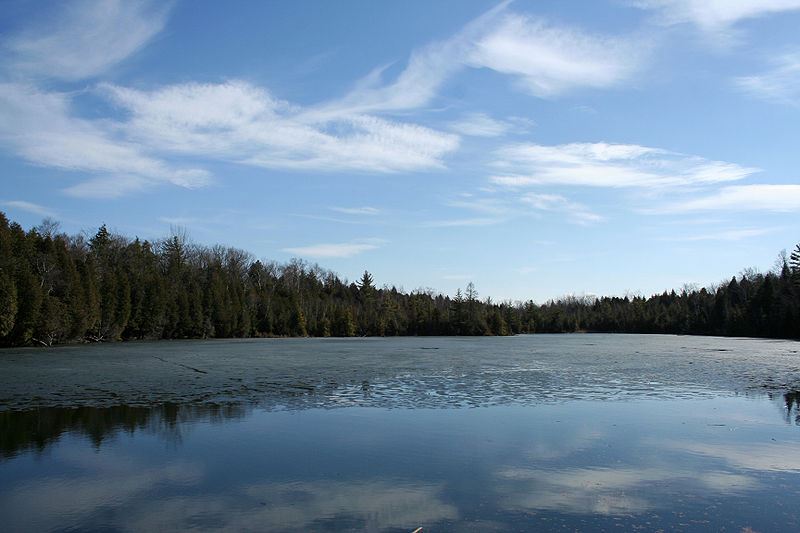
Crawford Lake in Ontario, Canada, is being considered as the "golden spike" or formal starting point of a new epoch called the Anthropocene. The lake has a unique combination of attributes that make it a bellwether of global change, including an upper layer of water and a cold, dark deeper layer under which sediment is perfectly preserved. By examining the sediment, researchers can trace telltale signs of human activity, such as the burning of fossil fuels and the rise of acid rain. The International Commission on Stratigraphy will decide in months which of various candidates around the world gets the "golden spike" designation.

"Water experiments boost Lake Mead and Colorado River conditions"

Originally Published 2 years ago — by The Hill

Featured image for "Water experiments boost Lake Mead and Colorado River conditions"
Source: The Hill

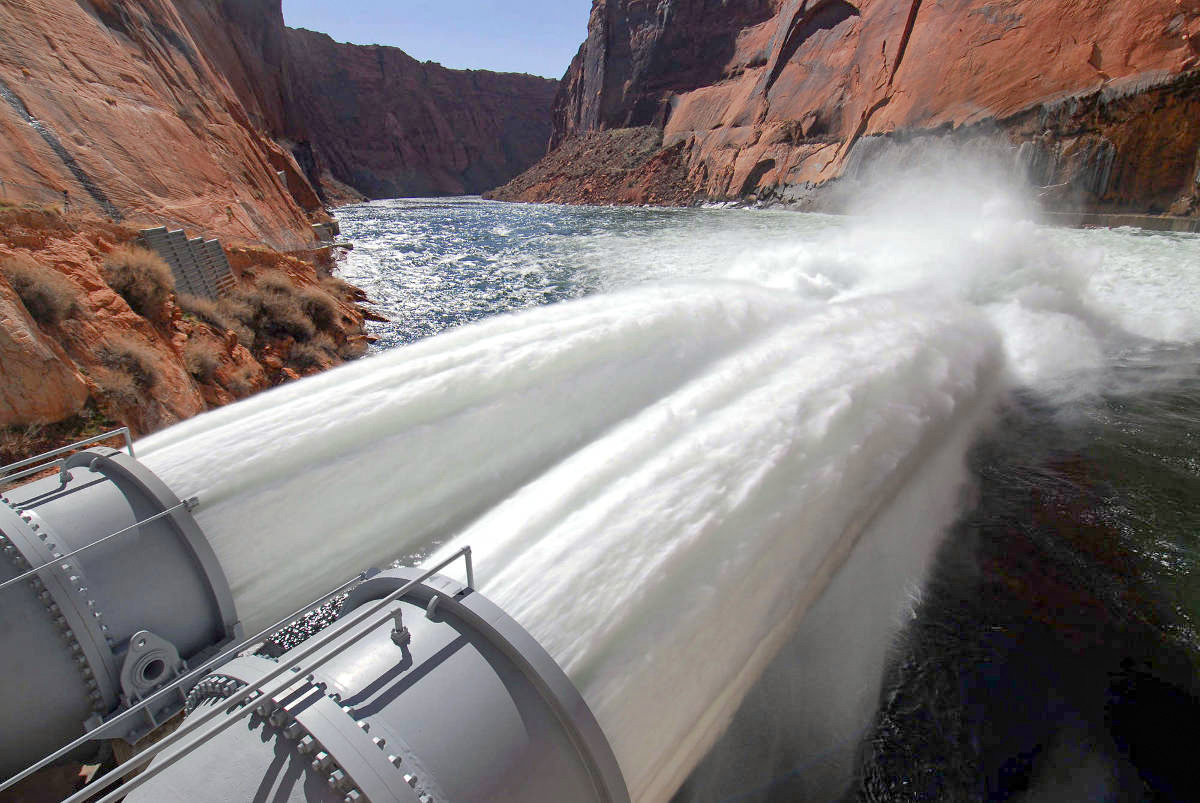
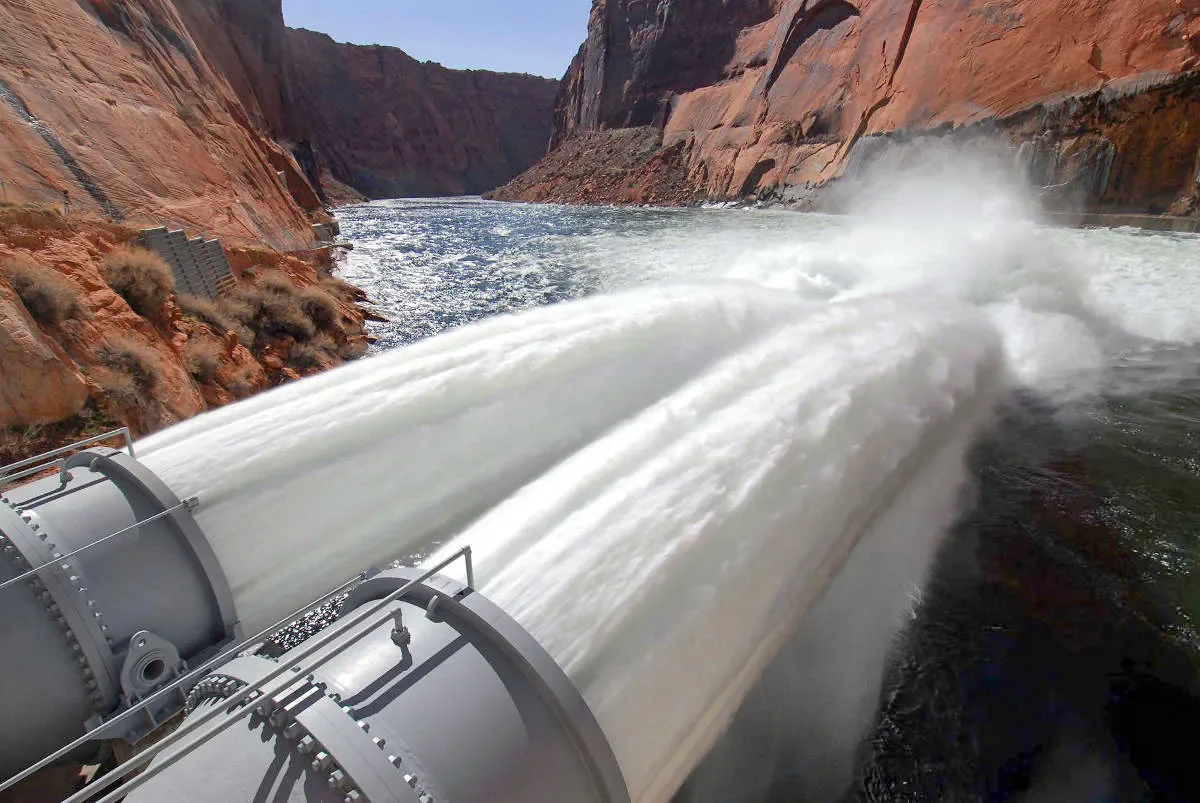
The US Bureau of Reclamation has begun a High Flow Experiment (HFE) by releasing 39,500 cubic feet per second of water from Lake Powell to restore sandbars and beaches in the Grand Canyon and move sediment downriver to Nevada's Lake Mead. The HFE will last for 72 hours and is expected to peak on Wednesday morning before subsiding back to normal flow on Saturday. Lake Mead is projected to rise 33 feet higher than expected this year due to snowpack levels in the Upper Colorado River Basin.

Water experiments improve Colorado River conditions and habitat in Grand Canyon.

Originally Published 2 years ago — by KLAS - 8 News Now

Featured image for Water experiments improve Colorado River conditions and habitat in Grand Canyon.
Source: KLAS - 8 News Now

The U.S. Bureau of Reclamation has begun a High Flow Experiment (HFE) by releasing 39,500 cubic feet per second of water from Lake Powell through the Glen Canyon Dam for 72 hours, which will eventually end up in Lake Mead. The experiment is designed to restore sandbars and beaches while moving sediment downriver to improve the Colorado River corridor in eastern Grand Canyon National Park. Lake Mead is projected to rise 33 feet higher than expected this year because of snowpack levels in the Upper Colorado River Basin.