Negotiations over Colorado River allocations have stalled as Arizona, California, and Nevada press the federal government to intervene on Western water management amid ongoing drought, with critical decisions still unresolved.
Colorado River negotiators failed to meet the federal deadline to adopt new water-sharing guidelines, heightening the risk of federally imposed cutbacks and lawsuits as climate-driven drought strains supplies for about 40 million people. The stalemate pits Upper Basin states arguing that hydrology requires tighter, shared limits against Lower Basin partners seeking equitable reductions, with talks continuing and federal action looming to avert a courtroom fight.
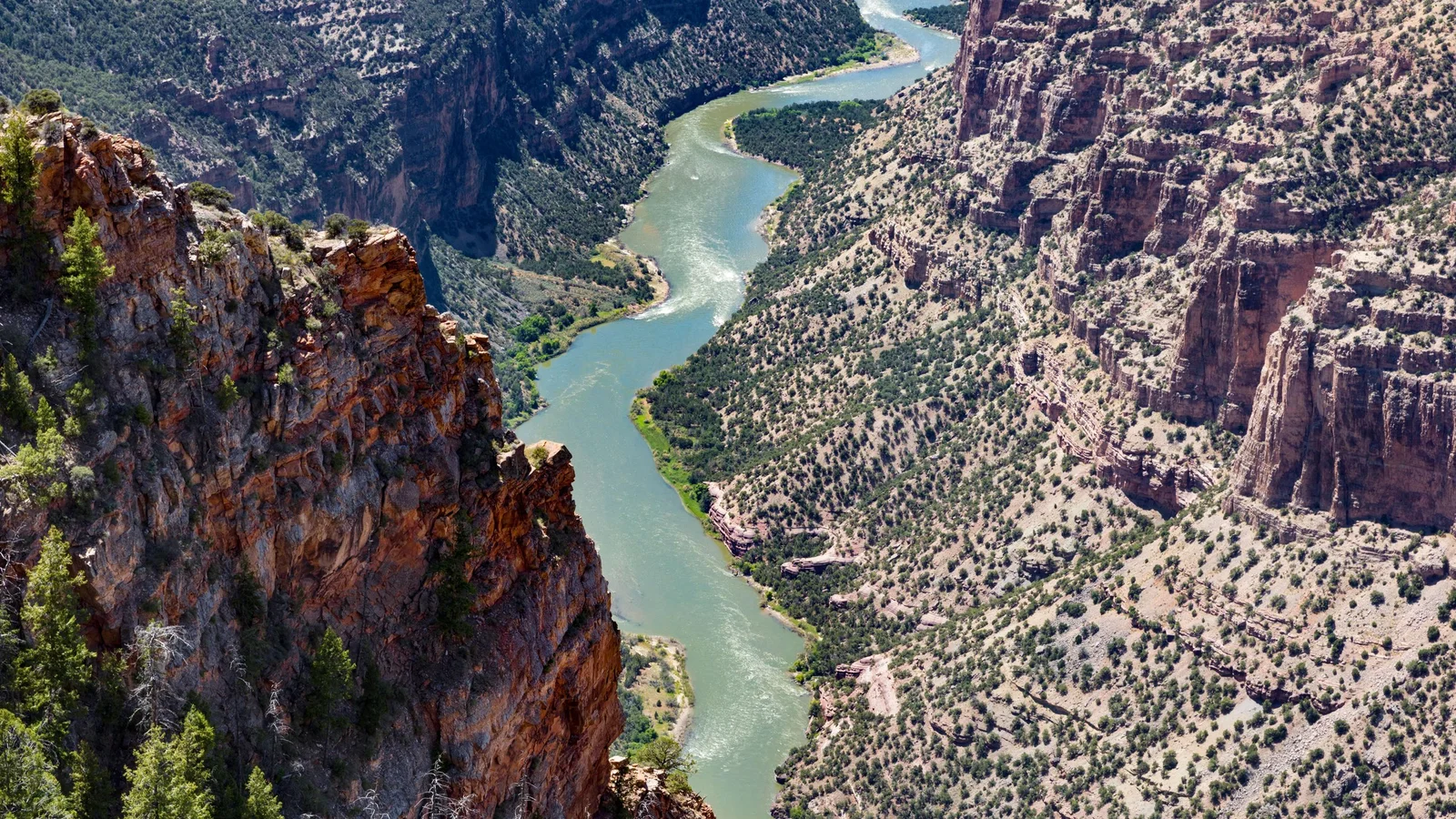
A new study explains the Green River’s uphill illusion: a dense lithospheric root beneath the Uinta Mountains slowly sank into the mantle for millions of years, dragging the surface downward. When the root detached a few million years ago, the mountains rose again, leaving the river looking like it flows uphill while gravity remains unchanged.
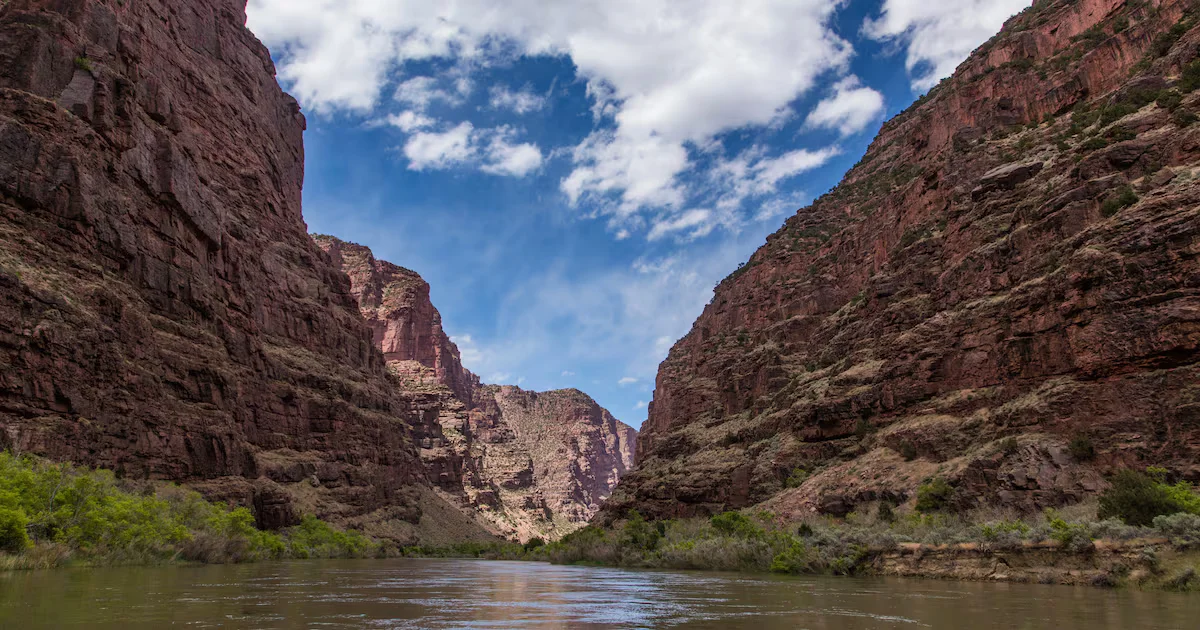
Geologists propose that a dense chunk at the base of the Uinta Mountains’ lithosphere ‘dripped’ into Earth’s mantle, temporarily pulling the range downward and allowing the Green River to cut perpendicularly across the mountains to join the Colorado River, forming the Canyon of Lodor. Seismic imaging reveals a ~200 km-deep, cold chunk and thinner crust beneath the range; after the drip broke free about 2–5 million years ago, the mountains rebounded, the canyon solidified, and the Green River became a Colorado River tributary, reshaping North America’s continental divide.
Geologists propose that a deep mantle “lithospheric drip” under the Uinta Mountains lowered the range, allowing the Green River to carve an uphill route through the Uintas about 8 million years ago. The mountains later rebounded after the drip detached from the mantle around 2–5 million years ago, enabling the canyon and current river path (including the Canyon of Lodore) to form. The idea is supported by seismic-imaging data and landscape modeling, and is published in the Journal of Geophysical Research: Earth Surface.
Interior Secretary Doug Burgum convened seven-state governors to press for a new Colorado River agreement as climate-driven drought shrinks flows for 40 million people and 5.5 million acres of farmland. Downstream Arizona, California and Nevada seek mandatory cuts, while upstream Colorado, Utah, New Mexico and Wyoming push for voluntary measures; no breakthrough emerged ahead of the Feb. 14 deadline, with a five-year interim deal floated as a pragmatic path forward. Looming is the end-of-year rule set and a risk that court battles could decide allocations if a key compact’s tripwire is crossed. Snowpack is grim this winter, threatening Lake Powell hydropower and downstream deliveries, and options include upstream releases or reduced releases to Lake Mead. Politically, the issue intersects with tensions between Trump, Newsom and Polis, complicating negotiations.
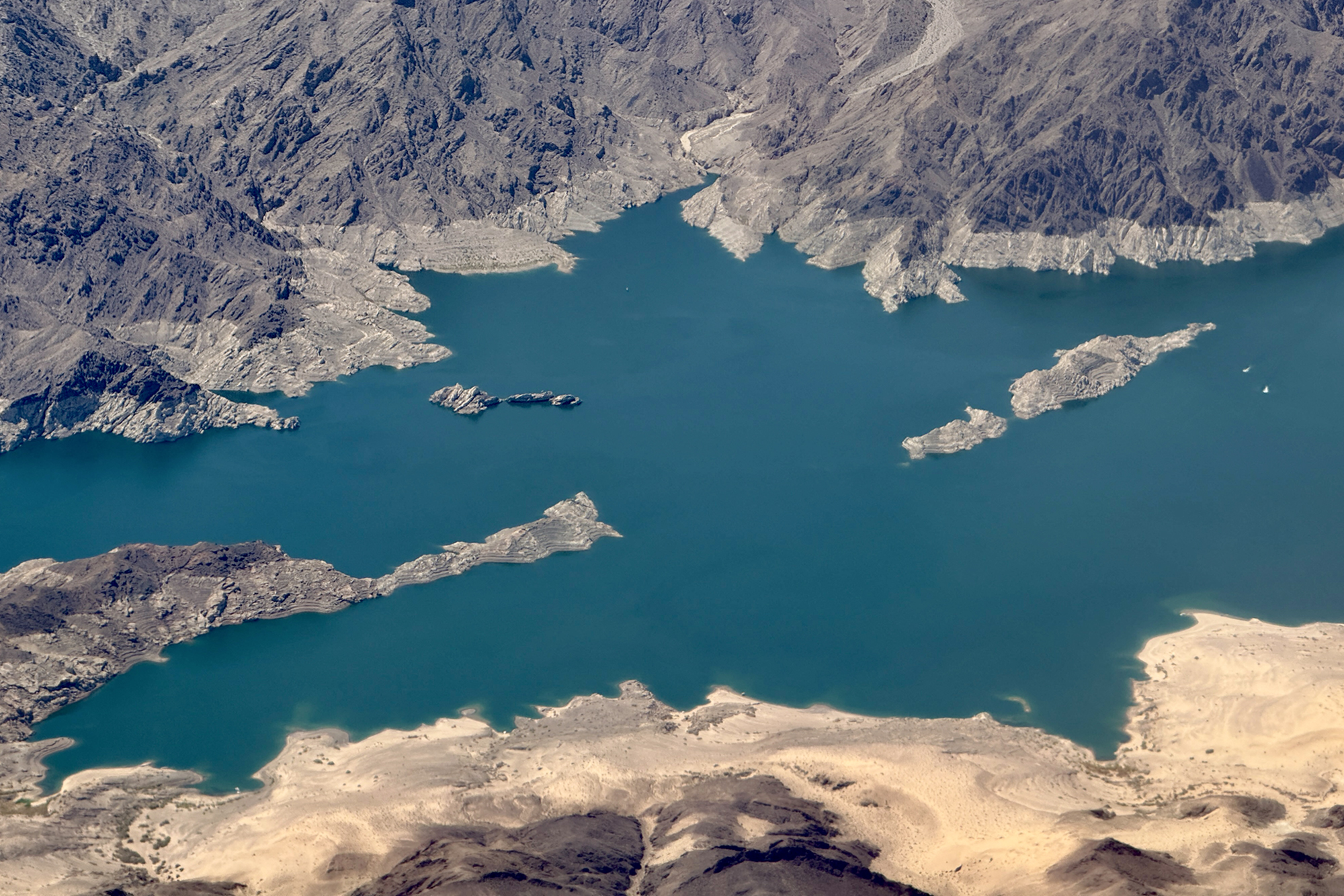
The Interior Department published five potential future management options for the drought-stricken Colorado River, ranging from action as usual to scenarios that could trigger water cuts for California, Nevada, and Arizona; no preferred option is identified, and any plan requires agreement among the seven basin states, with deadlines such as Feb. 14 for an agreement and Oct. 1 for a final decision. Public comment is open through early March as Lake Powell and Lake Mead sit at roughly 27% and 33% capacity.
Western states relying on the Colorado River face a tight deadline to reach a new water-sharing agreement by February 14, amid worsening drought conditions, declining reservoir levels, and disagreements over water cuts, with federal officials urging a compromise to prevent severe shortages and potential hydropower loss.
The Colorado River water dispute among seven states, including swing states Arizona and Nevada and conservative states Utah and Wyoming, is escalating, risking a water crisis for 40 million people amid drought and political tensions, with federal intervention efforts hampered by political deadlock and upcoming elections.
Western states are engaged in a high-stakes dispute over the shrinking Colorado River, involving political, economic, and environmental tensions among states, industries, and tribes, with potential federal intervention to manage water allocations amid severe drought and legal conflicts.
The Trump administration has largely avoided direct intervention in the escalating Colorado River water crisis, which threatens water supplies and hydropower for 40 million people due to climate change and drought, with negotiations among states ongoing and federal officials taking a cautious, incremental approach to avoid political conflicts and legal battles.
The Colorado River faces severe drought conditions with declining reservoir levels, prompting urgent negotiations among seven U.S. states and Mexico over water sharing. Federal officials warn of potential federal intervention if states cannot reach a consensus by November, as climate change exacerbates water shortages, threatening the river's future and the water supply for millions.
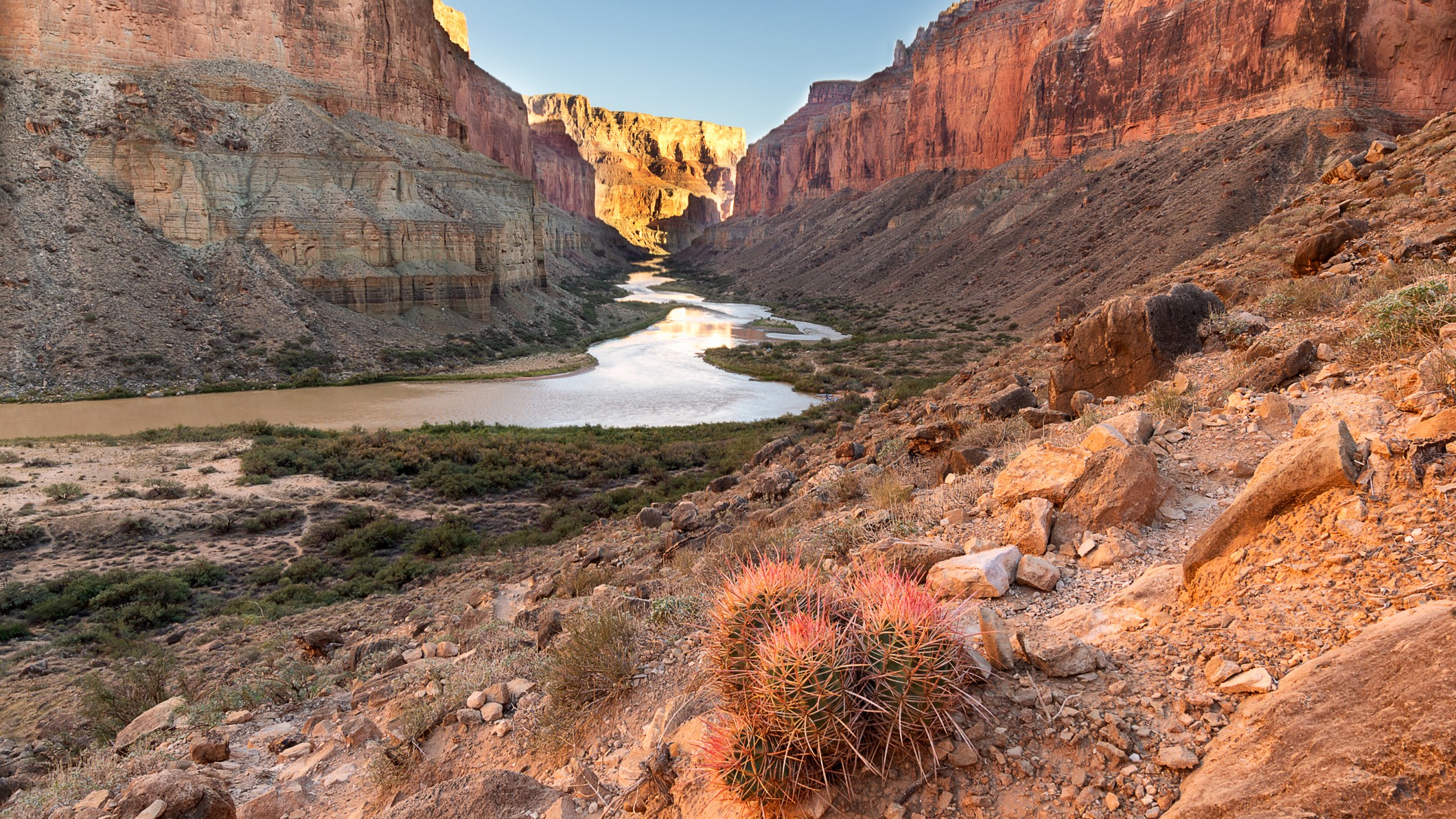
A study suggests that a meteor impact around 56,000 years ago may have triggered a massive landslide in the Grand Canyon, leading to the formation of a paleolake by damming the Colorado River, with evidence found in driftwood and sediments in Stanton's Cave. Further research is needed to confirm this connection.
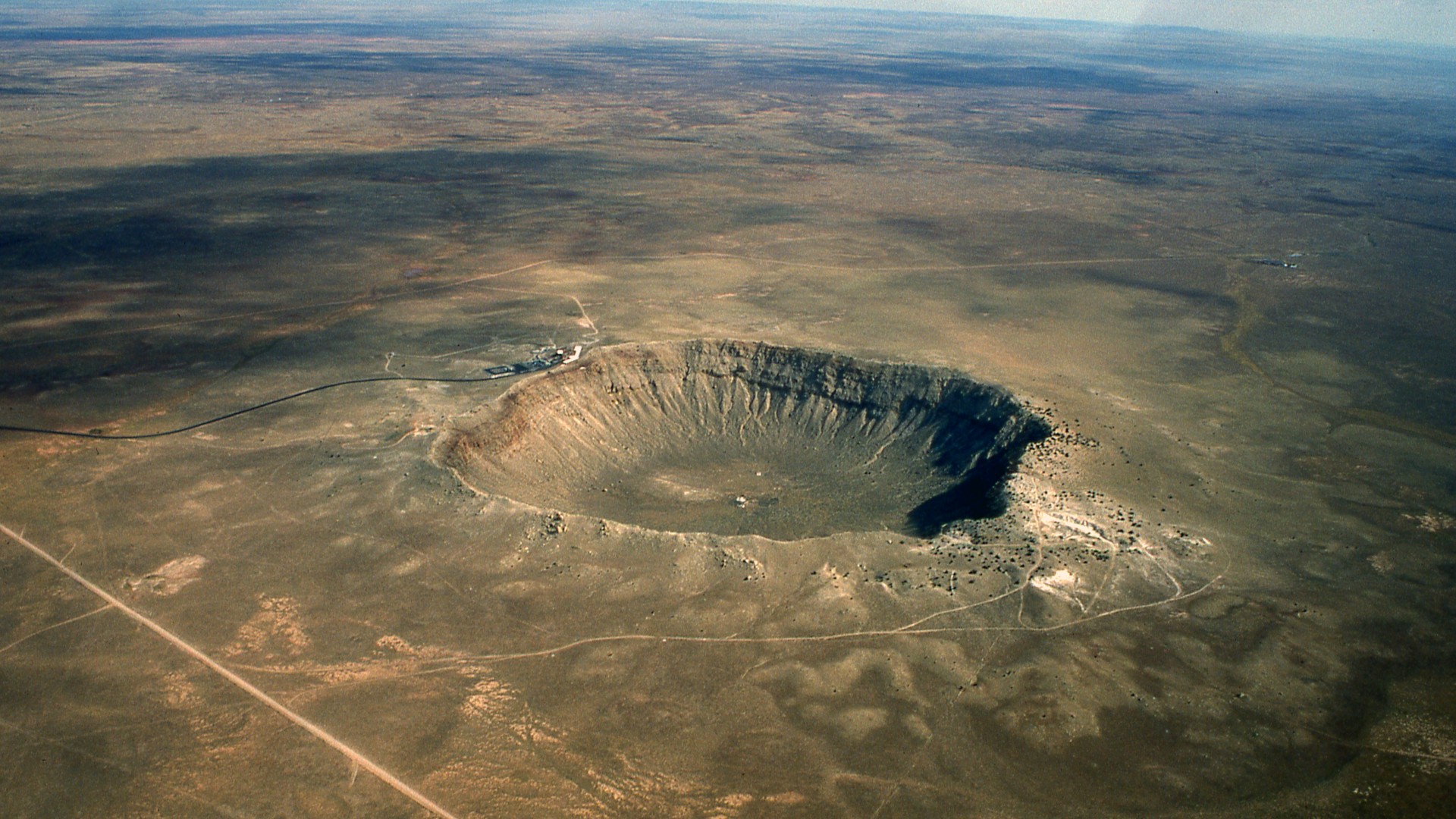
A study suggests that a giant meteor impact around 56,000 years ago, forming Barringer Crater, triggered a massive landslide in the Grand Canyon that dammed the Colorado River, leading to a significant flooding event and geological changes in the region.
The construction of dams and reservoirs on the Colorado River, including Lake Travis and Lake Buchanan, has historically prevented catastrophic flooding in Austin by controlling floodwaters, especially during recent heavy rains that have replenished water supplies and managed flood risks effectively, although future extreme storms could still pose significant threats.