
The Perils of Deep-Sea Mining: Stressed Jellyfish Reveal Troubling Consequences
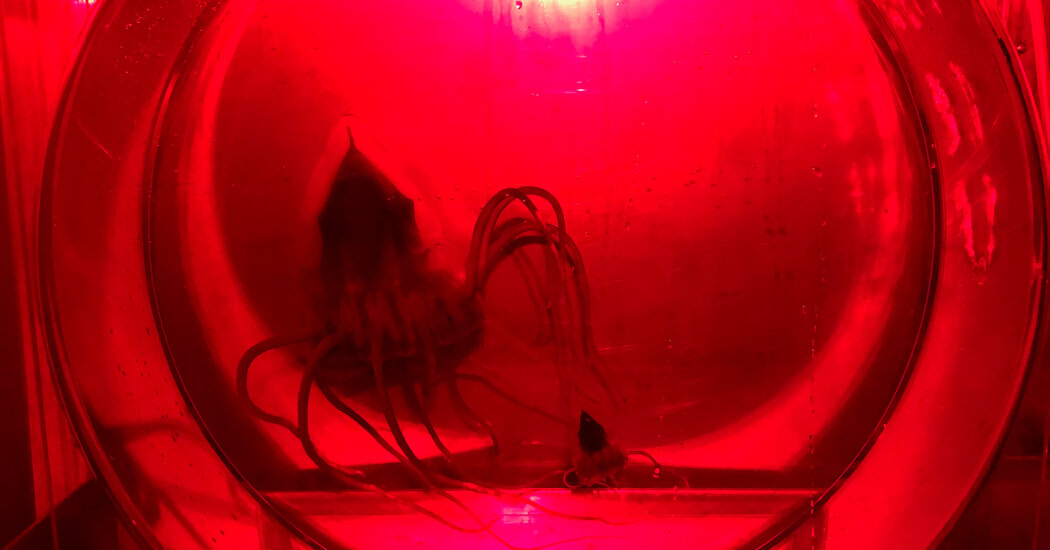
Shipboard experiments conducted on helmet jellyfish in the Norwegian fjords have provided insights into the potential dangers of deep-sea mining. The researchers simulated the effects of mining by pumping sediment into the jellyfish tanks, revealing that the animals struggled to cope with the muddy water. The jellyfish responded by producing excess mucus and activating genes associated with tissue repair and the immune system. The study suggests that deep-sea mining could negatively impact marine life and disrupt the biological cycle that keeps carbon in the deep ocean. It also highlights the potential risks to human life, as fish that rely on midocean communities for food could be affected.
- Mucus-Covered Jellyfish Hint at Dangers of Deep-Sea Mining The New York Times
- Deep-sea mining threatens jellyfish, suggests first-of-its-kind study Nature.com
- Deep-sea mining and warming trigger stress in a midwater jellyfish: Study investigates effects of sediment plumes Phys.org
- ‘Stressed jellyfish’ reveal dangers of seabed mining BBC
- Experimental mining plumes and ocean warming trigger stress in a deep pelagic jellyfish Nature.com
- View Full Coverage on Google News
Reading Insights
0
6
3 min
vs 4 min read
86%
758 → 107 words
Want the full story? Read the original article
Read on The New York Times