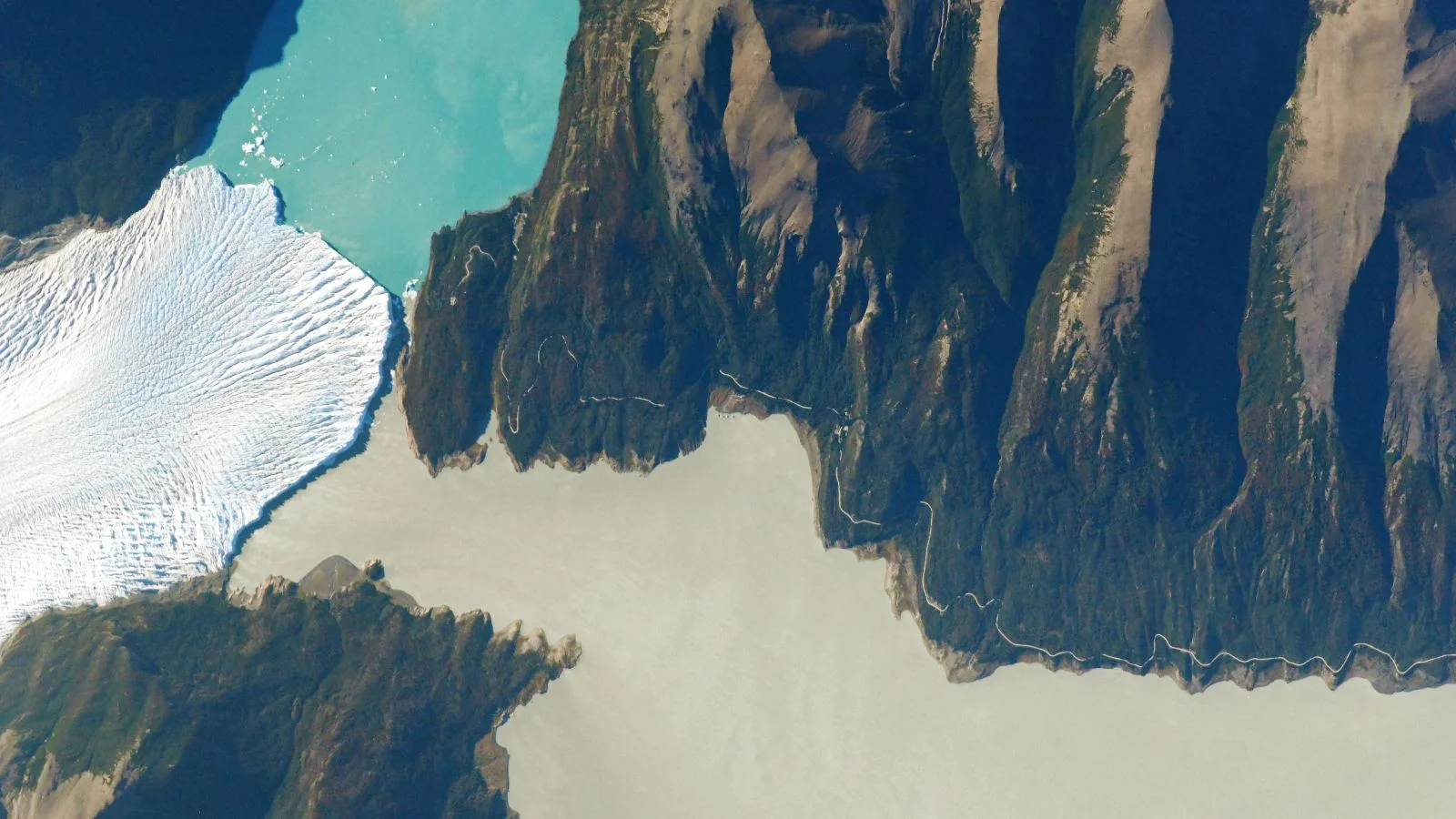
An astronaut captured a striking image of the unique convergence point where a glacier, a turquoise lake, and a river meet in Los Glaciares National Park, Argentina, highlighting the rare non-retreating Perito Moreno Glacier and the dynamic hydrological features in the region.
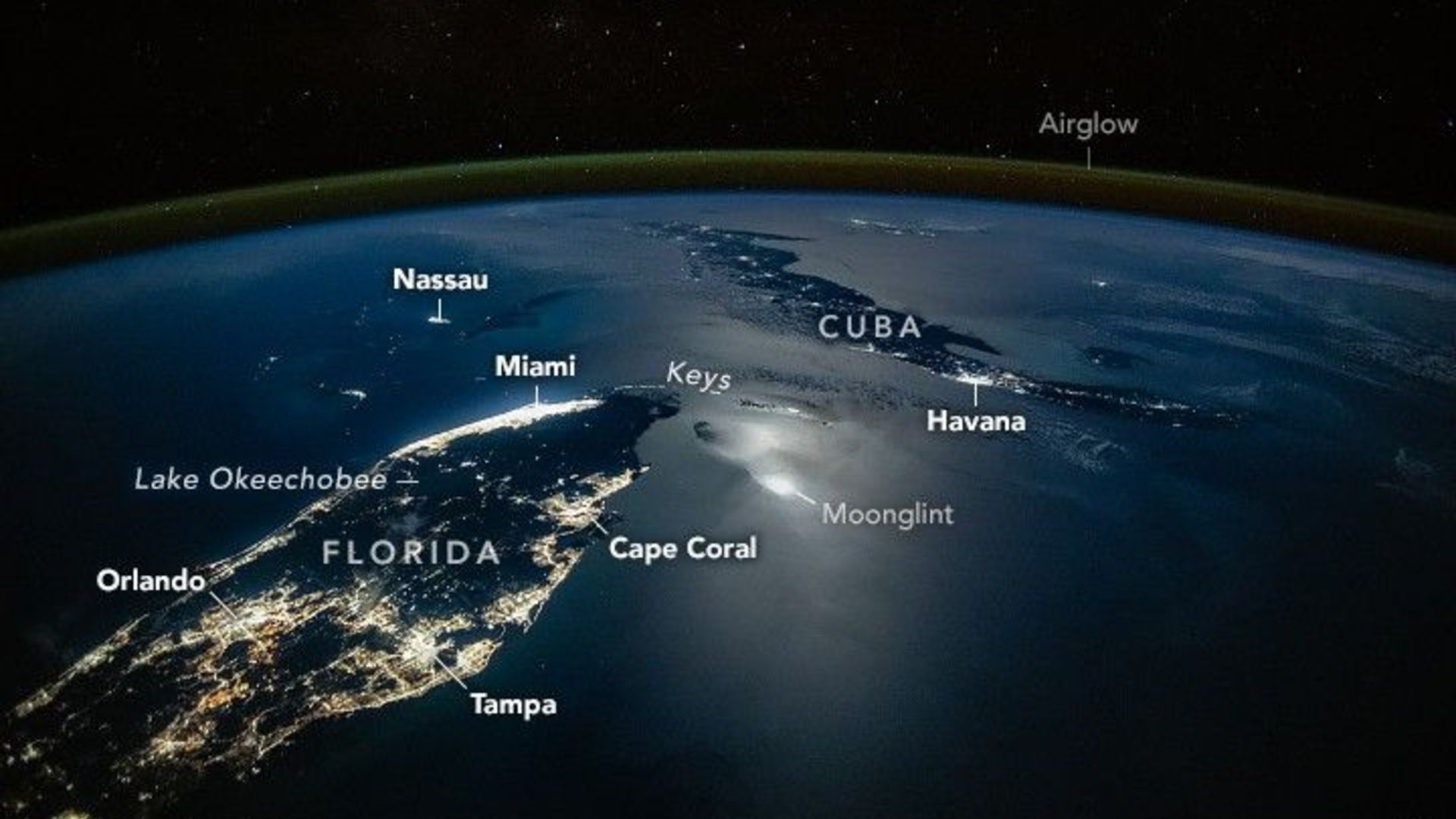
An astronaut aboard the ISS captured a stunning nighttime image of Earth showing city lights, moonglint, and airglow, highlighting human settlements and natural phenomena from space, with implications for environmental and oceanographic research.
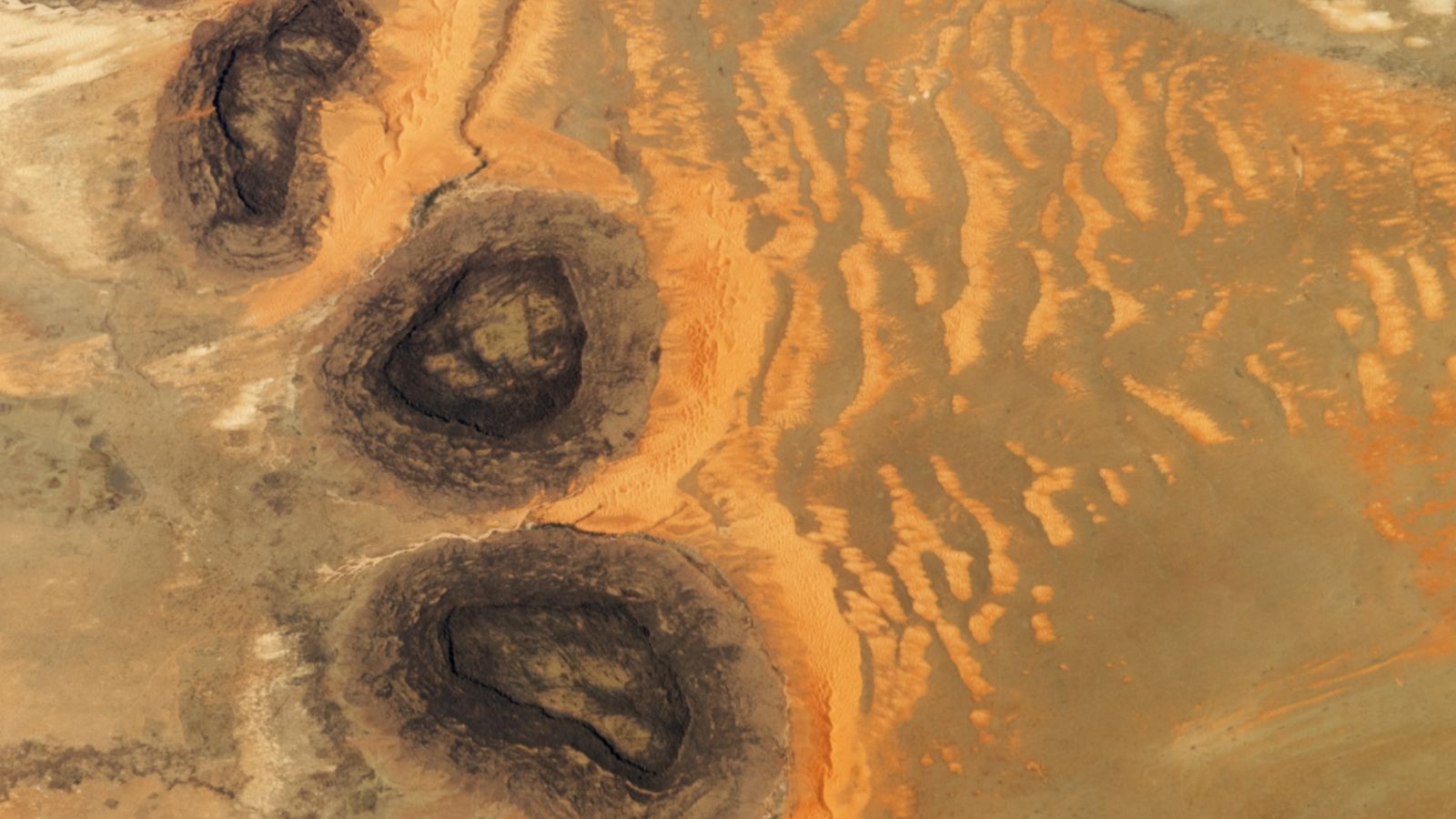
An astronaut photograph from 2023 captures a trio of ancient black mesas in the Sahara, surrounded by unique sand dunes formed by wind patterns, remnants of a Paleozoic-era geological system possibly similar to the 'Eye of the Sahara'.
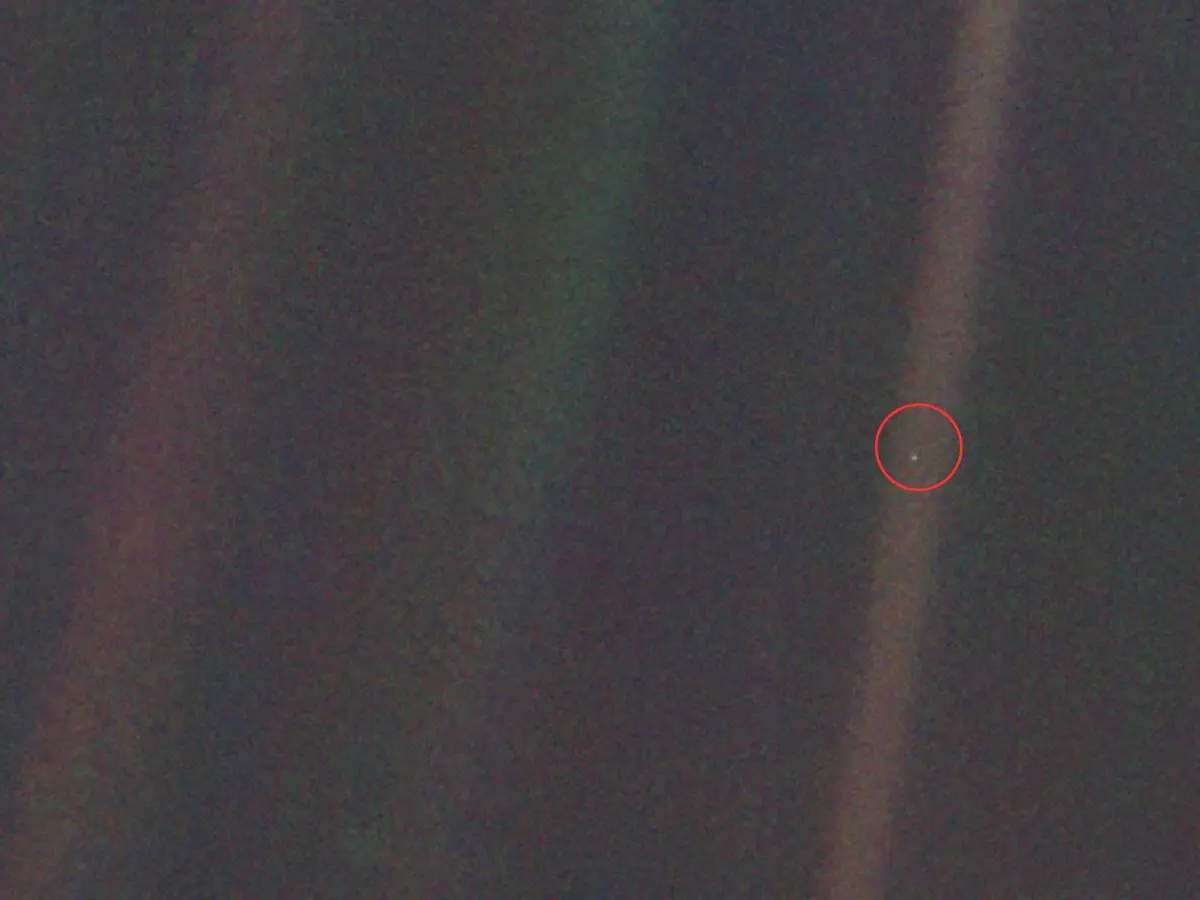
In 1990, Voyager 1 took a historic photo of Earth from 3.7 billion miles away, depicting our planet as a tiny, fragile speck in the vast cosmos, inspiring reflections on our place in the universe and the importance of caring for our home, a moment famously encapsulated by Carl Sagan's 'Pale Blue Dot'.
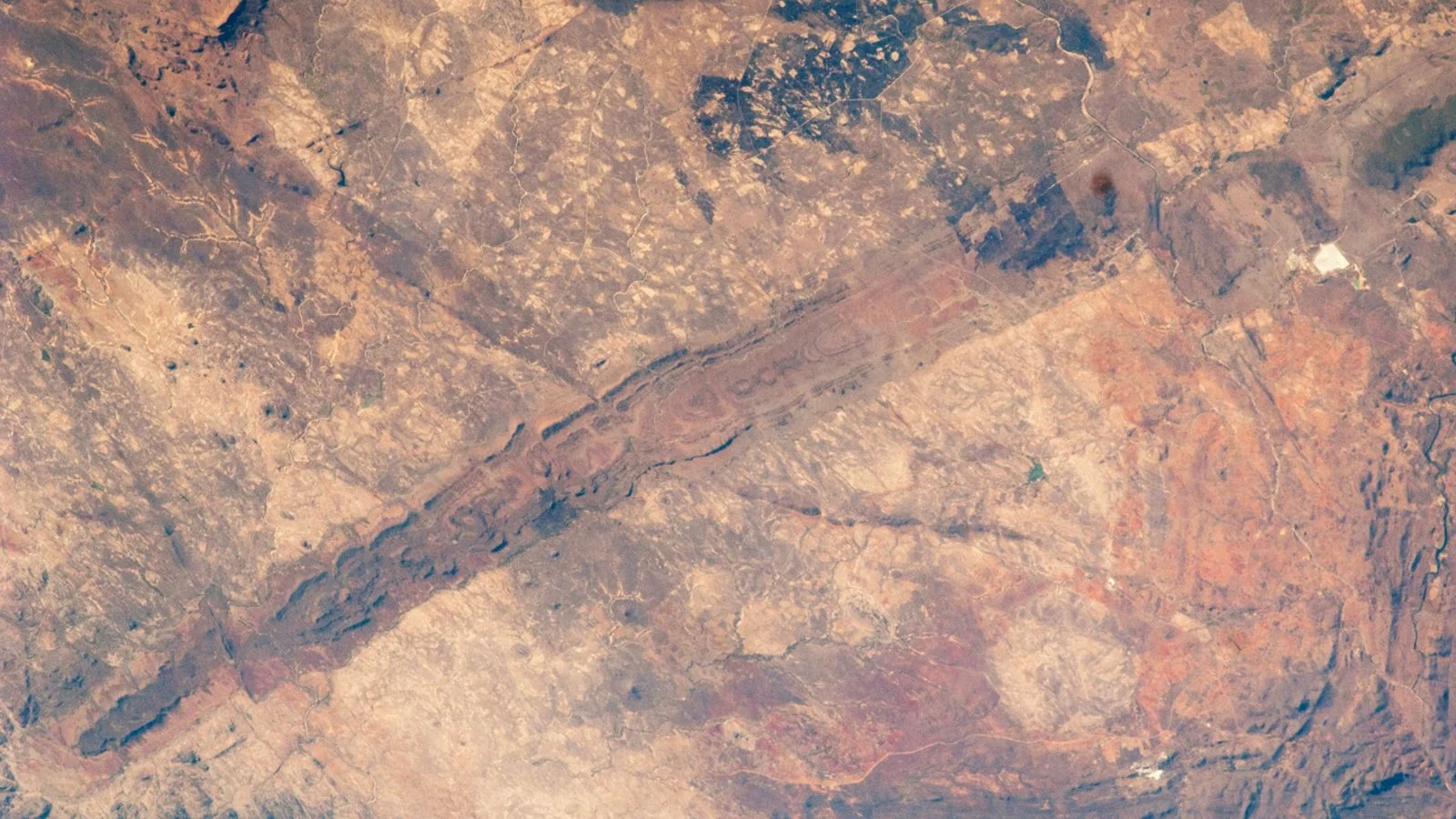
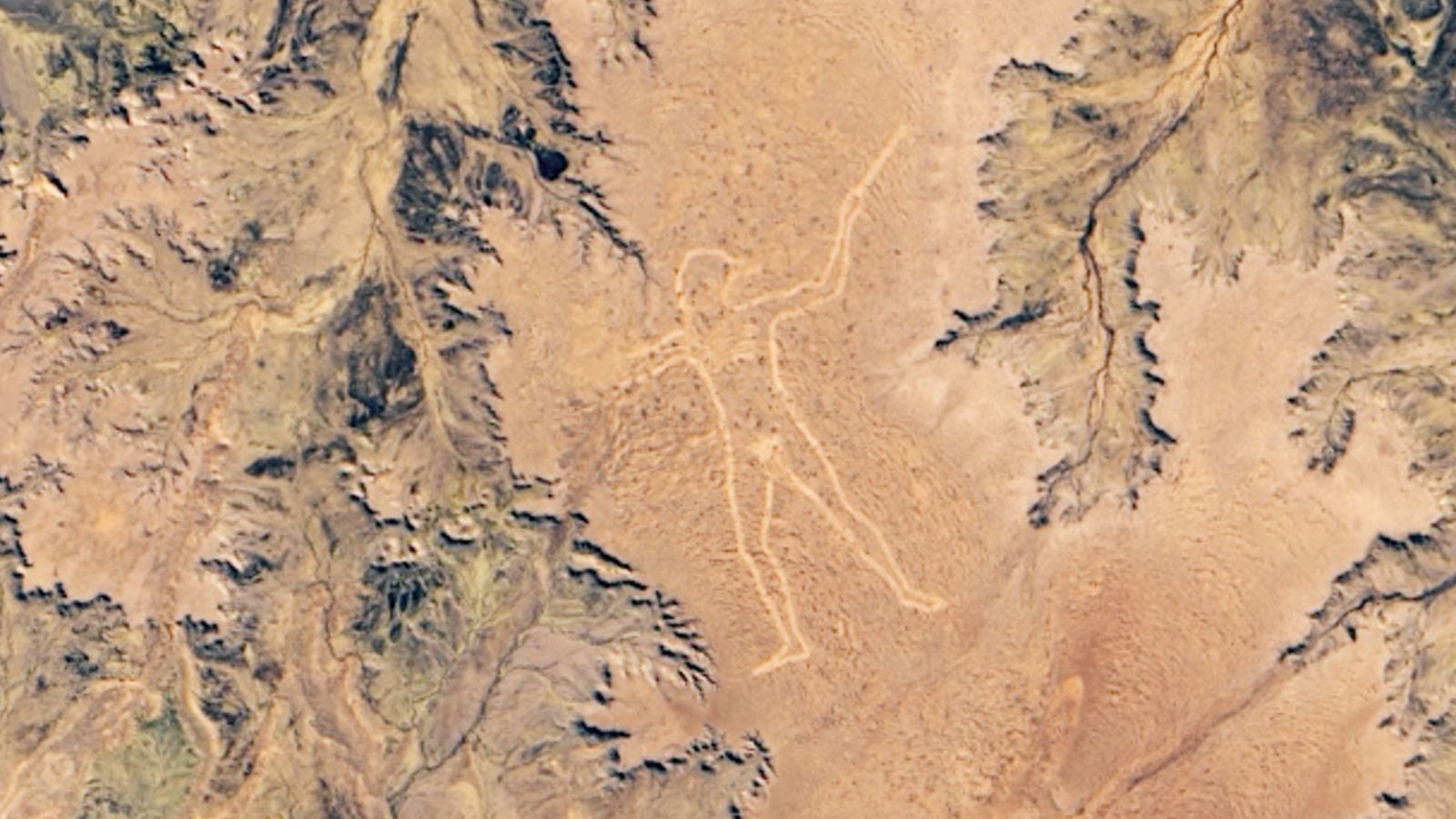
The Marree Man is a mysterious, 2-mile-tall geoglyph in the Australian outback depicting an Aboriginal hunter, created around 1998 with unknown origins, and recently re-carved to preserve it from erosion, with theories suggesting it was made by artists or military personnel.
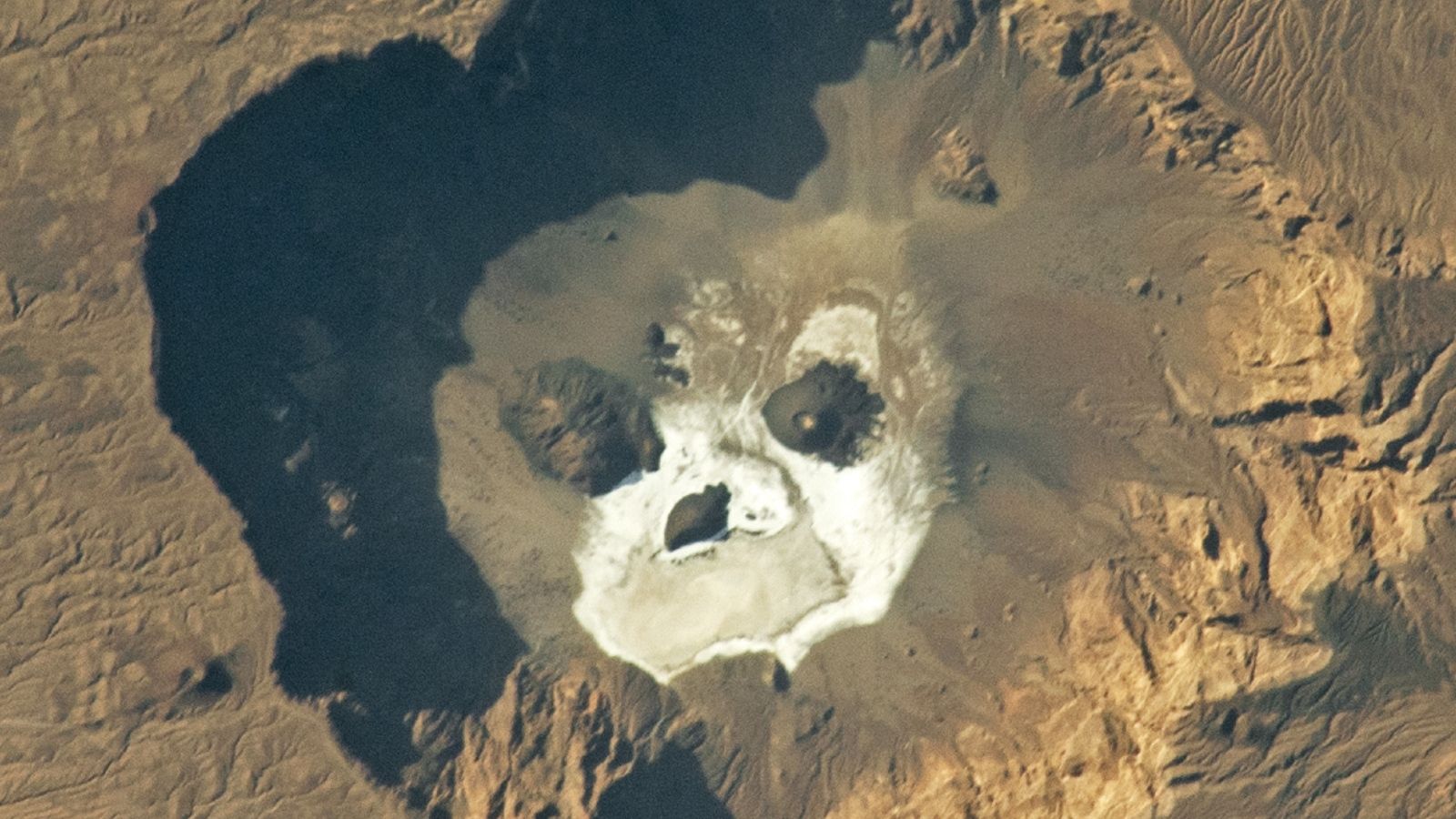
An astronaut photo from the ISS captures the skull-like appearance of the Trou au Natron caldera in Chad's Sahara, shaped by volcanic activity and natural mineral deposits, revealing a striking geological formation from space.
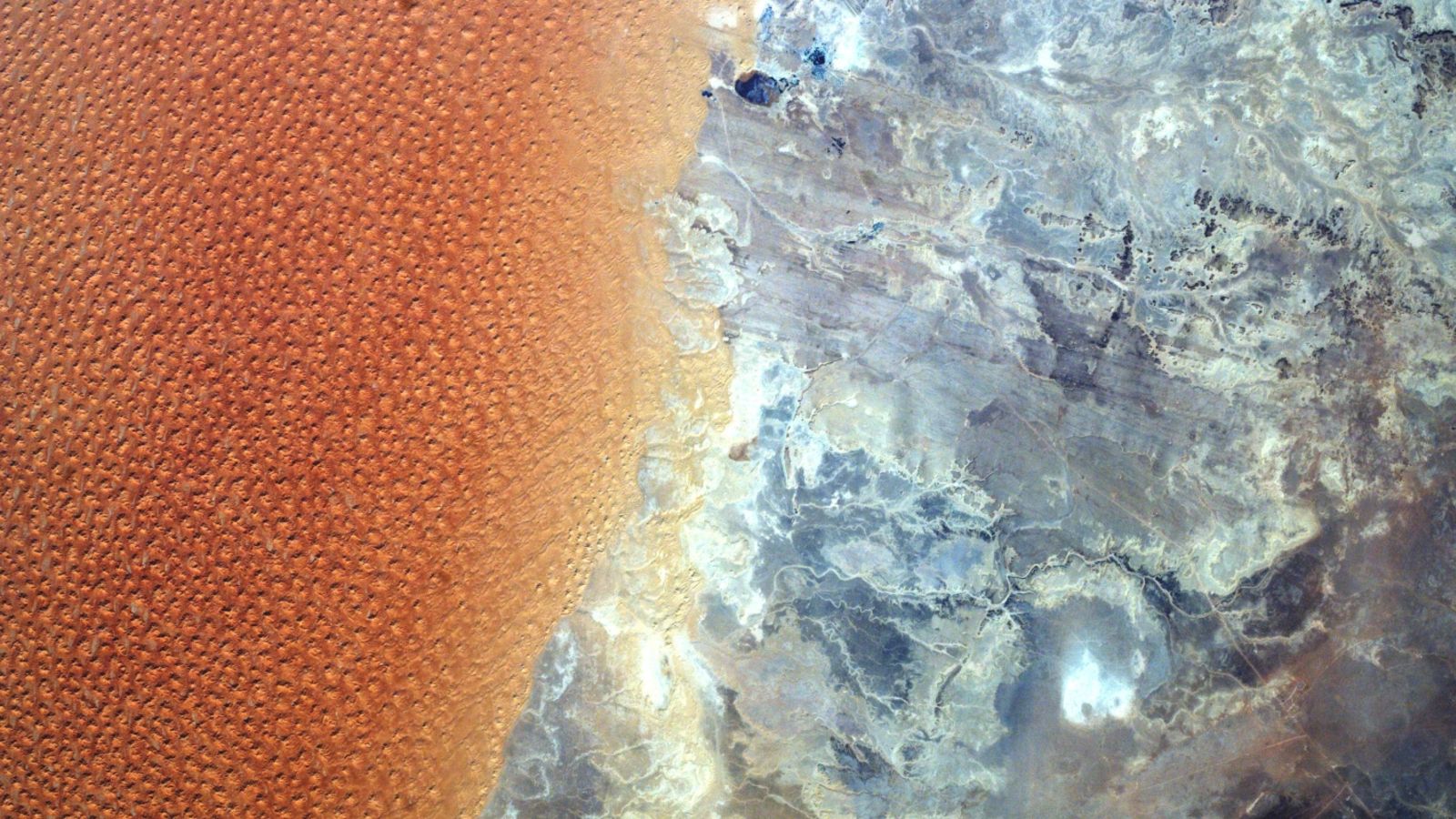
A satellite image captures the striking contrast between a field of 'star dunes' in Algeria and rocky terrain in Libya within the Sahara Desert, highlighting geological and ecological interactions shaped over millions of years, with the border between the two countries running through the scene.
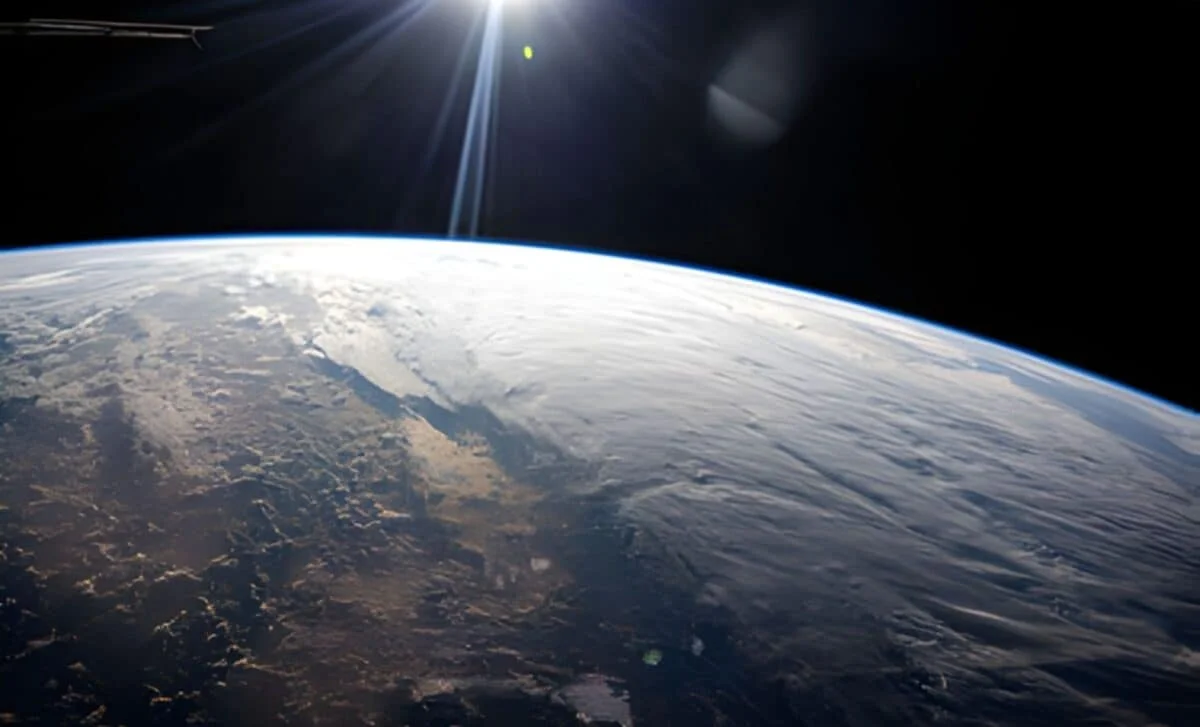
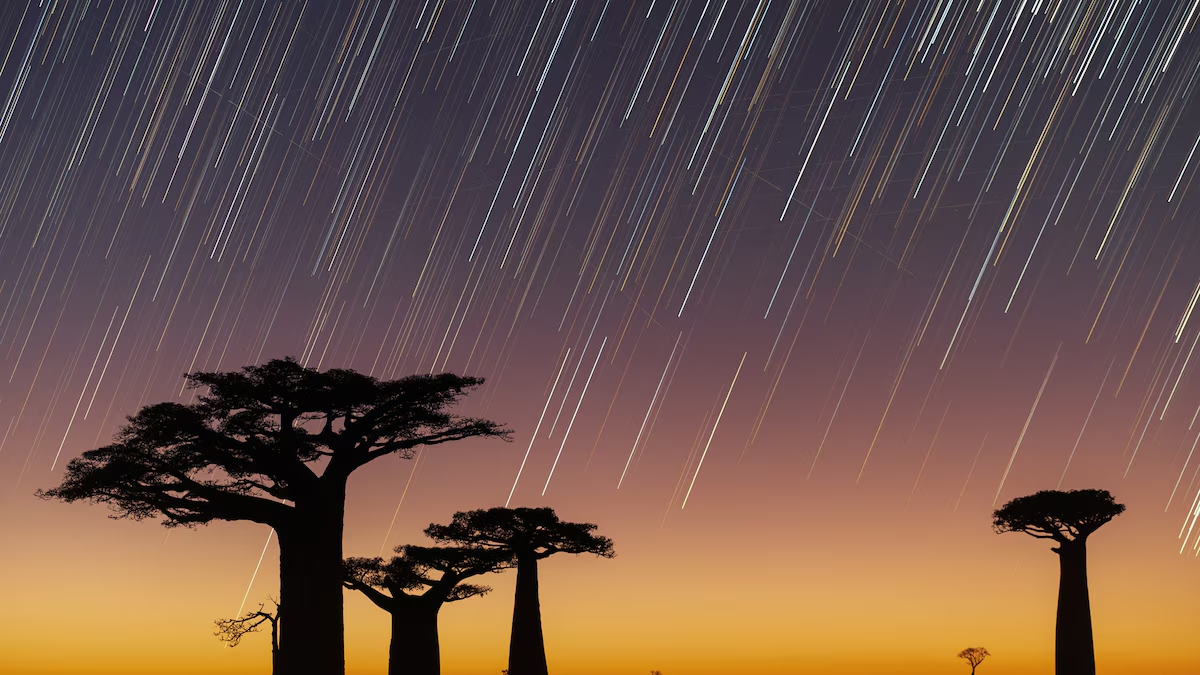
Photographers and astronauts Don Pettit and Babak Tafreshi collaborated to capture Earth from above and below, showcasing the planet's natural beauty and phenomena from the International Space Station and ground-based locations, highlighting the unique perspectives and the importance of human-led space photography.
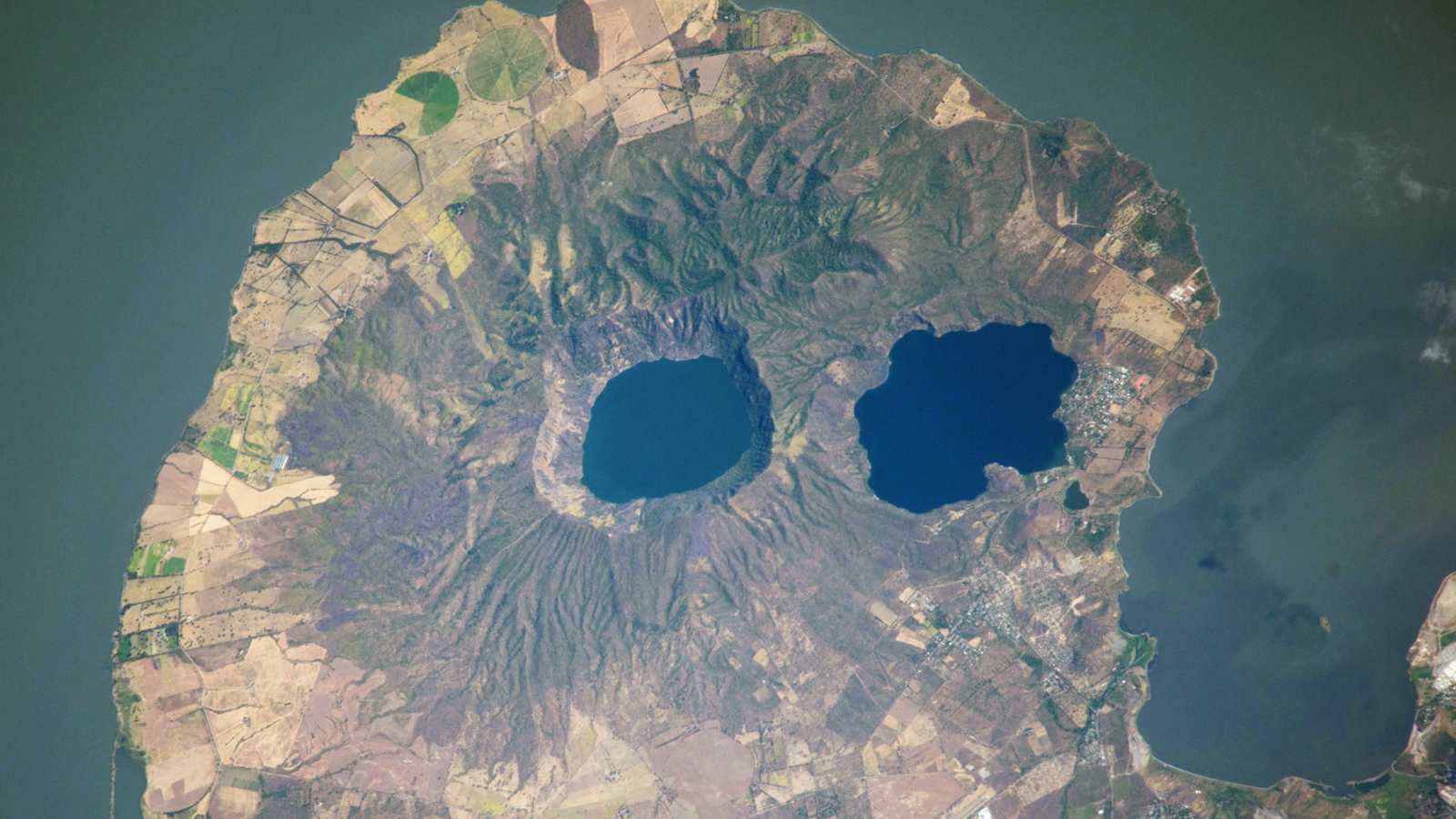
An astronaut photograph captures two volcanic lakes on Nicaragua's Chiltepe Peninsula resembling googly eyes from space, highlighting their unique appearance and volcanic activity history, with the lakes' colors and sizes creating a striking optical illusion.
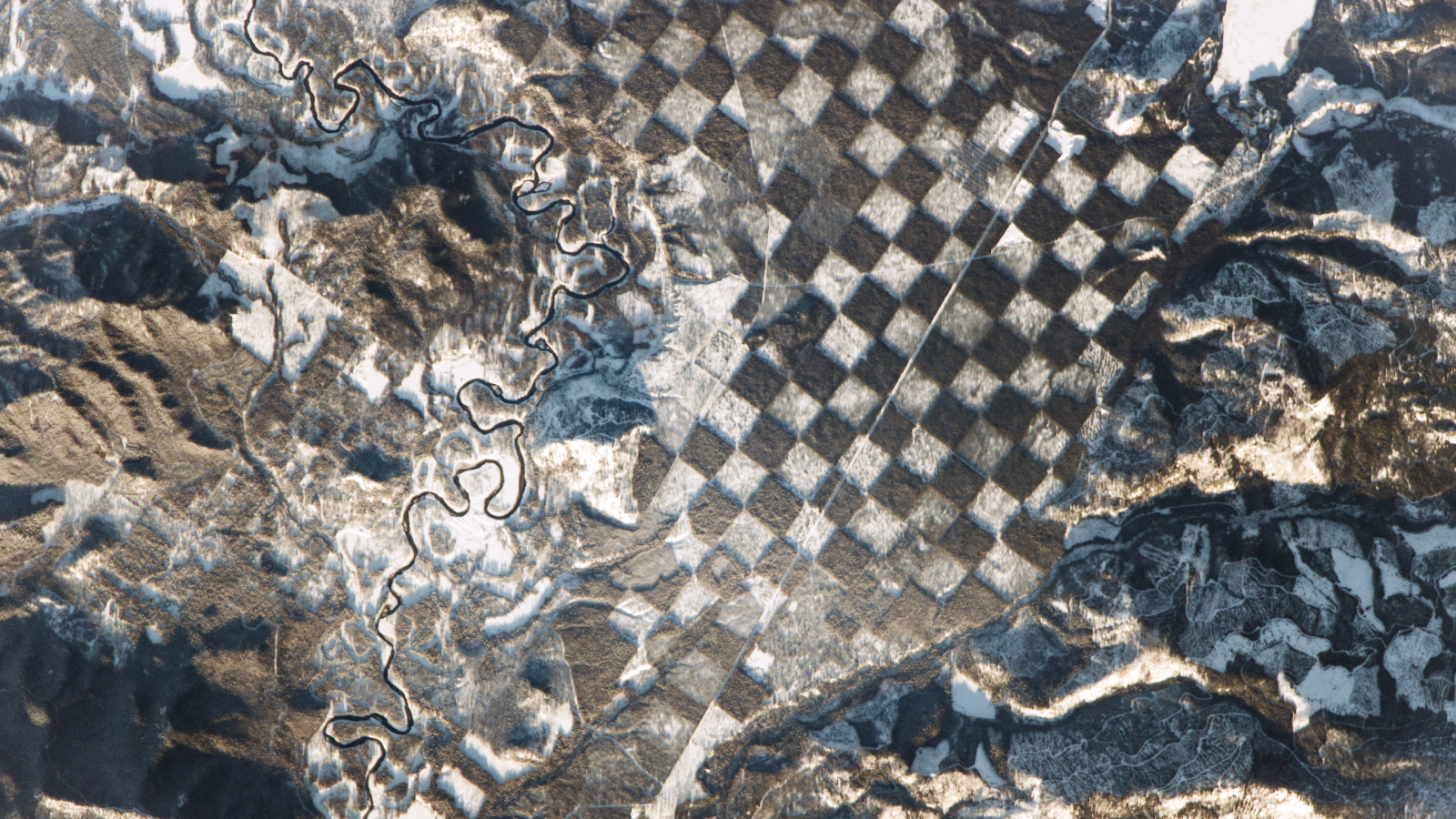
A NASA astronaut captured an image of a forest in Idaho that appears as a giant chessboard from space, due to a 200-year-old grid-based land management system involving alternating clearings and replanting, accentuated by snow and seasonal changes.
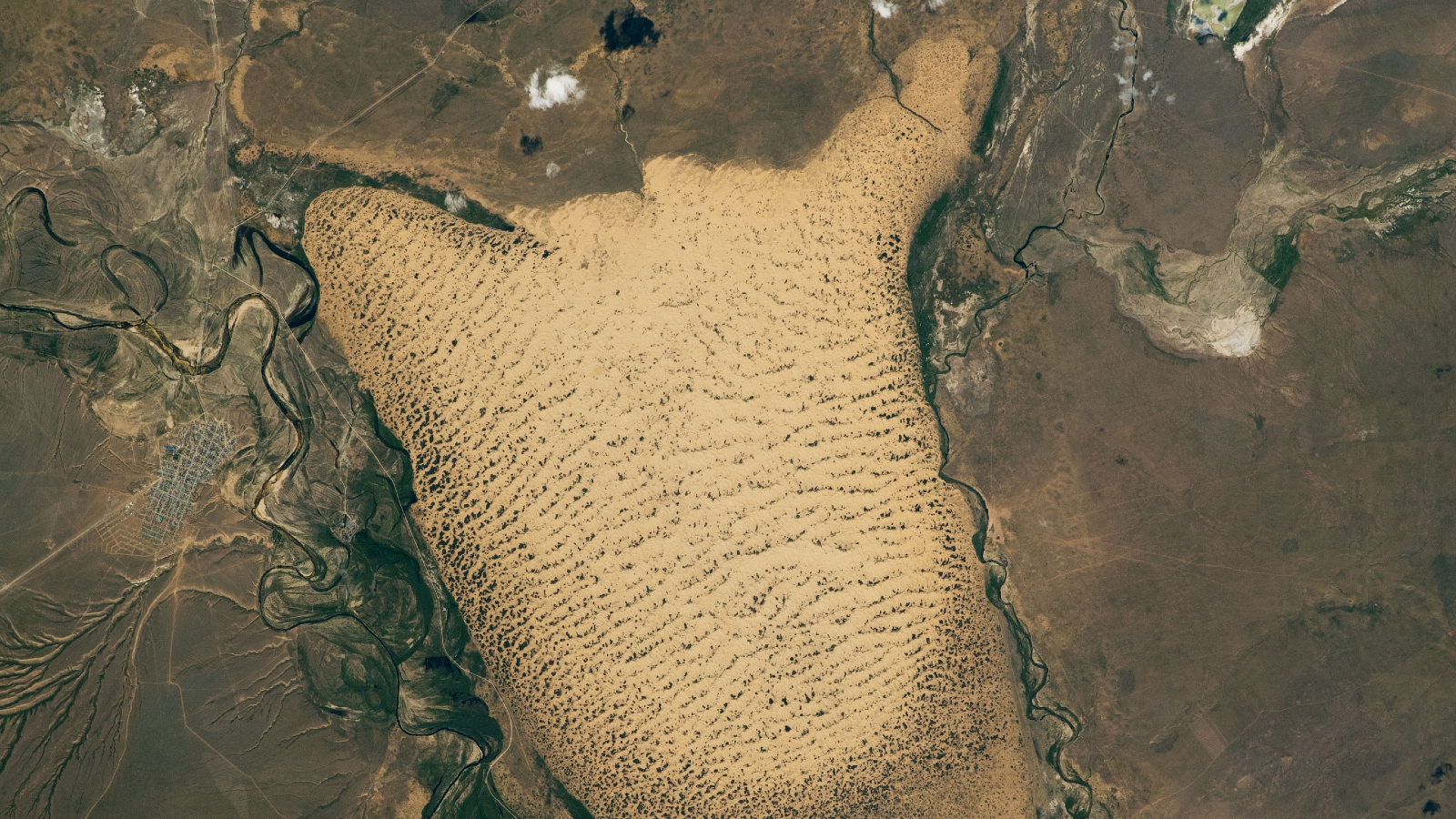
An astronaut photograph captures a large, slug-shaped sand dune field in Kazakhstan's Kazakh Steppe, which is gradually being stabilized by vegetation, potentially halting its movement due to plant growth, with future changes uncertain.
NASA astronaut Kate Rubins captured a stunning image of Lake Van in Turkey, showing rare milky turbidity plumes composed mainly of calcium carbonate, caused by natural disturbances in this highly alkaline, endorheic lake, which is the largest soda lake on Earth.
The Aso Caldera in Japan is a massive volcanic crater housing 17 volcanoes, including active ones like Nakadake, and is considered one of Earth's nine supervolcanoes, with a history of massive eruptions and located along the Pacific Ring of Fire.
NASA satellite images from 2016 reveal 10 unusual dark cloud holes over Heard Island caused by von Kármán vortices, a phenomenon where wind interacts with landmasses, creating swirling cloud patterns, with some irregularities likely due to intense winds and thick cloud coverage.
An astronaut's photo captures three glaciers in the Karakoram range merging into a single ice mass, bucking the global trend of glacier retreat due to climate change, a phenomenon known as the 'Karakoram anomaly.' The glaciers, including the Siachen, are expanding slightly, and their unusual behavior remains under scientific investigation. The region is also notable for its geopolitical conflict, making it Earth's highest battleground.