Tag

Seawater

All articles tagged with #seawater

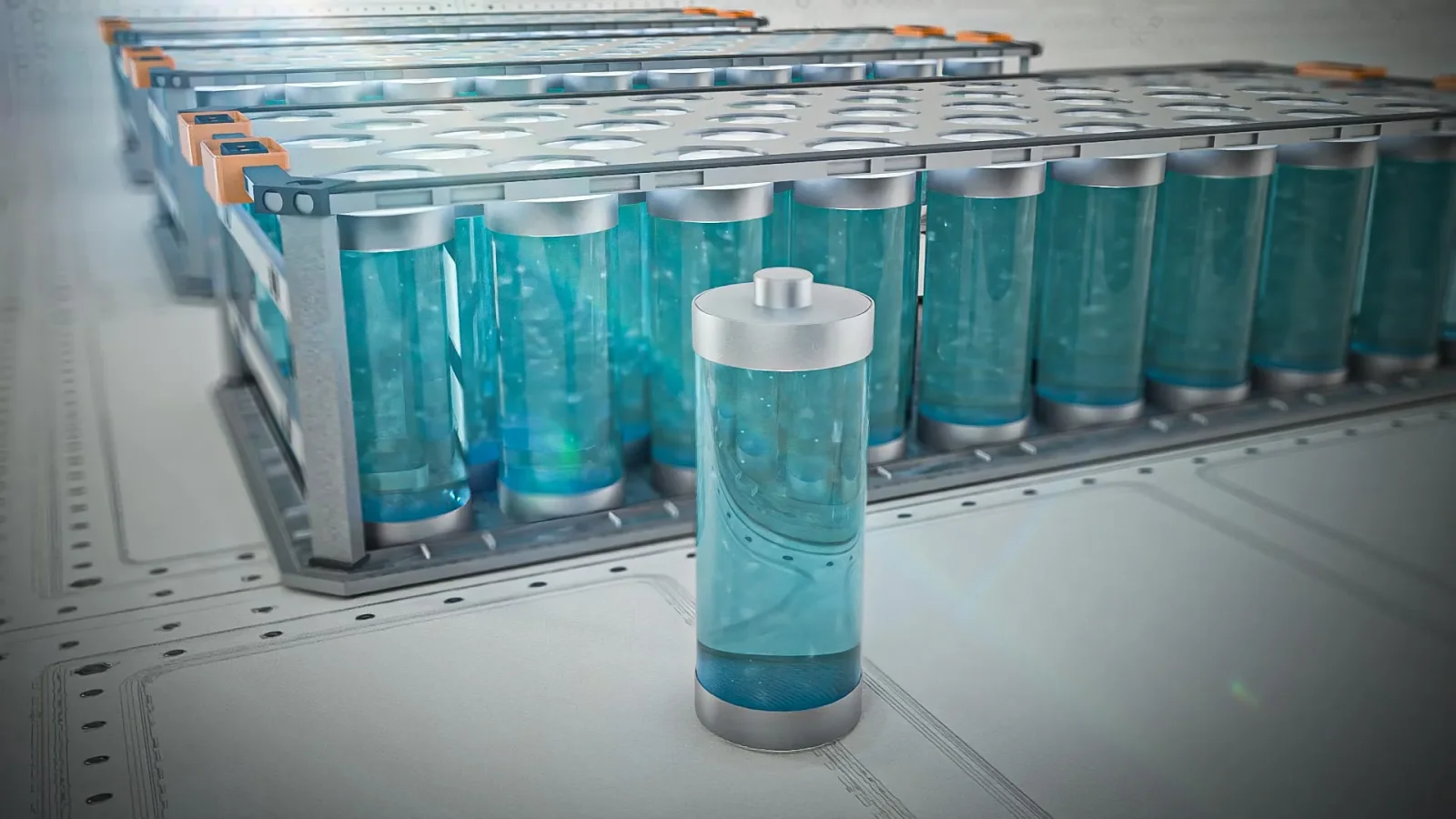
Innovative Rare-Earth Coating Enhances Seawater Electrolysis Efficiency

Originally Published 2 months ago — by Yahoo

Featured image for Innovative Rare-Earth Coating Enhances Seawater Electrolysis Efficiency
Source: Yahoo

Korean scientists have developed a new catalyst using MXene and nickel ferrite that can remove chloride ions during electrolysis, enabling hydrogen production from seawater and potentially making green hydrogen more sustainable and accessible by conserving freshwater resources.

Visible Gold Found in Earth's Ocean Water

Originally Published 4 months ago — by Earth.com

Featured image for Visible Gold Found in Earth's Ocean Water
Source: Earth.com

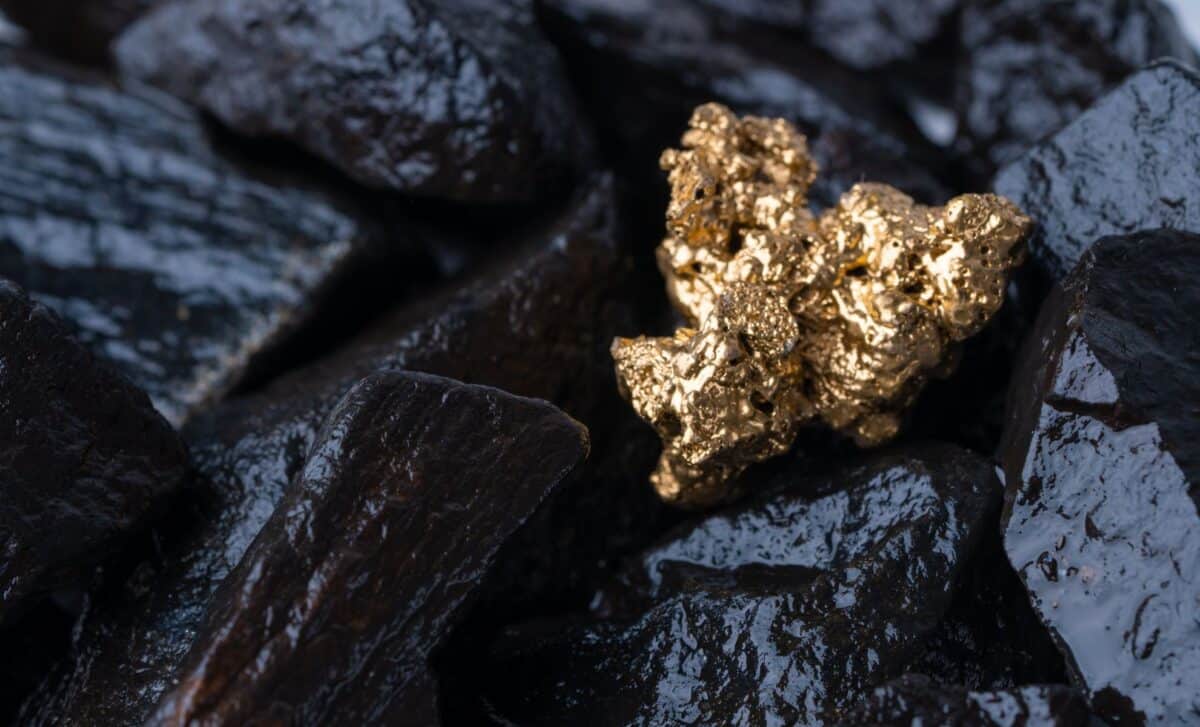
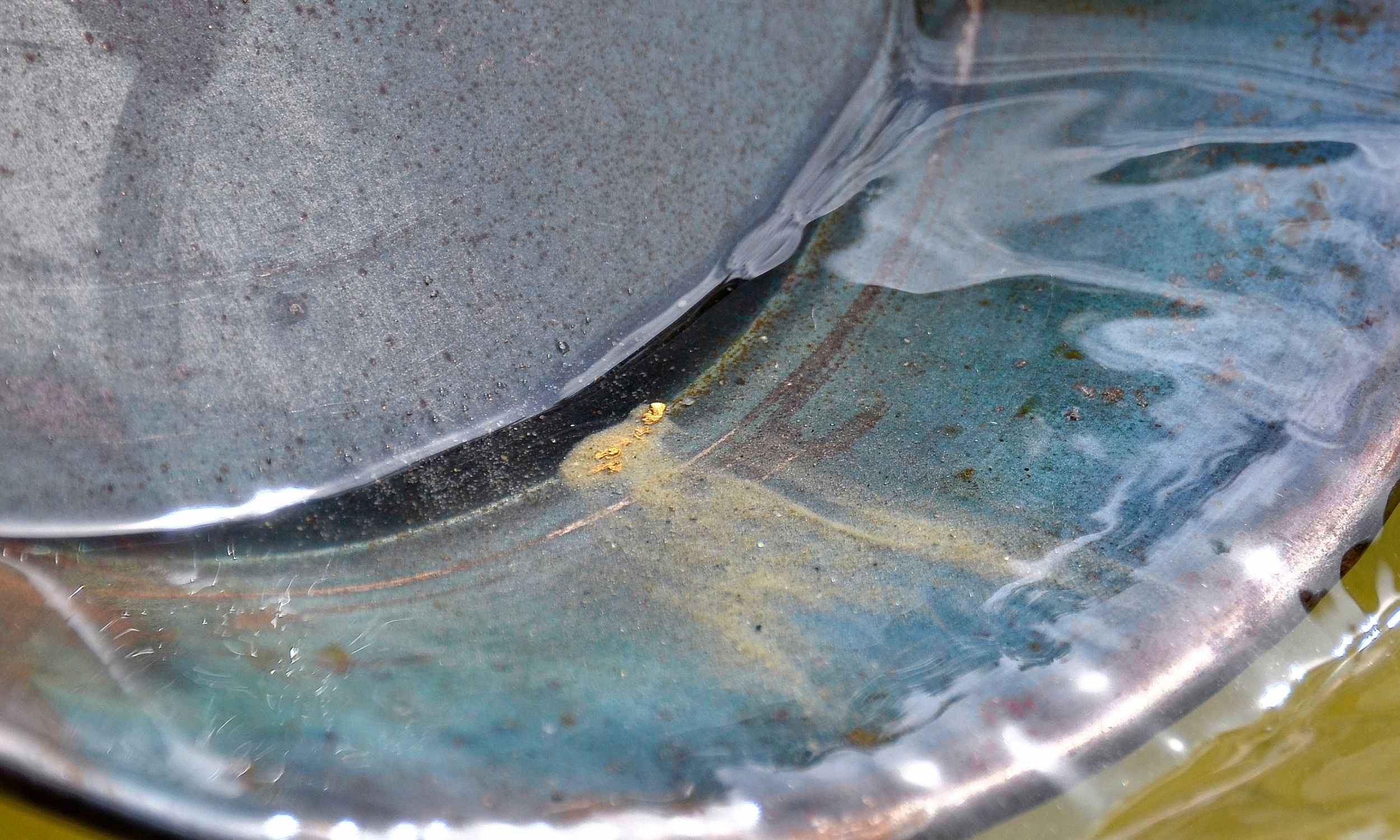
Gold is present in Earth's oceans at extremely low concentrations, making extraction economically unfeasible with current technology. While gold enters seawater from various sources and exists on the seafloor, the tiny amounts dissolved in water are difficult to collect and process. Mining seawater for gold is not practical due to the high costs and technical challenges, and most gold deposits are located deep on the seafloor, requiring complex extraction methods. Ongoing research aims to better understand gold's oceanic cycle and improve detection techniques, but the idea of harvesting ocean gold remains impractical for now.

Coca-Cola and Seawater: Pioneering Sustainable Hydrogen Fuel for Future Mobility

Originally Published 7 months ago — by Stewartville Star

Featured image for Coca-Cola and Seawater: Pioneering Sustainable Hydrogen Fuel for Future Mobility
Source: Stewartville Star

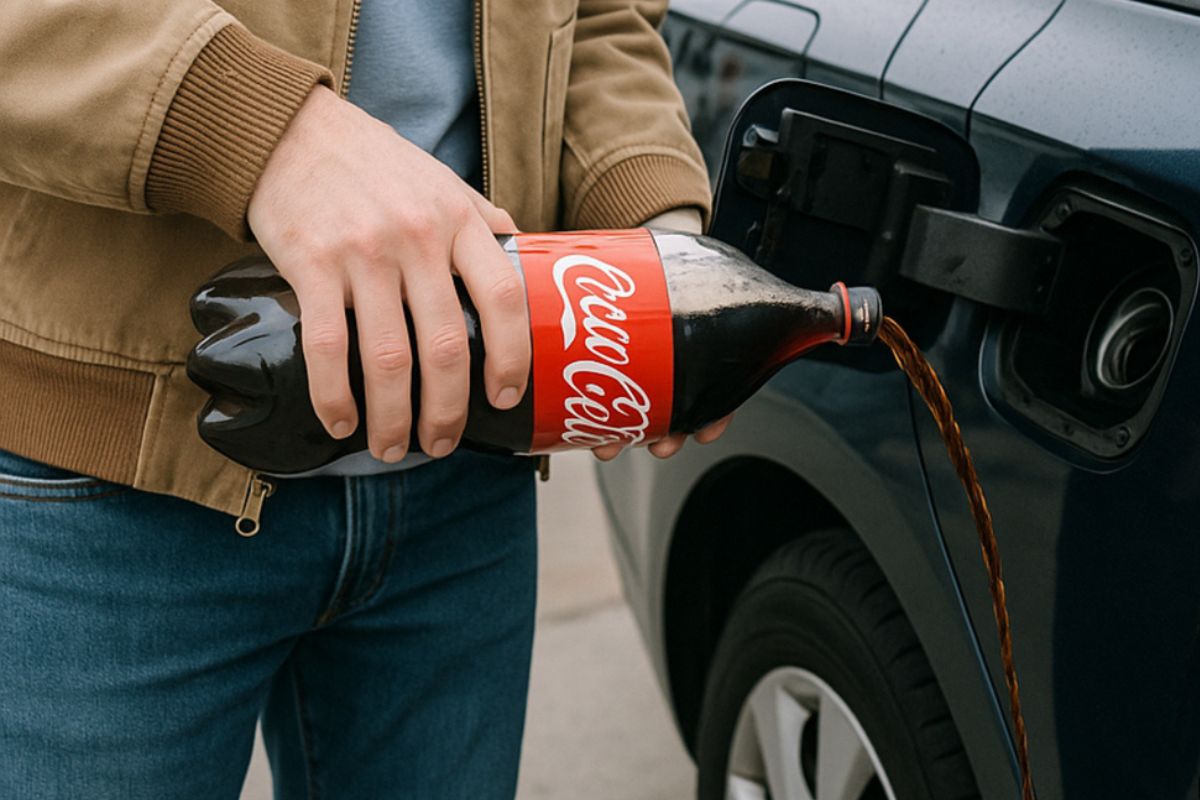
MIT researchers have developed a sustainable and low-cost method to produce clean hydrogen fuel from recycled soda cans and seawater, significantly reducing carbon emissions compared to traditional methods, and demonstrating practical applications from small reactors to marine propulsion.

Israel's Successful Trial of Flooding Hamas Tunnels with Seawater

Originally Published 2 years ago — by Middle East Eye

Featured image for Israel's Successful Trial of Flooding Hamas Tunnels with Seawater
Source: Middle East Eye

Israel's military has reportedly begun pumping seawater into tunnels used by Hamas in Gaza, with the aim of dismantling the network and weakening Palestinian armed groups. However, experts warn that this flooding could have damaging ecological effects, including the pollution of Gaza's already devastated water supply and damage to its crops. The flooding plan could potentially breach international humanitarian law, and concerns have been raised about the safety of Israeli captives who may be held in the tunnels. The long-term damage to the environment and the essential water needs of the civilian population are also major concerns.

Israel's Seawater Solution: Flooding Hamas' Tunnels in Gaza

Originally Published 2 years ago — by NDTV

Featured image for Israel's Seawater Solution: Flooding Hamas' Tunnels in Gaza
Source: NDTV

The Israeli military has reportedly started pumping seawater into Hamas' tunnel complex in Gaza, a process that could take weeks to destroy the tunnels. While some Biden administration officials believe this could help eliminate the tunnels where Hamas is suspected of hiding hostages, fighters, and munitions, others have expressed concerns about the potential impact on Gaza's fresh water supply. Israel's military and defense ministry have not yet commented on the report.

Israel's Seawater Flooding of Gaza Tunnels: Military Futility and Civilian Perils

Originally Published 2 years ago — by Anadolu Agency | English

Featured image for Israel's Seawater Flooding of Gaza Tunnels: Military Futility and Civilian Perils
Source: Anadolu Agency | English

Israel's military has reportedly begun pumping seawater into the tunnel network allegedly used by Hamas in Gaza as part of a strategy to destroy the tunnels. The tunnel system extends for 300 miles, and Israel is assessing the use of thick blast doors. The move has drawn criticism due to concerns about the environmental impact and the worsening of the fresh water situation in Gaza. Some officials from the Biden administration have expressed doubts about the effectiveness of using seawater and its potential impact on Gaza's freshwater supply. Israel believes the underground system has been crucial to Hamas operations.

Israel's Controversial Plan to Flood Hamas Tunnels with Seawater Raises Concerns over Gaza's Freshwater Supply

Originally Published 2 years ago — by Business Insider

Featured image for Israel's Controversial Plan to Flood Hamas Tunnels with Seawater Raises Concerns over Gaza's Freshwater Supply
Source: Business Insider

Israel is reportedly considering a plan to flood Hamas tunnels in Gaza using seawater pumps. The tunnel system is used by Hamas to transport weapons and militants. The flooding could force militants out into the open, but experts warn that it may pollute Gaza's already scarce water supply and damage the surrounding environment. The effectiveness of the plan is uncertain, as the details of the tunnel system and its permeability are not fully known. It remains unclear whether Israel will proceed with the plan.

"Long-Term Decline: Ocean Lithium Concentrations Plummeted by Sevenfold in 150 Million Years"

Originally Published 2 years ago — by Chemistry World

Featured image for "Long-Term Decline: Ocean Lithium Concentrations Plummeted by Sevenfold in 150 Million Years"
Source: Chemistry World

Analysis of salt samples has revealed that lithium concentrations in seawater have declined sevenfold over the last 150 million years, challenging previous assumptions of constant levels. The findings suggest a link between lithium concentration, climate, and the carbon cycle. Researchers reconstructed historic lithium concentrations by measuring ancient seawater samples trapped in halite crystals. The decline in lithium concentration is associated with reduced production of oceanic crust and hydrothermal activity, influenced by tectonic plate movements. Understanding long-term seawater chemistry provides insights into the global carbon cycle and carbon dioxide sources and sinks.

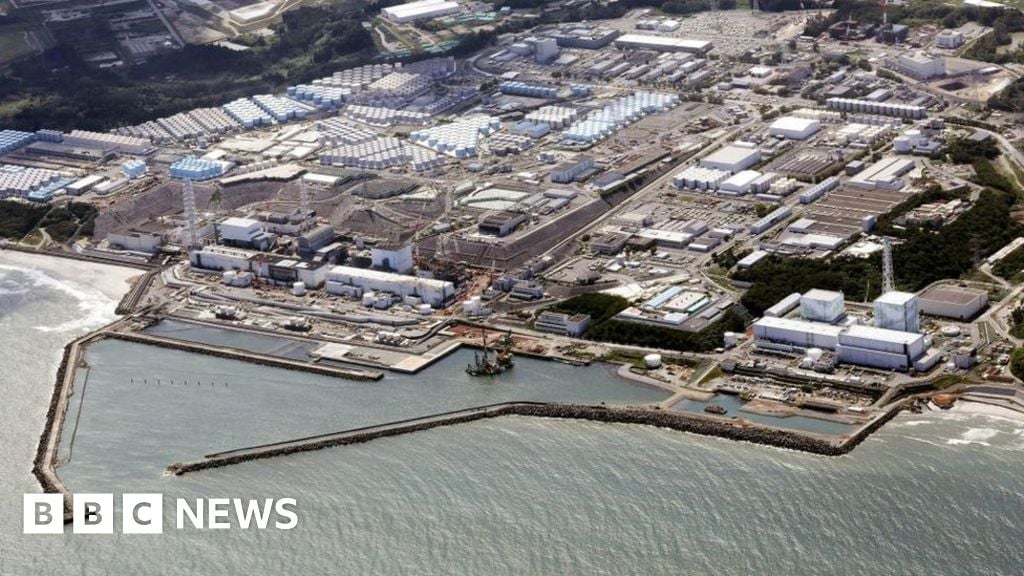
Fukushima's Treated Nuclear Water Release Sparks International Concern

Originally Published 2 years ago — by BBC

Featured image for Fukushima's Treated Nuclear Water Release Sparks International Concern
Source: BBC

The operator of the Fukushima nuclear plant, Tepco, has announced that seawater samples taken around the facility are safe, following the release of treated contaminated water into the Pacific Ocean. The discharge has sparked protests in the region and retaliation from Beijing, with China imposing a ban on seafood imports from Japan and panic buying of sea salt. Tepco stated that the radioactivity levels in the seawater samples were well within safe limits, and Japan's environment ministry will release further results on Sunday. Over a million tonnes of water stored at Fukushima will be discharged over the next 30 years.

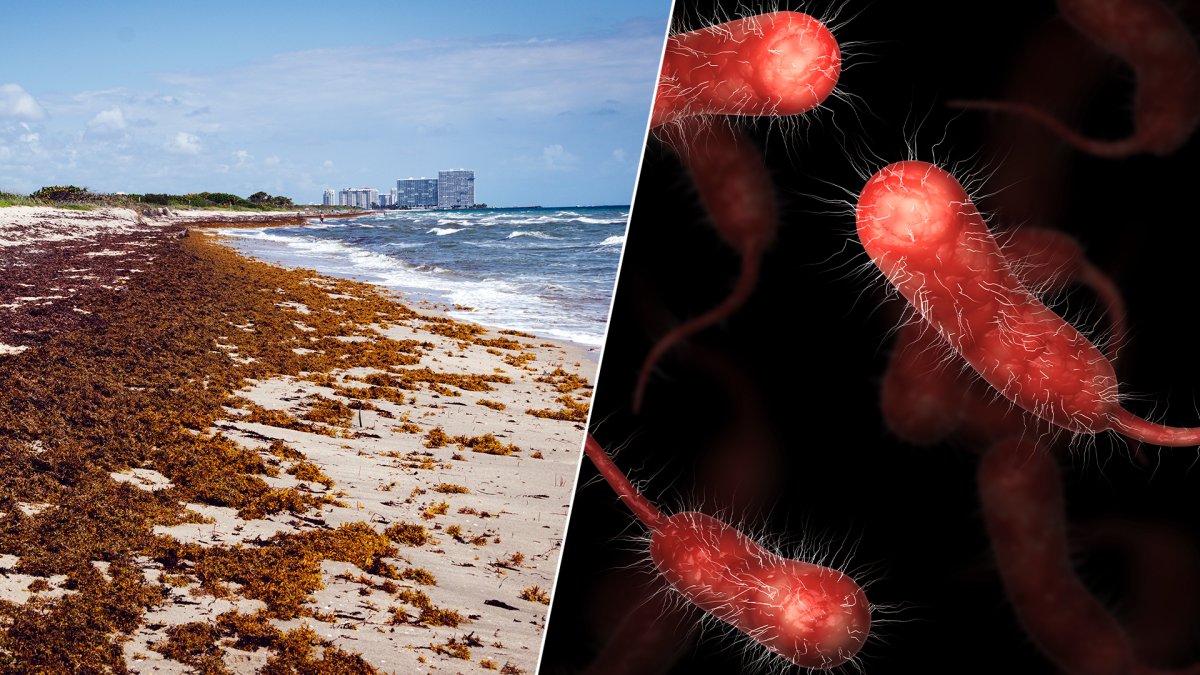
"Deadly 'Flesh-Eating' Bacteria Claims Lives in Florida's Shellfish and Seawater"

Originally Published 2 years ago — by NBC 6 South Florida

Featured image for "Deadly 'Flesh-Eating' Bacteria Claims Lives in Florida's Shellfish and Seawater"
Source: NBC 6 South Florida

Five deaths in Florida have been linked to a rare strain of "flesh-eating" bacteria called Vibrio vulnificus, which can be found in raw shellfish and seawater. The bacteria can cause skin breakdown and ulcers, and it has been confirmed in 26 cases statewide this year. Florida saw a rise in cases and deaths following Hurricane Ian, with 17 deaths and 74 cases reported in 2022.

"Deadly Outbreak: Rare Flesh-Eating Bacteria Claims Lives in Northeastern US"

Originally Published 2 years ago — by CBS News

Featured image for "Deadly Outbreak: Rare Flesh-Eating Bacteria Claims Lives in Northeastern US"
Source: CBS News

Three people have died from Vibrio vulnificus, a rare bacteria found in raw shellfish or seawater, in the New York area this summer. The bacteria, which can be extraordinarily dangerous, has also caused deaths in Connecticut and North Carolina. About 100 cases of Vibrio are reported in the United States each year, with a third of reported cases being fatal. To stay safe, individuals are advised to protect open wounds from seawater, avoid consuming raw or undercooked shellfish, and follow proper hygiene practices. Symptoms of Vibrio vulnificus infection can include diarrhea, cramps, nausea, vomiting, fever, and various skin-related issues. Treatment involves antibiotics, and in severe cases, amputation may be necessary.

Cyclone Mocha wreaks havoc in Myanmar and Bangladesh.

Originally Published 2 years ago — by The Associated Press

Featured image for Cyclone Mocha wreaks havoc in Myanmar and Bangladesh.
Source: The Associated Press

Cyclone Mocha hit western Myanmar, causing flooding and cutting off communications. Six deaths and over 700 injuries were reported, with about 1,000 people trapped by seawater. The storm damaged houses and electrical transformers, and crumpled cell phone towers. Cyclones in the Bay of Bengal are becoming more intense more quickly due to climate change.