Families in Gaza are forced to drink contaminated water due to severe shortages caused by ongoing conflict, infrastructure damage, and resource limitations, leading to health issues and a worsening humanitarian crisis.
A new government study shows that military and civilian personnel who lived and worked at Camp Lejeune in the mid-1970s and ’80s are more likely to be diagnosed with certain cancers due to heavily contaminated drinking water. The study could lead to an expanded list of conditions for which veterans and civilians who worked on the base can receive government compensation. The study found a link between the contaminated water and various cancers, including male breast cancer, myeloid cancers, and other types not previously connected to the contamination. The research, involving over 400,000 service members and others, compared the fates of those at Camp Lejeune with those at a similar base in California. The study's release comes ahead of a deadline for filing compensation claims, and advocates hope it will lead to better recognition and care for those impacted.
Researchers from Loma Linda University found microbial contamination in drinking water sources in the Eastern Coachella Valley, with 41% of soda fountain samples containing harmful bacteria. The study highlights the need for stricter regulations and maintenance of clean drinking water in underserved areas. The authors recommend regular cleaning of water dispensers to prevent water contamination.
The families affected by the contaminated water at Camp Lejeune, a U.S. Marine Corps base in North Carolina, have struggled to find justice for the adverse birth outcomes and health issues suffered by their children. Military leaders were aware of the water contamination as early as 1980 but failed to take immediate action. Many families were unaware of the contamination for years, and it wasn't until 1997 that the issue gained public attention. The recent signing of the PACT Act by President Joe Biden allows those exposed to file new lawsuits, but the Navy has yet to settle any of the 93,000 claims received.
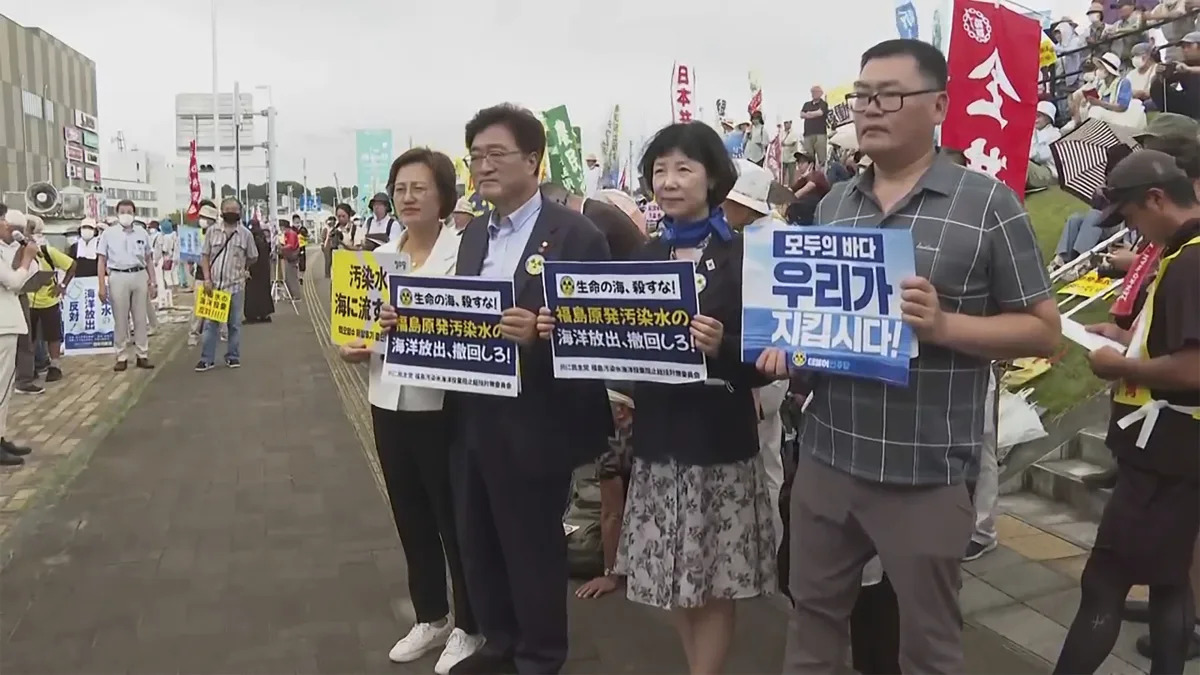
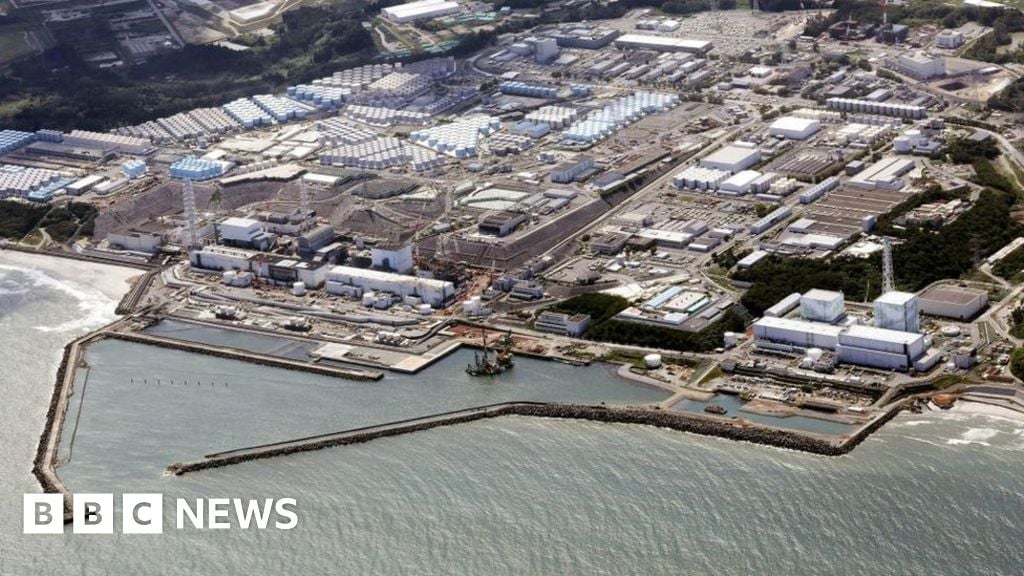
The release of treated radioactive wastewater from the Fukushima Daiichi nuclear plant into the Pacific Ocean marks a milestone in the decommissioning process, but the removal of the melted fuel debris remains a daunting task. Tokyo Electric Power Company Holdings, the plant's operator, acknowledges the difficulty in planning and developing the necessary robotic technology and facility for the removal. The release of the water has faced opposition from fishing groups and neighboring countries, with China banning seafood imports from Japan and South Koreans protesting the release. Managing the growing volume of radioactive wastewater stored in tanks has been a safety risk, and the decommissioning process is expected to take decades.
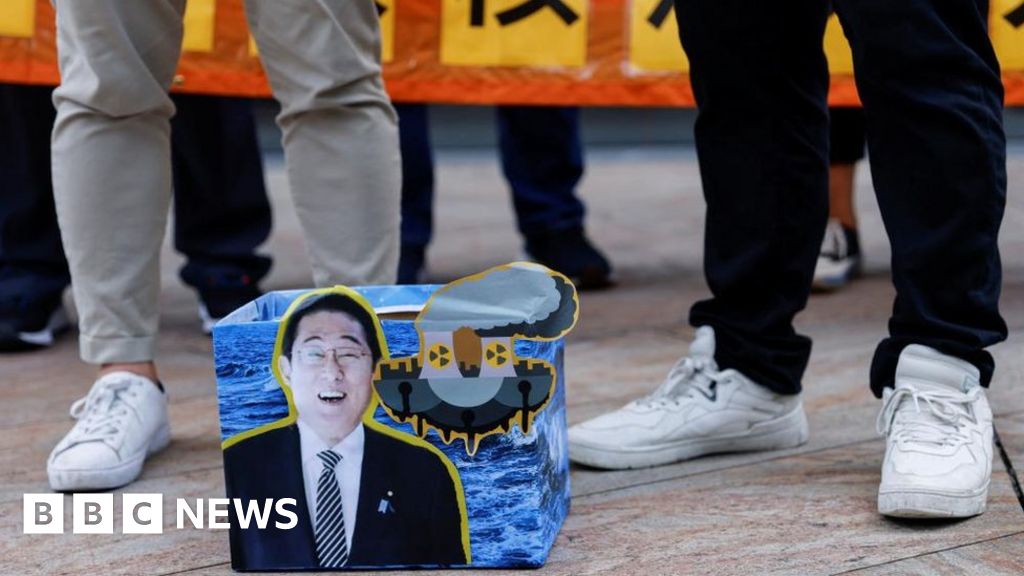
Japan has lodged a complaint with the Chinese government after businesses and institutions received a barrage of abusive phone calls regarding the release of contaminated water from the Fukushima plant. The calls, originating from Chinese dialling codes, have targeted government departments, schools, and even an aquarium. China has condemned the discharge as "extremely selfish and irresponsible" and has announced a ban on Japanese seafood imports. Tokyo, in an effort to allay concerns, plans to publish weekly radiation test results for the next three months. The water being released has been filtered to remove most radioactive elements, and Japan insists it poses no adverse health or environmental impact.
The operator of the Fukushima nuclear plant, Tepco, has announced that seawater samples taken around the facility are safe, following the release of treated contaminated water into the Pacific Ocean. The discharge has sparked protests in the region and retaliation from Beijing, with China imposing a ban on seafood imports from Japan and panic buying of sea salt. Tepco stated that the radioactivity levels in the seawater samples were well within safe limits, and Japan's environment ministry will release further results on Sunday. Over a million tonnes of water stored at Fukushima will be discharged over the next 30 years.
Two recent deaths from Legionnaires' Disease in Richmond may be linked to the Zen Day Spa, according to health authorities. Inspectors found that the spa did not have a permit for a spa or pool, and water samples are being tested for legionella bacteria. Visitors to the spa are urged to watch for symptoms of the disease, which include shortness of breath, fever, and coughing. Legionnaires' Disease is treatable with antibiotics and is not spread person-to-person.
Tami Burdick, an Ohio woman, contracted a rare infectious breast disease called granulomatous mastitis (GM) after a business trip to Connecticut. After months of self-diagnosis and research, she discovered that the root cause of her condition was the bacteria Corynebacterium kroppenstedtii, which is associated with contaminated water. Burdick wrote a memoir, "Diagnosis Detective: Curing Granulomatous Mastitis," detailing her health journey and advocating for awareness of the disease. She continues to educate and advocate for others facing GM.
Tami Burdick, an Ohio woman, contracted a rare infectious breast disease called granulomatous mastitis (GM) after a business trip to Connecticut. After months of self-diagnosis and research, she discovered that the root cause of her condition was the bacteria Corynebacterium kroppenstedtii, which is associated with contaminated water. Burdick wrote a memoir, "Diagnosis Detective: Curing Granulomatous Mastitis," detailing her health journey and advocating for awareness of the disease. She continues to educate and advocate for others facing GM.
The United Nations has approved Japan's plan to gradually release treated, radioactive water from the Fukushima nuclear plant into the ocean. The UN atomic energy agency states that the initiative meets international standards and will have minimal impact on the environment and human health. The water, which has been collected, treated, and stored in tanks at the plant since the 2011 earthquake and tsunami, will be discharged 1,000 yards offshore via an undersea tunnel. The decision has faced criticism from fisheries in Japan and neighboring countries, leading to increased demand for seafood in the region. The Japanese government argues that the water must be removed to prevent new leaks and prepare for the plant's decommissioning.
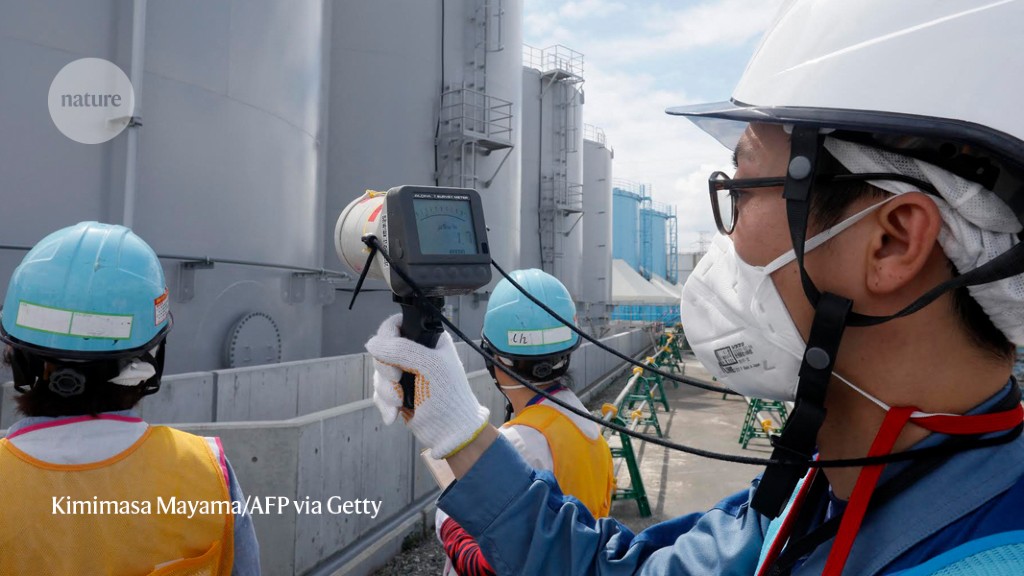
Japan plans to release treated water contaminated by the 2011 Fukushima Daiichi nuclear power plant meltdown into the Pacific Ocean over the next 30 years. The water has been treated to reduce the radioactive content, but concerns remain about the safety of marine life and human health. The treated water contains 62 of the 64 radionuclides below Japan's regulatory limits, but tritium and carbon-14 remain. While some scientists argue that the risk to the Pacific region is negligible, others are concerned about the potential for bioaccumulation of radionuclides in marine life.
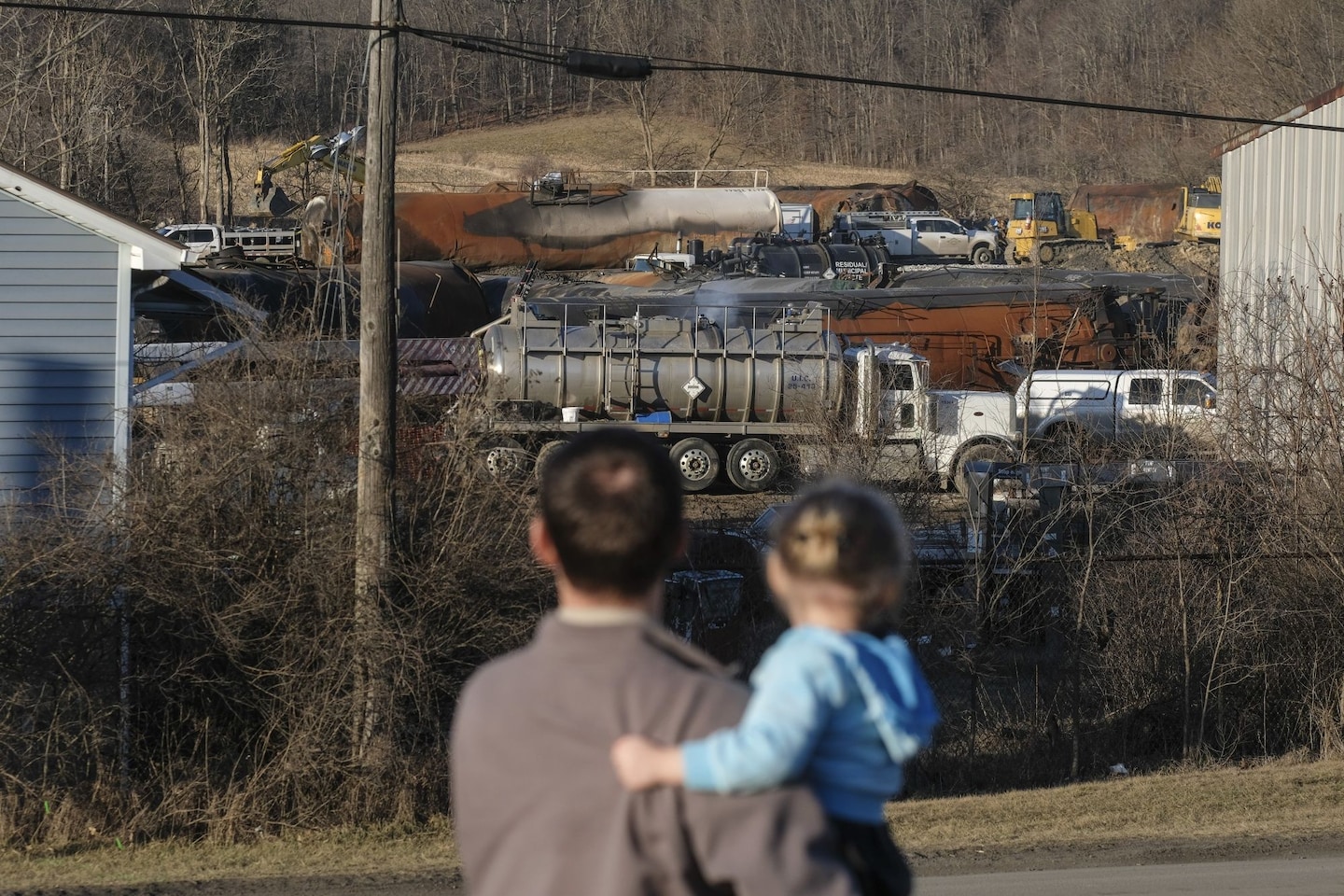
Baltimore officials blocked Clean Harbors from using the city's sewer system to treat contaminated runoff water from the Ohio train derailment site, citing concerns about risks to the city's public sewage plant. The federal Environmental Protection Agency is overseeing the remediation, which is being carried out by Norfolk Southern, the railroad that operated the derailed train. The situation in Baltimore is the latest challenge to cleaning the train derailment site amid opposition from communities unwilling to accept waste.
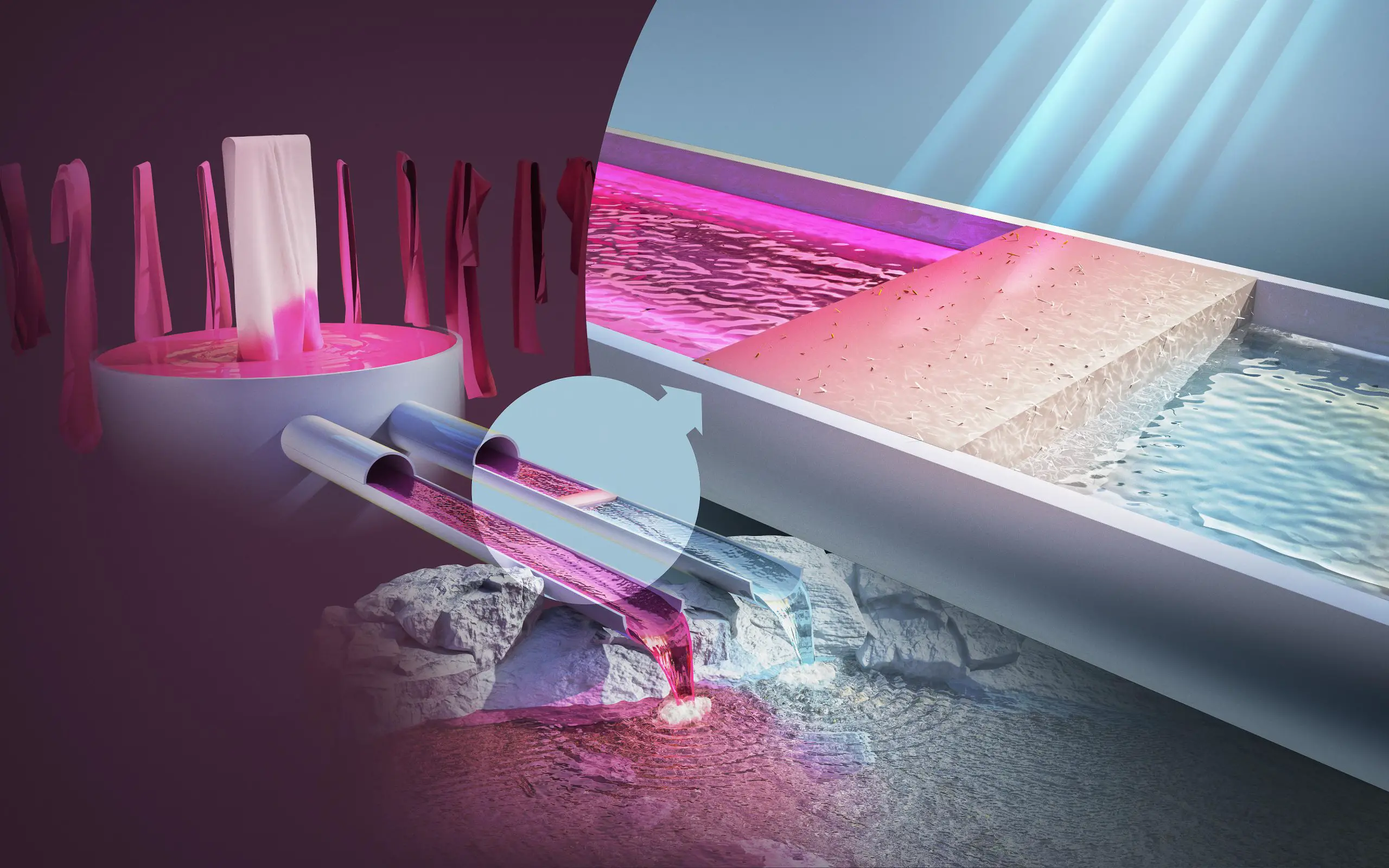
Researchers at Chalmers University of Technology in Sweden have developed a new biobased material, a form of powder based on cellulose nanocrystals to purify water from pollutants, including textile dyes. The cellulose powder filter absorbs the pollutants, and sunlight entering the treatment system causes them to break down quickly and efficiently. The method will be tested in India, where large amounts of dyes are released into lakes, rivers, and streams every year. The researchers see good opportunities to further increase the degree of purification and use cellulose nanocrystals for the treatment of other water pollutants than dyes.
A new strain of toxoplasmosis, referred to as COUG T. gondii, has killed four California sea otters since 2020. The parasite is atypical and rare, and kills quickly. It is found in the body fat, digestive system, and muscle tissue of its victims. The otters may have acquired the parasite from eating clams, and it can spread through drinking water with the germ in it, posing a potential threat to humans who eat seafood or drink contaminated water. Scientists are on alert for signs it is spreading across the food chain.