Tag

Desalination

All articles tagged with #desalination

science-and-technology1 year ago

Revolutionary Desalination Tech Promises Global Freshwater Access

Researchers from the University of South Australia have developed a breakthrough desalination technology using a floating photothermal hydrogel evaporator with clay minerals, achieving seawater evaporation rates 18.8% higher than pure water. This innovation, which enhances the efficiency of solar-powered desalination, could significantly alleviate global freshwater shortages affecting billions, by providing a sustainable and energy-efficient alternative to traditional methods that are energy-intensive and environmentally harmful.

environment1 year ago

"Mexico City Faces Severe Water Crisis Amid Sinking and Drying Reservoirs"

Mexico City is on the verge of running out of drinking water, highlighting a global issue of water scarcity exacerbated by poor water management and climate change. Other cities at high risk include Delhi, Beijing, Limassol, Muscat, Beirut, and Kuwait City, where factors such as droughts, outdated infrastructure, and reliance on costly desalination plants contribute to the crisis. Effective water management and policy reforms are crucial to addressing these challenges.

science-and-technology2 years ago

Unveiling the Photomolecular Effect: Light Evaporates Water Without Heat

Researchers at MIT have discovered a new source of evaporation that could potentially surpass the transformative effect of heat on liquid water: light. Through experiments, they found that light without heat can evaporate liquid water, a phenomenon they call the 'photomolecular effect'. This finding challenges the traditional understanding of evaporation and could have implications for climate change modeling and desalination processes. The team at MIT is working with other experts to confirm their results and explore the potential applications of this discovery.

science-and-technology2 years ago

Harnessing Light: A Revolutionary Approach to Water Evaporation Without Heat

Researchers at MIT have discovered that under certain conditions, light can directly cause water to evaporate without the need for heat, and it does so even more efficiently than heat. This surprising finding could have implications for various applications, including desalination, fog and cloud formation, and industrial processes. The researchers suggest that this phenomenon, which they call the photomolecular effect, could potentially lead to more efficient solar-powered desalination systems and cheap desalination methods. They are also exploring its potential use in evaporative cooling processes and its effects on climate change modeling.

environment2 years ago

"Louisiana Communities Receive Vital Fresh Water Supplies to Combat Saltwater Intrusion"

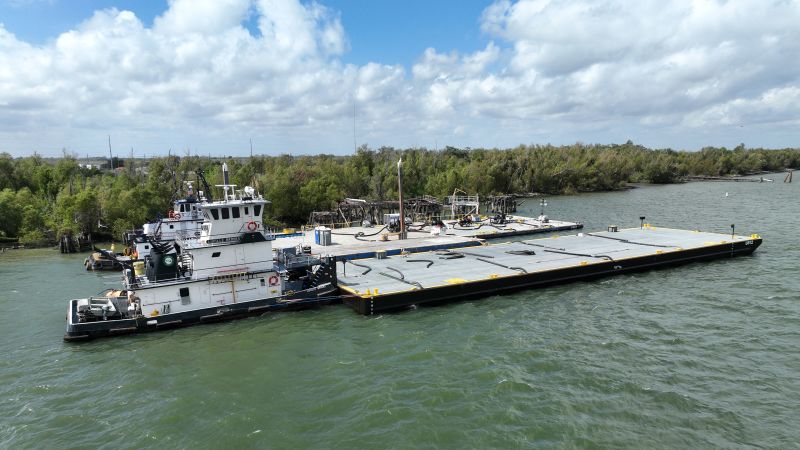
Plaquemines Parish in Louisiana is facing saltwater intrusion that threatens drinking supplies, with emergency transports of fresh water being brought in by barges until the Mississippi River's flow is strong enough to push the seawater back. The crisis has already cost $33 million and the community is reliant on state and federal support. The parish hopes for investment in desalination technology, as saltwater intrusion is expected to occur annually. In New Orleans, the low level of the Mississippi River and the encroaching saltwater pose threats to drinking and irrigation supplies, infrastructure, and the shipping industry. Urgent measures are needed to address climate change impacts.

science-and-technology2 years ago

"Breakthrough: Self-cleaning membranes revolutionize desalination efficiency"

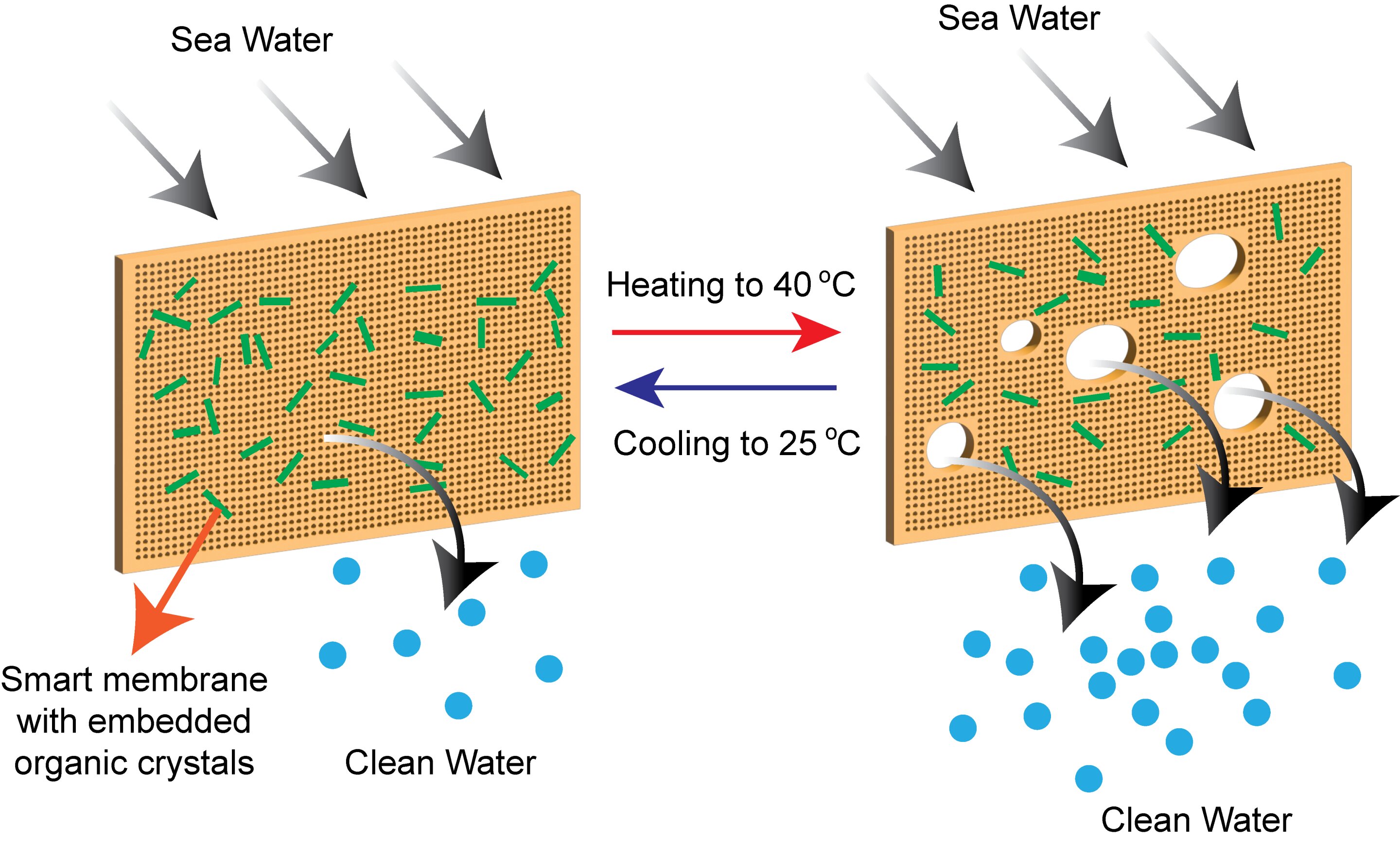
Researchers at NYU Abu Dhabi have developed a new hybrid membrane for desalination technologies that incorporates stimuli-responsive materials, called thermosalient organic crystals, embedded in polymers. This "smart" membrane can self-modulate its pore size and surface properties in response to temperature changes, effectively removing contaminants and increasing the flow of desalinated water by over 43%. The self-cleaning capability of the membrane minimizes fouling, extending its operational lifetime and improving the cost-effectiveness of water production. This development could enhance the efficiency of desalination technologies and address water scarcity issues globally.

environment2 years ago

Saudi Arabia's Water Crisis: The Environmental Impact of Desalination

Saudi Arabia, a country heavily reliant on desalination to provide potable water due to its lack of natural water sources, is facing a dilemma as its growing desalination needs clash with its sustainability goals. The country is investing in innovative solutions, such as integrating solar power with desalination, to reduce carbon emissions. However, the environmental toll of desalination remains high, and there are concerns about the long-term sustainability of the practice. Saudi Arabia aims to achieve net-zero emissions by 2060 and plans to transition from thermal plants to electricity-powered reverse osmosis plants. Despite the challenges, desalination is seen as crucial for the country's survival, as it supplies water to cities and towns that would otherwise struggle to survive.

environment2 years ago

"Water-Starved Saudi Arabia Faces the Heavy Toll of Desalination"

Saudi Arabia, a water-starved country, heavily relies on desalination to provide potable water to its cities and towns. However, the kingdom's growing desalination needs clash with its sustainability goals, including achieving net-zero emissions by 2060. To address this challenge, the Jazlah plant in Jubail city integrates desalination with solar power, aiming to save around 60,000 tons of carbon emissions annually. With plans to accommodate a population of 100 million people by 2040, Saudi Arabia must scale up such innovations to meet its water demands while minimizing environmental impact. The national Saline Water Conversion Corporation (SWCC) aims to reduce carbon emissions by transitioning from thermal plants to electricity-powered reverse osmosis, and expanding solar power capacity. However, the environmental toll of desalination remains a concern, and the country's water infrastructure is crucial for its survival.

science-and-technology2 years ago

Reverse Osmosis: The Misunderstood Water Purification Method.

A study published in April by Yale’s environmental engineering program has replaced the “solution-diffusion” model of reverse osmosis with a “solution-friction” theory that water molecules travel in clusters through tiny, transient pores within the polymer, which exert friction on them as they pass through. This breakthrough could help people design membrane materials or structures that make desalination more efficient or better at screening out undesirable chemicals, and improve municipal water systems.

environment2 years ago

Assessing Water Scarcity: A Global Concern on World Water Day.

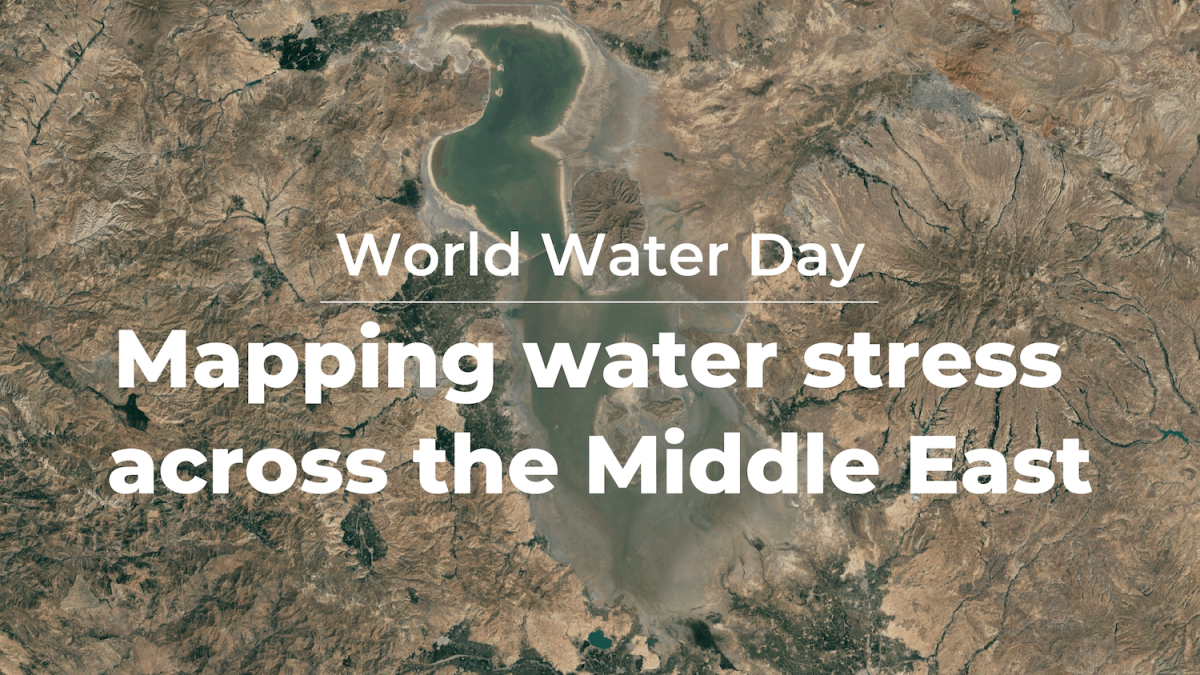
Seven out of the 10 most water-stressed nations are in the Middle East and North Africa, with an average water stress level of 820 percent. Water stress levels across the region have more than doubled from 8,411 percent in 1987 to 16,422 percent in 2017. Rising temperatures, increased demand for water, and the construction of dams have led to several lakes shrinking across the Middle East, including Lake Urmia in Iran and Lake Sawa in Iraq. The United Nations designates March 22 as World Water Day to measure the world's progress towards providing everyone with clean, accessible, and affordable water.

science2 years ago

"Assessing the Impact of Apple TV's 'Extrapolations' on Climate Change Awareness"

Apple's new climate change drama, Extrapolations, features real science and some fictional elements. The show highlights the consequences of global warming, including vanishing Arctic ice, water shortages, and raging fires. The use of desalination technology to combat drought is explored, but it is expensive and energy-intensive. The show also touches on de-extinction, animal communication, and the controversial use of seawalls to protect against rising sea levels. The takeaway is that reducing greenhouse gas emissions is crucial to avoiding the worst-case scenarios depicted in the show.