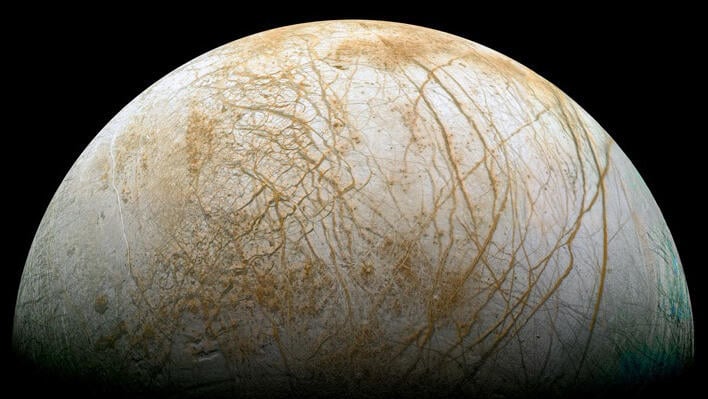
Israel is planning a low-cost space mission called Eureka to search for signs of life on Europa, a moon of Jupiter, by remotely detecting amino acids in its ice surface, aiming for a launch in the early 2030s despite geopolitical and technical challenges.
Astrophysicists led by Lauren Weiss have created the first-ever catalog of small, Earth-like planets with Jupiter-like siblings, providing valuable insights into the diversity of planetary systems and the formation of planets. The catalog, called the Kepler Giant Planet Search, is a crucial tool in the search for life elsewhere in the universe. The team used the radial velocity method to detect gas giants, which are difficult to find using traditional methods. The study recorded almost 3,000 radial velocities of 63 stars hosting 157 known small planets, including rocky ones that may be suitable for life. The research also discovered 13 Jupiter-like planets, eight Neptune-sized planets, and three companion stars. This catalog will serve as a foundation for future studies on planetary systems and the joint occurrence of giant and small transiting planets.
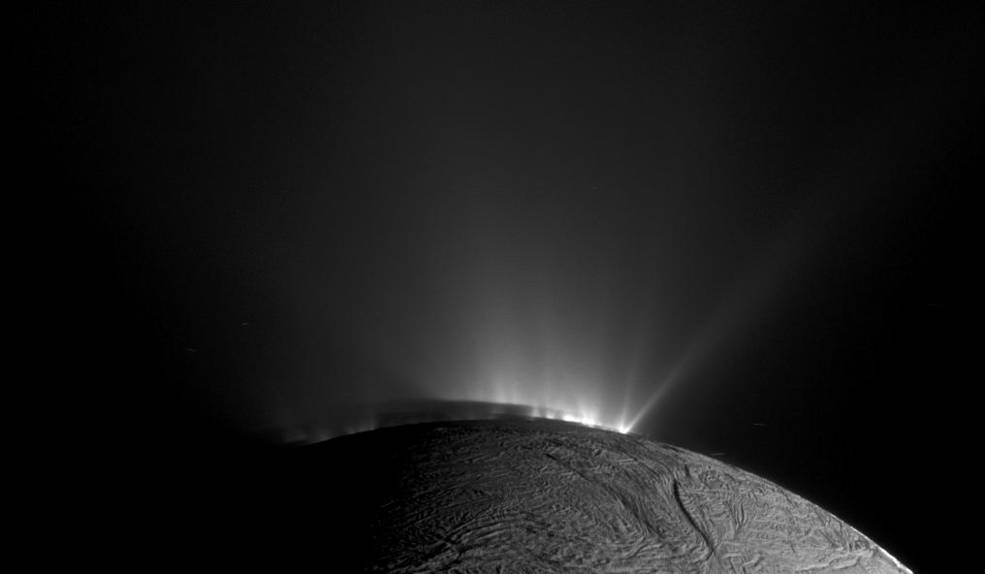
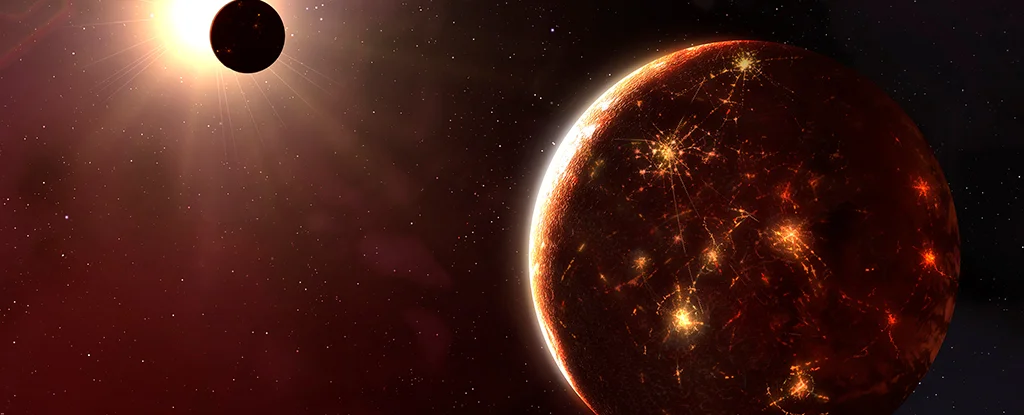
A NASA study suggests that 17 exoplanets could potentially have oceans of liquid water beneath icy shells, making them potentially habitable for life. These subsurface oceans could occasionally erupt through the ice crust as geysers. The study calculated the amount of geyser activity on these exoplanets and identified two exoplanets where signs of these eruptions could be observed with telescopes. The research expands the search for life beyond exoplanets in the habitable zone and highlights the possibility of subsurface oceans on distant and cold exoplanets.
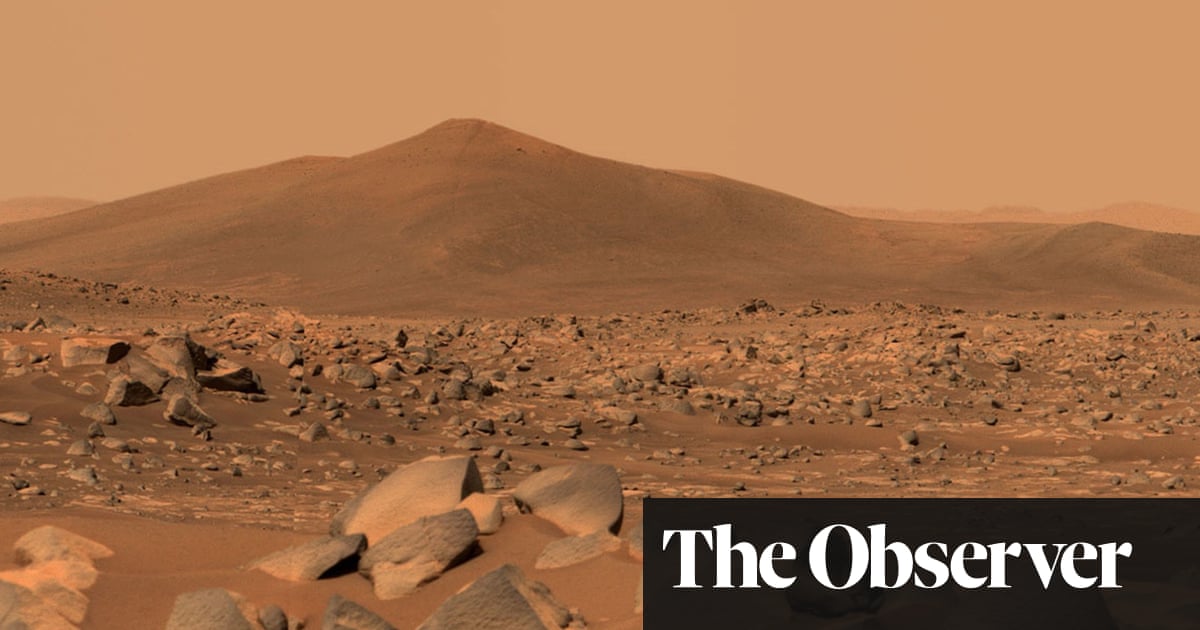
NASA's ambitious Mars Sample Return mission, aimed at gathering rock samples from Mars and studying them for signs of life, is facing significant cost overruns, with estimates suggesting the mission's price tag could reach $8-11 billion, up from the original $4.4 billion. An independent review panel has warned that the mission's current budget is unlikely to be sufficient for success, leading to potential cancellations of other NASA missions. While some scientists argue for the mission's cancellation, others emphasize its transformative potential in advancing our understanding of Mars and the search for extraterrestrial life.
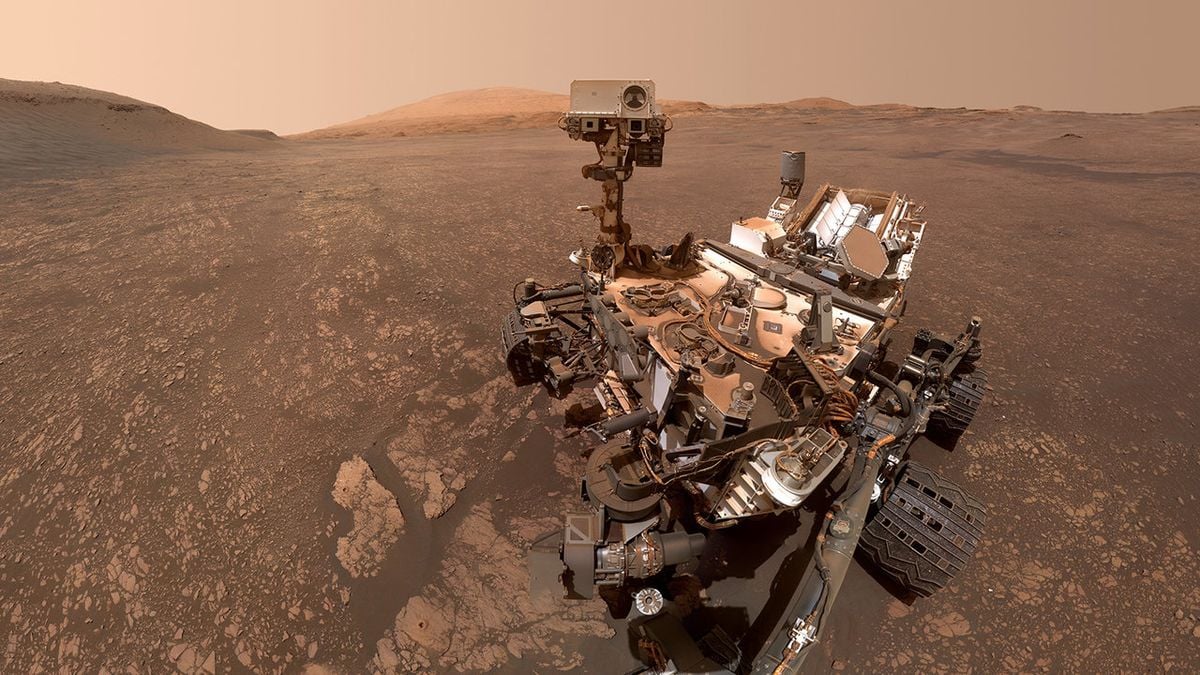
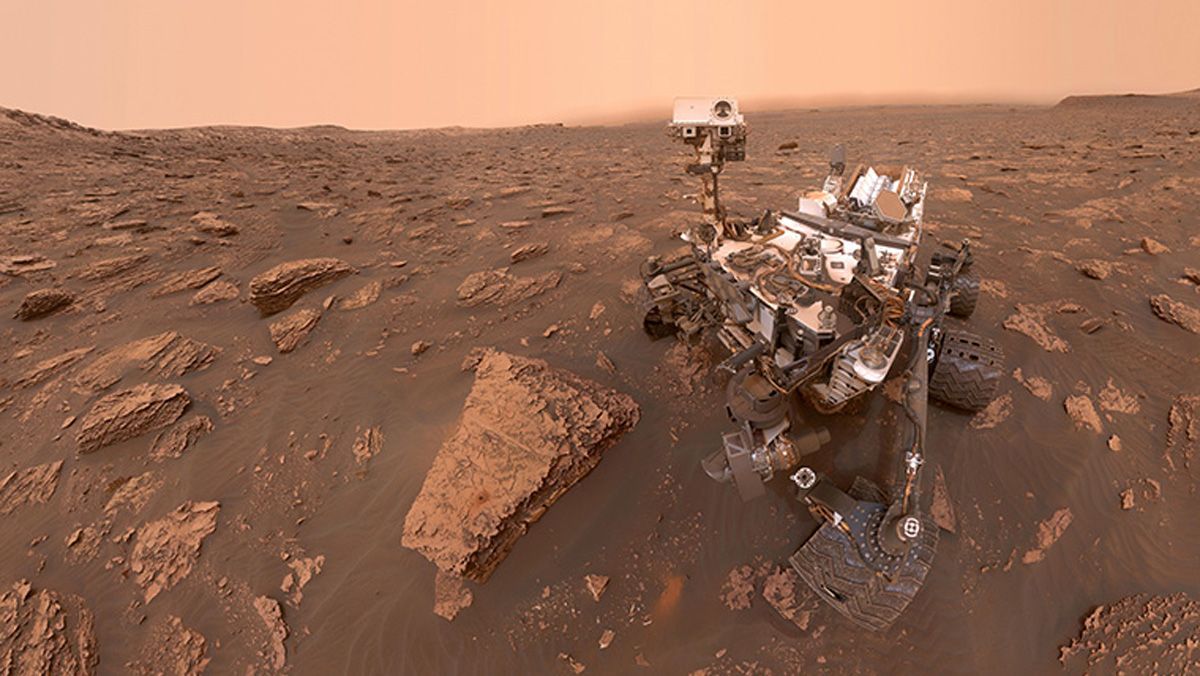
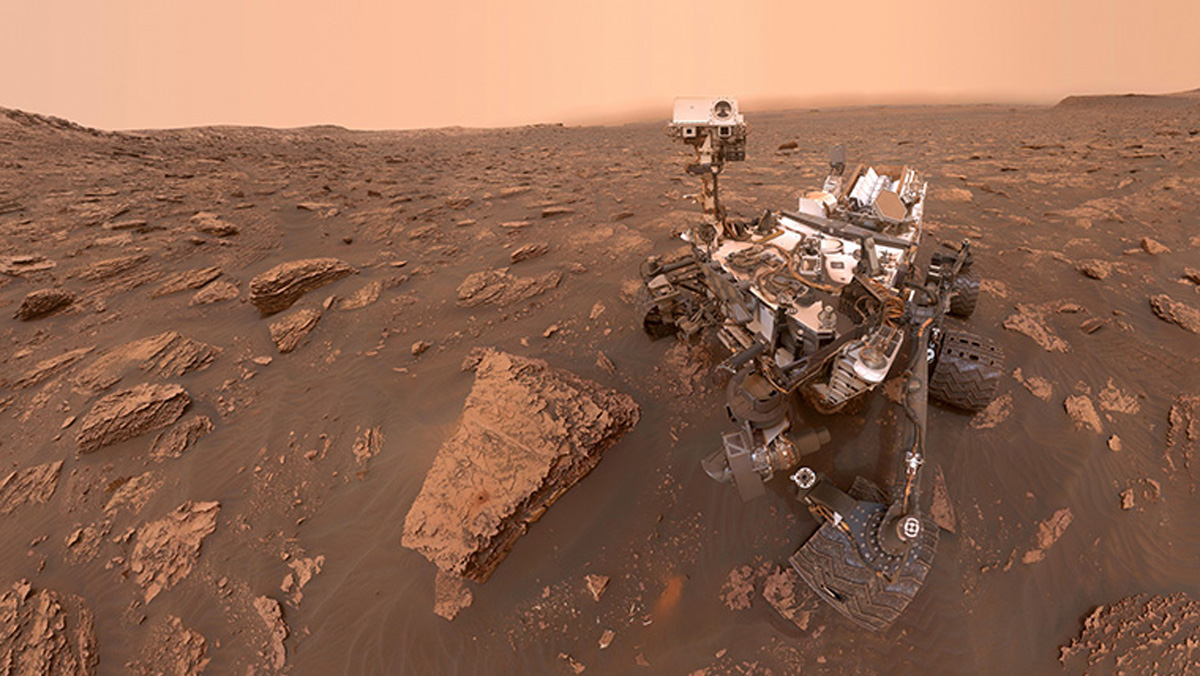
NASA's Curiosity rover has reached a milestone of 4,000 "sols" (Martian days) on Mars since landing in 2012. The rover continues to gather evidence of minerals and rocks shaped by water, with a recent sample nicknamed "Sequoia" potentially showing evidence of sulfates formed in salty water billions of years ago. Curiosity has already found abundant sulfates and is searching for elusive carbonate reserves. Despite minor issues with its camera and wear on its drill and robotic arm, Curiosity remains in good health and has years of life left.
Geologists analyzing data from NASA's Curiosity rover have discovered further evidence of ancient rivers on Mars, suggesting that the planet was once more conducive to life than previously believed. The researchers identified specific landforms, called bench-and-nose features, within craters on Mars, which indicate the presence of rivers. These landforms were simulated using computer models based on Curiosity's images and scans of sedimentary rock on Earth. The discovery of widespread rivers on Mars could have significant implications for the search for signs of life on the Red Planet.
NASA's Curiosity rover has provided further evidence that rivers once flowed on Mars, suggesting that the planet may have had more rivers than previously believed. Geologists studying data from the rover at Gale crater have identified ancient, eroded remnants of rivers in several craters on Mars. The discovery of these bench-and-nose landforms, formed by running water, indicates that rivers were more widespread on Mars than previously thought. This finding is significant in the search for signs of ancient life on the Red Planet, as rivers are crucial for supporting life on Earth. The research offers a more optimistic view of Mars as a planet that once had the right conditions for life.
In 1993, Carl Sagan and his team conducted an audacious experiment to search for evidence of life on Earth that could be detected from space. By using NASA's Galileo spacecraft, they found evidence of oxygen, water vapor, ice, and other greenhouse gases, as well as amplitude-modulated waves not known to occur naturally. This experiment, which tested the accuracy and relevance of methods used to detect extraterrestrial life, has since stood the test of time and provided valuable lessons for researchers and science publishers. It emphasizes the importance of testing what we think we know, conducting control experiments, and carefully reporting findings in the search for life beyond Earth.
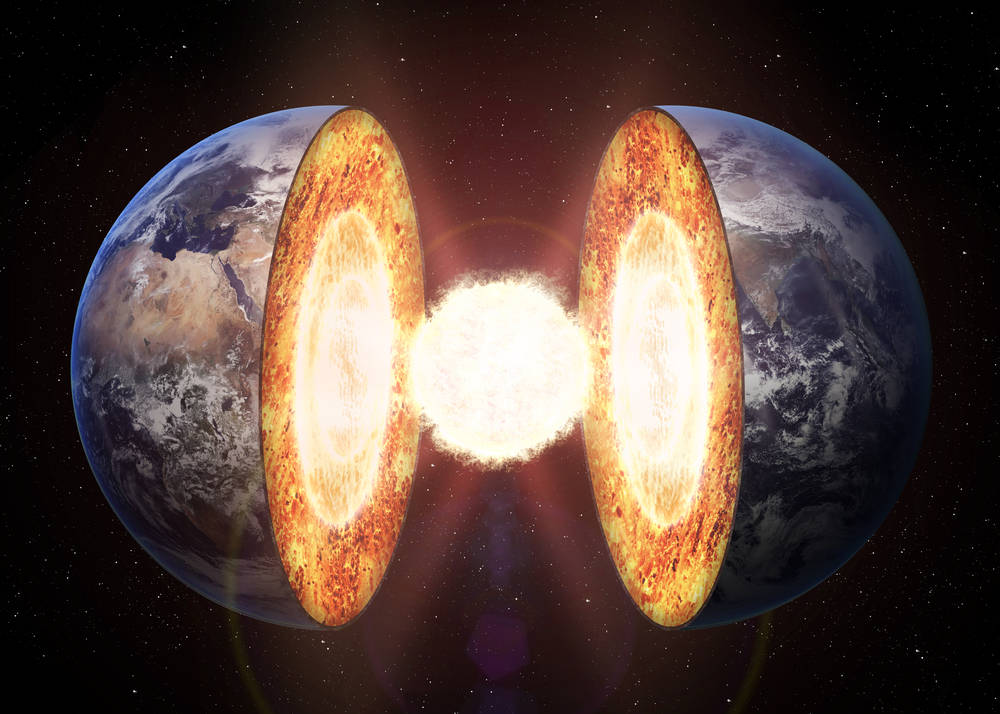
A new study by Jane Greaves, Professor of Astronomy at Cardiff University, suggests ways to search for potential Earth-like exoplanets that have had plate tectonics for longer than Earth, allowing for a longer timescale for the evolution of life and potential civilization advancement. While detecting plate tectonics on exoplanets has not yet been achieved, Greaves proposes looking at the chemical makeup of host stars to infer whether their exoplanets have the conditions for plate tectonics. By examining the stellar abundances of certain elements like thorium and potassium, researchers could potentially locate rocky exoplanets with continents and biospheres more advanced than Earth's.
Metal-rich stars emit less UV radiation but their associated planets are exposed to more intense UV radiation, according to a study by researchers at the Max-Planck Institute for Solar System Research. The study found that metallicity has a larger impact than stellar temperature on the likelihood of finding complex life on land. Planets hosted by low-metallicity stars should be priority targets for follow-up observations with future telescopes to maximise the likelihood of finding signatures of life.
A recent paper argues that the search for life in the Universe should be based on the potential for computation rather than the potential for habitability. The authors propose the concept of "computational zones" which require the capacity for computation, a raw form of energy, and a substrate for computation. This framework allows for the development of search strategies for life beyond our current understanding, such as artificial energy gathering structures and gas clouds around sub-stellar structures. The search for life in the Universe has only just begun, and it's important to keep an open mind.