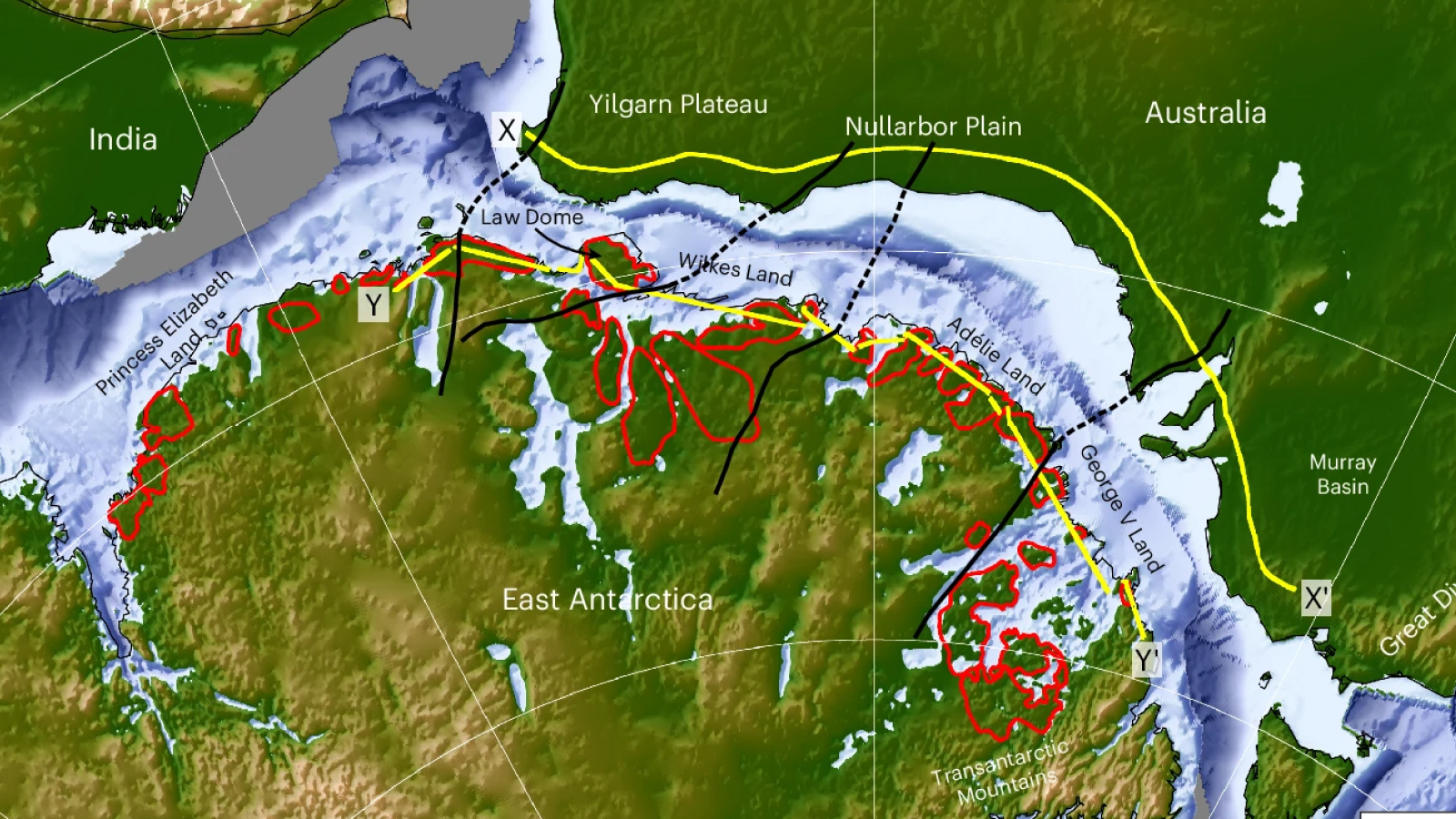
Scientists have uncovered preserved ancient river landscapes beneath East Antarctica's ice sheet, dating back 80 million to 34 million years, which could influence predictions of ice melt and sea level rise in a warming world.
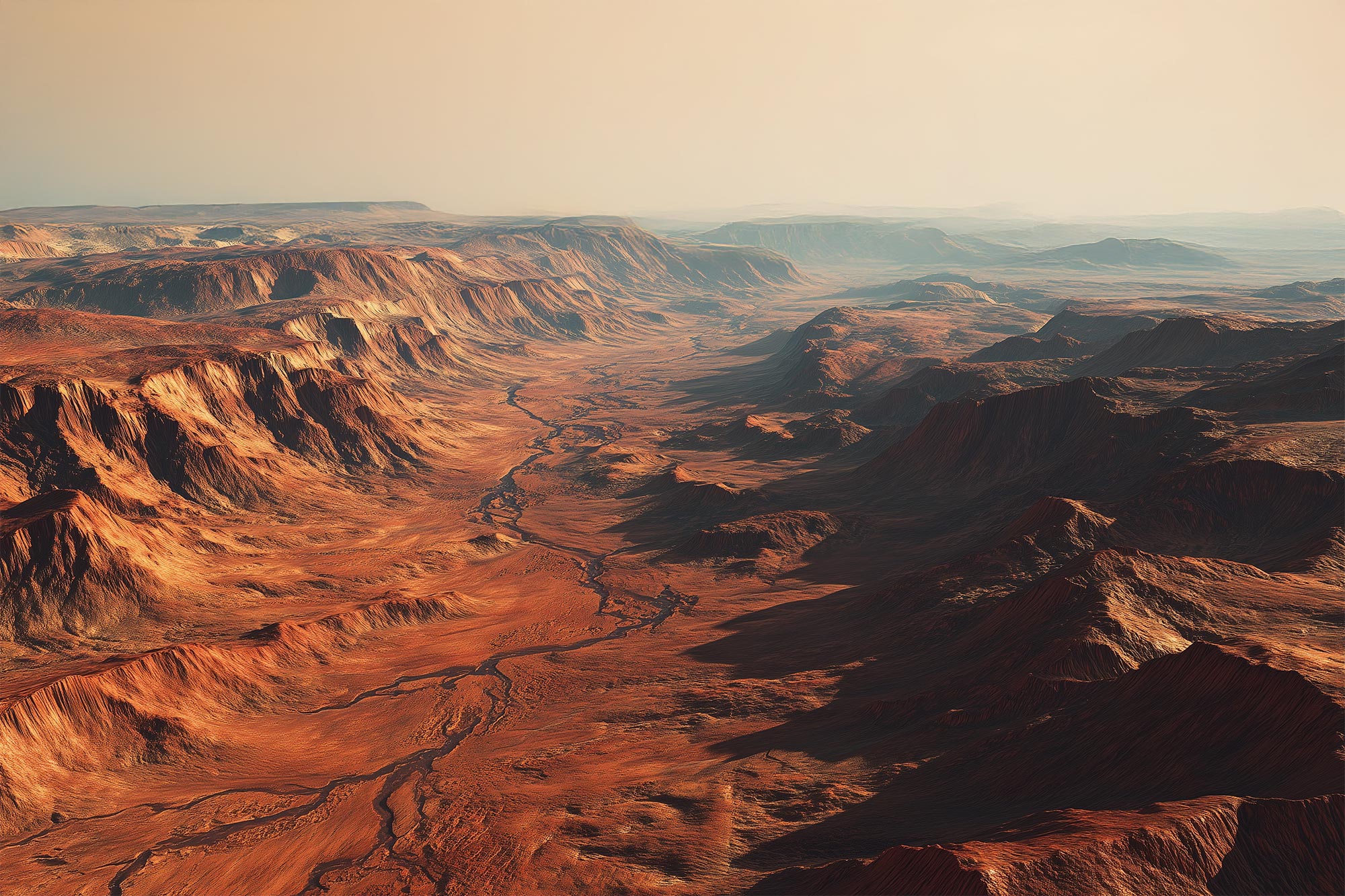
Scientists have discovered over 15,000 kilometers of fossilized riverbeds on Mars, indicating that the planet once had a warm, wet climate with rain-fed water flow, challenging previous views of Mars as cold and dry.
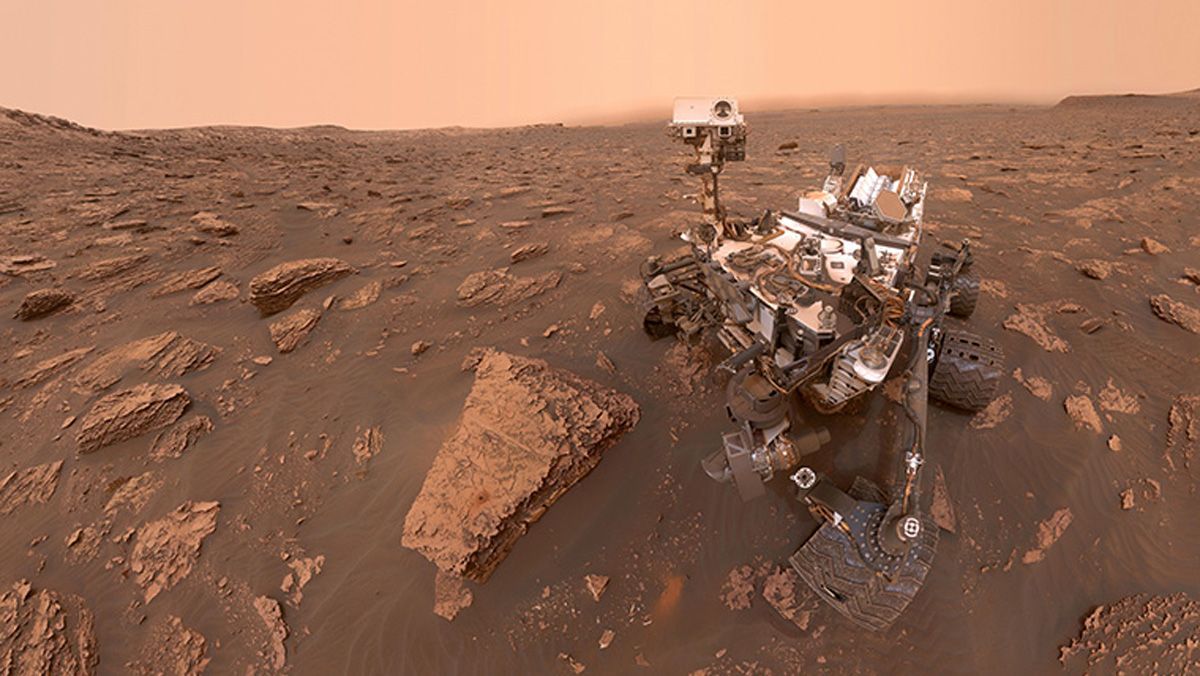
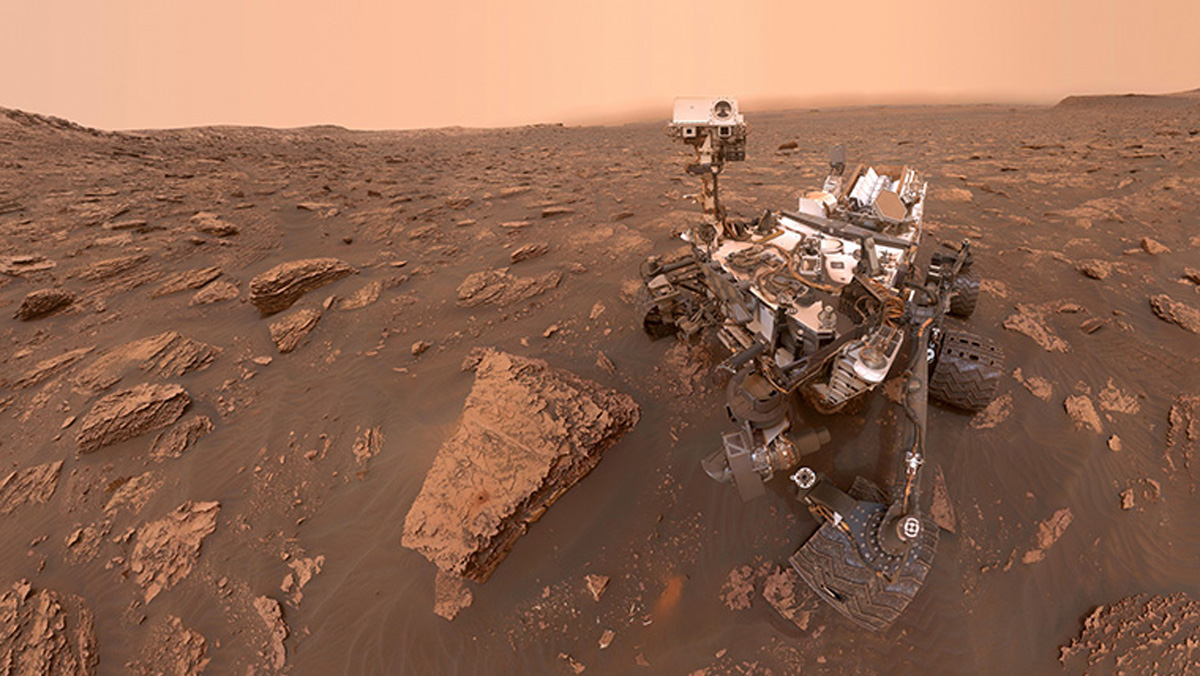
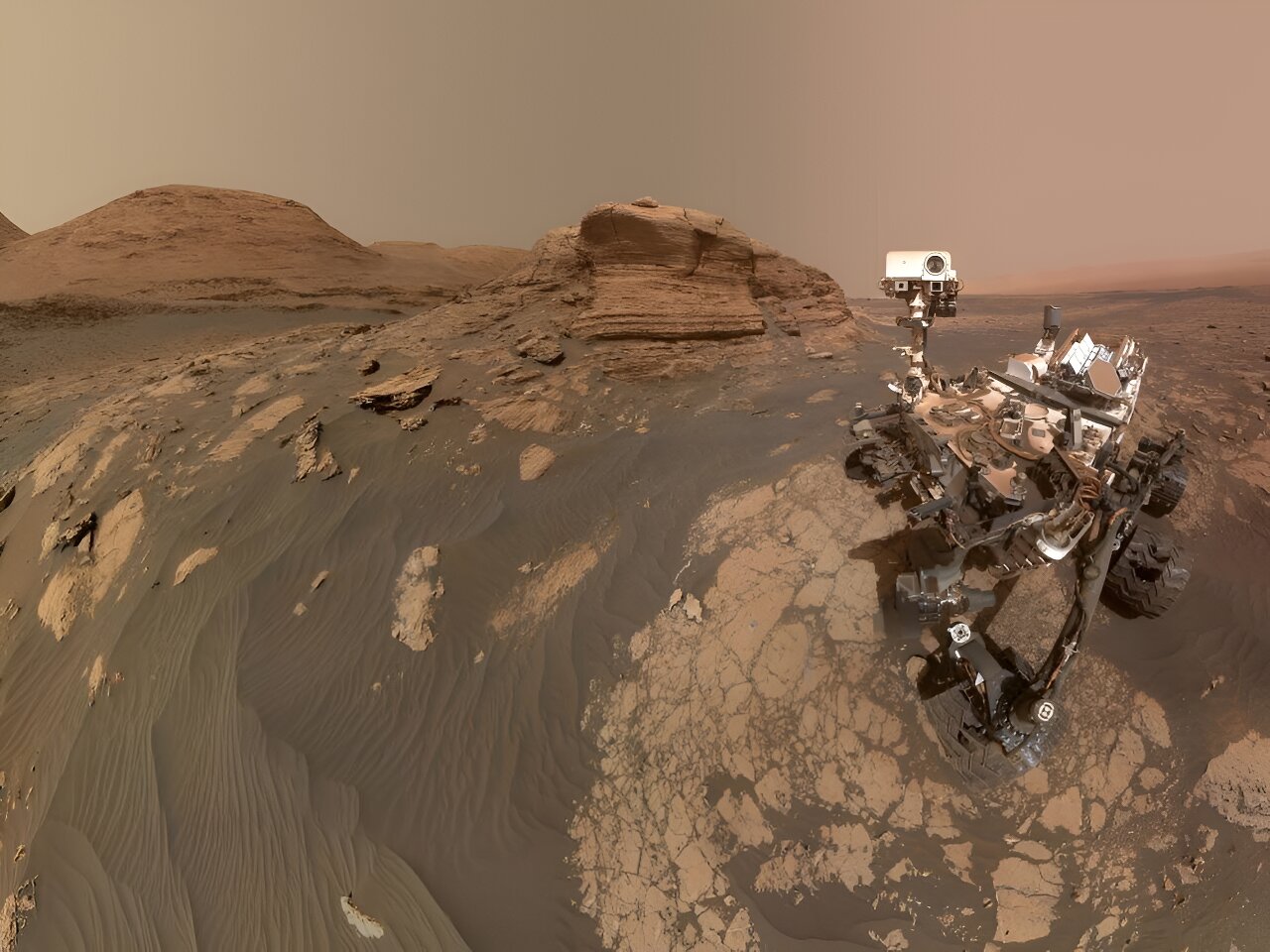
Geologists analyzing data from NASA's Curiosity rover have discovered further evidence of ancient rivers on Mars, suggesting that the planet was once more conducive to life than previously believed. The researchers identified specific landforms, called bench-and-nose features, within craters on Mars, which indicate the presence of rivers. These landforms were simulated using computer models based on Curiosity's images and scans of sedimentary rock on Earth. The discovery of widespread rivers on Mars could have significant implications for the search for signs of life on the Red Planet.
NASA's Curiosity rover has provided further evidence that rivers once flowed on Mars, suggesting that the planet may have had more rivers than previously believed. Geologists studying data from the rover at Gale crater have identified ancient, eroded remnants of rivers in several craters on Mars. The discovery of these bench-and-nose landforms, formed by running water, indicates that rivers were more widespread on Mars than previously thought. This finding is significant in the search for signs of ancient life on the Red Planet, as rivers are crucial for supporting life on Earth. The research offers a more optimistic view of Mars as a planet that once had the right conditions for life.
Scientists have discovered a vast hidden landscape of hills and valleys, created by ancient rivers, that has been preserved under the Antarctic ice for millions of years. This landscape, larger than Belgium, remained untouched for over 34 million years, but human-driven global warming poses a threat to its exposure. Using satellite images and radio-echo sounding data, researchers were able to trace out the undulating ice surface and reveal a river-carved landscape. The study warns that global warming could lead to the exposure of this hidden world, as atmospheric conditions similar to those of 14 to 34 million years ago are projected. However, the landscape is currently hundreds of kilometers inland from the ice edge, making any possible exposure a long way off.
New analysis of data from NASA's Curiosity rover suggests that many of the craters on Mars could have once been habitable rivers. Researchers used numerical models and satellite data to simulate erosion on Mars and found that common crater formations are likely remnants of ancient riverbeds. This study provides a new interpretation for Martian crater formations and suggests that there could be undiscovered river deposits elsewhere on the planet. The findings offer a more optimistic view of ancient life on Mars and highlight the importance of understanding the planet's geologic history.
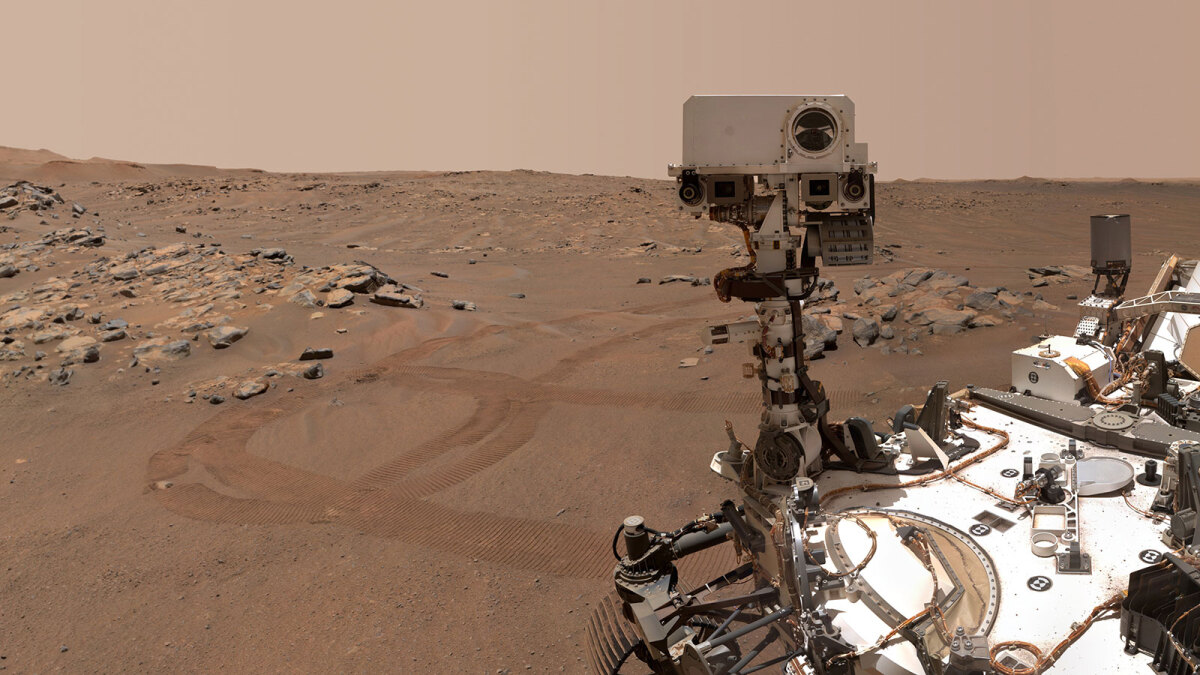
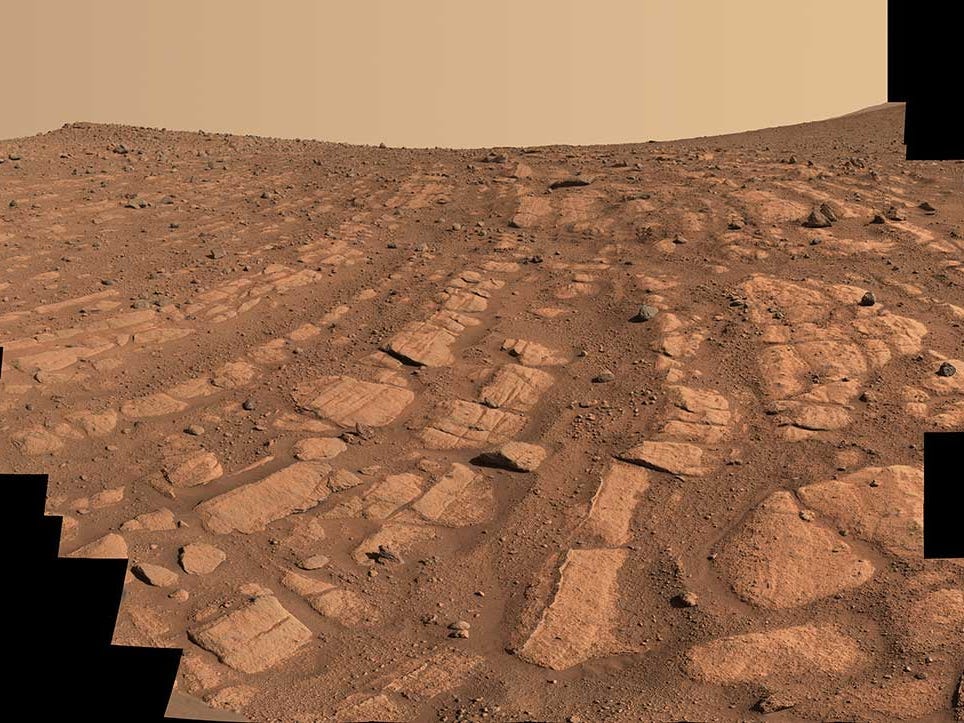
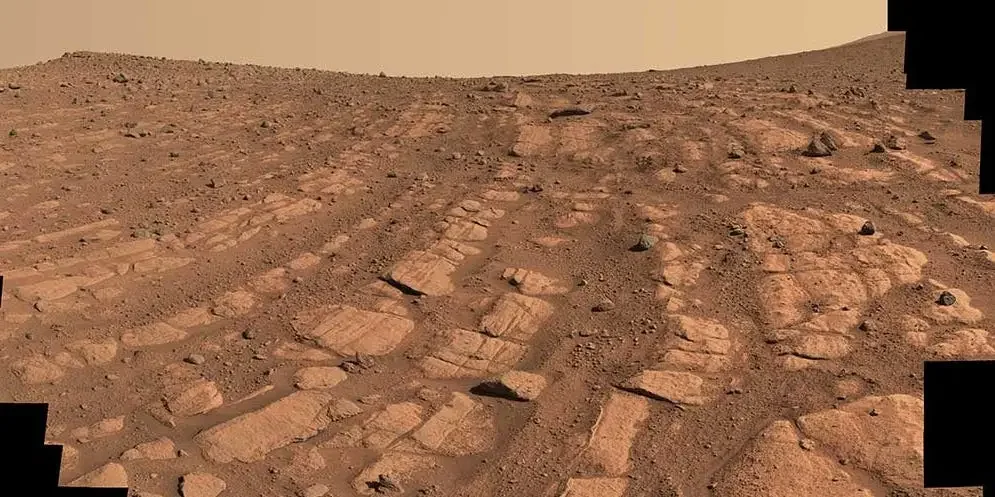
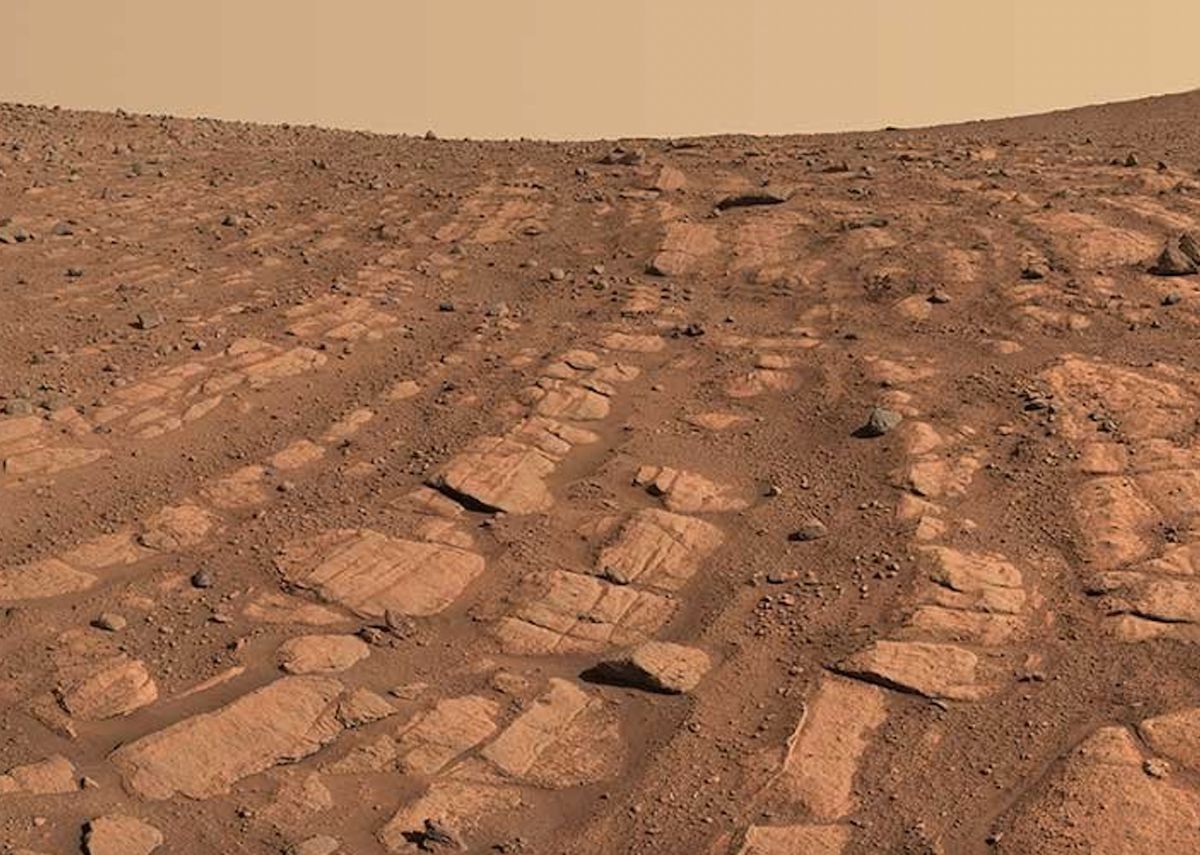
NASA's Perseverance rover has captured images of an expansive boulder field on Mars, providing evidence of once-roaring rivers and vast amounts of water on the Red Planet. The boulders, which were likely moved by water, indicate that the ancient waterways on Mars were deeper or flowed faster than previously thought. Scientists are studying the characteristics of these past rivers to understand if any primitive life may have evolved in Mars' waterways and moist environments. Perseverance's primary objective is to search for signs of ancient microbial life and collect Martian rock samples for further analysis.
NASA's Mars Perseverance rover has taken new images that reveal that some of the red planet's ancient rivers were much wilder than scientists previously thought. The discovery may help scientists figure out what kind of ancient life existed on the planet. The Perseverance rover took close-up images of a specific region in Jezero Crater for the first time, showing that the rivers pouring into it were deeper, more powerful rivers than previously thought. The discovery could help in the search for ancient microbial life on Mars, as long-extinct microbial life may be preserved within those very rocks.
NASA's Mars Perseverance rover has taken new images that reveal that some of the red planet's ancient rivers were much wilder than scientists previously thought. The discovery may help scientists figure out what kind of ancient life existed on the planet. The Perseverance rover took close-up images of a specific region in Jezero Crater for the first time, showing that the rivers pouring into it were deeper, more powerful rivers than previously thought. The discovery could help in the search for ancient microbial life on Mars, as long-extinct microbial life may be preserved within those very rocks.
NASA's Perseverance rover has taken close-up images of a specific region in Jezero Crater on Mars, revealing evidence of deep, powerful rivers that once existed on the planet. The discovery may help scientists determine what kind of ancient life existed on Mars. The images show coarse sediment grains and cobbles, indicating a high-energy river that could move larger pieces of material. The discovery suggests that some of Mars' ancient rivers were much wilder than previously thought.
NASA's Perseverance rover has discovered evidence of a deep, fast-flowing river on Mars, the first time such evidence has been found on the planet. The rover found a long-dead riverbed in Jezero crater, featuring coarse grains and cobbles, which indicate a high-energy river that's carrying a lot of debris. The rover also found sedimentary rock layers at a nearby hill called Pinestand, which could have been formed by a deep, fast-moving river. The Jezero crater hosted a big lake and a river delta long ago, and researchers think it was capable of supporting Earth-like life long ago.