Tag

Planetary Systems

All articles tagged with #planetary systems

science5 months ago

James Webb Telescope Reveals Lonely Exoplanets Can Form Their Own Planetary Systems

New research using the James Webb Space Telescope suggests that giant, free-floating exoplanets can form their own planetary systems without a parent star, challenging traditional views of planetary formation and indicating the existence of starless mini-planetary systems. The study observed young, isolated objects with masses similar to Jupiter, finding evidence of dust disks and silicate grains, which are early signs of planet formation, around these lonely worlds.

science1 year ago

One-Third of Stars May Harbor Earth-Like Planetary Remains

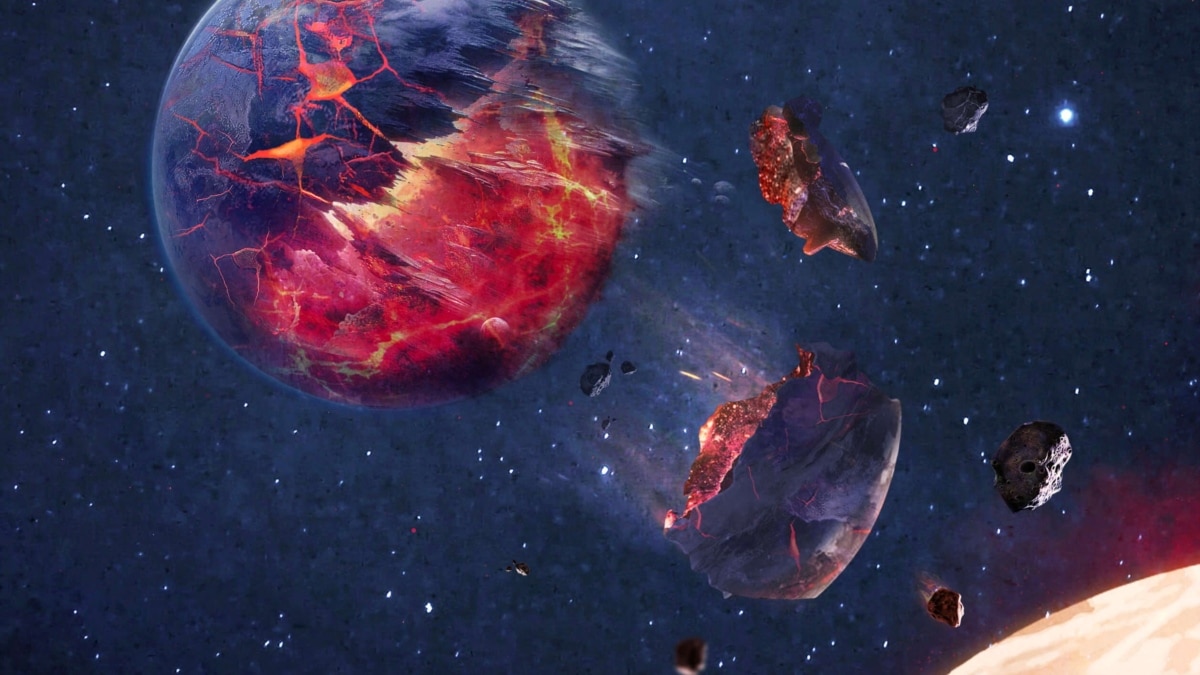
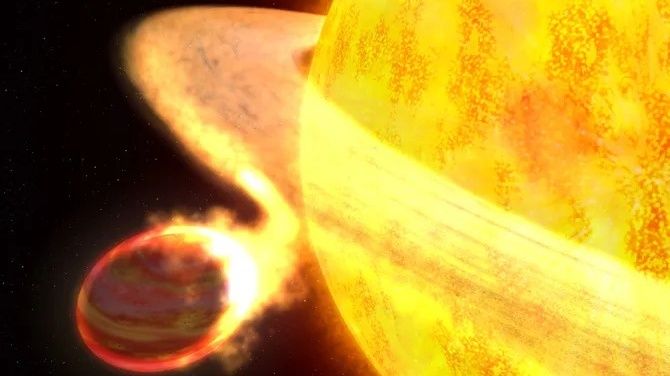
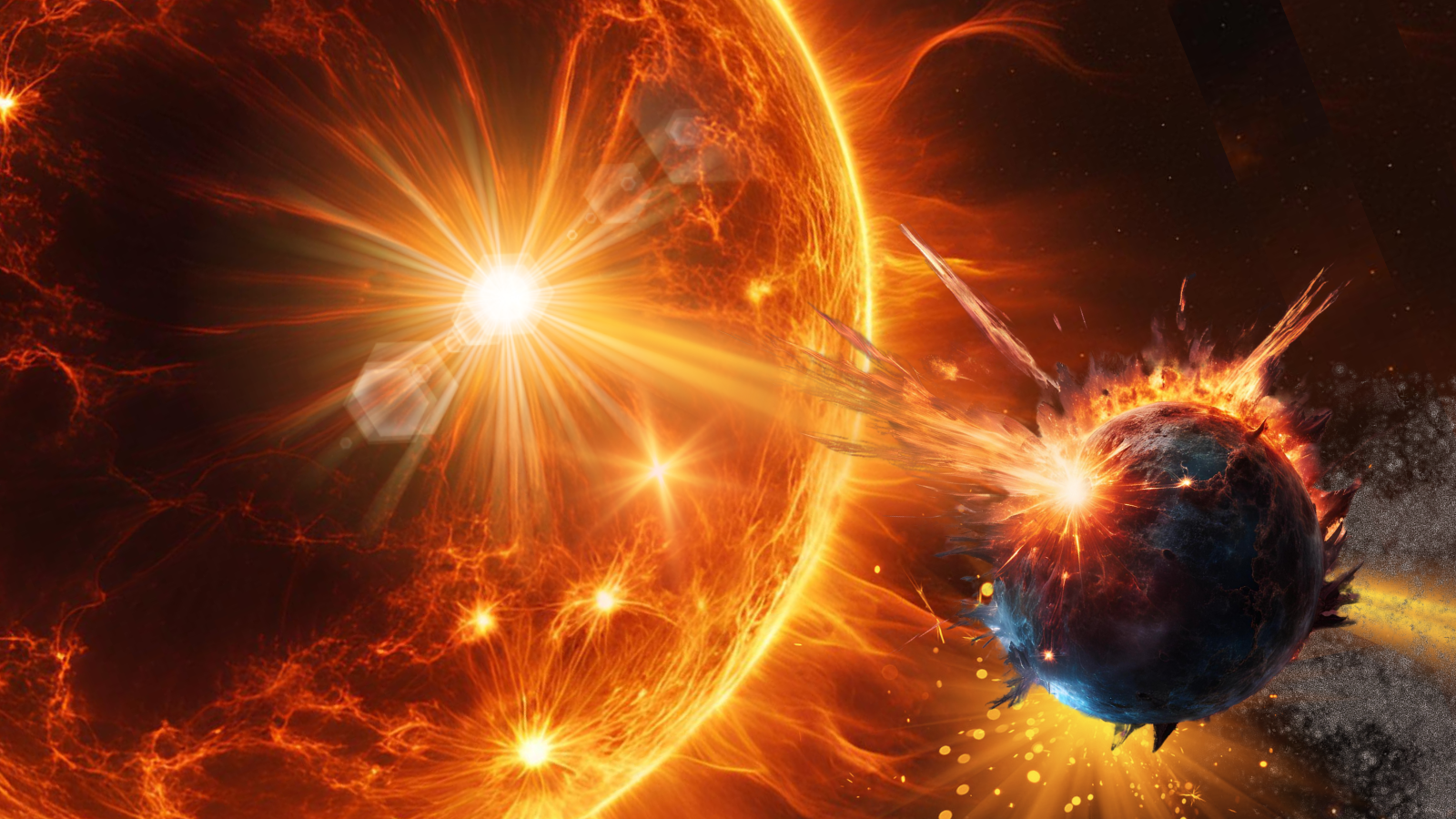
New research suggests that stars engulfing ultra-short-period (USP) rocky planets may explain the pronounced differences in metallicity observed among sibling stars. These planets, which orbit very closely to their stars, can be consumed, leading to metal pollution in the stars. The study, by Christopher E. O'Connor and Dong Lai, indicates that between 3 to 30 percent of Sun-like stars may have engulfed such planets. The research highlights the potential for USP engulfment as a natural consequence of low-e migration scenarios in compact, multi-planet systems.

science1 year ago

Earth's Future Unveiled: Insights from a Distant Planet

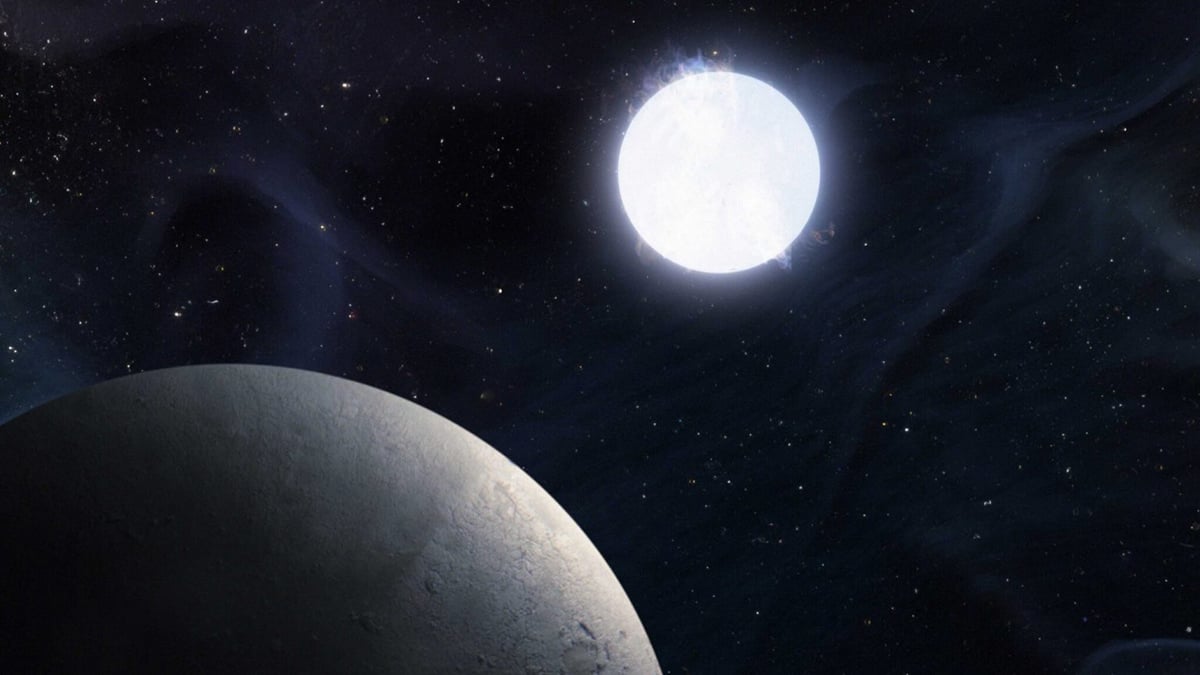
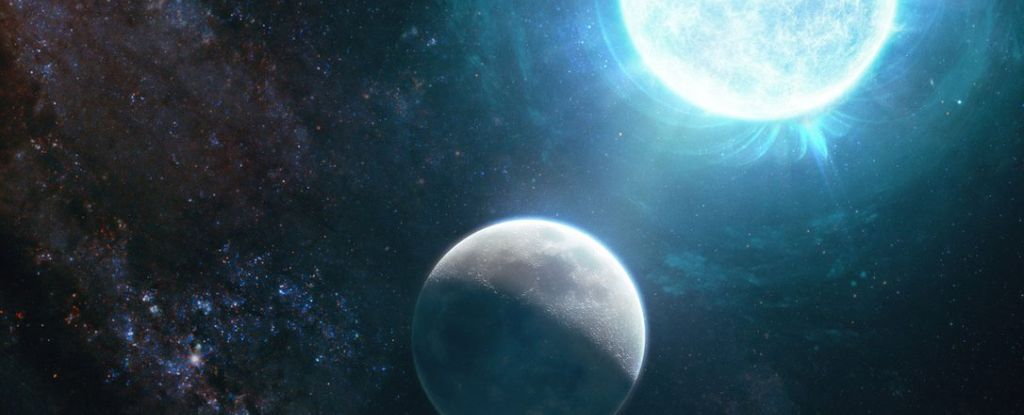
A study published in Nature Astronomy suggests that Earth might survive the Sun's transformation into a red giant, based on observations of a distant star system, KMT-2020-BLG-0414L. This system features a rocky planet orbiting a white dwarf, similar to what Earth might experience if it survives the Sun's death. The study indicates that as the Sun loses mass, Earth could migrate outward, potentially avoiding engulfment. However, the dynamics of the solar system's other planets, particularly Jupiter and Saturn, add complexity to Earth's fate.

astronomy1 year ago

"Unveiling the Grim Future: Earth's Fate When the Sun Dies"

Scientists have studied the fate of the Solar System when the Sun dies by analyzing changes in brightness of three white dwarf stars. The analysis suggests that Mercury and Venus will be destroyed, while Earth's fate is uncertain but it may be swallowed by the expanding Sun. The study indicates that Earth's oceans will boil away in about a billion years, long before the Sun's death.

astronomy1 year ago

"White Dwarf Star: The Grim Fate of Our Solar System"

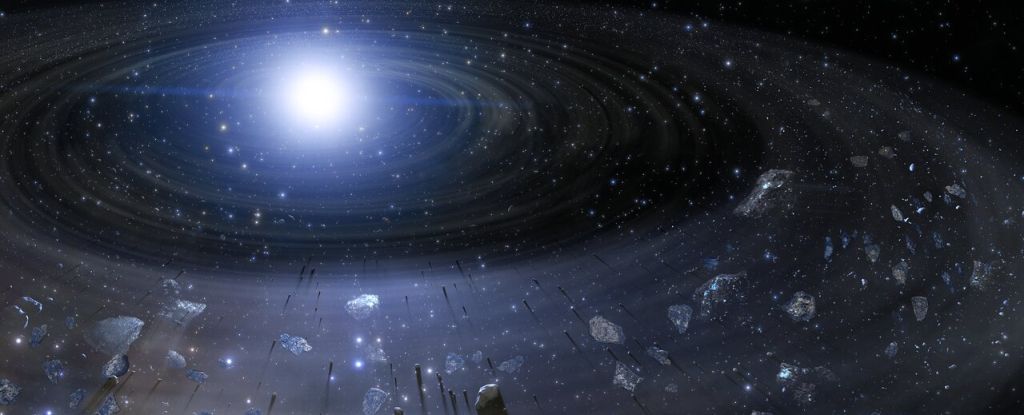
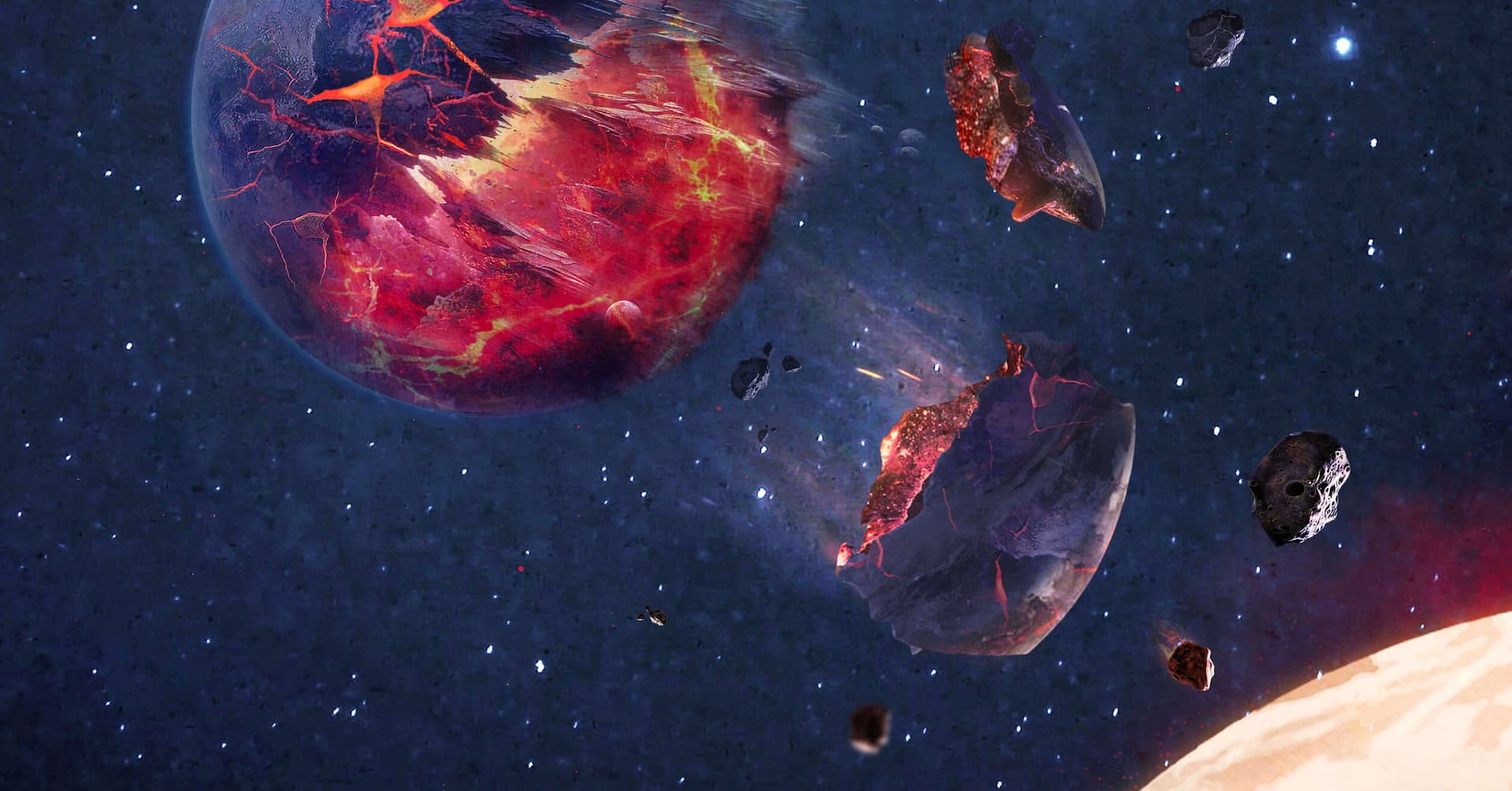
A study by scientists from the University of Warwick and other universities sheds light on the impact of white dwarf stars on planetary systems like our solar system. When asteroids, moons, and planets get close to a white dwarf, its gravity rips them into smaller pieces, eventually grinding them into dust. The study observed changes in brightness of three different white dwarfs over 17 years, revealing chaotic variability and catastrophic events. While Earth will likely be swallowed by the expanding sun before it becomes a white dwarf, other parts of our solar system, including asteroids and moons, may undergo the shredding process near a white dwarf.

astronomy1 year ago

"Planet-Eating 'Twin' Stars: New Study Reveals Surprising Findings"

A study of 91 pairs of "twin" stars suggests that Earth is fortunate to be in a stable planetary system, as many stars showed signs of having absorbed a planet after it was pushed out of a stable orbit. The research, published in Nature, used the European Space Agency’s Gaia space observatory and telescopes in Chile and Hawaii to identify chemical elements present in the stars. The findings indicate that instability in planetary systems might be more common than previously thought, with about eight percent of the twin stars studied likely having absorbed a planet. This suggests that there may be more planets traveling in exile without a star to orbit than previously believed.

astronomy1 year ago

"Surprising Commonality: Planet-Eating Stars Among Billions"

A new study suggests that about one in every 12 stars may have swallowed a planet, based on the analysis of 91 pairs of stars using the Gaia satellite and other telescopes. This finding challenges the assumption of stable planetary systems like our own solar system being the norm and raises questions about the stability of planetary systems. The research implies that planetary ingestion may occur during the normal lifetime of a star system, possibly due to rogue planets colliding with stars, and suggests that many planetary systems may be unstable.

astronomy1 year ago

"Surprising Commonality: Stars Found to Have Ingested Planets"

A study of "twin" stars has revealed that some of them have ingested planets, indicating that planetary systems may be more unstable than previously thought. The research examined 91 pairs of stars with similar sizes and chemical compositions, finding evidence of planetary ingestion in seven of the pairs. Possible reasons for a planet being engulfed by its host star include orbital disturbances caused by larger planets or passing stars. This study sheds light on the instability of planetary systems and suggests that there may be more planetary exiles than previously suspected.

astronomy1 year ago

"Stellar Radiation's Impact on Planetary Formation Uncovered by James Webb Telescope"

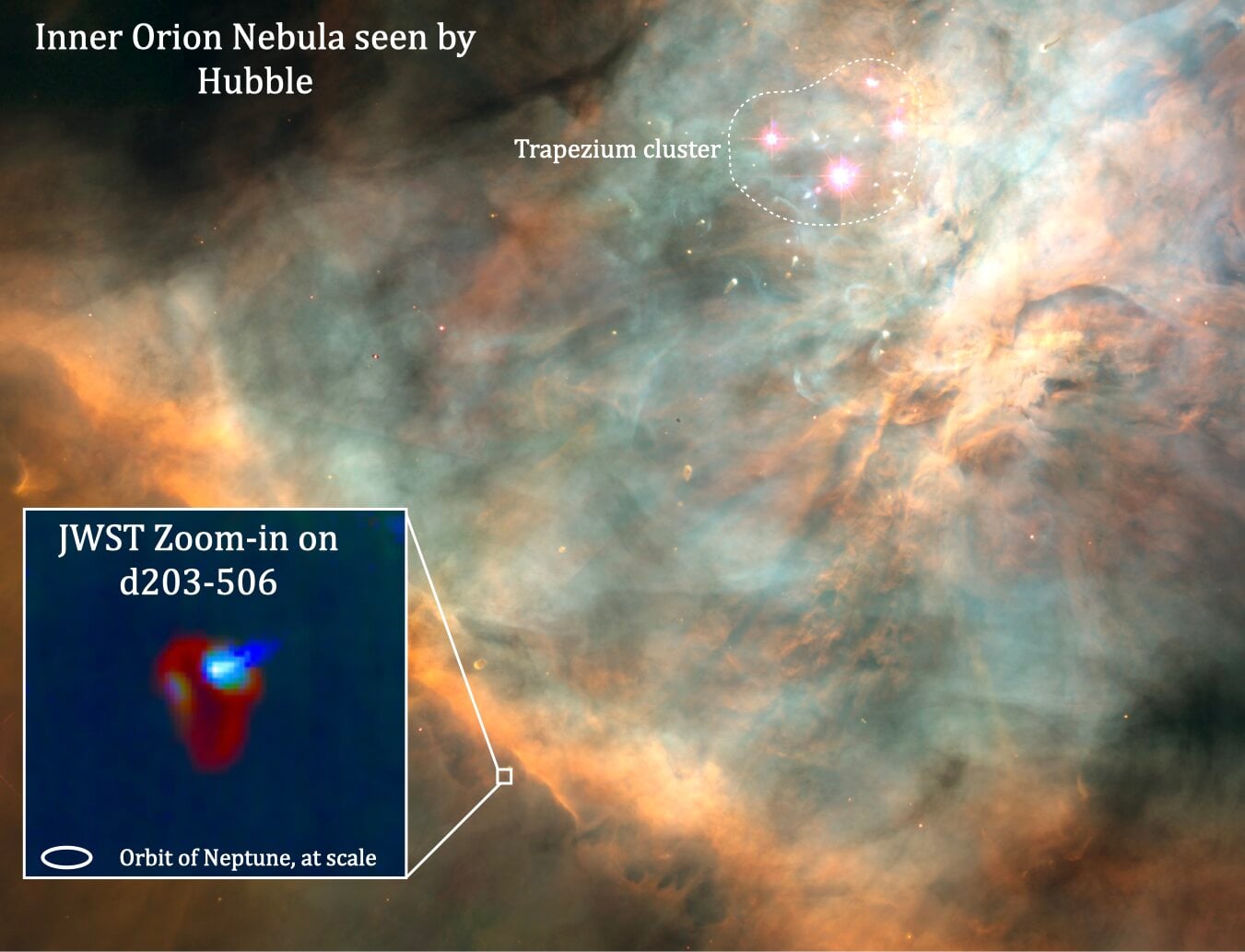
Scientists studying the Orion Nebula with the James Webb Space Telescope have found that massive stars play a crucial role in shaping planetary systems by exposing nascent planets to intense ultraviolet radiation, which can either aid or hinder their formation depending on the star's mass. This discovery sheds new light on the formation of planetary systems and will be featured in the journal Science.

astronomy1 year ago

"Planetary Gravitational Dance: Exploring Orbital Resonance"

Orbital resonance occurs when planets align in such a way that their orbits create a gravitational push and pull on each other, resembling a harmony between distant planets. This phenomenon, observed in only 5% of planetary systems, can lead to stable or disrupted orbits. Exoplanets also exhibit resonance, with some systems displaying resonant chains involving three or more objects. Astronomers have used sonification to translate the mathematical relationships of exoplanet orbits into sound, offering a new way to appreciate and understand these celestial phenomena.

astronomy1 year ago

"JWST Captures Rare Images of Exoplanets Orbiting Dead Stars, Shedding Light on Solar System's Fate"

Using the James Webb Space Telescope, astronomers have potentially discovered two gas giant exoplanets orbiting white dwarf stars, offering insight into the possible fate of planets in our Solar System. If confirmed, these would be the first directly-imaged planets similar in age and separation to those in our own Solar System, demonstrating that widely separated giant planets like Jupiter can survive stellar evolution. The discovery raises questions about the fate of planetary systems when their stars reach the end of their lives, and further observations are recommended to confirm and study these fascinating findings.

astronomy2 years ago

The Rise of "Impossible" Worlds

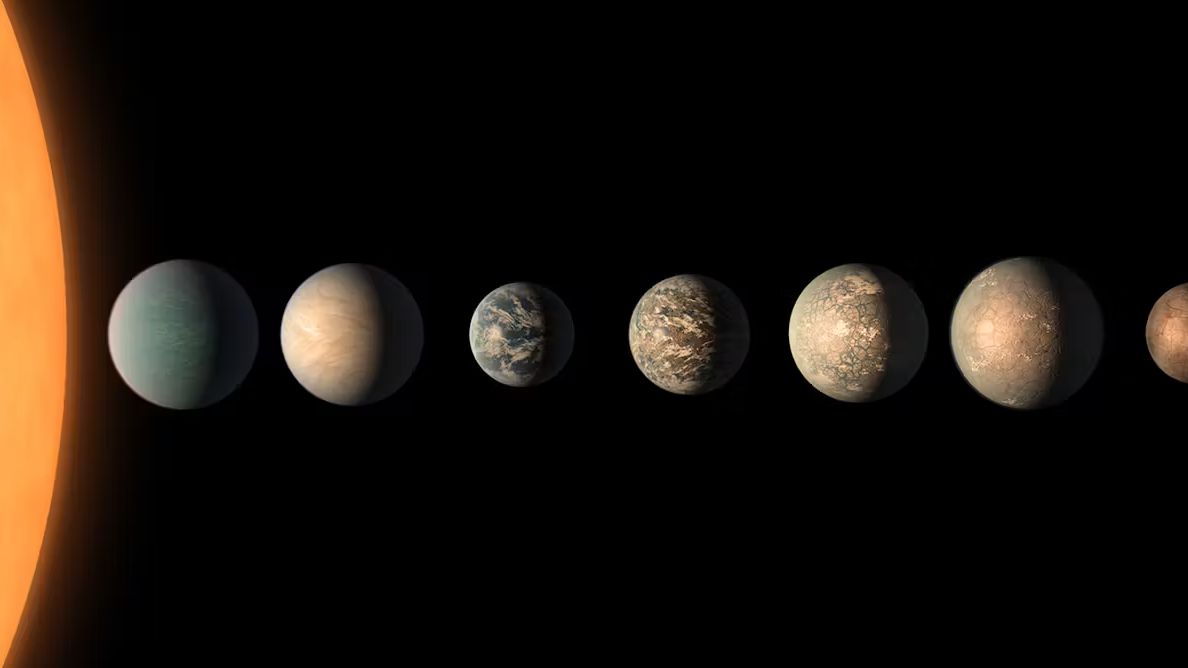
Astronomers have discovered a variety of "impossible" worlds beyond our Solar System, challenging our understanding of planets. These include Exoplanet LTT9779b, a hot Neptune-sized planet with glassy metallic clouds, and VHS 1256 b, a puzzling object that may be a planet or a brown dwarf with silica clouds. The discovery of a brown dwarf weighing just three to four times the mass of Jupiter and free-floating Jupiter Mass Binary Objects (JuMBOs) in the Orion Nebula further blurs the line between planets and stars. Observations from the James Webb Space Telescope (JWST) have also revealed the survival of rocky planet building blocks around hot stars and the presence of water in star systems. Additionally, the discovery of a potential co-planer planet in the PDS 70 system and a six-planet system in resonance around star HD 110067 are expanding our understanding of planetary systems.