Tag

Computation

All articles tagged with #computation

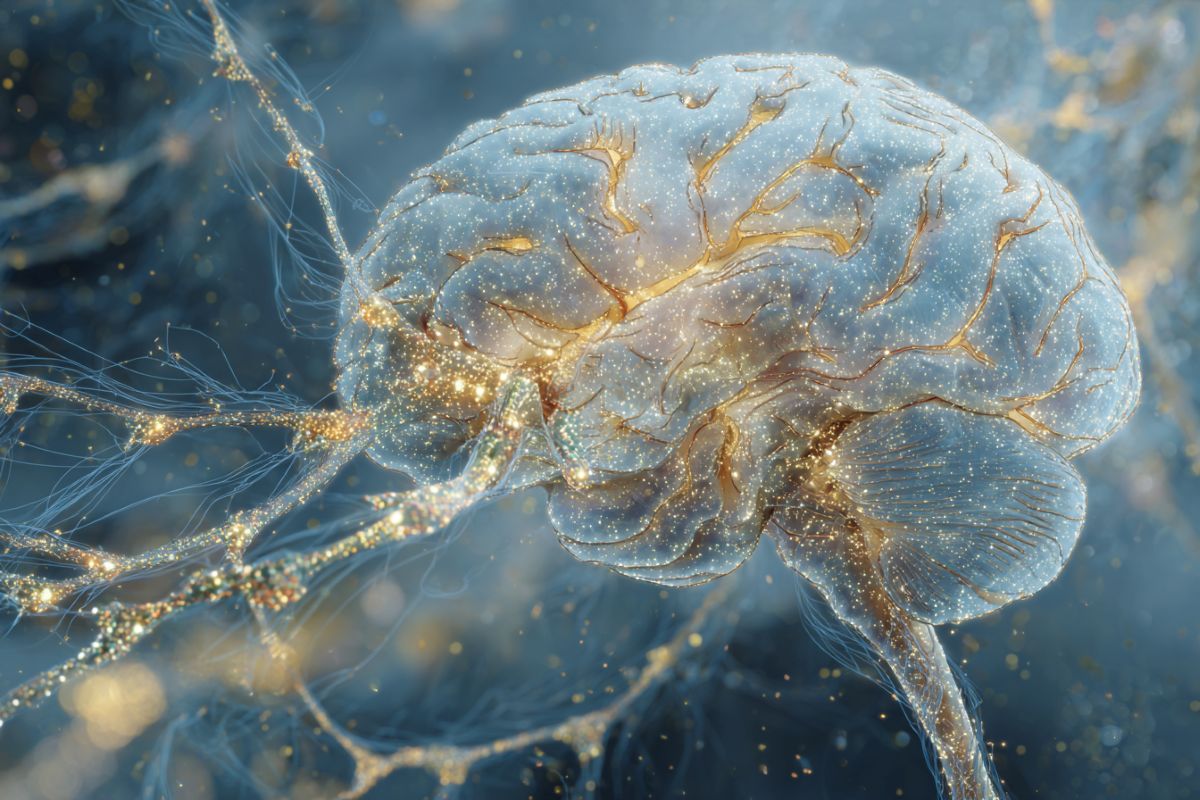
Exploring the Mysteries and Limits of Conscious AI

Originally Published 18 days ago — by ScienceDaily

Featured image for Exploring the Mysteries and Limits of Conscious AI
Source: ScienceDaily

The article argues that consciousness cannot be reduced to simple code because the brain's computation is fundamentally different from traditional digital computers. It introduces the concept of biological computationalism, emphasizing that brain computation is hybrid, scale-inseparable, and metabolically grounded, with the algorithm being the physical substrate itself. This perspective suggests that building conscious machines may require new types of physical systems that mirror the brain's complex, energy-constrained, and multi-level dynamics, moving beyond traditional digital AI approaches.
Rethinking Consciousness in the Age of AI and Biological Computation

Originally Published 19 days ago — by Neuroscience News

Featured image for Rethinking Consciousness in the Age of AI and Biological Computation
Source: Neuroscience News

A new theoretical framework called biological computationalism suggests that consciousness may require a form of computation that is inseparable from the physical, hybrid, and energy-constrained dynamics of biological brains, challenging traditional digital AI approaches and emphasizing the importance of physical and multi-scale interactions for mind-like cognition.

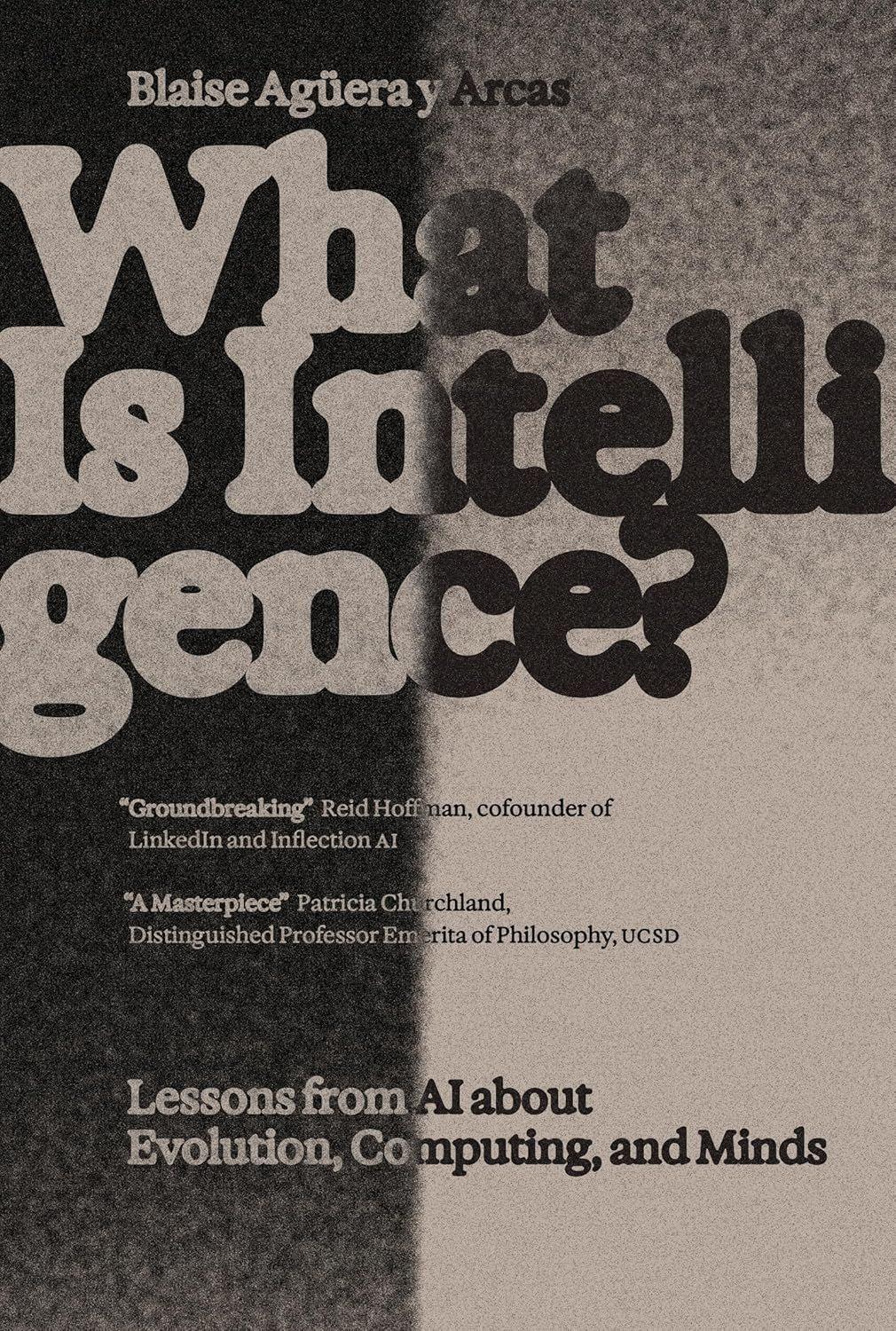
Redefining Intelligence: What It Is Not

Originally Published 2 months ago — by Los Angeles Review of Books

Featured image for Redefining Intelligence: What It Is Not
Source: Los Angeles Review of Books

The article explores the nature of intelligence, comparing natural and artificial forms, and discusses how prediction and curiosity are central to understanding intelligence across species and machines, emphasizing the ongoing scientific debate and the philosophical implications of AI's capabilities.

"Seeing the World as a Computational Process"

Originally Published 1 year ago — by WIRED

Featured image for "Seeing the World as a Computational Process"
Source: WIRED

The article explores the pervasive nature of computational processes, likening them to a form of music that can be felt and understood in various phenomena, from mailing a letter to machine learning. It delves into the concept of randomness as a complex computational process and highlights advances in AI and machine learning that help manage this complexity, drawing parallels to human cognitive processes like language translation.

"The Surprising Connection Between Flocking and Computing"

Originally Published 1 year ago — by Quanta Magazine

Featured image for "The Surprising Connection Between Flocking and Computing"
Source: Quanta Magazine

Evolutionary ecologist Iain Couzin discusses the collective behaviors of animals, such as flocking and swarming, and their similarities to computation. He explains how studying various organisms, from simple placozoa to complex vertebrates, can provide insights into the origins of intelligence and the emergence of complex life. Couzin also highlights the use of advanced technologies to study animal group dynamics and the potential impact on global food security through improved understanding of swarming pests like locusts.

Mathematicians Finally Uncover Elusive 42-Digit Dedekind Number

Originally Published 2 years ago — by SciTechDaily

Featured image for Mathematicians Finally Uncover Elusive 42-Digit Dedekind Number
Source: SciTechDaily

Mathematicians at Paderborn University and KU Leuven have solved a decades-old problem by calculating the ninth Dedekind number, a mathematical sequence of enormous complexity. Using the Noctua supercomputer and specialized hardware accelerators, they were able to compute the exact number, which was previously thought uncomputable due to its size. The discovery, which will be presented at an upcoming workshop, marks a significant milestone in mathematics and builds upon the work of renowned mathematicians and computer scientists.

Google's Bard AI advances in coding, math, and spreadsheets.

Originally Published 2 years ago — by Ars Technica

Featured image for Google's Bard AI advances in coding, math, and spreadsheets.
Source: Ars Technica

Google's language model, Bard, can now write and execute code to answer computational tasks like math or string manipulation. Instead of showing the output of the language model, Bard will write a program, execute it, and then show the output to the user. Google says this method improves the accuracy of Bard's responses to computation-based word and math problems by approximately 30%. However, Bard might not get it right due to interpreting the question wrong or writing code that doesn't work the first time.

Computer Scientist Solves Decades-Old Mathematical Mysteries

Originally Published 2 years ago — by Analytics India Magazine

Featured image for Computer Scientist Solves Decades-Old Mathematical Mysteries
Source: Analytics India Magazine

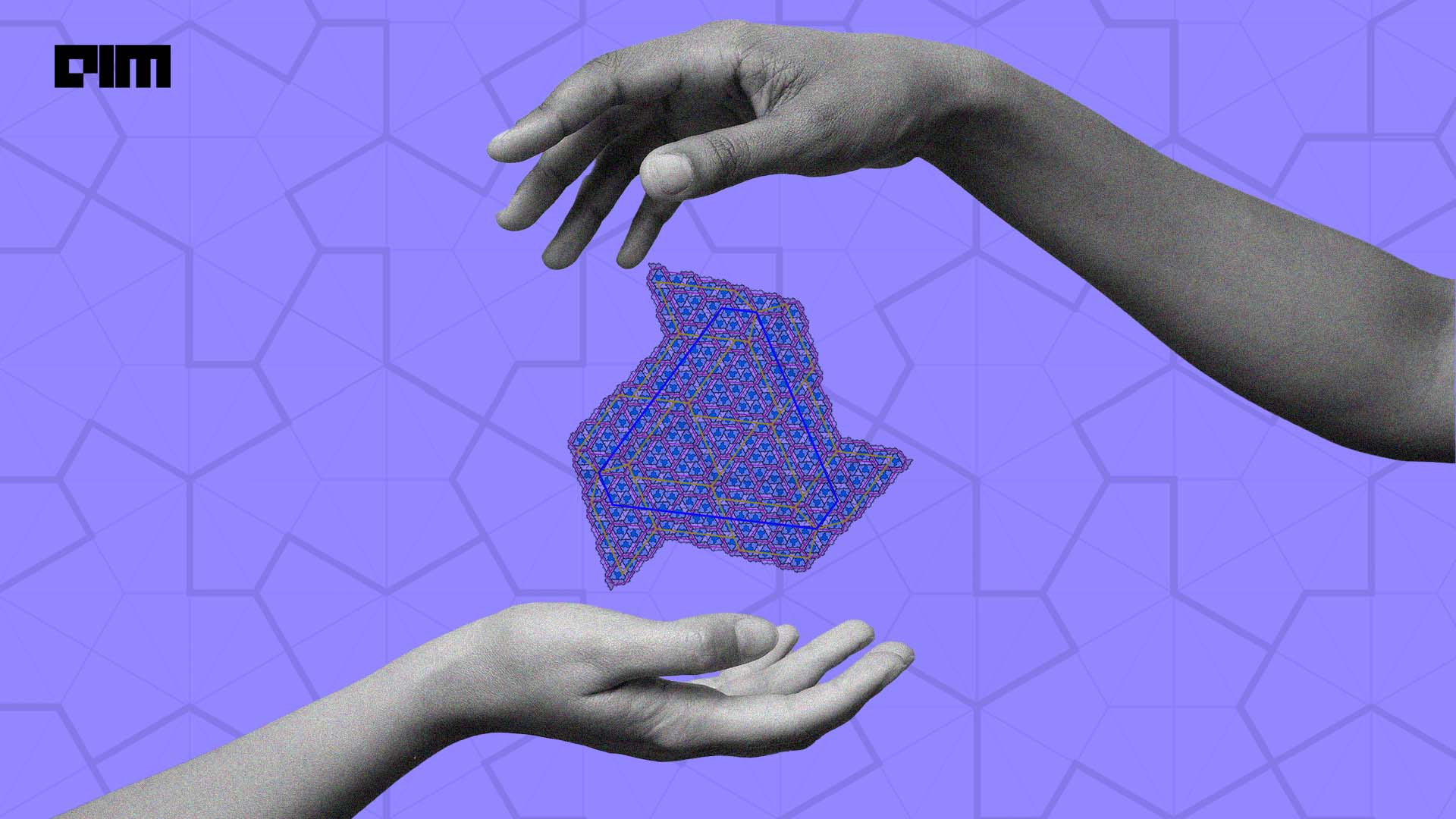
Computer scientist Craig Kaplan, who had been searching for a shape that could fill an entire plane without forming regular patterns for decades, has finally found it with the help of a hobbyist named David Smith. The shape, called the 'hat', shattered records for both Heesch and isohedral numbers, proving itself to be an Einstein tile. Kaplan used computational methods to analyze the tiling properties of the hat, and the researchers used computation to construct a complete list of all possible neighborhoods to prove aperiodicity. While there is no immediate application identified to this tiling, new and interesting connections are expected to emerge as more researchers fiddle around with it.

The Search for Cosmic Computational Zones and Strange Life Forms.

Originally Published 2 years ago — by ScienceAlert

Featured image for The Search for Cosmic Computational Zones and Strange Life Forms.
Source: ScienceAlert

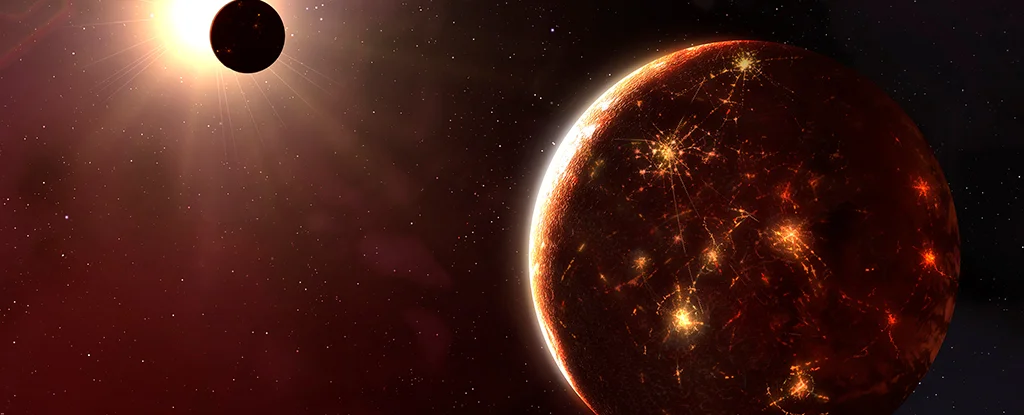
A recent paper argues that the search for life in the Universe should be based on the potential for computation rather than the potential for habitability. The authors propose the concept of "computational zones" which require the capacity for computation, a raw form of energy, and a substrate for computation. This framework allows for the development of search strategies for life beyond our current understanding, such as artificial energy gathering structures and gas clouds around sub-stellar structures. The search for life in the Universe has only just begun, and it's important to keep an open mind.

Searching for the Computational Zone: Beyond the Habitable Zone.

Originally Published 2 years ago — by Universe Today

Featured image for Searching for the Computational Zone: Beyond the Habitable Zone.
Source: Universe Today

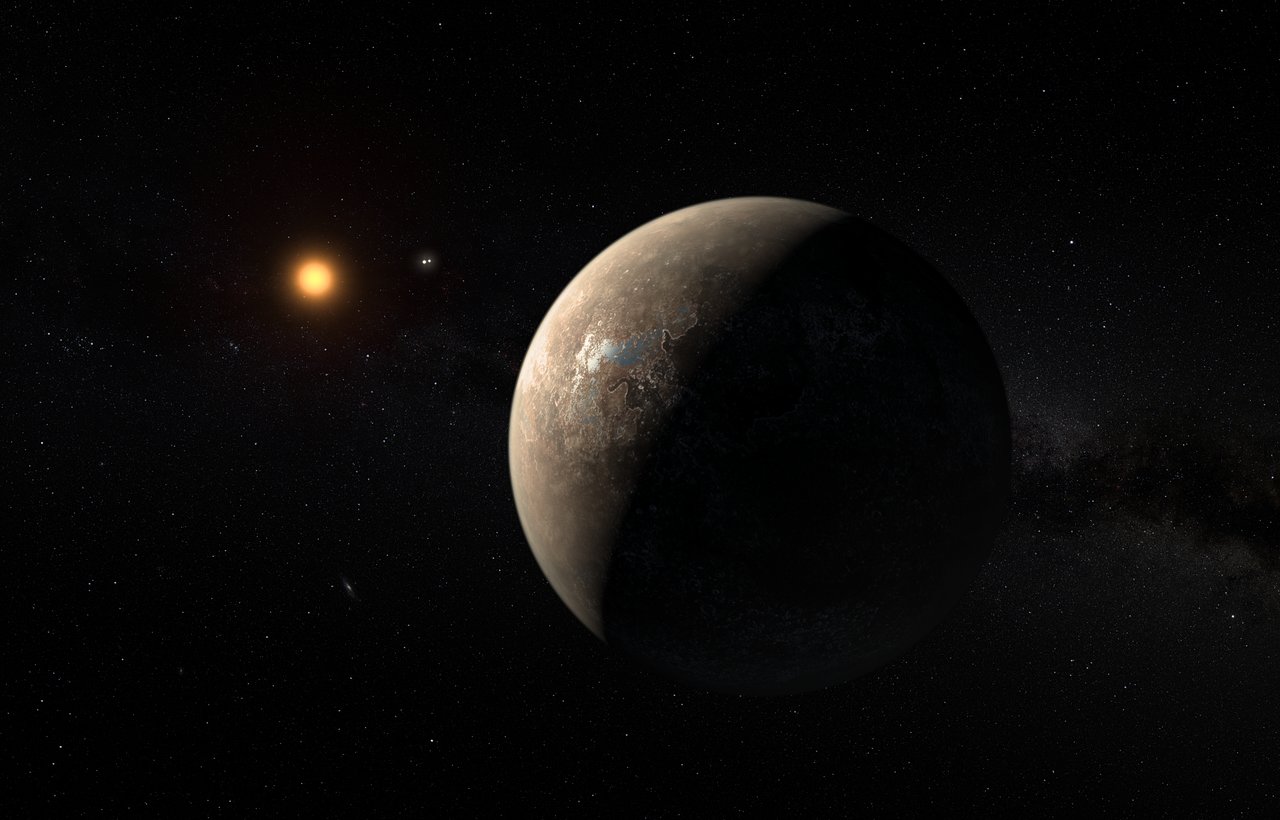
Astronomers should focus on finding signs of life in the “computational zones” of nearby stars, which require the capacity for computation, a raw form of energy, and a substrate. This concept allows for a broader definition of life beyond what we currently understand on Earth. By studying individual systems through a lens of computational ability, we might find which systems might be amenable to artificial energy gathering structures like Dyson spheres. The search for life in our universe has only just begun, and it’s important to keep an open mind.