
Lessons from Carl Sagan's Bold Experiment: Searching for Life on Earth
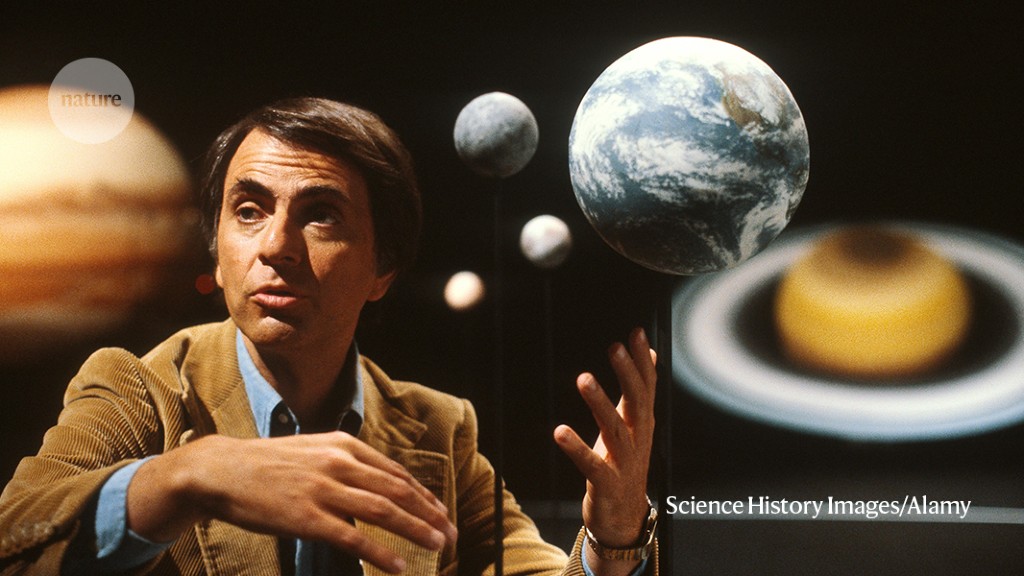
In 1993, Carl Sagan and his team conducted an audacious experiment to search for evidence of life on Earth that could be detected from space. By using NASA's Galileo spacecraft, they found evidence of oxygen, water vapor, ice, and other greenhouse gases, as well as amplitude-modulated waves not known to occur naturally. This experiment, which tested the accuracy and relevance of methods used to detect extraterrestrial life, has since stood the test of time and provided valuable lessons for researchers and science publishers. It emphasizes the importance of testing what we think we know, conducting control experiments, and carefully reporting findings in the search for life beyond Earth.
- Carl Sagan's audacious search for life on Earth has lessons for science today Nature.com
- How Would We Know There's Life on Earth? This Bold Experiment Found Out Scientific American
- How would we know whether there is life on Earth? This bold experiment found out Nature.com
- View Full Coverage on Google News
Reading Insights
0
8
3 min
vs 4 min read
85%
715 → 108 words
Want the full story? Read the original article
Read on Nature.com