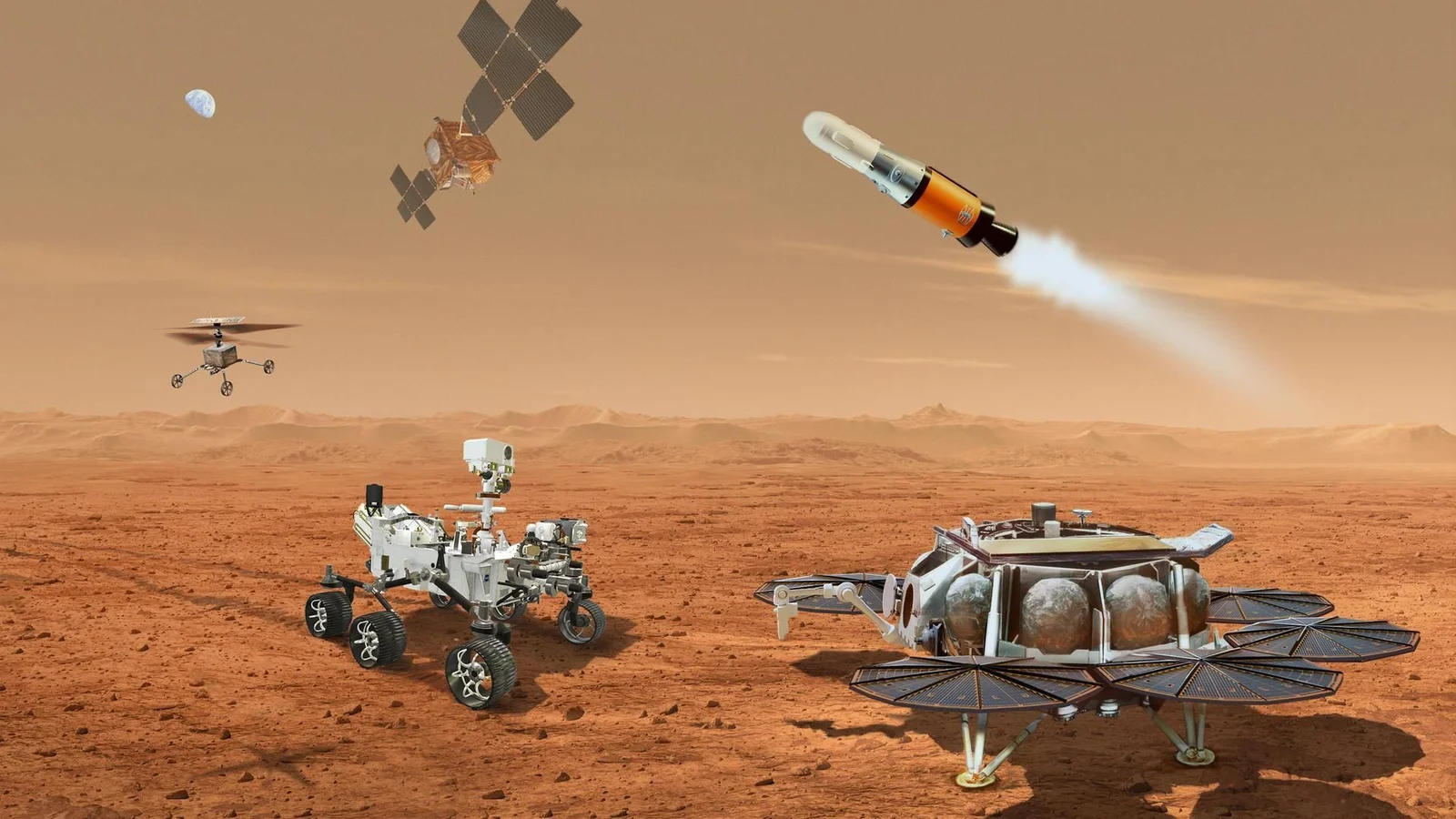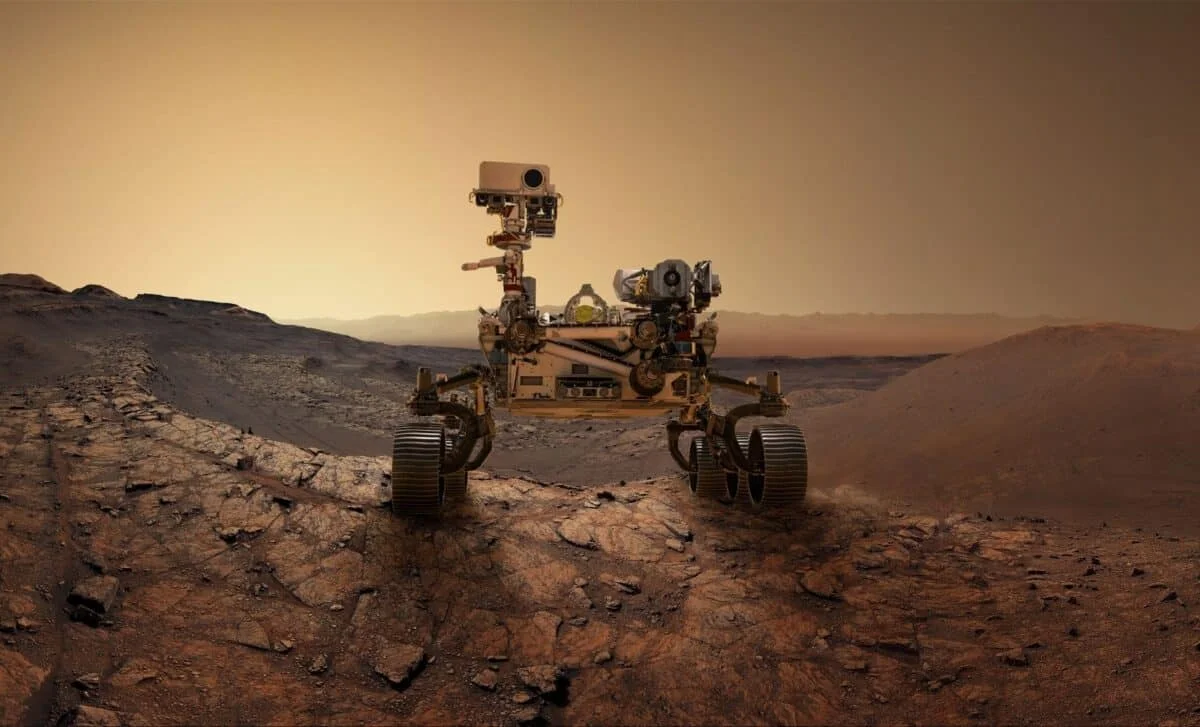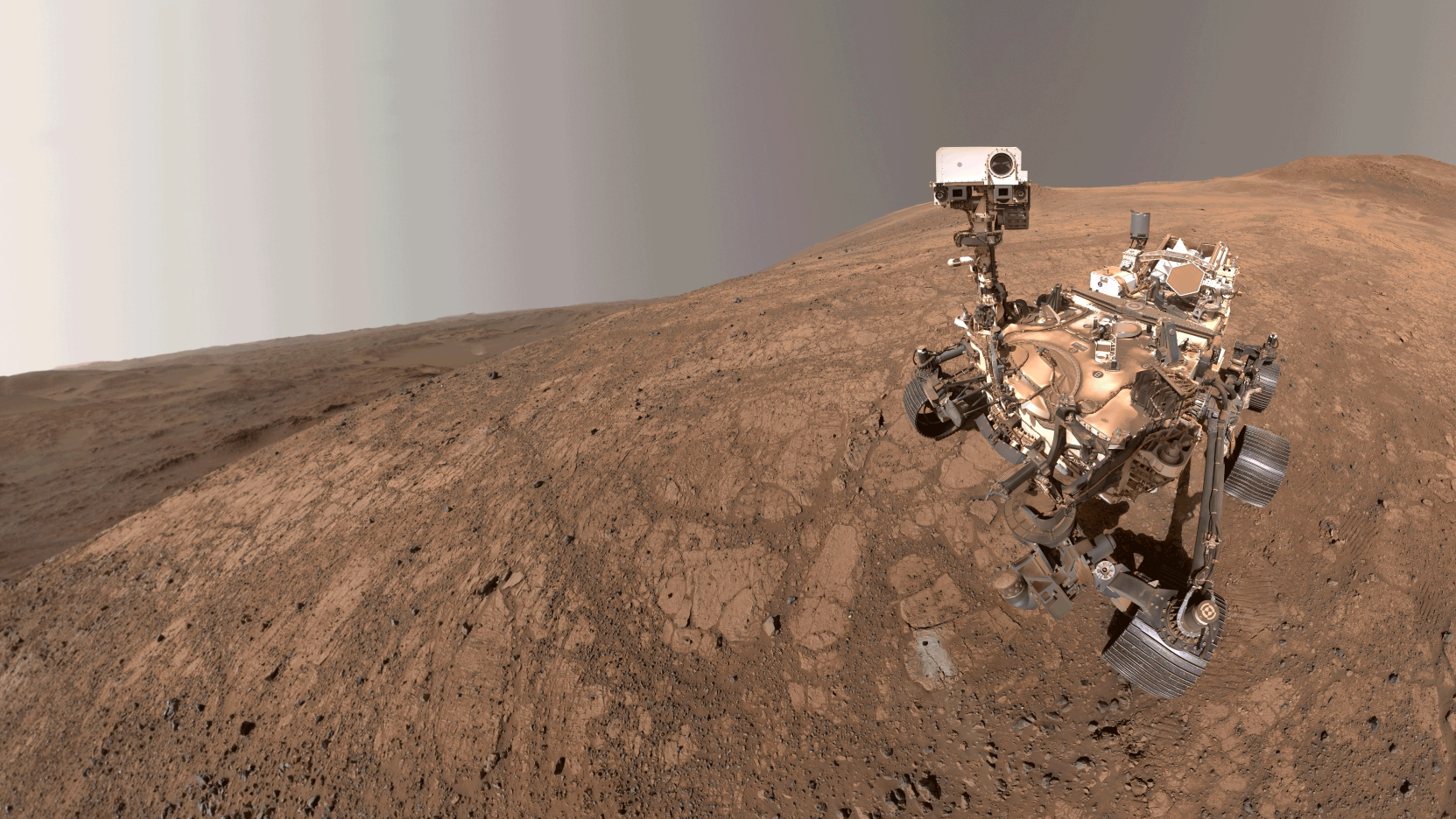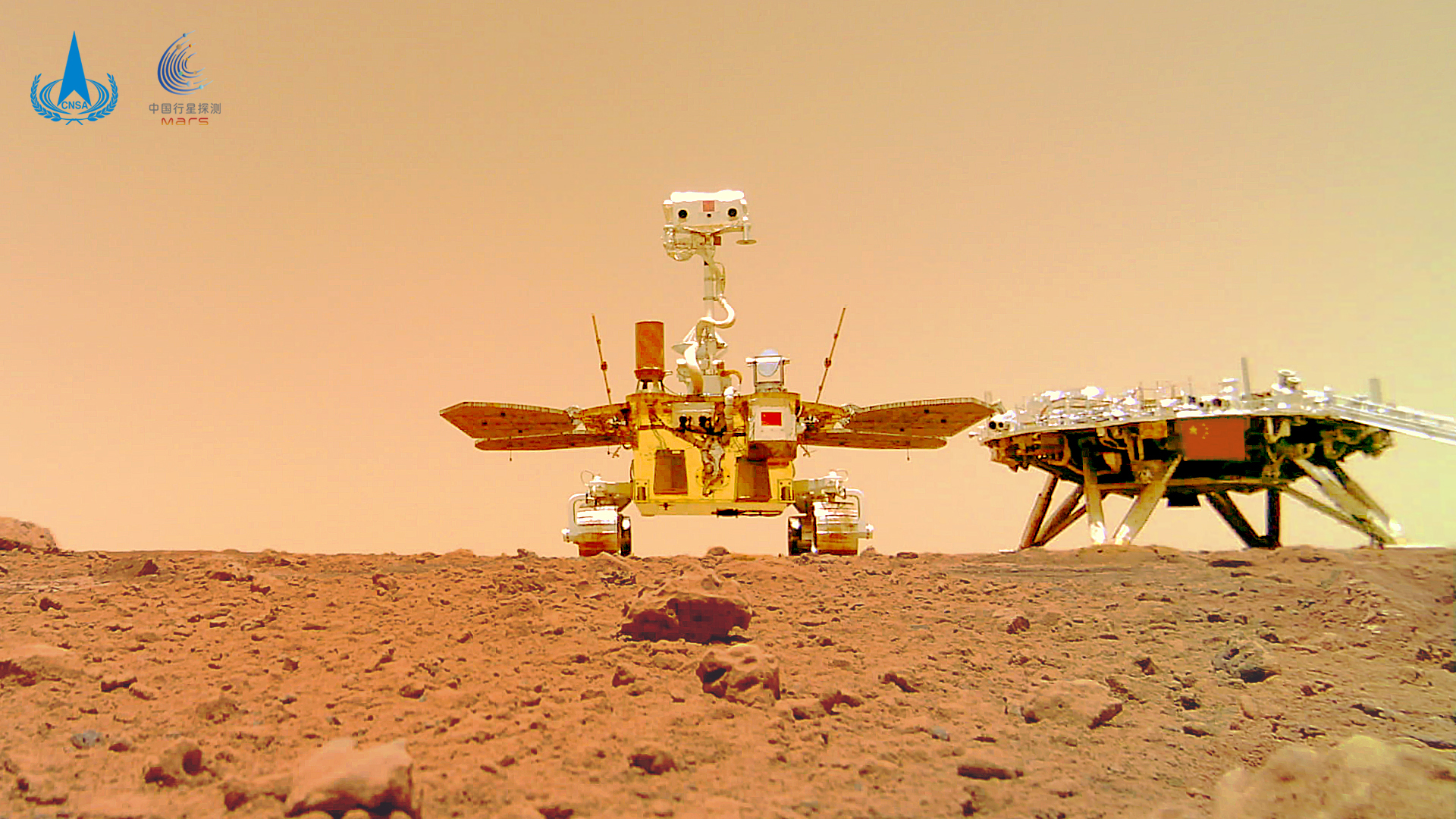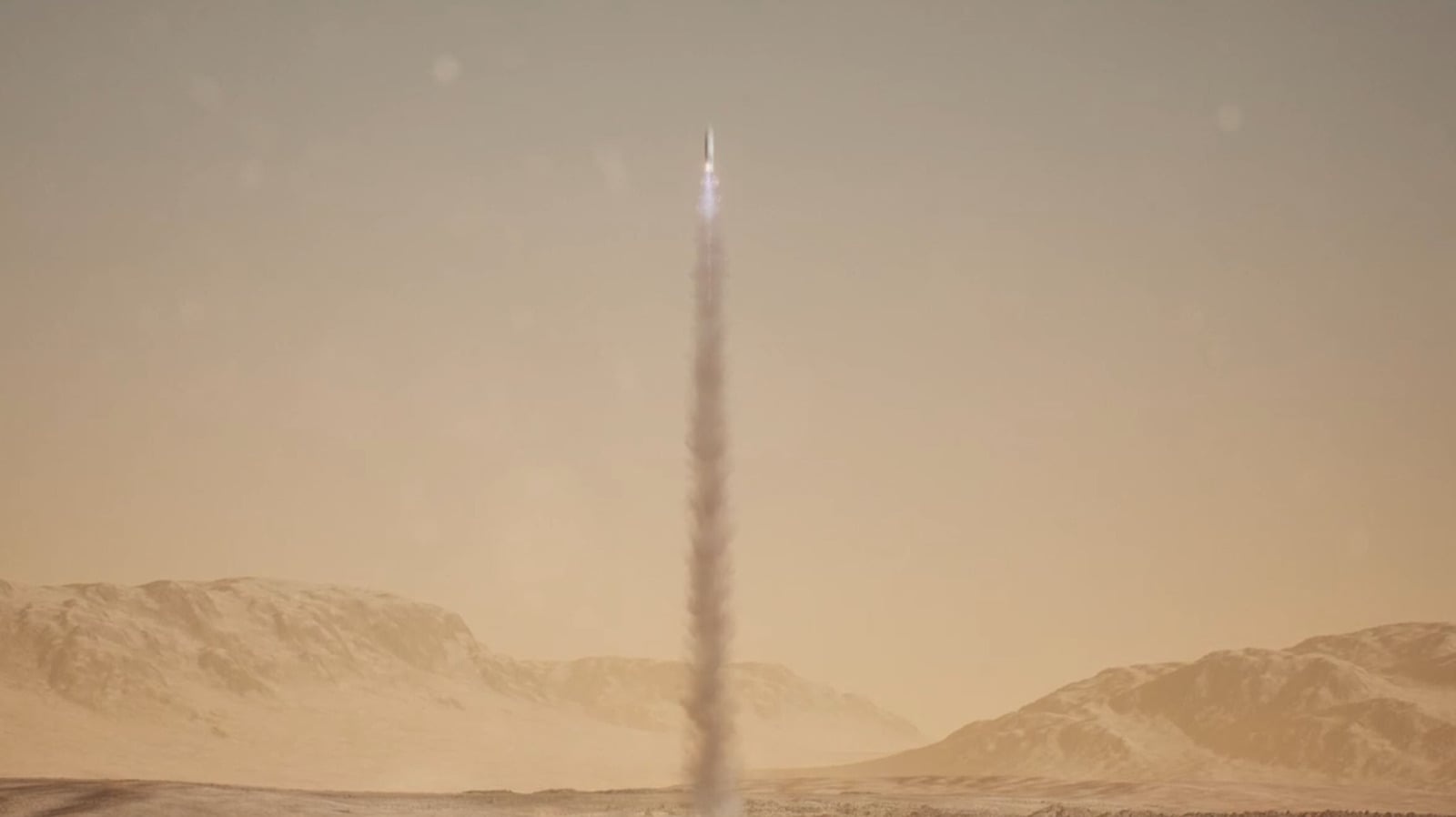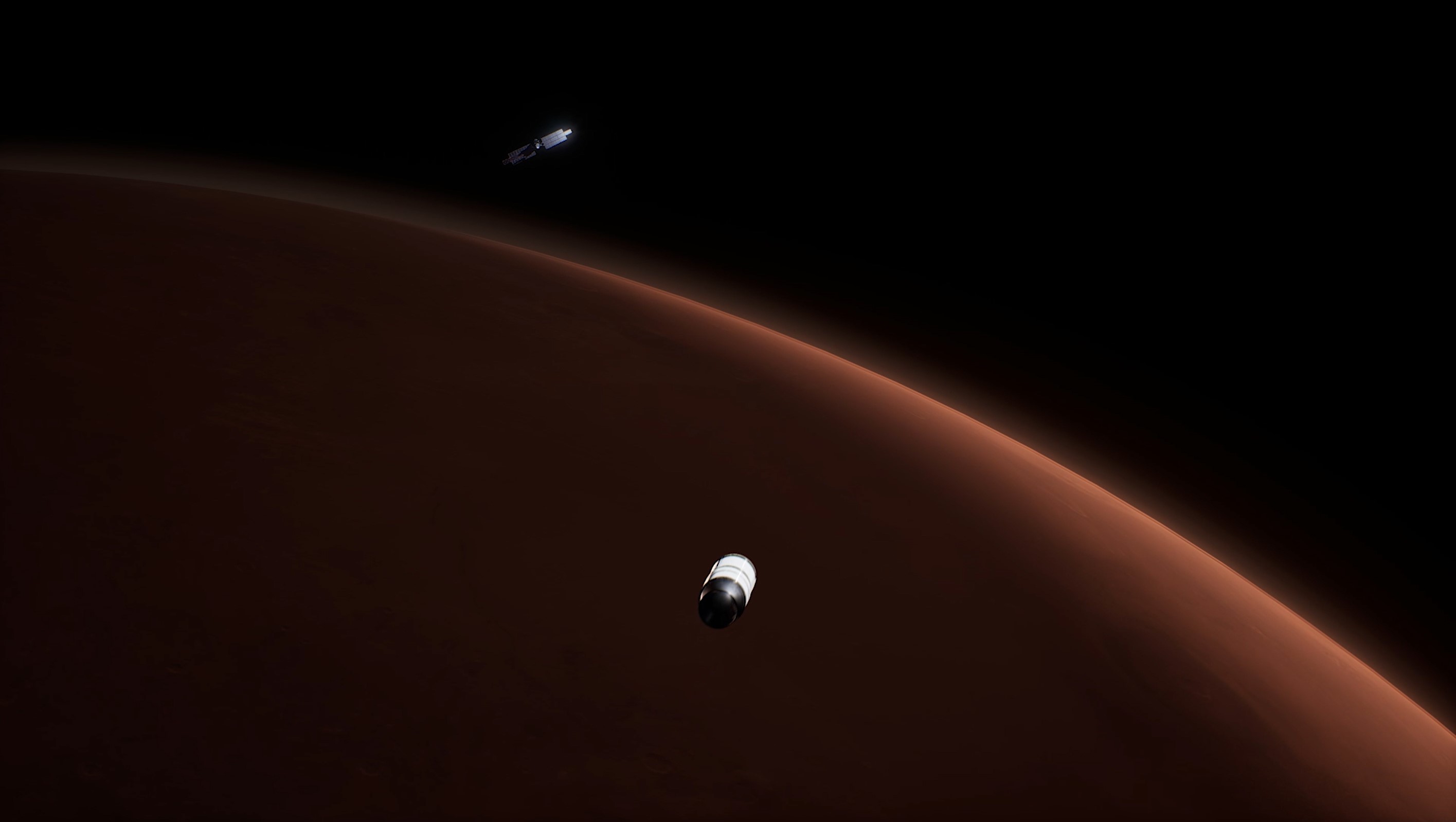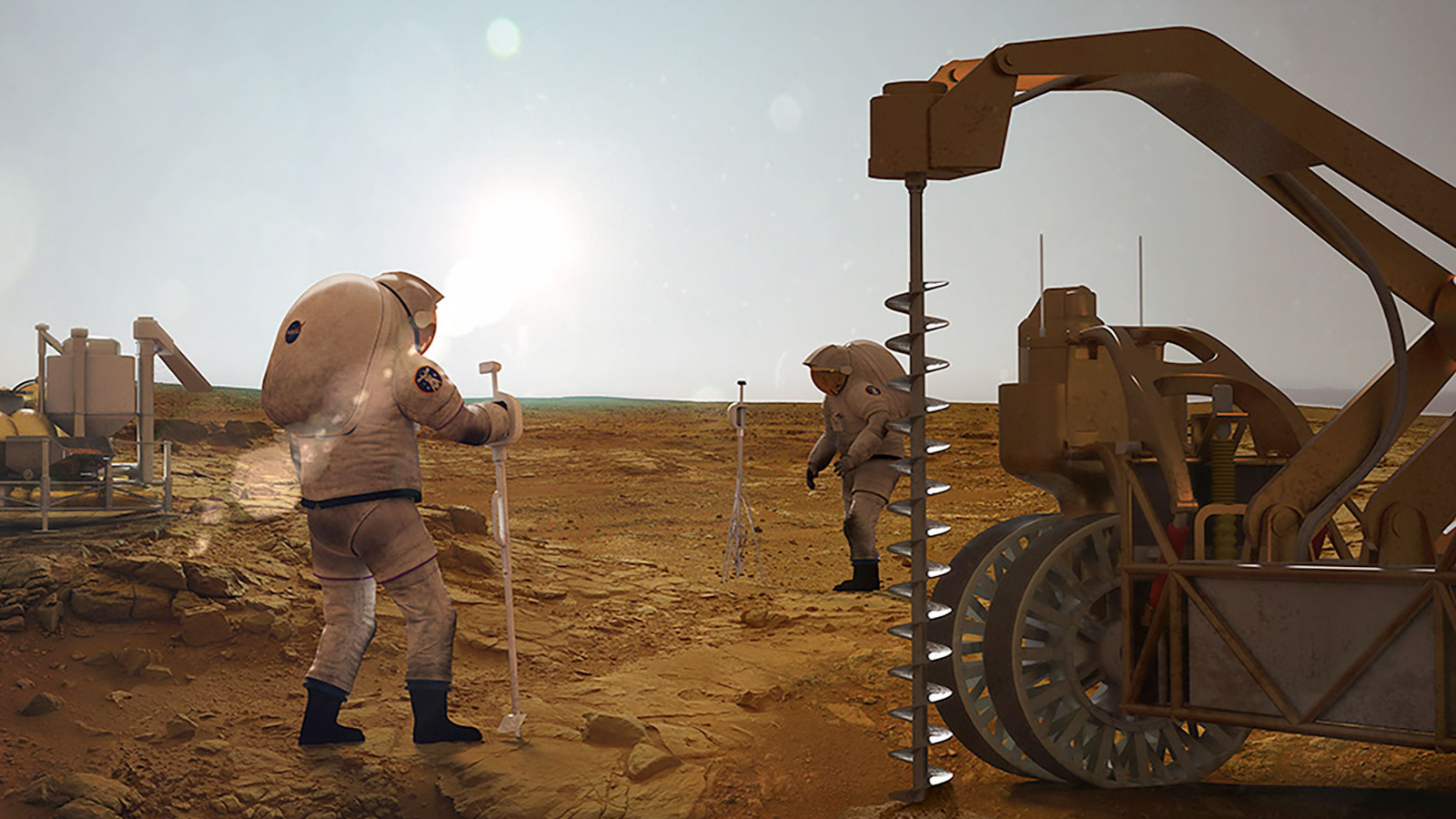
NASA's Perseverance rover found potential biosignatures in Martian rocks, but due to delays in the Mars Sample Return mission, China may be the first to return samples from Mars, possibly targeting the same Jezero Crater where Perseverance is active, with the Tianwen 3 mission planned for 2028.
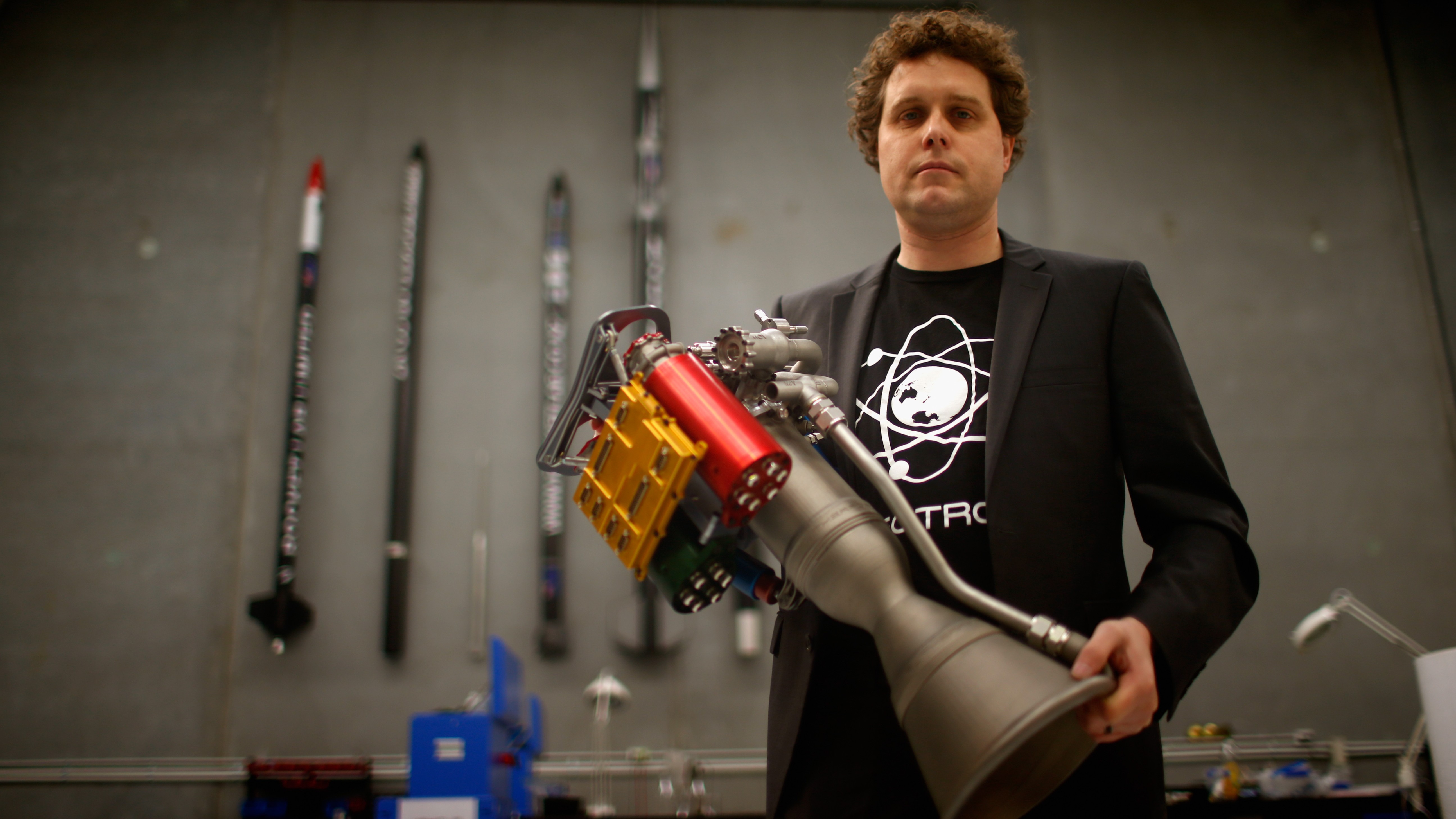
Rocket Lab CEO Peter Beck envisions the company's involvement in Mars Sample Return missions, leveraging their experience with spacecraft and hardware, and proposes a cost-effective Mars Telecommunications Orbiter to support future interplanetary exploration, with ambitions extending to missions to Venus.
NASA's discovery of potential biosignatures on Mars has been overshadowed by the Trump administration's decision to cancel the Mars Sample Return mission due to budget concerns, despite experts warning that returning samples is crucial for understanding the planet and advancing future missions.
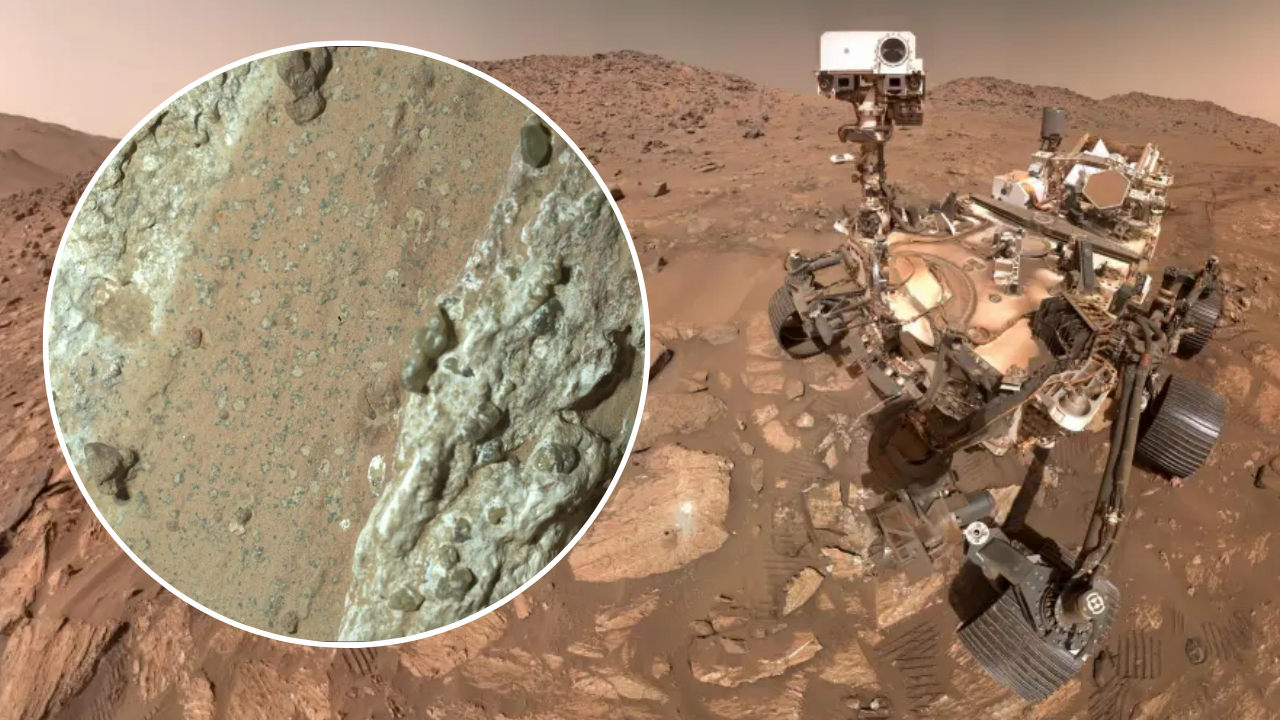
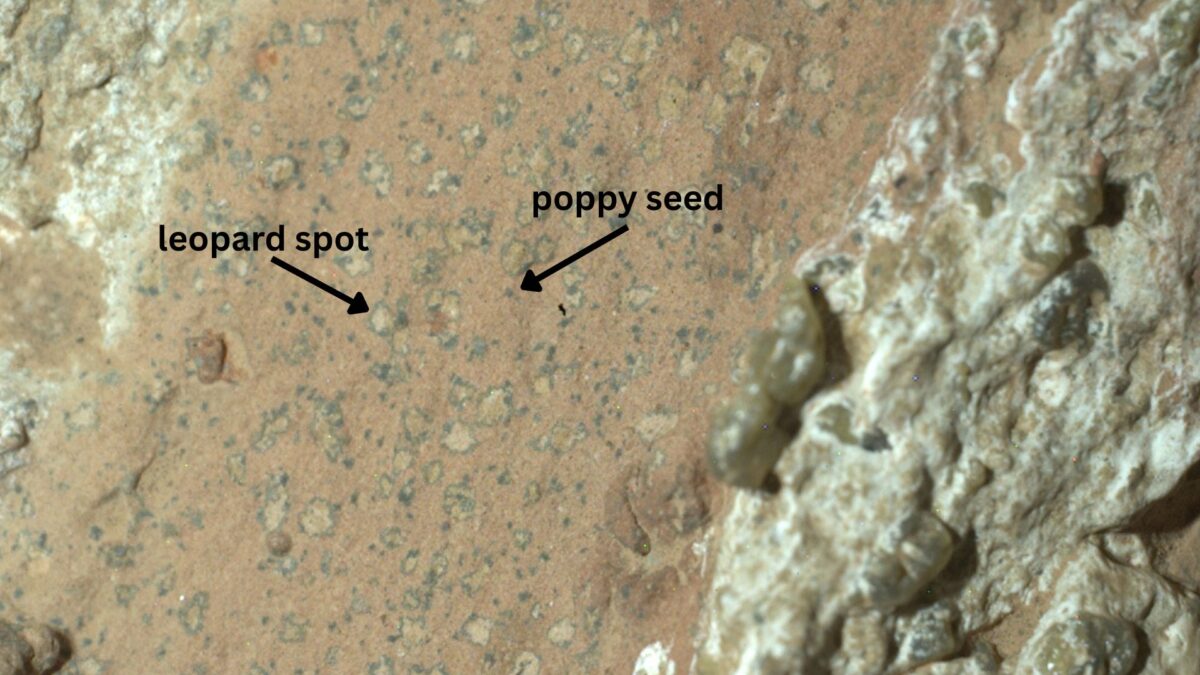
NASA's Perseverance rover found potential signs of ancient microbial life in a Martian rock sample from Sapphire Canyon, with features that could indicate biological activity, but further analysis and sample return to Earth are needed for confirmation.
NASA will hold a live teleconference on September 10 to reveal a new discovery related to a sample collected by the Perseverance rover from Mars' Jezero Crater, specifically a rock named Sapphire Canyon, which may hold clues about past water activity and potential signs of life. The event will be streamed online, and the findings could influence future Mars sample return missions.
China is advancing its Mars Sample Return (MSR) project and constructing a specialized facility for handling samples, raising questions about international cooperation and planetary protection standards. Experts suggest that international peer review and collaboration, especially with agencies like ESA, could promote safety and transparency, but political sensitivities and lack of enforceable oversight pose challenges. The debate continues on how best to ensure safe and cooperative exploration of Mars.
Lockheed Martin has proposed a cost-effective plan to retrieve Mars samples collected by NASA's Perseverance rover, offering to do so for less than $3 billion by downsizing the mission components. This proposal aims to address NASA's budget concerns and could potentially take over the Mars Sample Return mission if NASA opts for a cheaper alternative amid budget cuts and international competition.
Lockheed Martin proposes a cost-effective plan to reduce the budget of NASA's Mars Sample Return mission by over half, using streamlined spacecraft and innovative technical solutions to address funding challenges and ensure mission success.
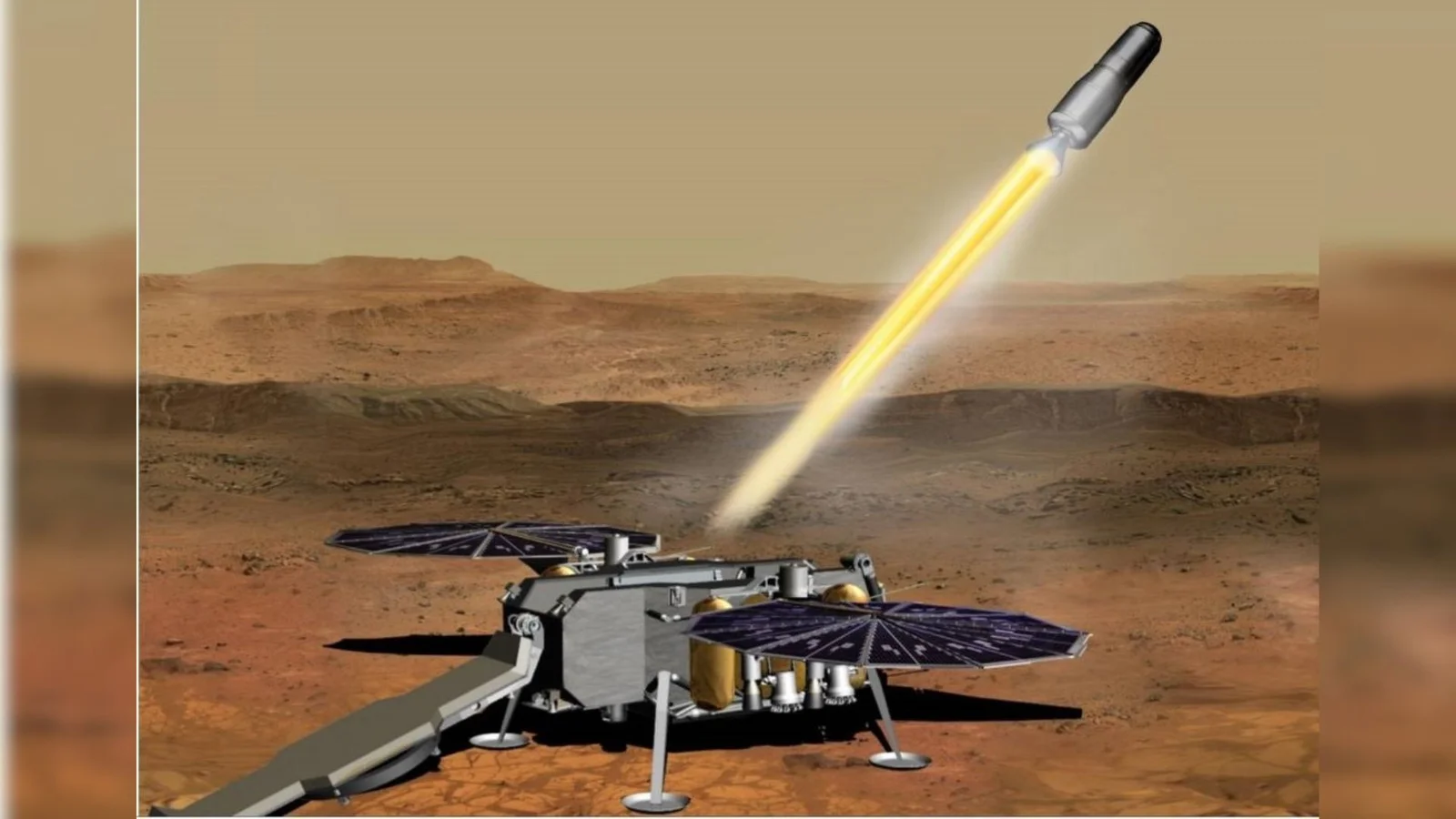
Lockheed Martin proposes a $3 billion, streamlined Mars Sample Return mission using heritage designs and smaller systems to revive NASA's efforts to bring Martian samples to Earth, potentially avoiding the $11 billion cost overruns and cancellation risks.
China is advancing its Mars Sample Return plans with the Tianwen-3 mission, aiming to bring back Martian samples around 2031, potentially challenging the US's leadership in Mars exploration, especially as NASA's own MSR program faces budget issues and delays. The US is considering ending its MSR efforts in favor of other priorities, while China emphasizes international cooperation and safety measures for returned samples. The competition raises questions about future leadership in Mars exploration and sample collection.
US Senate responded to President Trump's proposed NASA budget cuts by emphasizing funding for large rocket projects like the SLS and lunar missions, while largely neglecting science programs, indicating a political preference for big rockets over scientific research.
NASA's Jet Propulsion Laboratory is laying off approximately 325 employees, about 5% of its workforce, due to budget cuts and technical issues affecting its Mars Sample Return program.
NASA's Jet Propulsion Laboratory (JPL) is set to lay off around 325 employees, or 5% of its workforce, due to budget cuts, particularly affecting the Mars Sample Return mission. This marks the third round of layoffs at JPL this year, following significant reductions in funding for the mission. The layoffs are part of broader financial constraints facing NASA, which has seen its budget remain flat for decades, impacting various projects and technological resources. The U.S. must either increase NASA's funding or cut missions, according to a report by the National Academies.
NASA's science head, Nicky Fox, remains optimistic that the $5 billion Europa Clipper mission will launch on schedule in October despite concerns about the spacecraft's radiation tolerance and a recent SpaceX Falcon 9 anomaly. The mission aims to study Jupiter's moon Europa, which has a potentially habitable subsurface ocean. Additionally, NASA is exploring new options to reduce costs and schedule for the Mars Sample Return program, focusing on innovative solutions for the mission's middle phase.
The Perseverance rover has collected not only rock samples but also traces of the Martian atmosphere in its sample tubes, offering a unique opportunity for scientists to study Mars' air directly. This could provide insights into the planet's dust, water vapor, and atmospheric interactions. However, the Mars Sample Return mission faces significant financial challenges, with costs now estimated at $11 billion.