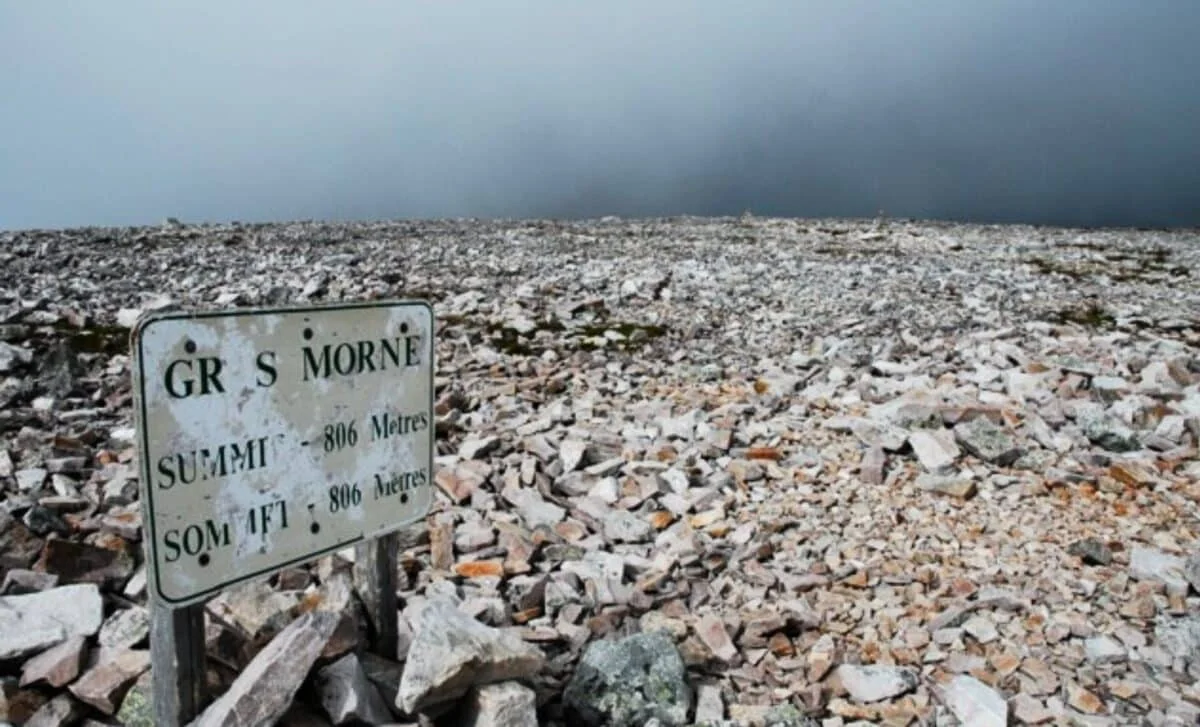
Marine fossils found at the summit of Mount Everest are explained by plate tectonics, which caused oceanic crust containing these fossils to be uplifted during the collision of the Indian and Eurasian plates, forming the Himalayas over millions of years.
Scientists have discovered a new submerged microcontinent beneath the Davis Strait, challenging traditional views of Earth's landmass formation and offering new insights into microcontinent survival and separation processes, especially in tectologically simple regions.
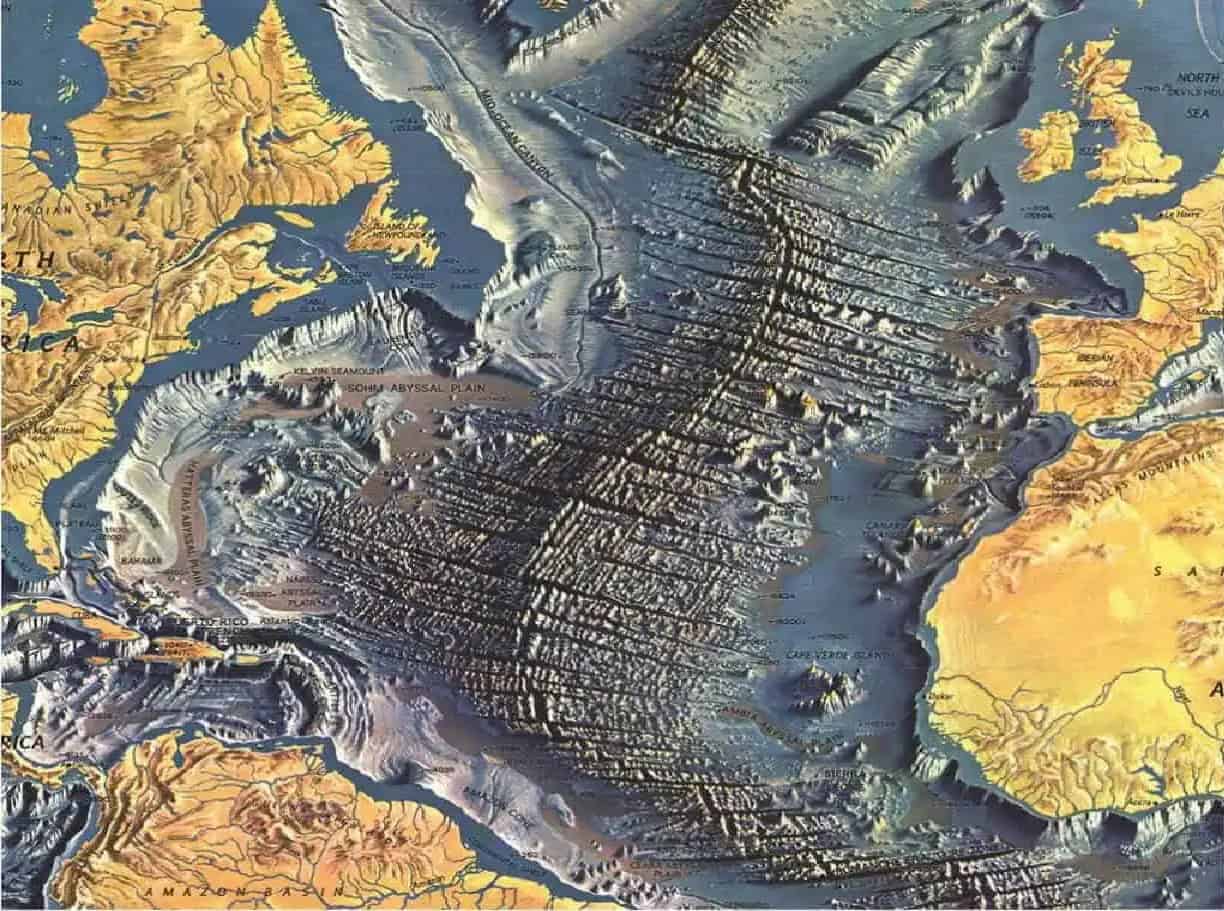
Marie Tharp was a pioneering cartographer whose detailed maps of the Atlantic Ocean floor revealed the Mid-Atlantic Ridge and provided crucial evidence for the theory of plate tectonics, overcoming significant gender barriers and transforming earth science. Her work, initially overlooked, has gained recognition and continues to inspire oceanographic exploration today.
The breakup of the ancient supercontinent Nuna during Earth's 'Boring Billion' period created shallow seas, reduced volcanic CO2 emissions, and stored carbon in ocean sediments, fostering stable, oxygen-rich environments that likely contributed to the emergence of complex life, including eukaryotes.
A new study analyzing rocks from the Ediacaran period suggests that the chaotic magnetic signatures from over 500 million years ago were caused by erratic Earth's magnetic field, not rapid continental movement, providing a clearer understanding of Earth's magnetic history and its impact on plate tectonics.
Plate tectonics may have been crucial for the development of life on Earth by stabilizing climate and recycling minerals, and its early emergence could be linked to the origin of life itself. This geological process might also be a key factor in the habitability of other planets, although direct evidence and understanding of its history remain limited.
Australia is drifting northward towards Asia at about 7 centimeters per year, a slow process driven by plate tectonics that will eventually lead to a collision, causing significant geological and ecological changes, including mountain formation, increased seismic activity, and threats to Australia's unique wildlife.
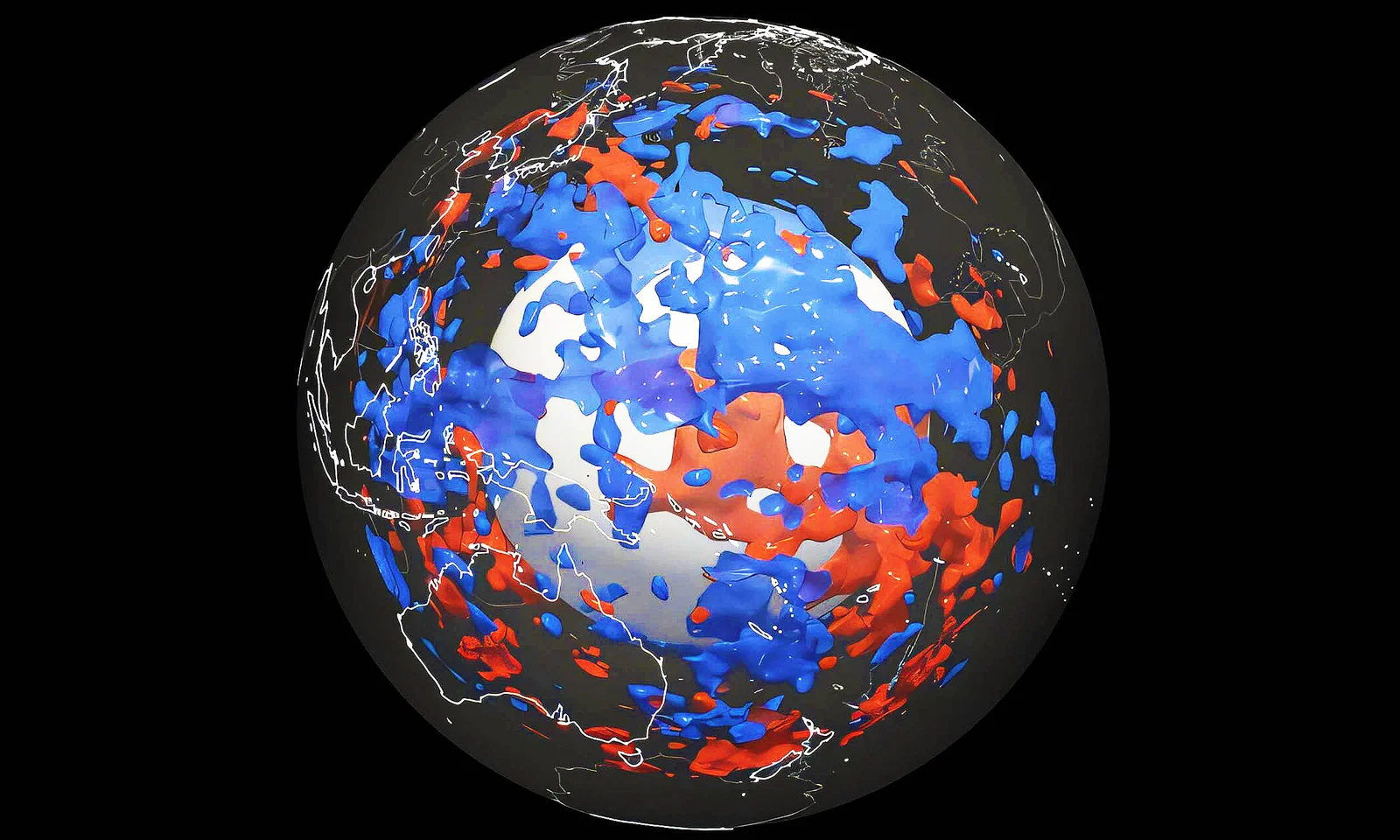
Scientists have discovered massive, branching mantle plumes beneath Earth that have historically shaped and may continue to reshape the planet's continents, including the formation of volcanic hotspots and the potential for future continental reconfigurations over millions of years.
Research suggests that plate tectonics and balanced atmospheric CO2 are crucial for long-term habitability and the emergence of technological civilizations, making such planets extremely rare in the galaxy. The study estimates that for multiple civilizations to coexist, they would need to last tens of millions of years, and the closest ETI could be about 33,000 light-years away, highlighting the challenges in detecting extraterrestrial intelligence.
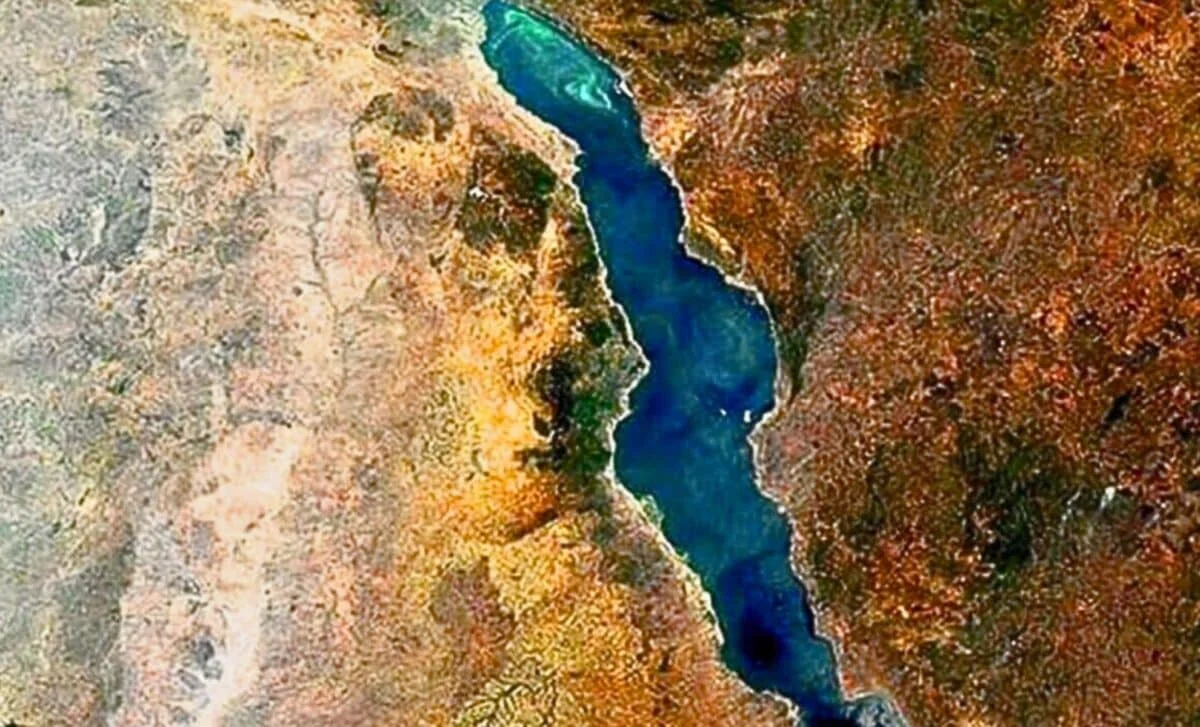
Scientists have identified a 'geological heartbeat' in the mantle beneath the Afar Depression, revealing how pulsing mantle upwellings are actively shaping the splitting of Africa and the formation of a new ocean, driven by the movement of tectonic plates and associated volcanic activity.
A hot rock formation beneath the Appalachian Mountains, formed when Greenland separated from North America around 80 million years ago, may have contributed to the mountains' uplift and height, and the anomaly is moving towards New York, influencing regional geology and ice sheet dynamics.
Recent discoveries in Brazil and Botswana suggest that a vast amount of water may be trapped deep within Earth's mantle, stored in minerals like ringwoodite between 410 and 660 kilometers below the surface. This finding could significantly alter our understanding of Earth's water systems, the deep water cycle, and the dynamics of plate tectonics, potentially impacting theories about the planet's long-term behavior.
Scientists have discovered that some of Earth's largest copper deposits are formed not by ongoing subduction zones but by the chemical aftershocks of ancient continental collisions, particularly in Tibet, which could influence future mineral exploration and support the growing demand for copper in clean energy technologies.
Scientists have reconstructed 540 million years of Earth's sea level changes in unprecedented detail, revealing rapid fluctuations on thousand-year timescales influenced by plate tectonics, ice sheets, and Earth's axial wobble, with significant implications for understanding Earth's climate history and subsurface geology.
Scientists have discovered that mantle upwelling beneath the Afar Depression is complex and pulsing, influenced by tectonic plate movements, which accelerates crust thinning and volcanic activity, ultimately leading to the formation of a new ocean basin in East Africa.