Tag

Geysers

All articles tagged with #geysers

space2 years ago

"NASA Discovers Potential for Habitable Oceans and Geysers on Icy Exoplanets"

A NASA study suggests that 17 exoplanets could potentially have oceans of liquid water beneath icy shells, making them potentially habitable for life. These subsurface oceans could occasionally erupt through the ice crust as geysers. The study calculated the amount of geyser activity on these exoplanets and identified two exoplanets where signs of these eruptions could be observed with telescopes. The research expands the search for life beyond exoplanets in the habitable zone and highlights the possibility of subsurface oceans on distant and cold exoplanets.
space-science2 years ago

"Exploring the Potential for Life: Enceladus and Europa's Amino Acid Discoveries"

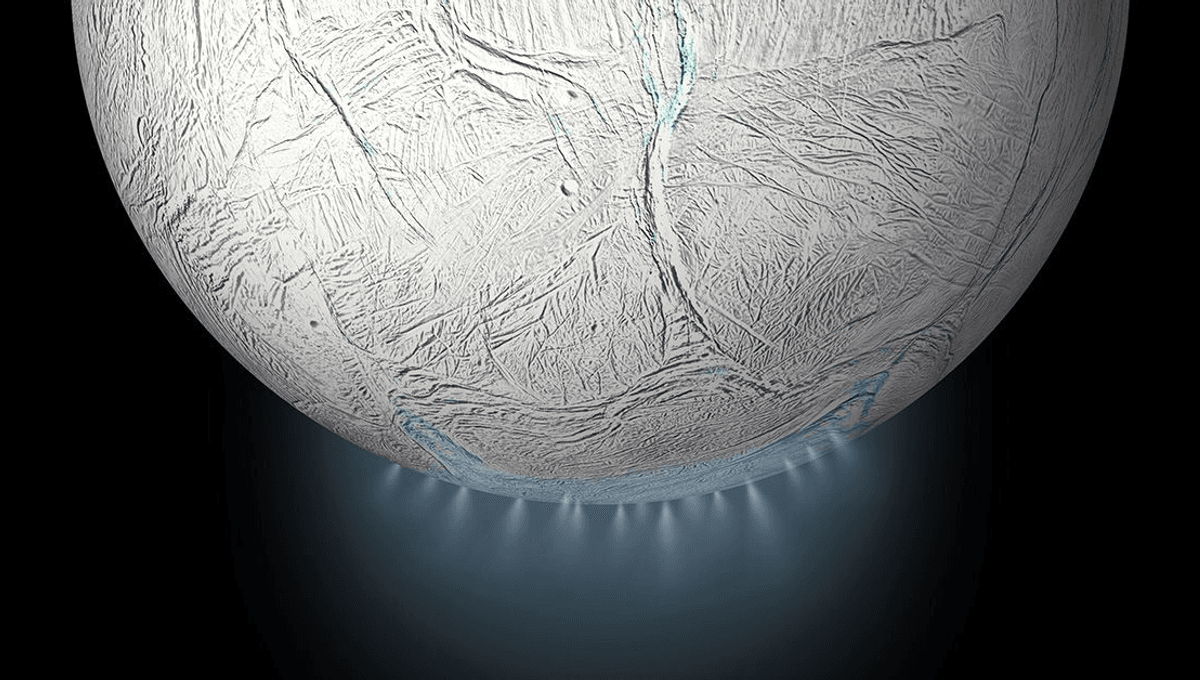
Detecting the presence of life on the icy moons of Enceladus and Europa could be as simple as flying through their geysers' plumes. The geysers on Enceladus and potentially Europa are powerful enough for a spacecraft to sample their internal composition without landing, and gentle enough to preserve the molecules needed for life. Recent studies have shown that Enceladus has all the ingredients for life, including amino acids, and a spacecraft equipped with sensitive equipment could confirm their presence. Researchers have found that amino acids are tough enough to survive the journey through the plumes, increasing the chances of detecting life without having to land on the moons.

science2 years ago

"Unveiling the Bizarre Ecosystem Thriving in Old Faithful's Boiling Depths"

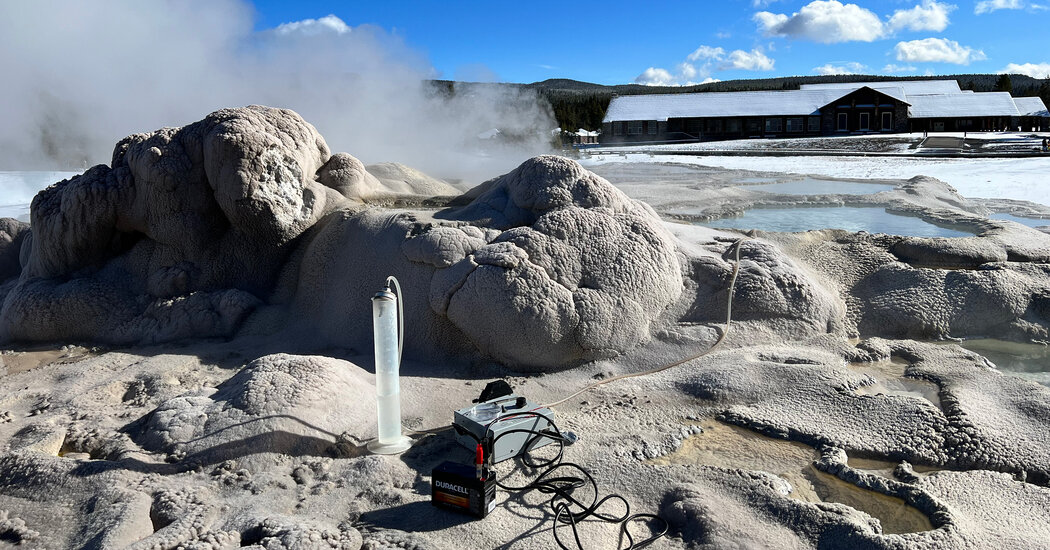
Researchers have discovered that the hydrothermal features of Yellowstone National Park, including its geysers, are home to a diverse range of microbial life. Despite the extreme conditions, such as boiling water and volatile eruptions, these geysers provide a unique habitat for microorganisms. The study found that certain heat-loving bacteria species, such as Thermocrinis, make up a significant portion of the microbial population in Old Faithful, one of Yellowstone's most famous geysers. The findings have implications for astrobiology, as they suggest that similar extreme environments on other planets, such as Saturn's moon Enceladus and Jupiter's moon Europa, could potentially support microbial life.

travel-and-nature2 years ago

"Steamboat Geyser's Spectacular 400-Foot Water Show Stuns Onlookers"

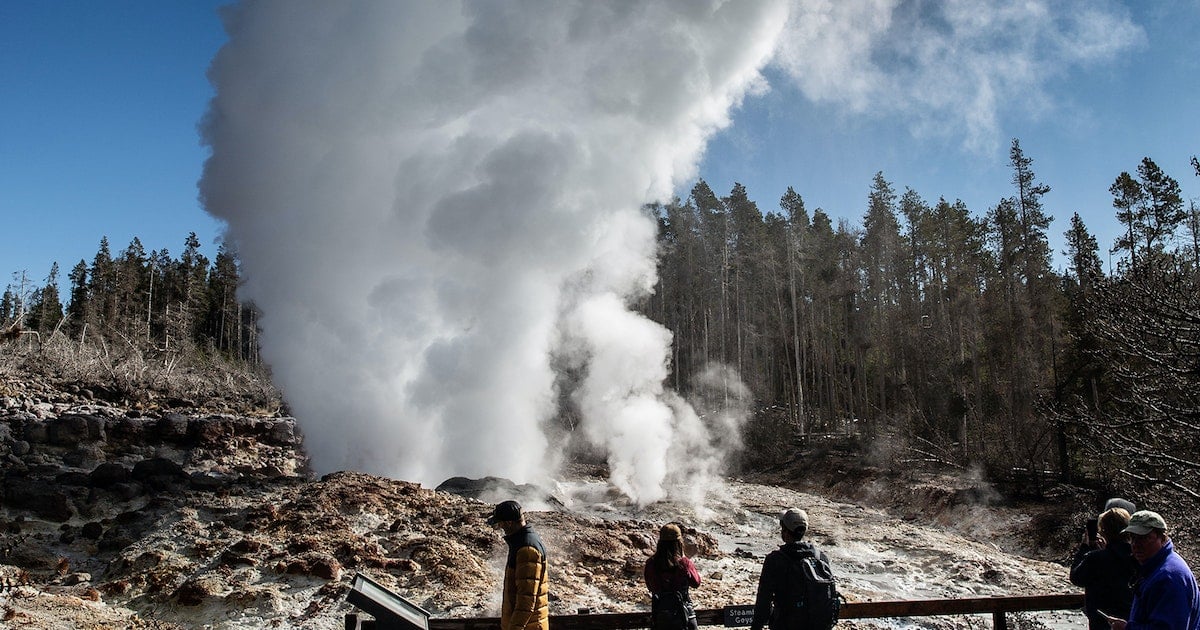
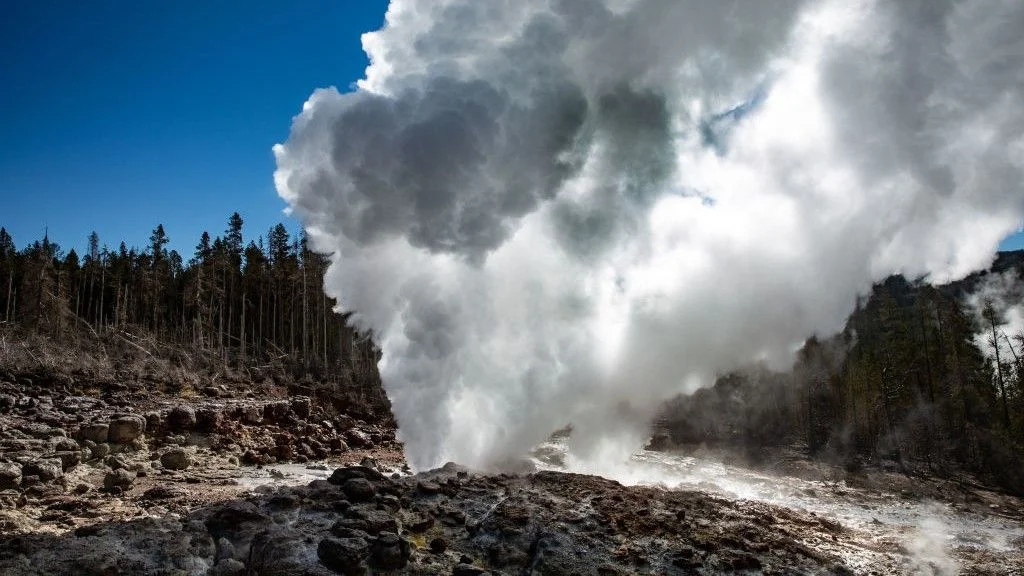
Steamboat Geyser, the world's tallest active geyser located in Yellowstone National Park, erupted with a spectacular display of hot water and steam, shooting up to 400 feet into the sky. Unlike the predictable Old Faithful, Steamboat Geyser's eruptions are erratic and unpredictable. Scientists are still unsure of the reasons behind its irregular behavior. However, Steamboat has been more active in recent years, with a record number of eruptions in 2019 and 2020. Visitors can look for signs of minor activity to increase their chances of witnessing a major eruption, but there is no definitive timetable. Despite the diminishing frequency of eruptions, Steamboat Geyser remains a beloved and awe-inspiring feature of Yellowstone National Park.

environment2 years ago

"Climate Change Threatens Yellowstone's Geysers: Petrified Trees Reveal Ongoing Battle with Drought"

Yellowstone's Steamboat Geyser, the tallest active geyser in the world, could stop erupting due to climate change-induced drought, according to a new study. As temperatures rise and rainfall decreases in the American West, the groundwater reserves that fuel the geyser may become insufficient. Researchers studied tree skeletons near the geyser vent and found that dry spells in Steamboat's activity coincided with periods of drought. Changing weather patterns and temperature extremes linked to climate change could further exacerbate these effects, potentially leading to the extinction of geysers. However, geysers are dynamic systems and can revive under more favorable conditions.

science2 years ago

Enceladus' Water Plumes Spark Possibility of Life in Our Solar System

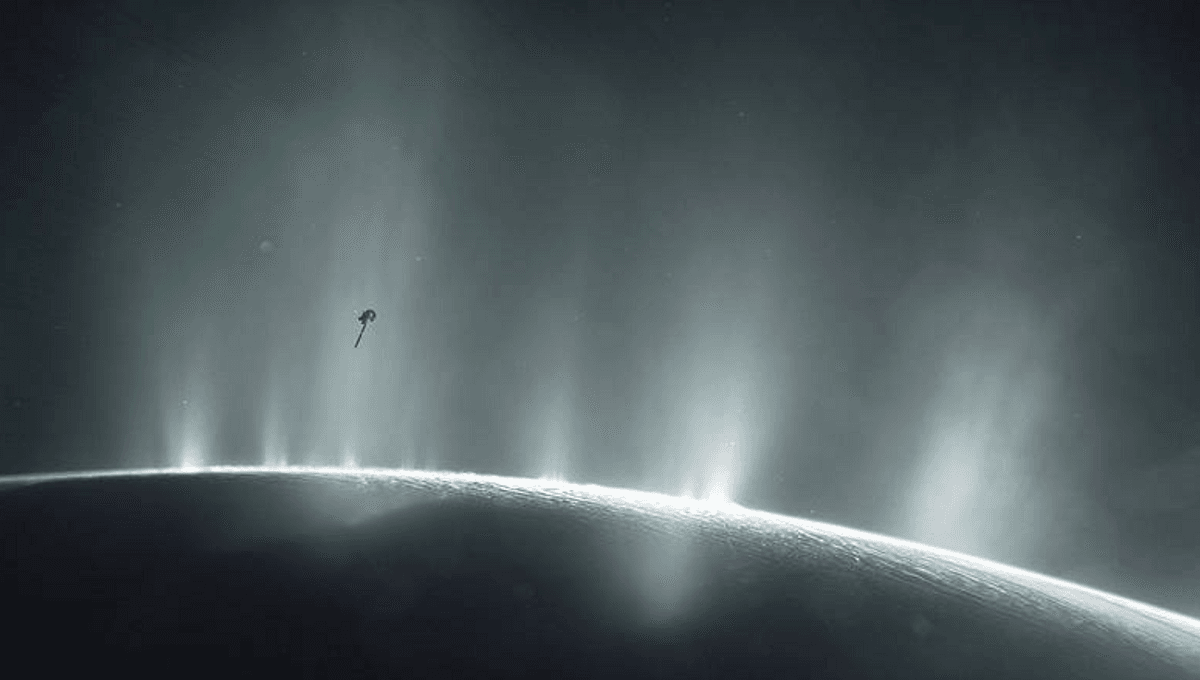
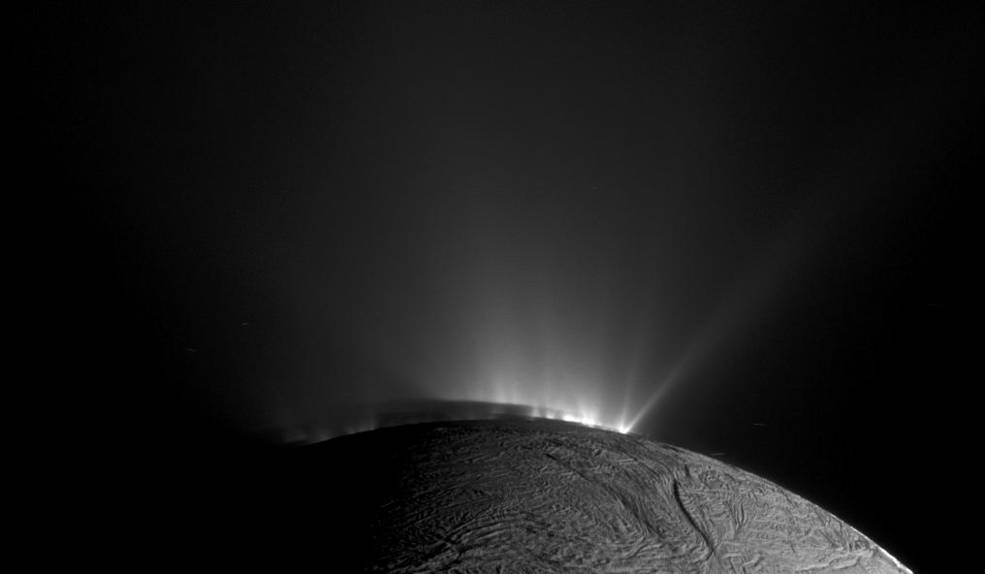
Enceladus, Saturn's sixth-largest moon, is spraying massive volumes of water into space through geyser-like plumes that shoot more than 6,000 miles above the planet's surface. The James Webb Space Telescope has aided NASA, European, and Canadian space agency researchers in studying the moon's fascinating geological activity, which features conditions that parallel those that led to life on Earth. Enceladus's subsurface ocean and geological activity are providing new insight into how it supplies water for the entire Saturnian system, making it a significant player in the drama of the cosmos.

space2 years ago

JWST Discovers Massive Plume from Enceladus's Geysers.

The James Webb Space Telescope (JWST) has revealed the water plume from Enceladus's geysers is much bigger than previously thought, with the size of an outburst recorded as "immense". The discovery of geysers near the south pole of Saturn’s moon Enceladus rocketed the previously low-profile satellite to the top of planetary scientists’ priority list. The JWST's images could reveal something of the plume’s composition, potentially even including biosignatures.