Originally Published 4 months ago — by Hacker News
The article discusses the rise and fall of the contrarian physics podcast subculture, focusing on figures like Sabine Hossenfelder and Eric Weinstein, highlighting issues of scientific integrity, social media influence, and the challenges of public understanding of complex scientific debates. It critiques how controversy and social media can distort scientific discourse, emphasizing the importance of peer-reviewed research and accountability in science communication.
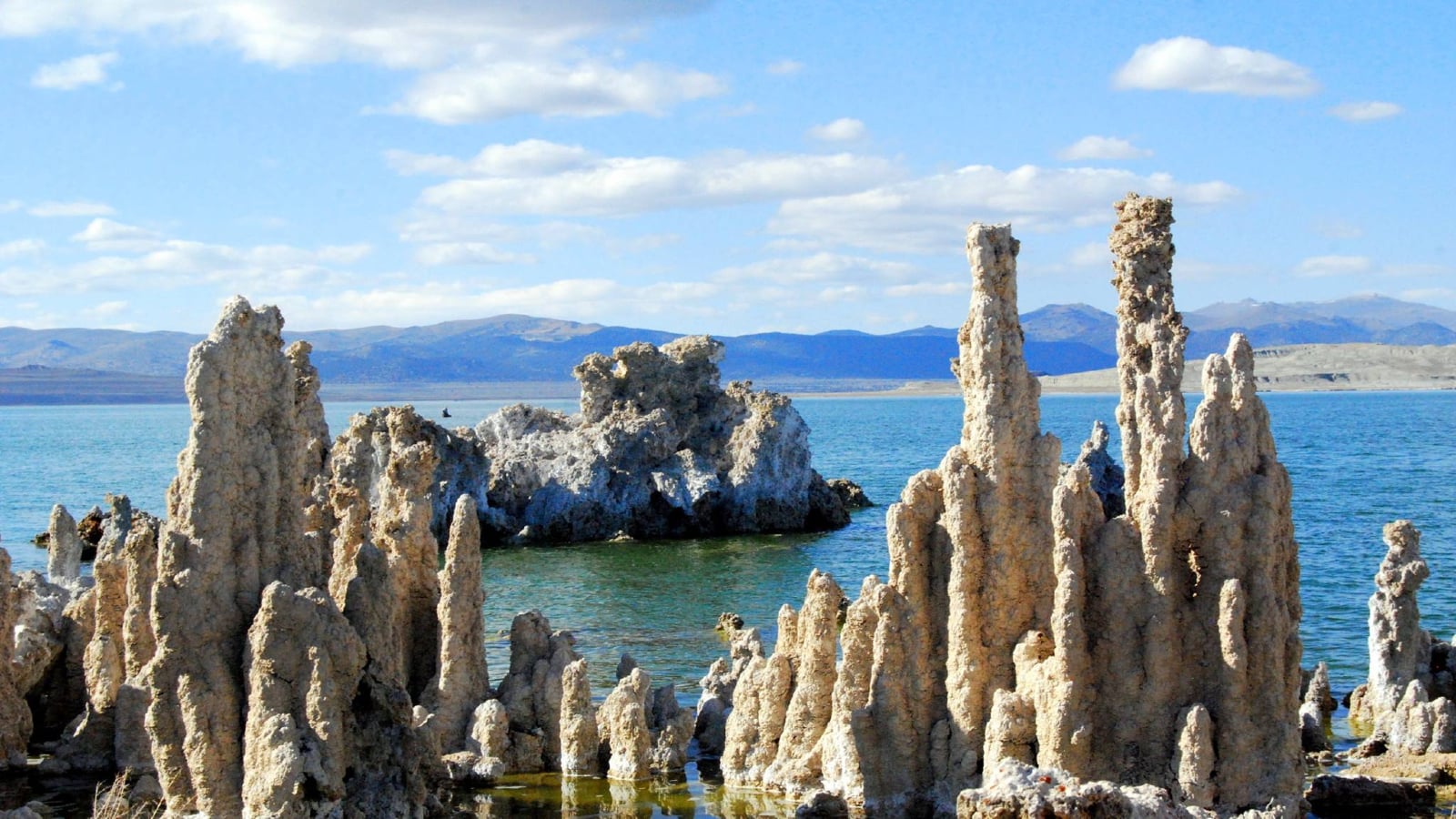
A 2010 study claiming the discovery of arsenic-based microbial life in Mono Lake has been retracted by Science after 15 years, due to contamination concerns and evolving standards for retraction, sparking debate among scientists about research integrity and the handling of controversial findings.
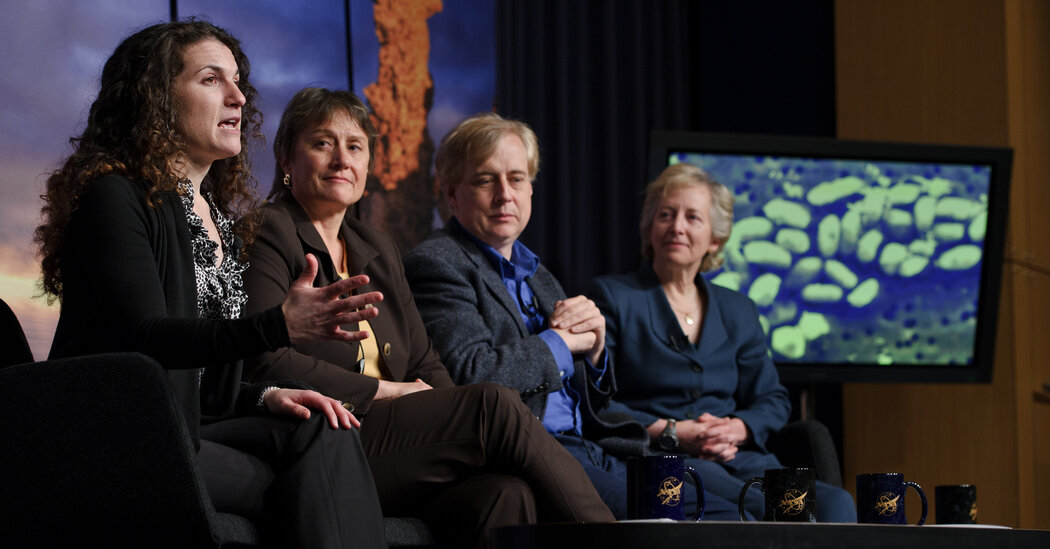
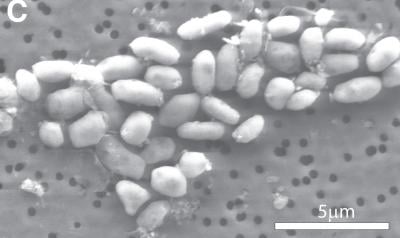
Science has officially retracted the 2010 paper claiming the discovery of a microbe that survives using arsenic instead of phosphorus, citing fundamental flaws and failed replications, though the authors and NASA dispute the retraction's appropriateness. The case highlights ongoing debates about scientific errors, data integrity, and the impact of social media scrutiny on research.
Science has retracted a 2010 paper claiming a bacteria could substitute arsenic for phosphorus, citing contamination issues and expanded retraction standards, despite the authors' disagreement and ongoing debates about data interpretation.
A physics journal is planning to retract three papers by V.R. Sanal Kumar due to violations of the second law of thermodynamics and concerns about the reliability of their findings, amid allegations of a coordinated campaign to undermine his controversial theory of 'Sanal flow choking.'
The quest to declare the Anthropocene an official geological epoch has sparked a heated debate after a leaked vote apparently killed the proposal, leading to questions about its validity. Supporters argue that it would recognize the irreversible impact of human activity on the planet, while opponents believe it fails to acknowledge the long history of anthropogenic changes. The proposal, which sets the start date of the Anthropocene in 1952, was rejected by a geological committee, prompting calls for an inquiry. Despite the controversy, the concept of the Anthropocene is widely used to describe humanity's planet-altering impact, and alternative proposals may be considered in the future.
A group of researchers, led by nuclear physicist Richard Firestone, proposed in 2007 that a comet strike 12,900 years ago caused a rapid climatic reversal, leading to the extinction of large Pleistocene mammals and influencing the development of human civilization. Despite mainstream scientific skepticism, the theory continues to gain momentum, with claims that the impact altered the course of history and even influenced the outlines of current nation-states.
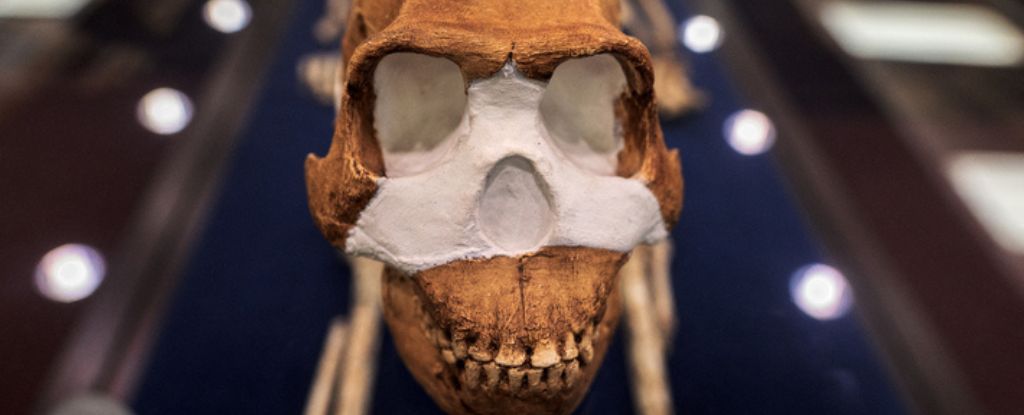
Experts have criticized the claims made by paleoanthropologist Lee Berger and his team regarding the small-brained human ancestor Homo naledi. The team suggested that H. naledi engaged in ritualistic behaviors such as burying their dead and creating art. However, critics argue that the evidence presented is not compelling enough to support these claims. They point out that the bones were scattered and not arranged in a burial form, and the purported burial pits may be natural hollows or sinkholes. The age of the charcoal and the nature of the markings have also not been sufficiently determined. Further investigations are needed to clarify the behaviors and significance of H. naledi.