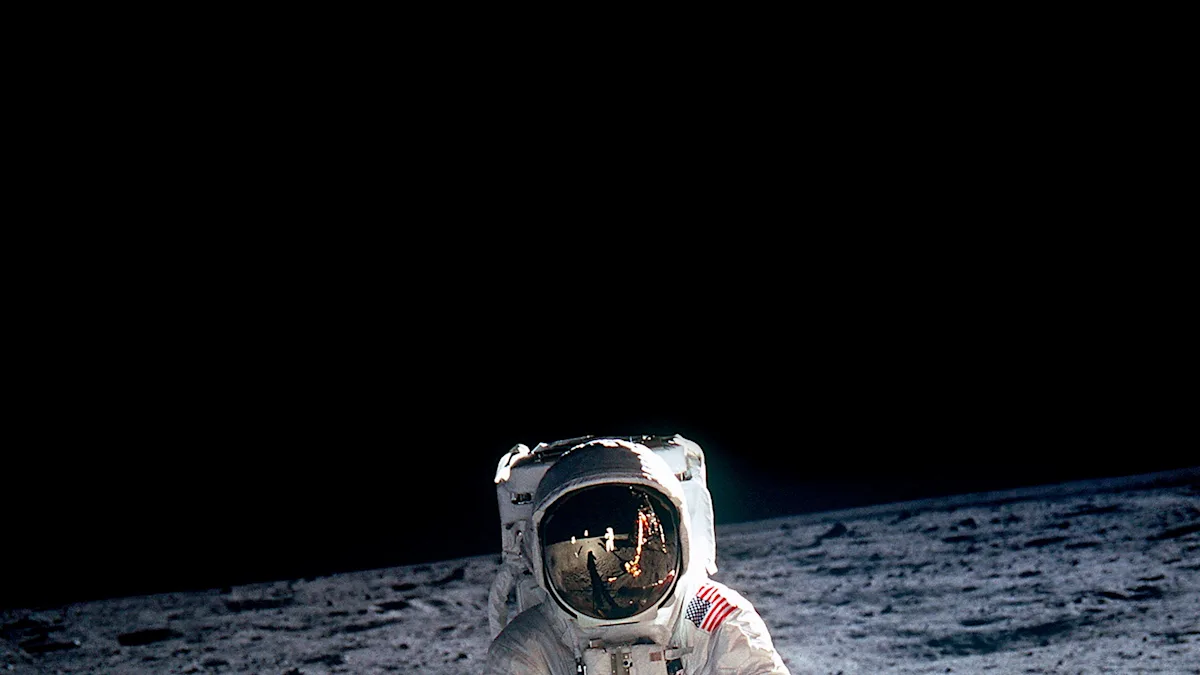
Researchers propose that we have entered a new geological epoch on the Moon, called the 'Lunar Anthropocene,' due to over 100 spacecraft visits and human activities since 1959, which are significantly altering its surface and environment. They emphasize the need for legal protections and detailed documentation of human impacts to preserve lunar sites and understand our influence on the satellite.
The quest to declare the Anthropocene an official geological epoch has sparked a heated debate after a leaked vote apparently killed the proposal, leading to questions about its validity. Supporters argue that it would recognize the irreversible impact of human activity on the planet, while opponents believe it fails to acknowledge the long history of anthropogenic changes. The proposal, which sets the start date of the Anthropocene in 1952, was rejected by a geological committee, prompting calls for an inquiry. Despite the controversy, the concept of the Anthropocene is widely used to describe humanity's planet-altering impact, and alternative proposals may be considered in the future.
A committee of scientists organized by the International Union of Geological Sciences has voted down a proposal to declare the beginning of the Anthropocene, a new geological epoch marked by human impact on the planet. The debate centers around the start date of the Anthropocene, with some scientists preferring to characterize it as an "event" rather than an "epoch" due to the thorny question of when it began and the earlier impact of humans on the planet.
The presence of microplastics in lake sediments, often used to determine the onset of the Anthropocene, is proving to be an unreliable marker as researchers have found that plastic particles can infiltrate deep into older sediments, muddying the ability to accurately date the start of the geological age marking human impact on the environment. The study, published in Science Advances, revealed that microplastics, including biodegradable plastics, have migrated into sediments dating back more than 200 years, challenging the use of microplastics as precise markers for defining the Anthropocene.
Geologist Jan Zalasiewicz, who was unexpectedly thrust into the debate on whether human activity has ushered in a new geological epoch called the Anthropocene, reflects on his 15-year journey as chair of the International Commission on Stratigraphy's working group on the issue. The group has concluded that the stability of the Holocene epoch, which began 11,700 years ago, was disrupted around the middle of the 20th century. Zalasiewicz highlights the overwhelming evidence of human impact on the planet, including microplastics, greenhouse gases, and nuclear fallout, and expresses concern about the resistance to ratifying the Anthropocene concept. He emphasizes the importance of acknowledging the reality of the Anthropocene and its implications for addressing humanity's impact on the planet.
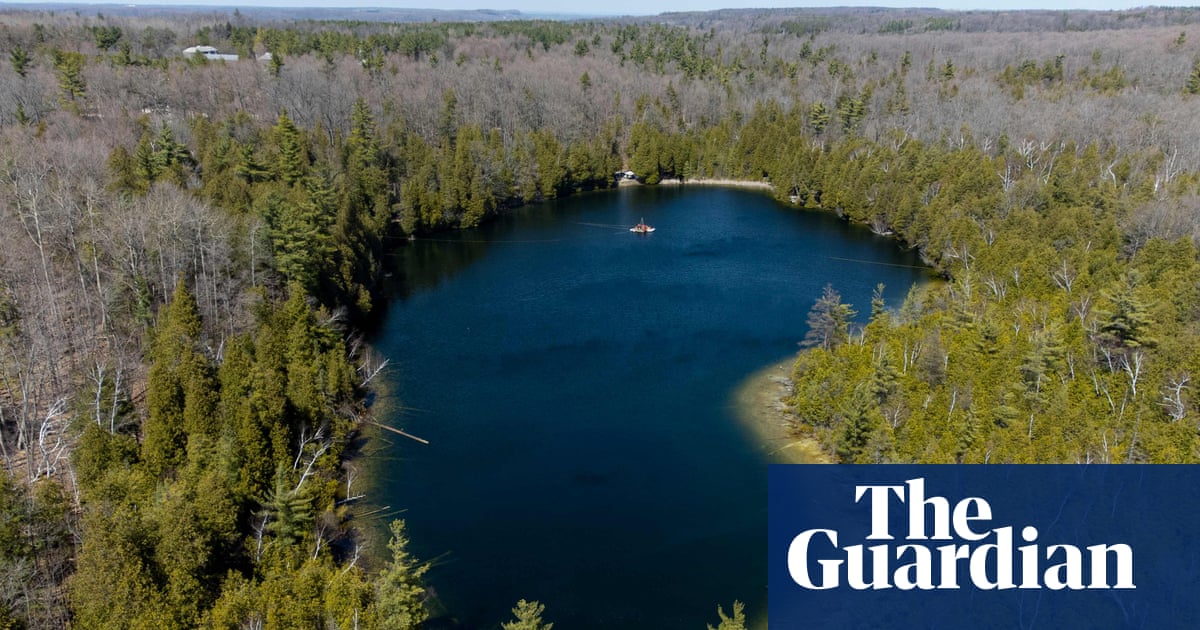
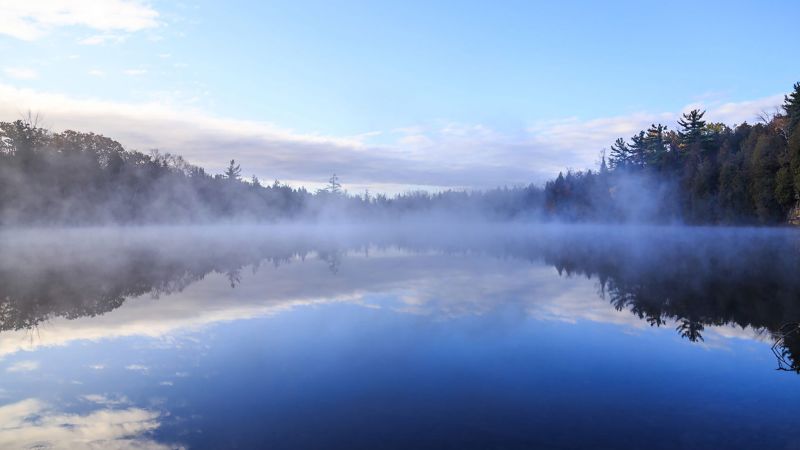
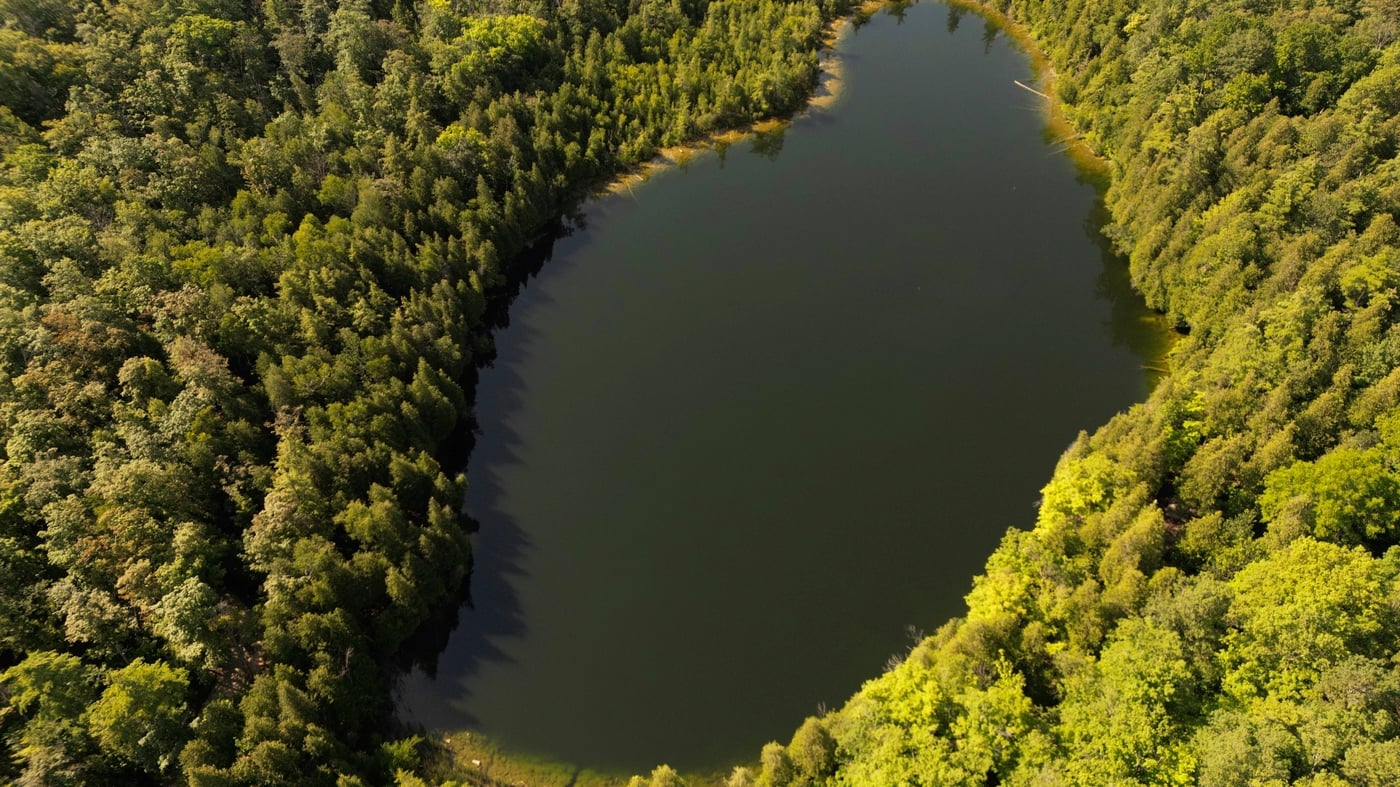
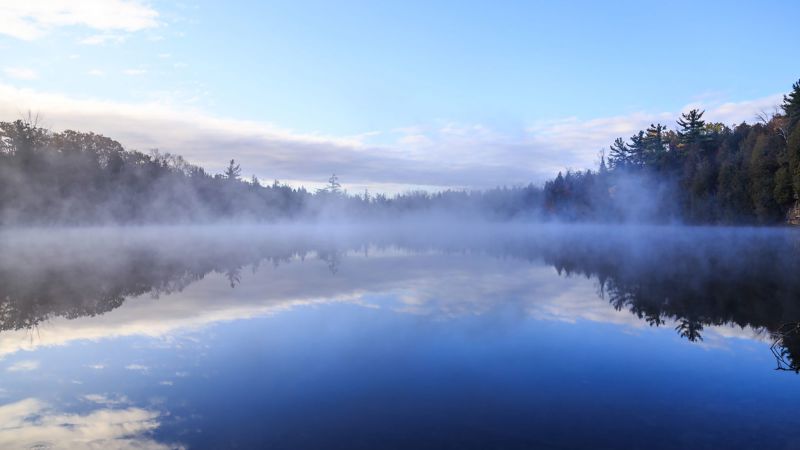
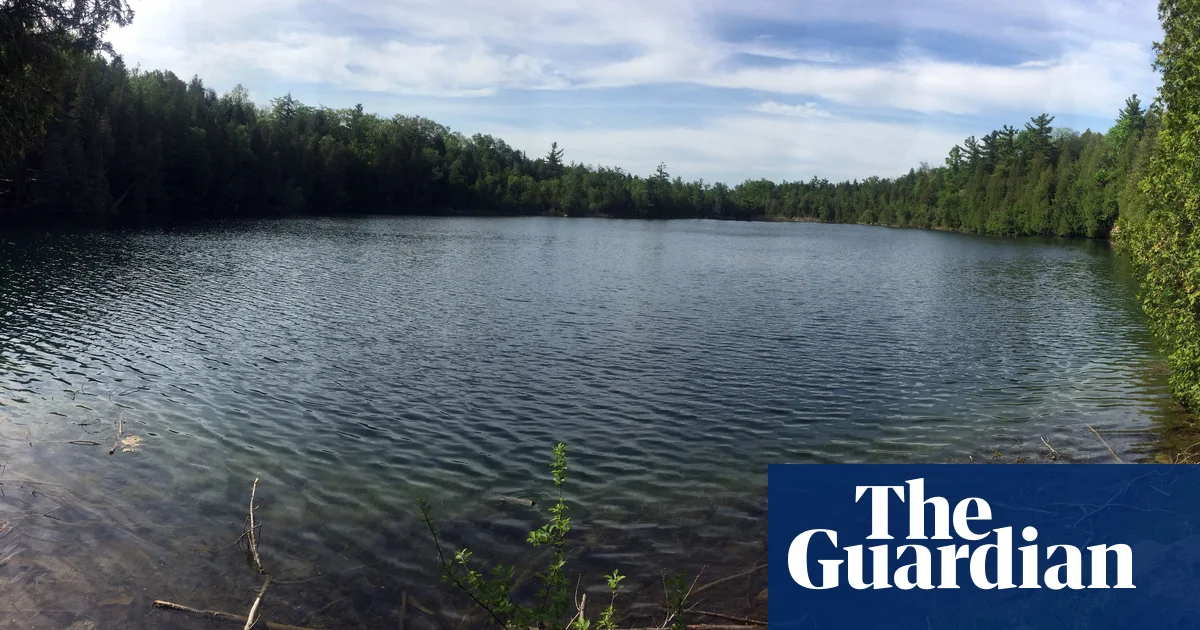
Scientists have identified Crawford Lake in Ontario as the birthplace of the Anthropocene, a new geological epoch that marks the profound impact of human activity on Earth. Sediment from the lake bed contains geochemical traces of nuclear bomb tests, specifically radioactive plutonium. However, there is debate among researchers about whether the Anthropocene is a valid geological reality. In other news, the peak of the current solar cycle is now forecasted to occur in mid-to-late 2024, which could have implications for Earth's power grids, GPS, aviation, and space missions. Additionally, portable chemical imaging technology is uncovering hidden details about ancient Egyptian paintings, and the first close-up image of Mars from space was accidentally hand-colored by the Mariner 4 team. Lastly, a new study reveals that humans in South America crafted pendants from the skin of giant sloths, pushing back the timeline of human presence in the Americas.
A team of scientists is recommending that a new geological epoch, called the Anthropocene, began between 1950 and 1954 due to the significant and lasting impact of human activities on the Earth. The scientists propose marking this epoch at Crawford Lake in Canada, where evidence of human impact, such as burning fossil fuels and pollution, is clearly preserved in sediment layers. The proposal still needs approval from geologists, but if accepted, it would signify a new age called the Crawfordian Epoch. The Anthropocene highlights the power and hubris of humankind, with the potential consequences of climate change leading to a tragic outcome if not addressed.
Scientists have identified Crawford Lake in Ontario, Canada as the geological site that best represents the proposed new epoch called the Anthropocene, which reflects the profound impact of human activity on Earth. The Anthropocene Working Group (AWG) has been working since 2009 to make the Anthropocene part of Earth's official timeline, and if approved, it would be the third epoch of the Quaternary Period. The AWG will present a proposal to make the Anthropocene official later this summer, with a final decision expected in 2024. However, some experts question whether the Anthropocene rises to the level of epoch-defining and suggest it may be more of an ongoing geological event.
Scientists have chosen a sinkhole lake in Canada, known as Crawford Lake, to represent the start of the Anthropocene epoch, marking the end of a stable global environment and the beginning of a new age dominated by human activities. The lake's sediments show clear spikes from the impact of human activities, such as plutonium from hydrogen bomb tests and particles from fossil fuel burning. If approved, the official declaration of the Anthropocene as a new geological epoch will come in August 2024. This decision holds social, political, and scientific significance, highlighting the scale and severity of the planetary transformation caused by industrialized humanity.
Scientists have concluded that human activities have propelled the Earth out of the stability of the Holocene epoch and into a new geological epoch called the Anthropocene. This proposed epoch, characterized by humanity's enormous impact on the planet, marks a dramatic escalation in various indicators of human influence, such as greenhouse gas concentrations, microplastic pollution, invasive species, and radioactive traces from atomic bomb testing. The exact location of the "golden spike," a geological repository that exemplifies the Anthropocene epoch, will be announced soon. However, the formal acceptance of the Anthropocene by the International Commission on Stratigraphy and the International Union of Geological Sciences is still uncertain, as some scientists argue that it does not meet the technical criteria for inclusion in the official geological timeline.
Beppu Bay in Japan is being considered as a potential "golden spike" location for the Anthropocene, a new geological epoch defined by human impact on the Earth. The sediment in Beppu Bay contains layers that document how humans have altered the environment, from nuclear test contamination to microplastic pollution. The bay's unique characteristics, such as its basin-like shape and lack of oxygen, have preserved these anthropogenic markers. Core samples from the bay show signatures of nuclear bomb tests, providing evidence of human impact. The designation of the Anthropocene is seen as a warning for humanity to address the rapid deterioration of the global environment.
Beppu Bay in Japan is being considered as a potential "golden spike" location for the Anthropocene, a new geological epoch defined by human impact on the Earth. The sediment in Beppu Bay contains layers that document various anthropogenic markers, including manmade chemicals, radionuclides, and microplastics. The unique characteristics of the bay, such as its basin-like shape and lack of oxygen, have preserved these markers, allowing scientists to pinpoint the precise date and level of the Anthropocene-Holocene boundary. The bay also contains signatures from nuclear bomb tests carried out in the Pacific Ocean, making it a compelling site for understanding human impact on the environment.