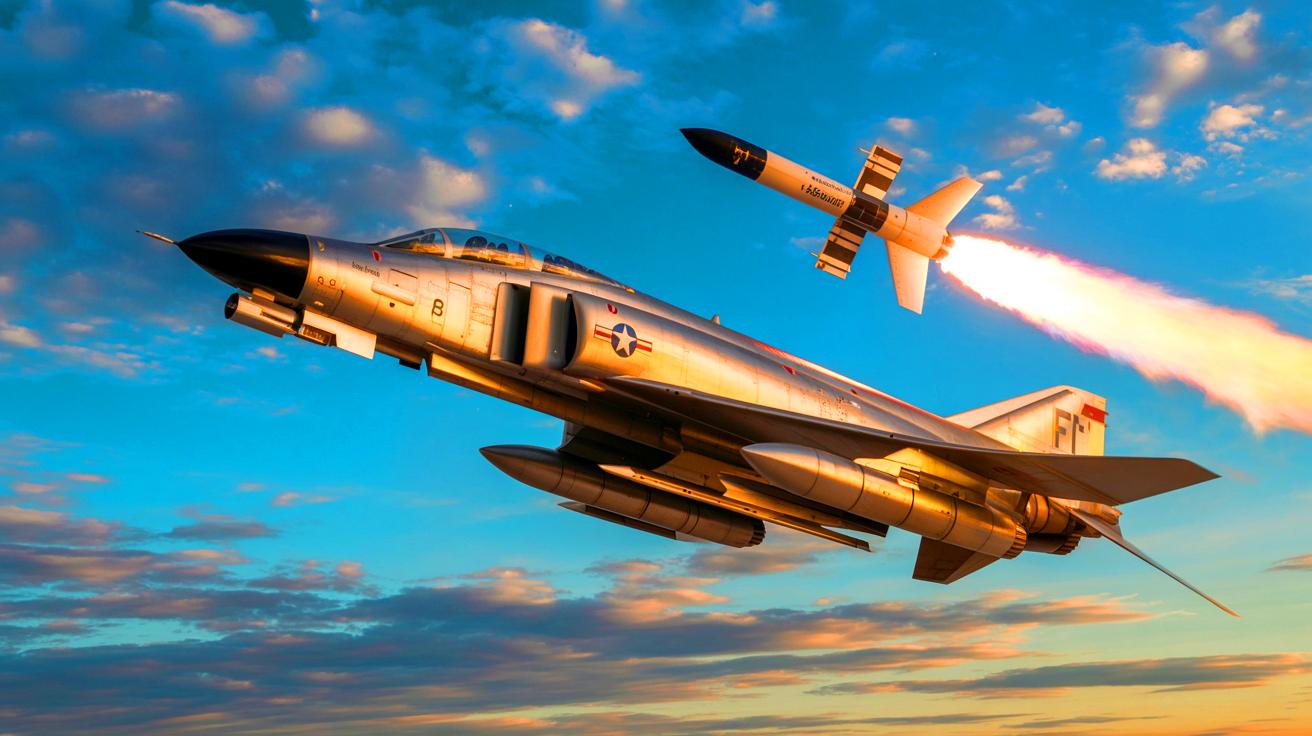
Starfighters International is reviving Cold War-era F-4 Phantoms to enhance satellite launch capabilities, aiming to provide rapid, flexible access to low Earth orbit using vintage military aircraft, despite regulatory and operational challenges, signaling a new era of military space innovation.
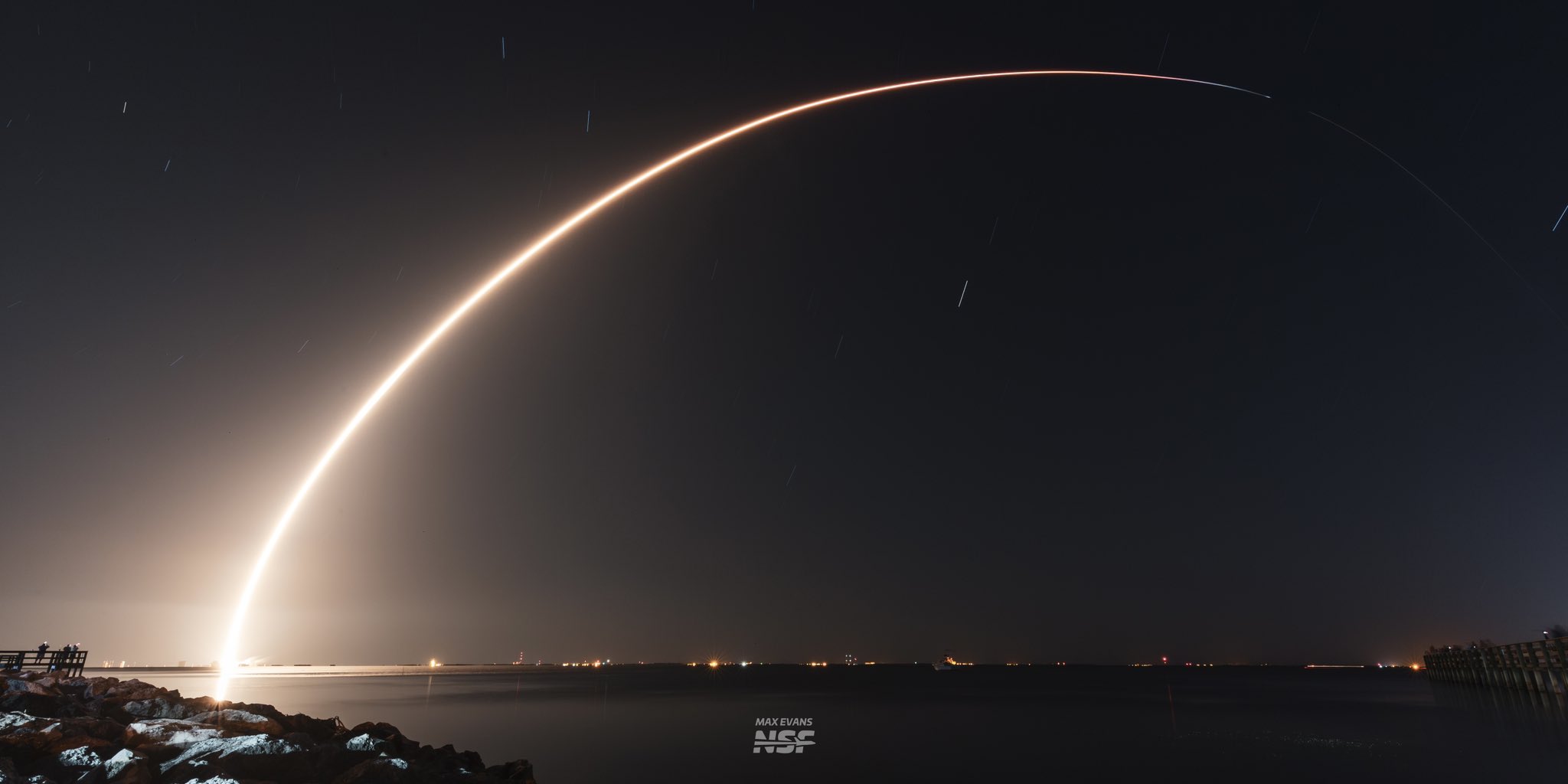
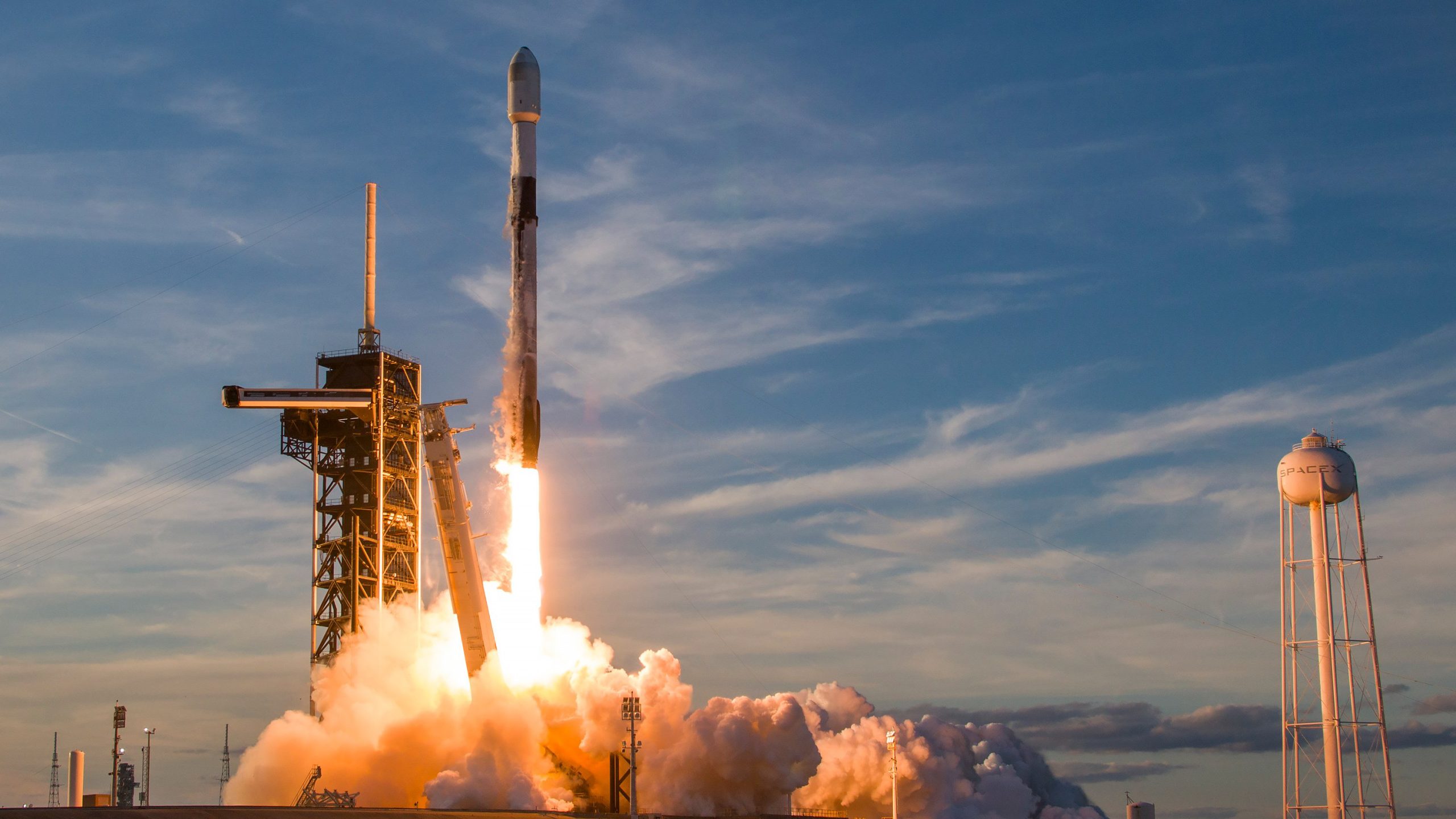
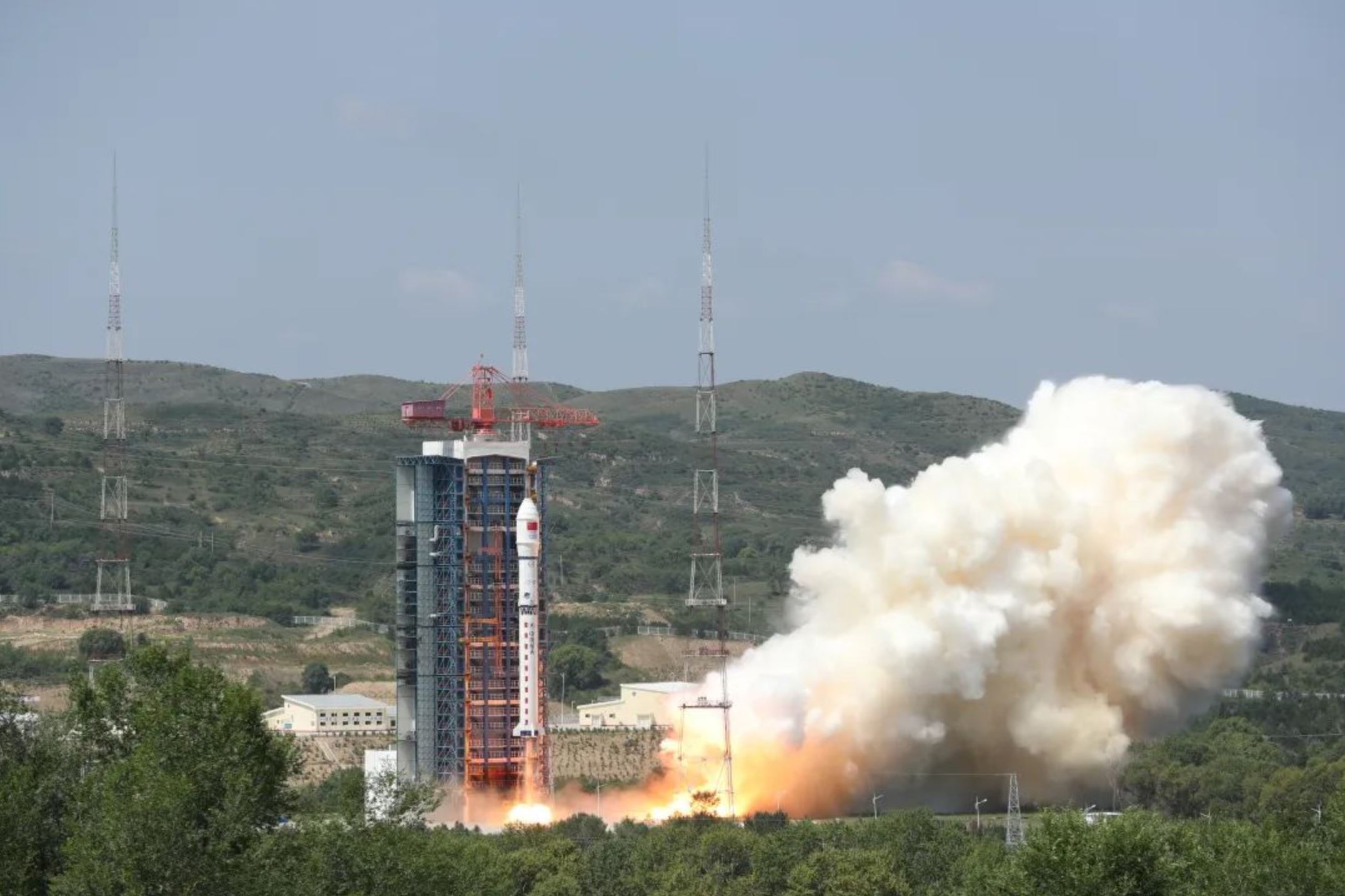
SpaceX is set to achieve its 40th Falcon 9 flight of 2024, with rapid launch pace continuing and three more flights planned for the coming week. The company celebrated the 20th launch and landing of a booster, and is making progress towards its ambitious goal of 148 flights this year. Additionally, a Chinese Chang Zheng 2D launched an Earth observation satellite, and two Falcon 9 missions are scheduled to launch WorldView Legion and Starlink satellites. SpaceX accounts for around 52 percent of all orbital launches this year, with the United States and China leading in launch activity.
SpaceX successfully launched its first Bandwagon rideshare mission, sending eleven payloads to a mid-inclination orbit from Kennedy Space Center. This new rideshare option offers customers a more favorable orbit for their satellites, allowing for increased coverage. The mission included satellites from companies such as Capella Space, HawkEye 360, and iQPS, and marked SpaceX's 35th mission of the year. The Falcon 9 booster completed its 14th mission and successfully landed, showcasing SpaceX's continued high flight cadence and goal of 140 launches for the year.
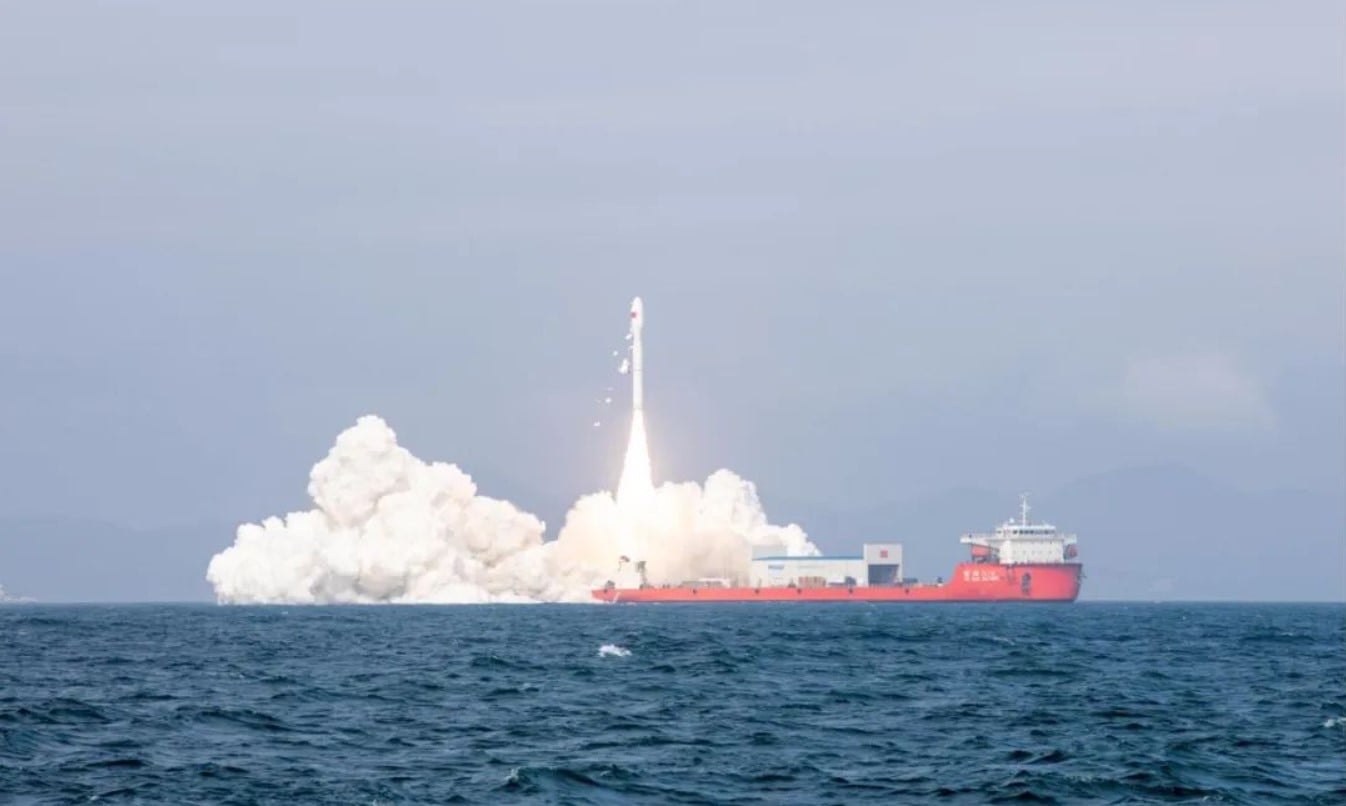
China successfully launched 20 satellites into orbit using two separate rocket launches, including 11 mobility services satellites for Chinese automaker Geely and nine diverse satellites for various customers. The launches included the third Jielong-3 (Smart Dragon-3) solid rocket launch from a mobile sea platform, indicating a growing cadence of sea launches for China. The satellites are part of plans to establish global real-time data communication services and demonstrate advanced capabilities such as autonomous processing and laser-based communications.
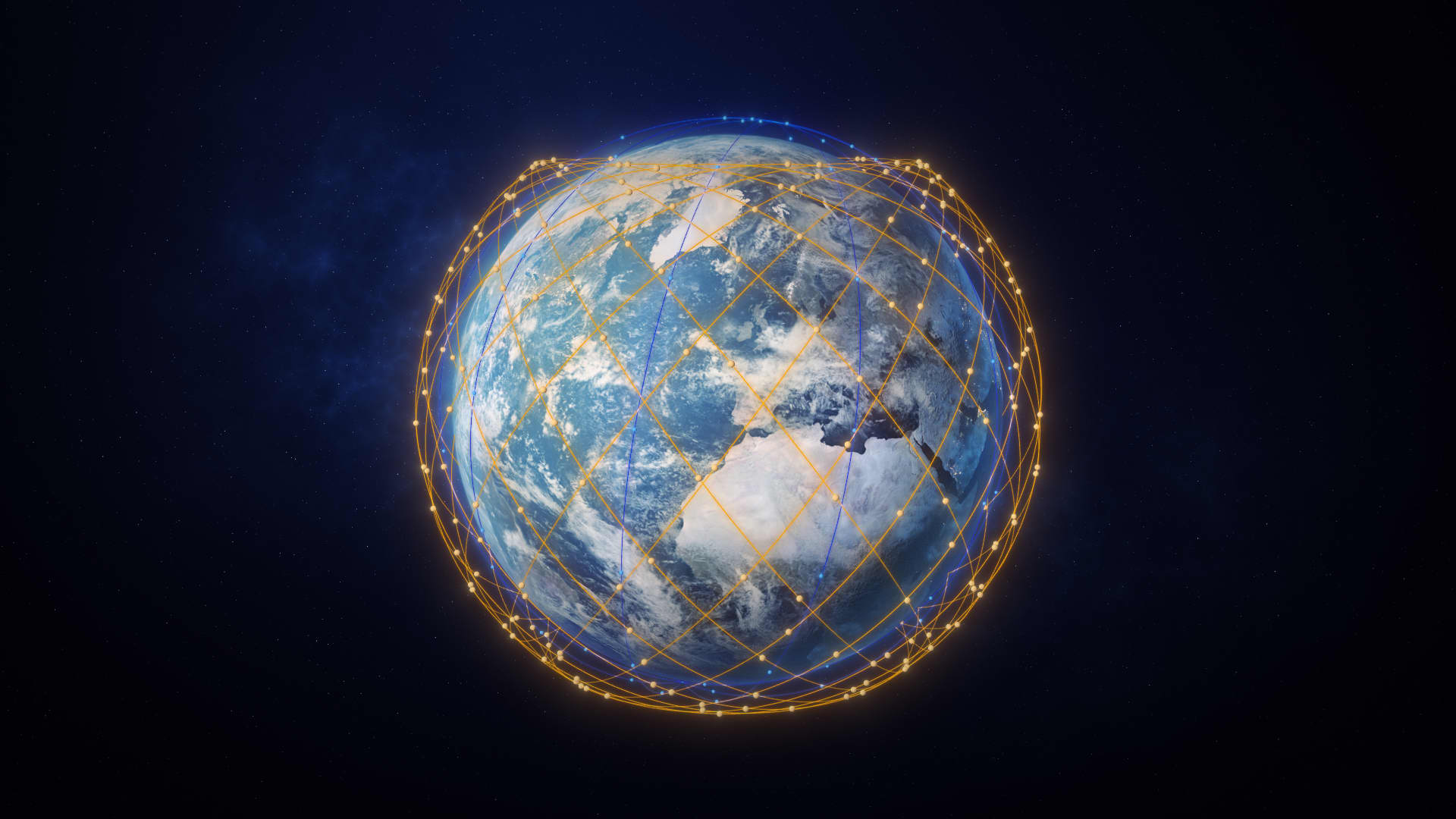
Amazon has signed a contract with SpaceX for three launches of its Project Kuiper satellites, which will compete against Elon Musk's Starlink broadband internet service. This comes after an investor lawsuit claimed that Amazon excluded SpaceX from its procurement process due to Jeff Bezos' personal rivalry with Musk. Amazon's goal is to put over 3,300 satellites into low Earth orbit, with half of its Kuiper constellation launched by 2026. The SpaceX launches are targeted to begin in mid-2025, and Amazon expects to have enough satellites deployed by the second half of next year to start early customer pilots. Starlink currently has a head start and is expected to represent the majority of SpaceX's revenue next year.
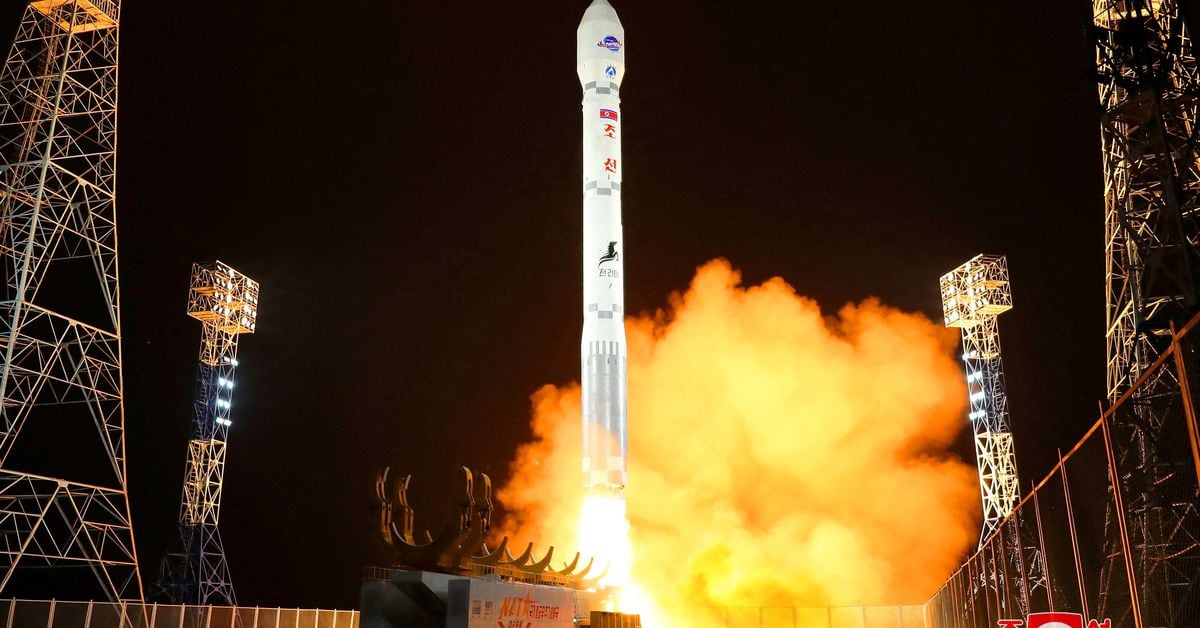
North Korea has vowed to continue exercising its sovereign rights, including satellite launches, while reportedly restoring demolished guard posts on the border with South Korea. The launch of a reconnaissance satellite last week was justified by North Korea's need to monitor the US and its allies. South Korea suspended a key clause in a 2018 military agreement and resumed aerial surveillance near the border in response to the launch. North Korea declared it was no longer bound by the agreement and began deploying weapons on the border. North Korean soldiers have been observed restoring damaged guard posts and setting up heavy weapons in the Demilitarized Zone. The United States has called an unscheduled meeting of the UN Security Council to discuss the satellite launch.
Small samples of the cremated remains of Berkeley space scientist and astronaut Michael Lampton, along with 233 others, will be sent into space on a commercial rocket to orbit around the sun, more than 200 million miles from Earth. This celestial burial is part of a growing trend away from traditional memorials, with companies like Celestis offering space burial options. The cargo will also include the remains of former NASA astronauts, members of the "Star Trek" family, and "authenticated DNA" from hair samples of former US presidents. Lampton, who was unable to fulfill his dream of going into space due to a cancer diagnosis, will now have the opportunity to travel the furthest humans have ever gone, even in death.
SpaceX has reportedly reached a deal with the European Space Agency to launch four navigation and communications satellites into orbit, marking the first partnership between the European Union and Elon Musk's company on a satellite containing classified information. The satellites, part of the EU's Galileo system, will be launched from the US using SpaceX's Falcon 9 rocket. This marks the first time in 15 years that Galileo satellites will be sent into orbit from outside the EU. The deal still needs approval from the European Commission and member states.
Telesat, a satellite operator, has signed a deal with SpaceX for 14 launches of its Lightspeed internet satellites, utilizing SpaceX's Falcon 9 rocket starting in 2026. Telesat CEO Dan Goldberg praised the affordability and reliability of Falcon 9. This agreement comes as SpaceX continues to launch satellites for companies that compete with its own Starlink network, such as OneWeb and Viasat. Telesat's purchase of SpaceX launches provides a dependable option for reaching orbit, as delays in Blue Origin's New Glenn rocket have hindered their previous agreement. Telesat's Lightspeed is focused on enterprise customers, not direct-to-consumer markets.
China has successfully conducted two orbital missions, launching a flat-panel communications satellite developed by GalaxySpace and a batch of spy satellites. The Lingxi-03 satellite by GalaxySpace carries a multi-beam digital payload and will support the deployment of China's low Earth orbit communications megaconstellation. The Yaogan-36 mission likely includes signal-intelligence satellites, joining the existing Yaogan-35 satellites in similar orbits. These launches mark the 149th and 150th consecutive successful Long March launches for China, with a total of 480 Long March rockets launched to date.
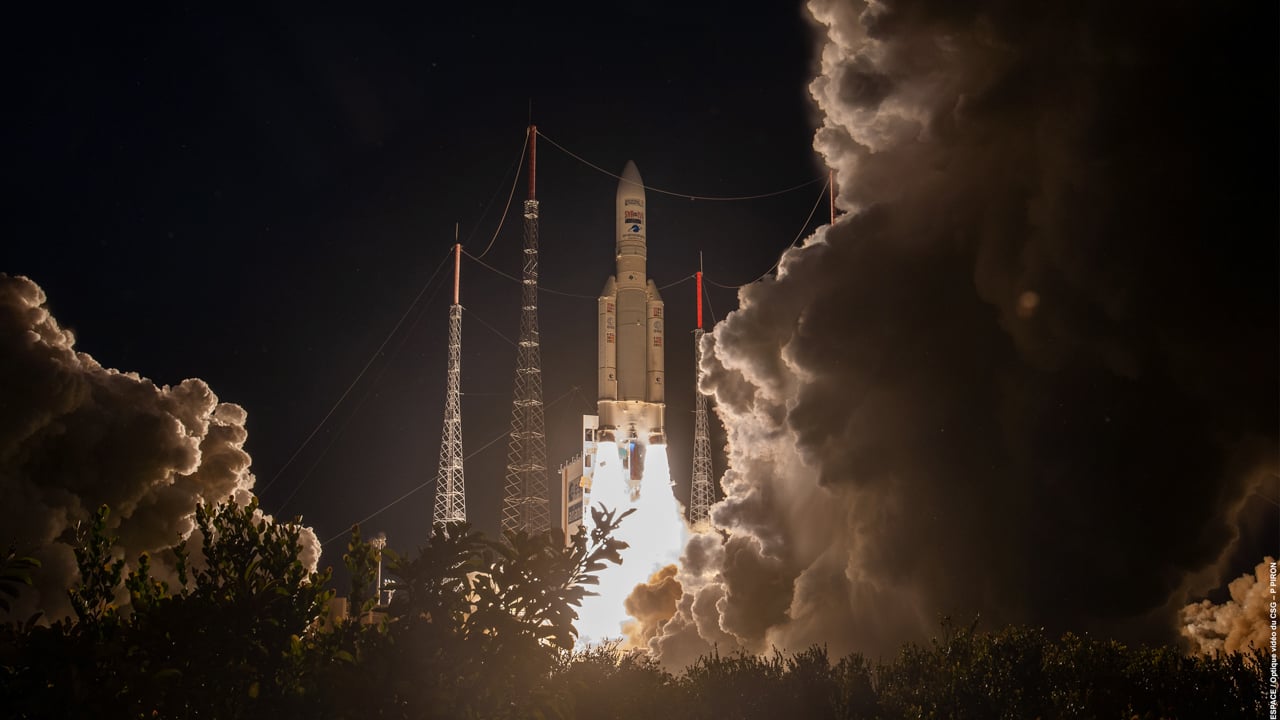
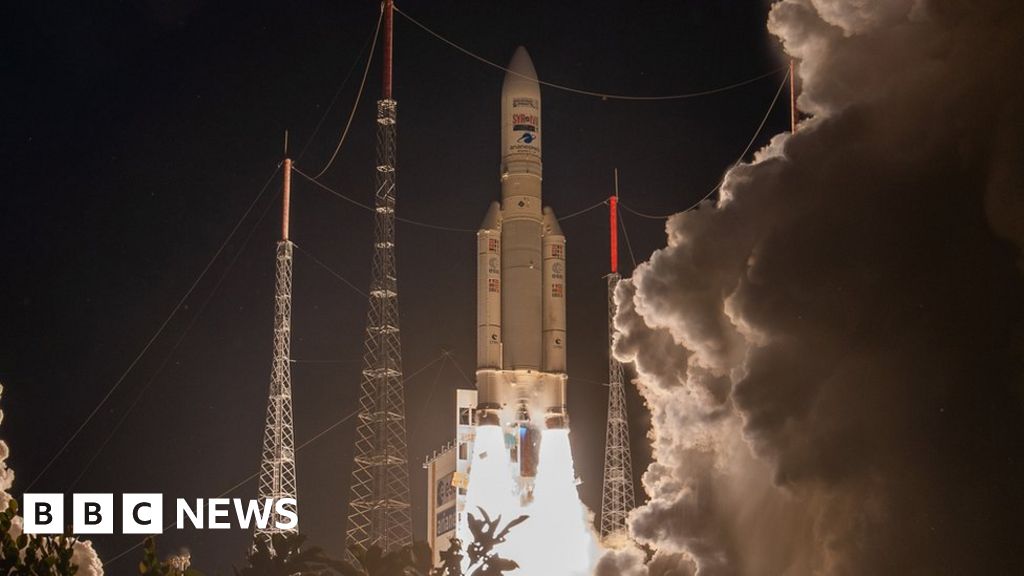
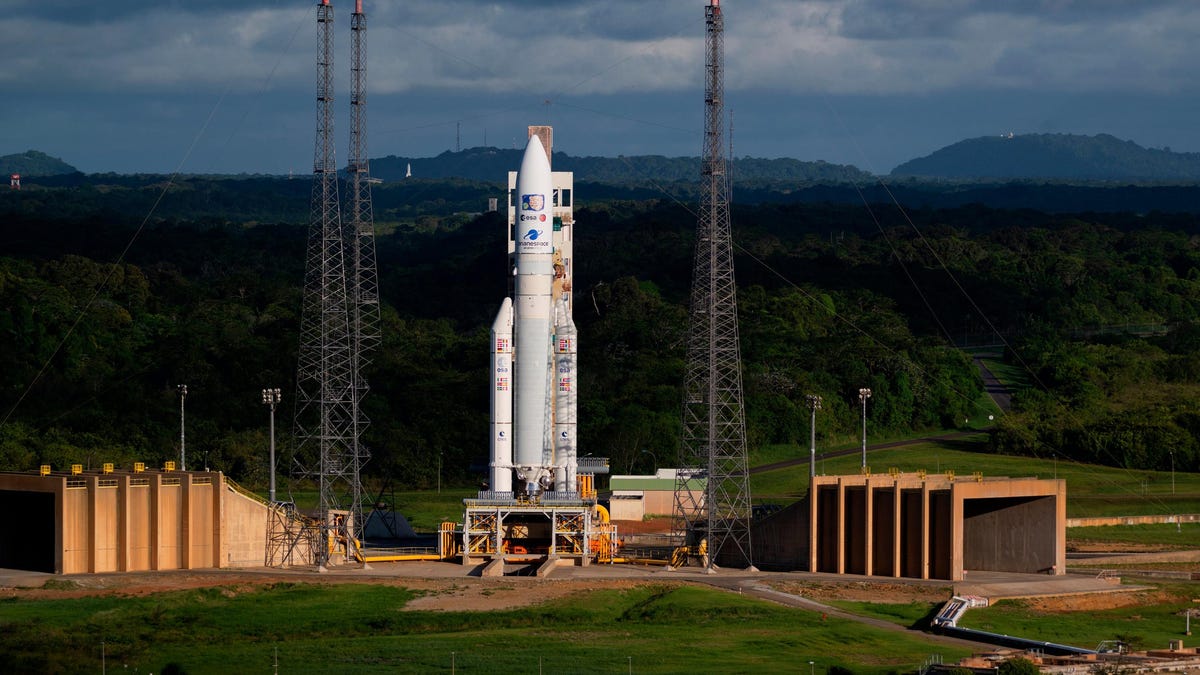
The Ariane V, a European launch vehicle, has retired after 27 years of service with its final successful mission, deploying two satellites to Geostationary Transfer Orbit. The Ariane V has had a successful history, launching important missions such as the James Webb Space Telescope and the Rosetta spacecraft. However, with the retirement of the Ariane V and delays in its replacement, the Ariane 6, Europe currently lacks its own launch vehicle and has been relying on SpaceX's Falcon 9 for satellite launches.
Europe's Ariane-5 rocket, which has been instrumental in Europe's access to space for nearly three decades, has completed its final mission by successfully launching two telecoms satellites. With no immediate replacement ready, Europe faces a launcher crisis as the next-generation rocket, Ariane-6, is still in development. The unavailability of home-grown rockets has forced European satellites to rely on American services. The Ariane-5's retirement comes as SpaceX's re-usable Falcon rockets have disrupted the launch market. The Ariane-6 aims to be 40% cheaper than its predecessor but will still be an expendable design until Europe develops re-usability technologies in the 2030s.
Arianespace is set to launch the final flight of the Ariane 5 rocket, carrying the Syracuse 4B and Heinrich Hertz satellites. Meanwhile, SpaceX has two Falcon 9 flights planned, including the Starlink 5-13 mission, which will be one of the last to use the v1.5 satellites. The next Starlink flight, Starlink 6-5, will introduce the v2 Mini satellites. These launches mark significant milestones for both Arianespace and SpaceX in their respective satellite deployment programs.
Europe is seeking to negotiate deals with private space companies like SpaceX to launch its Galileo satellites, as the debut of its next-generation Ariane 6 rocket has suffered multiple delays. The rocket was originally scheduled to debut in 2020, but its inaugural flight was recently pushed to the fourth quarter of 2023. Europe has been left with little to no options for getting its satellites to orbit, leaving SpaceX's Falcon 9 rocket as the most viable option for European launches.
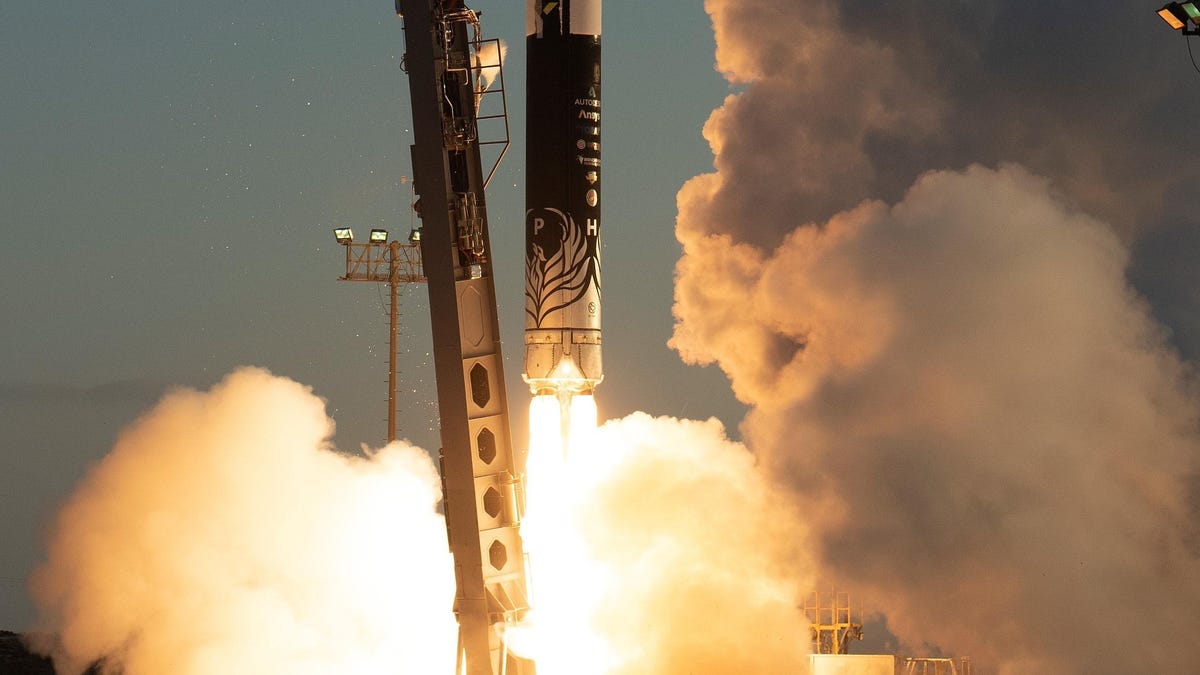
The US Space Force has requested $60 million over the next two years for tactically responsive space, which would allow partners to launch satellites within 24 hours. The initiative aims to quickly replace lost satellites, including those shot down by enemy forces during war time. The Pentagon first expressed a desire for tactically responsive space in 2019, and Space Force demonstrated it in 2021. An upcoming mission called Victus Nox aims to demonstrate it again, and launch services company Firefly Aerospace and satellite manufacturer Millennium Space Systems have been awarded a contract for it.