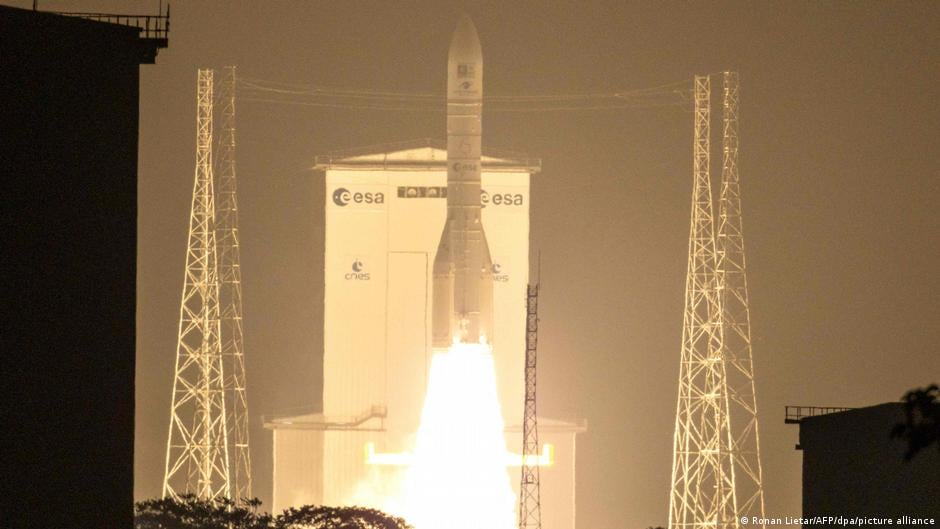
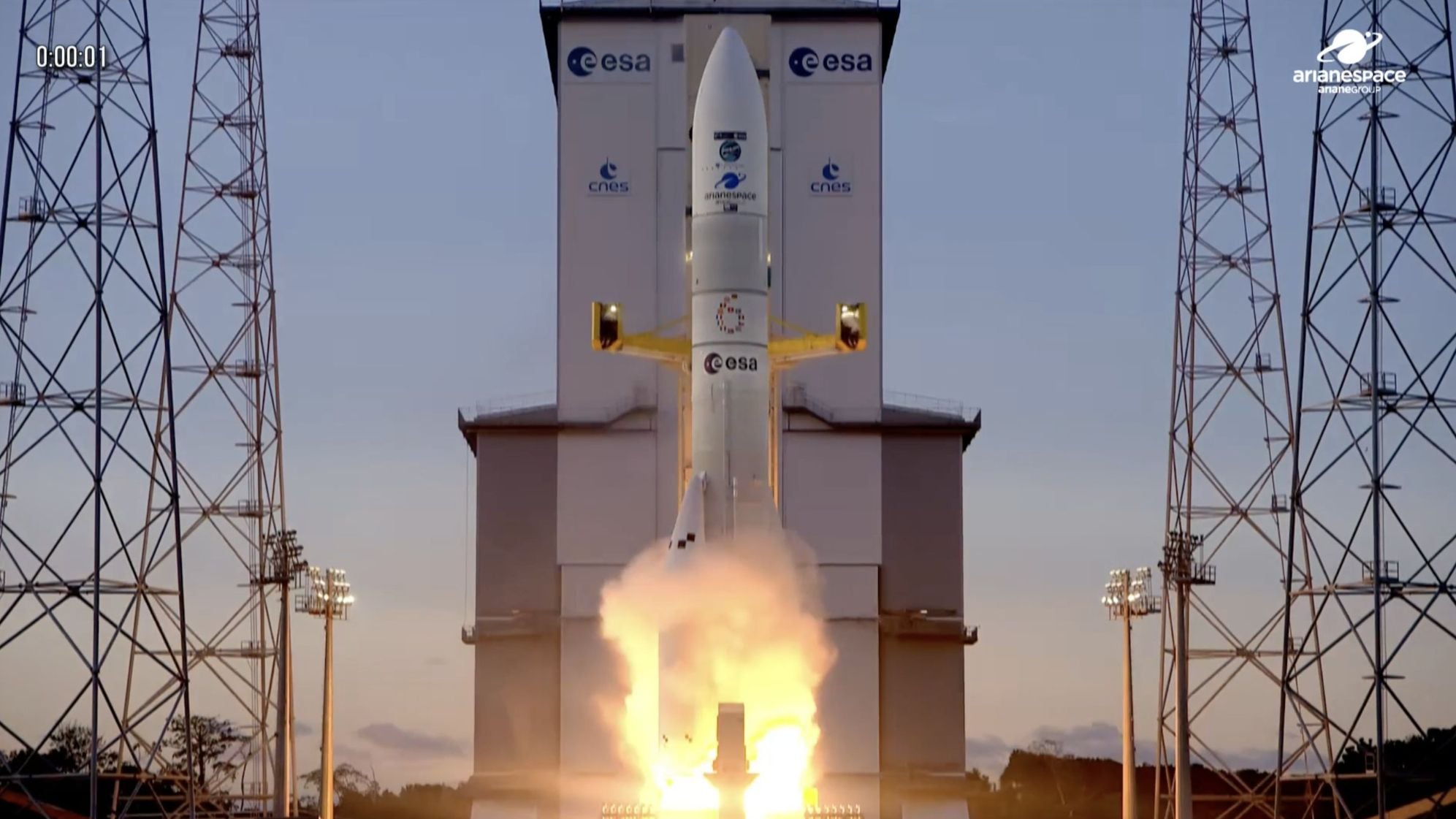
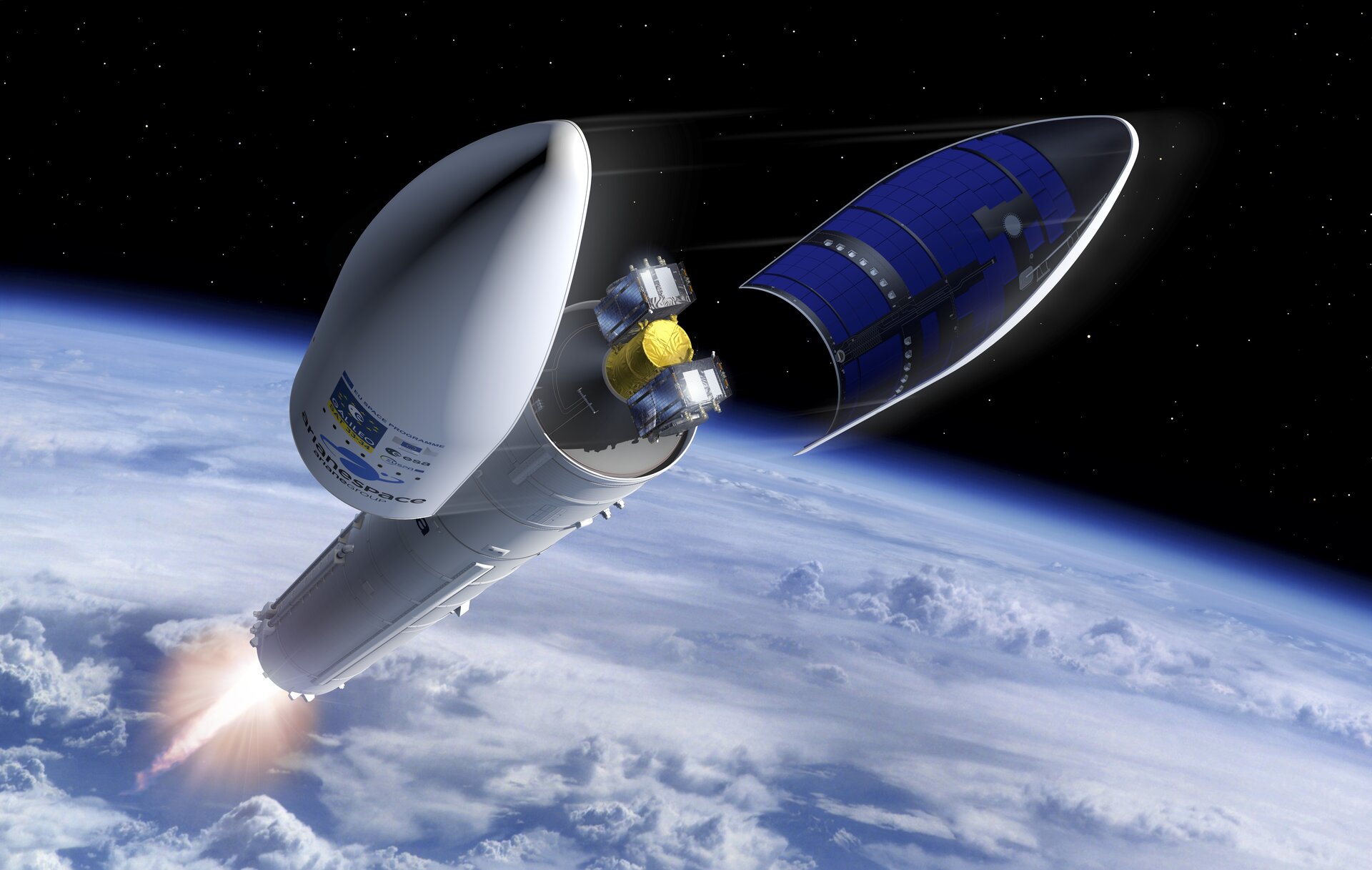
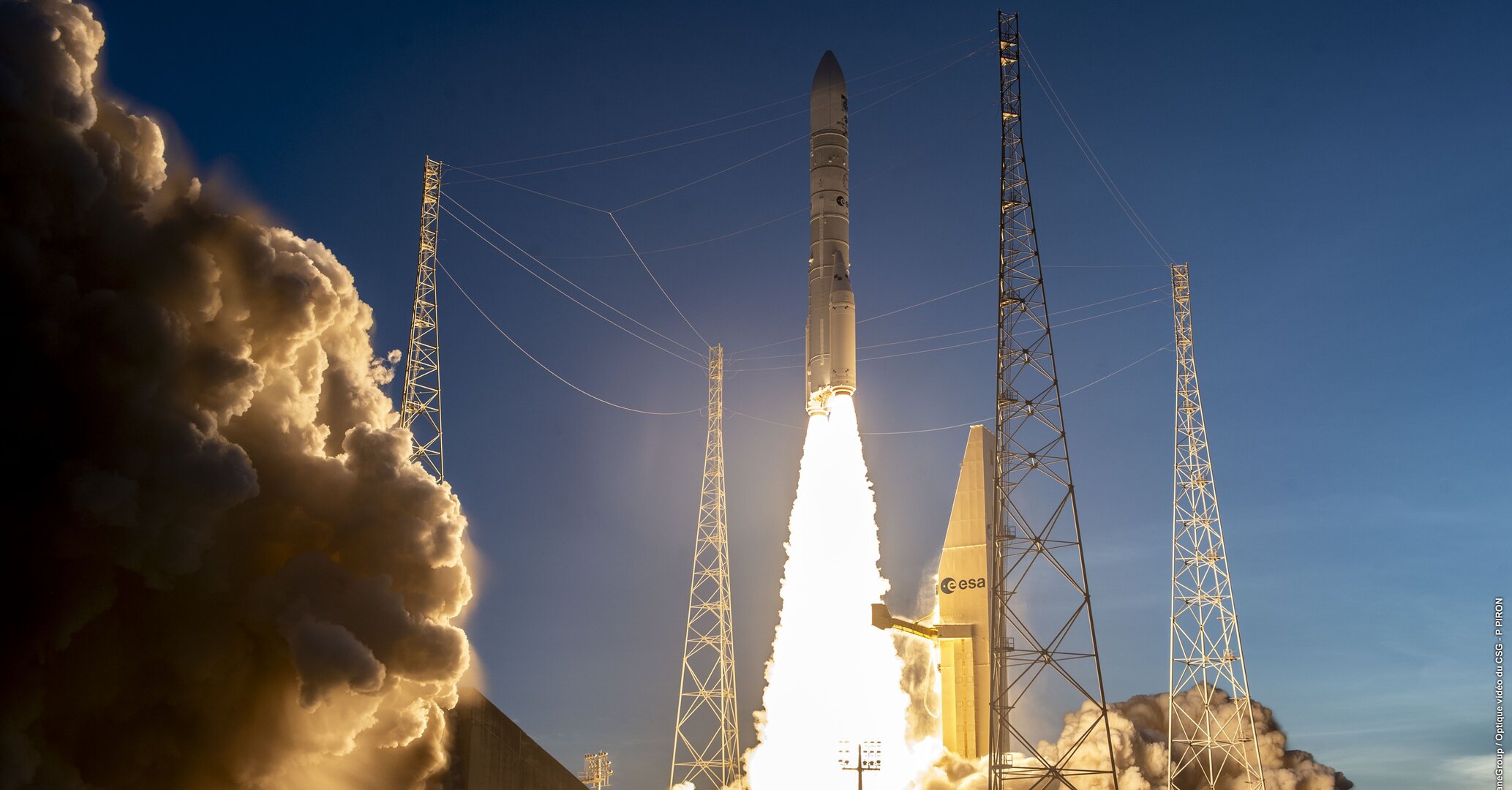
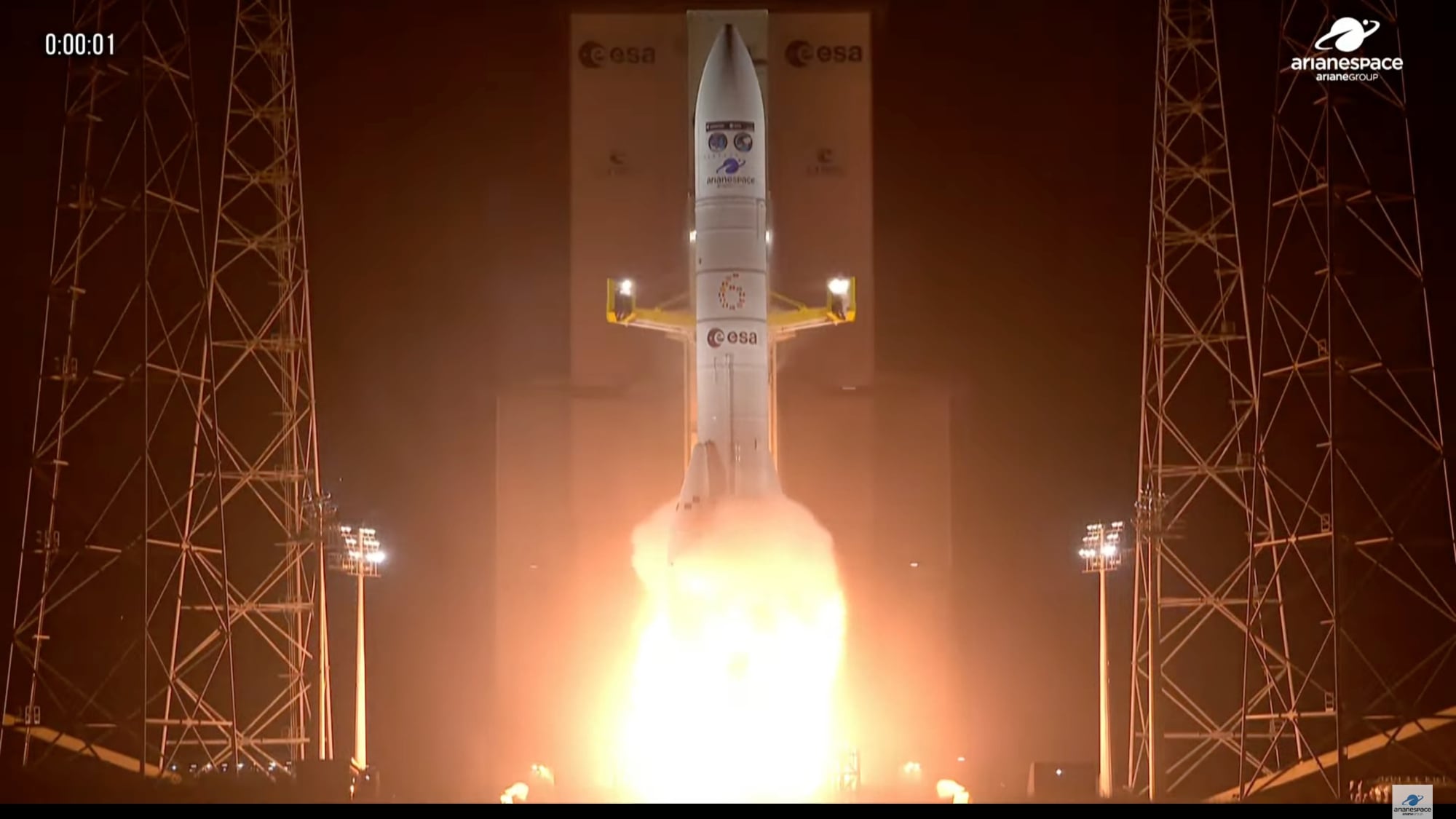
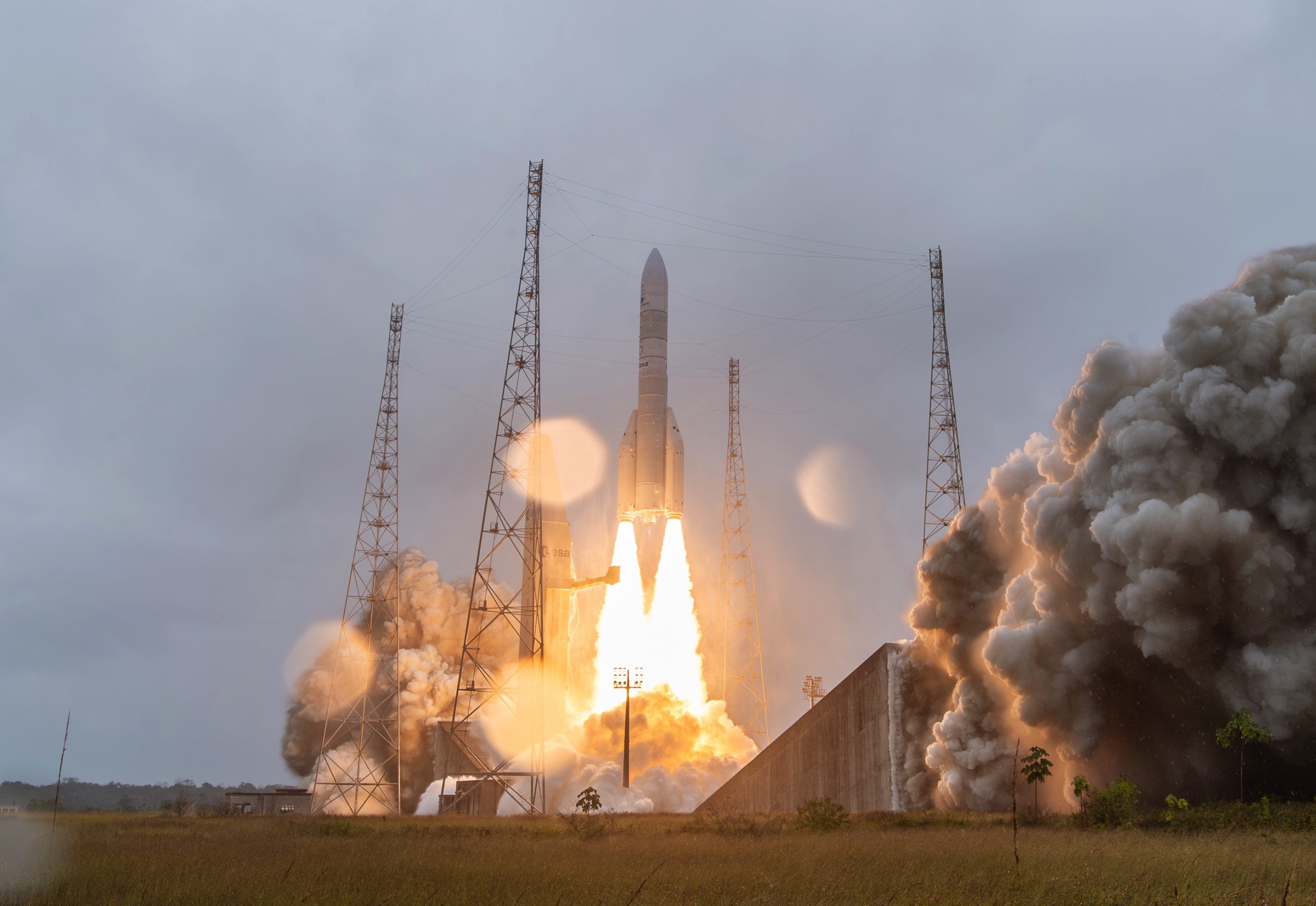
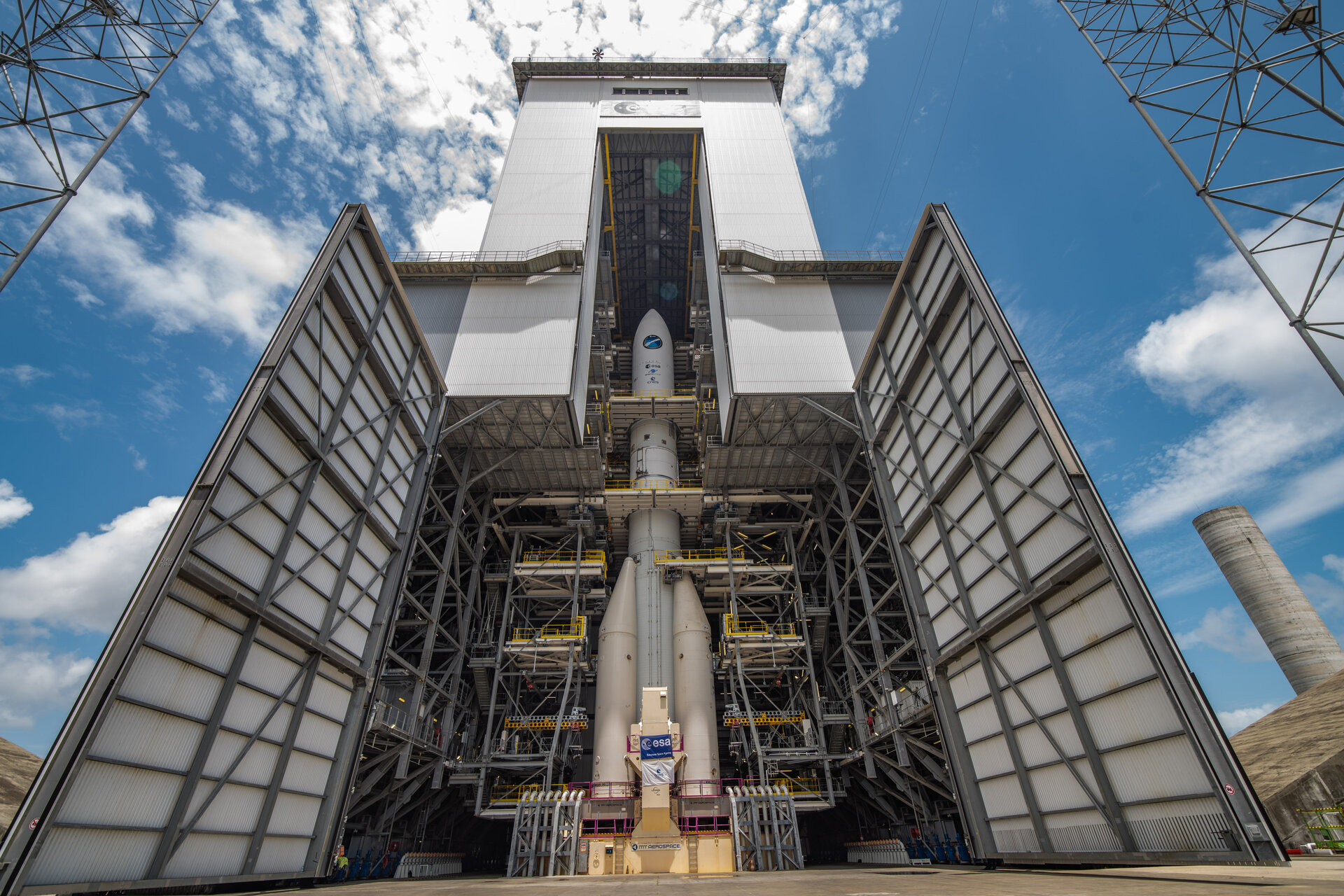
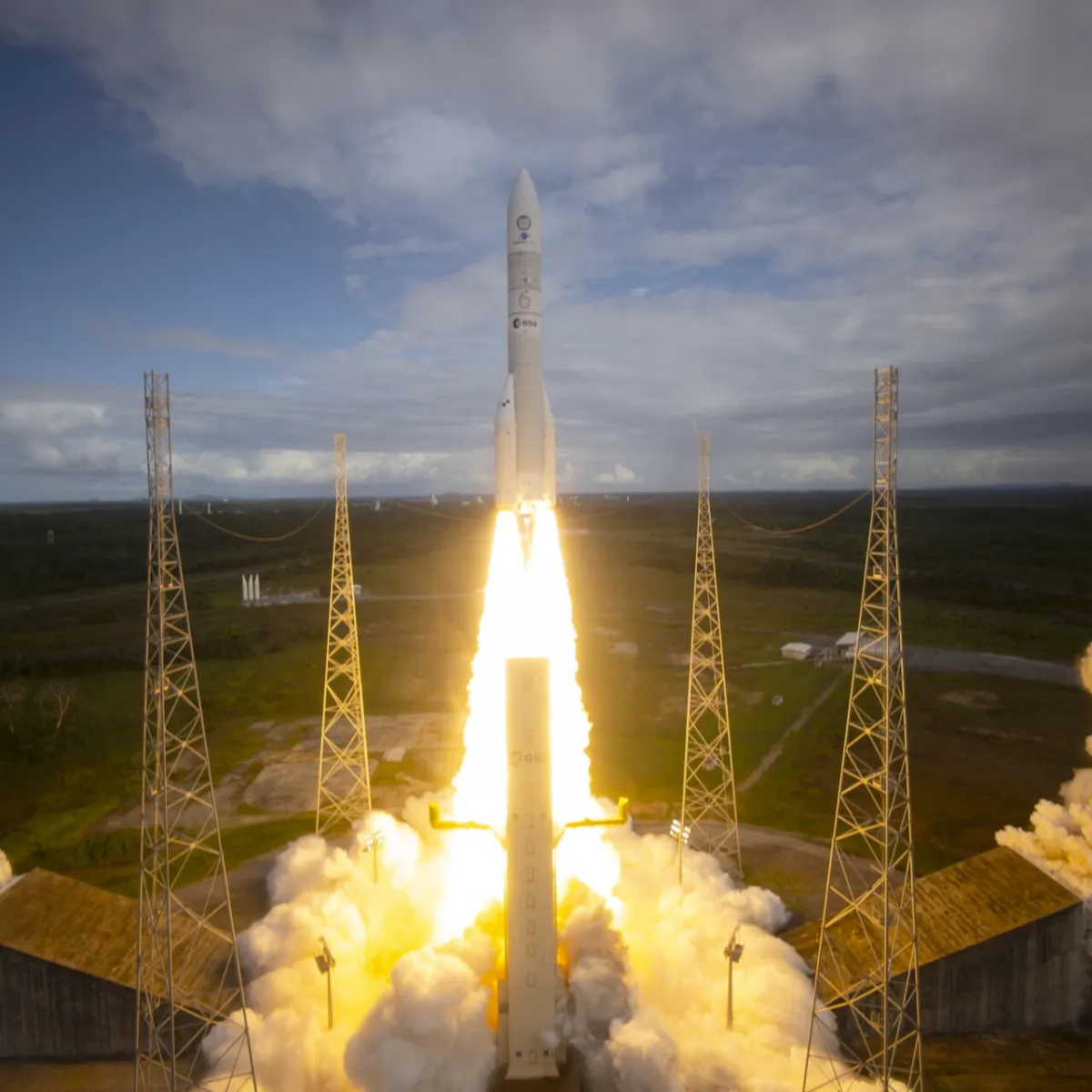
The Ariane 6 rocket successfully launched two EU Galileo satellites from French Guiana, marking a significant step in Europe's space independence by expanding its satellite constellation and reducing reliance on US and Russian launch services.
Europe's Ariane 6 rocket is set to launch its first pair of Galileo navigation satellites, marking a significant milestone for the vehicle's role in Europe's space capabilities, reducing reliance on external launch providers like SpaceX and Russia.
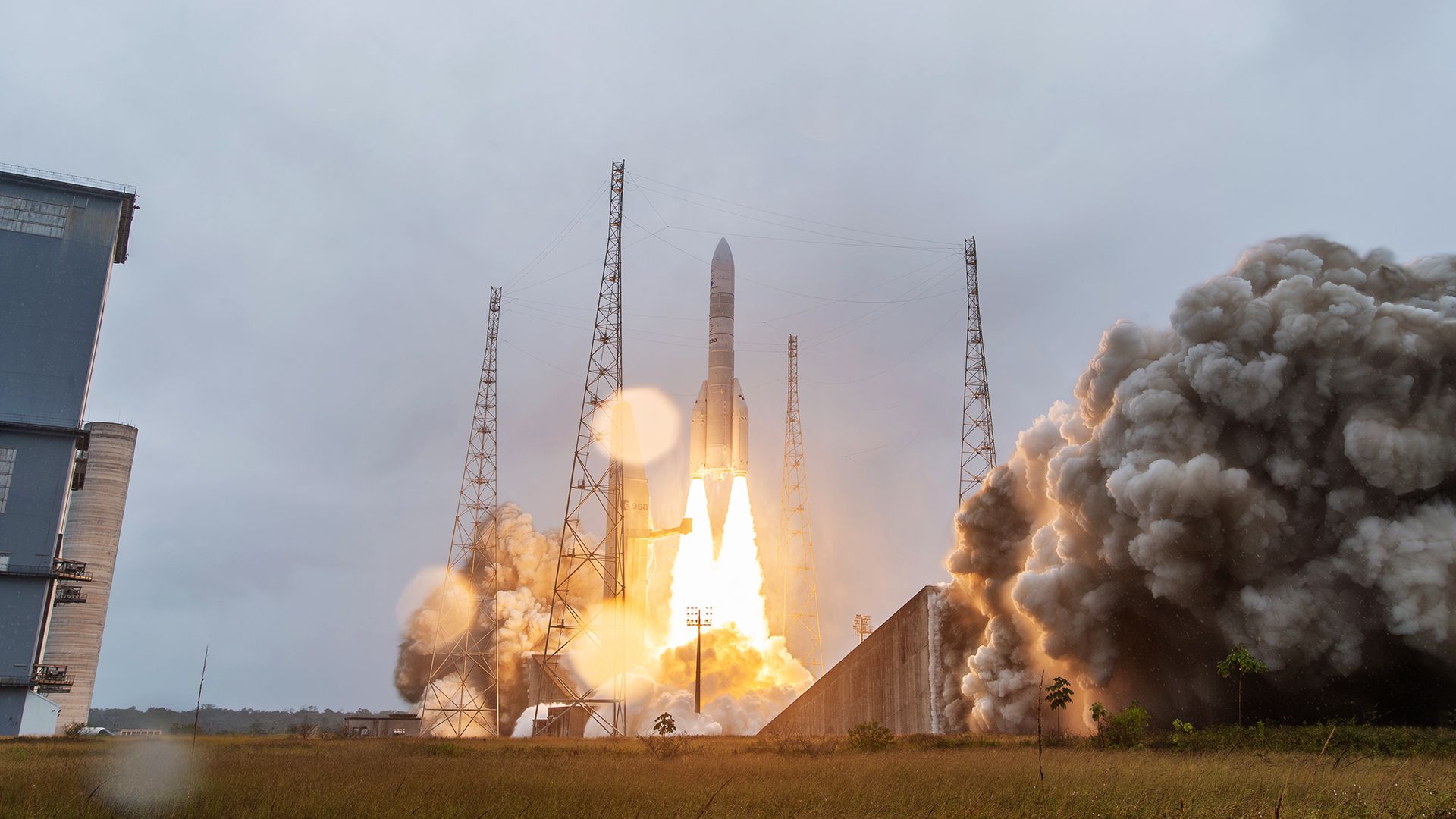
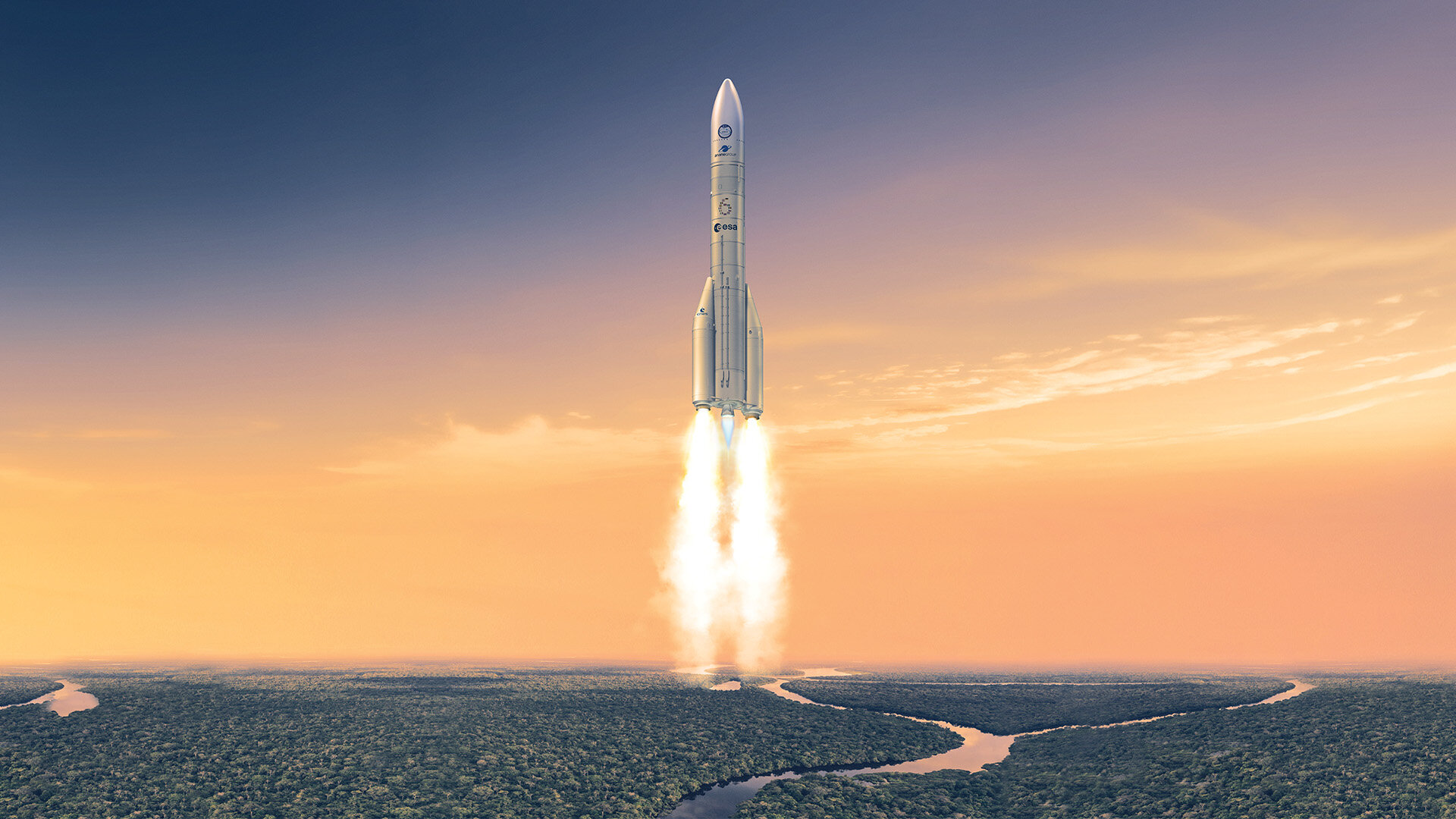
Two Galileo satellites were launched on December 17 from Europe's Spaceport in French Guiana aboard an Ariane 6 rocket, marking the first launch of Galileo on Ariane 6 and the 14th operational satellite launch for the program, which aims to enhance global navigation services.
Sentinel-1D, the last of the first-generation Sentinel-1 satellites, was successfully launched into orbit aboard an Ariane 6 rocket from French Guiana, completing the Copernicus Earth observation mission that provides critical radar data for environmental monitoring and disaster response.
Europe's Ariane 6 rocket is launching its fourth mission, carrying the Sentinel-1D satellite for the EU's Copernicus program, which provides critical radar imagery for various applications, marking its third successful launch after debuting in July 2024.
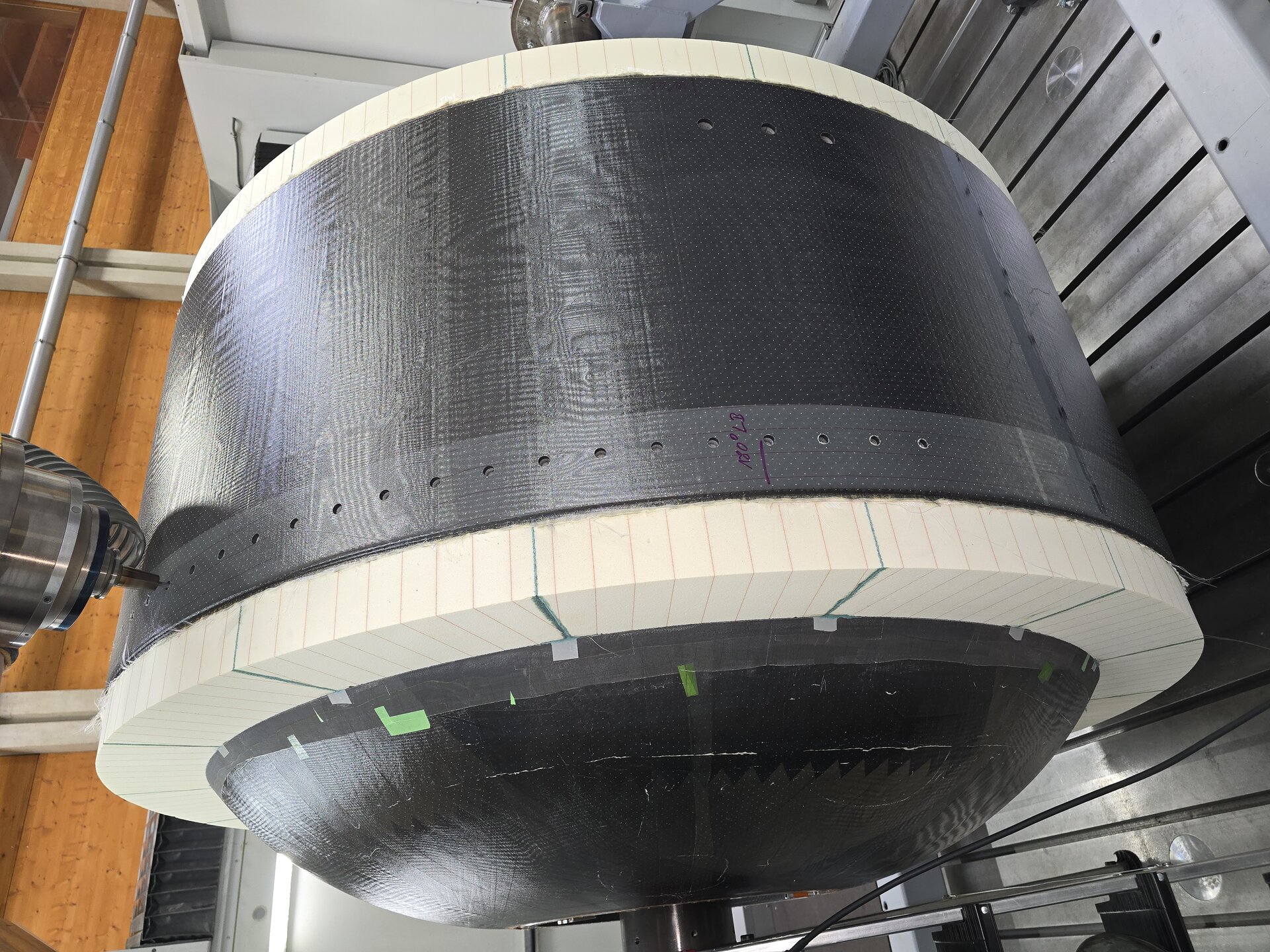
The Phoebus project by ESA and partners is developing innovative carbon-fiber reinforced plastic hydrogen tanks for the Ariane 6 rocket, with progress including the production of a 2600-liter tank and preparations for cryogenic testing in Germany, aiming to reduce rocket mass and improve space launch technology.
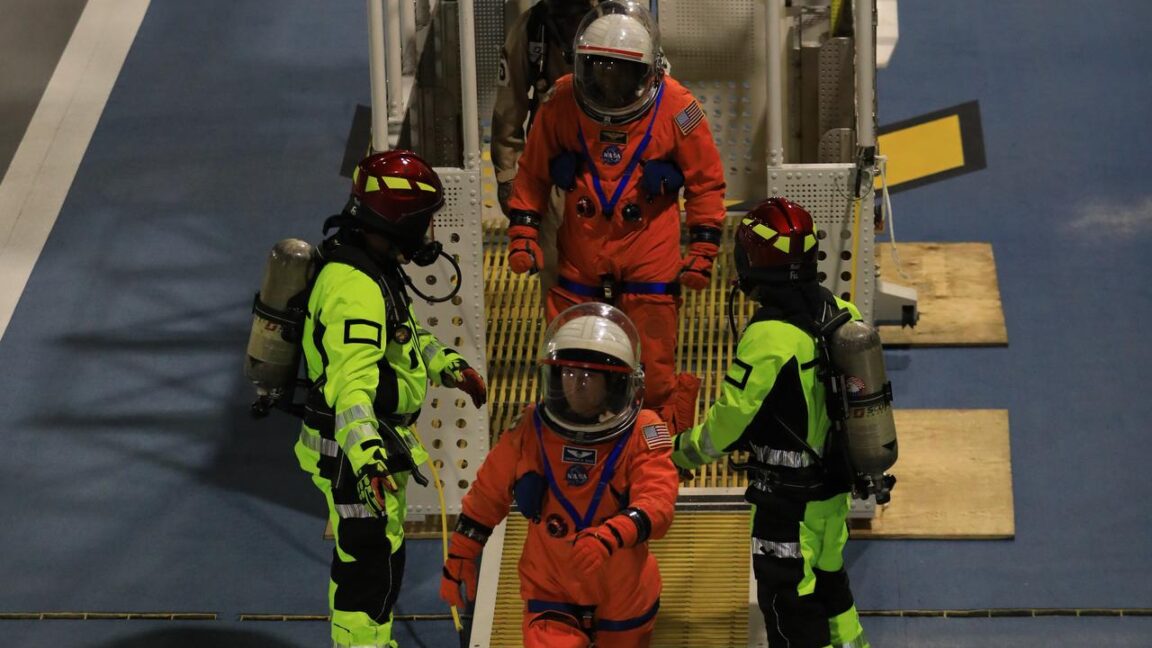
Ariane 6 successfully launched its third mission, beating Vulcan to this milestone, while China deployed its sixth batch of Guowang satellites using the Long March 5B. SpaceX launched its 100th mission of the year, including satellites for Amazon's Project Kuiper, highlighting its dominant role in commercial space launches. The Portuguese government approved a spaceport in the Azores, and China revealed its first marine rocket recovery ship. ULA's Vulcan rocket achieved its first national security launch, marking a key operational milestone. Additionally, NASA's Artemis II astronauts trained for nighttime launch procedures, and China continues expanding its satellite internet constellation.
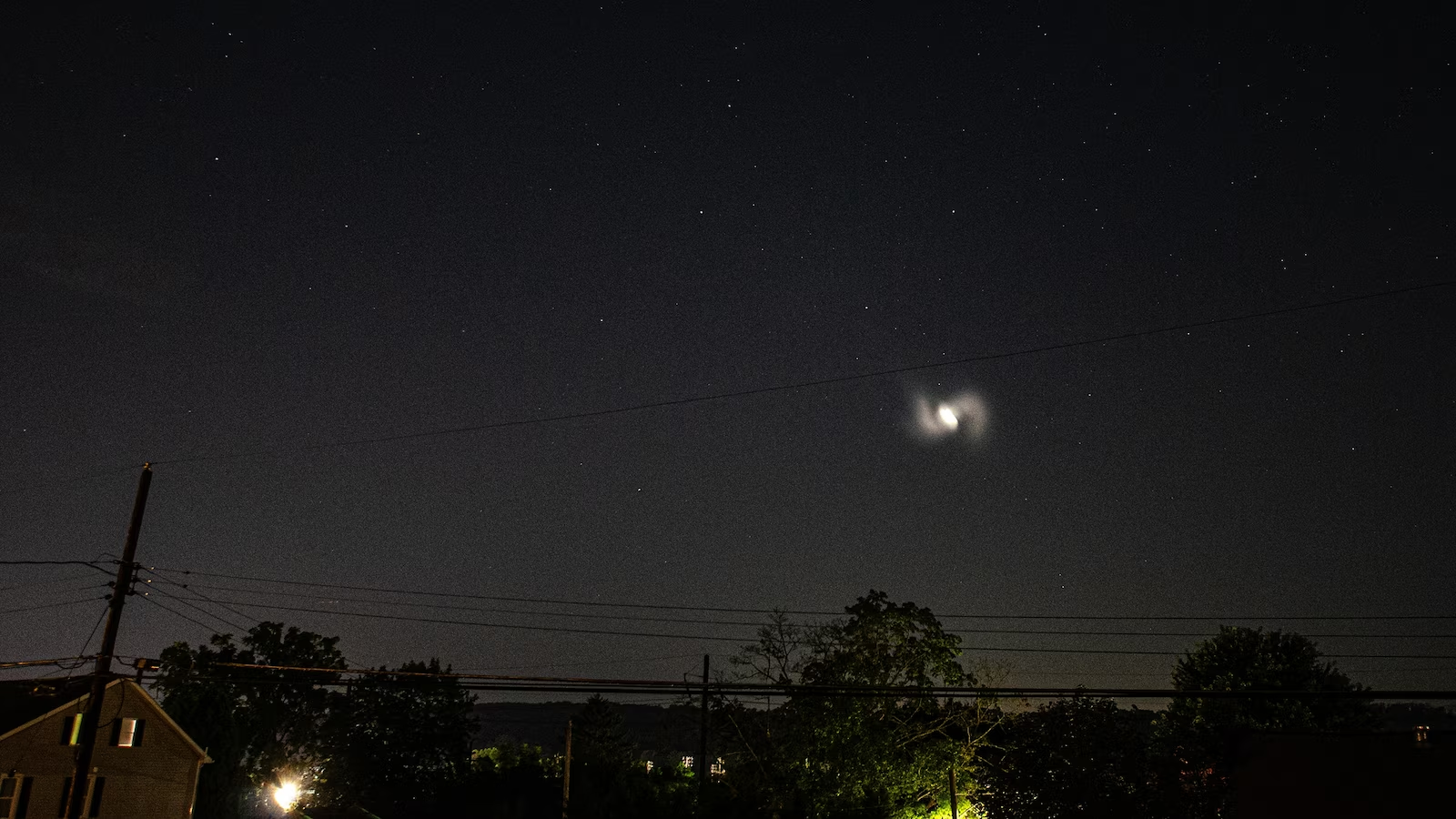
Stargazers along the East Coast observed unusual spiral lights in the night sky, likely caused by the tumbling upper stage of the Ariane 6 rocket during its disposal, coinciding with the Perseid meteor shower and other rocket launches, creating a spectacular and rare visual display.
Europe's Ariane 6 rocket successfully launched for the third time, deploying the Metop-SGA1 weather satellite into polar orbit to enhance global weather and climate observation capabilities, marking a significant milestone in European space efforts.
Arianespace aims to increase Ariane 6 launches to 10 per year, but it may take several years to reach this goal due to industrial and logistical challenges, with a focus on upcoming launches for projects like IRIS² and Amazon's Kuiper constellation.
The European Space Agency (ESA) and Arianespace are at a pivotal moment as they prepare for the launch of Vega-C and Ariane 6 rockets amid significant changes in the space launch industry. ESA, despite its smaller budget compared to NASA, has achieved numerous space exploration milestones. However, recent reliance on SpaceX's Falcon 9 for missions highlights Europe's challenges in maintaining independent access to space. The Ariane 6's delayed debut and Vega-C's technical issues have compounded these challenges. ESA is now focusing on developing reusable launch technologies to compete with SpaceX's dominance.
The second flight of Europe's Ariane 6 rocket, initially expected in December, has been postponed to mid-February 2025, according to Arianespace. This launch, the first commercial mission for the rocket, will carry the CSO 3 reconnaissance satellite for the French military. The delay follows a mostly successful inaugural flight in July, with adjustments made to address minor data deviations and a software issue. Arianespace assures that this rescheduling will not impact future missions, with six launches planned for 2025.
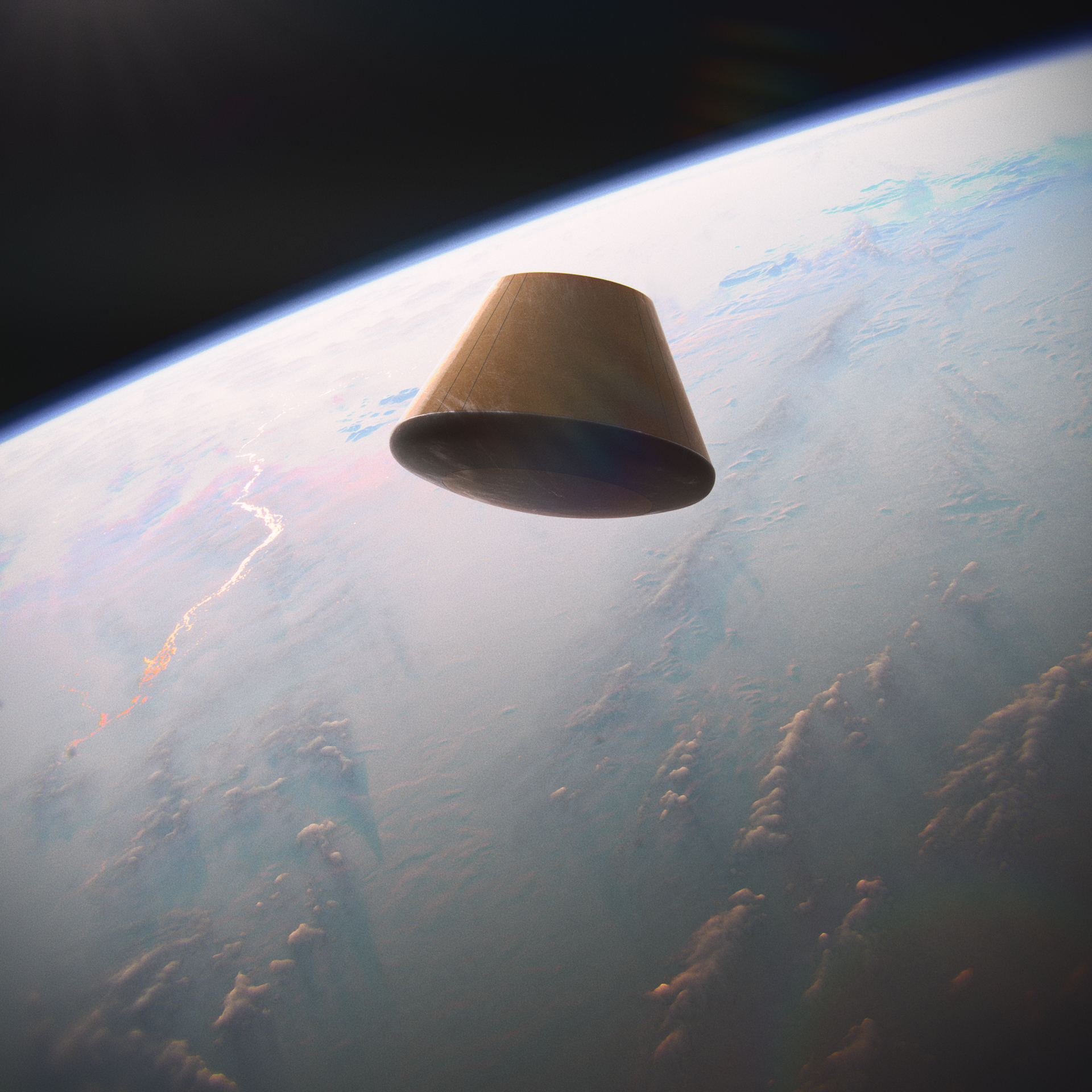
Europe's new Ariane 6 rocket is set to launch with multiple missions, including the Nyx Bikini, a technology demonstrator for atmospheric reentry. Developed by The Exploration Company, Nyx Bikini aims to gather data on reentry and validate cost-effective, rapid spacecraft development. The mission will test innovative solutions, such as using drone avionics and a satellite phone for communication, despite inherent risks. This launch marks a significant step towards European reusable space capsules.
The European Space Agency has announced that the first launch of the Ariane 6 rocket is scheduled for July 9. This launch is crucial for re-establishing Europe's independent access to space, following delays and the retirement of the Ariane 5. The mission will carry multiple payloads, including cubesats and reentry capsules, and marks a significant milestone in European space travel.
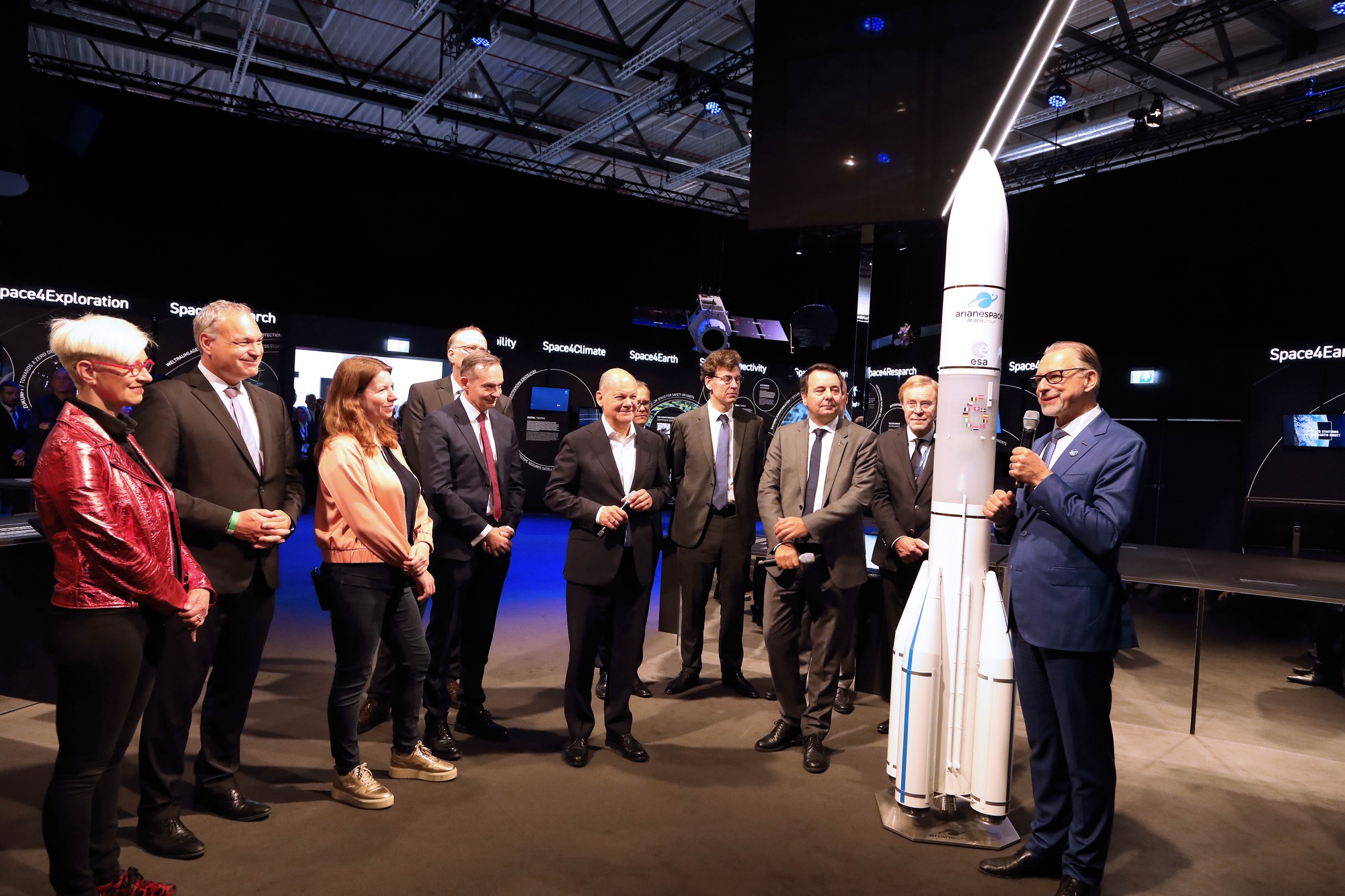
The inaugural launch of Ariane 6, Europe's new heavy lift launch vehicle, is scheduled for 9 July 2024 from Europe’s Spaceport in French Guiana. This milestone was announced by ESA Director General Josef Aschbacher at the ILA Berlin Air Show, alongside key partners from ArianeGroup, CNES, and Arianespace. Ariane 6, which features a reignitable upper stage for versatile mission capabilities, aims to re-establish Europe’s independent access to space and has already secured 30 missions in its order book.