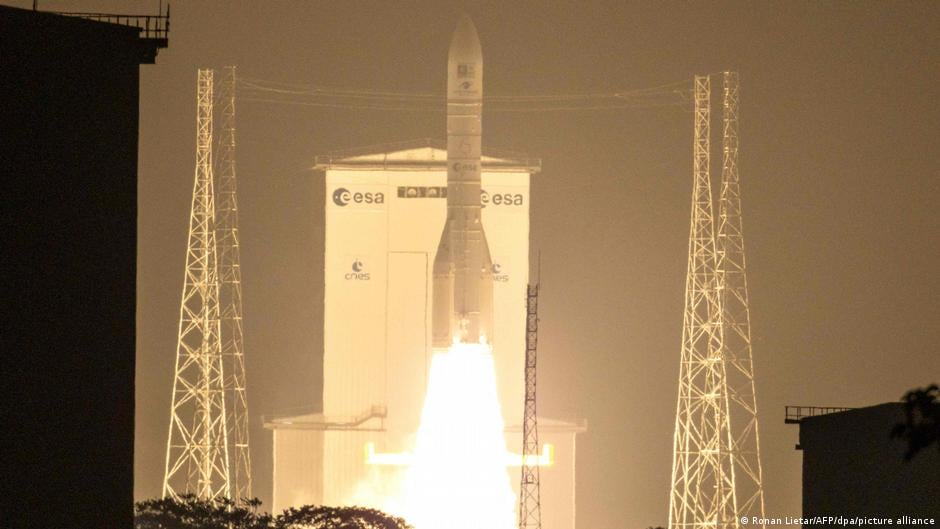
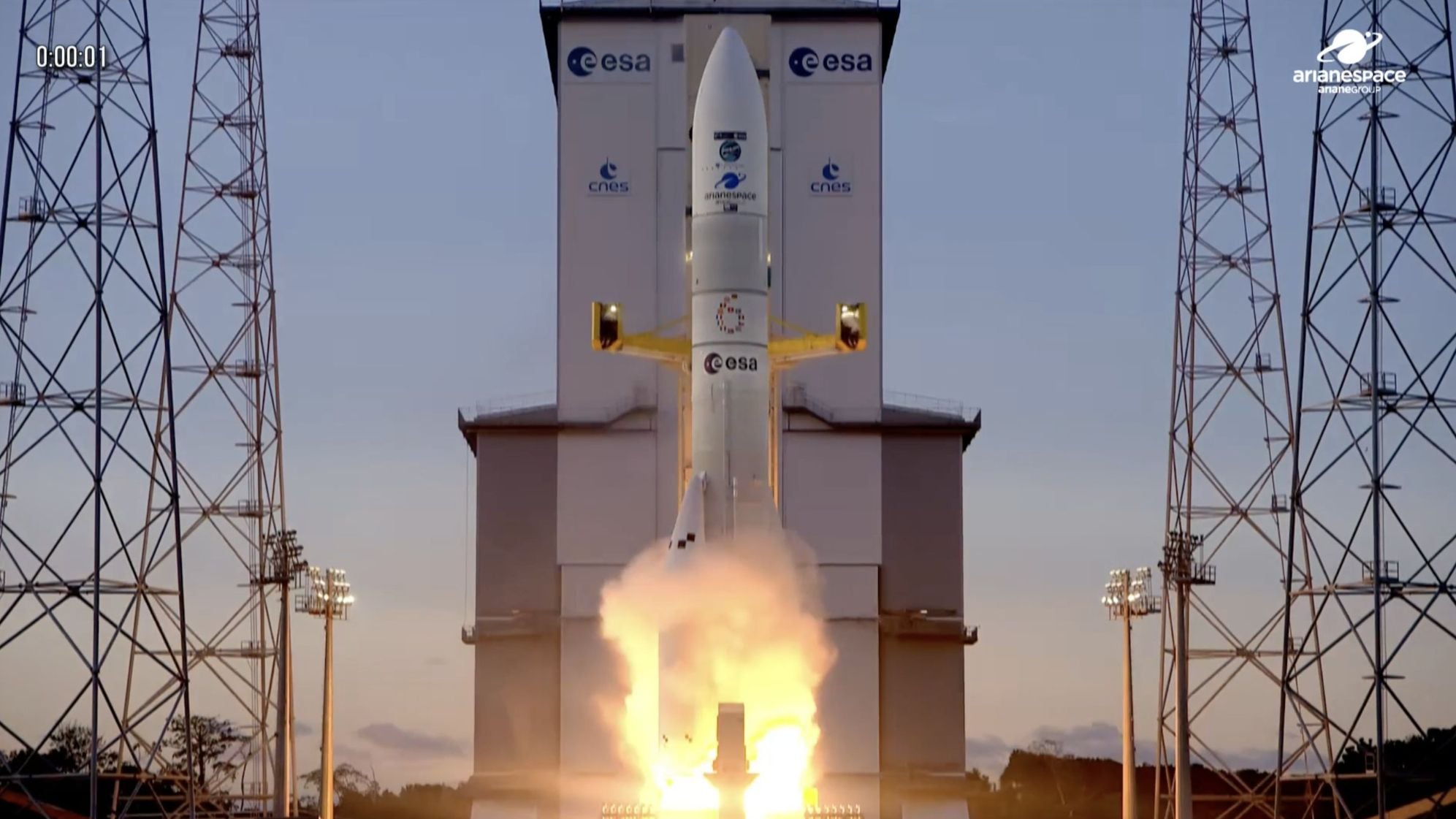
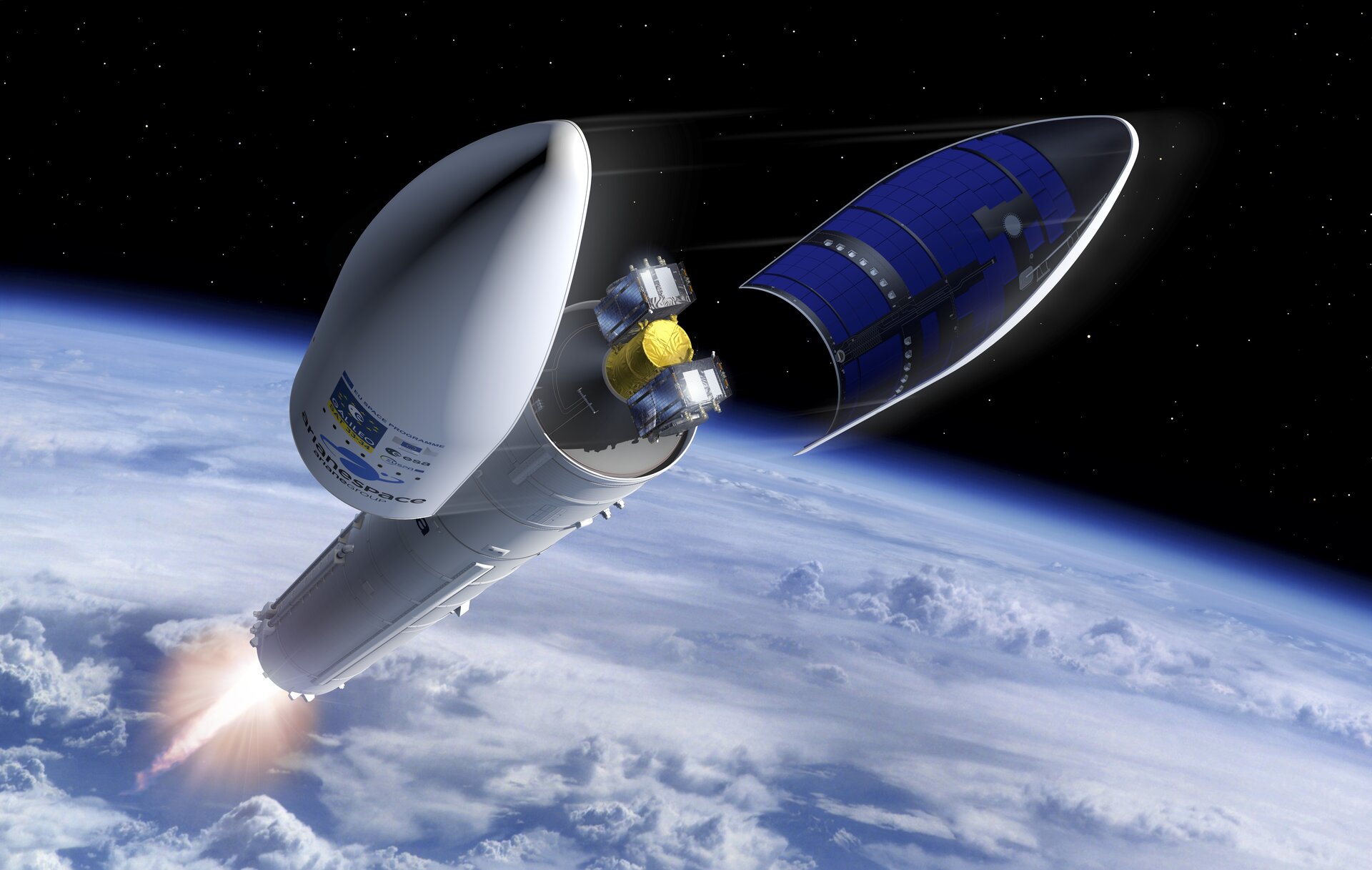
The Ariane 6 rocket successfully launched two EU Galileo satellites from French Guiana, marking a significant step in Europe's space independence by expanding its satellite constellation and reducing reliance on US and Russian launch services.
Europe's Ariane 6 rocket is set to launch its first pair of Galileo navigation satellites, marking a significant milestone for the vehicle's role in Europe's space capabilities, reducing reliance on external launch providers like SpaceX and Russia.
Two Galileo satellites were launched on December 17 from Europe's Spaceport in French Guiana aboard an Ariane 6 rocket, marking the first launch of Galileo on Ariane 6 and the 14th operational satellite launch for the program, which aims to enhance global navigation services.
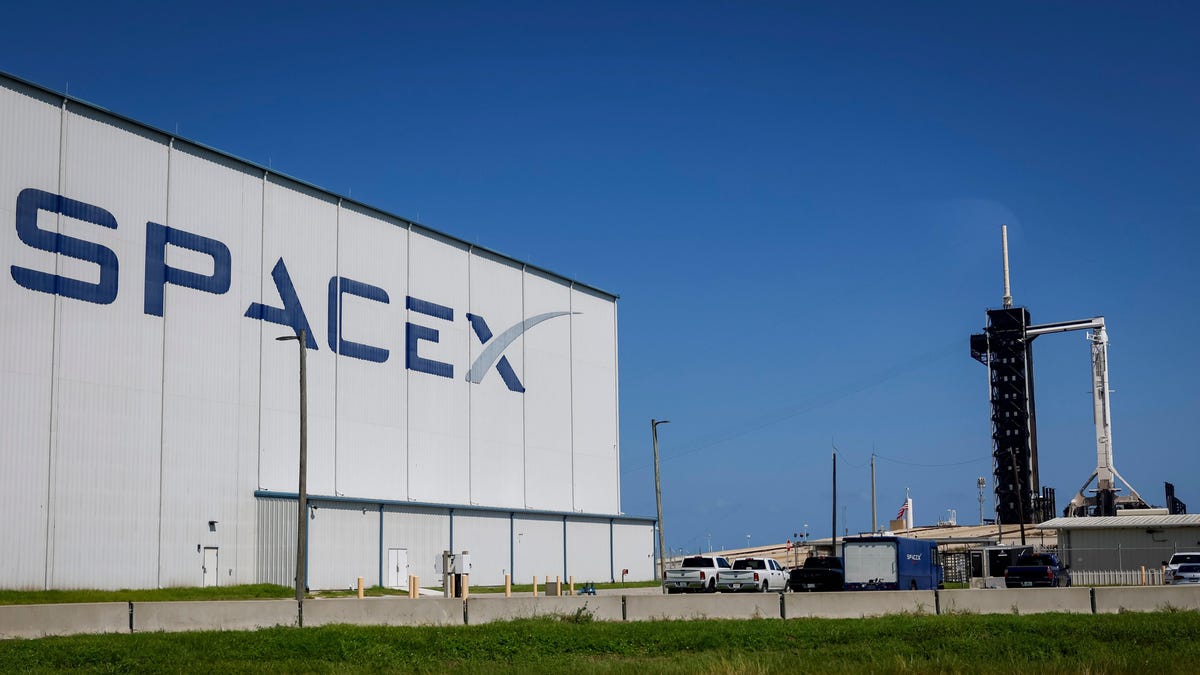
The European Commission has signed a €180 million deal with SpaceX to launch its satellites into orbit due to delays in Europe's own rocket program, Ariane 6. The Commission had originally planned to launch the satellites with Russia's Soyuz rocket system, but the conflict in Ukraine scuttled that option. The launches are tentatively scheduled for April and July, with each one carrying two Galileo geo-navigation satellites. However, before the SpaceX launch dates can be confirmed, the EU needs to negotiate a security deal with the US to ensure access to the satellites and technology in case of failure.
SpaceX has secured a deal with the European Space Agency to launch four Galileo satellites next year, adding to the 28 satellites already in orbit for Europe's global navigation system. The agreement, pending final approval from the European Union, will see the Falcon 9 rockets launch from the United States. The European Commission, while reluctant to rely on a US company for critical infrastructure, has been left with no other options due to the war in Russia and delays in Europe's Ariane rocket program. This marks the first time in 15 years that Galileo satellites will be launched outside of EU territory. Talks are underway to protect the classified equipment on the satellites, used for European military communications.
SpaceX has reportedly reached a deal with the European Space Agency to launch four navigation and communications satellites into orbit, marking the first partnership between the European Union and Elon Musk's company on a satellite containing classified information. The satellites, part of the EU's Galileo system, will be launched from the US using SpaceX's Falcon 9 rocket. This marks the first time in 15 years that Galileo satellites will be sent into orbit from outside the EU. The deal still needs approval from the European Commission and member states.