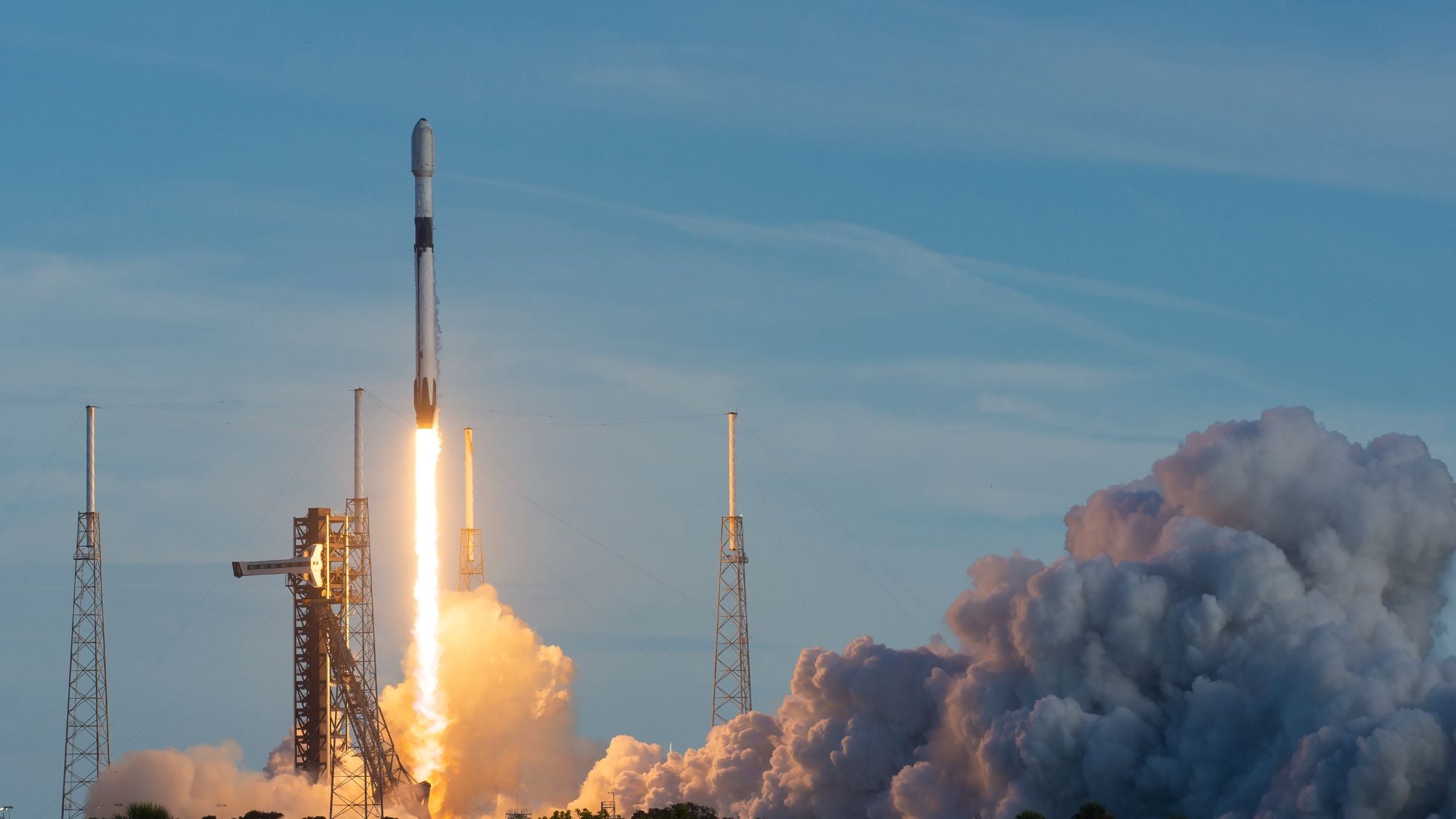
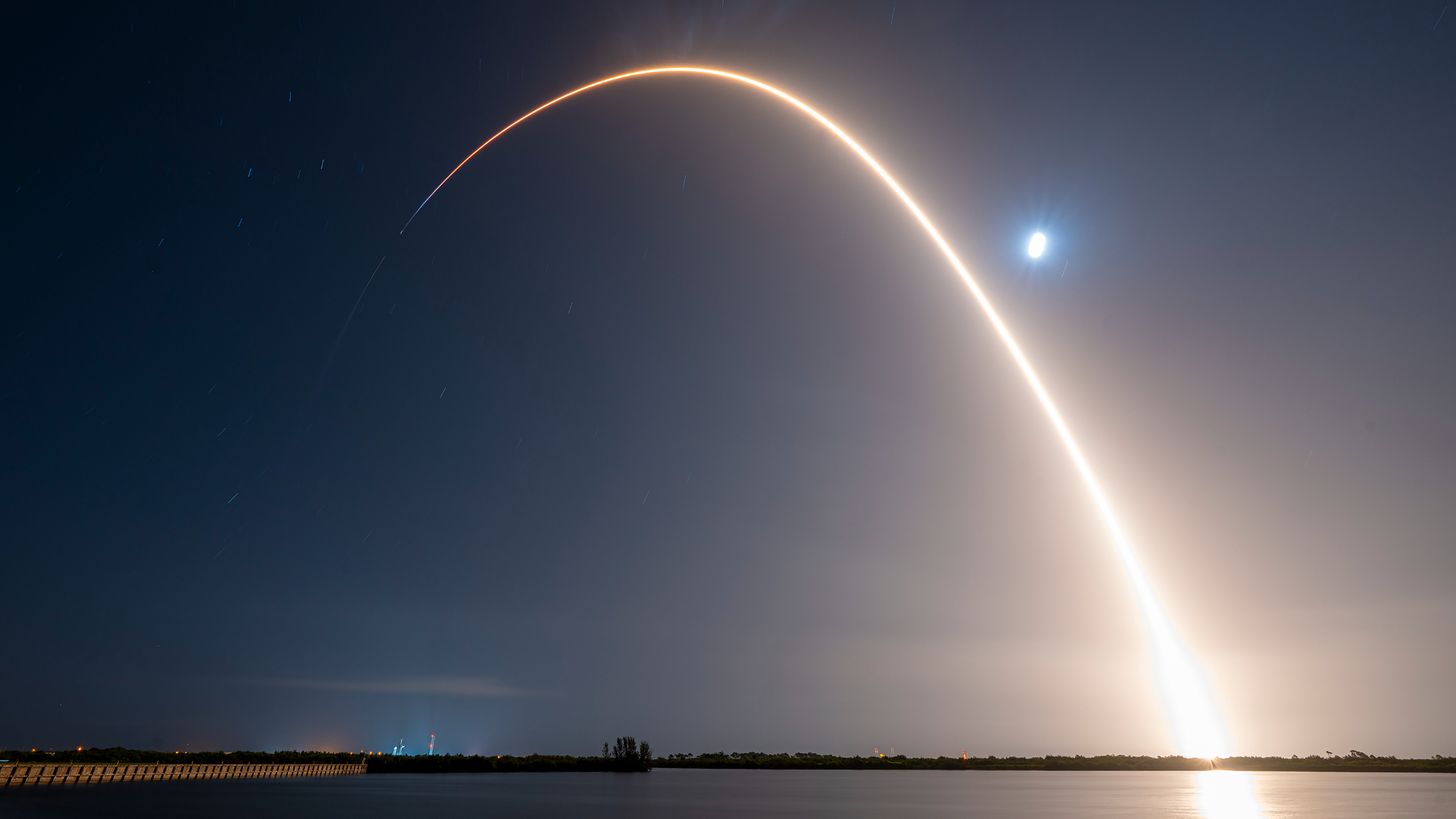
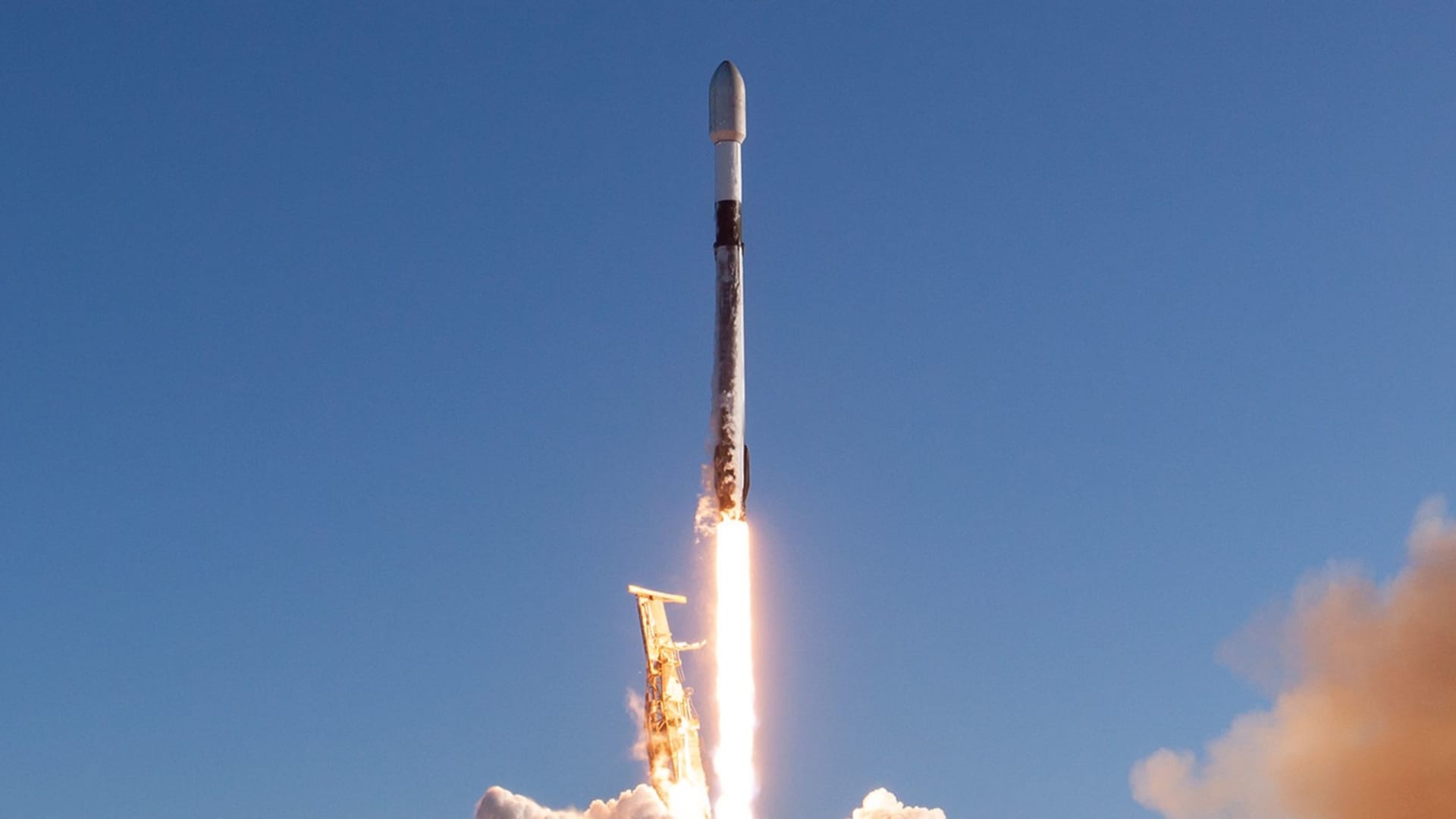
SpaceX is set to launch 24 Amazon Project Kuiper broadband satellites from Florida on October 13, after a delay, as part of its ongoing effort to build a large satellite constellation for global internet coverage, with this being the third launch for Project Kuiper and part of a broader plan involving multiple rockets and companies.
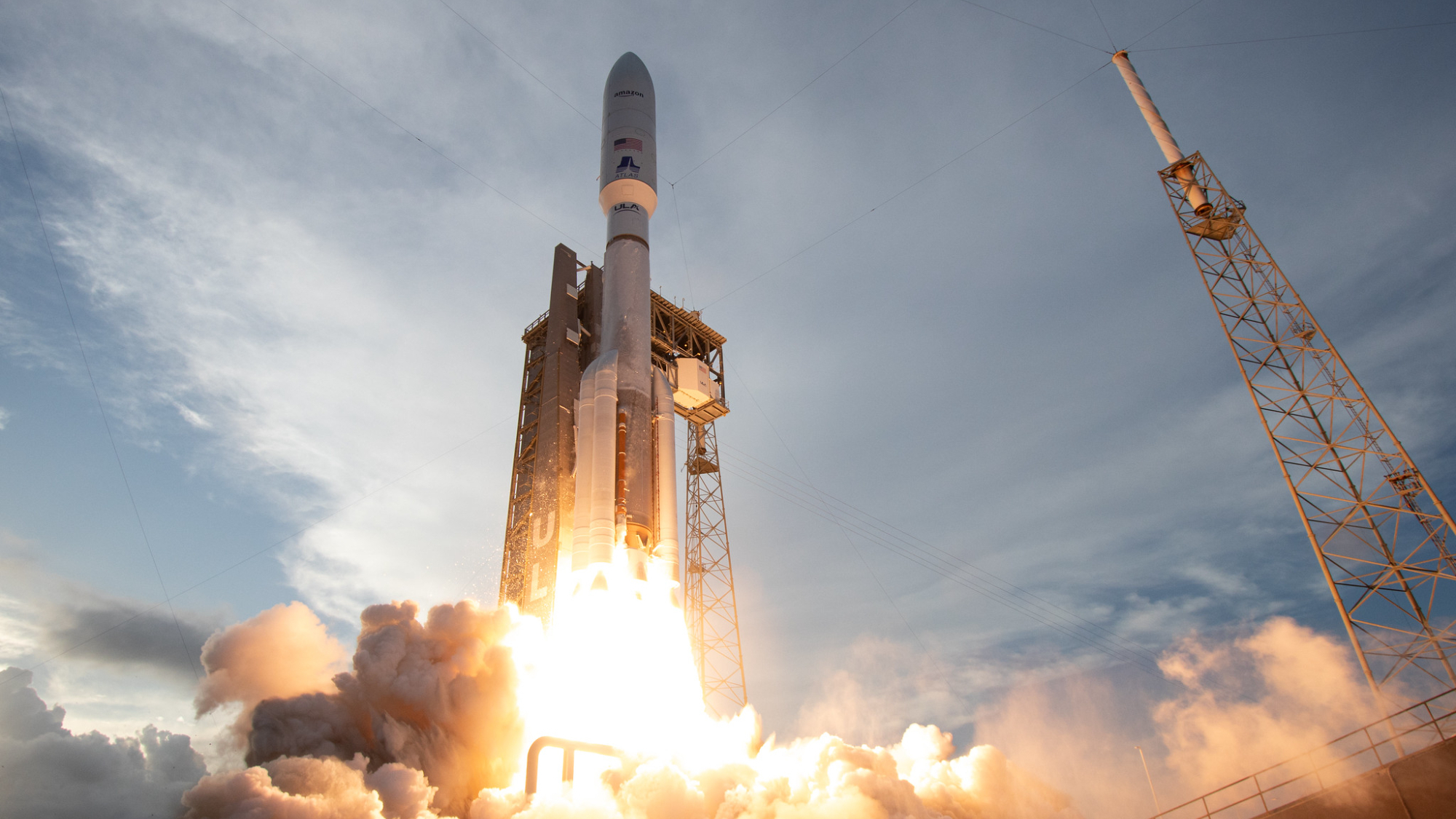
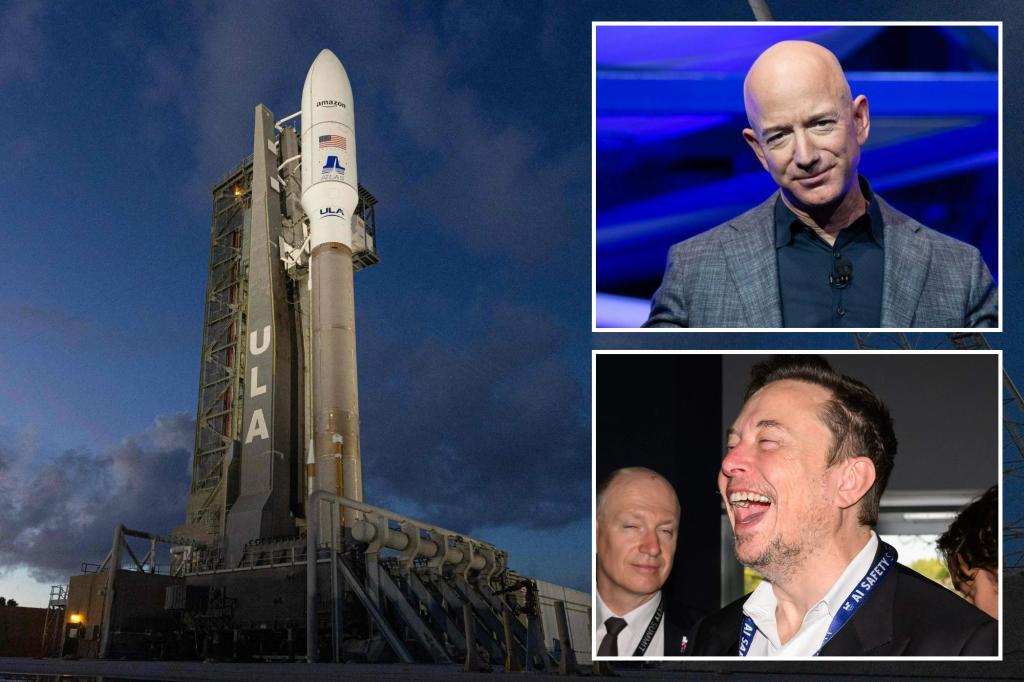
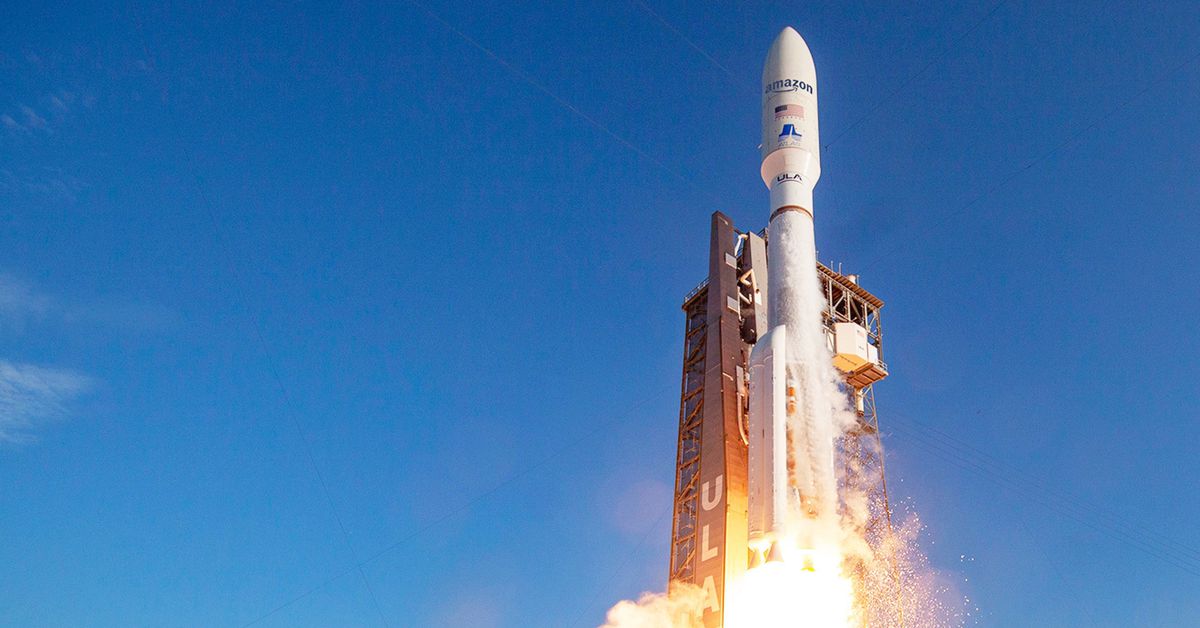
A ULA Atlas V rocket is launching 27 Amazon Project Kuiper broadband satellites from Cape Canaveral, part of a larger plan to deploy around 3,200 satellites for global internet coverage, with live coverage available for viewers.
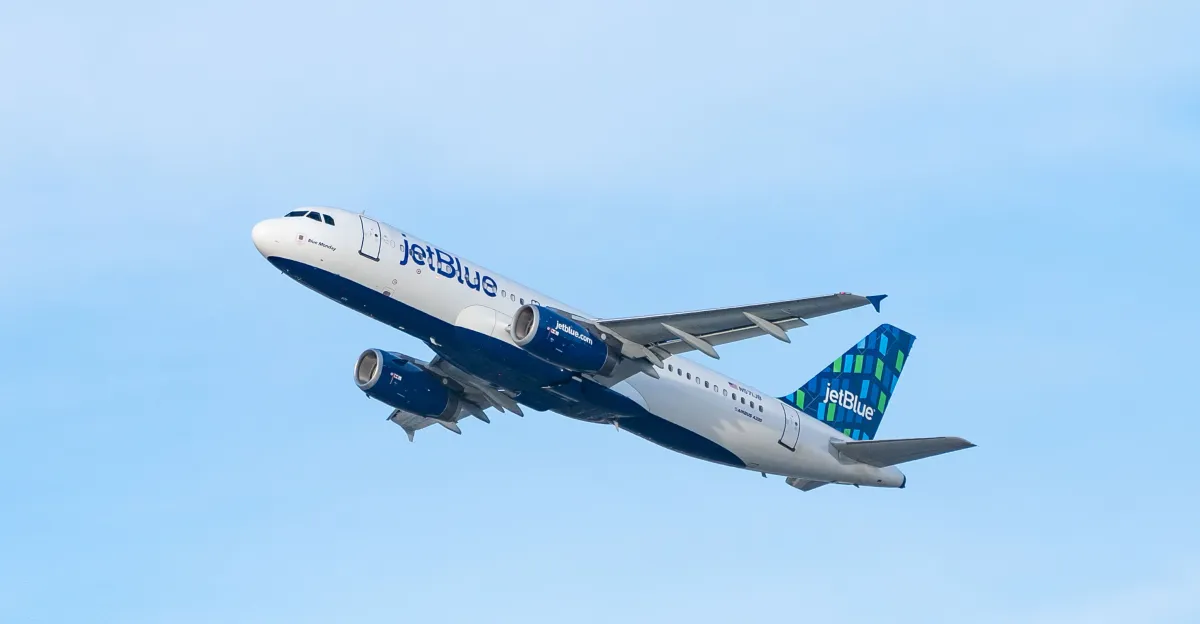
Amazon's Project Kuiper has partnered with JetBlue to provide in-flight Wi-Fi starting in 2027, marking its first airline deal as it competes with SpaceX's Starlink. The service aims to offer lower latency and more reliable internet, with initial availability on select aircraft and plans for broader rollout by 2026. Amazon has launched over 100 satellites and plans to deploy thousands more to expand its satellite internet network.
Amazon has launched over 100 satellites for its Project Kuiper internet service, aiming to deploy more than 3,000 satellites to compete with Starlink, with potential revenue of $7.1 billion by 2032. Despite delays and significant investment, Amazon's stock remains flat, with analysts debating the project's impact on future growth and margins.
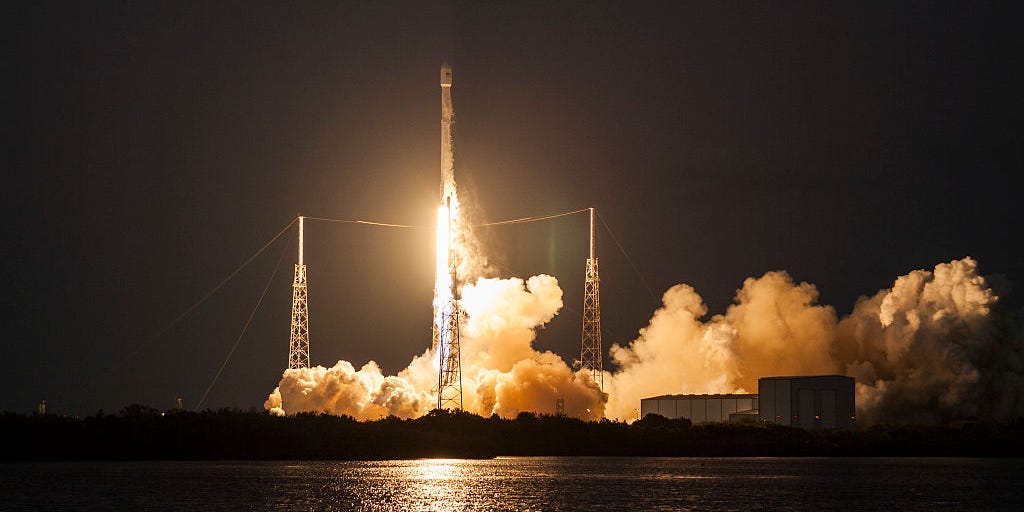
SpaceX is launching its 100th mission of 2025, including a Falcon 9 rocket carrying 24 Amazon Project Kuiper internet satellites from Cape Canaveral, with live streaming available. This launch marks the fourth Kuiper satellite deployment and is part of Amazon's plan to build a constellation of over 3,200 satellites. The mission also features the debut flight of a new Falcon 9 booster, with the first stage expected to land on a drone ship in the Atlantic.
SpaceX is set to launch 24 Amazon Project Kuiper broadband satellites on a Falcon 9 rocket from Cape Canaveral, marking the second of three planned launches for Amazon's satellite constellation, which aims to deploy over 3,200 spacecraft in low Earth orbit. The launch is scheduled for August 7, 2025, with favorable weather conditions forecasted, and will utilize a new Falcon 9 booster, B1091, which will land on the droneship 'A Shortfall of Gravitas' in the Atlantic. This mission is part of Amazon's broader plan to expand its satellite network, with additional launches planned using ULA, Blue Origin, and Arianespace.
Amazon plans to launch its satellite internet project, Project Kuiper, by the end of 2025 to provide connectivity in underserved areas, competing with Elon Musk's Starlink. The project has already launched two satellite sets and could generate significant revenue, but weather conditions pose a risk to satellite launches. Wall Street analysts are optimistic about Amazon's stock, with a strong buy rating and potential upside.
Amazon's satellite venture, Project Kuiper, aims to challenge Elon Musk's Starlink constellation in the race to provide global satellite internet access. The project, which has survived Amazon's cost-cutting drive, plans to sell rooftop antennas to individual users, offer cloud-computing and data-recovery services to businesses, and provide connectivity to wireless companies. Project Kuiper's goal is to connect people in remote areas and boost global commerce. Amazon's satellites, designed to be fewer in number but larger and more powerful than Starlink's, will be manufactured at a dedicated site in Washington. The company has secured partnerships with Verizon, Vodafone, and NTT, and plans to start service tests in the second half of 2023.
Amazon's Project Kuiper internet satellites will include laser links, a speed-boosting technology that connects satellites to each other. The optical inter-satellite links (OISLs) will enable data transmission through space, improving latency and speed. During tests, the Kuiper prototype satellites achieved data transfer rates of 100 Gbps over a distance of nearly 621 miles. Amazon plans to incorporate laser links in the production of its commercial Kuiper satellites, which will form a network of 3,236 satellites in low Earth orbit. The company aims to invest over $10 billion in building Kuiper.
Amazon has enlisted Elon Musk's SpaceX to launch its Project Kuiper satellite network, which aims to provide global broadband internet. The e-commerce giant has booked three Falcon 9 launches from SpaceX, adding to the 83 rocket launches it had already procured from Blue Origin, United Launch Alliance, and Arianespace. This move comes after Amazon was sued by a shareholder for not considering SpaceX as a launch provider. The company plans to deploy enough satellites for "early customer pilots" by the second half of 2024 and is required by US regulators to deploy half of the Kuiper network by 2026.
Amazon has signed a contract with SpaceX for three launches of its Project Kuiper satellites, which will compete against Elon Musk's Starlink broadband internet service. This comes after an investor lawsuit claimed that Amazon excluded SpaceX from its procurement process due to Jeff Bezos' personal rivalry with Musk. Amazon's goal is to put over 3,300 satellites into low Earth orbit, with half of its Kuiper constellation launched by 2026. The SpaceX launches are targeted to begin in mid-2025, and Amazon expects to have enough satellites deployed by the second half of next year to start early customer pilots. Starlink currently has a head start and is expected to represent the majority of SpaceX's revenue next year.
Amazon has signed a contract with SpaceX for three launches of its Project Kuiper satellites, which will compete against Elon Musk's Starlink broadband internet service. This comes after an investor lawsuit claimed that Amazon excluded SpaceX from its procurement process due to Jeff Bezos' personal rivalry with Musk. Amazon's goal is to put over 3,300 satellites into low Earth orbit, and the company expects to have enough satellites deployed by the second half of next year to begin early customer pilots. While Starlink has a head start, the competition between the two companies will help narrow the digital divide and provide internet access to underserved communities.
Amazon has reached a deal with SpaceX to use Falcon 9 rockets for launching its low orbit satellites as part of its Project Kuiper. The agreement includes three launches planned for 2025, although the financial terms were not disclosed. This partnership will enhance Amazon's capacity to deploy its own satellite constellation and compete with SpaceX's Starlink. Amazon has also partnered with Arianespace, United Launch Alliance, and Blue Origin for additional satellite launches.
Amazon has announced that it will use SpaceX's Falcon 9 rocket for three launches starting in 2025 to deploy its Project Kuiper internet satellites into space. Despite being rivals, Amazon's choice of SpaceX as a launch provider is not surprising, as SpaceX's reusable rockets have become increasingly popular for satellite companies and government agencies due to their reliability and cost-effectiveness. While most of Amazon's satellites will still be launched by other companies, this partnership with SpaceX will help Amazon catch up to SpaceX's Starlink satellite network.
Amazon has surprised the industry by purchasing three rocket launches from SpaceX for its Project Kuiper satellite internet project, despite aiming to compete with Elon Musk's Starlink. This move comes after Amazon faced scrutiny for ordering launches from SpaceX's rivals, including Blue Origin. The financial terms of the agreement were not disclosed, but the deal marks a shift in Amazon's strategy as it aims to meet federal regulations requiring the deployment of half of its planned 3,236 satellites by July 2026. Amazon has orders for more than 77 launches from various companies, but delays have led to changes in launch plans. The successful testing of Kuiper prototypes has prompted Amazon to begin manufacturing commercial satellites for launches next year, with an expected investment of over $10 billion.