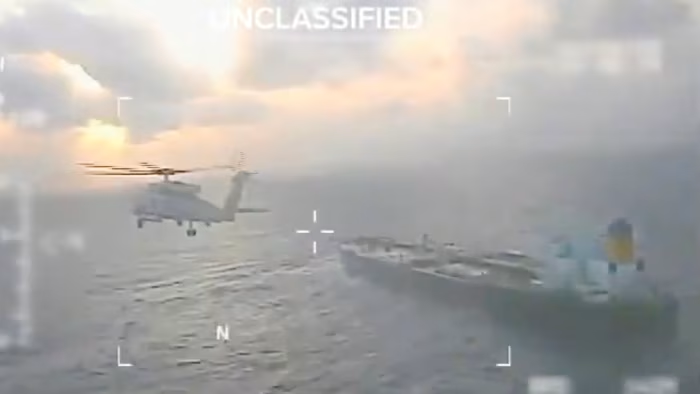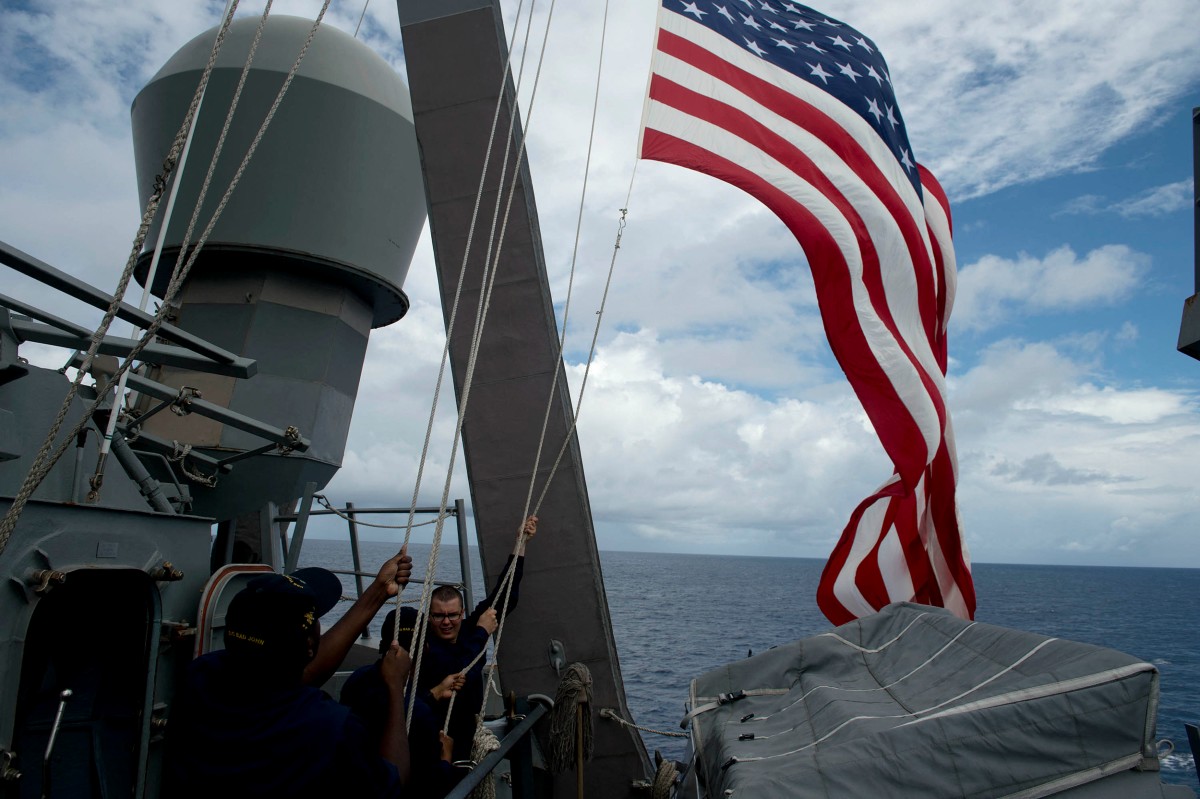
The US has intensified its efforts to blockade Venezuelan oil by attempting to board and seize sanctioned tankers, including Bella 1 and Centuries, as part of a broader strategy to cut off Venezuela's oil exports amid political tensions and potential military action, significantly impacting Venezuela's economy and international relations.
The US has seized a vessel off Venezuela's coast amid increased military activity and ongoing sanctions, leading to a sharp decline in Venezuelan crude exports and potential impacts on global oil prices, with Venezuela's government accusing the US of attempting to overthrow Maduro and control its oil reserves.
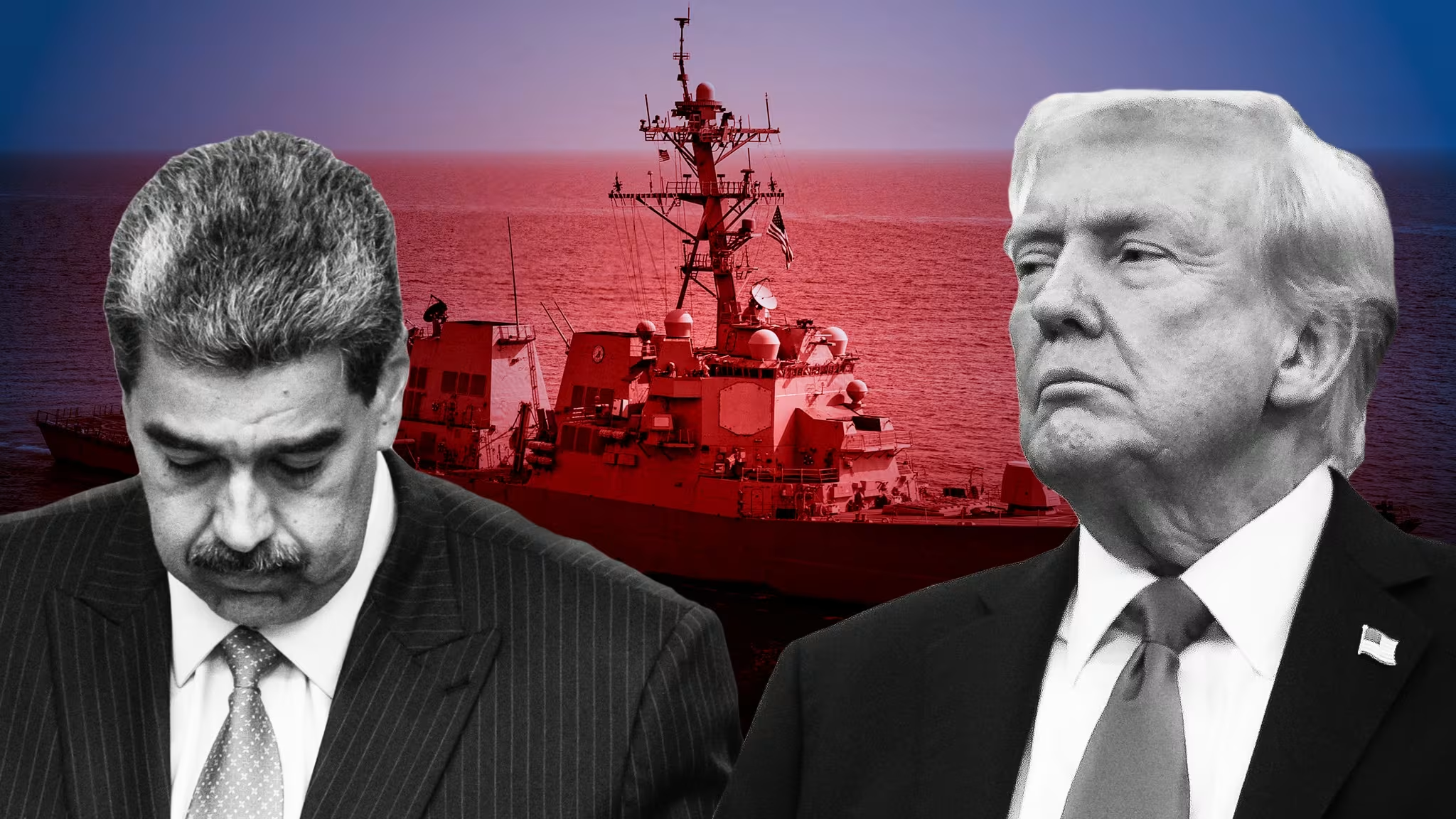
The article reports that Donald Trump is attempting to overthrow Venezuela's leader through a military build-up, highlighting tensions and potential intervention in the region.
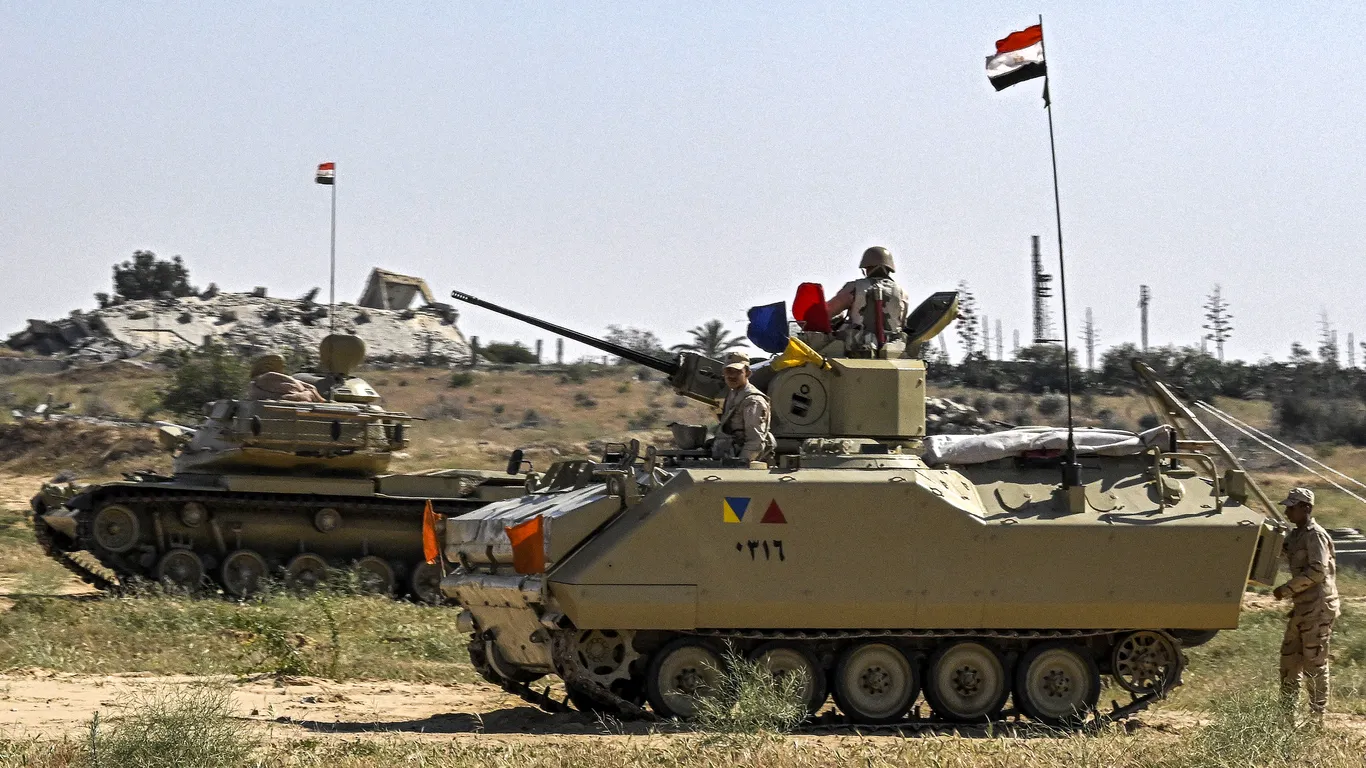
Israeli Prime Minister Netanyahu has requested the U.S. to pressure Egypt to reduce its military activities in Sinai, citing violations of the 1979 peace treaty and concerns over increased tensions amid the Gaza conflict, with Egypt denying the allegations.
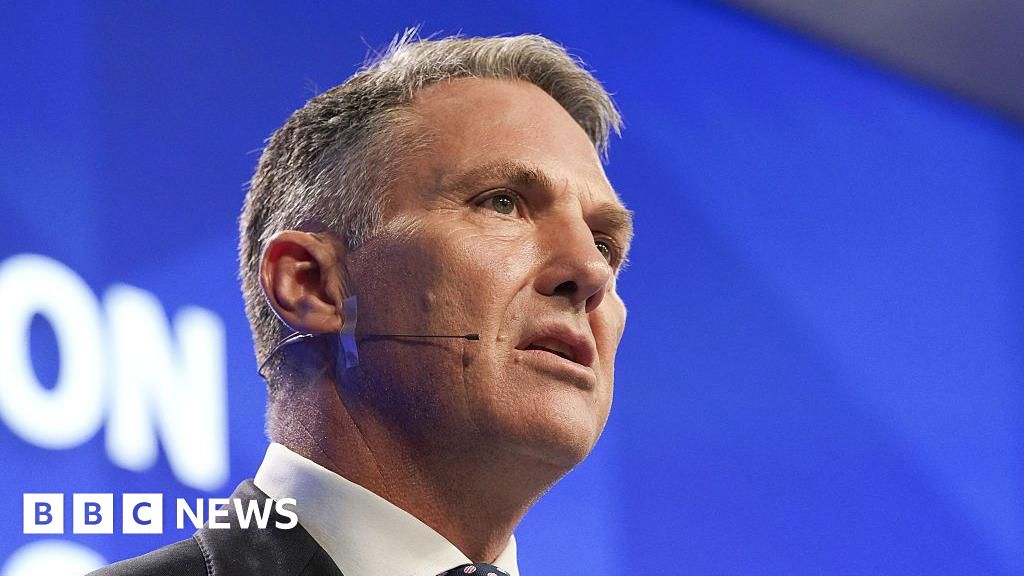
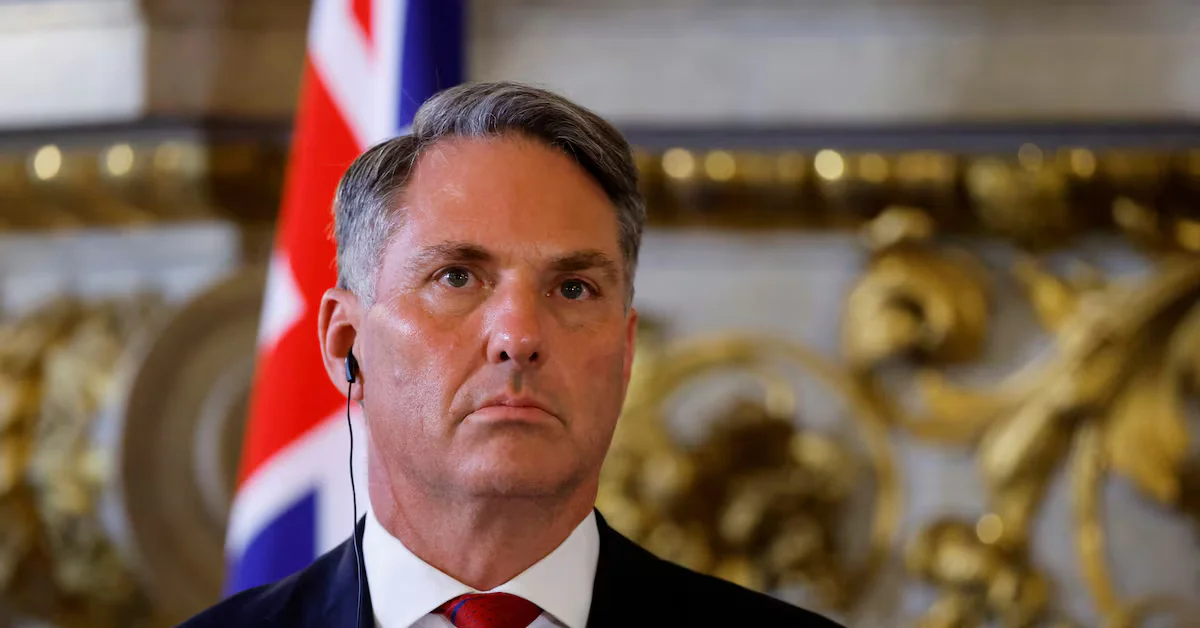
Australia's defence minister called on China to explain its significant military expansion, emphasizing the need for transparency and strategic reassurance, amid regional tensions and China's assertive actions in the South China Sea. The summit highlighted concerns over China's military activities and regional influence, with calls for stronger international cooperation and adherence to international law.
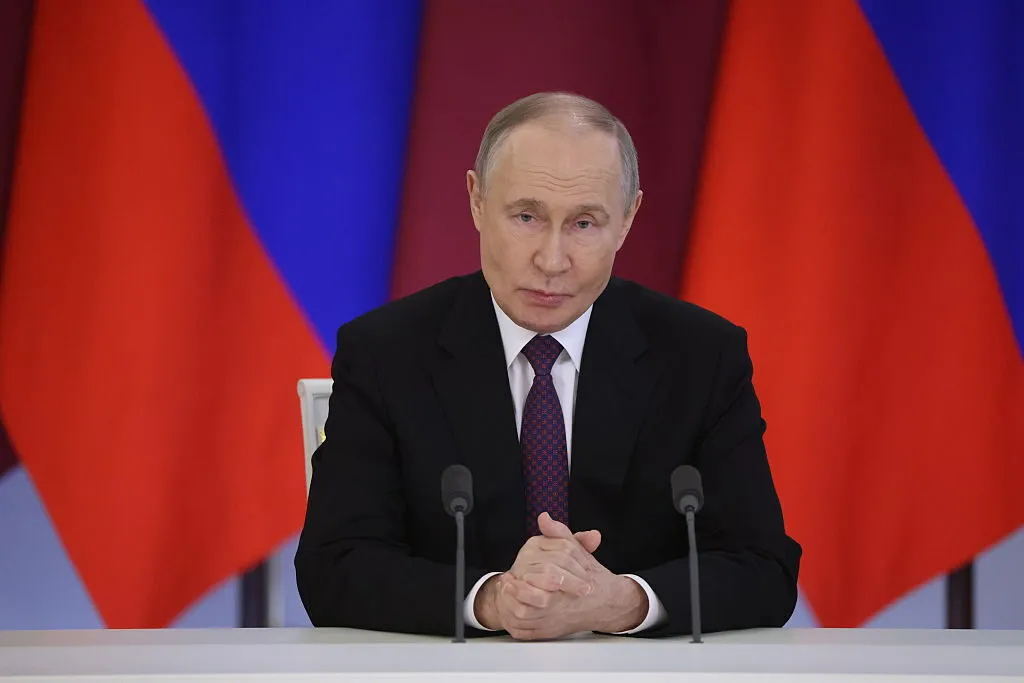
The article argues that despite Russia's military modernization and warnings from neighboring countries, there is no evidence that Putin intends to attack Nato, and Europe is capable of defending itself without significant US support, emphasizing that fears of an imminent Russian invasion are overstated.
Rwanda rejects U.S. calls to withdraw troops and missile systems from eastern Congo, citing defense of Rwandan territory against a "dramatic military build-up" by Congo near the border. The U.S. accuses Rwanda of backing the rebel group M23, while Rwanda points to the threat posed by the FDLR, an armed group integrated into the Congolese army. The situation has raised concerns about the U.S.'s credibility as a mediator in Africa's Great Lakes region.
North Korean leader Kim Jong Un has ordered his military to prepare for war, citing the possibility of conflict "breaking out at any time" on the Korean peninsula. During a year-end meeting, Kim announced plans to enhance military capabilities, including the development of spy satellites, drones, and electronic warfare, while also strengthening nuclear and missile forces. He criticized the United States for military threats and declared that North Korea would no longer seek reconciliation with South Korea, blaming the "uncontrollable crisis situation" on Seoul and Washington's actions. The UN has called for North Korea to halt its nuclear and missile programs, but Pyongyang insists on maintaining its nuclear arsenal for national security.
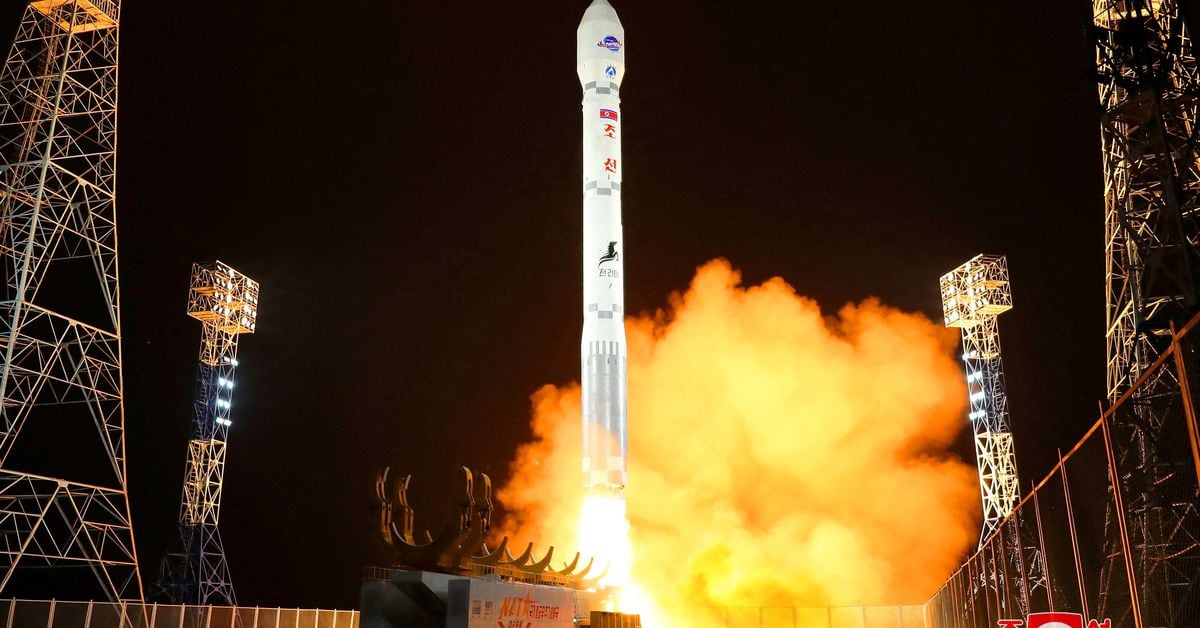
North Korea has vowed to continue exercising its sovereign rights, including satellite launches, while reportedly restoring demolished guard posts on the border with South Korea. The launch of a reconnaissance satellite last week was justified by North Korea's need to monitor the US and its allies. South Korea suspended a key clause in a 2018 military agreement and resumed aerial surveillance near the border in response to the launch. North Korea declared it was no longer bound by the agreement and began deploying weapons on the border. North Korean soldiers have been observed restoring damaged guard posts and setting up heavy weapons in the Demilitarized Zone. The United States has called an unscheduled meeting of the UN Security Council to discuss the satellite launch.
Tensions between China and the Philippines have escalated in the South China Sea, with Chinese ships blocking and colliding with Philippine vessels near the disputed Second Thomas Shoal. The incident has drawn the United States into the region, as it stands with its Philippine allies against China's "dangerous and unlawful actions." China's foreign ministry condemned the US statement, while the US State Department referenced a mutual defense treaty with the Philippines. Experts warn that while tensions may not boil over immediately, the region is inching closer to a potential conflict, as China seeks to push the US out of the area and assert its maritime power.
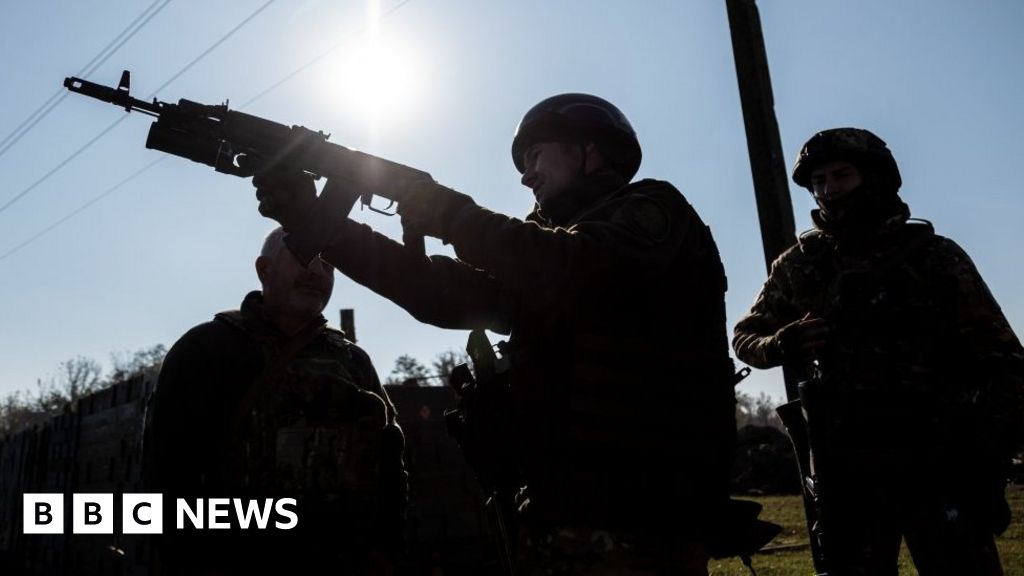
Ukraine's military has reportedly crossed onto the Russian-occupied left bank of the Dnipro River, with the armed forces general staff confirming shelling by Russia in the southern Kherson region. Ukrainian troops have advanced up to 4km east of the river, aiming to sever Russia's land corridor to the Crimean peninsula and complicate the Kremlin's supply lines. The counteroffensive has been slow, but the latest advance suggests an attempt to expand their control in anticipation of a larger offensive. Russia claims Ukraine's operation is failing, while casualties and shelling continue in the region.
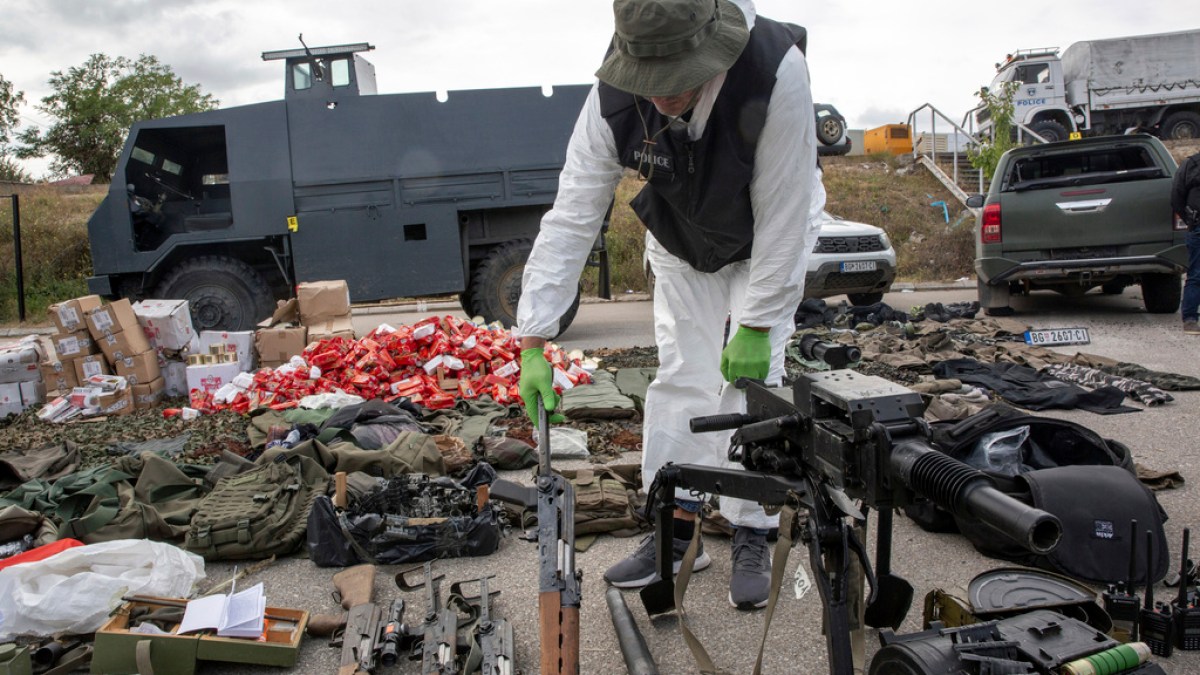
The United States has expressed concern over Serbia's deployment of tanks and artillery near the border with Kosovo, following deadly clashes between Kosovar police and Serb gunmen. The White House has called on Serbia to withdraw its forces, describing the military build-up as "destabilizing." US Secretary of State Antony Blinken has urged immediate de-escalation and a return to dialogue. NATO is prepared to increase the presence of its peacekeeping force in Kosovo, while tensions between Kosovo's ethnic Albanian majority and Serb minority have escalated in recent months.
Australia has finalized a deal to purchase over 200 Tomahawk cruise missiles from the United States for A$1.3 billion ($833 million) to enhance its long-range strike capabilities. This acquisition makes Australia one of only three nations, alongside the US and Britain, to possess Tomahawk missiles. The missiles, with a range of 1,500 km (932 miles), will be deployed on the Royal Australian Navy's Hobart-class destroyers. This move is part of Australia's broader defense shake-up as it seeks to upgrade its military forces in response to China's significant military build-up. In addition to the Tomahawks, Australia will also purchase advanced anti-radiation guided missiles and long-range anti-tank guided missiles.
Russia has shot down two combat drones heading towards Moscow, marking the third time this week that authorities have intercepted drones targeting the capital. Meanwhile, the death toll in Pokrovsk has risen to nine, with 82 reported injuries, following a double missile attack launched by Russia on Monday. Ukraine has reopened a border crossing with Russia to allow Ukrainian refugees to return home. Russia plans to increase its military presence along its western borders, closer to NATO members such as Finland and Poland. Poland has sent 2,000 troops to its border with Belarus amid fears over the presence of Russian Wagner mercenaries. An explosion at an optical-mechanical factory near Moscow injured at least 50 people, with unverified reports suggesting a Ukrainian drone attack may have caused the blast. The Ukrainian military has repelled Russian attacks in eastern regions amid heavy fighting. Rheinmetall, a German arms maker, is reportedly preparing to export battle tanks to Ukraine. The death toll in Pokrovsk has risen to nine, with President Zelenskyy accusing Moscow of deliberately targeting rescue workers. Russian air defenses have shot down two combat drones moving towards Moscow, following multiple drone attacks on the capital in recent weeks.
As Japan prepares to host the G7 summit, Taiwan's security has become a growing concern for the country amid tensions between China and Taiwan. Japan's role as a key player in building regional stability has grown, and it has announced the biggest military build-up since World War Two, pledging to double defence spending by 2027. Japan is close enough to feel the ripples of a conflict that it does not want, but could be pulled into.