Tag

Military Budget

All articles tagged with #military budget

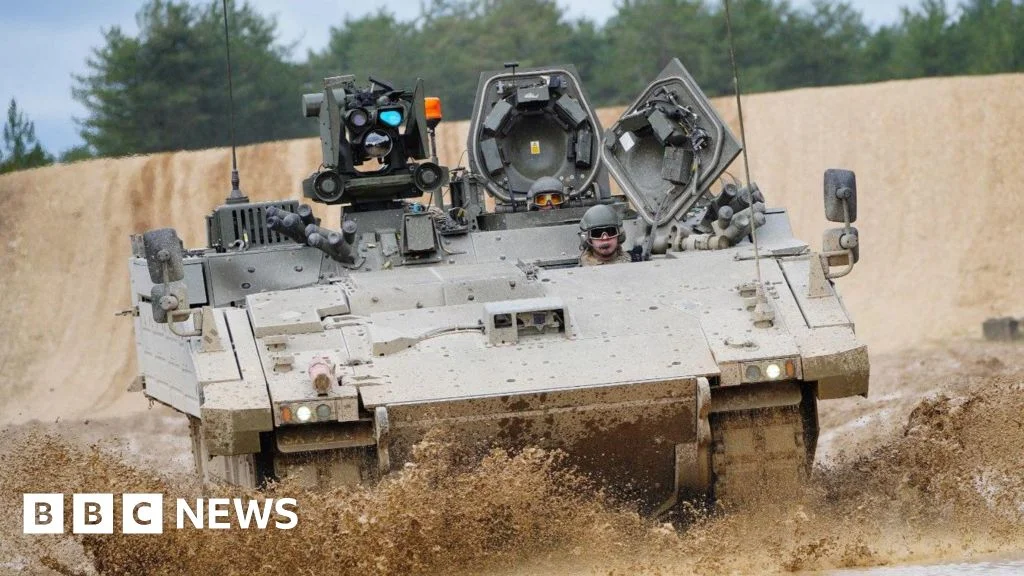
UK faces £28bn defence funding shortfall amid security concerns

Originally Published 2 days ago — by BBC

Featured image for UK faces £28bn defence funding shortfall amid security concerns
Source: BBC

The UK government faces a potential £28bn shortfall in defence spending over the next four years to meet its 'war-ready' military goals, with delays in the MoD's investment plan and previous forecasts indicating significant budget overruns, amid ongoing debates over increased military funding and readiness.

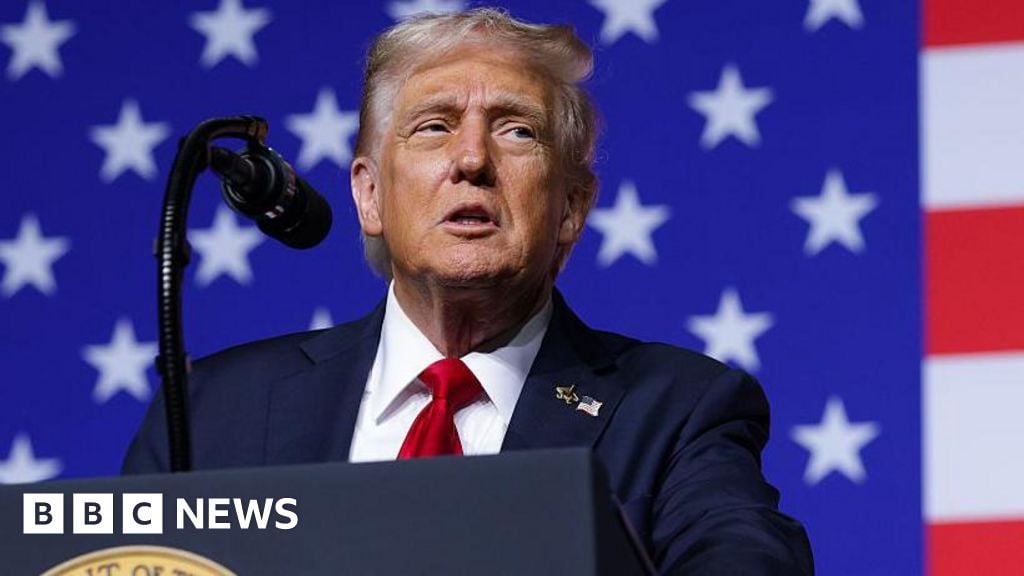
Trump proposes $1.5 trillion defense budget increase amid debt concerns

Originally Published 4 days ago — by BBC

Featured image for Trump proposes $1.5 trillion defense budget increase amid debt concerns
Source: BBC

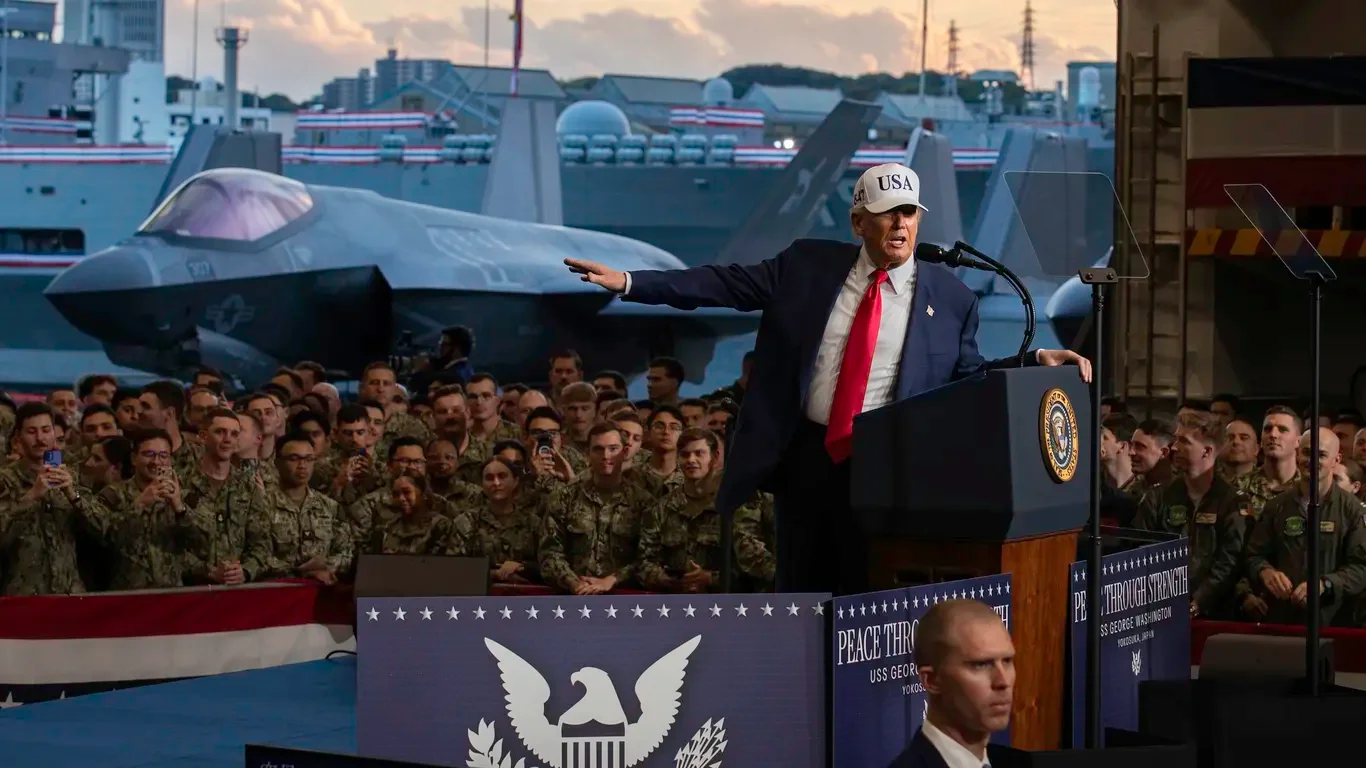
President Donald Trump has proposed increasing US defense spending to $1.5 trillion by 2027, over 50% more than the current budget, citing the need for a stronger military amid rising global tensions. He criticized defense contractors for slow production and high executive pay, threatening to cut business with companies like Raytheon if they do not accelerate manufacturing. The proposal is part of broader efforts to bolster US military capabilities in a tense geopolitical climate.

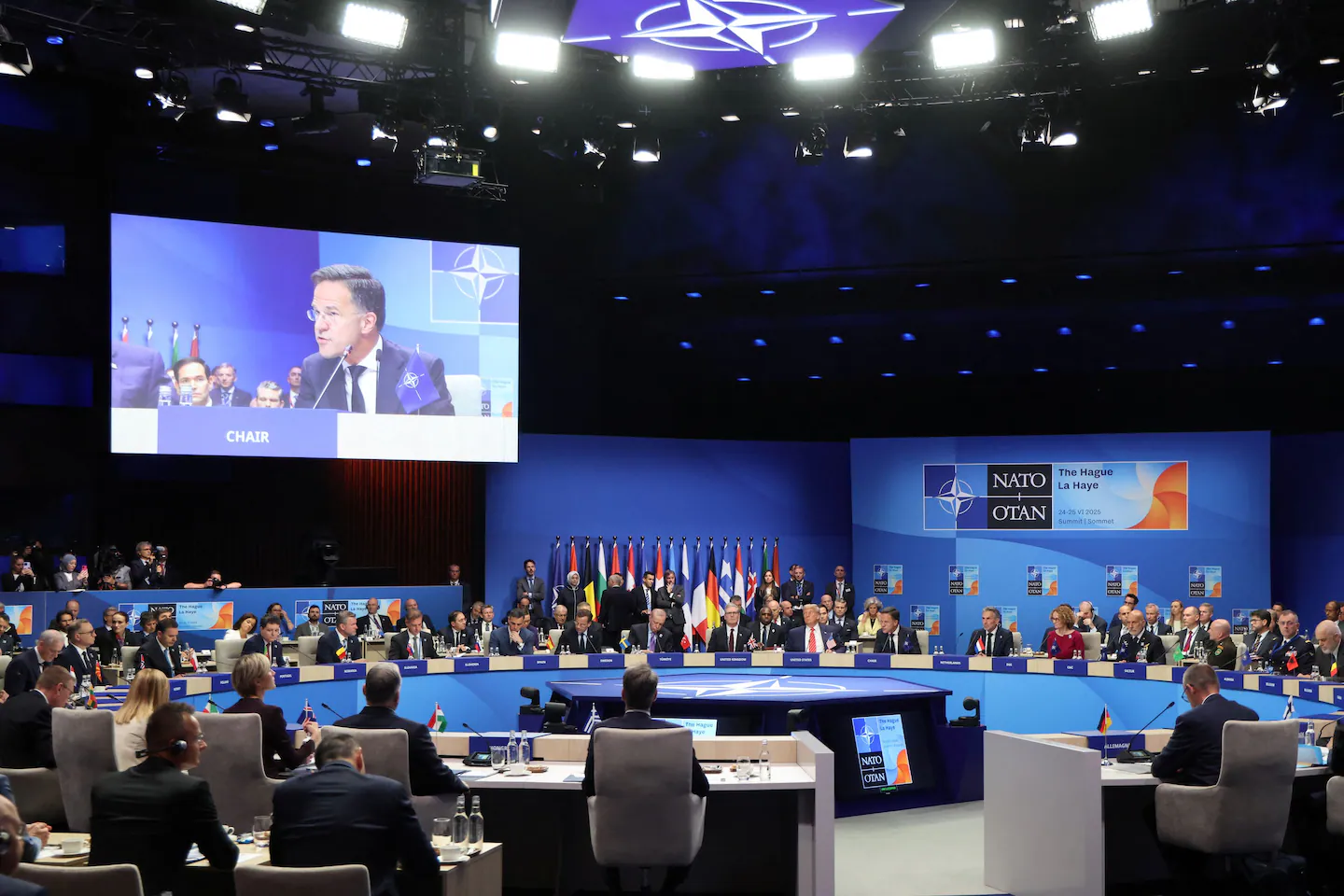
NATO Allies Face Spending Targets and Summit Tensions

Originally Published 6 months ago — by BBC

Featured image for NATO Allies Face Spending Targets and Summit Tensions
Source: BBC

Nearly a third of NATO members have not met the current 2% GDP defence spending target, with some countries like Spain planning to increase their spending soon, while others argue for smarter procurement over higher budgets. The new target of 5% is controversial and not legally binding, but political pressure, especially from the US and Trump, is encouraging increased spending across the alliance.

NATO Allies Diverge on 5% Defense Spending Goal

Originally Published 6 months ago — by Reuters

Featured image for NATO Allies Diverge on 5% Defense Spending Goal
Source: Reuters

NATO countries have agreed on a statement to aim for 5% of GDP to be spent on defence and security by 2035, overcoming Spain's initial objections, with the final approval pending leader endorsement at the upcoming Hague summit. The target involves increasing current spending from 2% to 3.5%, plus an additional 1.5% on related areas, with a review scheduled for 2029.

"Pentagon's $850B Budget Request Sparks Defense Spending Chaos"

Originally Published 1 year ago — by Breaking Defense

Featured image for "Pentagon's $850B Budget Request Sparks Defense Spending Chaos"
Source: Breaking Defense

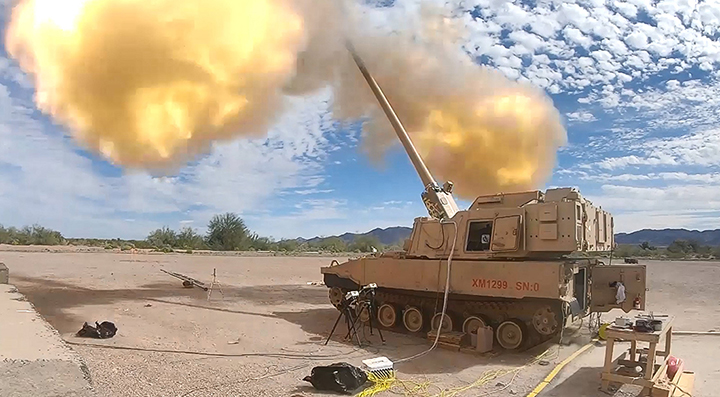
The US Army has requested a $185.9 billion budget for fiscal year 2025, aiming to maintain modernization efforts while making tough trade-offs, including canceling the Extended Range Cannon Artillery program due to technical challenges. The budget also reallocates funds within the aviation portfolio, with plans to reinvest in areas such as soldier housing and unmanned aerial reconnaissance systems. Additionally, the Army seeks to ramp up munitions production and restart testing on the Long-Range Hypersonic Weapon program, while also considering the procurement of Microsoft's Integrated Visual Augmentation System for close combat formations.

"China's Ambitious Economic Transformation: Key Takeaways and Policy Tools for 2024 Growth"

Originally Published 1 year ago — by The Associated Press

Featured image for "China's Ambitious Economic Transformation: Key Takeaways and Policy Tools for 2024 Growth"
Source: The Associated Press

China's Premier Li Keqiang announced modest economic growth goals of 5% for 2024, signaling a stable approach to the economy amidst a slowdown and real estate crisis. The report also featured tougher language on Taiwan, dropping the word "peace" and emphasizing opposition to Taiwan independence. Additionally, a 7.2% increase in the military budget was announced, while plans to reform the hukou system to benefit migrant workers were mentioned. Despite challenges, Li expressed confidence in China's ability to overcome obstacles and ensure promising future development.

"Ukraine's Drones Sink Russian Warship, Signaling New Naval Power Shift"

Originally Published 1 year ago — by PBS NewsHour

Featured image for "Ukraine's Drones Sink Russian Warship, Signaling New Naval Power Shift"
Source: PBS NewsHour

Ukraine claims to have sunk another Russian warship, while China's military budget has more than doubled in the last decade. In the U.S., Liberty University faces a $14 million federal fine, Dartmouth's men's basketball team votes to form the first labor union for college athletes, and the Biden administration proposes a new ceiling for credit card late fees. On Wall Street, weak economic data and a slide in big tech stocks drive the market downward.

"France's $5.5 Billion Deal: 42 Rafale Jets Ordered"

Originally Published 2 years ago — by Defense News

Featured image for "France's $5.5 Billion Deal: 42 Rafale Jets Ordered"
Source: Defense News

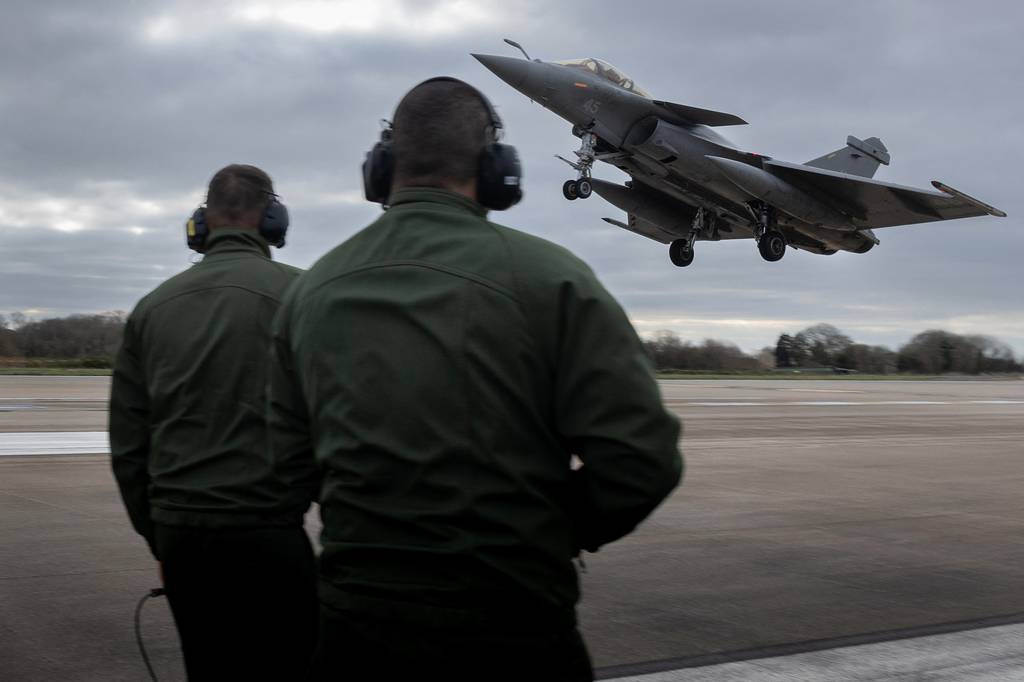
France has purchased 42 Rafale fighter jets from Dassault Aviation for over $5.5 billion, with the new aircraft to be fitted to the F4 production standard and featuring modernized operational capabilities. The purchase comes amid concerns about the Future Combat Air System, a successor to the Rafale, which isn't expected to enter service before 2045 or 2050. The deal, the first major expenditure under France’s 2024-2030 military budget law, will support over 7,000 jobs across more than 400 companies.

Bipartisan War Support and the U.S. Debt Crisis: Lessons from the Civil War.

Originally Published 2 years ago — by Democracy Now!

Featured image for Bipartisan War Support and the U.S. Debt Crisis: Lessons from the Civil War.
Source: Democracy Now!

Economist Jeffrey Sachs argues that the US debt crisis is largely fueled by nonstop wars since the start of the century, including Afghanistan, Iraq, Syria, Libya, Yemen, and Ukraine, which have cost over $8 trillion. Sachs criticizes both parties for not addressing the elephant in the room, which is the massive US military budget, and instead proposing cuts to government programs for the poorest people. He also highlights the bipartisan support for wars of choice and lies, driven by the military-industrial complex and neoconservatives, and warns of the risks of a potential war with China. Sachs calls for negotiations to stop the Ukraine war and reduce the military budget to save lives, the world, and the budget.

France boosts military spending with focus on drones, space, and reservists.

Originally Published 2 years ago — by Euronews

Featured image for France boosts military spending with focus on drones, space, and reservists.
Source: Euronews

France is set to invest €413 billion in its military over the next seven years, with a focus on drones and space technology to deal with "operational emergencies". The increased spending is justified by the "very rapid deterioration of the geopolitical context" and technological advancements. However, some programmes, such as the Scorpion programme to renew the army's armoured component, will bear the brunt of budget and procurement decisions, with some equipment not arriving in as large a number as expected by 2030.

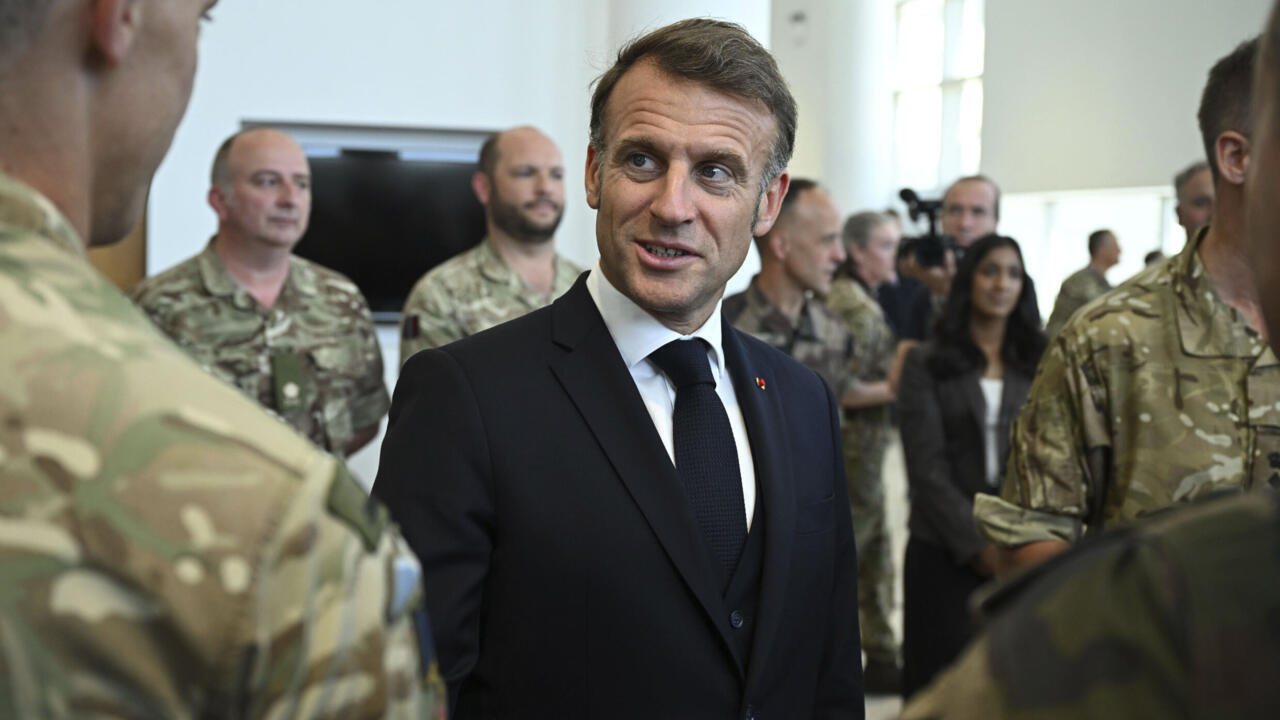
Macron proposes $438B military budget to French parliament.

Originally Published 2 years ago — by Defense News

Featured image for Macron proposes $438B military budget to French parliament.
Source: Defense News

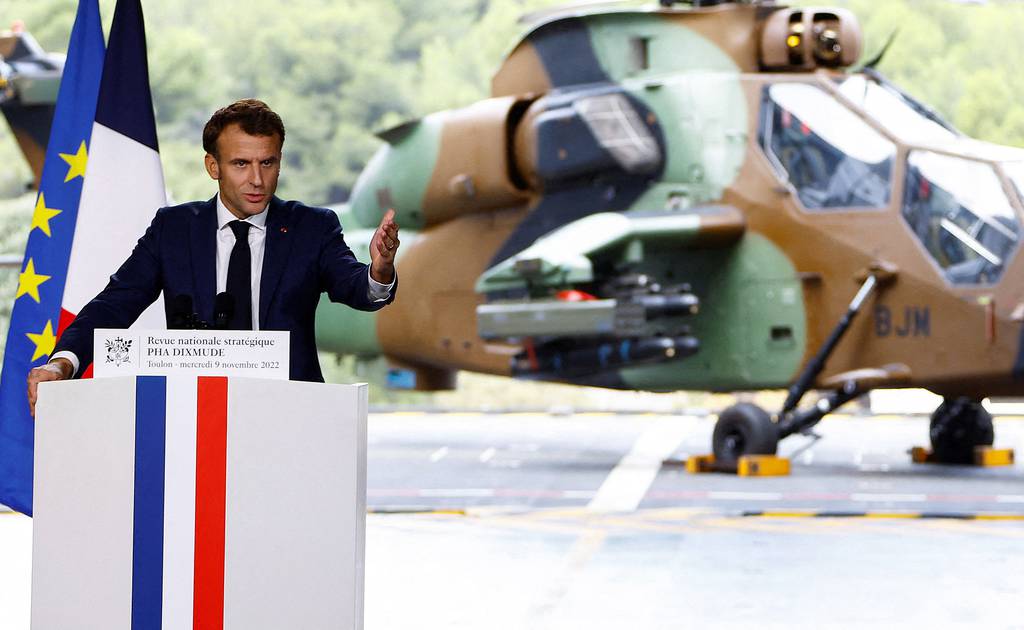
French President Emmanuel Macron has sent a $438 billion military budget plan to the country's parliament, which will support new capability efforts and ongoing programs through the end of the decade. The investments are intended to target several areas of focus, including a need for additional munitions and weaponry in the wake of Russia's attack on Ukraine and a return to high-intensity conflict on the European continent. The plan includes the development of the nation's next-generation aircraft carrier, new frigates, and fighter jets, as well as modernizing its land forces and investing in space surveillance and undersea warfare.

"Space Force and NASA Budget Updates: Quick Launches and Economic Benefits"

Originally Published 2 years ago — by Gizmodo

Featured image for "Space Force and NASA Budget Updates: Quick Launches and Economic Benefits"
Source: Gizmodo

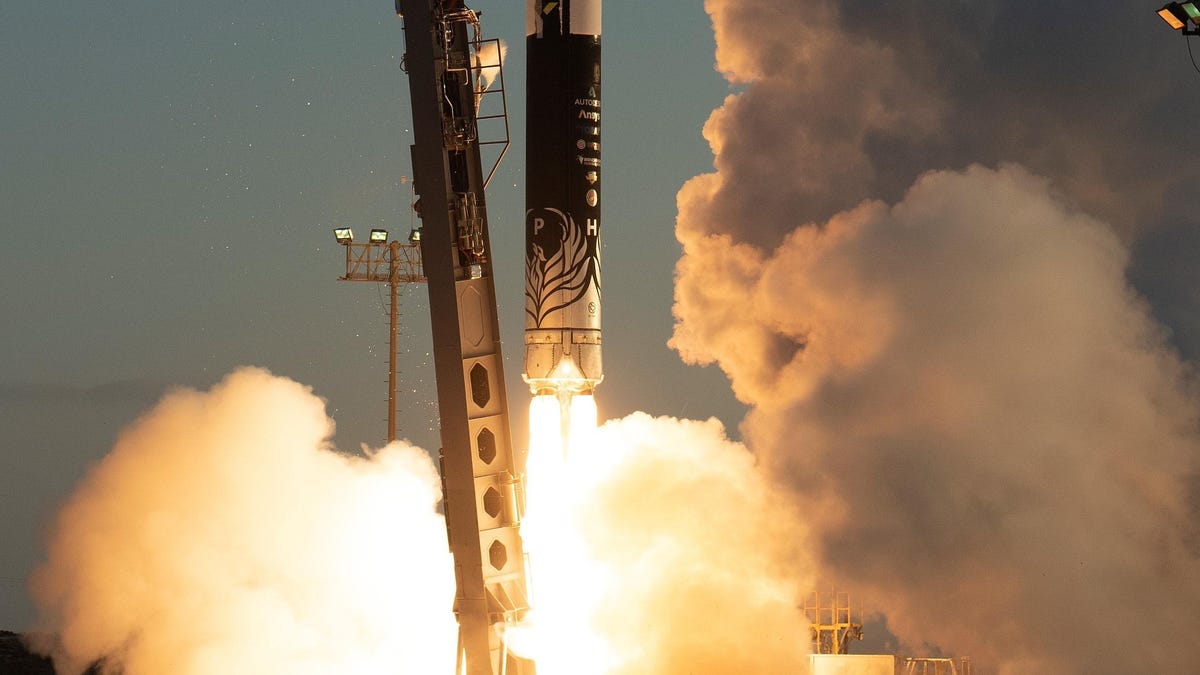
The US Space Force has requested $60 million over the next two years for tactically responsive space, which would allow partners to launch satellites within 24 hours. The initiative aims to quickly replace lost satellites, including those shot down by enemy forces during war time. The Pentagon first expressed a desire for tactically responsive space in 2019, and Space Force demonstrated it in 2021. An upcoming mission called Victus Nox aims to demonstrate it again, and launch services company Firefly Aerospace and satellite manufacturer Millennium Space Systems have been awarded a contract for it.