Tag

Infrared

All articles tagged with #infrared

Andromeda Star Quietly Forms a Black Hole Without a Supernova
science14 days ago

Andromeda Star Quietly Forms a Black Hole Without a Supernova

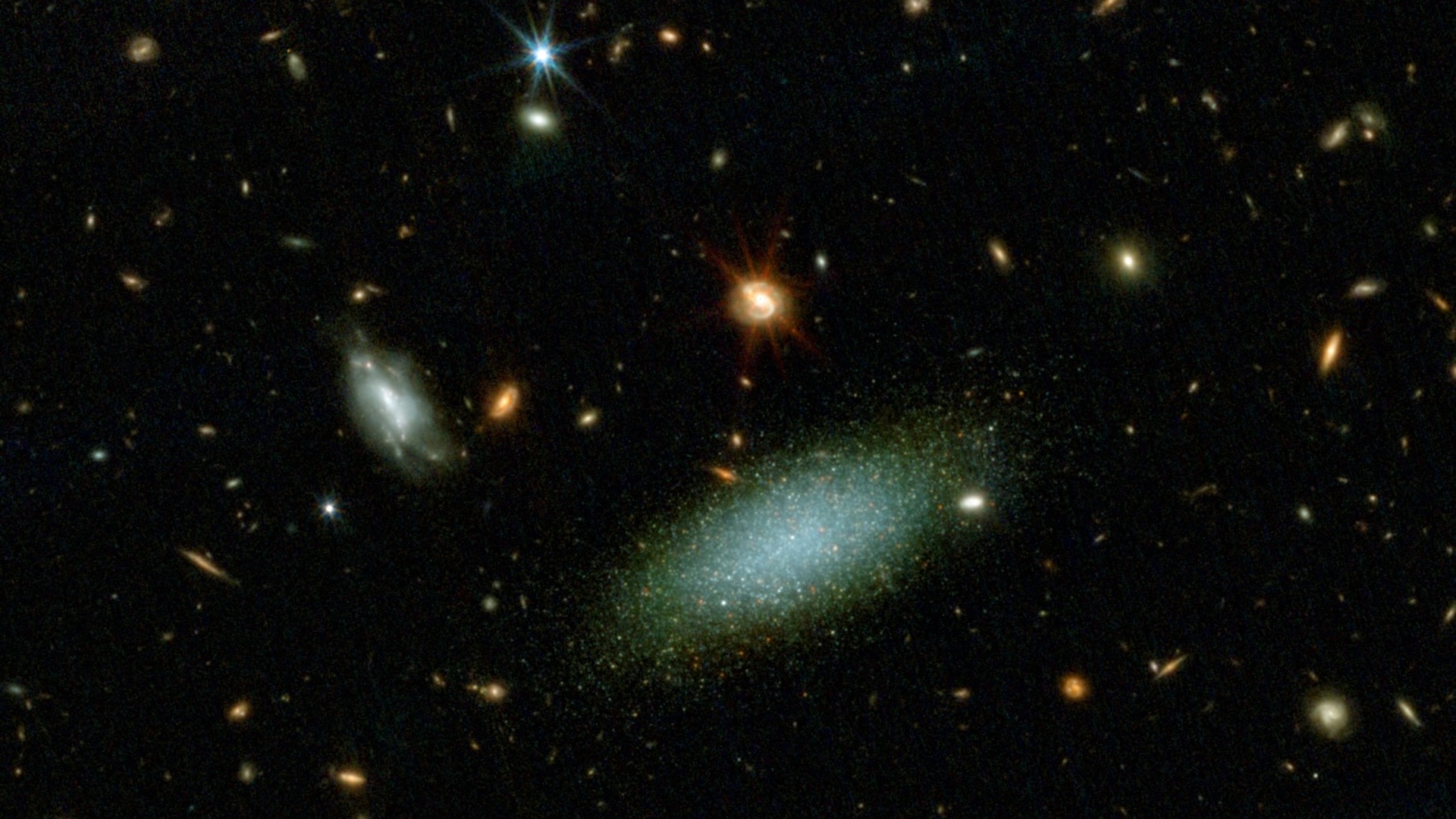
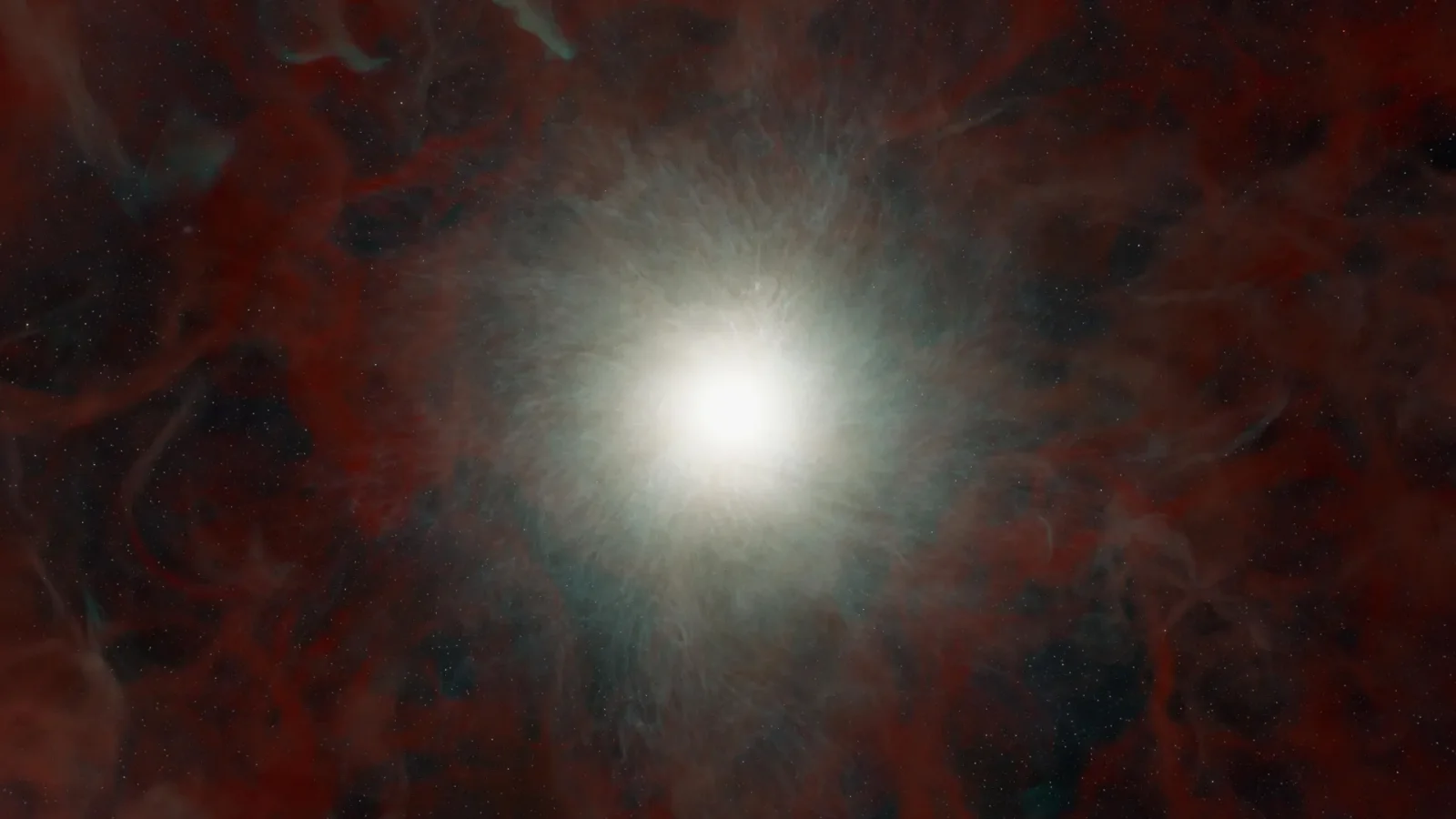
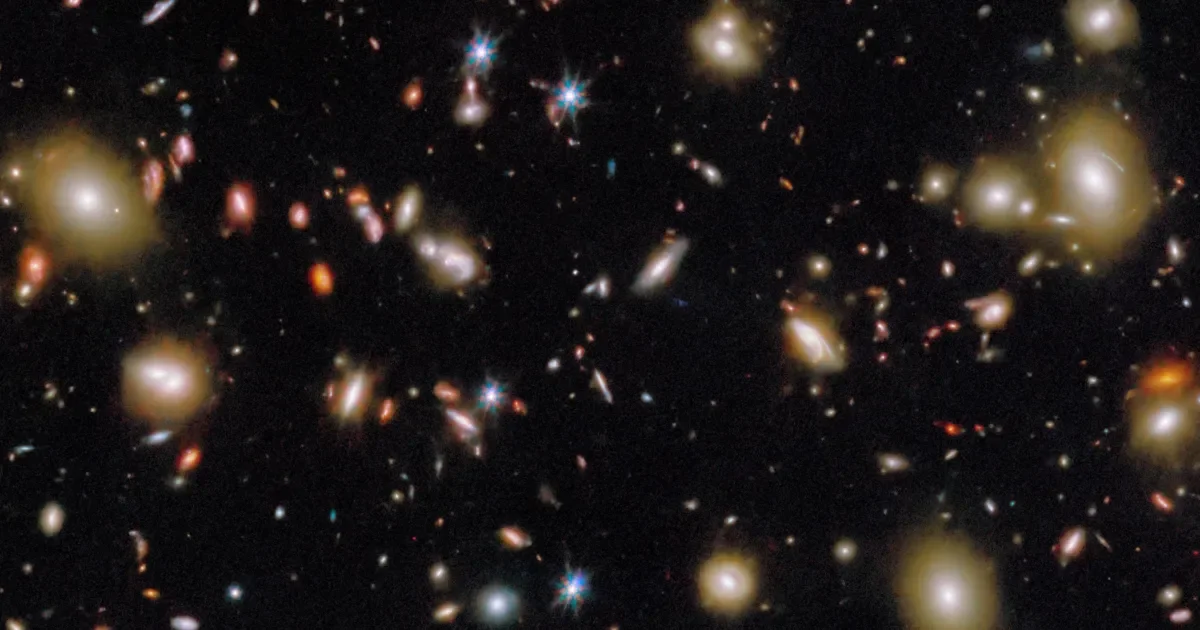
Astronomers tracked a massive star in the Andromeda Galaxy (M31-2014-DS1) that brightened in infrared in 2014, then faded and effectively disappeared by 2022–2023, indicating it collapsed into a black hole rather than exploding in a supernova. The remaining dust and gas emit a long-lasting mid-infrared glow as material slowly falls back, a process driven by convection that delays accretion and explains the dimming over decades. This event, linked to a similar case (NGC 6946-BH1), supports a broader class of failed supernovae and improves understanding of how some massive stars end their lives.
Pandora Telescope Set to Reveal Secrets of Faraway Worlds by Watching Their Stars
science1 month ago

Pandora Telescope Set to Reveal Secrets of Faraway Worlds by Watching Their Stars

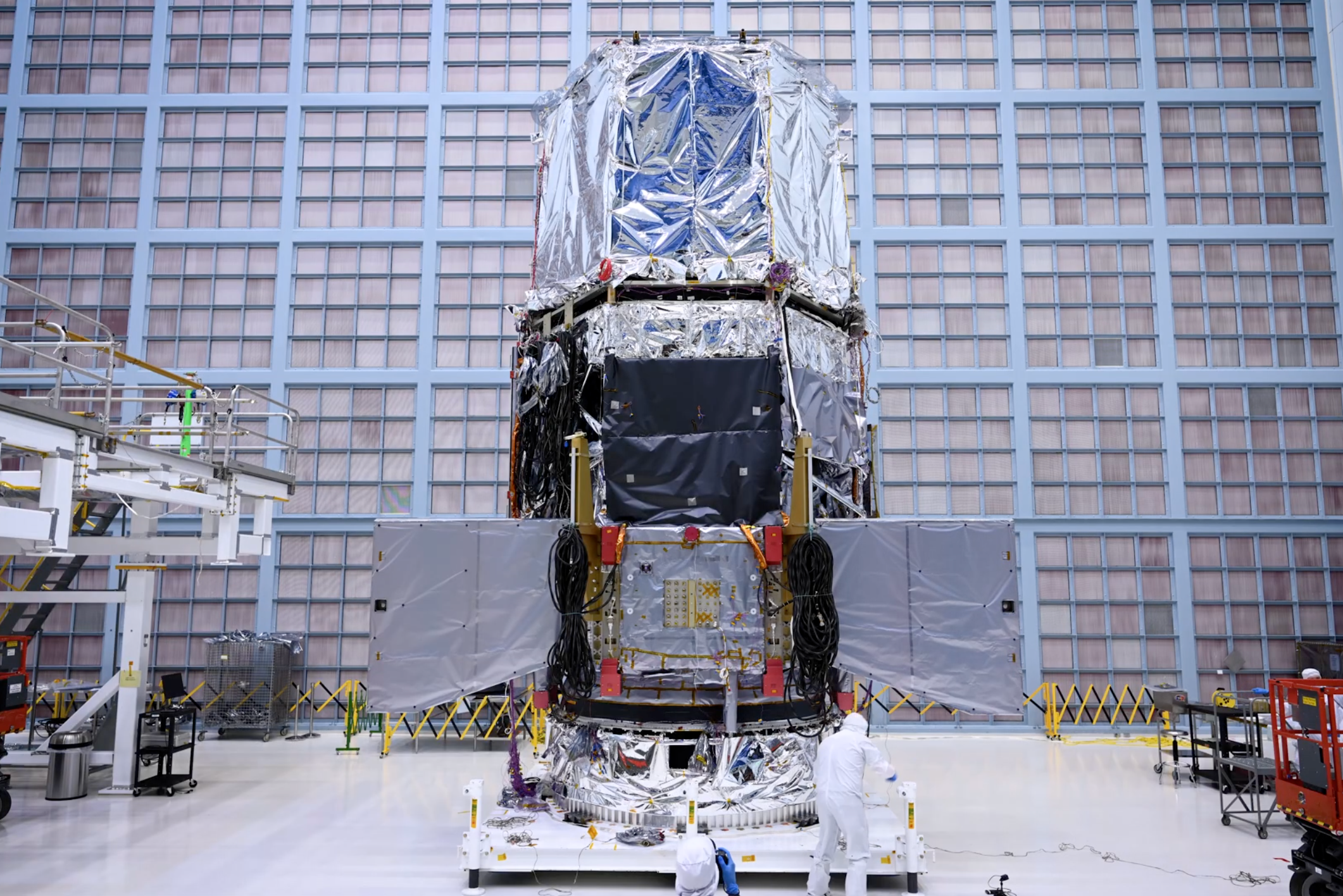
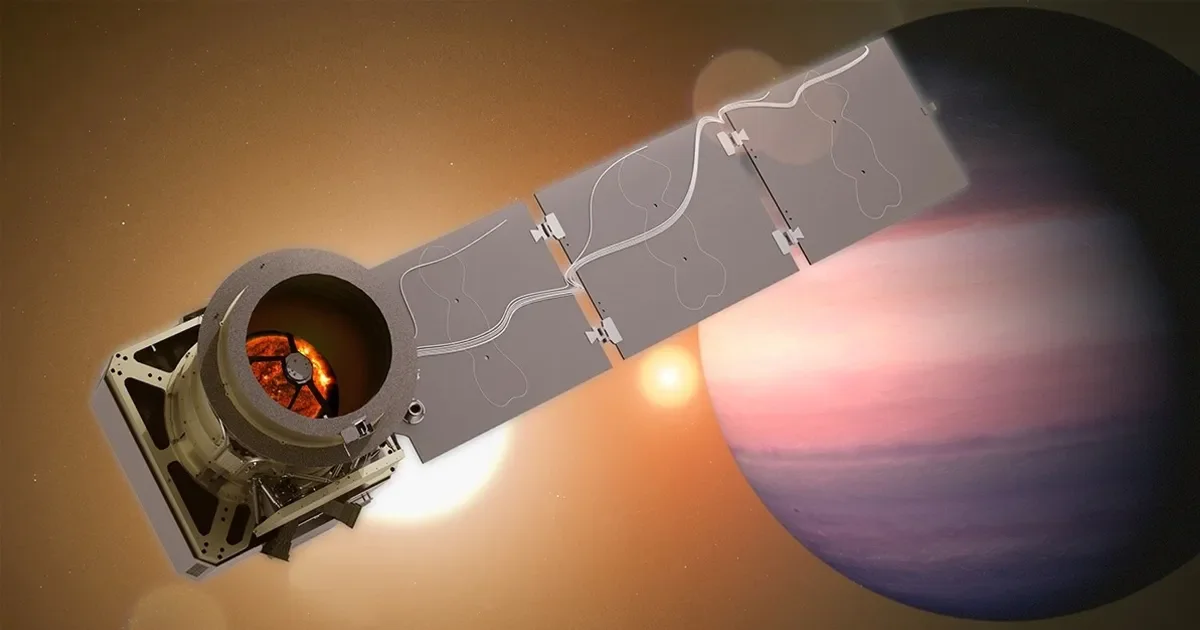
NASA's Pandora, a 17-inch orbital telescope launched on a SpaceX Falcon 9, will hunt for exoplanets by watching starlight for transits in infrared and visible light. In a year-long mission in a Sun-synchronous orbit, it will observe at least 20 exoplanets and their host stars, spending 24 hours per target and revisiting each star ten times to separate planetary signals from starspot noise and refine atmospheric measurements for molecules like water vapor and clouds, potentially edging closer to detecting signs of life.

NASA's NEOWISE Telescope Bows Out with Stunning Final Images
science-and-technology1 year ago

NASA's NEOWISE Telescope Bows Out with Stunning Final Images

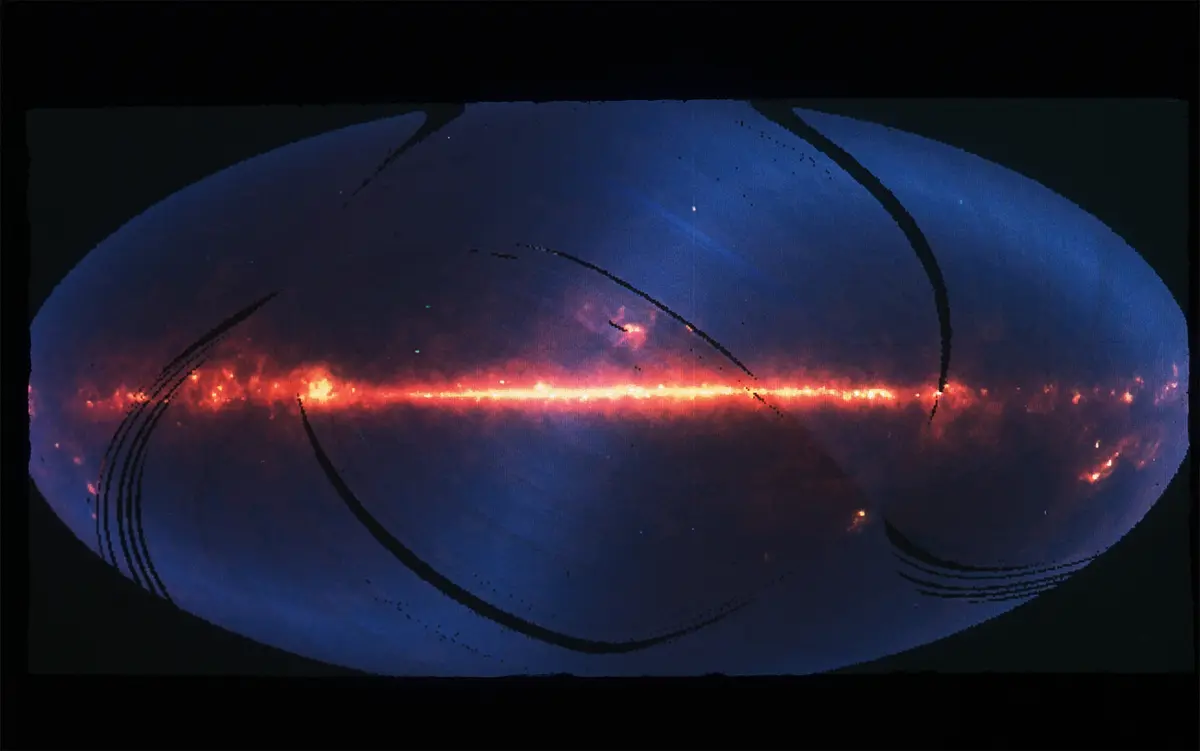
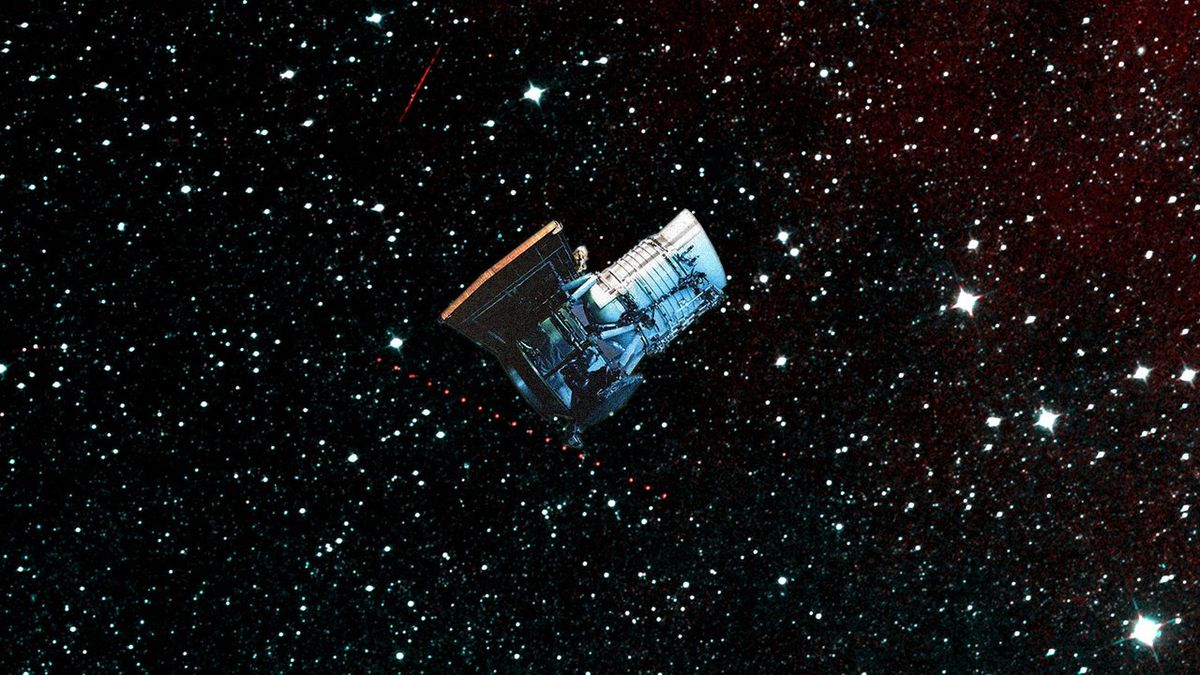
NASA's NEOWISE space telescope, originally launched as WISE in 2009, concluded its mission in July 2024 and reentered Earth's atmosphere in November, burning up. Before its end, NEOWISE conducted 21 sky surveys, capturing nearly 27 million images and studying over 3,000 near-Earth objects. The final data release includes never-before-seen images, offering insights into cosmic changes over time. The mission's legacy continues to impact time-domain science, providing valuable data for researchers and stunning images for the public.

Stunning New Space Images from Resilient NASA Telescope
science-and-technology1 year ago

Stunning New Space Images from Resilient NASA Telescope

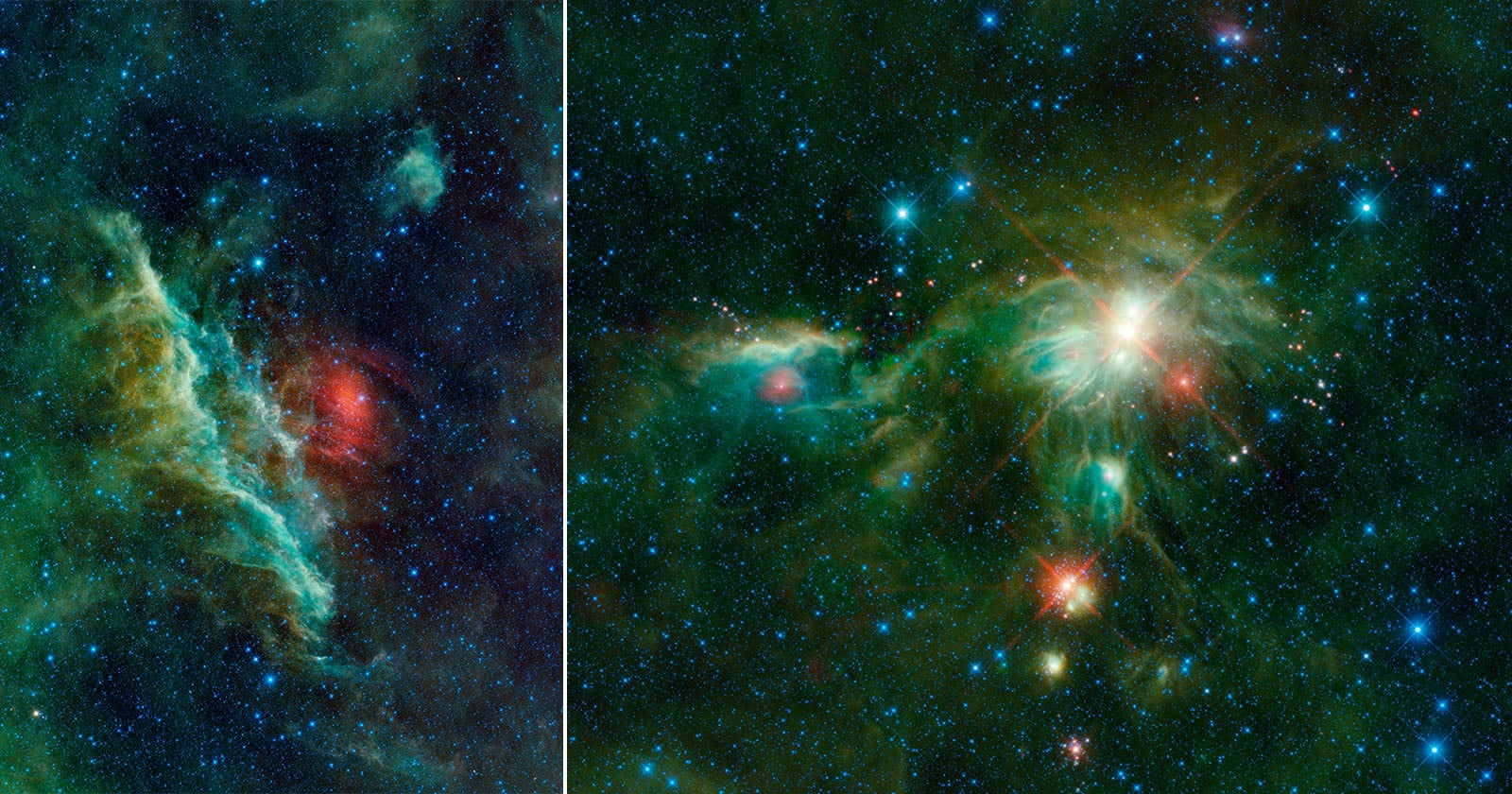
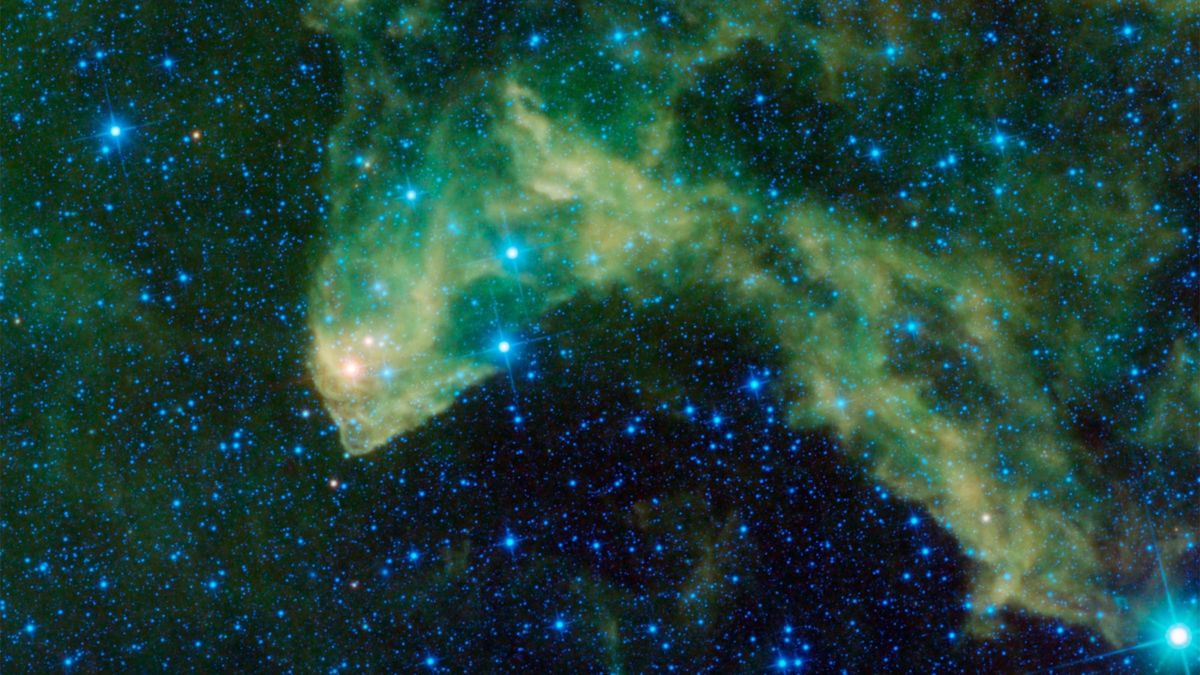
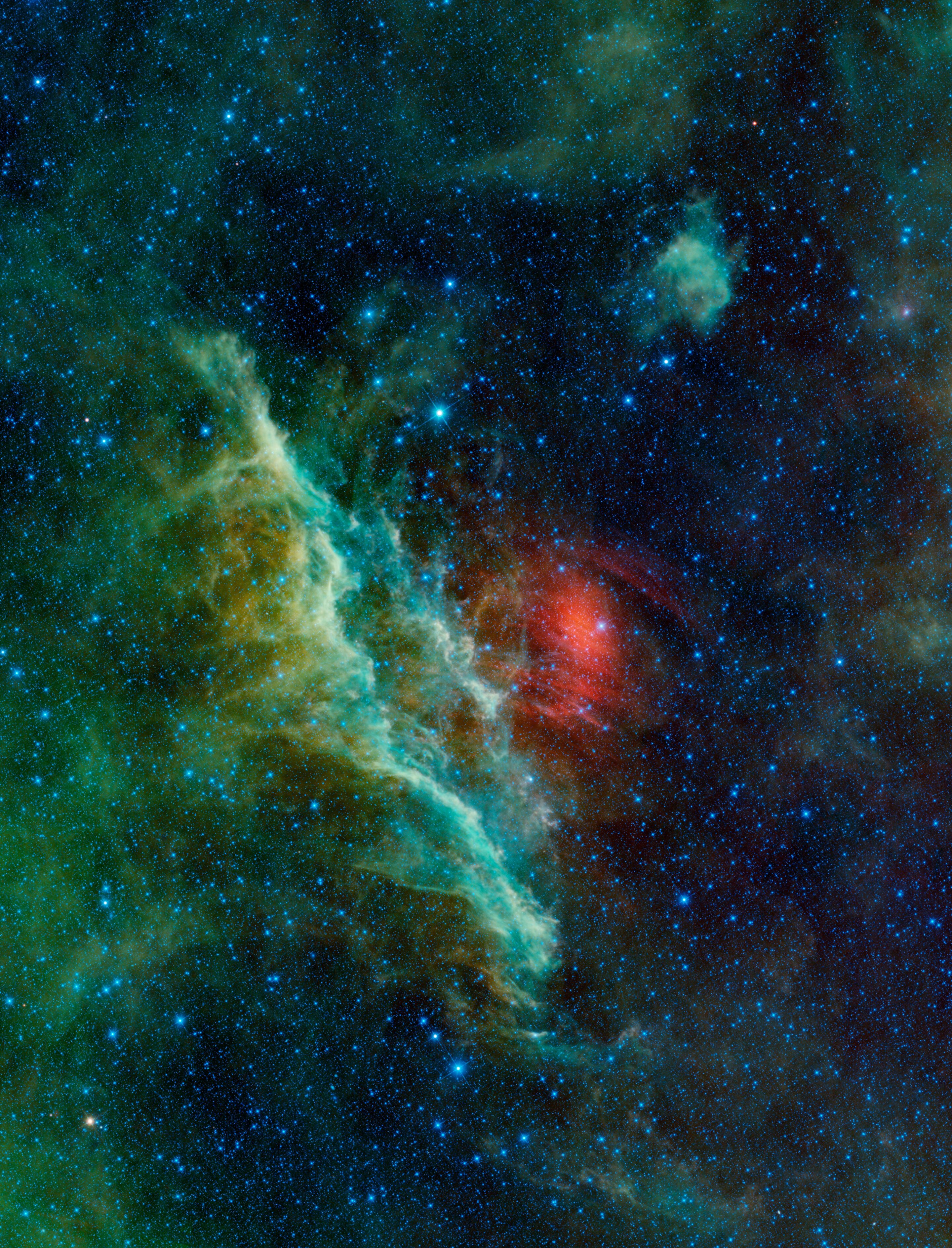
NASA's NEOWISE mission, originally the WISE spacecraft launched in 2009, has concluded after nearly 15 years of observing the night sky. The mission, which focused on tracking asteroids and comets, released its final data on November 14. To celebrate, six new images from the telescope's archives were unveiled, including stunning infrared views of the California Nebula and the Gecko Nebula. These images highlight the mission's contributions to time-domain science and the study of celestial objects.

Unveiling Hidden Treasures: NEOWISE's Final Data and Images
science1 year ago

Unveiling Hidden Treasures: NEOWISE's Final Data and Images

NASA's NEOWISE mission, which concluded in 2024, has released its final data set, including over 26 million images and nearly 200 billion detected sources. Originally launched as WISE in 2009, the mission was reactivated in 2013 to focus on near-Earth objects. NEOWISE's extensive infrared data has been invaluable for studying asteroids, comets, and other celestial phenomena. The final release includes six new images, highlighting regions like the California Nebula, and underscores the mission's lasting impact on astronomy.

NEOWISE Asteroid Hunter Ends Mission in Fiery Reentry
science-and-technology1 year ago

NEOWISE Asteroid Hunter Ends Mission in Fiery Reentry

NASA's NEOWISE spacecraft, originally launched as WISE in 2009, has ended its mission by burning up in Earth's atmosphere. The spacecraft, which surveyed 3,000 near-Earth objects, was repurposed in 2013 to focus on asteroid detection after its initial mission of observing the universe in infrared wavelengths. NEOWISE's demise was due to the solar maximum, which expanded Earth's atmosphere, causing the spacecraft to descend without propulsion. NASA plans to launch a successor, the NEO Surveyor, in 2027 to continue asteroid detection.