Samsung's Galaxy S26 series is expected to be officially announced on February 25, with a global release date set for March 11, including the S26, S26 Plus, and S26 Ultra models, with pre-orders likely starting shortly after the announcement.
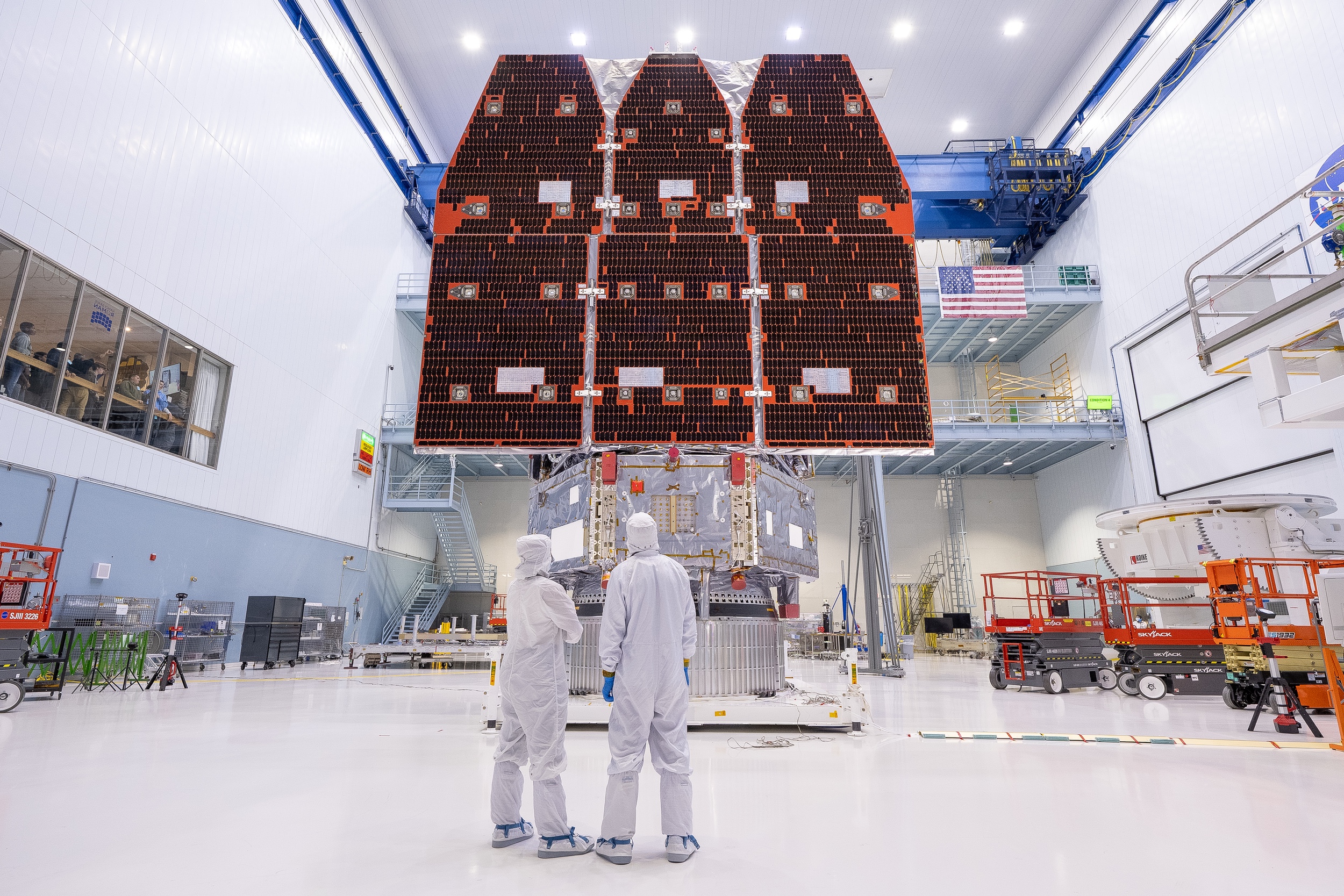
NASA's Nancy Grace Roman Space Telescope is on track for a September 2026 launch, ahead of schedule and within budget, marking a successful flagship mission that demonstrates NASA's improved project management after previous delays with missions like the James Webb Space Telescope.
Apple is preparing for a split-launch strategy for the iPhone 18, with production starting early in 2023 to release the base model in spring and Pro models in September, aiming to better meet demand and spread revenue throughout the year.
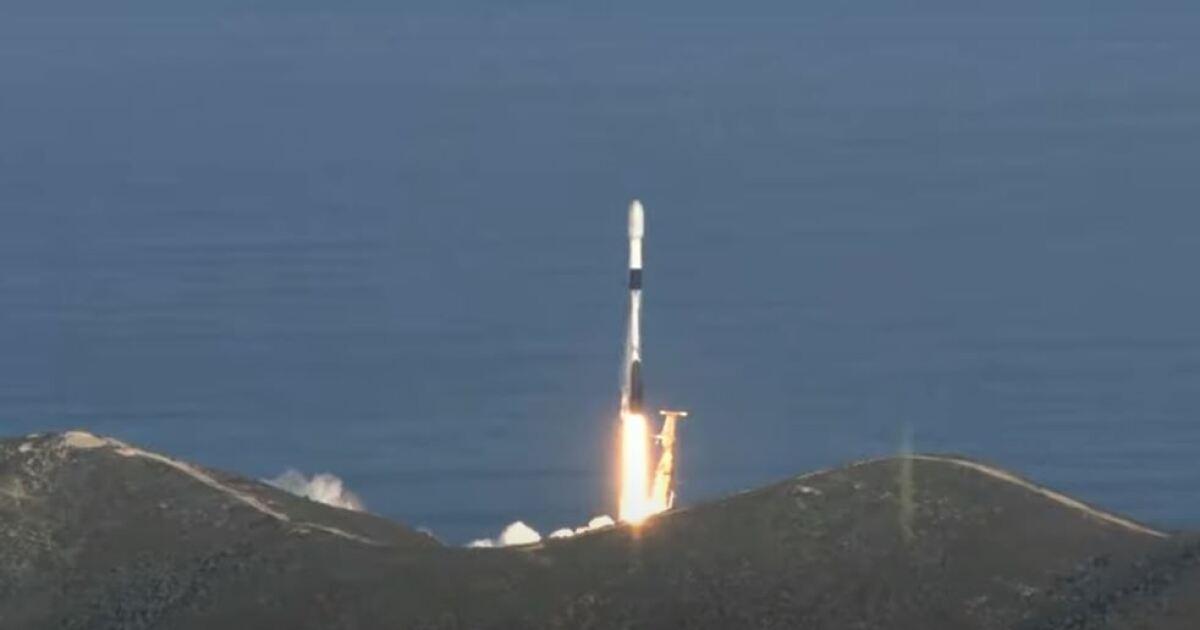
SpaceX is set to launch 23 Starlink satellites to low-Earth orbit from Vandenberg Space Force Base on Sunday, March 10, with liftoff targeted for 9:09 p.m. Additional opportunities are available on Monday, March 11 if needed. The first stage booster supporting this mission has previously launched several missions and will attempt to land on the droneship in the Pacific Ocean. A live webcast of the launch will be available on SpaceX's website.
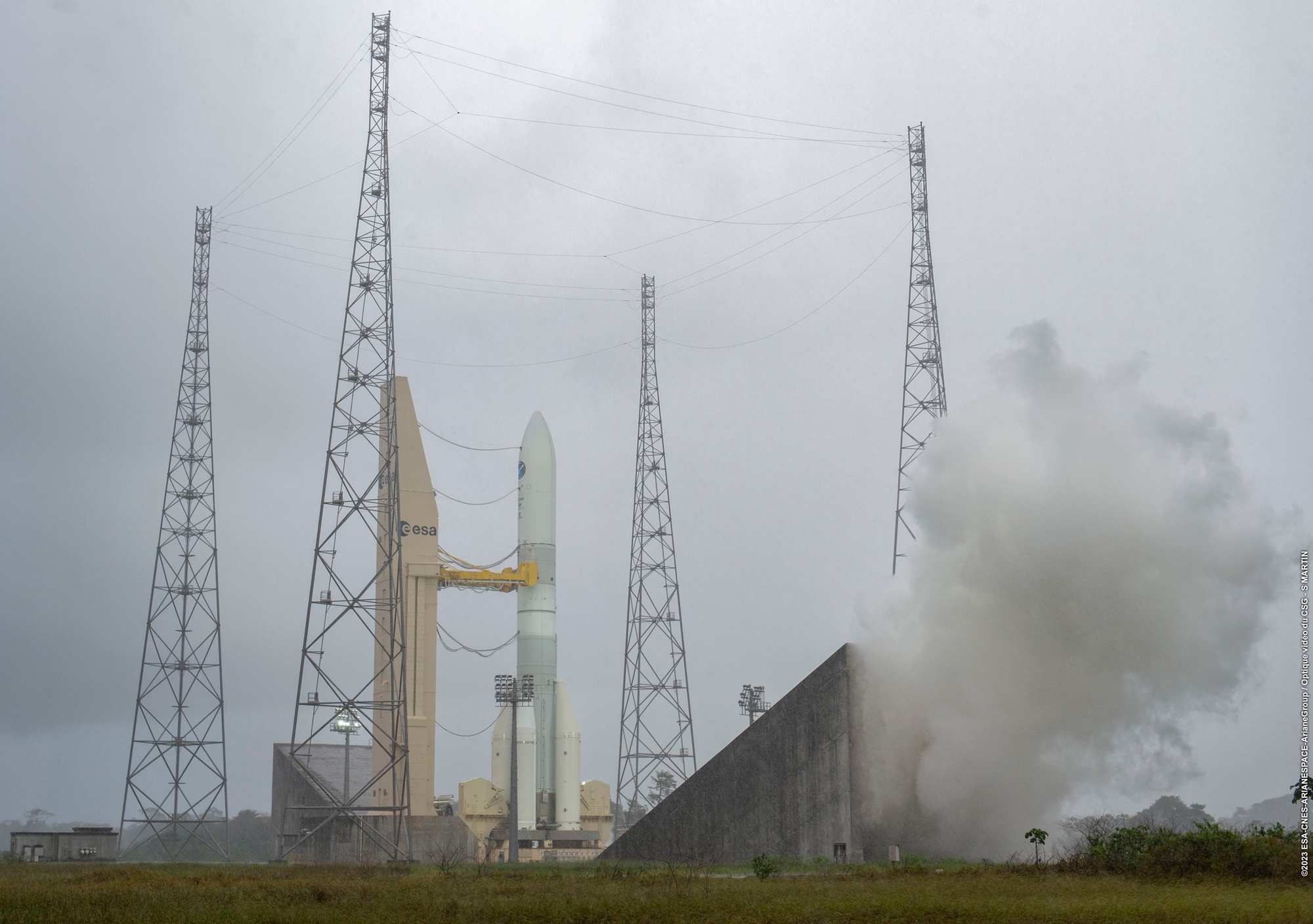
The European Space Agency (ESA) has confirmed that the first launch of the Ariane 6 rocket is still on track for mid-2024, despite an aborted test of its upper stage. The recent test, known as CTLO3, was successful and demonstrated the rocket's readiness for launch. However, a previous test of the upper stage, called HFT-4, was aborted due to parameters exceeding predetermined thresholds. ESA is investigating the cause of the abort but remains confident that it will not impact the Ariane 6's inaugural flight schedule. Additional tests are planned for early 2024, with the first Ariane 6 launch hardware expected to arrive in mid-February.
The European Space Agency (ESA) has announced that the first launch of the Ariane 6 rocket is scheduled for between mid-June and the end of July 2024. The rocket's debut has been delayed due to technical issues and mismanagement, but a recent successful hot fire test of its core stage engines has provided hope for progress. The ESA is also working on booking flights on the Ariane 6 and Vega C rockets through the end of the decade and launching a challenge to create a new commercial rocket. If all goes well, a commercial launch is targeted for the end of 2024, with the aim of eventually achieving nine to ten flights per year.
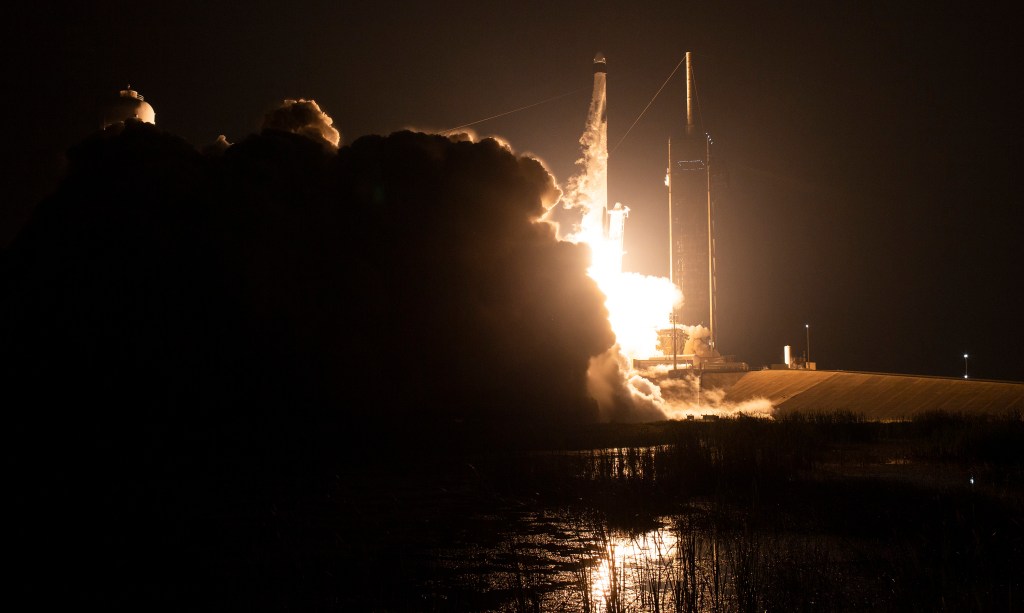
The Space Coast is set to have a busy launch schedule in 2023, with a record-breaking 63 launches planned. The launches will include missions from SpaceX, United Launch Alliance, and Relativity Space, as well as three human spaceflights. Upcoming launches include the SpaceX Falcon 9 with cargo Dragon on the CRS-29 mission, the first-ever launch of United Launch Alliance Vulcan Centaur, and the SpaceX Falcon Heavy mission USSF-52.
Sony is reviewing its plans to release 12 live service games for PlayStation, committing to launching only six of them by March 2026 due to development troubles. The company emphasized the importance of quality for gamers and stated that the release dates for the remaining six games are still uncertain. Sony's push into live service games includes collaborations with studios like Bungie, Haven Studios, and Firewalk Studios. The Last of Us multiplayer game, one of the projects, has faced setbacks but may eventually be released. Sony acknowledges the competition and time investment associated with live service games and aims to deliver diverse games for different audiences.
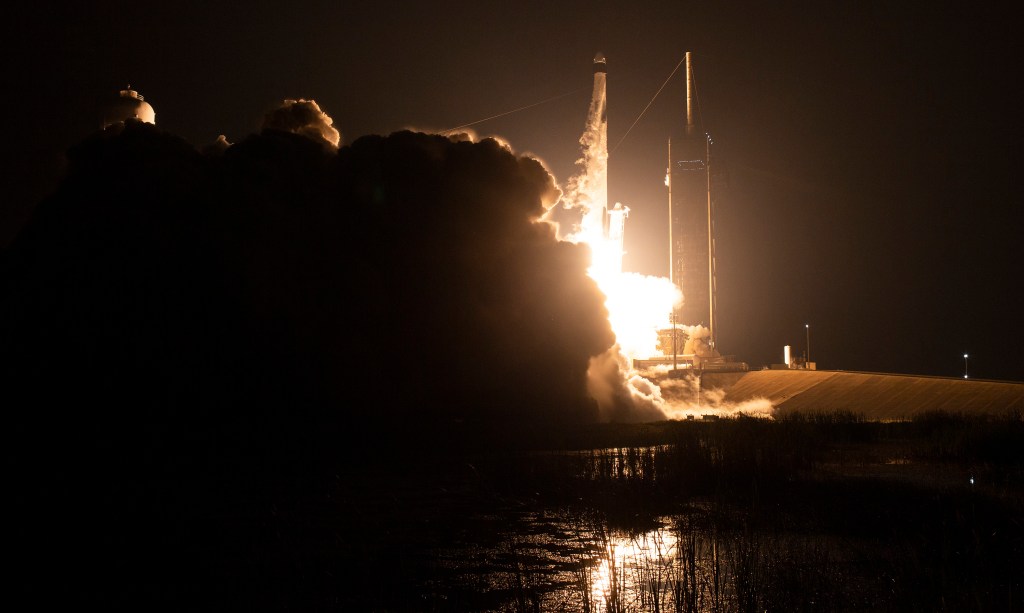
SpaceX has installed a new Crew Access Arm on the recently built Crew Launch Tower at Space Launch Complex 40 in Florida, providing additional infrastructure to support its increasing launch cadence. The new tower aims to alleviate pressure on Launch Complex 39A, the only active launch pad in the US for crewed missions. Despite being under construction, SLC 40 remains the world's busiest launch site, with 46 launches from this pad alone this year. The upcoming launch schedule for LC-39A is busy, prompting SpaceX to potentially use SLC-40 for the Axiom 3 mission, which would mark the first crewed launch from Cape Canaveral Space Force Station in over 50 years. These developments are crucial for SpaceX to achieve its target of over 100 launches in 2024.
The Space Coast is set to have a busy launch schedule in 2023, with a record-breaking 58 launches planned. The launches will include missions from SpaceX, United Launch Alliance, and Relativity Space, as well as three human spaceflights. Upcoming launches include the Starlink 6-25 mission, the CRS-29 mission to the International Space Station, and the first-ever launch of the United Launch Alliance Vulcan Centaur.
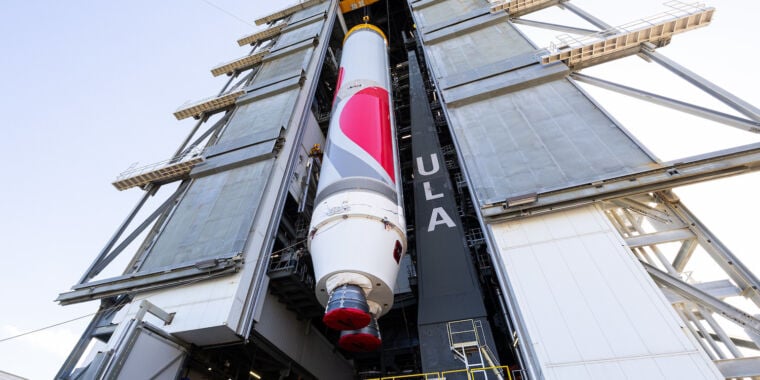
United Launch Alliance (ULA) has announced that the first launch of its Vulcan rocket is scheduled for December 24, with backup dates on December 25 and 26. However, if there are any delays or issues, the launch may be pushed to January. ULA is still waiting for the delivery of an upper stage and undergoing qualification testing following a test mishap earlier this year. The launch window is limited due to payload constraints, with Astrobotic's lunar lander aiming for a specific landing site on the Moon.
The European Space Agency (ESA) plans to set a target launch period for the first Ariane 6 rocket in October, following a series of static-fire tests. The tests, including one scheduled for September 5 and another for October 3, will determine the readiness of the rocket's core stage. ESA hopes to announce the launch dates after these tests, with the aim of launching the Ariane 6 not too late into 2024. The program recently celebrated a successful static-fire test of the Ariane 6's Vinci upper stage engine, demonstrating the rocket's versatility. Additionally, an update was provided on the Vega C small launch vehicle, which has been grounded since a launch failure in December 2022.
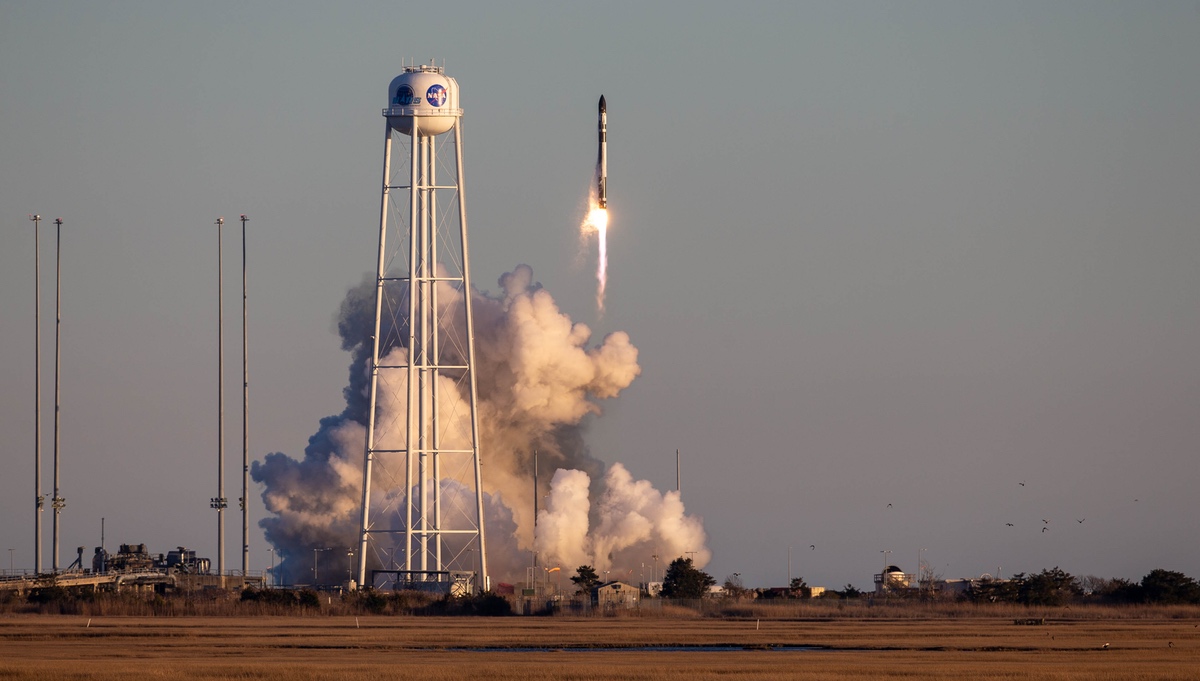
Rocket Lab has moved the launch of NASA's Time-Resolved Observations of Precipitation Structure and Storm Intensity with a Constellation of Smallsats (TROPICS) cubesats from Virginia to New Zealand to avoid a potential conflict with another launch. The change will ensure that the satellites are launched in time to be in service when the 2023 North Atlantic hurricane season begins this summer. Each TROPICS cubesat carries a passive microwave spectrometer that will provide temperature and humidity measurements to help monitor the development of tropical storm systems.