Tag

Cosmic Explosions

All articles tagged with #cosmic explosions

New X-ray Transients Reveal Insights into Distant Cosmic Explosions

Originally Published 4 months ago — by Space

Featured image for New X-ray Transients Reveal Insights into Distant Cosmic Explosions
Source: Space

Astronomers have traced a mysterious class of cosmic explosions called Fast X-ray Transients (FXTs) back to their source, revealing an event that occurred 12 billion years ago, providing new insights into stellar death and the early universe, and demonstrating the capabilities of the Einstein Probe telescope.

Scientists observe universe's largest explosions since the Big Bang

Originally Published 5 months ago — by BBC Sky at Night Magazine

Featured image for Scientists observe universe's largest explosions since the Big Bang
Source: BBC Sky at Night Magazine

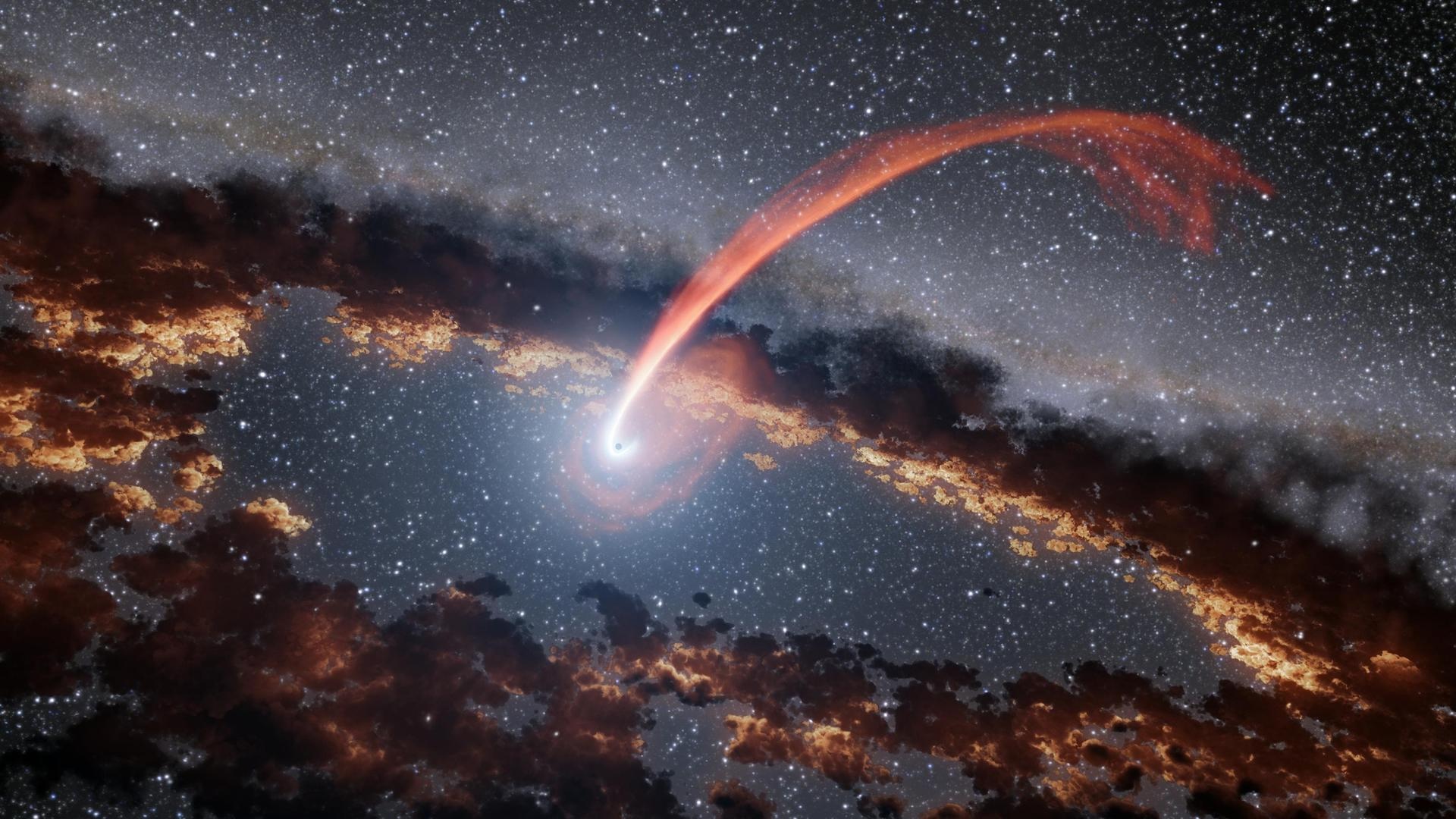
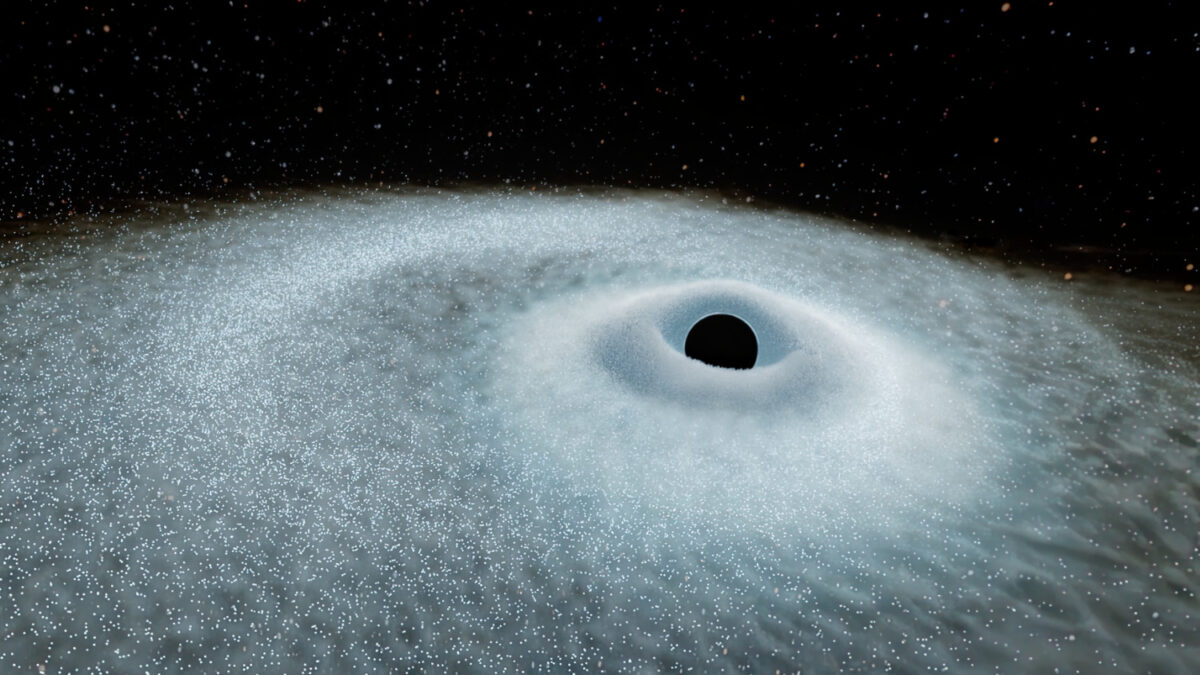
Scientists have discovered the most energetic cosmic explosions since the Big Bang, called Extreme Nuclear Transients (ENTs), which are caused by massive stars being torn apart by supermassive black holes and emit over 25 times more energy than typical supernovae. These rare events provide new insights into black hole growth and galaxy evolution, and future observatories like the Vera C Rubin Observatory will help detect more of these extraordinary phenomena.

NASA's Roman Space Telescope Nears Completion, Ready to Capture Cosmic Explosions

Originally Published 5 months ago — by Space

Featured image for NASA's Roman Space Telescope Nears Completion, Ready to Capture Cosmic Explosions
Source: Space

NASA's upcoming Roman Space Telescope, set to launch by May 2027, is expected to discover up to 100,000 cosmic explosions, including supernovas, kilonovas, and black hole events, which will help scientists understand dark energy, stellar life cycles, and the origins of heavy elements. The telescope's high-cadence survey will create cosmic movies over two years, vastly expanding our knowledge of the universe's most violent phenomena.

Astronomers Detect Record-Breaking Cosmic Explosions Since the Big Bang

Originally Published 7 months ago — by Live Science

Featured image for Astronomers Detect Record-Breaking Cosmic Explosions Since the Big Bang
Source: Live Science

Astronomers have discovered a new class of extremely powerful and long-lasting cosmic explosions called extreme nuclear transients (ENTs), observed in the centers of distant galaxies where supermassive black holes tear apart stars. These events are among the most energetic since the Big Bang, providing new insights into black hole activity and galaxy evolution, and are expected to be further studied with upcoming space and ground-based surveys.

Scientists record universe's most powerful explosions since the Big Bang

Originally Published 7 months ago — by The Independent

Featured image for Scientists record universe's most powerful explosions since the Big Bang
Source: The Independent

Scientists have discovered the most intense cosmic explosions, called extreme nuclear transients (ENTs), which are significantly brighter and longer-lasting than typical supernovae, occurring when massive stars are torn apart by supermassive black holes. These events, observed via the Gaia telescope, offer new insights into black hole growth and the universe's history, and future telescopes are expected to find more of them.

Astronomers Record Largest Cosmic Explosions and Black Hole Star Devourings

Originally Published 7 months ago — by Gizmodo

Featured image for Astronomers Record Largest Cosmic Explosions and Black Hole Star Devourings
Source: Gizmodo

Astronomers in Hawaii have discovered the most energetic stellar explosions ever observed, called extreme nuclear transients (ENTs), caused by supermassive black holes tearing apart stars, releasing energy far surpassing supernovae, and providing new insights into black hole growth and the distant universe.

Scientists Uncover Universe's Most Powerful Explosions Since the Big Bang

Originally Published 7 months ago — by Space

Featured image for Scientists Uncover Universe's Most Powerful Explosions Since the Big Bang
Source: Space

Astronomers have discovered the most powerful cosmic explosions since the Big Bang, called extreme nuclear transients (ENTs), which are significantly brighter and longer-lasting than typical tidal disruption events and supernovae, providing new insights into black hole activity and galaxy evolution.

NASA uncovers universe's most energetic and explosive phenomena

Originally Published 7 months ago — by Phys.org

Featured image for NASA uncovers universe's most energetic and explosive phenomena
Source: Phys.org

Astronomers have discovered a new class of extremely energetic cosmic explosions called 'extreme nuclear transients' (ENTs), which occur when massive stars are torn apart by supermassive black holes, emitting energy far surpassing that of supernovae and providing new insights into black hole growth in the early universe.

NASA Unveils Record-Breaking Cosmic Explosions and Black Hole Events

Originally Published 7 months ago — by NASA Science (.gov)

Featured image for NASA Unveils Record-Breaking Cosmic Explosions and Black Hole Events
Source: NASA Science (.gov)

NASA and other space agencies have identified three rare, extremely energetic events where supermassive black holes have consumed massive stars, releasing more energy than 100 supernovae. These events, called 'extreme nuclear transients,' provide insights into otherwise inactive black holes and could help understand black hole growth and galaxy evolution, especially with upcoming telescopes like the Nancy Grace Roman Space Telescope.

Unveiling the Mysteries of Kilonovas

Originally Published 2 years ago — by Space.com

Featured image for Unveiling the Mysteries of Kilonovas
Source: Space.com

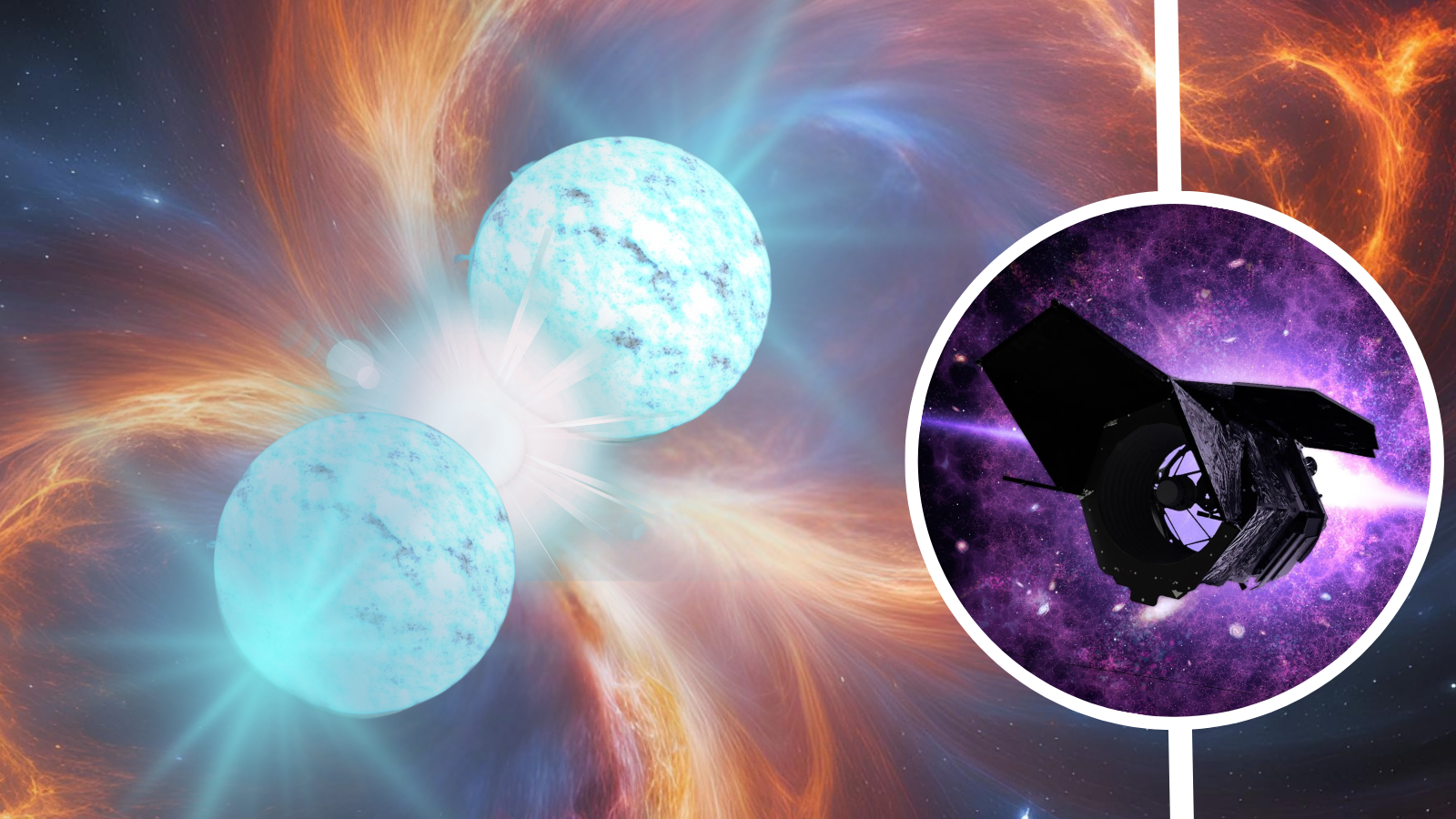
Kilonovas are bright bursts of electromagnetic radiation that occur when two neutron stars or a neutron star and a black hole collide and merge. These cosmic explosions eject a vast amount of material rich in heavy elements such as gold, platinum, and uranium. By studying kilonovas, scientists can gain insights into the formation of these elements and the nuclear physics involved. Detecting kilonovas is challenging, but advancements in gravitational wave detectors have allowed astronomers to locate and observe these events, providing valuable information about the universe's evolution.

Unraveling the Mystery of the Brightest Cosmic Explosions

Originally Published 2 years ago — by Phys.org

Featured image for Unraveling the Mystery of the Brightest Cosmic Explosions
Source: Phys.org

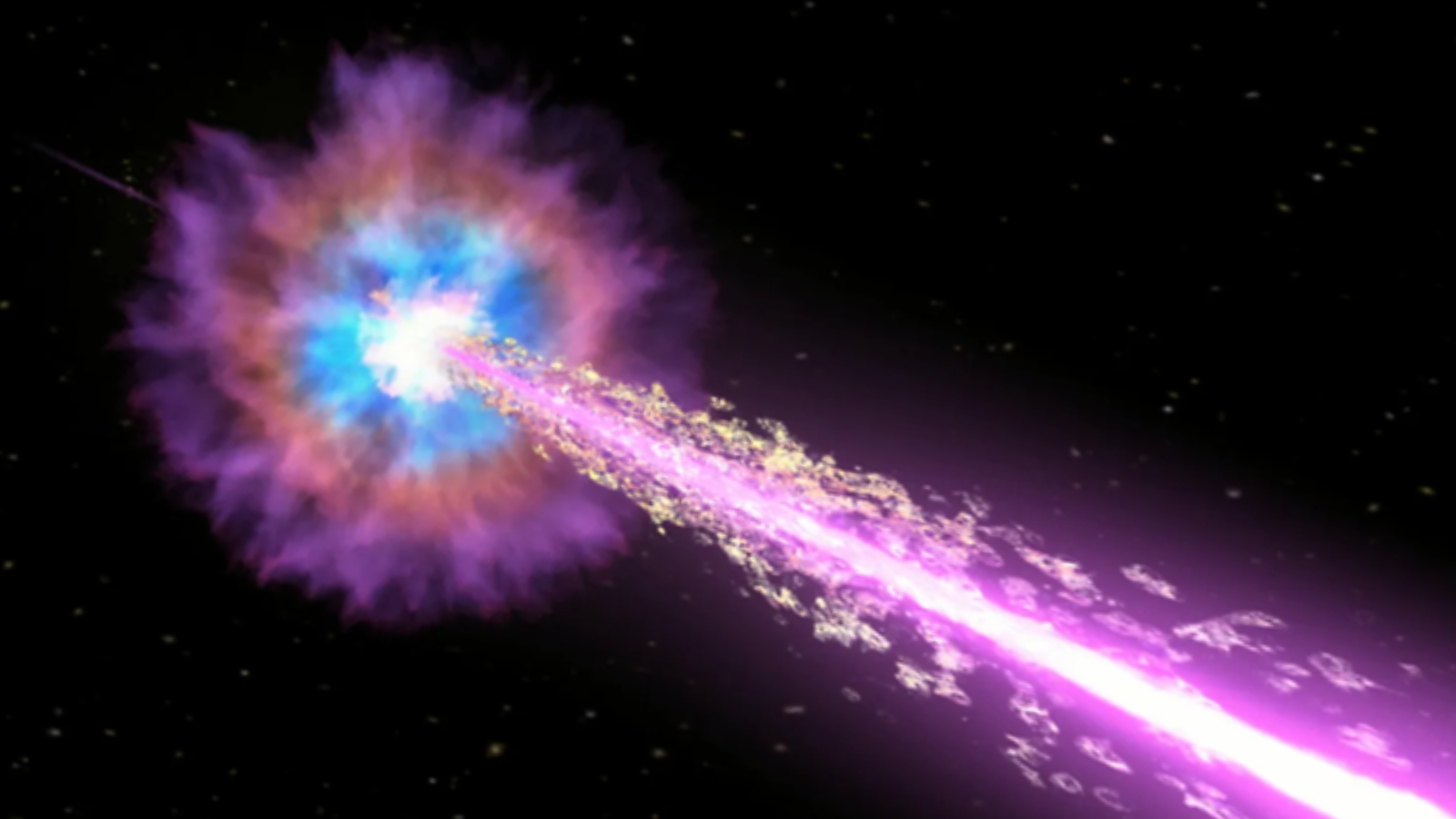
The brightest cosmic explosion ever recorded, known as GRB 221009A or the "Boat," has puzzled astronomers with its persistence. A new study published in Science Advances suggests that the burst was so bright and persistent because the narrow jet of gas launched by the explosion had a difficult time escaping the collapsing star, leading to a lot of mixing with stellar gas along the sides of the jet. This kept the burst bright for an extended period of time, providing a clue to similarly bright events seen in the past.

"The Cow": A Mysterious and Unprecedentedly Flat Space Explosion

Originally Published 2 years ago — by SciTechDaily

Featured image for "The Cow": A Mysterious and Unprecedentedly Flat Space Explosion
Source: SciTechDaily

Astronomers have observed an explosion 180 million light-years away that challenges our current understanding of cosmic explosions, exhibiting a significantly flatter appearance than previously thought possible. The explosion observed was an extremely rare Fast Blue Optical Transient (FBOT) — known colloquially amongst astronomers as “the cow” —  only four others have ever been seen, and scientists don’t know how they occur, but this discovery has helped solve part of the puzzle. The explosion, which occurred 180 million light-years away, is the most aspherical ever seen in space, with a shape like a disc emerging a few days after it was discovered. By measuring the polarization, it allowed them to measure the shape of the explosion, effectively seeing something the size of our Solar System but in a galaxy 180 million light years away.