The Healey-Driscoll Administration announced public listening sessions in Massachusetts to gather input on expanding hunting opportunities, including Sunday hunting, crossbow use, and setback distances, aiming to balance wildlife management, public health, and outdoor traditions.
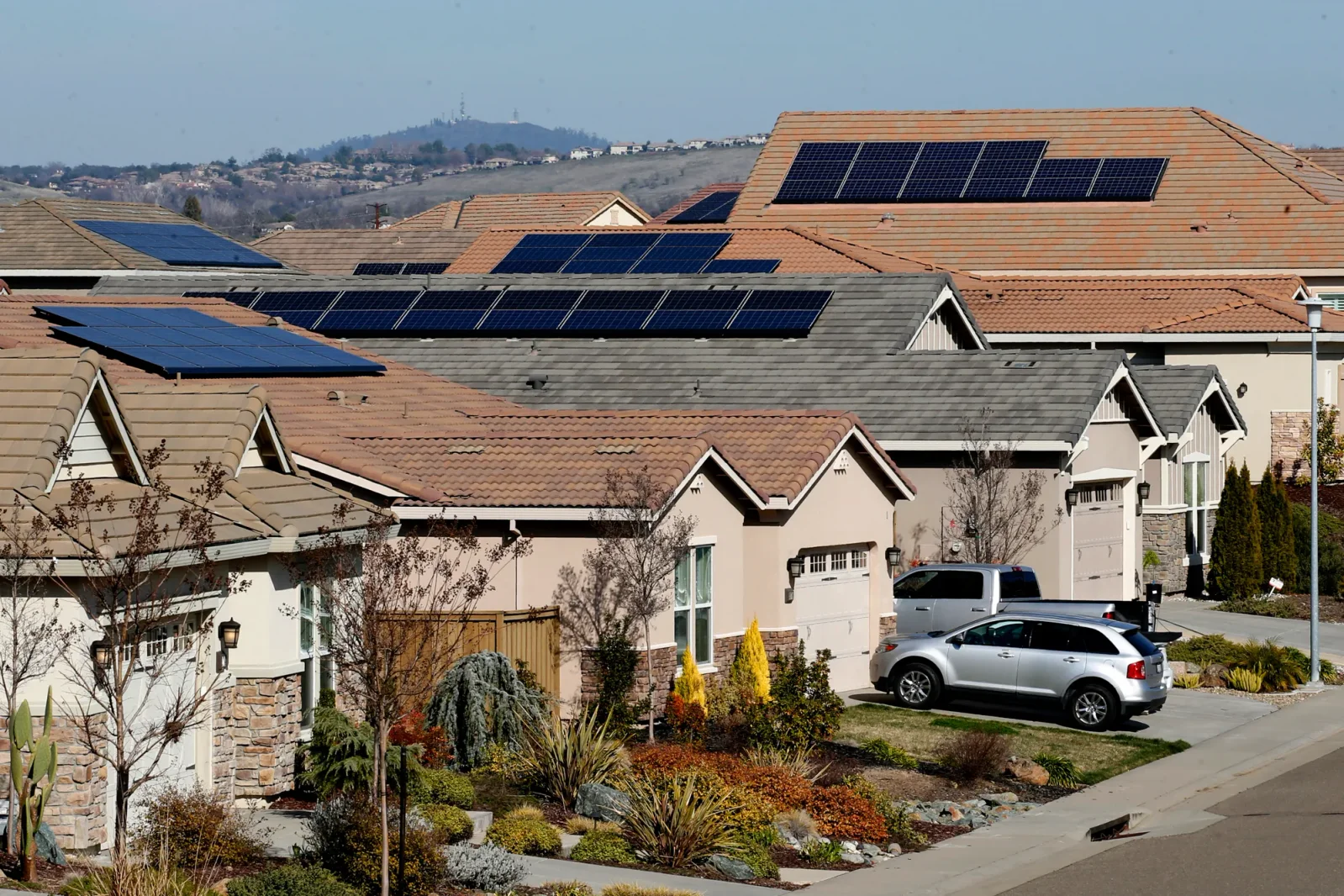
California's new Safe Homes grants program, starting in 2026, aims to assist low- and middle-income homeowners in high wildfire risk areas with funding for fire-resistant roofs and creating ember-resistant zones, with details on eligibility and funding still being finalized.
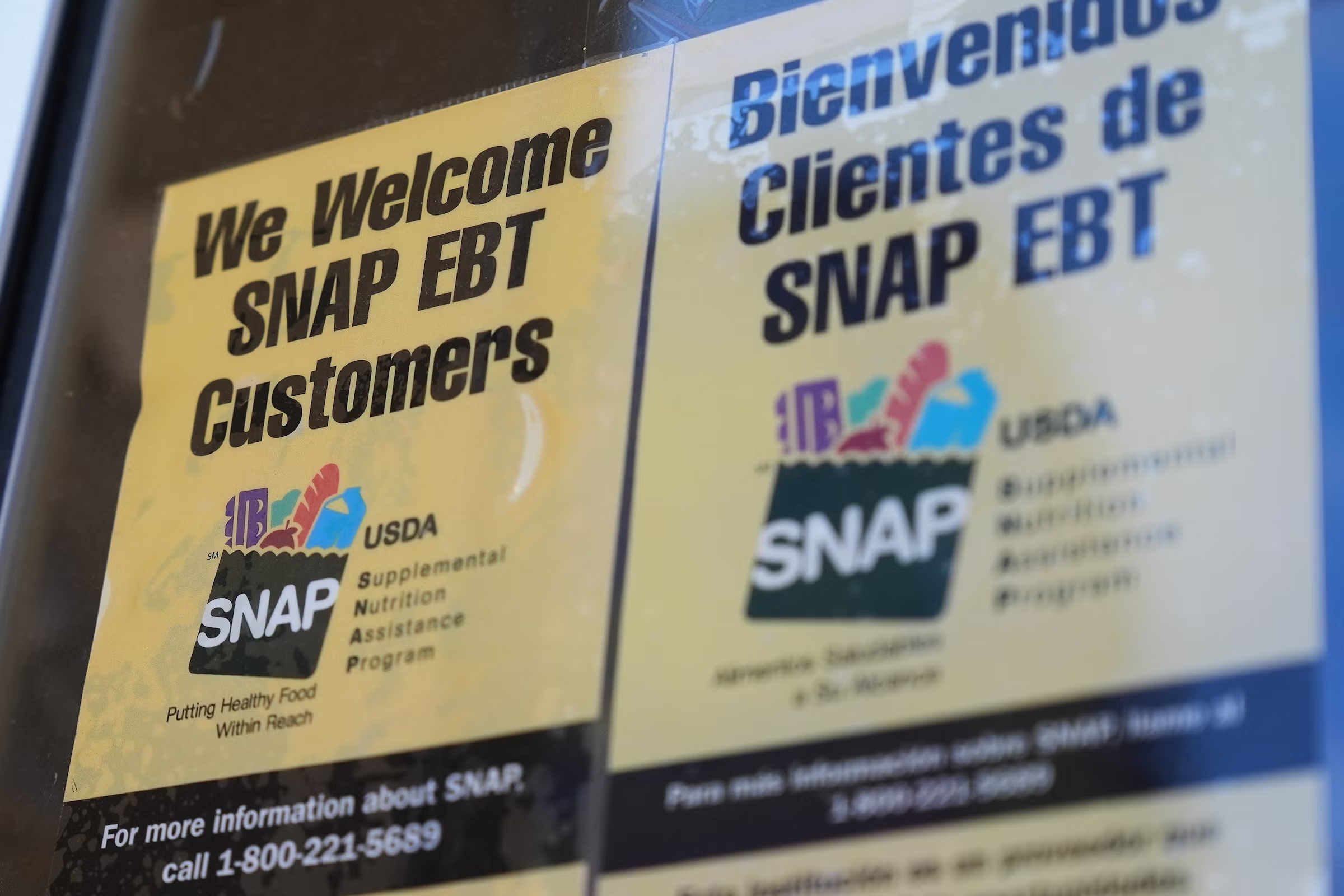
Starting January 1, five states (Indiana, Iowa, Nebraska, Utah, and West Virginia) will implement new restrictions on certain food purchases with SNAP benefits, mainly targeting soda, candy, and other unhealthy foods, as part of a broader effort to improve public health and reduce diet-related diseases. The changes are expected to face logistical challenges and controversy, with concerns about their impact on recipients and retail costs.
New federal work requirements under the Trump administration's 'One Big Beautiful Bill' have increased scrutiny on SNAP recipients in Pennsylvania, potentially leading to the loss of benefits for thousands who cannot meet the new work, volunteer, or education criteria, with residents urged to verify their eligibility and understand the appeal process.
The USDA has found additional funds to increase November SNAP benefits, but this may delay the distribution of food aid as states adjust their systems, with some facing significant logistical challenges and delays of up to three weeks.
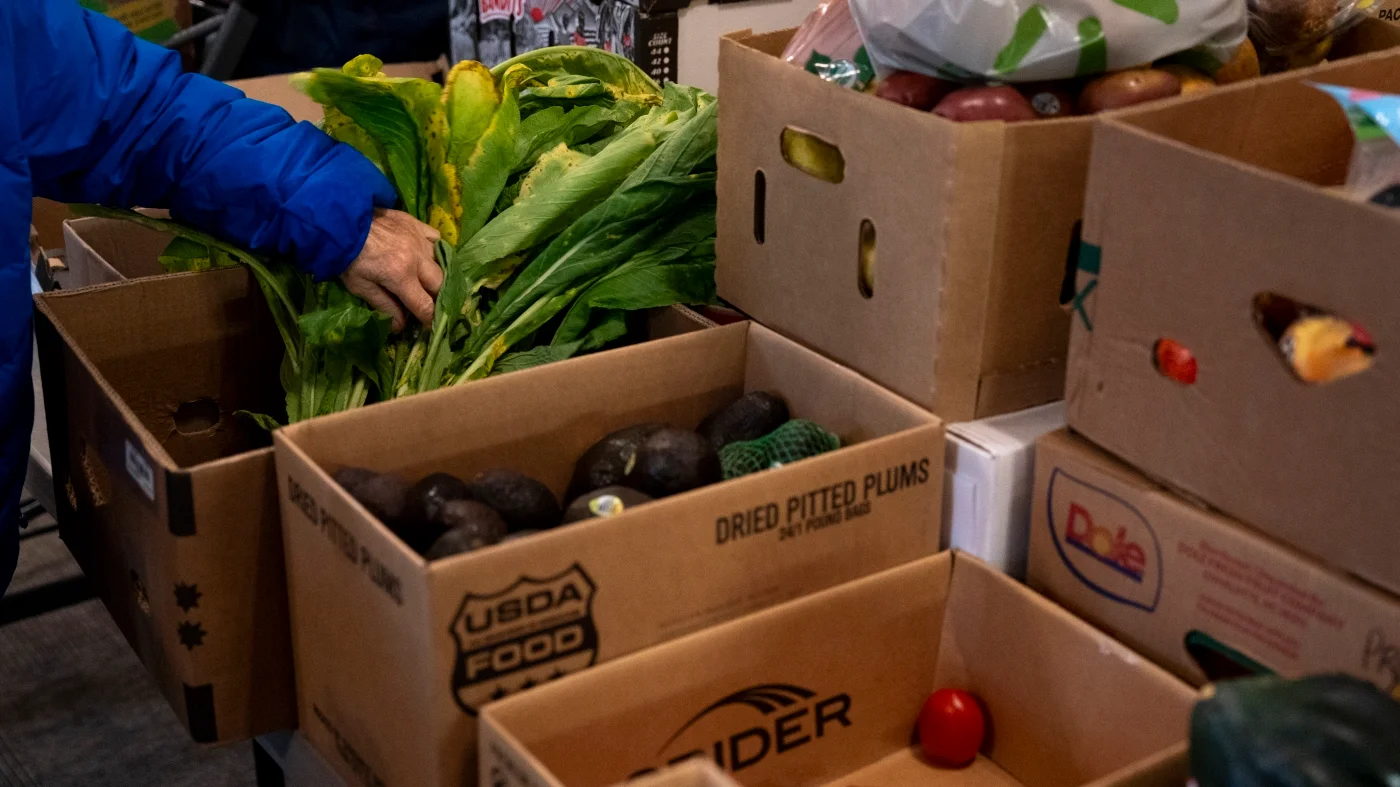
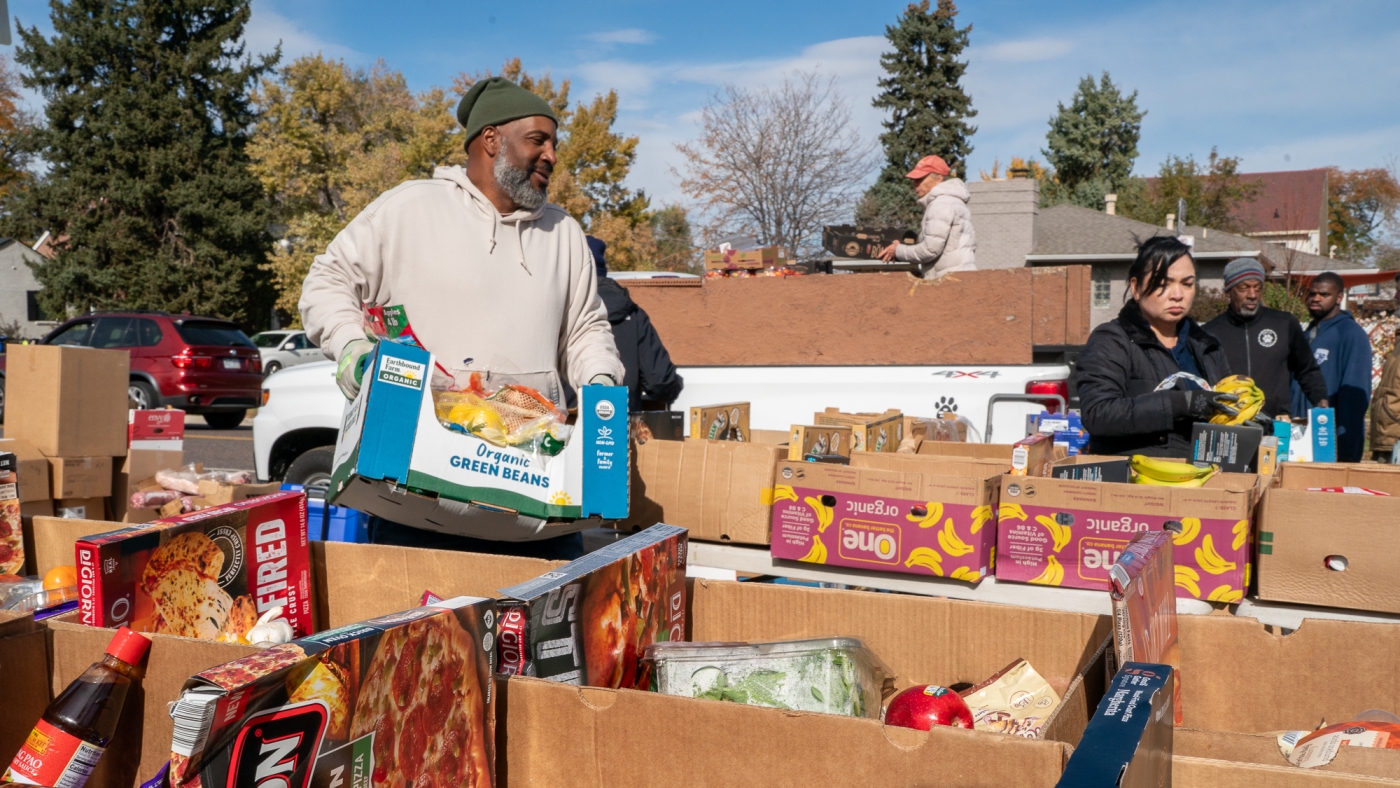
The article discusses the ongoing uncertainty around SNAP benefit disbursements due to the federal government shutdown, highlighting how different communities and states are responding by setting up emergency measures, supporting food banks, and urging residents to seek alternative resources to mitigate the impact on vulnerable populations.
The Trump administration announced it will restart SNAP benefits at half the usual amount using emergency funds, following court rulings that the freeze on payments was unlawful. The partial funding may lead to logistical challenges and insufficient support for the 42 million Americans relying on the program, with many states and food banks struggling to fill the gap.
The article discusses potential changes to U.S. dietary guidelines influenced by Health Secretary Robert F. Kennedy Jr., who advocates for increased saturated fat consumption, contrary to longstanding scientific consensus that links saturated fats to cardiovascular disease. The current guidelines recommend limiting saturated fat intake to less than 10% of daily calories, emphasizing plant-based unsaturated fats for better heart health. Experts warn that ignoring scientific evidence could impact public health recommendations.
The ongoing federal government shutdown has halted November SNAP benefits for over 3.5 million Texans, marking the first interruption in over six decades, due to a stalemate in Congress over government funding and health insurance subsidies. The shutdown has led to a potential $614 million loss in Texas, with no immediate federal funds available to cover the benefits, raising concerns about food security for vulnerable populations. State and food bank efforts are underway to mitigate the impact, but the situation remains uncertain as political disagreements continue.
Due to the ongoing federal government shutdown, California will likely delay food benefits for 5.5 million low-income residents, prompting Gov. Gavin Newsom to allocate $80 million and deploy the National Guard to support food banks, highlighting the urgent impact on vulnerable populations like children and seniors.
World Menopause Day highlights the need to normalize menopause conversations, improve healthcare access, and implement supportive policies in workplaces and national systems to enhance women's health, productivity, and dignity during midlife.
California Governor Gavin Newsom signed bipartisan legislation to bolster the state's home insurer of last resort, the FAIR Plan, by allowing it to request state-backed loans and spread out claims payments after disasters, aiming to prevent insolvency amid increasing wildfire risks due to climate change. Additionally, new laws expand oversight of the FAIR Plan board to improve transparency and stability in California's insurance market, which is under pressure from rising wildfire damages and insurer withdrawals.
Self-driving cars like Waymo significantly reduce traffic accidents and fatalities, yet face regulatory and societal hurdles, with some cities considering bans despite their safety benefits. The article also discusses the rise of early-onset cancers, suggesting increased diagnosis rather than actual disease prevalence, raising questions about over-testing and medical anxiety.
A report criticizes recent changes by the Trump administration at the Social Security Administration, highlighting increased difficulties for disabled and poor Americans in accessing benefits, with issues in field office service, phone system re-routing, and complex eligibility rules, despite some overall improvements in claim processing times.
New Mexico will become the first U.S. state to offer free universal childcare to all residents starting November 1, expanding on a previous program that significantly reduced poverty and improved family stability, with the initiative being hailed as a national model.