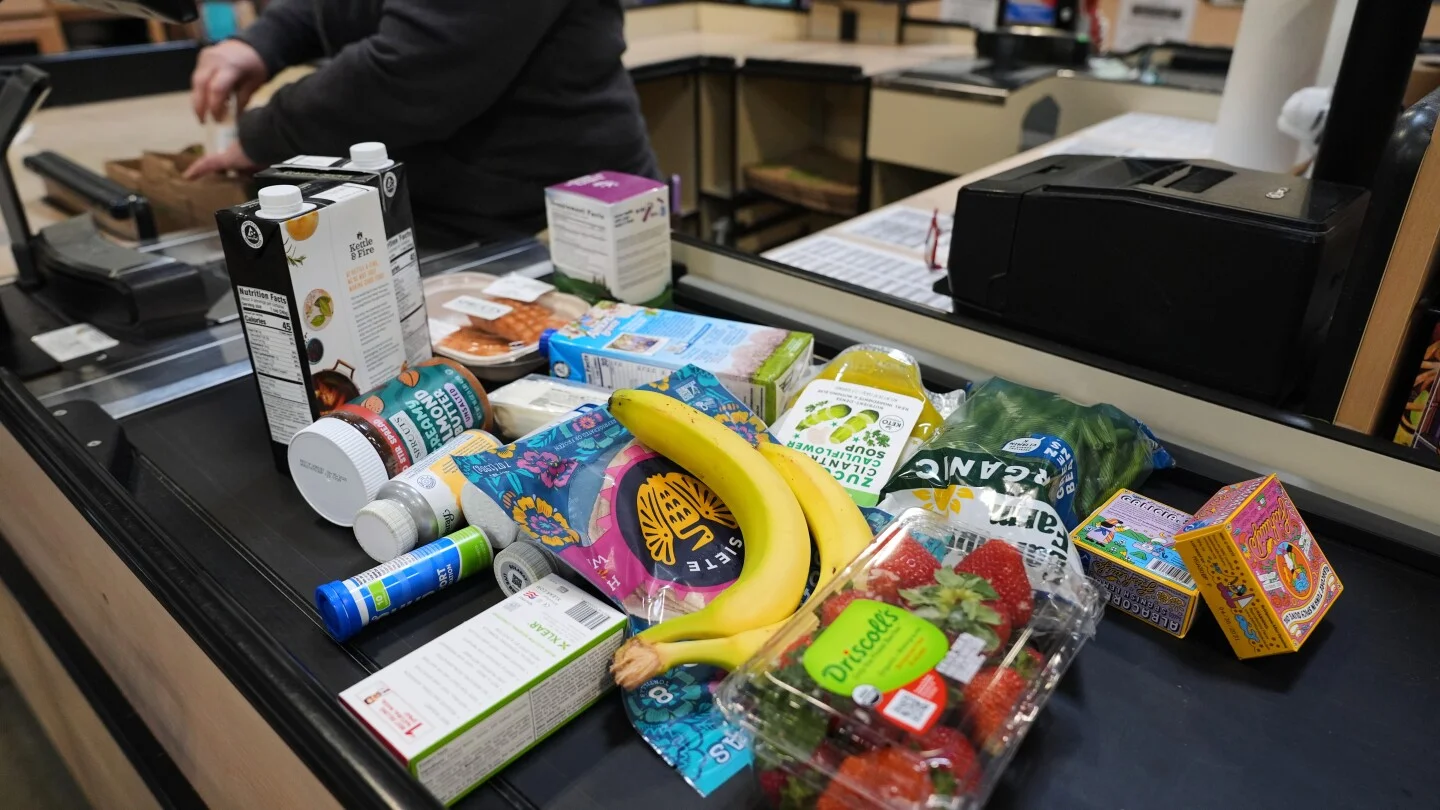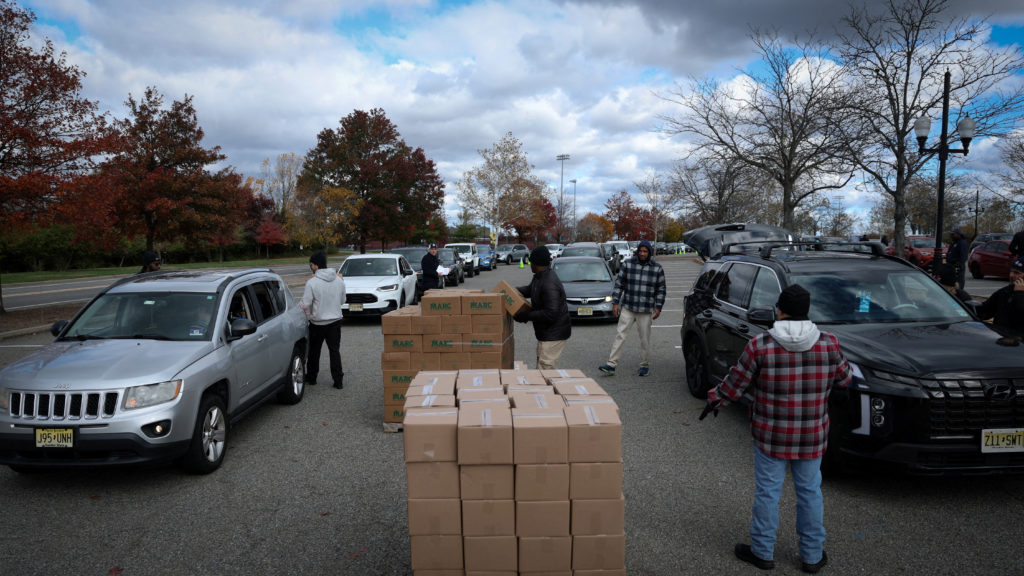
During a government shutdown that paused SNAP benefits, a rapid response by GiveDirectly and Propel provided $50 cash transfers to nearly a quarter of a million families, helping them manage immediate food needs and restore confidence in safety nets amid widespread uncertainty.
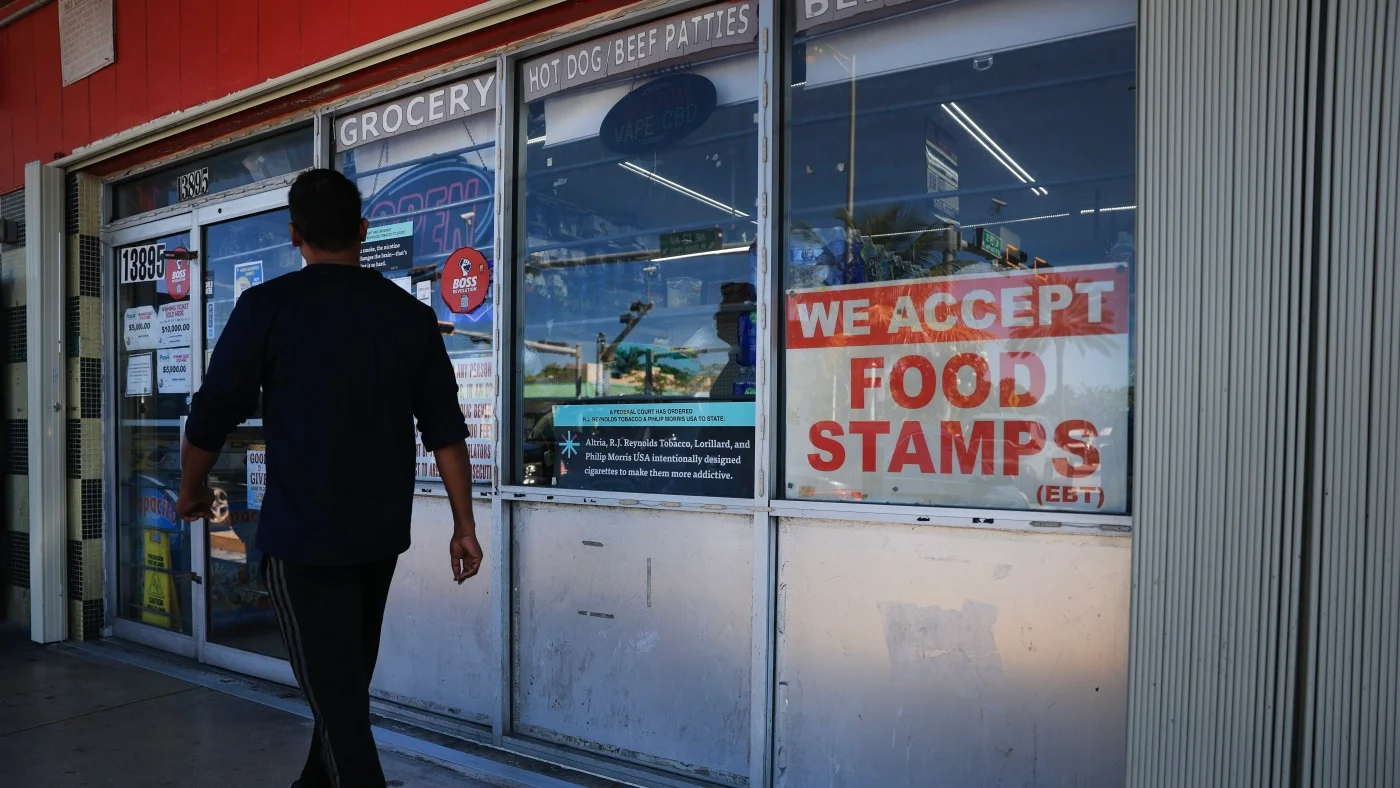
RFK Jr. advocates for banning junk food in states, but there is confusion and logistical challenges in defining what foods are banned under SNAP, leading to concerns among retailers and beneficiaries about enforcement and fairness. States like Utah, Indiana, and others are implementing bans with limited guidance, causing operational difficulties and uncertainty about compliance.
The USDA, led by Agriculture Secretary Brooke Rollins, plans significant reforms to the SNAP program, citing alleged fraud and misuse, amid ongoing debates over benefit eligibility and recent deep cuts. Critics argue the claims of widespread fraud are overstated and that the proposed changes could harm vulnerable populations, with some uncertainty about the specifics of the new policies and data supporting the claims. The administration is also considering narrowing eligibility rules, which could result in millions losing benefits.
SNAP benefits are being distributed again, but new work requirements mandated by recent legislation are causing confusion and implementation challenges across states, risking the loss of benefits for millions of enrollees, especially those who are unaware of or unable to meet the new criteria.
The Trump administration plans to pay full SNAP benefits within 24 hours of the shutdown ending, after disruptions that affected 42 million people, with partial benefits already issued during the shutdown and full payments expected once the government reopens.
SNAP benefits are expected to resume quickly after the end of the government shutdown, with most states able to distribute benefits within 24 hours, although the timeline may vary by state due to administrative processes. The shutdown caused delays and partial payments for millions of Americans relying on food assistance, but the new legislation will restore full benefits for November and reimburse states for their expenses.
The U.S. Supreme Court temporarily paused a lower court order requiring the Trump administration to fully fund SNAP benefits during the government shutdown, with the decision possibly rendered moot if a congressional deal to end the shutdown is reached soon.
The Supreme Court extended a temporary order allowing the Trump administration to withhold full SNAP payments during the government shutdown, affecting 42 million Americans, as lawmakers consider a bill to reopen the government.
The Supreme Court extended its order blocking full SNAP payments amid the ongoing government shutdown, which could soon end as Congress considers a bill to reopen the government and resume food aid payments. The situation remains chaotic, with some beneficiaries receiving partial or no benefits, and legal battles over the funding continue. The shutdown has caused significant hardship for families relying on SNAP, highlighting the urgent need for resolution.
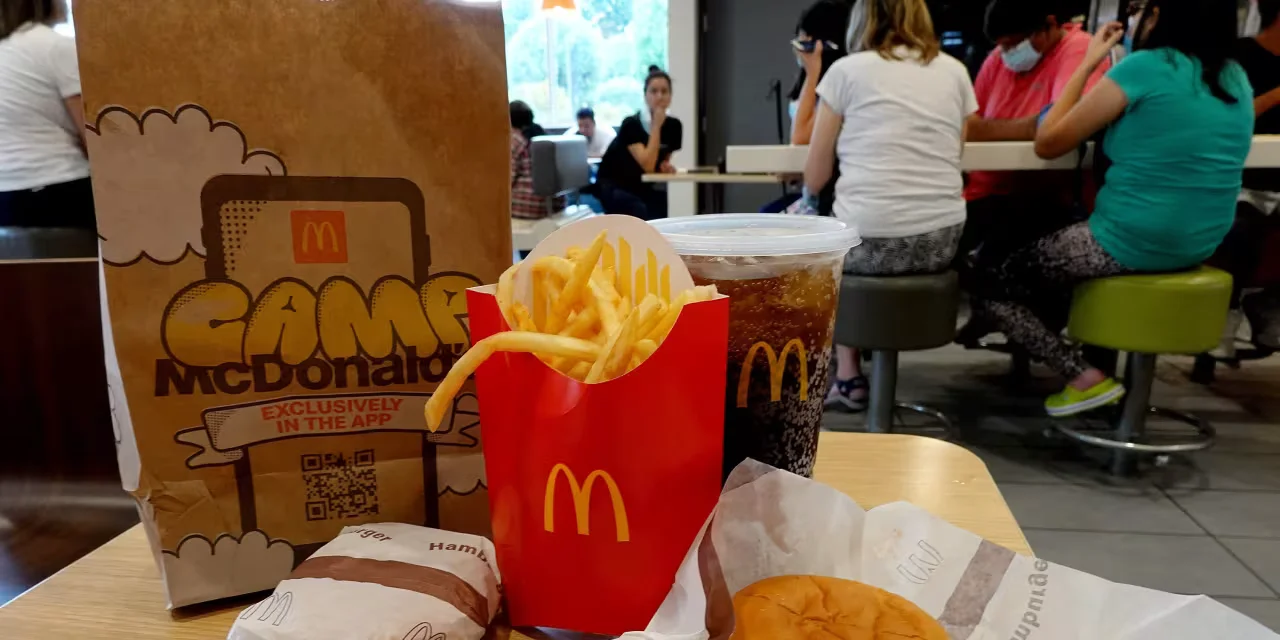
The ongoing U.S. government shutdown has disrupted SNAP benefits, causing concern among companies like McDonald's and Tyson Foods, as lower-income consumers face increased financial stress, potentially impacting overall food sales and consumer behavior, with some companies cautious about future forecasts.
The U.S. Supreme Court is expected to decide whether full SNAP benefits should resume amid ongoing legal battles and a government shutdown, affecting millions of Americans' access to food assistance, with the outcome depending on court rulings and congressional action.
The article offers nine strategies for finding free or low-cost food when money is tight, including using SNAP benefits, shopping at multiple food pantries, taking advantage of discounts and apps like Flashfood, asking for store discounts, and meal planning to stretch groceries. It emphasizes the importance of accessing community resources and being proactive in seeking affordable food options.
The U.S. Supreme Court is set to decide on the resumption of full SNAP food assistance payments amid ongoing legal battles and a potential government shutdown deal, affecting millions of Americans' access to food benefits.
The Trump administration is appealing to the Supreme Court to keep full SNAP benefits frozen during the government shutdown, amid ongoing legal disputes and delays in payments, which are causing hardship for millions of Americans relying on food assistance.
An appeals court has denied former President Trump's attempt to stop full SNAP benefits for November, amid ongoing legal disputes that have caused confusion over food assistance subsidies for 42 million recipients.