public-policy3.125 min read
Massachusetts Announces Public Sessions on Expanding Hunting Opportunities
1 month ago•Source: Mass.gov

The latest public policy stories, summarized by AI
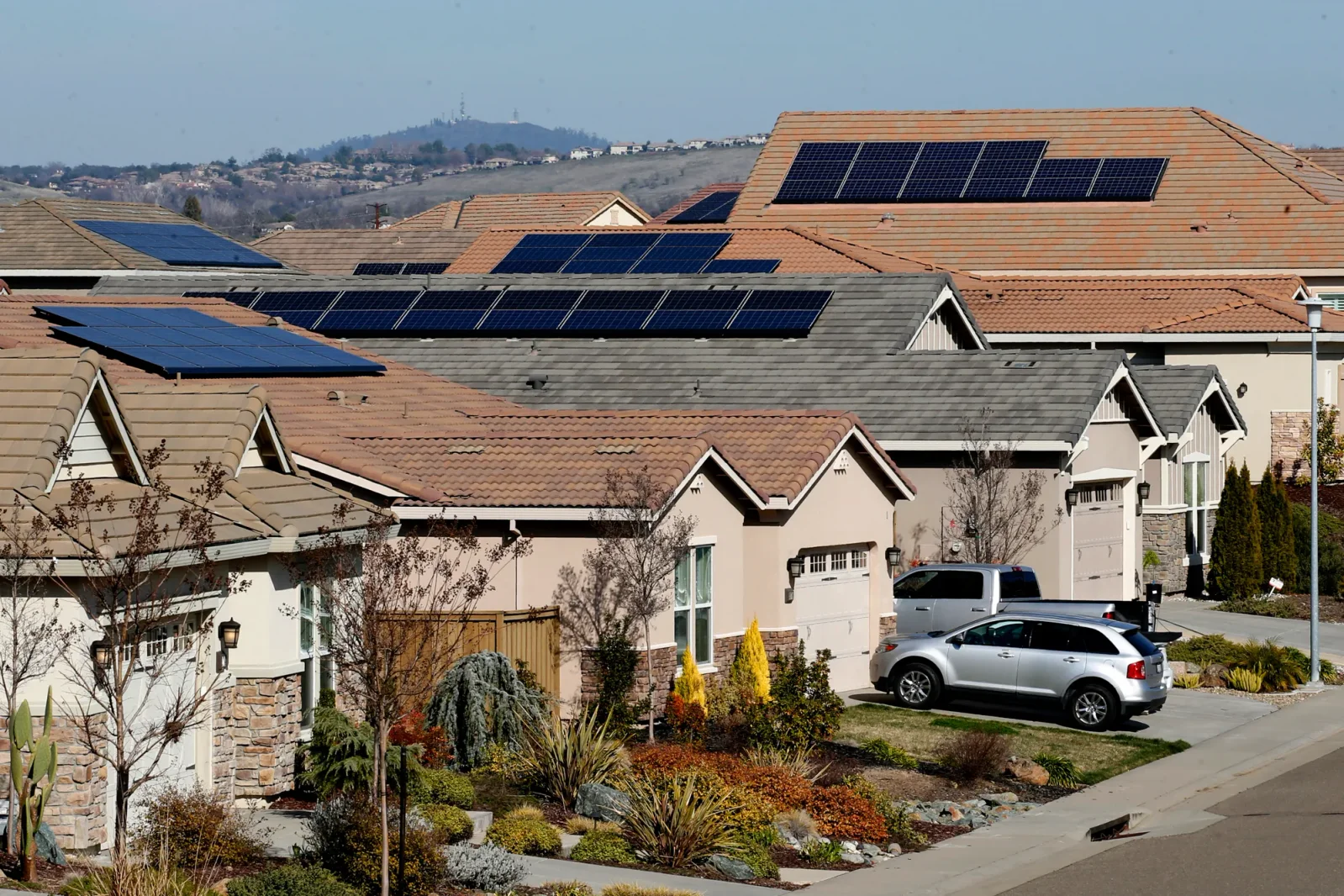
California's new Safe Homes grants program, starting in 2026, aims to assist low- and middle-income homeowners in high wildfire risk areas with funding for fire-resistant roofs and creating ember-resistant zones, with details on eligibility and funding still being finalized.

WHYY•2 months ago
Politico•3 months ago
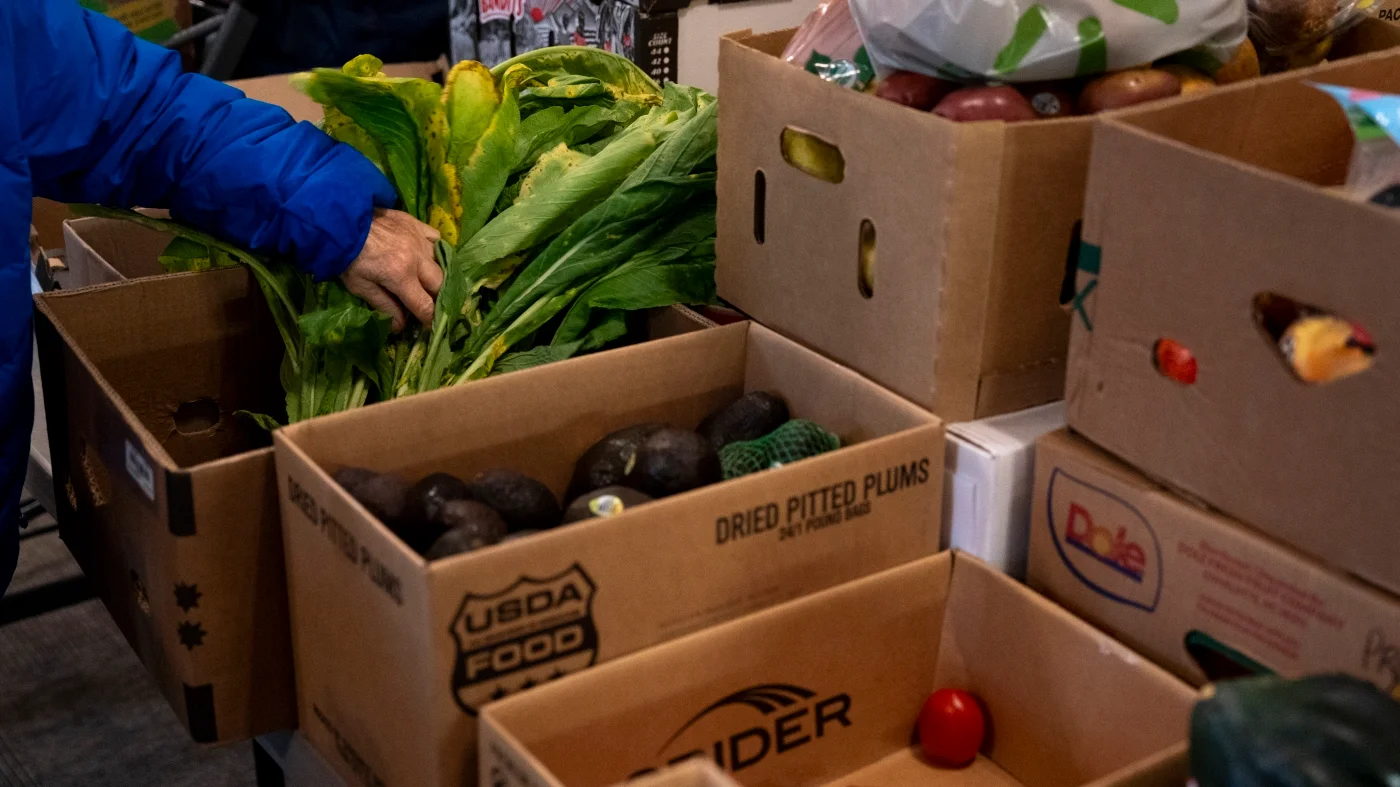
The article discusses the ongoing uncertainty around SNAP benefit disbursements due to the federal government shutdown, highlighting how different communities and states are responding by setting up emergency measures, supporting food banks, and urging residents to seek alternative resources to mitigate the impact on vulnerable populations.
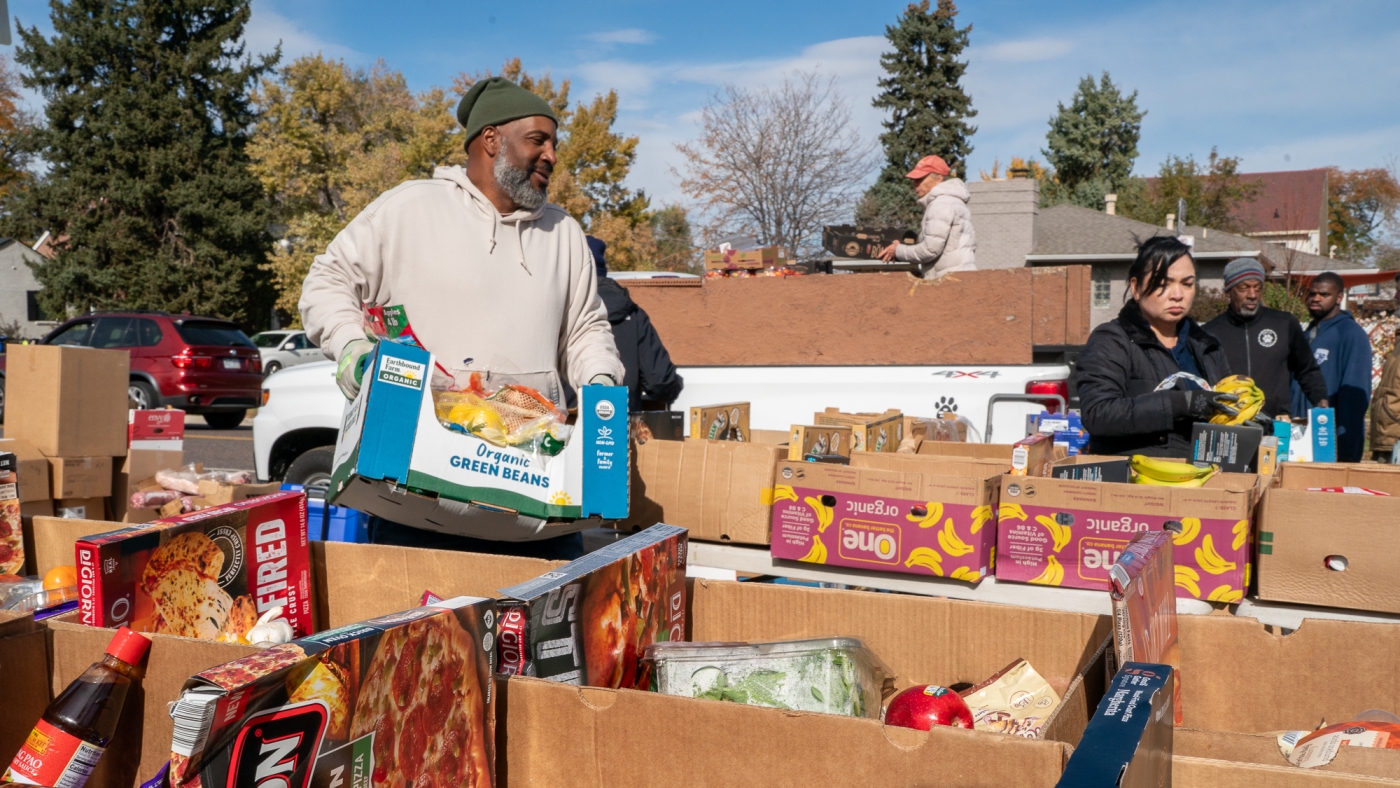
The Trump administration announced it will restart SNAP benefits at half the usual amount using emergency funds, following court rulings that the freeze on payments was unlawful. The partial funding may lead to logistical challenges and insufficient support for the 42 million Americans relying on the program, with many states and food banks struggling to fill the gap.

The ongoing federal government shutdown has halted November SNAP benefits for over 3.5 million Texans, marking the first interruption in over six decades, due to a stalemate in Congress over government funding and health insurance subsidies. The shutdown has led to a potential $614 million loss in Texas, with no immediate federal funds available to cover the benefits, raising concerns about food security for vulnerable populations. State and food bank efforts are underway to mitigate the impact, but the situation remains uncertain as political disagreements continue.
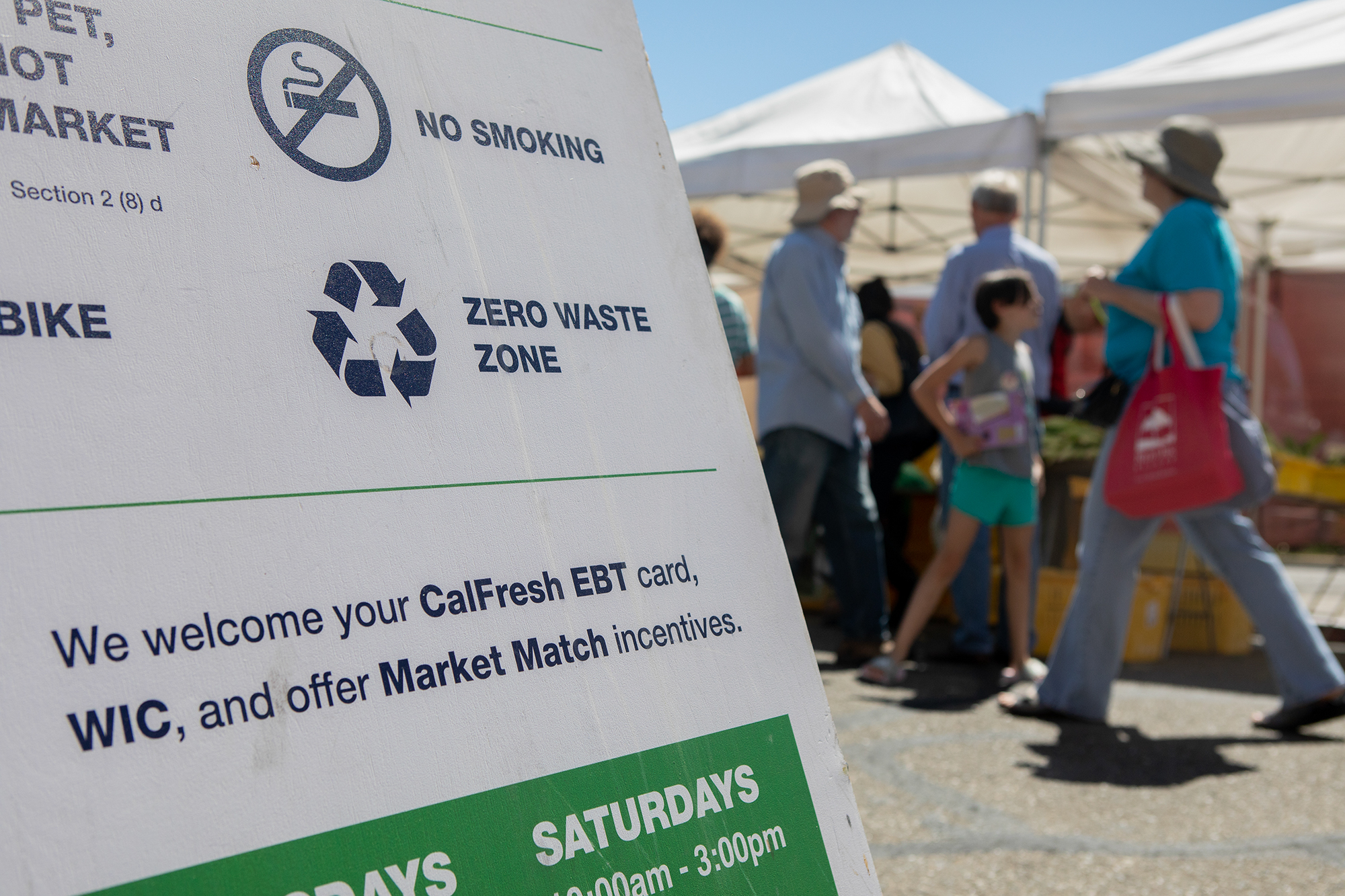
Due to the ongoing federal government shutdown, California will likely delay food benefits for 5.5 million low-income residents, prompting Gov. Gavin Newsom to allocate $80 million and deploy the National Guard to support food banks, highlighting the urgent impact on vulnerable populations like children and seniors.

California Governor Gavin Newsom signed bipartisan legislation to bolster the state's home insurer of last resort, the FAIR Plan, by allowing it to request state-backed loans and spread out claims payments after disasters, aiming to prevent insolvency amid increasing wildfire risks due to climate change. Additionally, new laws expand oversight of the FAIR Plan board to improve transparency and stability in California's insurance market, which is under pressure from rising wildfire damages and insurer withdrawals.

A report criticizes recent changes by the Trump administration at the Social Security Administration, highlighting increased difficulties for disabled and poor Americans in accessing benefits, with issues in field office service, phone system re-routing, and complex eligibility rules, despite some overall improvements in claim processing times.
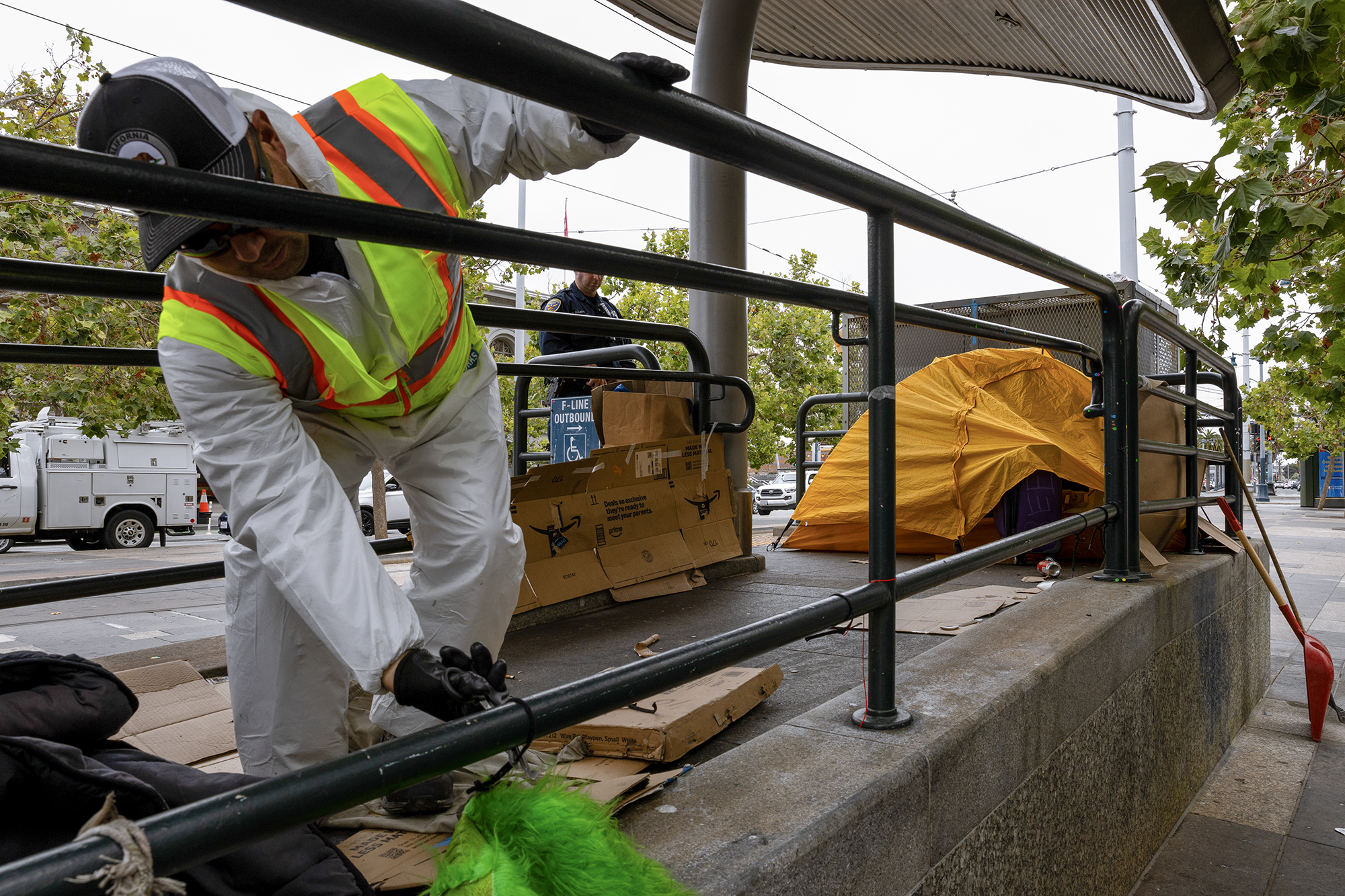
California Governor Gavin Newsom has launched a new task force comprising six state agencies to address and clear homeless encampments in the state's largest cities, focusing on removing encampments on state property and connecting homeless individuals with housing and services, amid ongoing debates over homelessness policies.
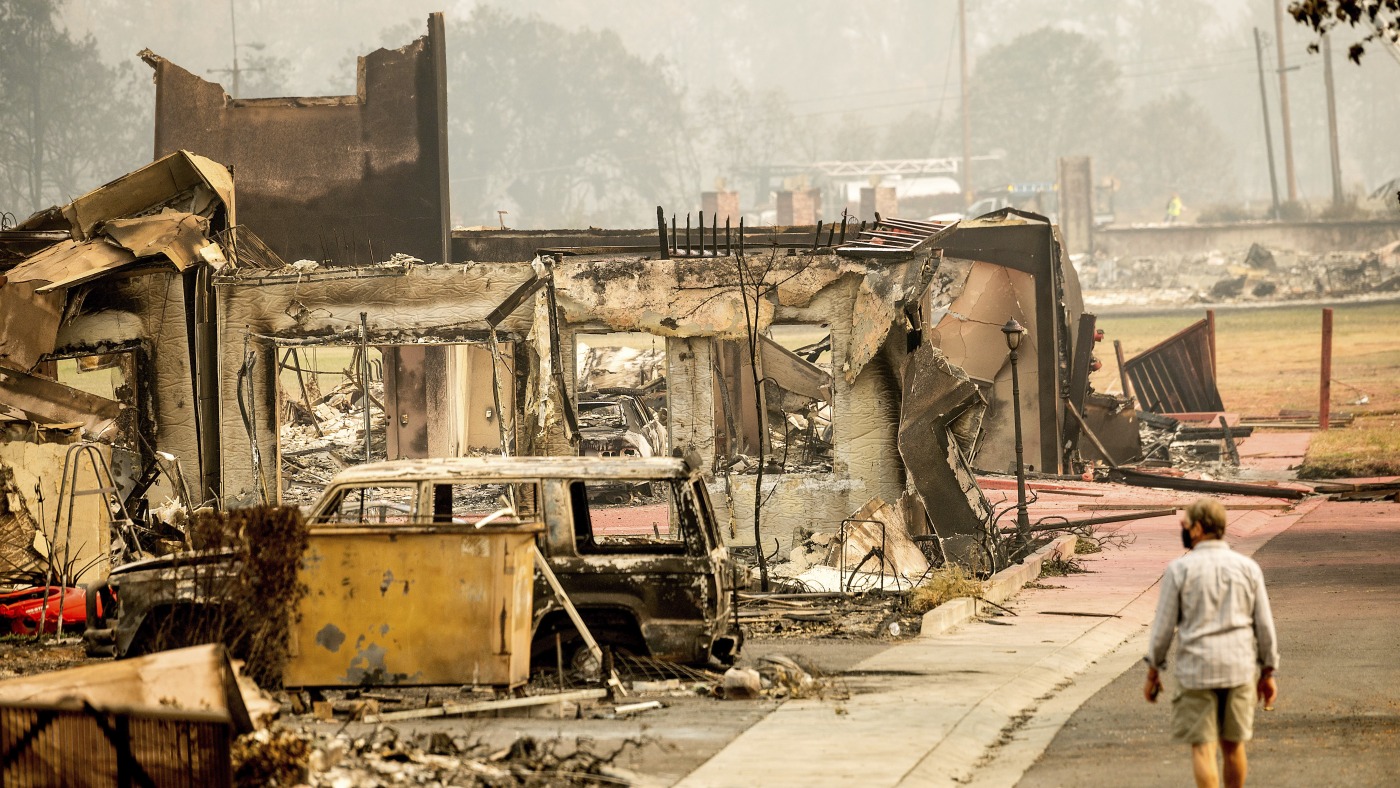
FEMA's efforts to address long-standing issues in disaster aid, especially for vulnerable populations, were underway under the Biden administration but are now at risk due to program cuts and staff reductions initiated by the Trump administration, potentially reversing progress made in equitable disaster response.