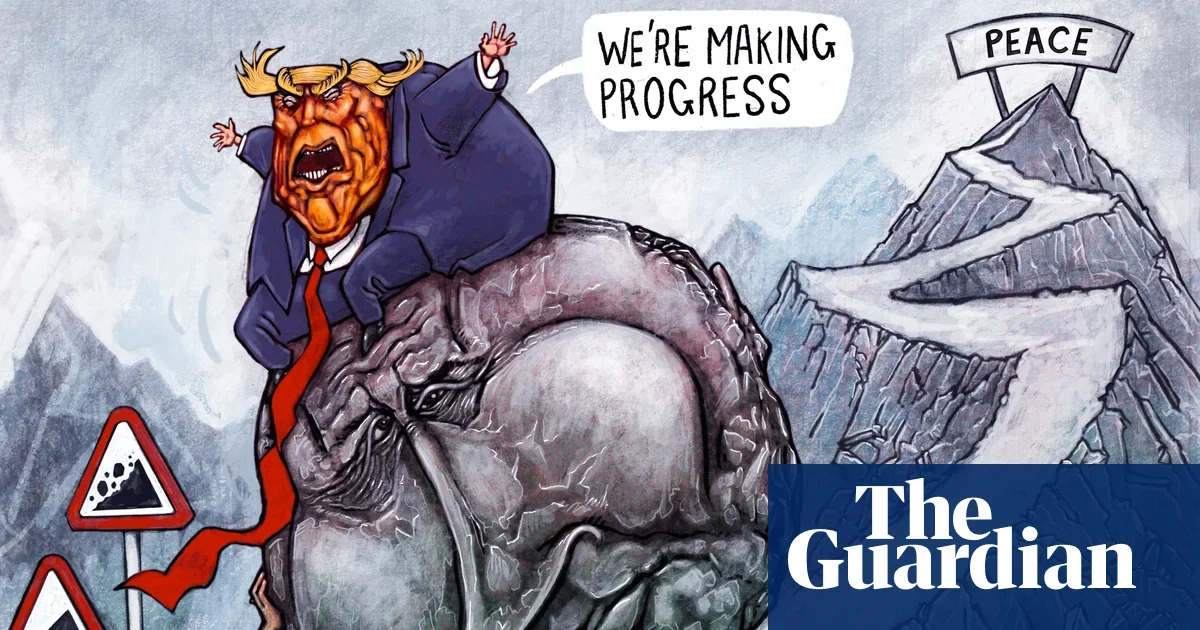
A Guardian cartoon by Stephen Lillie marking the fourth anniversary of the Ukraine war offers visual critique of the conflict and its main players, including Vladimir Putin and Volodymyr Zelenskyy, as the war continues to shape Europe.
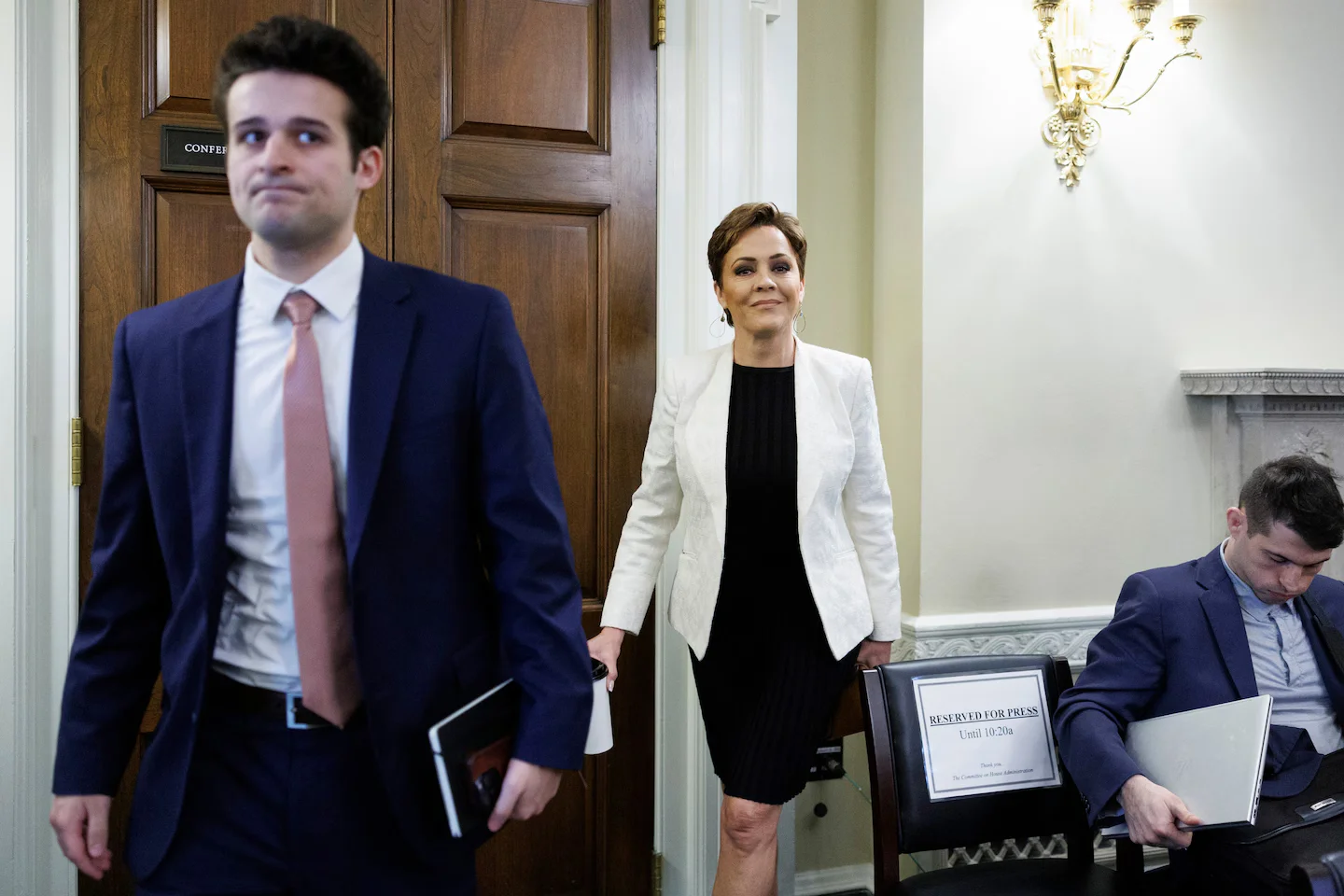
A Washington Post opinion article argues Kari Lake’s leadership moves at the U.S. Agency for Global Media have gutted VOA and Radio Farda, reducing the U.S. ability to inform Iranians and complicating any potential Trump action in Iran, since ground support from Iranians hinges on effective information and messaging.
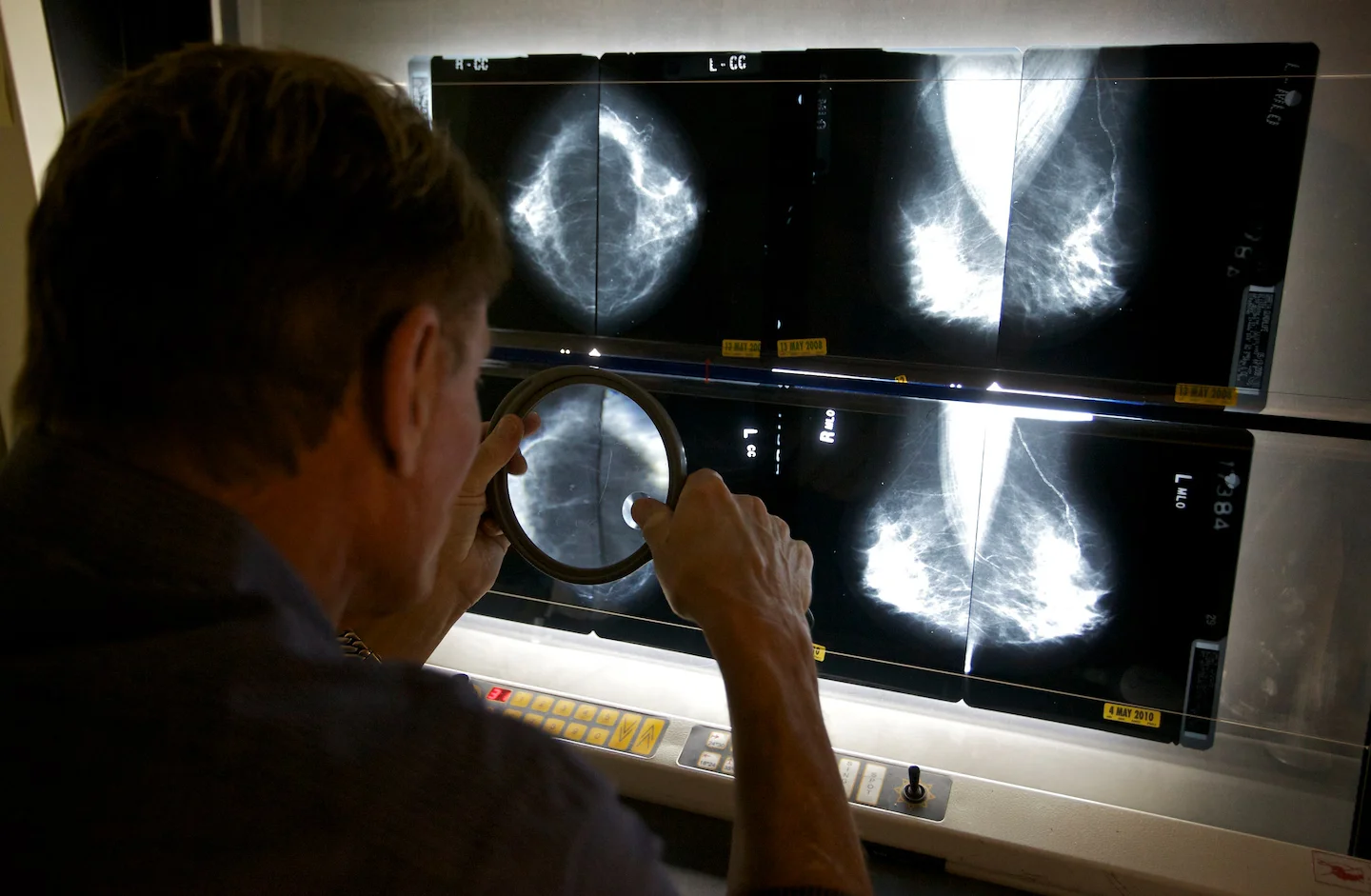
A Washington Post opinion by Leana S. Wen argues that decades of breast cancer screening centered on annual mammograms may be suboptimal, highlighting new research that suggests non-mammogram tests or risk‑based approaches could reduce the reliance on mammograms while maintaining early detection.
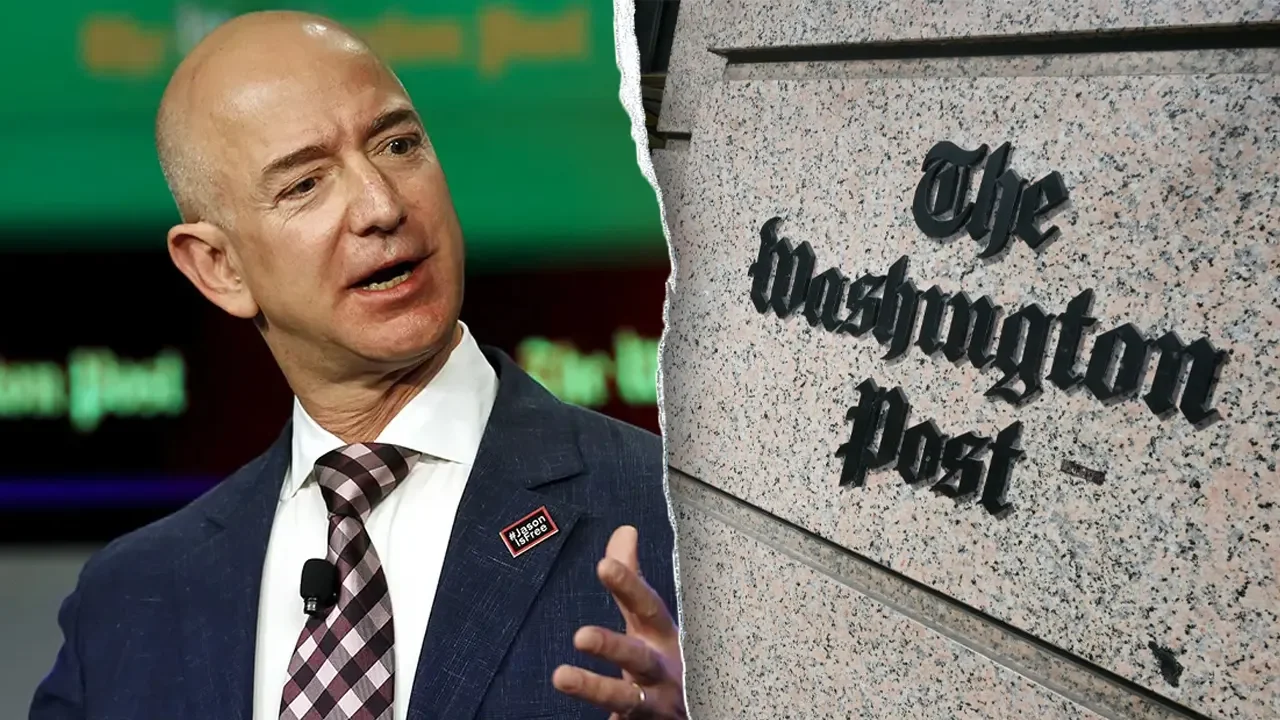
Howard Kurtz argues that Bezos’s ownership has hollowed The Washington Post through mass layoffs, editorial realignments, and profit‑driven decisions, leaving it a shell of its former self and suggesting selling the paper could offer a path to revival.
The New York Daily News Editorial Board criticizes Mayor Mamdani for skipping the investiture of Archbishop Ronald Hicks, calling it a rude breach of tradition for a city leader and noting that past mayors attended such ceremonies; the piece urges Mamdani to engage with Hicks and participate in future events to show respect for diverse communities.
Veteran war correspondent Janine di Giovanni argues that state terror is seeping into democracies, with security rhetoric normalizing abuses and eroding civil liberties. Citing Syria, Iraq, Egypt, Chechnya, and Israel/Palestine, she says legalistic and bureaucratic mechanisms—surveillance, punitive funding, and restrictive immigration enforcement—mirror tyrannies, turning fear into policy and weakening democratic legitimacy. She urges urgent attention to hundreds of survivor testimonies and warns that once democracies adopt these methods, they become less secure and less trustworthy.
Former FDA commissioner Scott Gottlieb argues vaccines do more than prevent immediate infection: by stopping viruses, vaccines also avert lasting health problems, countering anti-vaccine misinformation.
An opinion piece argues that civilization rests on secure property titles and private land ownership, and that apologies for past wrongs or Indigenous land claims cannot replace a stable, enforceable title system.
Kotaku’s take on today’s Nintendo Direct Partner Showcase says the Switch 2 lineup is thin and mostly composed of ports and older titles, with few first‑party reveals or release dates, making the console feel stagnant eight months into its life and raising doubts about its early prospects.
Civil Beat columnist Lee Cataluna argues that new Zippy’s openings in Las Vegas symbolize Hawaii residents choosing to relocate for affordable housing, schools, and opportunity, while still carrying elements of home, reframing emigration as a deliberate, not desperate, life choice.
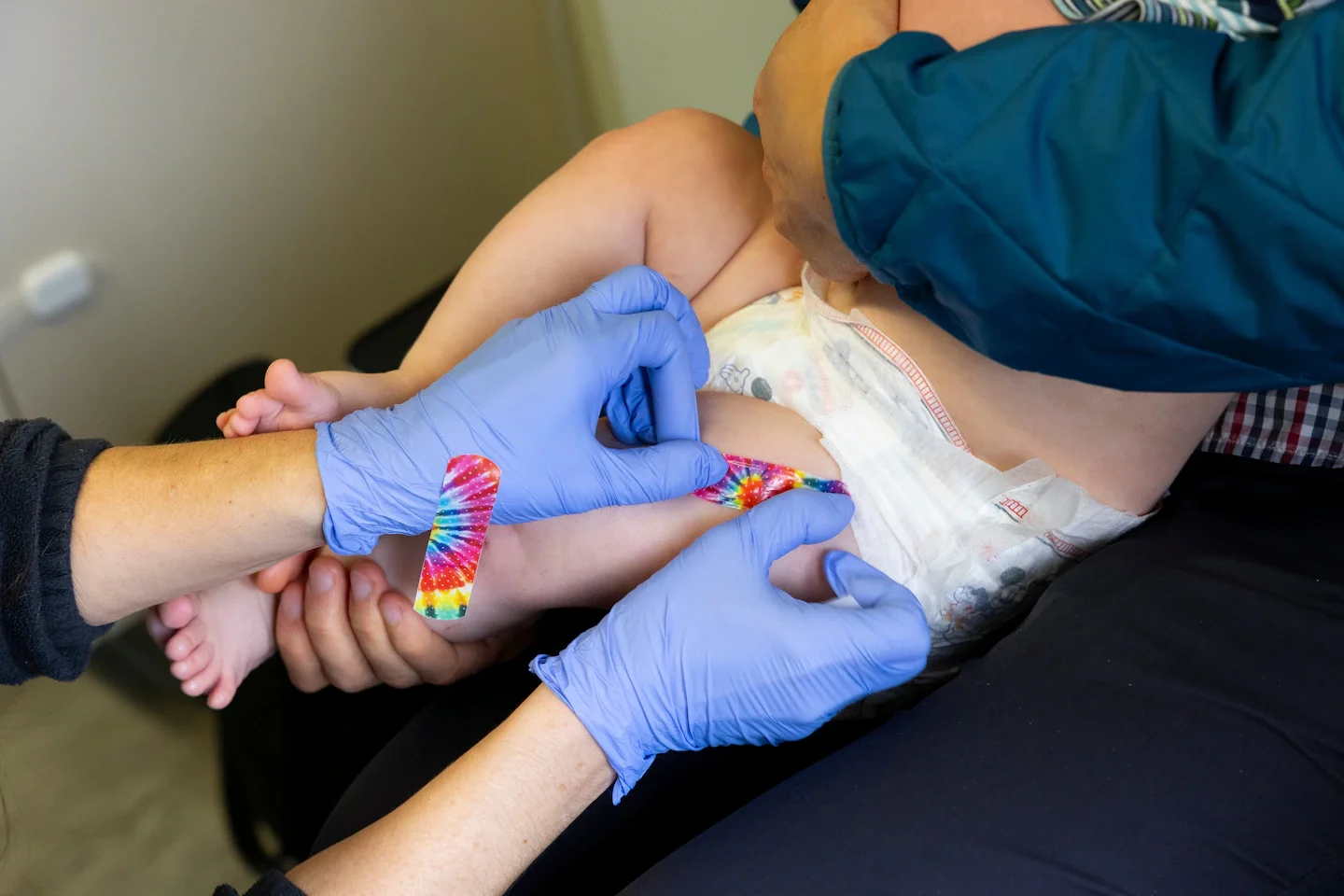
A Washington Post Opinion piece argues that RFK Jr.'s vaccine criticisms are met with a united push from pediatricians and the American Academy of Pediatrics, whose annual, science-based vaccine guidance guides policy and safeguards children's health against misinformation.
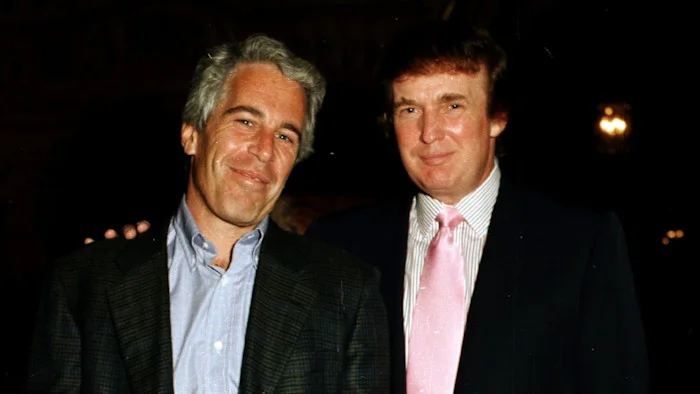
The Financial Times opinion piece argues that the Epstein dossier widens public outrage into a critique of America’s ruling class, revealing an expansive network across presidents, financiers, royals, and celebrities. It contends that only full disclosure of the remaining files can usher accountability and restore a culture of shame, as the Epstein affair exposes systemic enablement rather than isolated misconduct.
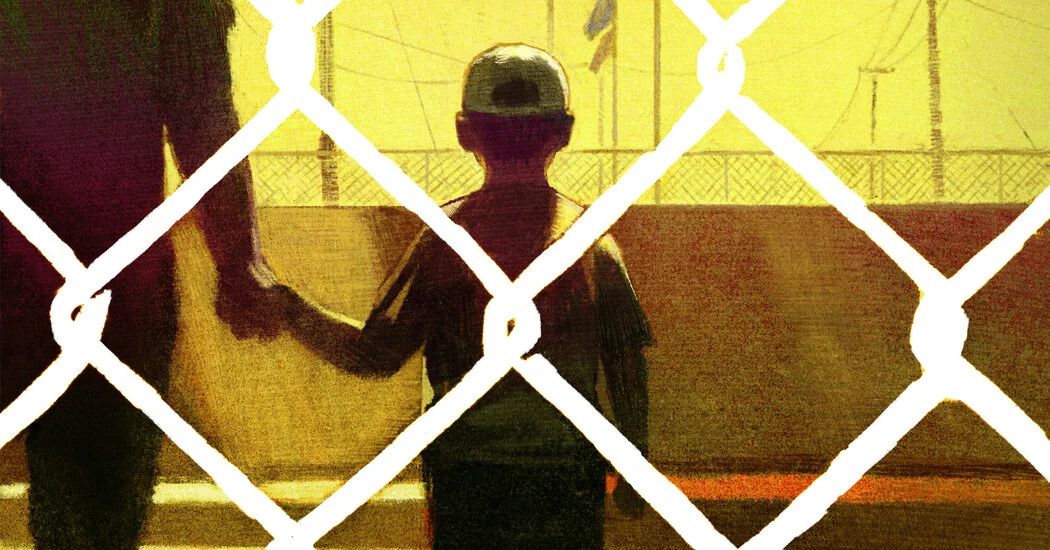
An op-ed by Columbia Law School professor Elora Mukherjee argues that the Trump administration’s March 2025 restart of long-term family detention has led to hundreds of families, including many without criminal histories, being detained at the Dilley, Texas facility while seeking asylum. The piece notes thousands of detained children, often in conditions described by a lawyer who has worked with detainees, and asserts these families are eligible for parole and should be released, calling for humane asylum processes rather than prolonged detention.
Emily Oster weighs two January HHS moves under RFK Jr.: a controversial overhaul of the childhood vaccine schedule and a streamlined set of dietary guidelines. She argues the vaccine changes lack new safety evidence and risk eroding trust, while the dietary guidelines largely reflect prior data and could improve public understanding if communicated clearly. The piece underscores how trust in public health is fragile, and linking skeptical vaccine messaging with seemingly reasonable dietary guidance creates a difficult messaging environment.
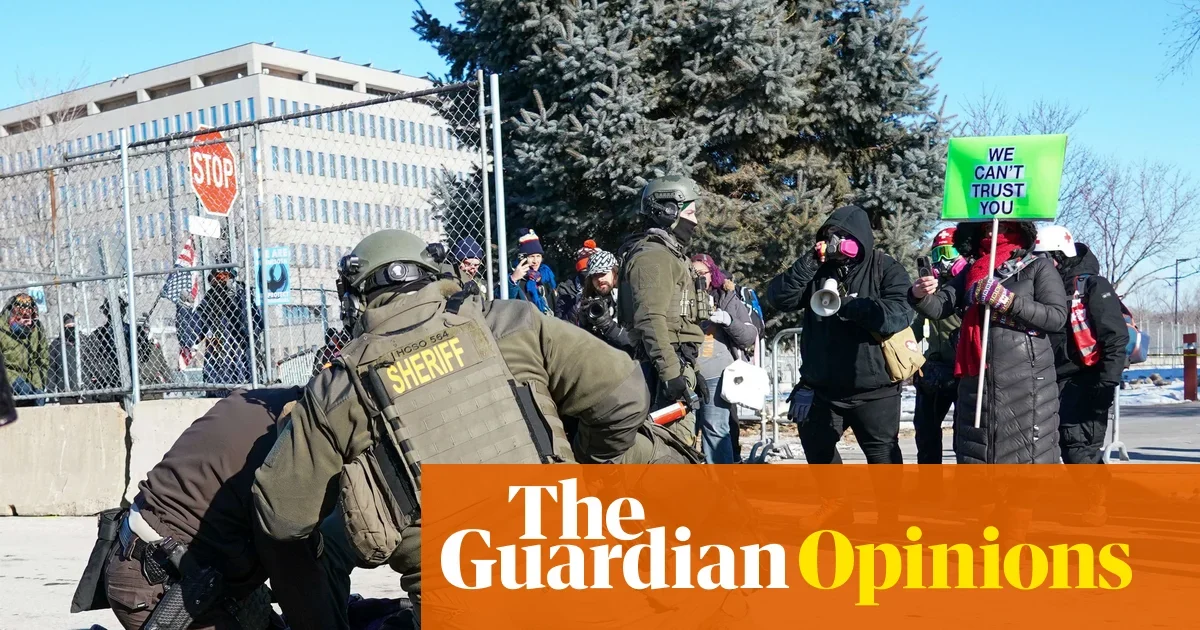
The Washington Post editorial board argues that the fatal Minneapolis shooting by a federal agent underscores the need for accountability and congressional checks on immigration enforcement, calling to curb the president’s mass deportation agenda and demand DHS/ICE oversight.