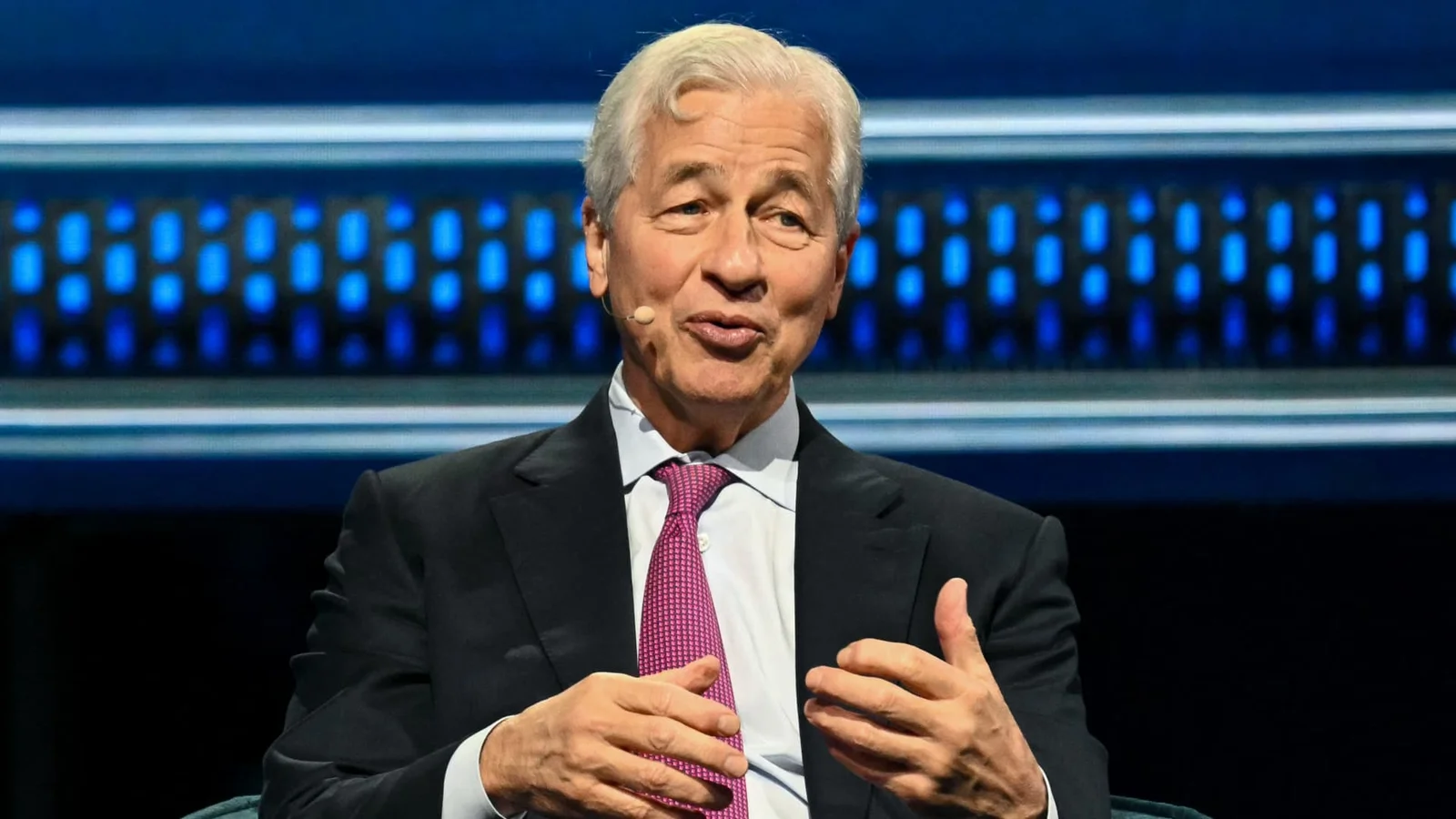
JPMorgan Chase CEO Jamie Dimon called Trump’s proposed 10% cap on credit card interest an 'economic disaster' and proposed testing the policy in Vermont and Massachusetts to observe its impact on lending and consumers, signaling that price controls could shrink the credit market; banks oppose the idea, and Dimon said JPMorgan would share its analysis with the administration.
An economics-focused op-ed argues that while Trump’s early critique of price controls was largely accurate, his later embrace of such measures would risk reducing supply and credit access, underscoring the long-run economic costs that political rhetoric often overlooks.
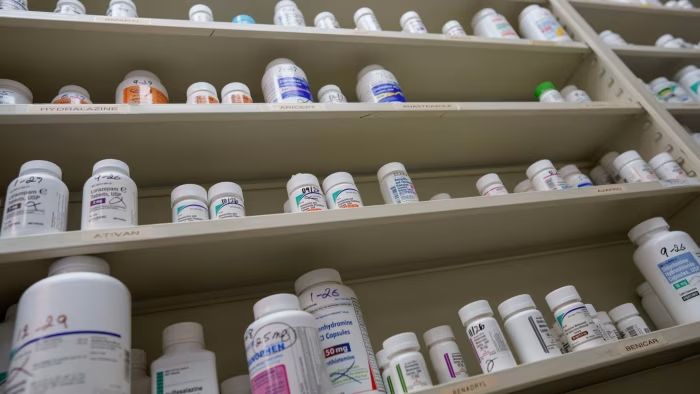
President Trump has demanded 17 pharmaceutical companies commit to lowering drug prices by September 29, including applying 'most favoured nation' pricing to Medicaid and offering US prices comparable to other developed countries, prompting share price declines and increased lobbying efforts, though legal and practical challenges remain.
Germany’s antitrust authority warned Amazon that its price control policies for marketplace retailers may violate EU and national laws, as they influence competition and pricing transparency. Amazon argues that such controls are necessary for a good shopping experience, but regulators are concerned about their impact on fair competition and transparency in pricing algorithms.
Medicare will directly set the prices of covered prescription drugs for the first time in history as part of the Inflation Reduction Act. The Centers for Medicare & Medicaid Services (CMS) plans to publish the list of the first 10 drugs subject to price controls in September. Some drug manufacturers, including Merck, Johnson & Johnson's Janssen Pharmaceuticals, and Bristol Myers Squibb, have disclosed that their medications, such as Januvia, Xarelto, Eliquis, and Opdivo, will be subject to controlled prices. This move has been met with opposition from some drug companies, who have sued the federal government over the program.
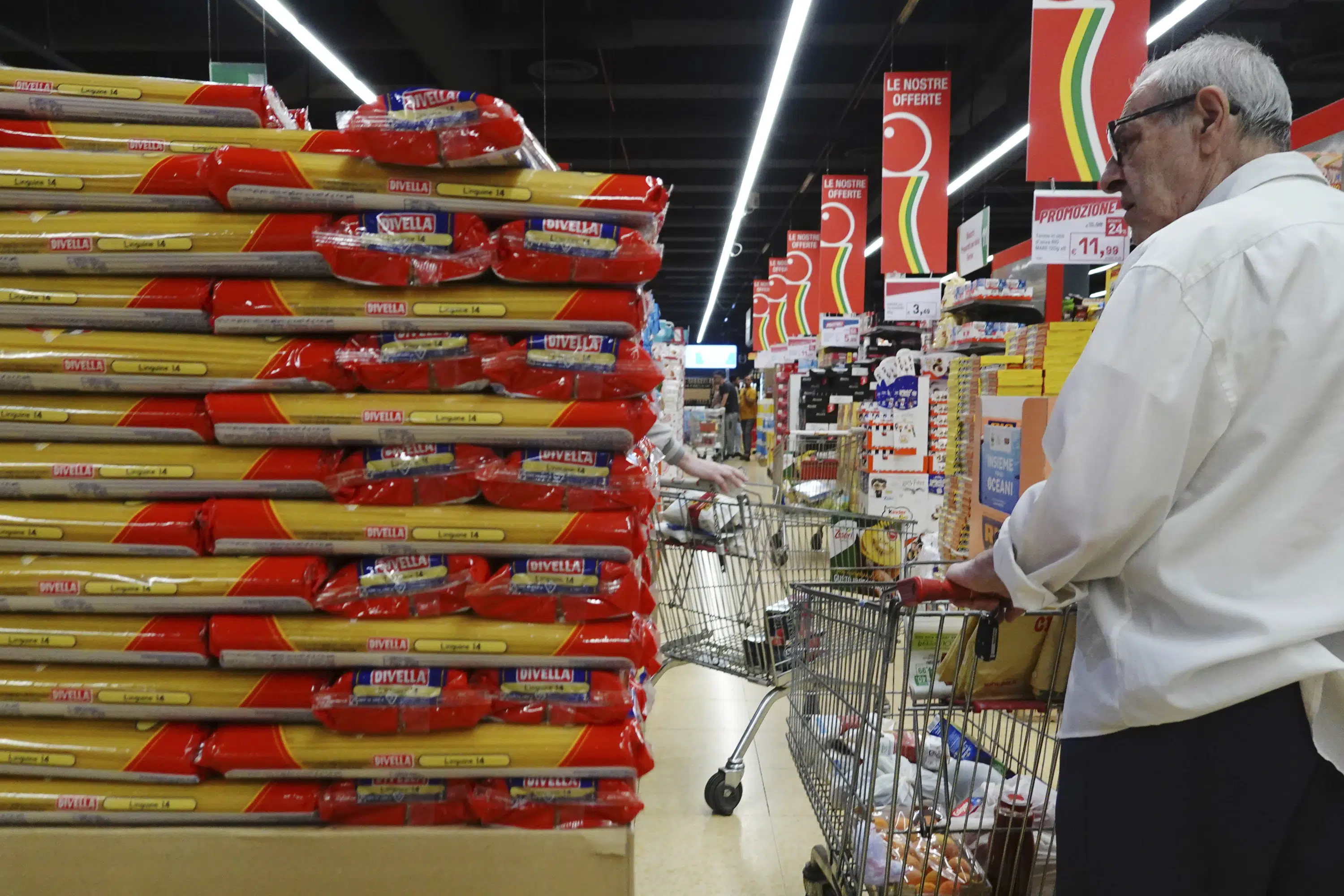
Italians are calling for a weeklong national pasta strike starting June 22 after the cost of the staple of every Italian table soared by twice the rate of inflation. Grocery prices have risen more sharply in Europe than in other advanced economies, driven by higher energy and labor costs and the impact of Russia’s war in Ukraine. Some governments in Europe have capped prices on staples or pushed for agreements with grocery stores to bring down costs, something that’s popular with the public but can actually make food prices worse.
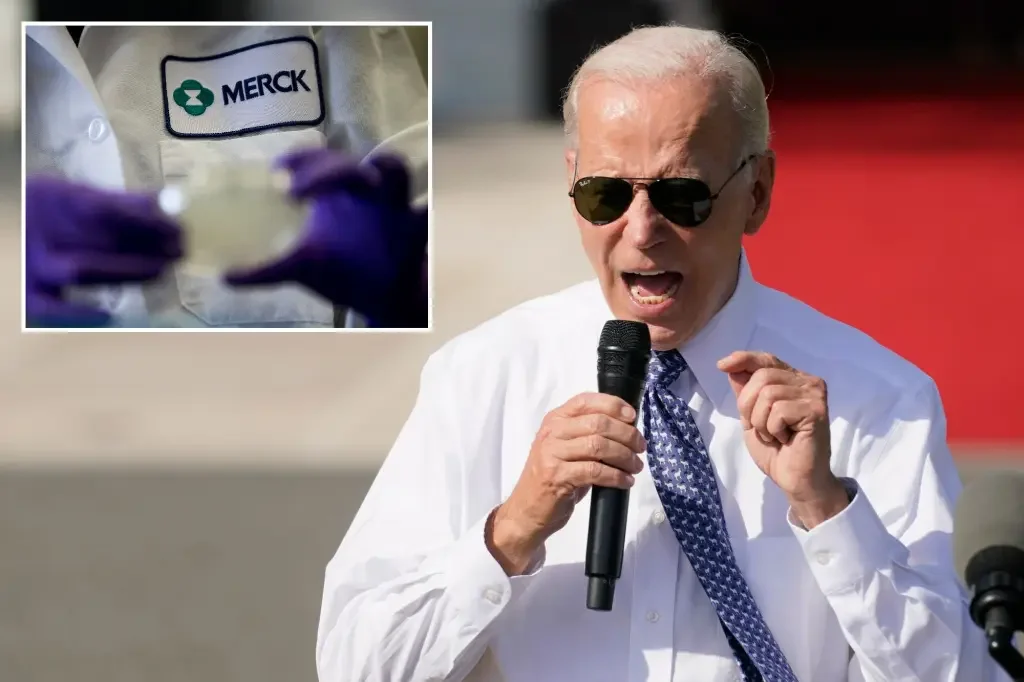
Pharmaceutical giant Merck is suing the US government over the Inflation Reduction Act, which allows the government to dictate the price of medications for seniors and tax companies that refuse to comply. Merck claims the law violates its constitutional rights and sets a dangerous precedent for all businesses. The law also restricts free speech and requires companies to publicly call the government's price "fair." Merck's lawsuit raises constitutional issues, but price controls on pharmaceuticals could also be dangerous to patients' health. The American Society of Clinical Oncology warns that price controls could reduce access to new drugs and harm the pipeline for future cures.
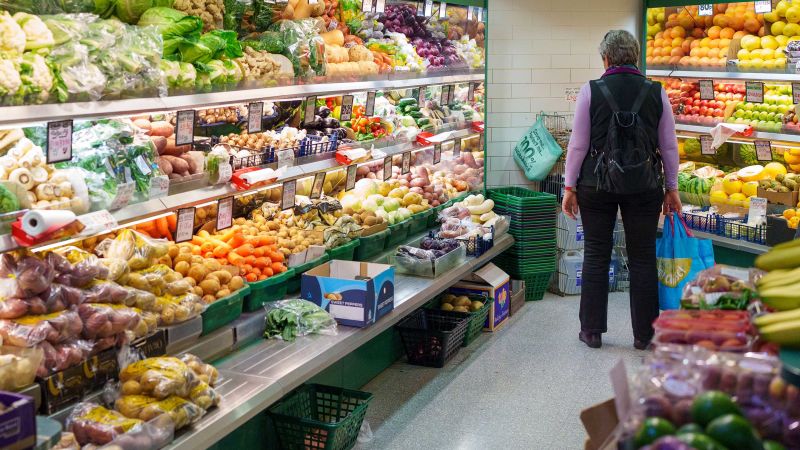
UK store prices are rising at a record pace, with food inflation dipping slightly to 15.4% in May, but still the second-highest rate on record. Prime Minister Rishi Sunak is considering drastic measures, including price controls, to keep inflation in check. Poor households are being hit the hardest, with more people using food banks than ever before. The Bank of England has been caught off guard by stubbornly high food prices, which seem to have barely responded to 12 successive interest rate hikes. Sunak is considering asking retailers to cap the price of essential food items, in a throwback to the 1970s, but economists say that capping prices encourages companies to produce less of a product, while making it more attractive to consumers. Brexit is responsible for about a third of UK food price inflation since 2019, according to researchers at the London School of Economics.