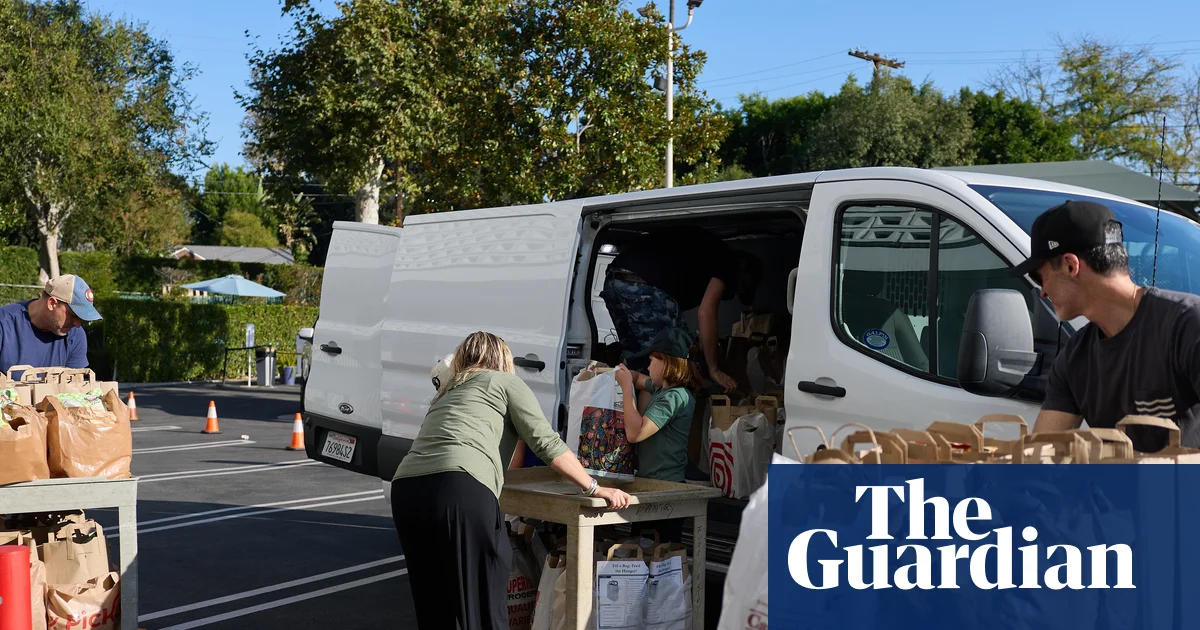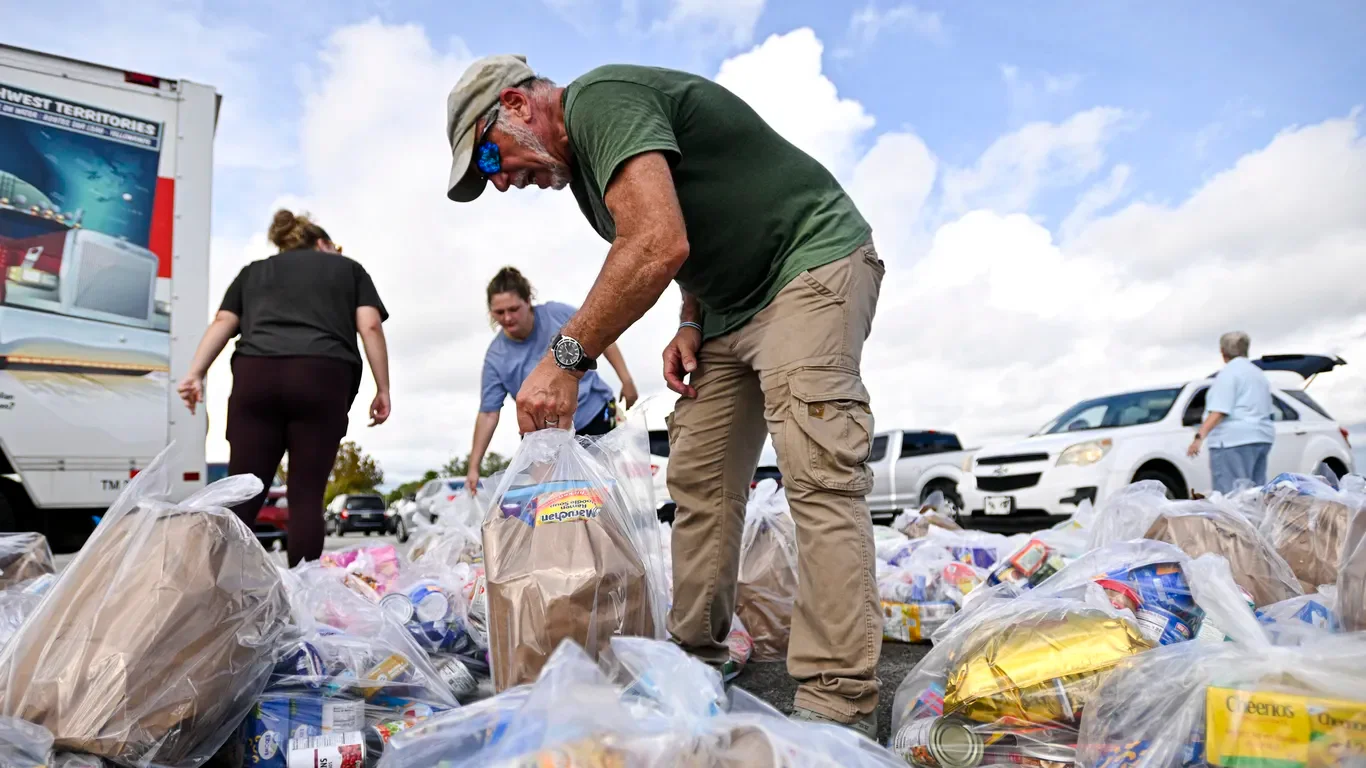
The DOJ argues to the Supreme Court that a federal judge overstepped by ordering full SNAP funding during the government shutdown, claiming the court's order complicates benefit distribution and is untenable, while the legal battle may become moot if the shutdown ends.
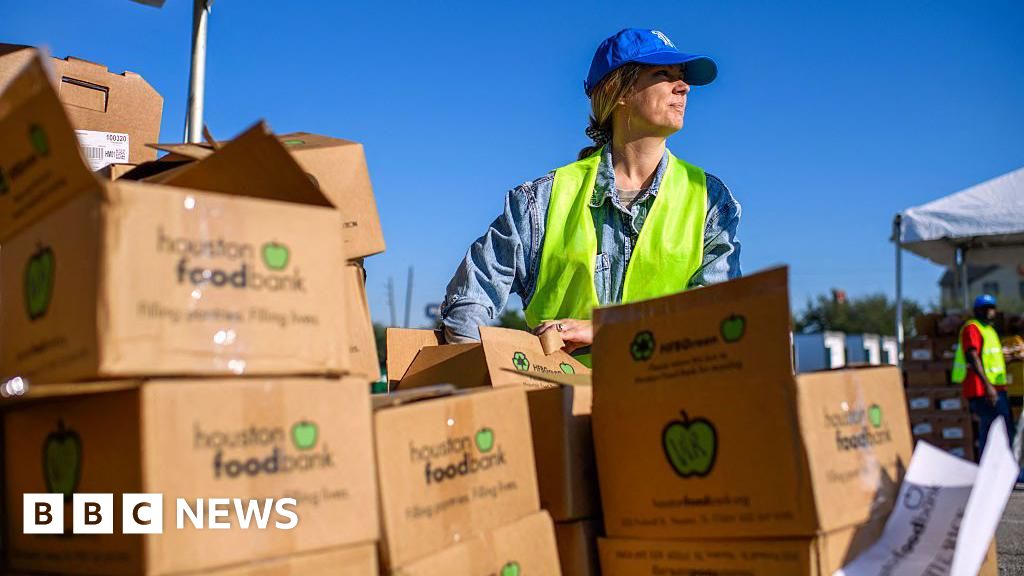
Amid the ongoing government shutdown and conflicting federal directives, Maryland and other states are struggling to fund SNAP benefits, with Maryland's governor Wes Moore allocating $62 million despite federal restrictions, leading to accusations of chaos and political conflict over food assistance for millions.
The USDA has announced it will fully fund SNAP food benefits for over 42 million Americans, ending a prolonged government shutdown impact that had threatened to cut off food assistance for millions, including children, amid legal disputes and political tensions.
California has won a legal battle against the Trump administration, resulting in the immediate restoration of full SNAP benefits for 5.5 million Californians after a court ordered the federal government to release funds that had been withheld during the government shutdown.
The ongoing government shutdown reaches Day 37, with plans to cut airline capacity by 10% in major markets due to air traffic controller shortages, while bipartisan Senate negotiations continue amid political tensions. Meanwhile, SNAP benefits are increased for November, and Nancy Pelosi announces her retirement from Congress after her current term.
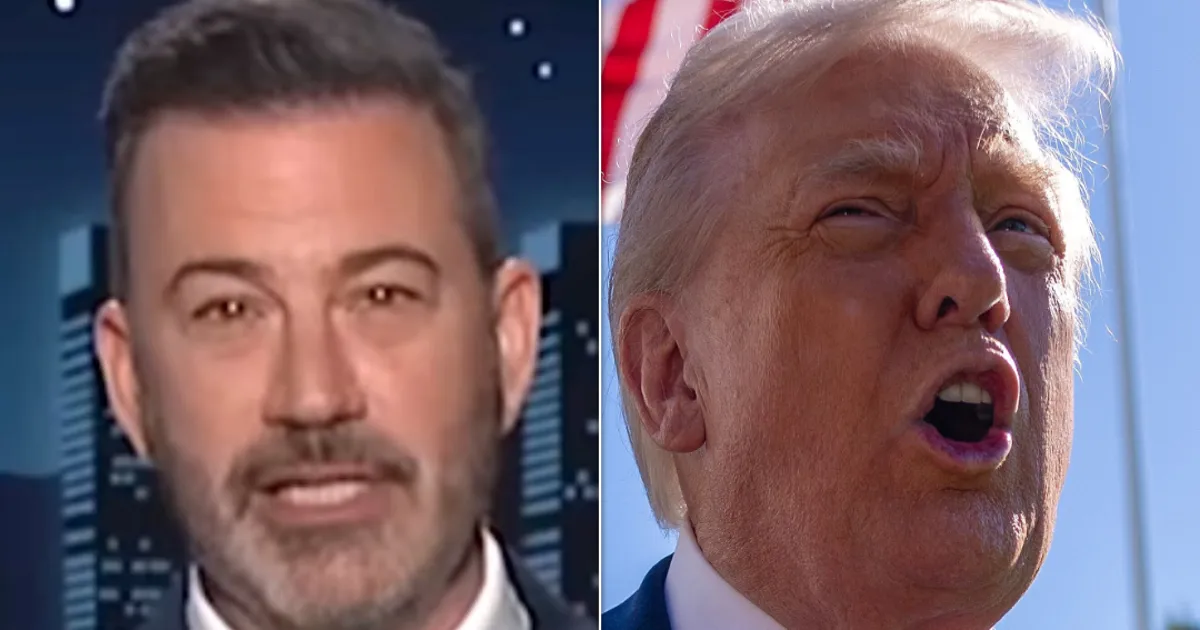
Jimmy Kimmel criticized President Trump for threatening to cut food benefits to millions of Americans despite a court order, highlighting the cruelty of such actions and suggesting it reflects poorly on Trump's family.
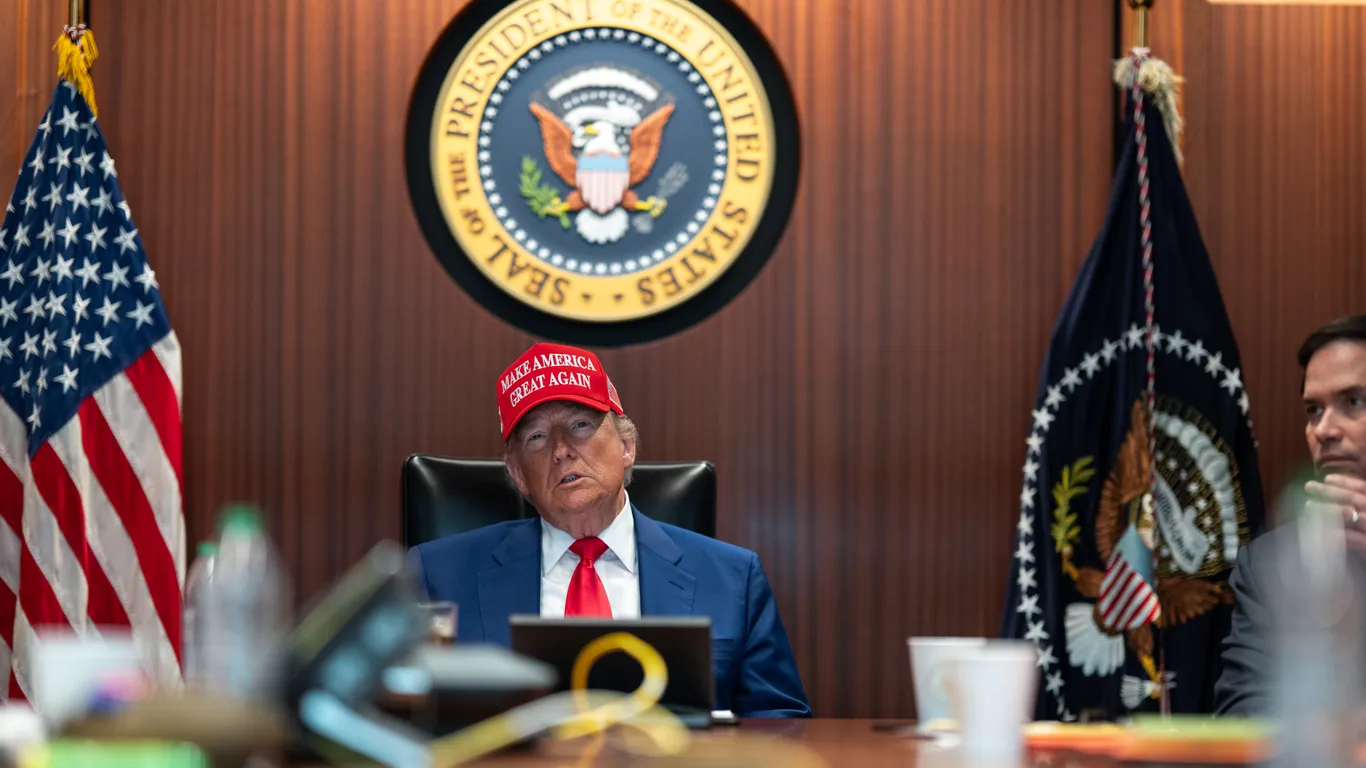
President Trump announced that SNAP food benefits will only be paid after the government shutdown ends, contradicting recent federal court rulings that require at least partial payments during shutdowns. The move affects 42 million Americans relying on SNAP, marking the first time shutdowns have disrupted this critical program. Despite increased spending and enrollment during Trump's administration and the COVID pandemic, recent years have seen a decline in SNAP expenditures and recipients, with the Biden administration updating the program to better reflect actual costs.
The Trump administration announced it will restart SNAP benefits at half the usual amount using emergency funds, following court rulings that the freeze on payments was unlawful. The partial funding may lead to logistical challenges and insufficient support for the 42 million Americans relying on the program, with many states and food banks struggling to fill the gap.
The US economy faces risks from squeezed lower-income households due to rising healthcare costs, potential loss of food benefits amid a government shutdown, and a wobbly job market, which could impact consumer spending during the holiday season and beyond.
The US government shutdown, now the longest in history at 33 days, is causing delays in food benefits for millions, with President Trump resisting efforts to reopen the government and facing court rulings to fund SNAP benefits amid political stalemates.
SNAP food benefits, aiding 42 million Americans, could resume as early as Wednesday after courts mandated the use of emergency funds during the government shutdown, with the administration not planning to appeal the ruling.
President Trump is seeking legal clarification on funding SNAP after a federal judge ordered the administration to continue benefits during the shutdown, highlighting ongoing legal battles and concerns over food security for millions of Americans.
Two US federal judges have ruled that the Trump administration must continue paying SNAP food benefits during the government shutdown, using emergency funds, despite the USDA's initial plans to halt distribution due to lack of funding. The courts emphasized that Congress intended for SNAP benefits to be funded even during funding lapses, and the administration was directed to report on whether it will pay full or reduced benefits. The decision is a critical lifeline for over 40 million Americans relying on food assistance amid ongoing political stalemate.
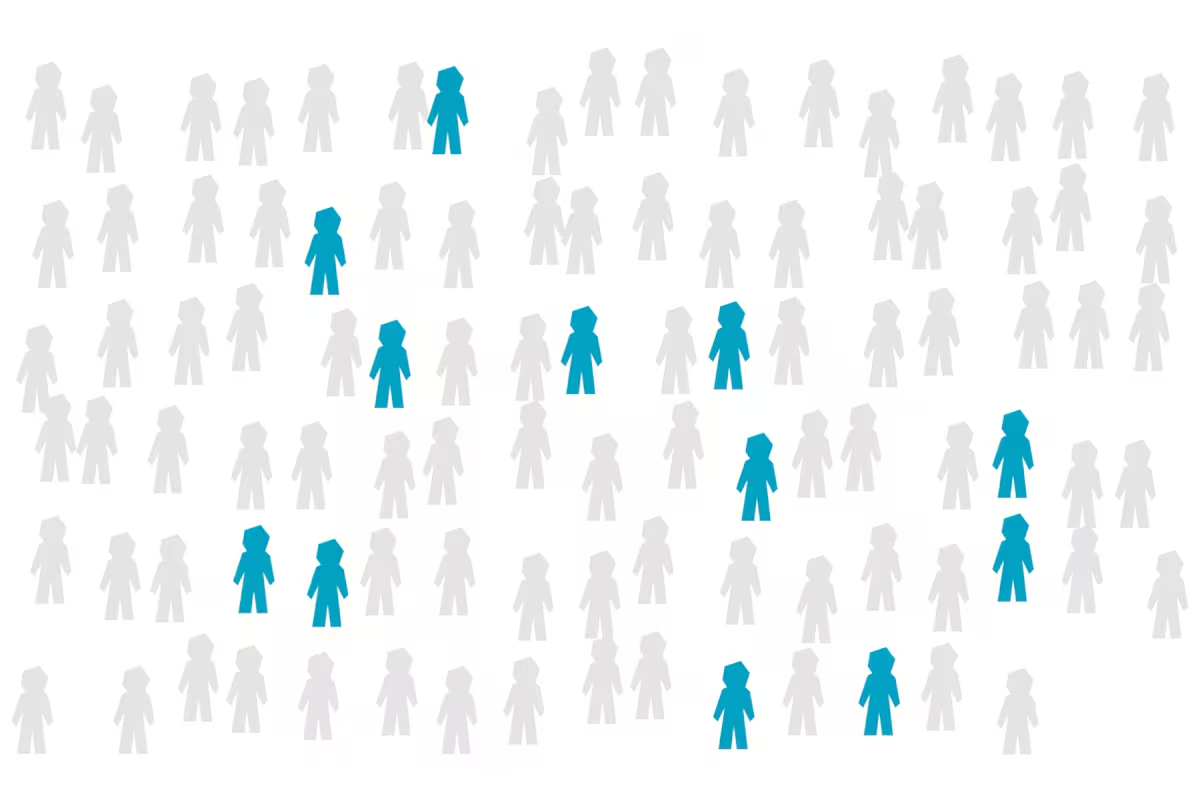
Approximately 42 million Americans relying on SNAP benefits face potential cuts or delays due to the ongoing government shutdown, which could significantly impact low-income households, especially those with children, disabilities, or living in poverty, with the most vulnerable at risk of losing essential food assistance.
The US Department of Agriculture announced that due to the ongoing government shutdown, food benefits for over 41 million Americans will not be issued in November, raising concerns about hunger and government funding impasse.