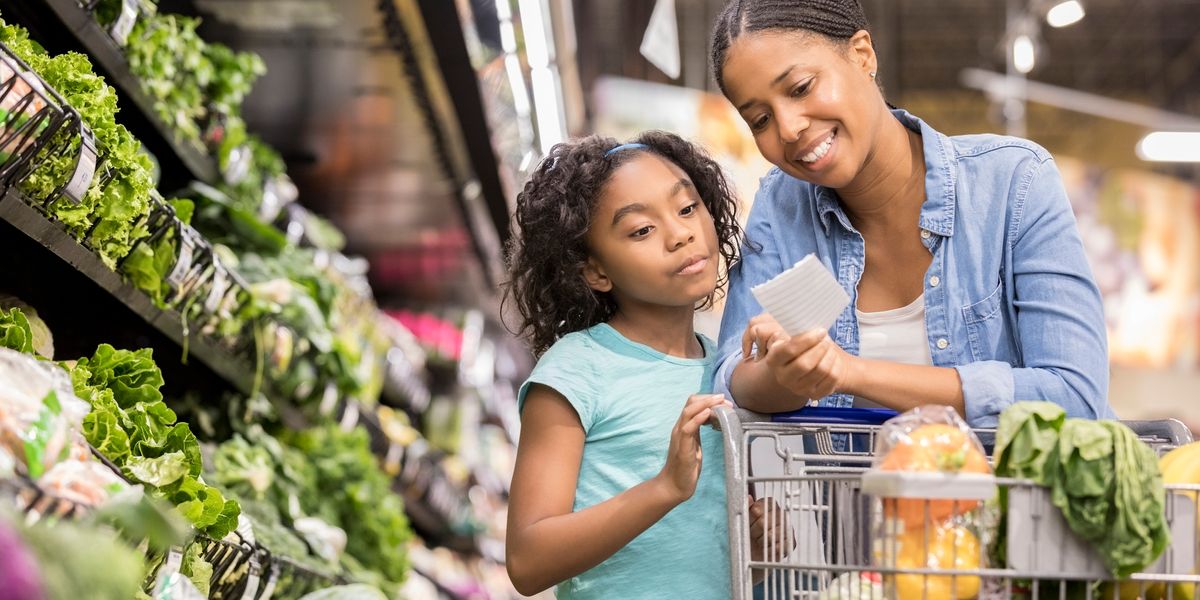
Starting January 1, five states (Indiana, Iowa, Nebraska, Utah, and West Virginia) will implement new restrictions on purchasing soda, candy, and certain foods with SNAP benefits, aiming to promote healthier eating and reduce chronic diseases, though experts warn of implementation challenges and limited evidence of effectiveness.
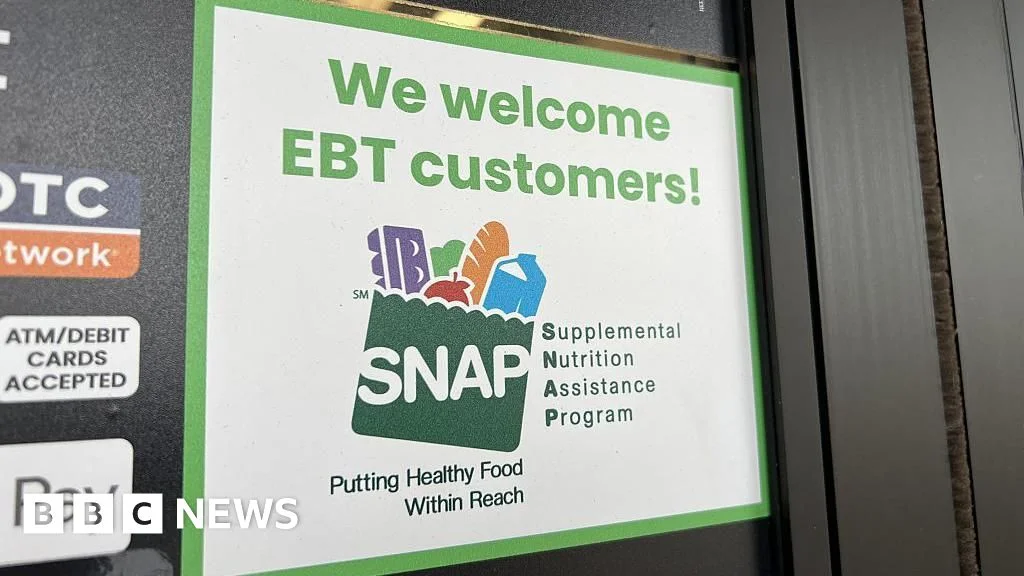
Several US states will begin banning the purchase of soda, candy, and other unhealthy foods with SNAP benefits starting in 2024, aiming to promote healthier eating, but opponents argue these restrictions could cause confusion and hardship for low-income families. The bans will roll out in different states throughout 2026.
Starting January 1, five states (Indiana, Iowa, Nebraska, Utah, and West Virginia) will implement waivers restricting the purchase of certain unhealthy foods like soda and candy with SNAP benefits, aiming to improve public health but facing logistical challenges and mixed evidence on effectiveness.
Starting January 1, five states (Indiana, Iowa, Nebraska, Utah, and West Virginia) will implement new restrictions on certain foods, like soda and candy, that can be purchased with SNAP benefits, aiming to improve public health but facing industry and logistical challenges.
Starting January 1, five states (Indiana, Iowa, Nebraska, Utah, and West Virginia) will implement new restrictions on certain food purchases with SNAP benefits, mainly targeting soda, candy, and other unhealthy foods, as part of a broader effort to improve public health and reduce diet-related diseases. The changes are expected to face logistical challenges and controversy, with concerns about their impact on recipients and retail costs.
Starting January 1, five states (Indiana, Iowa, Nebraska, Utah, and West Virginia) will implement new restrictions on certain foods, like soda and candy, that can be purchased with SNAP benefits, aiming to improve public health but facing industry and logistical challenges.
Starting January 1, five states (Indiana, Iowa, Nebraska, Utah, and West Virginia) implemented new restrictions on certain foods, like soda and candy, that can be purchased with SNAP benefits, aiming to improve public health but facing logistical and effectiveness concerns.
The Trump administration is implementing policies to combat obesity by making weight-loss drugs more affordable through negotiated prices and copays, while also proposing bans on soda and candy purchases with SNAP benefits in several states, aiming to reduce 'disease fuel' consumption and promote healthier choices, though critics argue these measures may undermine dignity and autonomy and face practical challenges.
Orthorexia is an emerging condition characterized by an obsession with healthy eating and food purity, which can interfere with daily life and mental health. Experts suggest signs include extreme food restrictions, social withdrawal, obsessive ingredient analysis, and guilt when breaking rules. Support from health professionals and adopting a balanced, flexible approach to nutrition are recommended for those concerned about their eating habits.
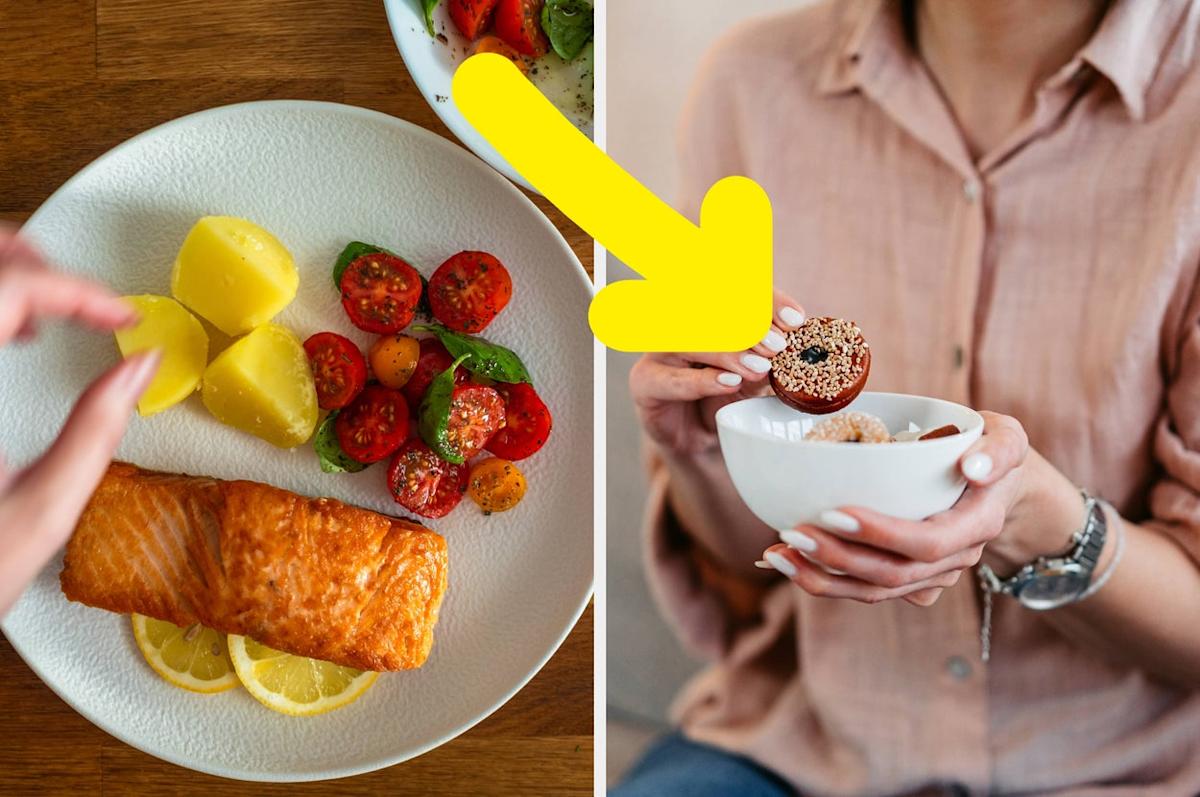
Pediatricians share the foods they rarely or never serve their own children. Some of the foods they avoid include hard candy due to its high sugar content and choking hazard, highly processed packaged foods for their high salt and bad fat content, energy drinks due to their potential dangers and high caffeine levels, fish high in mercury to protect the developing brain, and sugary juice and soda for their concentrated sugar and low fiber content. They also caution against giving toddlers and young children choking hazards like popcorn, hotdogs, and grapes, and advise against unpasteurized dairy products due to the risk of gastrointestinal infections.
Pediatricians share the foods they rarely or never serve their kids, including hard candy due to sugar content and choking hazards, highly processed packaged foods for their high salt and bad fat content, energy drinks due to potential severe consequences and high caffeine content, fish high in mercury to avoid toxicity to the developing brain, and sugary juice and soda for their concentrated sugar and low fiber content. They also caution against serving choking hazards like popcorn, hotdogs, and grapes to young children, and advise against unpasteurized dairy products due to the risk of gastrointestinal infections.