Tag

Orion Constellation

All articles tagged with #orion constellation

astronomy1 year ago

"Double Delight: Dual Nebulae in Orion"

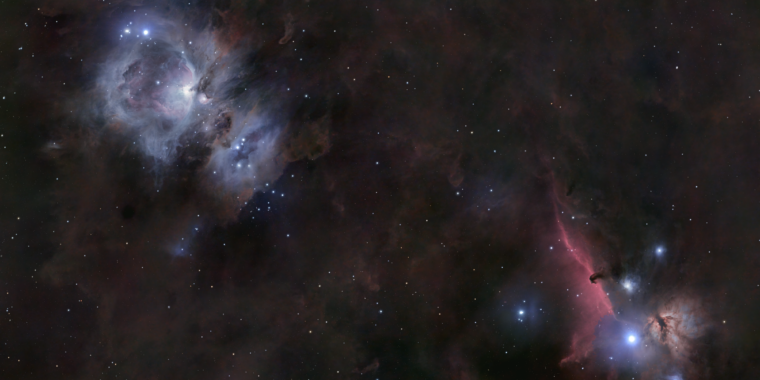
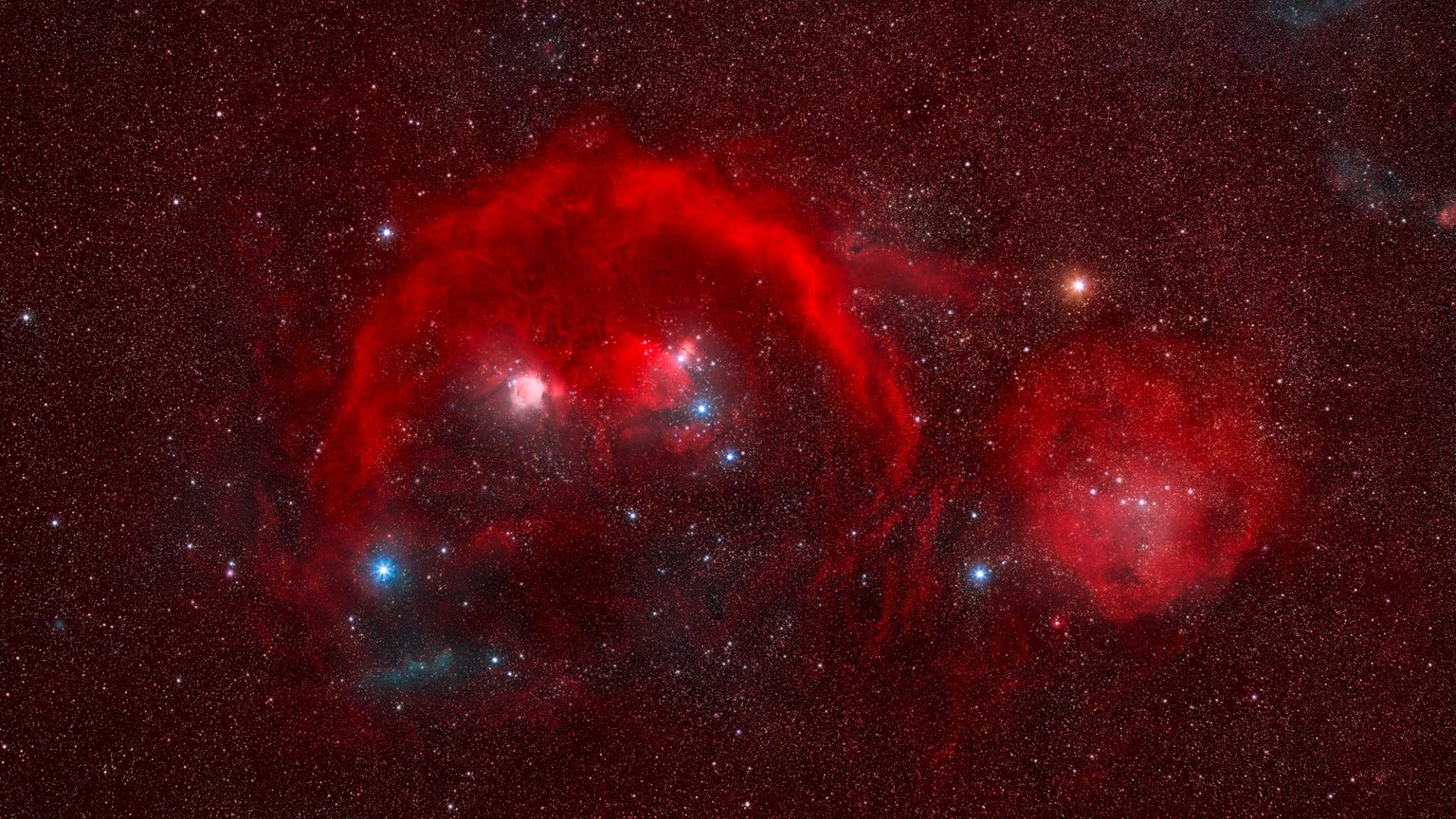
A stunning image showcases the Flame Nebula and the Horsehead Nebula within the Orion constellation, captured after about 60 hours of observing the same patch of sky every night all winter. The Flame Nebula, an emission nebula about 1,000 light-years from Earth, and the iconic Horsehead Nebula, located a little less than 1,400 light-years away, are both featured in the image, with the darkness in the nebulae primarily due to thick dust blocking the light of the stars behind them.

astronomy2 years ago

Betelgeuse Star to Temporarily Vanish on December 12

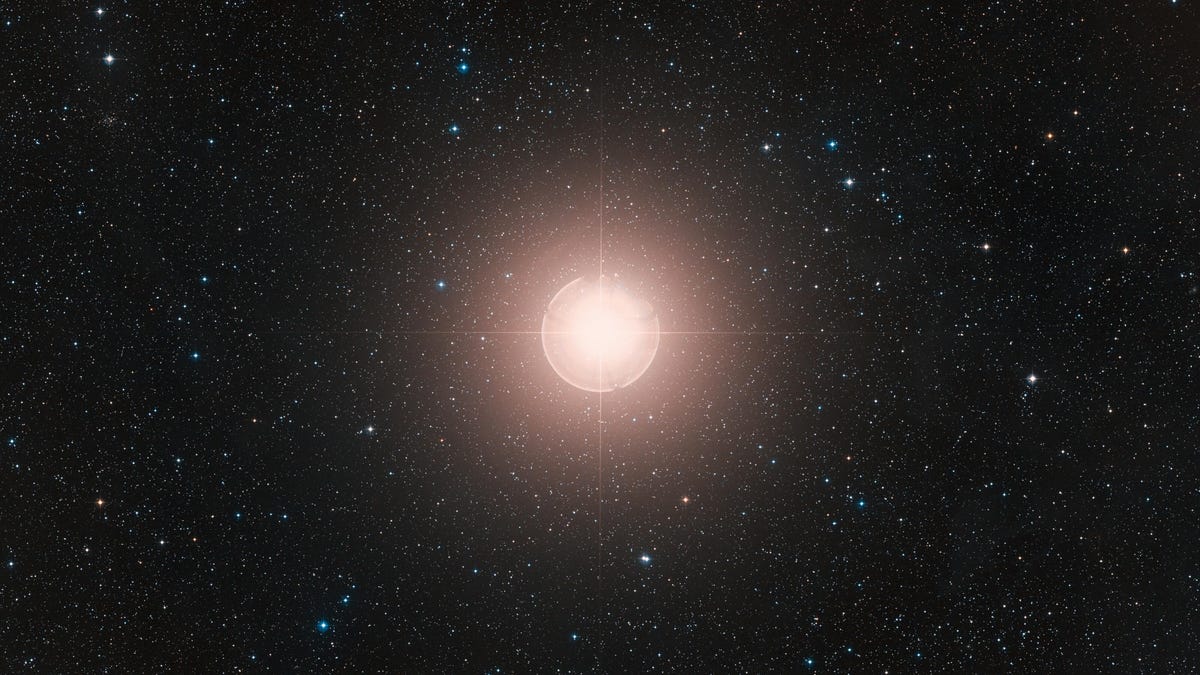
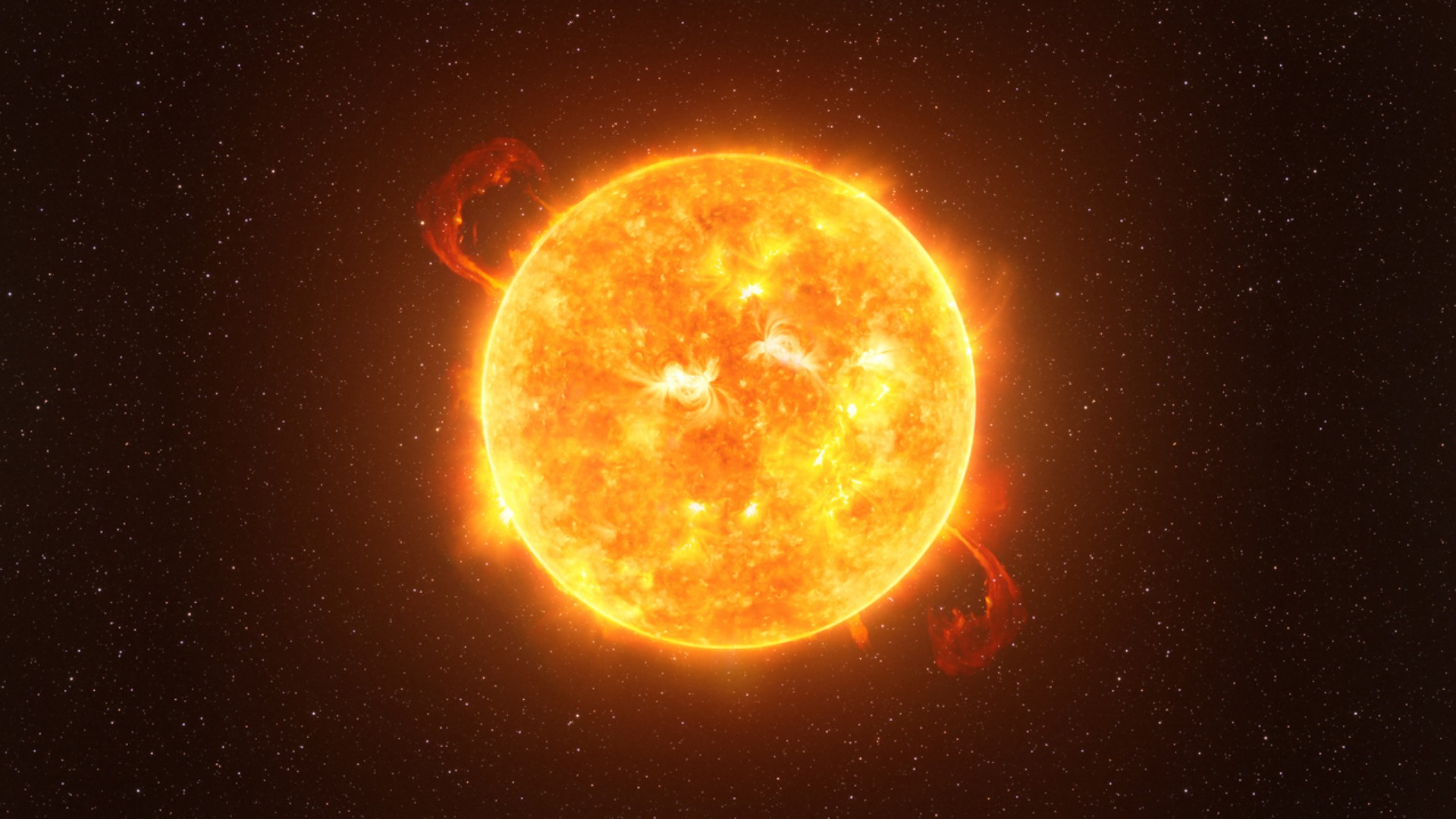
The bright star Betelgeuse, part of the Orion constellation, will be temporarily obscured by the asteroid Leona on December 11, causing it to vanish from sight for a few seconds. This rare event will only be visible along a narrow path on Earth, stretching from Mexico to central Asia. The occultation offers a unique opportunity for scientists to study Betelgeuse's behavior and characteristics, as well as gain insights into the asteroid Leona. The Virtual Telescope 2.0 project will livestream the event, allowing people outside the path to witness the spectacle.

science2 years ago

"James Webb Telescope Captures Stunning Images of Star Birth"

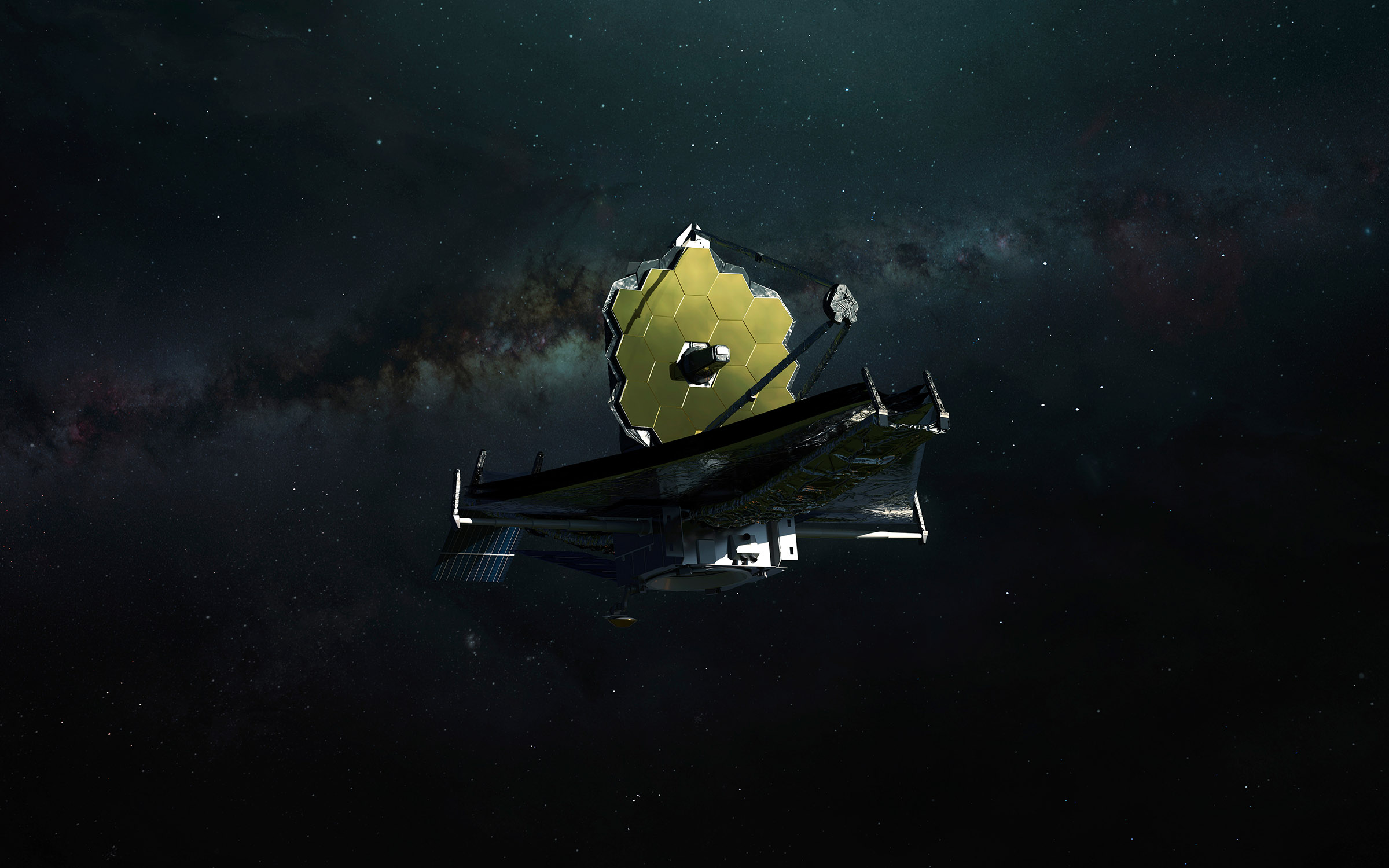
The latest photo captured by the James Webb Space Telescope shows a baby star in the Orion constellation, providing a glimpse into what our Sun may have looked like during its birth. The image reveals powerful shocks and jets of energy, indicating the violent nature of star formation. Scientists believe that the outflows of gas seen in the photo are likely used to regulate the star's birthing process. Although the protostar itself is hidden behind a dense disc of gas and dust, the image offers a breathtaking view and highlights the transformative impact of the James Webb telescope on our understanding of the universe.

astronomy2 years ago

"Supernova Spectres: Unveiling Earth's Nearest Stars' Eerie Explosive Threat"

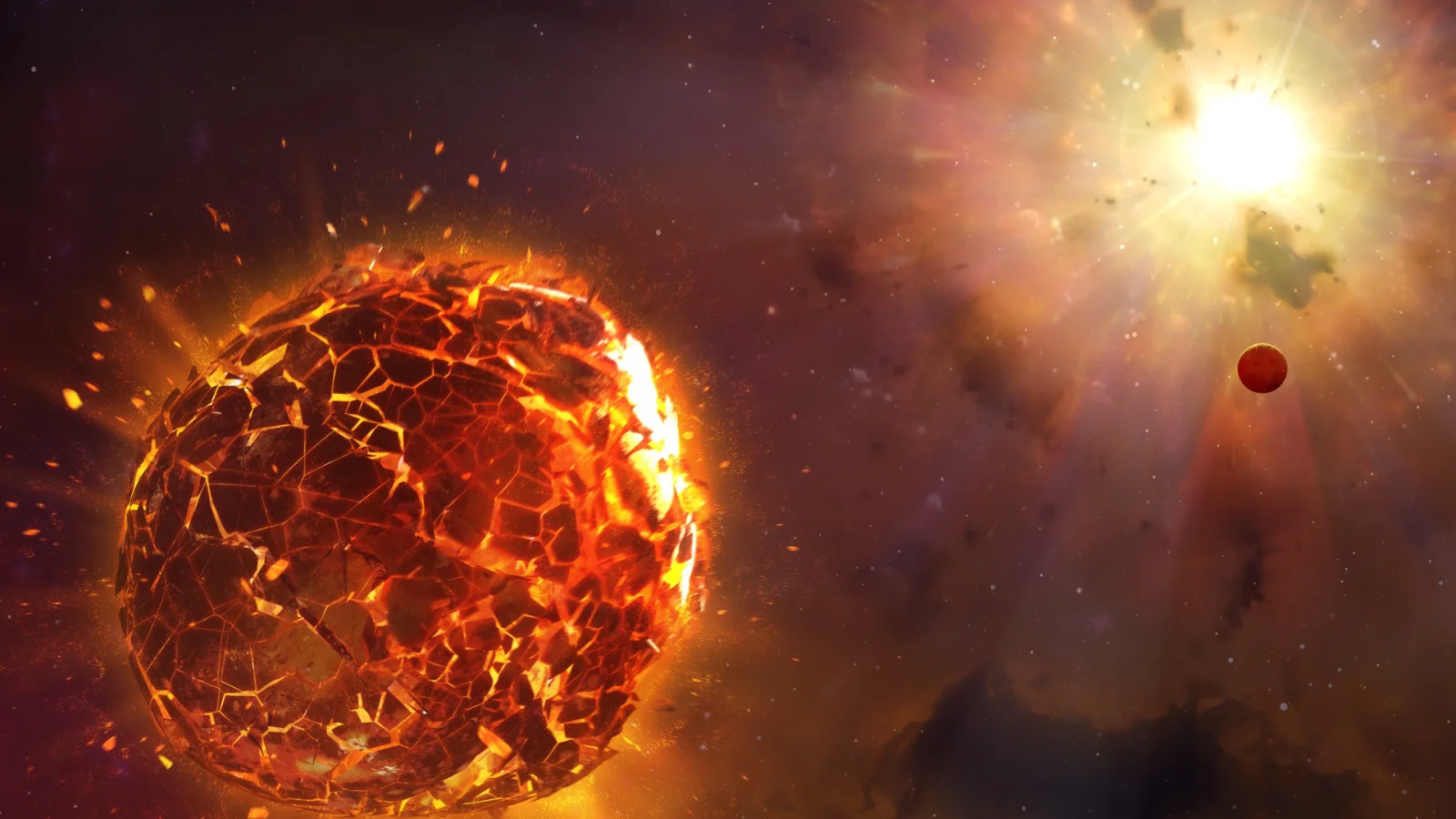
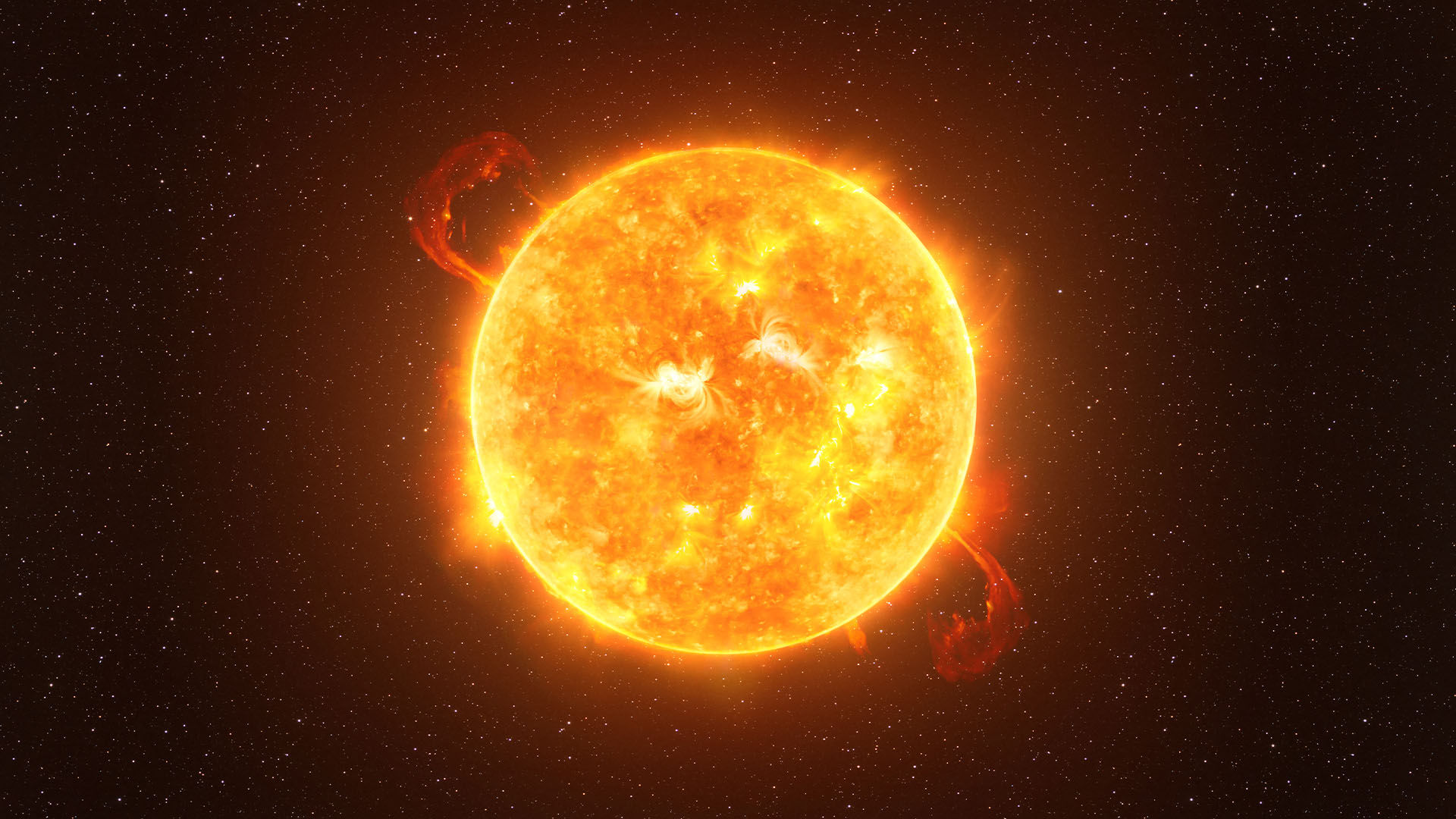
A recent study suggests that the red supergiant star Betelgeuse could potentially explode into a supernova in the coming decades, but one scientist proposes that it may have already happened due to its distance from Earth. The exact distance of Betelgeuse has been debated, with estimates ranging from 450 to 550 light years away. If Betelgeuse exploded in the past 499 years, the light from the event has not yet reached Earth, making it impossible to know if it has already blown up. However, if it exploded in 1600 AD, we would only find out in the year 2100. Regardless, the supernova is not expected to have any negative impact on Earth.

astronomy2 years ago

"Betelgeuse's Fiery Supernova: Unveiling the Eerie 'Space Ghost' in the Night Sky"

A recent study suggests that the red supergiant star Betelgeuse could potentially explode into a supernova in the coming decades, but one scientist proposes that it may have already happened due to its distance from Earth. The exact distance of Betelgeuse has been debated, with estimates ranging from 450 to 550 light years away. If Betelgeuse exploded in the past 499 years, the light from the event has not yet reached Earth, making it impossible to know if it has already blown up. However, if it exploded in 1600 AD, we would only find out in the year 2100. Regardless, the supernova is not expected to have any negative impact on Earth.

astronomy2 years ago

"Betelgeuse: The Fiery Explosion Set to Transform the Night Sky Forever"

Betelgeuse, one of Earth's closest star neighbors, may explode in a giant supernova within our lifetime, according to a new study. The research suggests that Betelgeuse is in the late stages of its life, with oscillations indicating a decreasing brightness at an accelerating rate. If the hypothesis is correct, the star could shine brighter than the moon for several weeks or even months before fading from the Orion constellation forever. However, most astronomers believe Betelgeuse is younger and do not expect it to explode anytime soon.

astronomy2 years ago

Stunning View of Orion Nebula Captured by Hubble and Webb Telescopes

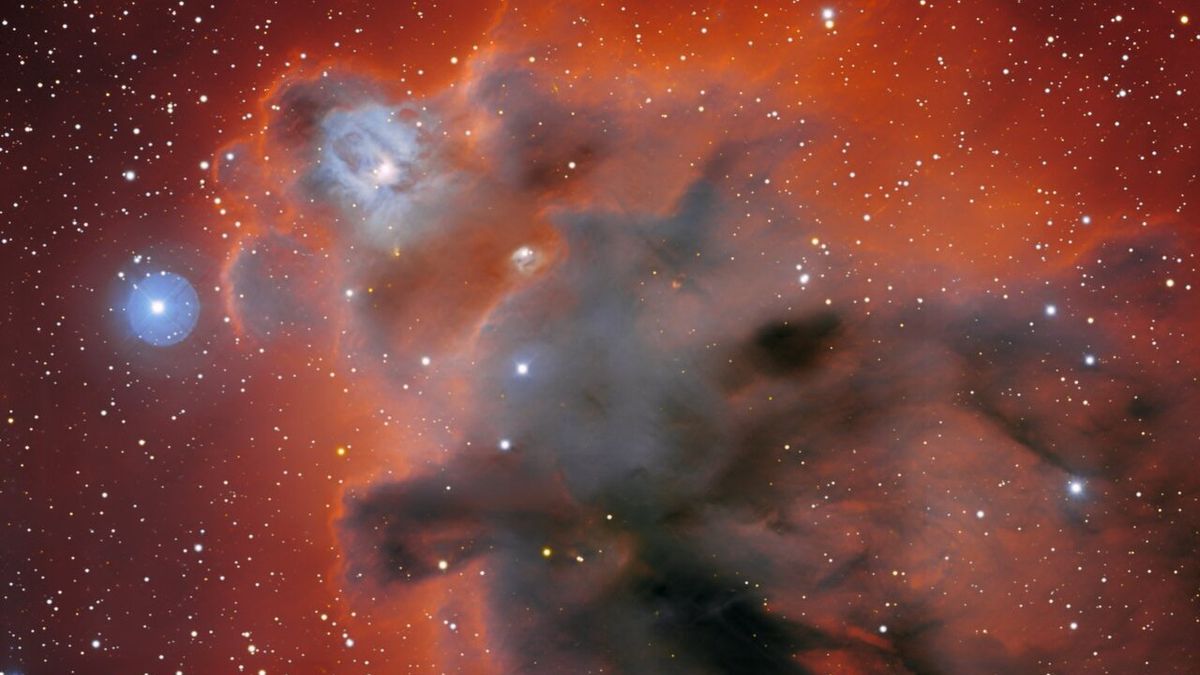
A stunning new image captured by the Nicholas U. Mayall 4-meter Telescope at the Kitt Peak National Observatory reveals a dark nebula, LDN 1622, in the Orion constellation. Dark nebulas are dense clouds of gas and dust that obscure light from nearby stars. Located 1,300 light-years from Earth, LDN 1622 is part of the star-forming region in the Orion complex. The image was taken in 2018 using the Mosaic-3 camera and showcases the upgradeability of ground-based astronomy. The observatory recently experienced a fire, but the instruments were unharmed.

astronomy2 years ago

Massive Superflare Eruption Detected from Distant Star

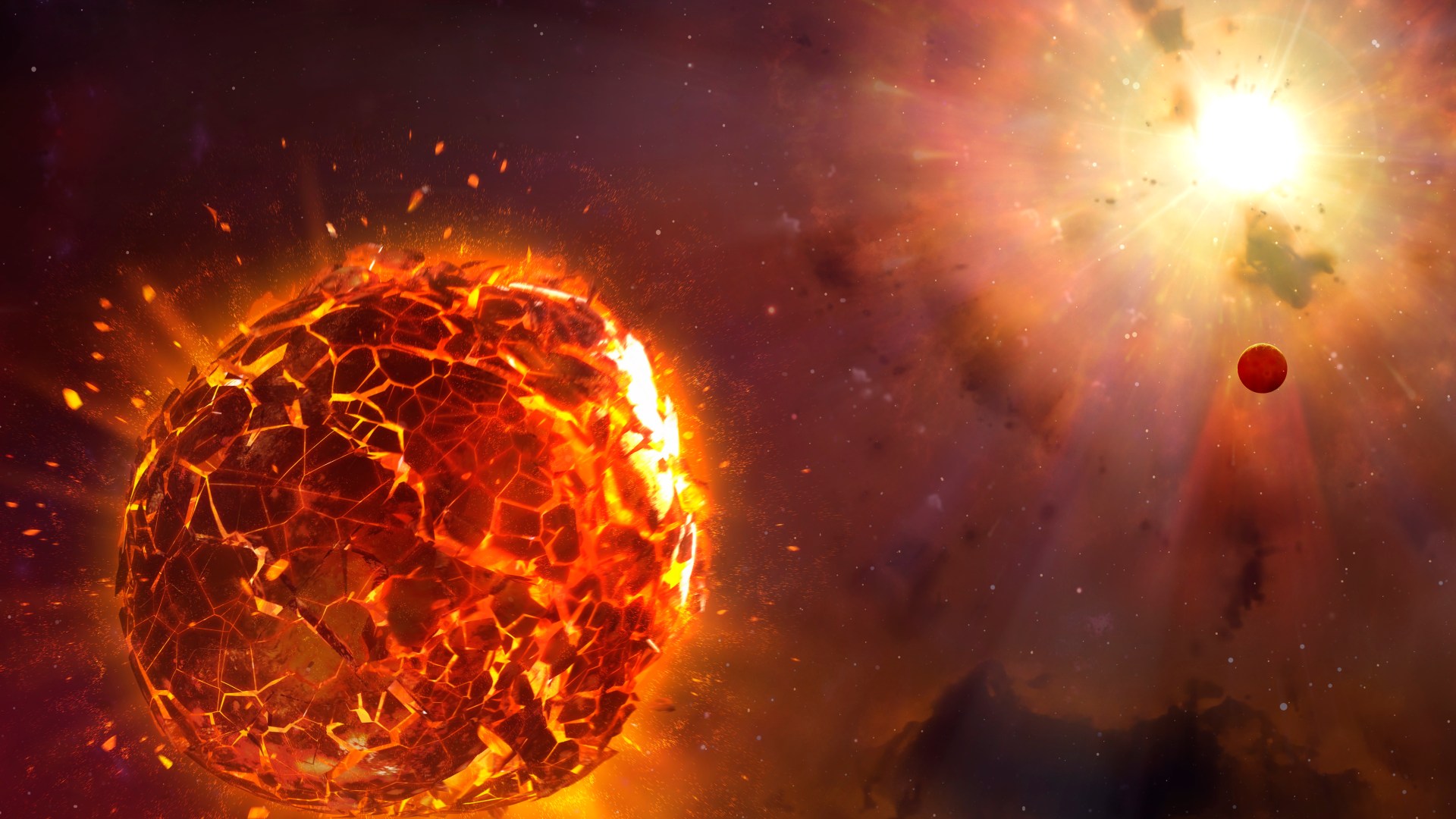
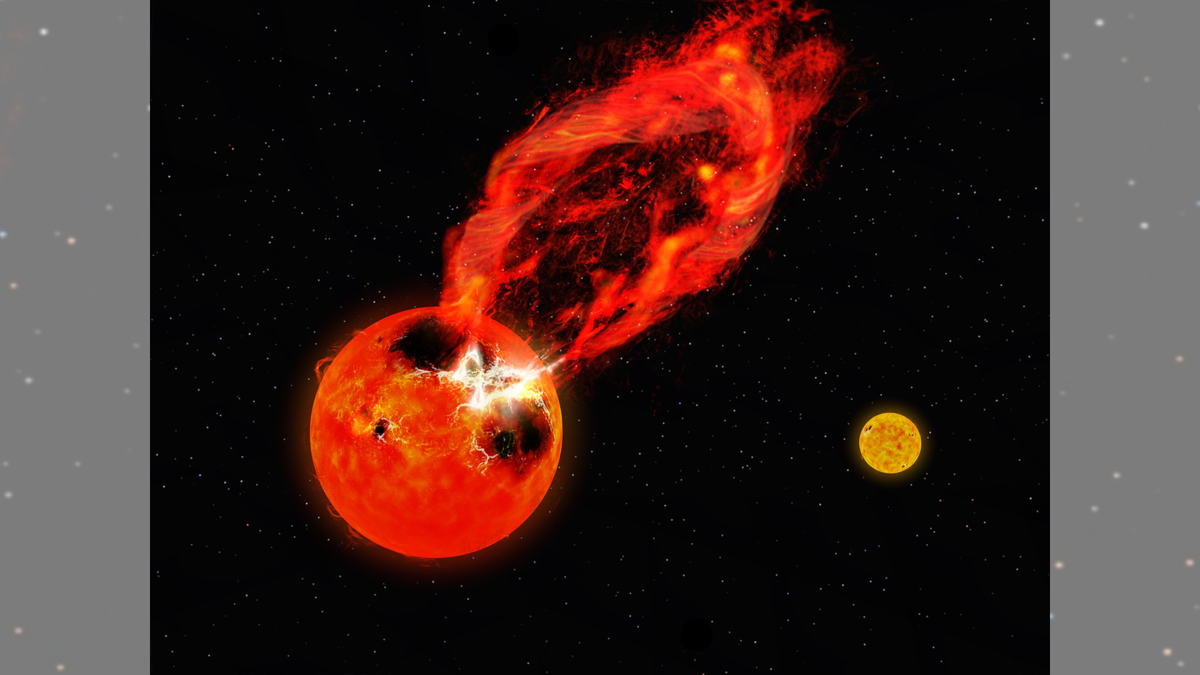
Scientists have observed a "superflare" from a star system in the Orion constellation, which is 10 times more massive than anything ever witnessed erupting from the sun. The superflare may be accompanied by enormous eruptions of charged particles that could devastate life on any planets in their firing line. The researchers studied the distant star system in multiple wavelengths of light to capture the most complete picture possible of the superflare's evolution. The discovery is a caveat in the search for life on other worlds: planets around magnetically hyper star systems like V1355 Orionis may not be the best places to look.