Tag

Complex Organic Molecules

All articles tagged with #complex organic molecules

James Webb Telescope Detects Complex Organic Molecules Beyond the Milky Way

Originally Published 2 months ago — by Space

Featured image for James Webb Telescope Detects Complex Organic Molecules Beyond the Milky Way
Source: Space

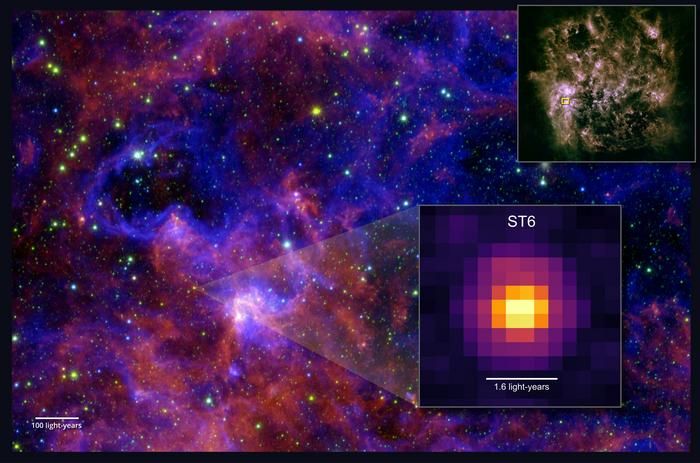
The James Webb Space Telescope has made the first-ever detection of complex organic molecules in ice around a young protostar in the galaxy beyond the Milky Way, specifically in the Large Magellanic Cloud, providing new insights into the chemistry of star formation and the potential origins of life in different cosmic environments.
Evidence Suggests Life’s Building Blocks Originated in Space

Originally Published 5 months ago — by The Daily Galaxy

Featured image for Evidence Suggests Life’s Building Blocks Originated in Space
Source: The Daily Galaxy

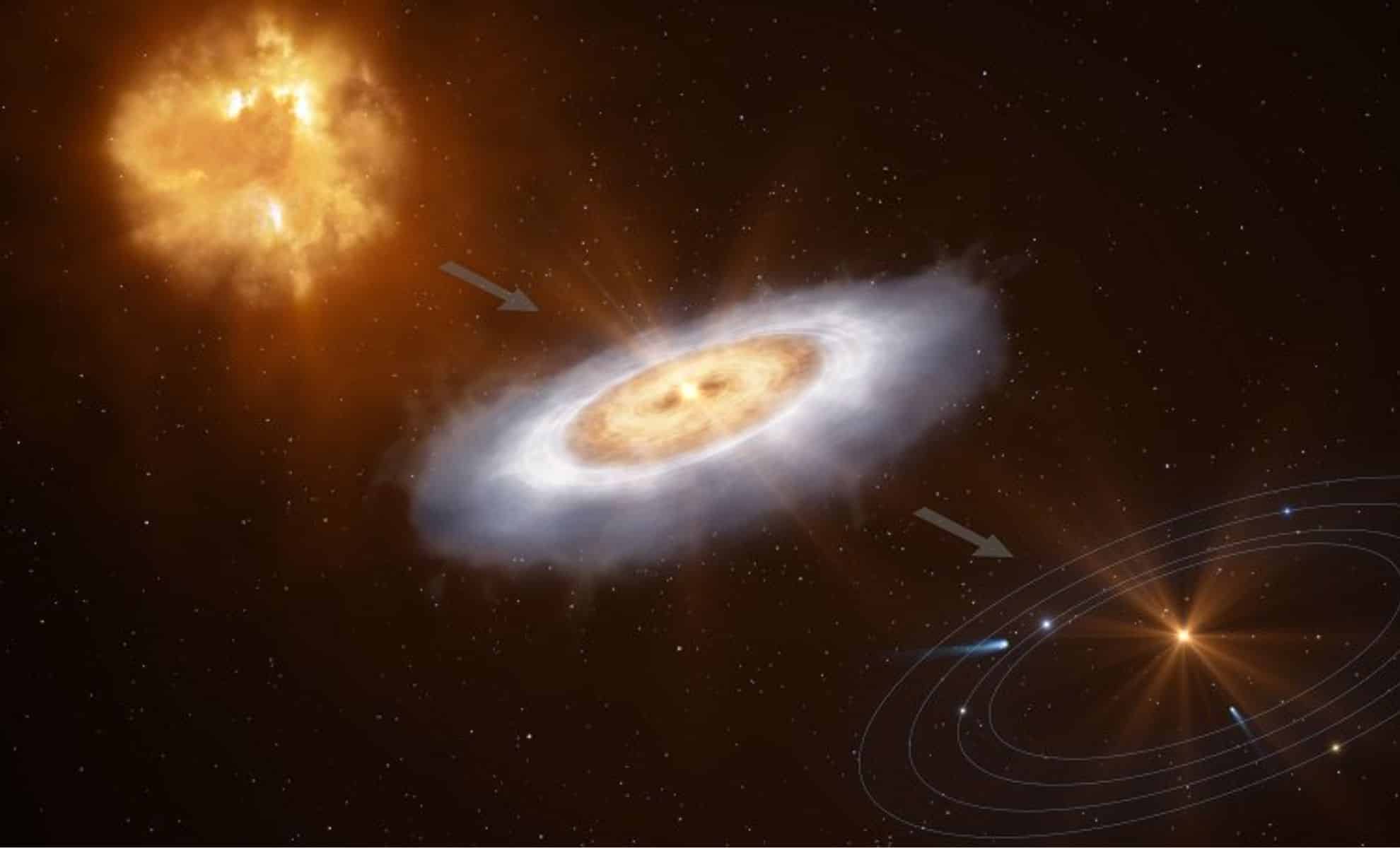
Astronomers using ALMA detected 17 complex organic molecules in a young star's protoplanetary disk, including precursors to amino acids and nucleobases, suggesting that life's chemical roots are inherited from earlier interstellar stages and can continue to develop during planet formation, especially during stellar outbursts that release these molecules into detectable gas phases.

"Discovery of Burning Acid Associated with Ant Stings Near Binary Stars"

Originally Published 1 year ago — by East Idaho News

Featured image for "Discovery of Burning Acid Associated with Ant Stings Near Binary Stars"
Source: East Idaho News

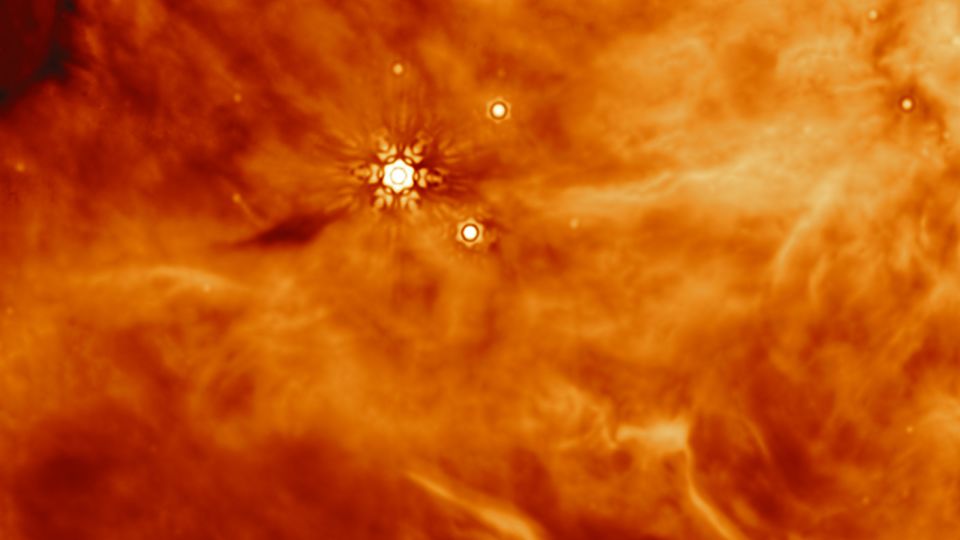
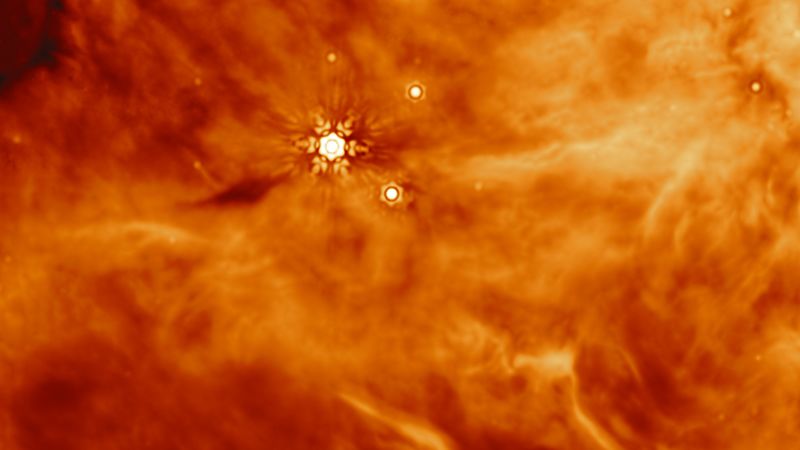
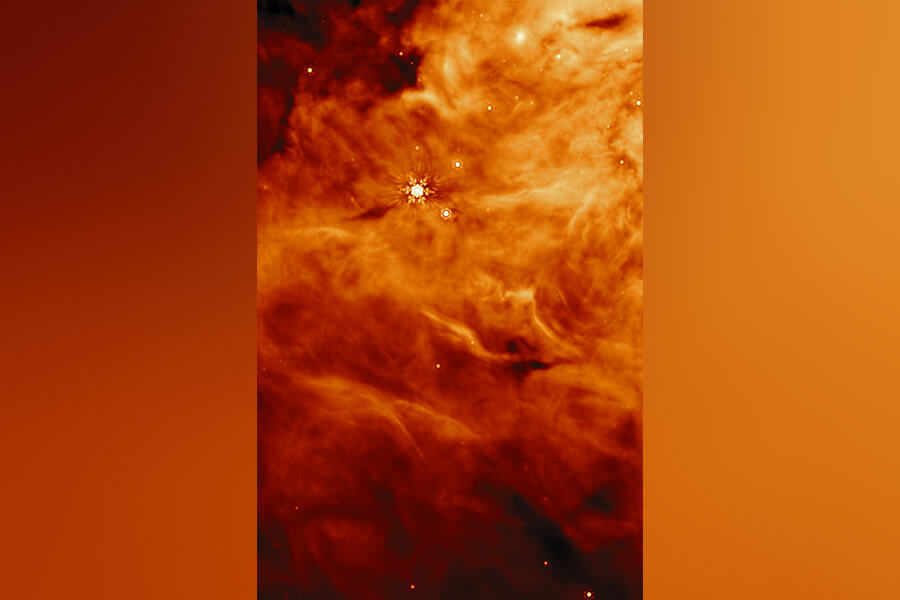
The James Webb Space Telescope has detected familiar chemical ingredients like acetic acid and formic acid around two young stars, IRAS 2A and IRAS 23385, which are still in the protostar stage. These molecules, found in icy compounds, could be crucial for potentially habitable worlds and may provide insight into the early formation of our solar system. The discovery contributes to the understanding of complex organic molecules' origins in space and their potential role in the formation of planets and planetary systems.

"James Webb Telescope Discovers Organic Ingredients for Earth-like Worlds Around Infant Stars"

Originally Published 1 year ago — by Yahoo! Voices

Featured image for "James Webb Telescope Discovers Organic Ingredients for Earth-like Worlds Around Infant Stars"
Source: Yahoo! Voices

Astronomers using the James Webb Space Telescope have detected familiar chemical ingredients such as acetic acid, ethanol, and formic acid around two young stars, which could be crucial for potentially habitable worlds. These molecules were found surrounding protostars IRAS 2A and IRAS 23385 and may provide insight into the early history of our solar system. The discovery contributes to the understanding of complex organic molecules in space and their potential role in the formation of planets and the delivery of ingredients that could support life.

"Ingredients for Habitable Worlds Found Around Two Baby Stars"

Originally Published 1 year ago — by CNN

Featured image for "Ingredients for Habitable Worlds Found Around Two Baby Stars"
Source: CNN

Astronomers using the James Webb Space Telescope have detected commonplace chemical ingredients found in vinegar, ant stings, and even margaritas around two young protostars, including acetic acid, ethanol, formic acid, sulfur dioxide, methane, and formaldehyde. These molecules could be crucial ingredients for potentially habitable worlds and may provide insight into the early history of our solar system. The discovery contributes to understanding the origins and incorporation of complex organic molecules in planets and has implications for astrochemistry research.

"Discovery: Complex Organic Molecules Found in Ancient Universe"

Originally Published 2 years ago — by Sky at Night Magazine

Featured image for "Discovery: Complex Organic Molecules Found in Ancient Universe"
Source: Sky at Night Magazine

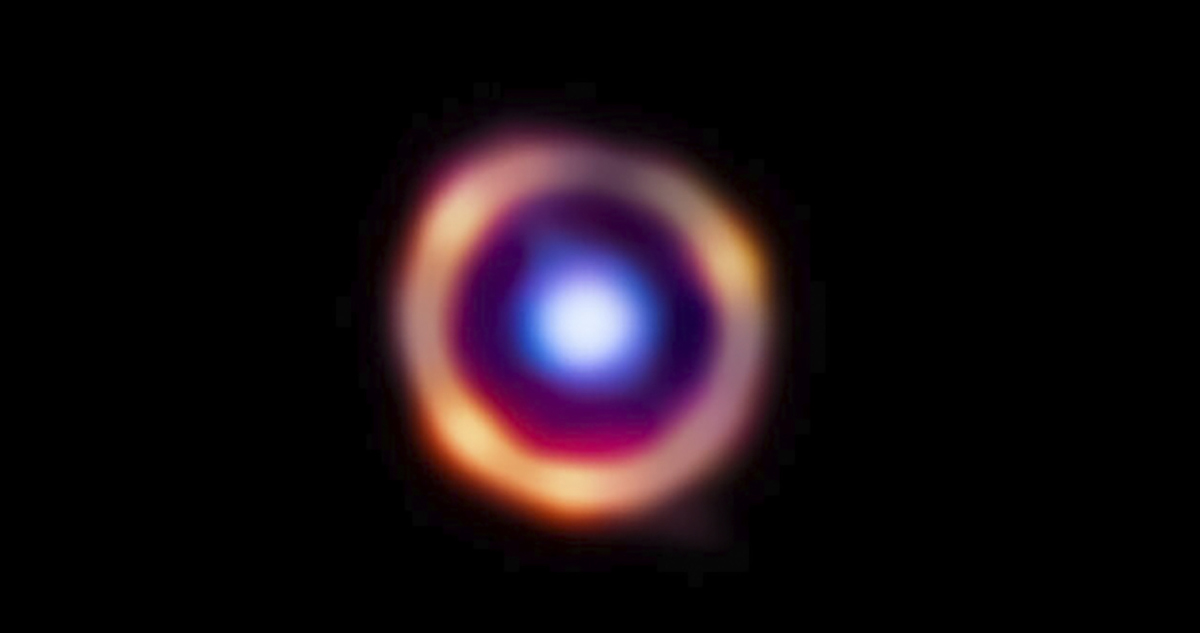
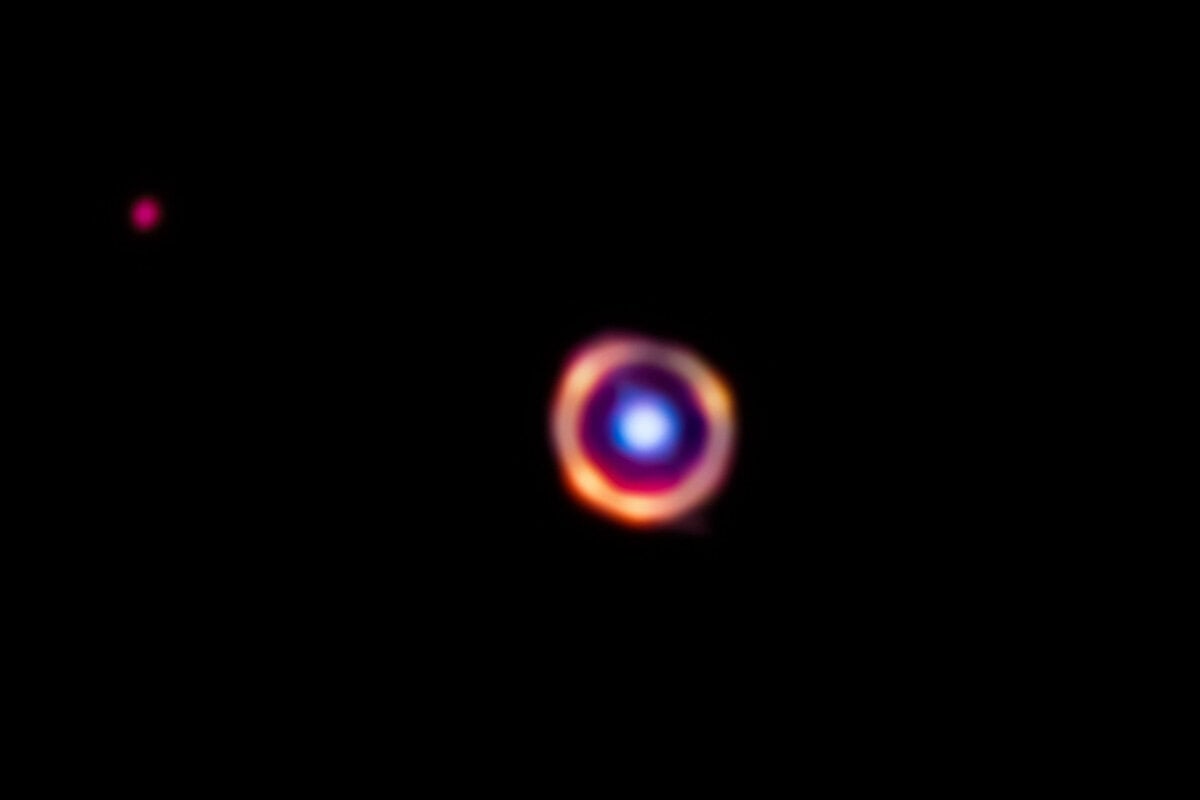
Astronomers using the James Webb Space Telescope have detected complex organic molecules, known as polycyclic aromatic hydrocarbons (PAHs), in the distant galaxy SPT0418-47, located over 12 billion lightyears away. By utilizing gravitational lensing, the team was able to observe an 'Einstein ring' formed by the bending of light from the distant galaxy around a closer galaxy. This discovery provides insights into the presence of complex molecules in the early Universe, just 1.5 billion years after the Big Bang, and opens up possibilities for further exploration of star formation in galaxies.

Webb Space Telescope discovers ancient complex organic molecules in rare galaxy.

Originally Published 2 years ago — by Phys.org

Featured image for Webb Space Telescope discovers ancient complex organic molecules in rare galaxy.
Source: Phys.org

The James Webb Space Telescope has detected complex organic molecules in a galaxy more than 12 billion light-years away, the most distant galaxy in which these molecules are now known to exist. The researchers used gravitational lensing to magnify the galaxy and differentiate between infrared signals generated by dust grains and those of the newly observed hydrocarbon molecules. The specific compound detected is a type of molecule called polycyclic aromatic hydrocarbon, or PAH, which is considered the basic building blocks for the earliest forms of life. The findings provide critical insight into the complex chemical interactions that occur in the first galaxies in the early universe.

JWST discovers ancient complex organic molecules and distant smoke in space.

Originally Published 2 years ago — by Space.com

Featured image for JWST discovers ancient complex organic molecules and distant smoke in space.
Source: Space.com

Astronomers using the James Webb Space Telescope have discovered evidence of complex organic molecules similar to smoke or smog in a distant galaxy more than 12 billion light-years away. These carbon-based molecules, known as polycyclic aromatic hydrocarbons, are found in oil and coal deposits on Earth, as well as in smog. The discovery was made with the help of a gravitational lens, and the presence of these molecules is not uniform across the galaxy, the reason for which remains to be explained.