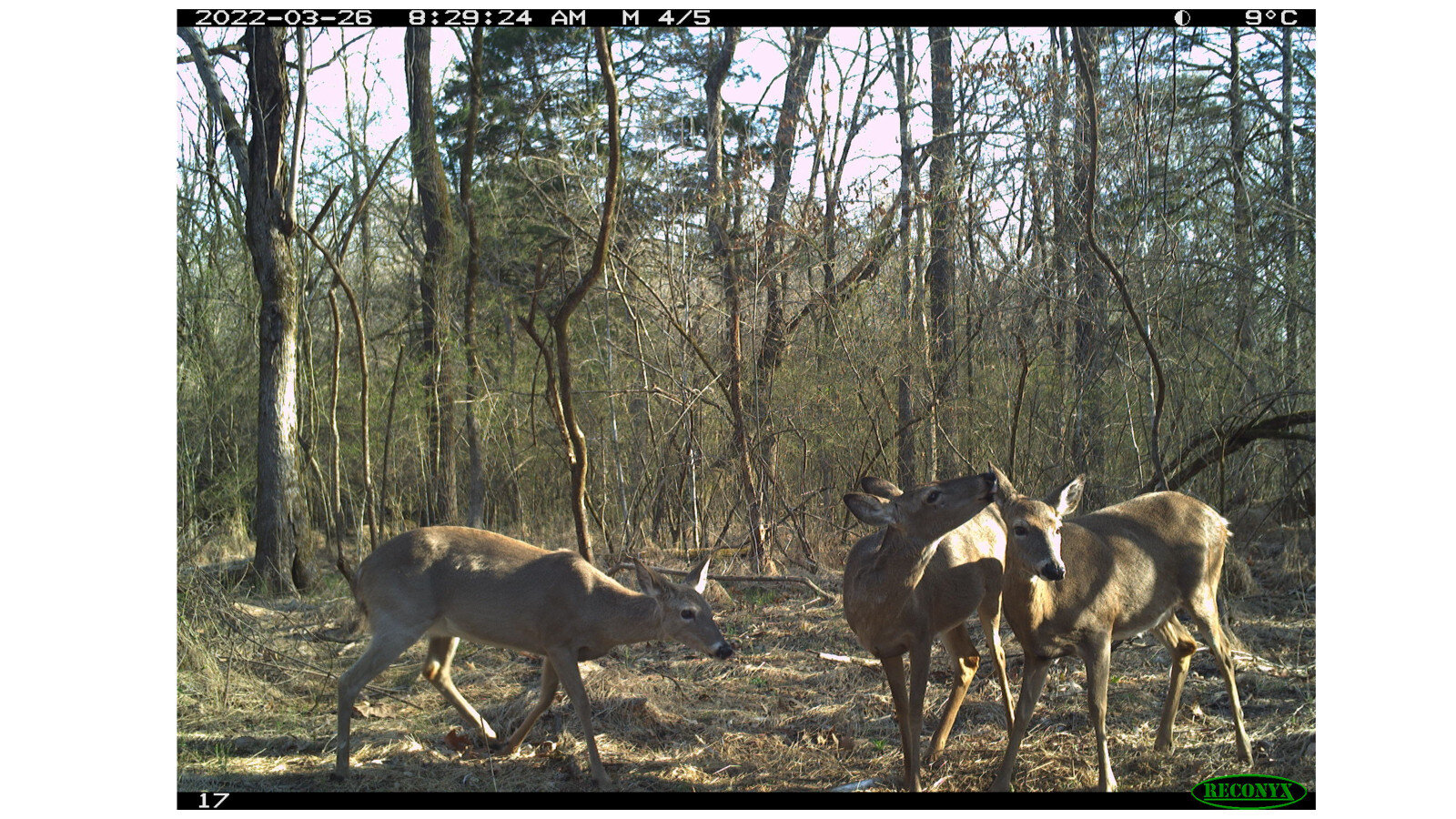
Wildlife officials are warning about the spread of chronic wasting disease (CWD), a deadly prion disease affecting deer in North America, with potential risks to humans and ecological impacts, as cases continue to emerge across multiple states and provinces.
Chronic wasting disease (CWD), a fatal prion disease affecting deer and other cervids, is spreading across North America, raising concerns about potential human transmission. The disease, which causes severe neurological decline, is difficult to detect and has no cure. Researchers are intensifying efforts to understand and control CWD, with some studies suggesting prions could eventually infect humans. The disease's spread is exacerbated by animal feeding operations and environmental persistence of prions, posing significant ecological and public health challenges.
Mad cow disease, caused by prions, emerged in the 1980s, leading to a ban on British meat imports and the culling of millions of cattle. The disease, which can be transmitted to humans through contaminated meat, resulted in variant Creutzfeldt-Jakob disease (vCJD) and raised concerns about potential future cases. While the outbreak changed meat industry practices and led to blood donation restrictions, only a small number of vCJD cases have been reported. Prions also pose a threat in other animals, such as chronic wasting disease in deer, with potential implications for public health.
A study found that plants can absorb prions from contaminated soil, and lab mice that ingested these plants developed prion disease. This raises concerns about the potential for plants to spread chronic wasting disease (CWD) to new areas and expose animals or humans to the disease. While there is no evidence of prions in plants infecting deer or non-cervid animals, the possibility of prion uptake in crops and the lack of effective remediation methods pose challenges for agriculture and public health. Norway has implemented regulations to prevent the import of contaminated plants, aiming to confine or eradicate CWD.
Scientists are concerned about the spread of chronic wasting disease, also known as "zombie deer disease," and fear it may mutate to infect humans. The disease, which is 100% fatal and has no treatments or vaccines, has been reported in deer, elk, and moose in multiple countries. While the most likely route of transmission to humans would be through consuming infected venison, there are worries that the disease could evolve to spread to humans. Research has shown that the disease may be contagious and could potentially transmit from person to person, raising concerns about the lack of contingency plans and preparedness for a potential spillover into human populations.
Chronic wasting disease (CWD), also known as "zombie deer disease," is spreading among deer populations in North America, raising concerns about its potential to jump to humans. The disease is caused by prions, which are notoriously resilient and can persist in the environment for years. While there is no conclusive evidence of direct transmission to humans, concerns persist due to potential exposure through hunting and consumption of infected animals. The spread of CWD also poses significant ecological and economic risks, threatening deer populations and potentially disrupting ecosystems. International cooperation and comprehensive measures are needed to monitor and control the disease, protect wildlife, and mitigate potential human health implications.
Scientists are concerned that Chronic Wasting Disease, also known as 'zombie deer disease,' which is nearly 100% fatal to animals, may be evolving to infect humans. The disease, caused by misfolded proteins called prions, is spreading rapidly in deer populations across the US and parts of Canada. There are fears that humans could contract the disease from eating infected venison or through contact with contaminated soil and water. With no treatments or vaccines available, researchers are preparing for a potential outbreak and studying the possibility of the disease passing to humans or domestic animals.
Chronic Wasting Disease (CWD), also known as "zombie deer disease", is spreading among deer populations in North America, with concerns about its potential to jump to humans. The disease is caused by prions, which are notoriously resilient and can persist in the environment for years. While there is no conclusive evidence of direct transmission to humans, concerns persist due to potential exposure through hunting and consumption of infected animals. The spread of CWD poses significant ecological and economic risks, threatening deer populations, food security, and ecosystem dynamics. International cooperation and comprehensive measures, including surveillance, biosecurity, and research, are needed to address the challenges posed by CWD and protect both wildlife and human populations.
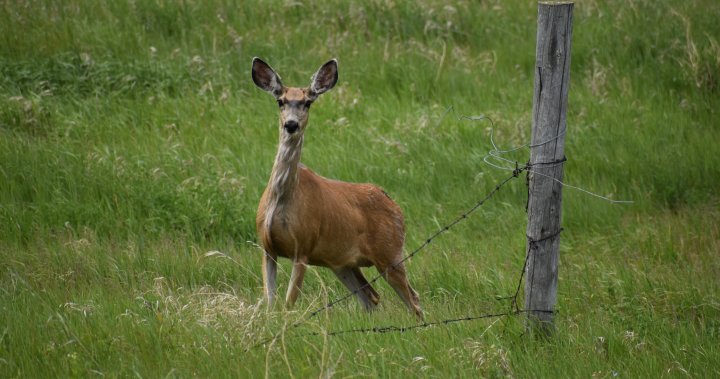
Chronic Wasting Disease, a fatal brain infection affecting deer and other cervids, has been detected in British Columbia for the first time, raising concerns about its spread and potential impact on wildlife populations. The disease, caused by prions, is highly contagious and always fatal with no known treatment or vaccine. While research suggests it's unlikely to jump to humans, the possibility is unsettling. Infected animals can appear healthy, and the disease's prevalence in the environment poses challenges for containment. Efforts to control the disease's spread have so far been unsuccessful, prompting calls for increased surveillance and testing of deer and elk in affected areas.
A study in the UK has found evidence of Alzheimer's disease being transmitted through medical procedures involving growth hormones derived from human pituitary glands, similar to the transmission of Creutzfeldt–Jakob disease (CJD). The research suggests that contaminated growth hormones may have put individuals at risk of developing Alzheimer's disease, with implications for medical procedures involving human fluids or tissues. The findings also raise concerns about the effectiveness of monoclonal antibody therapies for Alzheimer's disease.
A new study reports that five people developed Alzheimer’s disease as a result of a banned medical procedure involving human growth hormone derived from cadavers, providing evidence that the disease can be transmitted in this way. The procedure, which was used between 1959 and 1985, has been linked to the transmission of disease-related proteins. While Alzheimer's is not contagious in everyday life, the findings suggest a potential similarity in progression to Creutzfeldt-Jakob disease and could provide insights for developing new therapies.
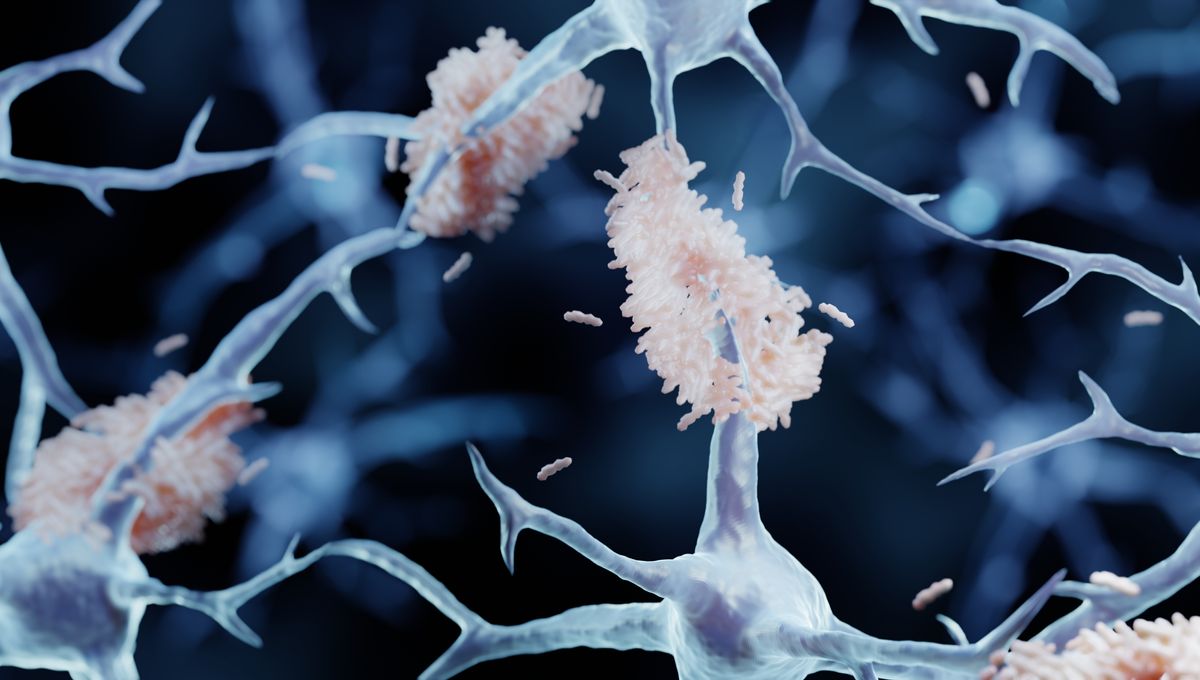
Scientists suggest that misfolded proteins, similar to prions, could potentially make dementia transmissible under rare circumstances involving medical procedures. Studies have shown that the sticky clumps of amyloid beta protein found in the brains of Alzheimer's patients may behave like prions and spread to other individuals. Concerns have been raised about the potential transmission of Alzheimer's proteins during neurosurgery or tissue transplants. While the evidence is not yet conclusive, better sterilization techniques may be needed for surgical tools to prevent the transmission of misfolded proteins associated with dementia.
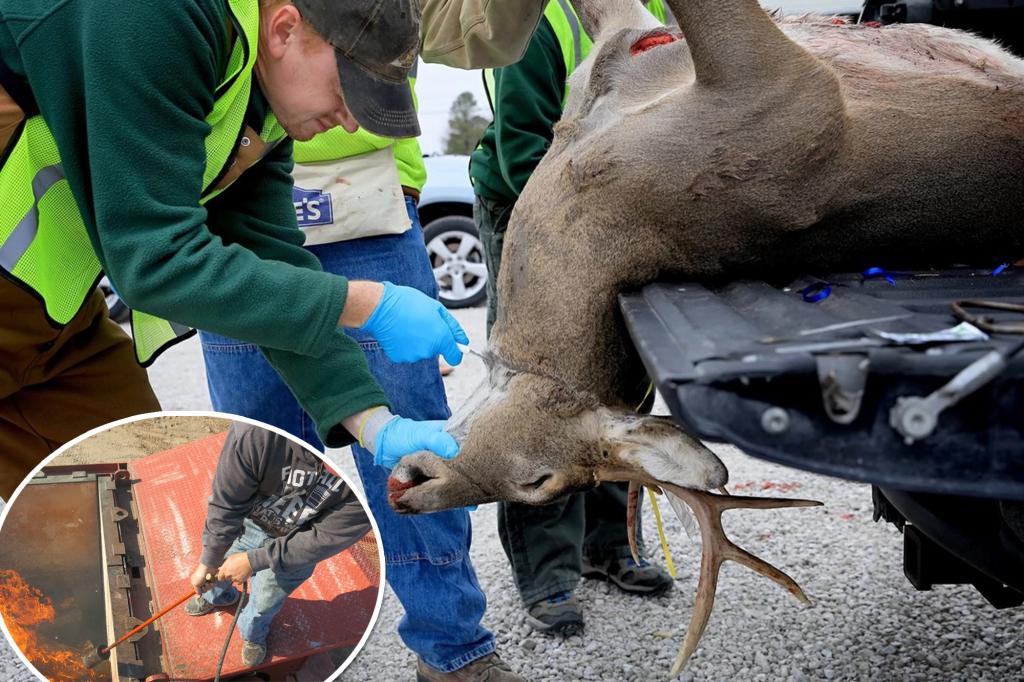
Yellowstone National Park has confirmed its first case of "zombie deer disease," formally known as chronic wasting disease (CWD). The illness, caused by prions, gradually shuts down the deer's body, leading to weight loss, stumbling, and loss of energy. CWD has been reported in 31 states across the US and has no treatment or vaccine. While there have been no reported cases of humans contracting the disease, the CDC advises caution for hunters and individuals in contact with deer or elk, recommending protective clothing, avoiding sick animals, and testing meat for CWD before consumption.
A study from the University of Wisconsin-Madison suggests that ticks may play a role in spreading chronic wasting disease (CWD) among deer in Wisconsin. The research found that ticks can harbor and transmit the prion responsible for CWD, potentially infecting other animals. The study also highlights the importance of land stewardship in managing tick populations and suggests that ticks could be used as a screening tool for CWD in deer populations. However, further research is needed to determine if prion-carrying ticks actually cause transmission to other deer.