Tag

Growth Hormone

All articles tagged with #growth hormone

health1 year ago

"Growth Hormone Shortage Exacerbated by Prior Authorizations"

A persistent shortage of growth hormone, particularly the Norditropin brand, has caused significant distress for patients with conditions like Prader-Willi syndrome, leading to behavioral issues, weight gain, and other complications. Insurance companies' prior authorization requirements have exacerbated the problem, forcing patients and clinicians to navigate cumbersome processes and delays, with some families resorting to purchasing expensive medication from Mexico. While efforts are being made to ramp up supply and simplify dispensing processes, the shortage and its impact continue to pose challenges for affected individuals and their families.

health1 year ago

"Medical Transmission of Alzheimer's: Past Practices and Present Risks"

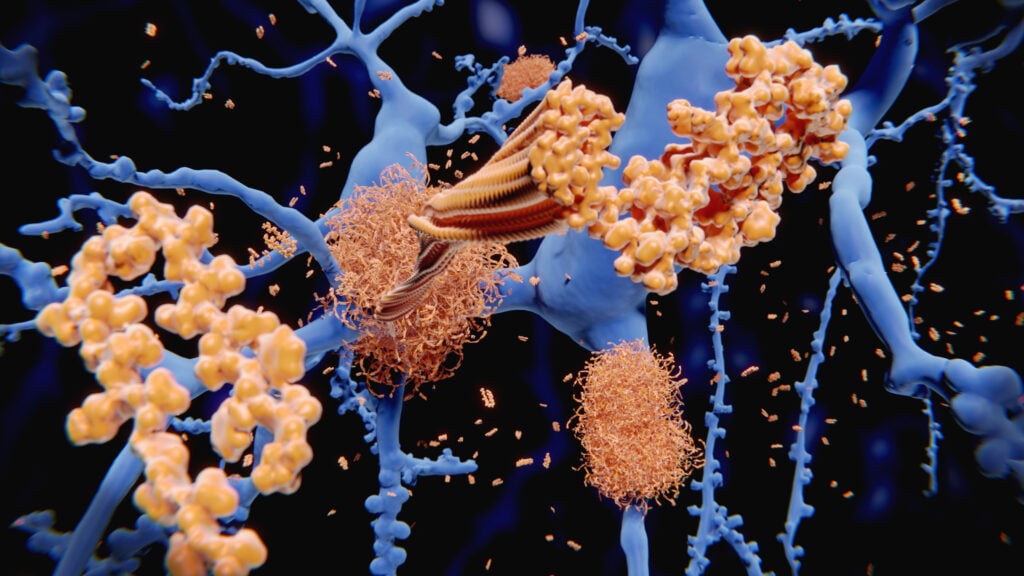
Scientists have documented cases of Alzheimer's disease being transmitted between humans through a banned medical procedure in which they were administered human growth hormone extracted from cadavers as children. The patients, now showing early signs of dementia, likely acquired the disease through this procedure, inadvertently transmitting a protein called amyloid beta. The study suggests that the beta-amyloids behind Alzheimer's can be transmitted in ways similar to prion diseases, raising questions about the nature of Alzheimer's and its elusive cause.

health1 year ago

"Link Between Medical Procedures and Alzheimer's Transmission Revealed in New Study"

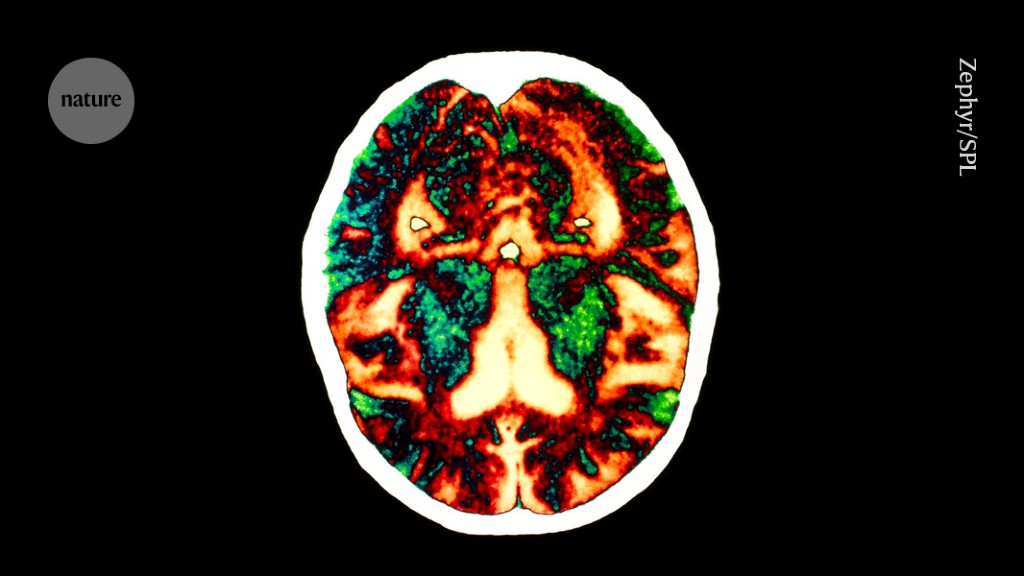
A study published in Nature Medicine by researchers from University College London (UCL) has linked growth hormone treatments to the development of Alzheimer’s disease, specifically a now-obsolete form of human growth hormone extracted from the pituitary glands of deceased people. The study found that this treatment led to greater amounts of amyloid-beta protein in the brain, triggering symptoms of dementia in some patients. While the transmission of Alzheimer’s disease through medical procedures is extremely rare, the findings emphasize the importance of understanding and preventing potential risks associated with pathogen transmission.

health-medicine1 year ago

"Unprecedented Discovery: Medical Transmission of Alzheimer's Disease Uncovered"

A study in the UK has found evidence of Alzheimer's disease being transmitted through medical procedures involving growth hormones derived from human pituitary glands, similar to the transmission of Creutzfeldt–Jakob disease (CJD). The research suggests that contaminated growth hormones may have put individuals at risk of developing Alzheimer's disease, with implications for medical procedures involving human fluids or tissues. The findings also raise concerns about the effectiveness of monoclonal antibody therapies for Alzheimer's disease.

health1 year ago

"Uncovering Transmissible Alzheimer's: Rare Cases and Medical Accidents"

A study suggests that sticky proteins linked to Alzheimer's disease may have been transmitted through cadaver-derived growth hormone treatments, leading to signs of early-onset dementia in some recipients. The research, based on a small number of cases, indicates that amyloid-beta proteins present in the hormone preparations may have caused brain damage. While the study has limitations and the findings are not conclusive, it raises questions about the potential transmissibility of Alzheimer's disease through biological material. However, experts caution that the study's small size and the presence of other medical conditions in the recipients make it difficult to draw definitive conclusions, and emphasize that there is currently no need for public concern regarding transmissible dementia.

health1 year ago

"Uncovering Rare Cases of Transmissible Alzheimer's in Medical Treatment Recipients"

Scientists have documented the first cases of transmitted Alzheimer's disease, linked to a discontinued medical procedure involving the use of growth hormone extracted from human cadavers. The hormone transplant inadvertently transferred beta-amyloid protein into recipients' brains, leading to the development of Alzheimer's in some patients decades later. While these cases are rare and not a public health concern, they provide insight into the potential transmission of Alzheimer's and raise questions about the disease's underlying mechanisms.

health2 years ago

Crinetics' Acromegaly Drug Shows Promise in Phase 3 Trial, Faces Tough Competition

Crinetics Pharmaceuticals' experimental drug for acromegaly, a rare hormonal disorder, has shown success in a late-stage trial, with 25 out of 30 patients given the drug achieving normal growth-factor levels compared to just 1 out of 28 participants who took the placebo. The company plans to file for FDA approval pending positive results from a second Phase 3 trial. However, if approved, Crinetics would face tough competition from existing blockbuster therapies sold by pharmaceutical giants in the crowded market.

health-and-fitness2 years ago

Unveiling the Surprising Key to 1700% Muscle Growth

Brazilian scientists have discovered a simple technique to increase growth hormone (GH) levels by 1,700%, which can lead to enhanced muscle growth. The key is to focus on the eccentric phase of weightlifting, specifically by slowing down the lowering of weights. In a study, weightlifters who extended the eccentric phase to three seconds experienced significantly higher GH levels compared to those who lifted quickly. Manipulating eccentric movement speed can induce a greater metabolic stress and GH response, resulting in faster and more intense muscular change. Incorporating two- to six-week workout phases featuring three-second eccentrics can lead to easy gains in muscle growth.

medical-research-news2 years ago

Cancer and diabetes linked by hidden mechanism, says study.

A new study has revealed that cancer patients have insulin resistance, which can cause cancer cells to multiply and lead to muscle loss. Insulin resistance can also be hard to identify in cancer patients as they already experience symptoms such as fatigue. The study suggests that oncologists should check patients' blood sugar levels and treat insulin resistance if found. The next step is to determine who is at high risk of developing insulin resistance and whether treatment has a positive effect on patients.