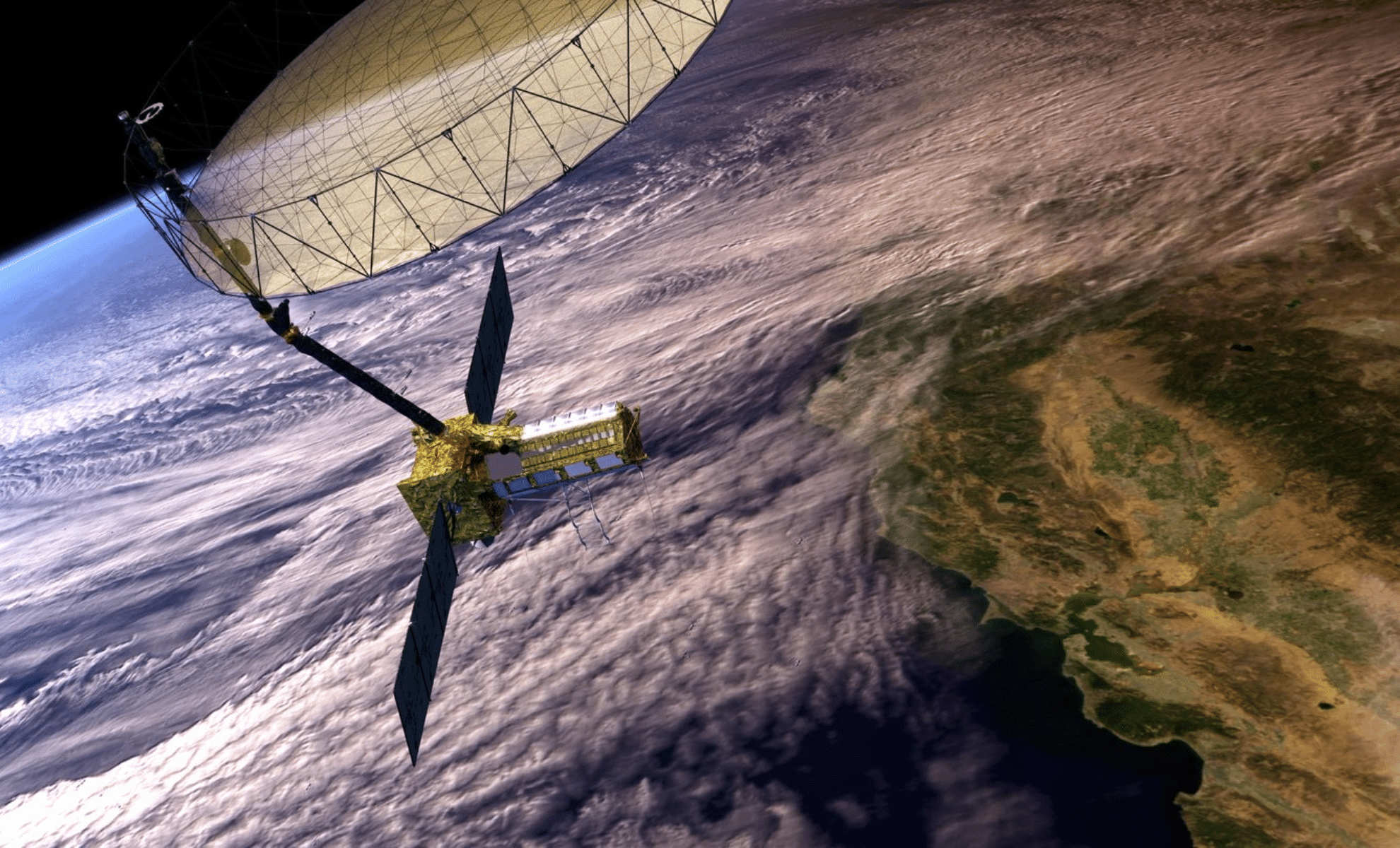
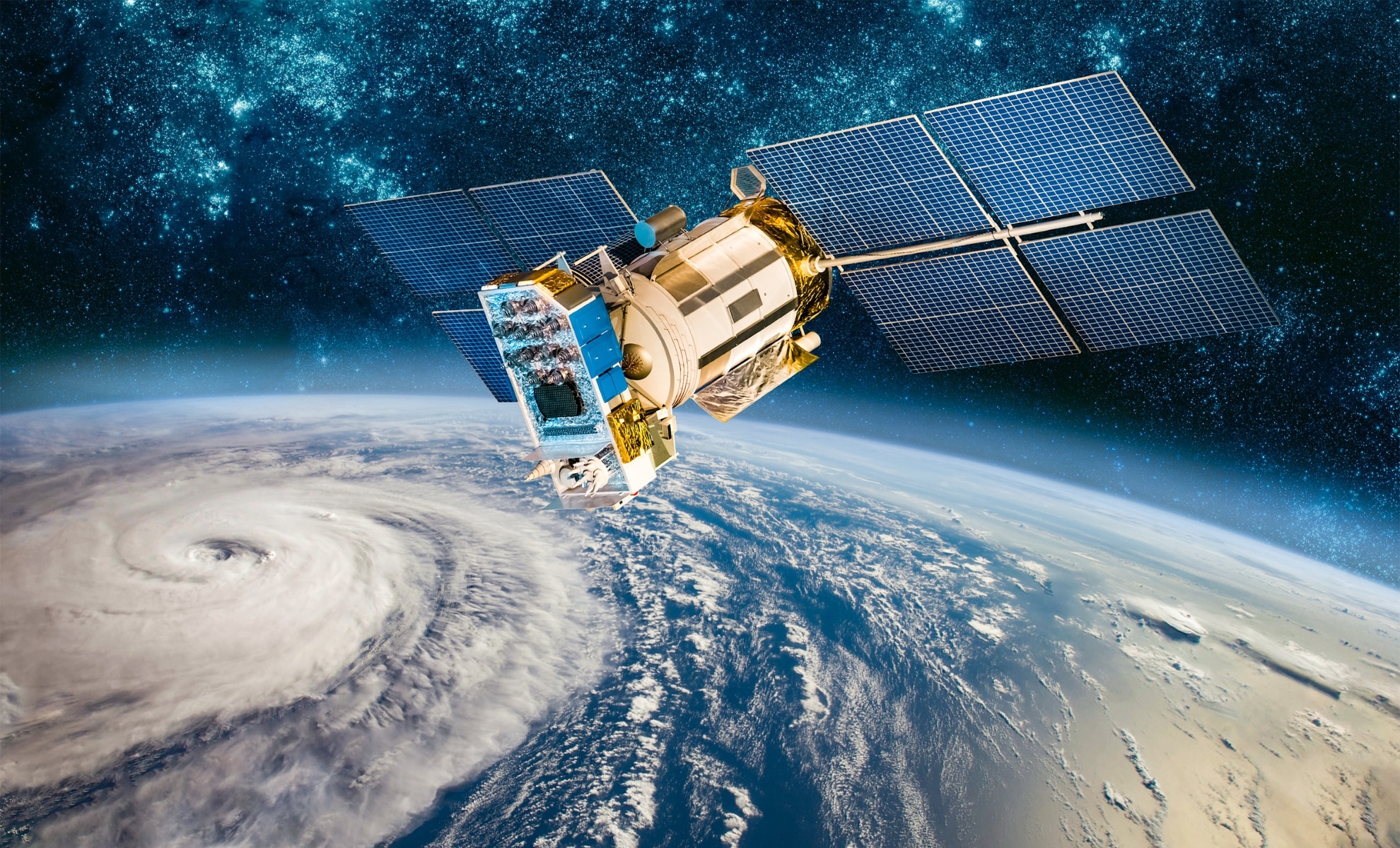
A study using 20 years of satellite data reveals that Earth's seasonal cycles are more complex and often out of sync across different regions, especially in biodiversity hotspots, which has significant implications for ecology, evolution, agriculture, and climate change understanding.
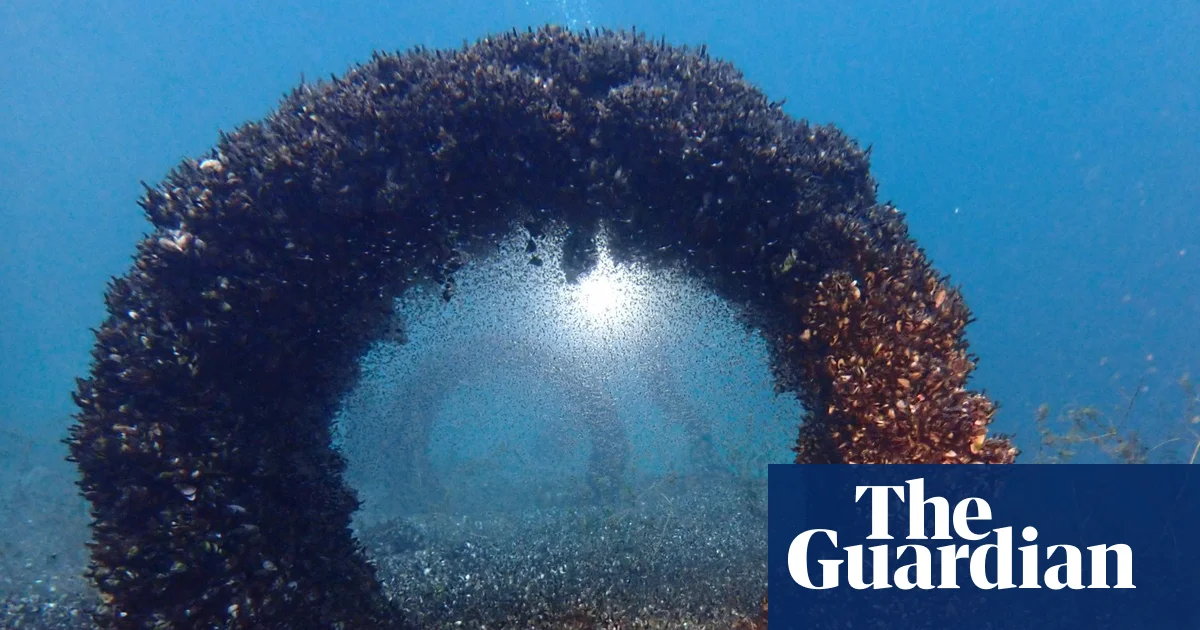
Quagga mussels have rapidly invaded Lake Geneva, causing irreversible ecological and infrastructural damage, including blocking cooling systems vital for research and industry, and drastically altering the lake's ecosystem, with experts warning that the lake will never return to its original state.
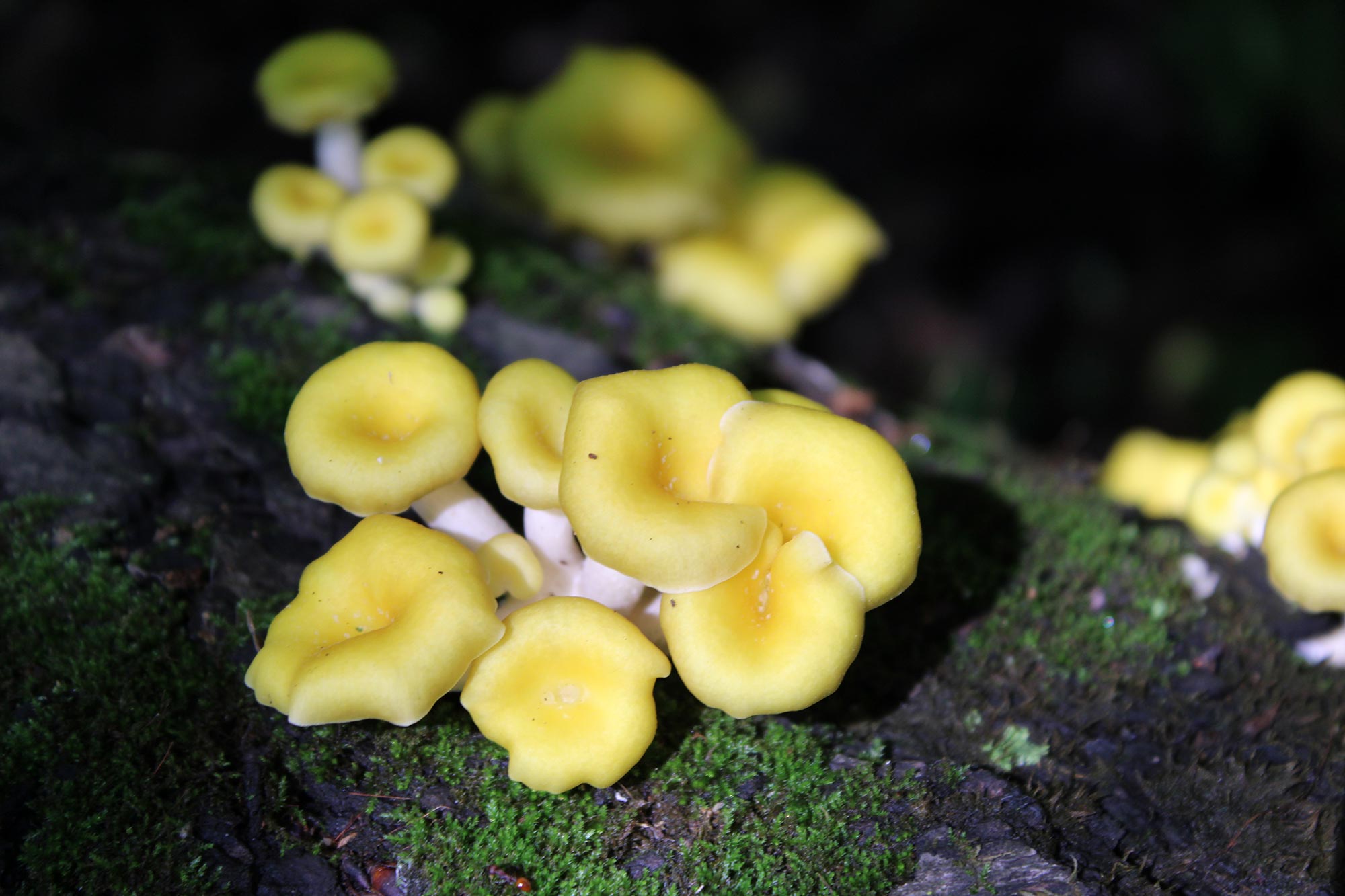
The golden oyster mushroom, a popular edible fungus, is spreading beyond cultivation into forests across North America, disrupting native fungal communities and potentially affecting ecosystem processes like wood decomposition and carbon cycling, raising concerns about ecological impacts and the importance of monitoring microbial invasions.
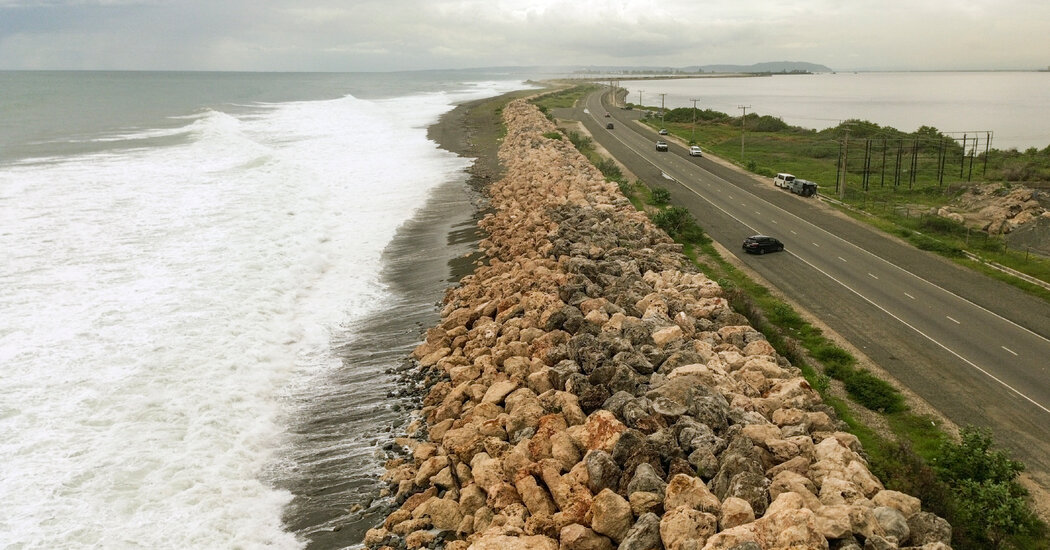
Hurricane Hunters reported finding birds trapped in the eye wall of Hurricane Melissa, highlighting the storm's significant ecological toll on Jamaica's biodiversity and ecosystems, with potential setbacks for conservation efforts and local livelihoods.
A satellite-based study reveals that Earth's seasonal cycles are increasingly out of sync across different regions, with significant ecological and economic implications, especially in areas with complex climates like the Mediterranean and tropical zones, highlighting the need to rethink traditional models of plant and ecosystem behavior.
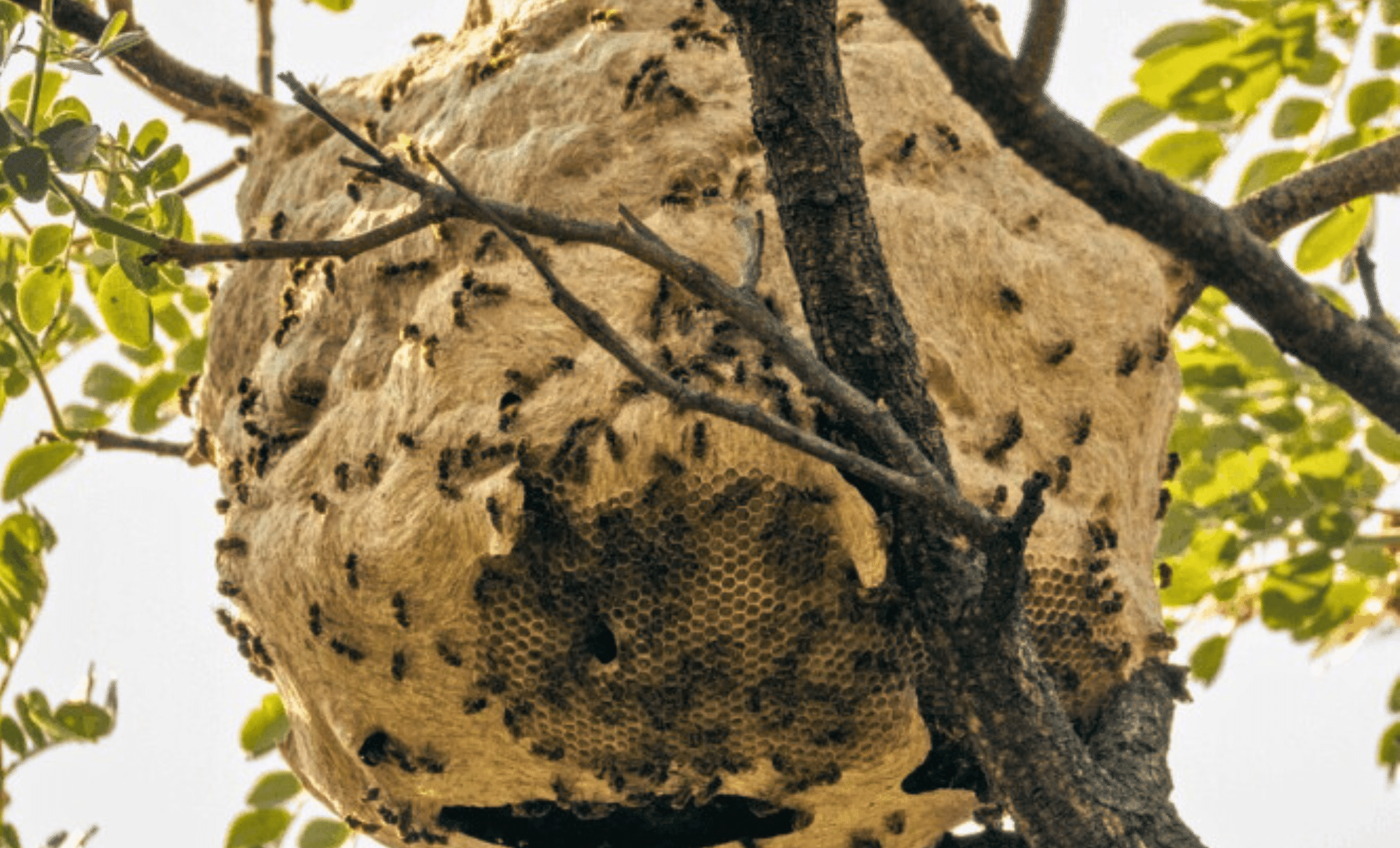
A European parasitic wasp, Bootanomyia dorsalis, has been found in the US, with genetic evidence indicating multiple introductions. Its presence threatens native oak gall wasps and the broader ecosystem, potentially disrupting food webs and biodiversity.
A parasitic wasp species, Bootanomyia dorsalis, has been documented in the U.S. for the first time, likely arriving via non-native oak plantings or air travel. It targets oak gall wasps, laying eggs in their galls, which could impact local ecosystems, though it poses no direct threat to humans.
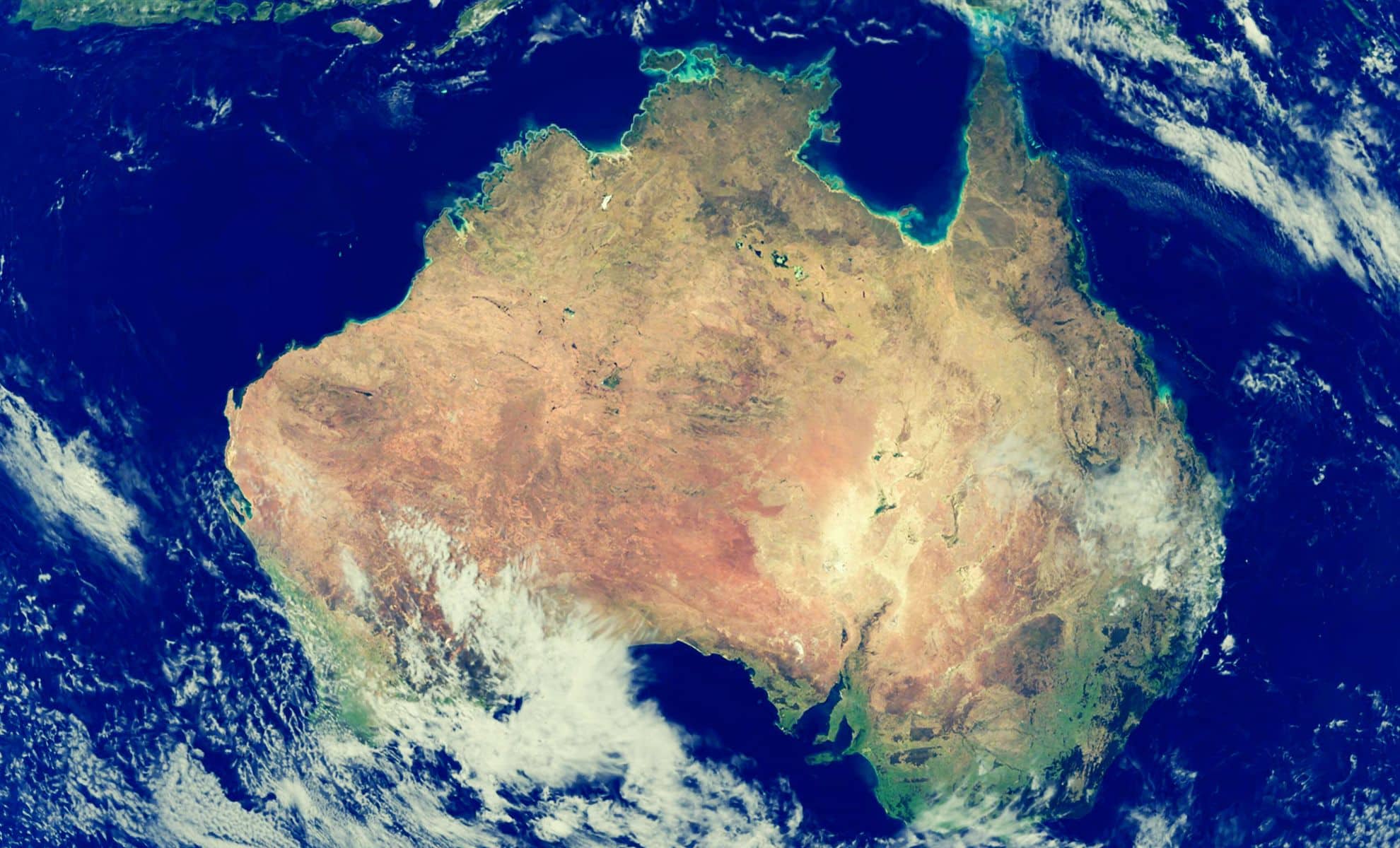
Australia is drifting northward towards Asia at about 7 cm per year, a process that is accelerating and will likely lead to a collision forming a new supercontinent called Amasia, with significant geological, ecological, and technological consequences, including seismic activity, habitat loss for unique Australian species, and disruptions to GPS systems and climate patterns.
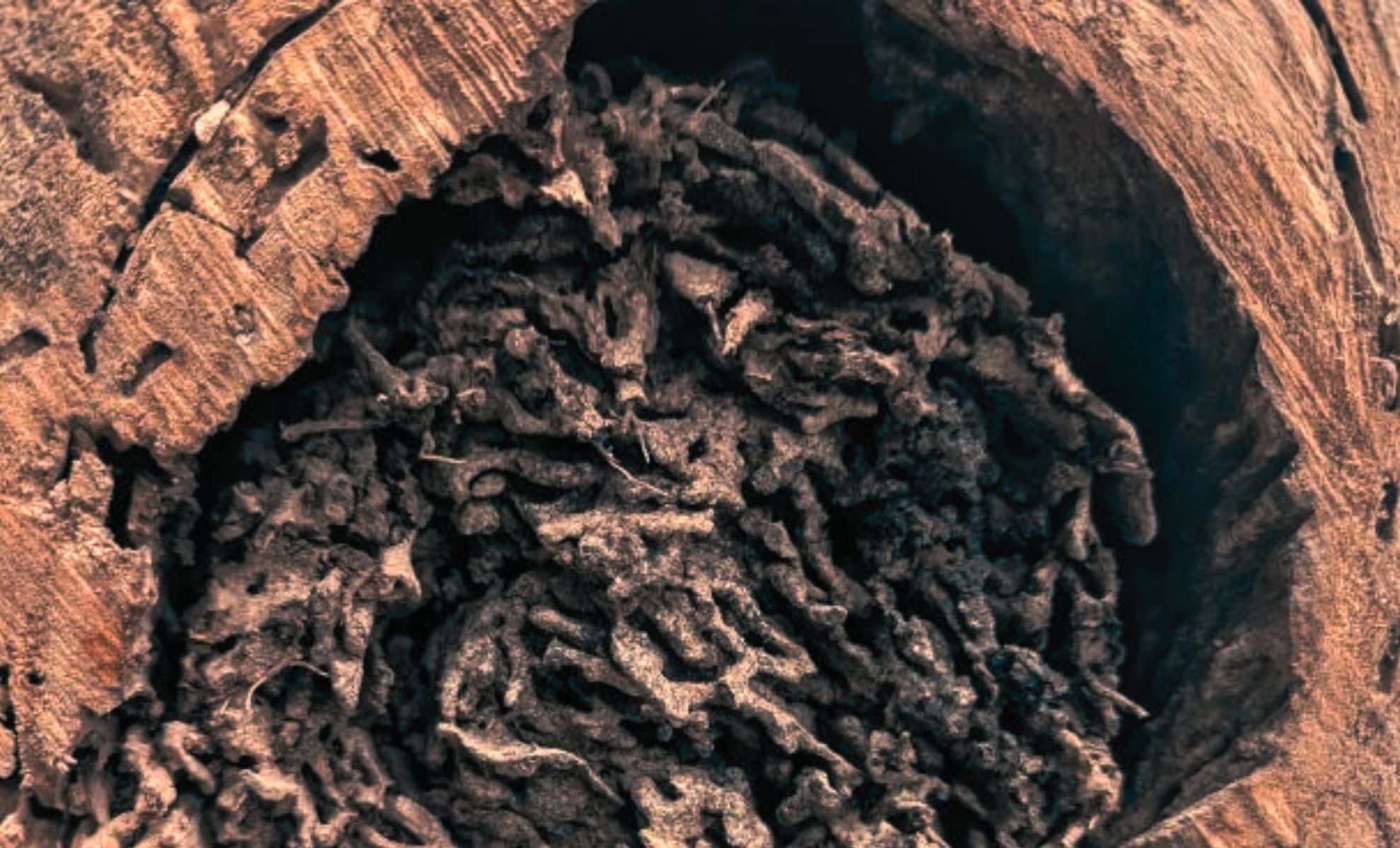
Scientists in Florida have discovered a hybrid termite species resulting from the interbreeding of two highly destructive subterranean termites, which exhibits increased resilience and rapid growth, posing a greater threat to homeowners and complicating pest management efforts. The hybrid's enhanced adaptability and vigor could lead to faster infestations and more extensive property damage, emphasizing the need for updated detection and control strategies. Continued research and proactive measures are crucial to mitigate the potential ecological and economic impacts of this emerging pest.
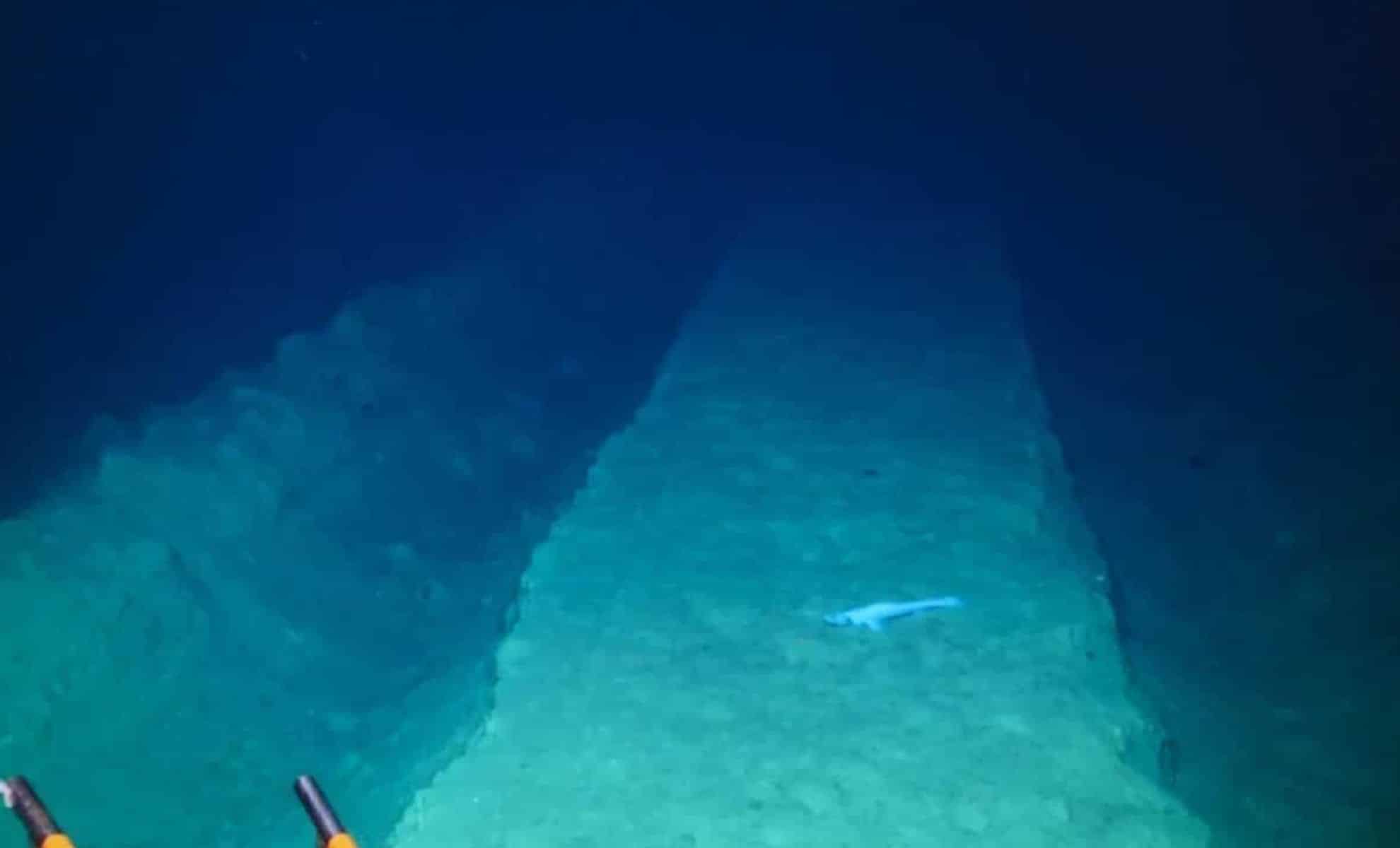
A 1979 deep-sea mining experiment in the Pacific's Clarion-Clipperton Zone left lasting scars on the seafloor, with visible damage still evident 44 years later. While some small organisms are beginning to recolonize the area, the recovery of larger, stationary species is slow, raising concerns about the ecological impacts of future large-scale mining operations in this fragile ecosystem.
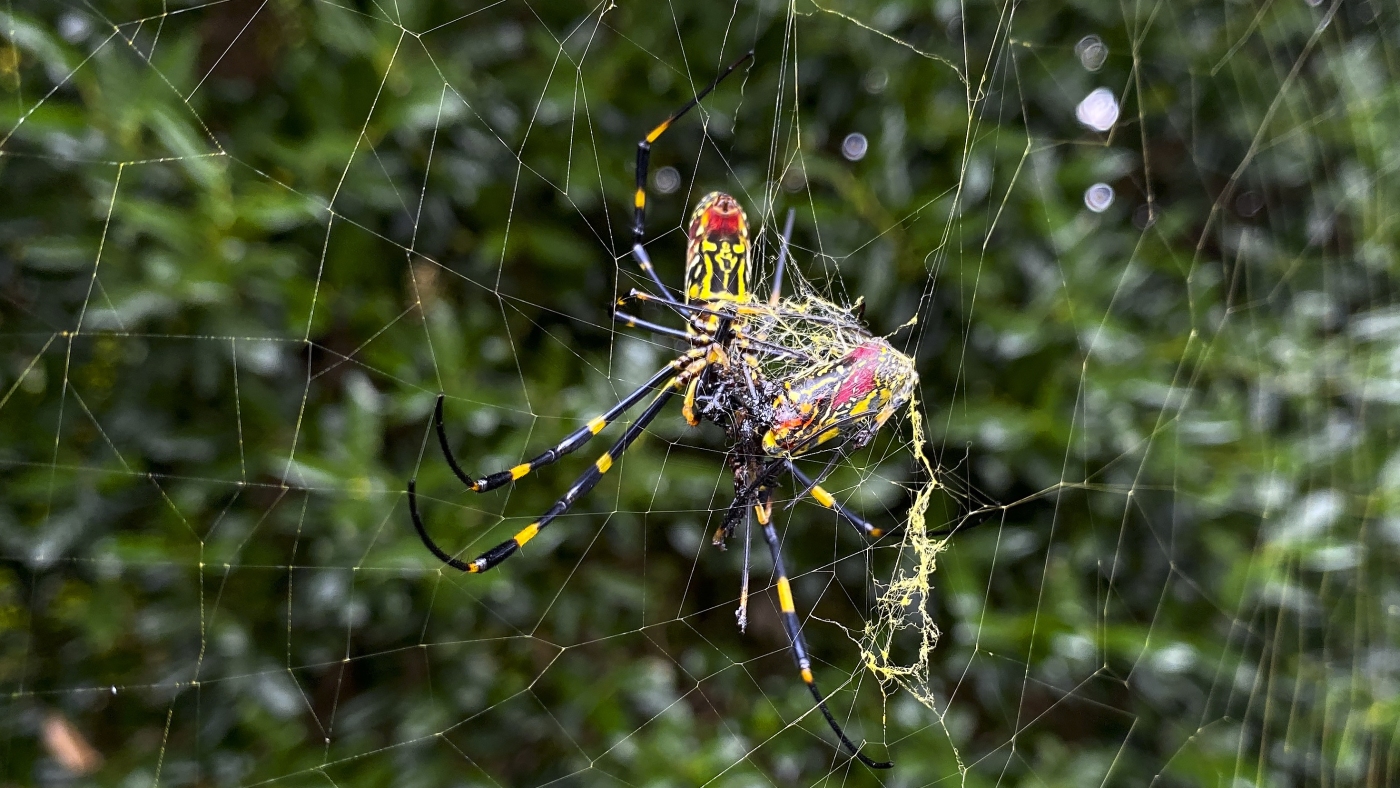
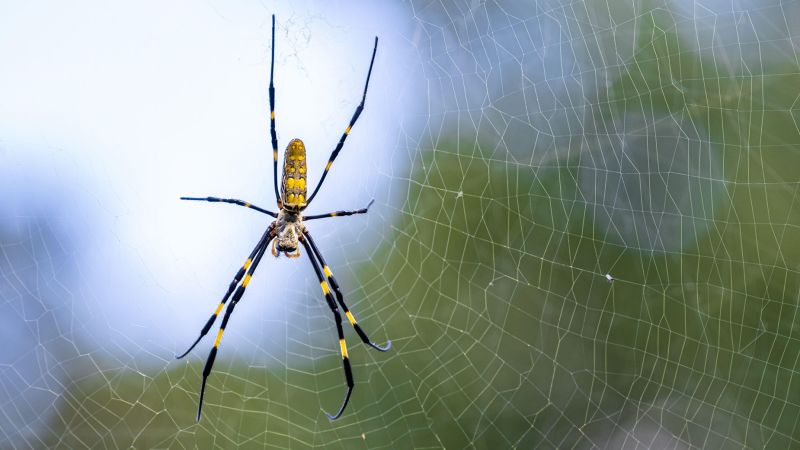
The Joro spider, a large and colorful invasive species from East Asia, is spreading across the U.S. but poses little threat to humans. Experts are more concerned about other invasive species that harm crops and trees, exacerbated by global trade and climate change.
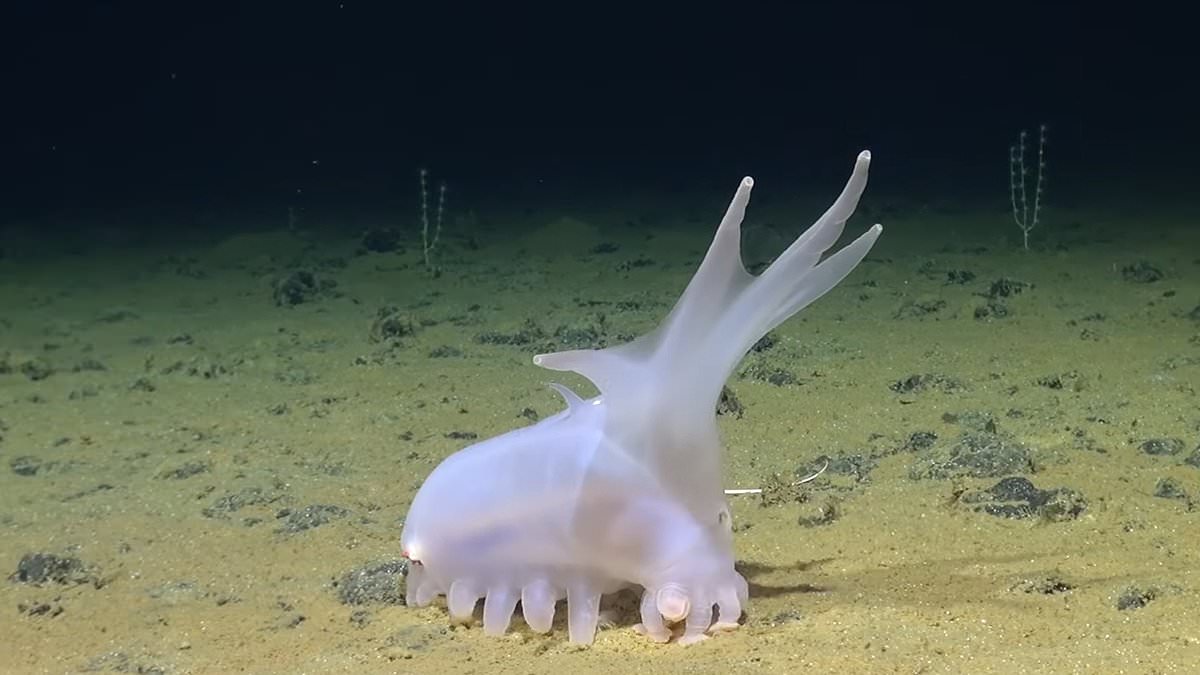
Researchers have discovered whimsical new marine life, including a bright pink 'Barbie pig' sea cucumber, near the Clarion-Clipperton Zone (CCZ) in the deep sea, which is targeted for seabed mining due to its rich metal reserves. The project aims to develop an ecological census of the region to assess potential impacts of mining activities. The discovery of these new species, such as the 'unicumber' sea pig and the 'Rattail fish,' highlights the need for further research to understand the unique and sparse ecosystem of the CCZ.
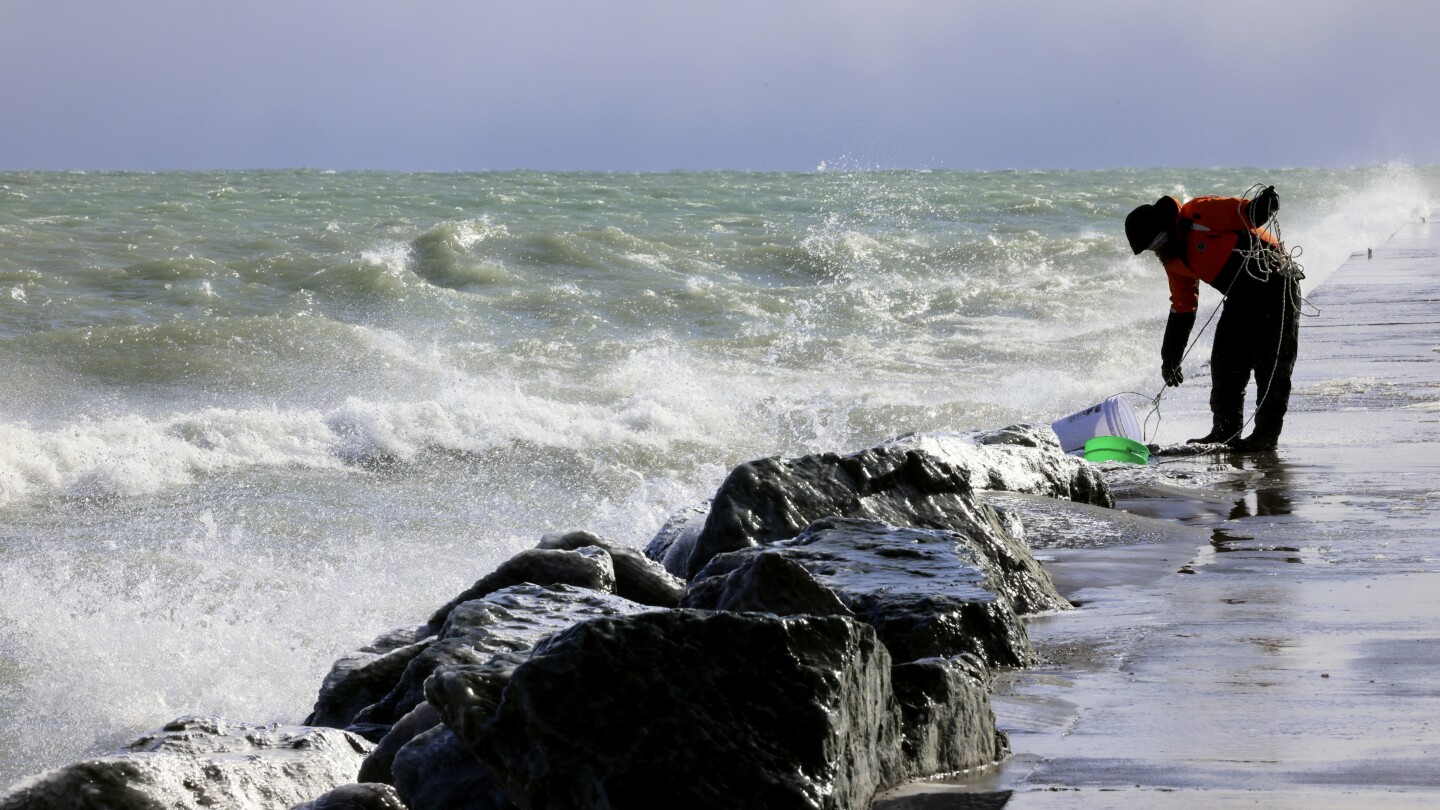
Scientists are studying the impacts of historic lack of ice on the Great Lakes due to climate change, with concerns about potential harm to fish species, algae blooms, erosion of beaches, and clogging of shipping channels. The absence of ice could lead to earlier and larger algae blooms, reduced oxygen levels in the water, and potential shrinkage of fish populations. While it may extend the fishing and shipping seasons, it could also cause lake levels to drop and erode shorelines, posing challenges for commercial fishing and shipping operations. Researchers are working to gather winter-specific data to better understand and manage the ecological changes in the Great Lakes.
A new study published in Arthropoda reveals that the invasive Jorō spider, which has rapidly spread across the southeastern United States, surprisingly thrives in busy urban settings, tolerating noise and wind disturbance from nearby roads. Researchers found that the spiders near heavy traffic roads were only slightly less likely to attack prey than those near low-traffic roads, indicating their natural tolerance for being around cars and people. While the spiders pose a threat to native species, they coexist with them for now and can be left alone as their venomous fangs are incapable of breaking human skin.
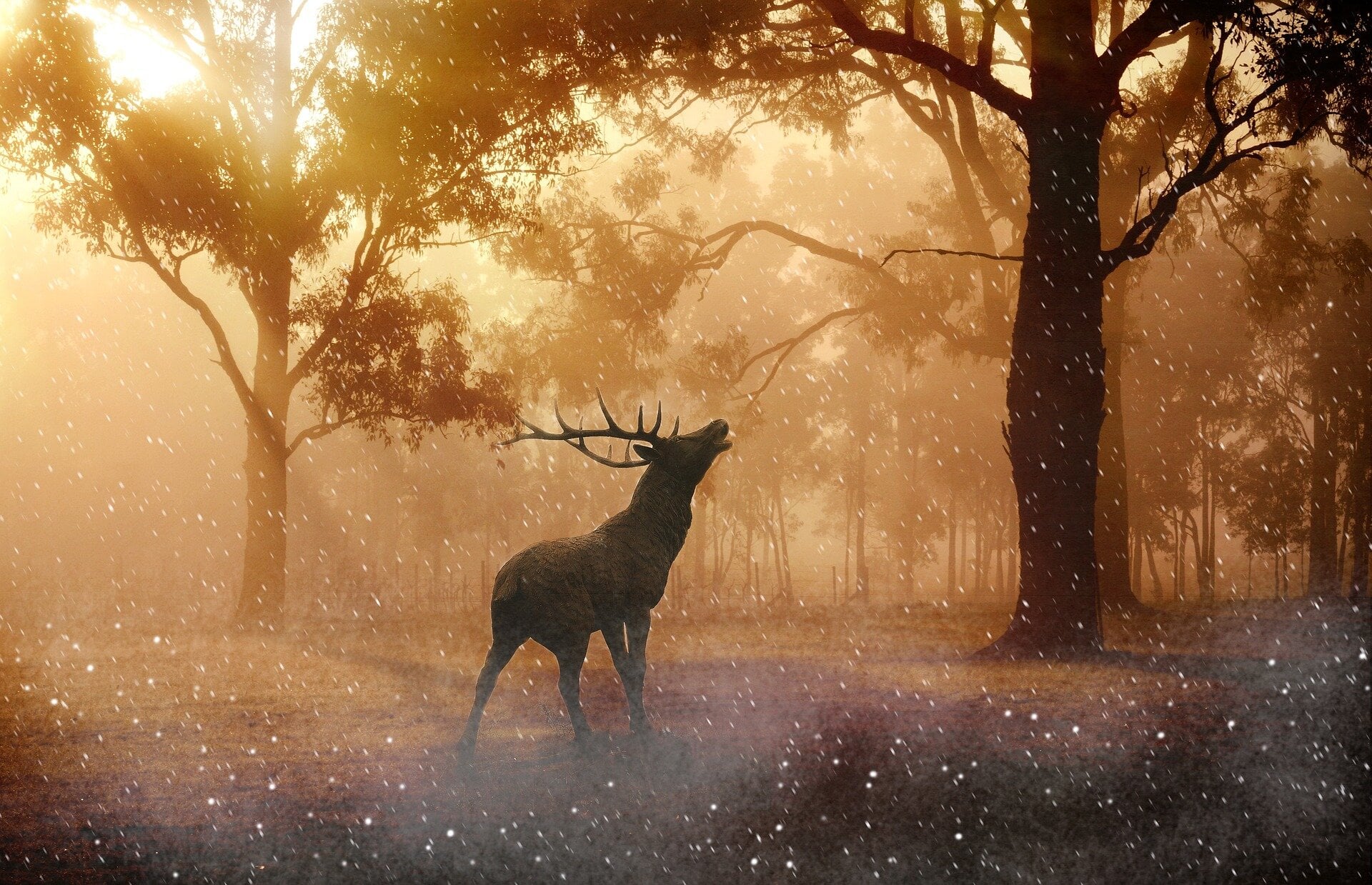
Chronic wasting disease (CWD), also known as "zombie deer disease," is spreading among deer populations in North America, raising concerns about its potential to jump to humans. The disease is caused by prions, which are notoriously resilient and can persist in the environment for years. While there is no conclusive evidence of direct transmission to humans, concerns persist due to potential exposure through hunting and consumption of infected animals. The spread of CWD also poses significant ecological and economic risks, threatening deer populations and potentially disrupting ecosystems. International cooperation and comprehensive measures are needed to monitor and control the disease, protect wildlife, and mitigate potential human health implications.