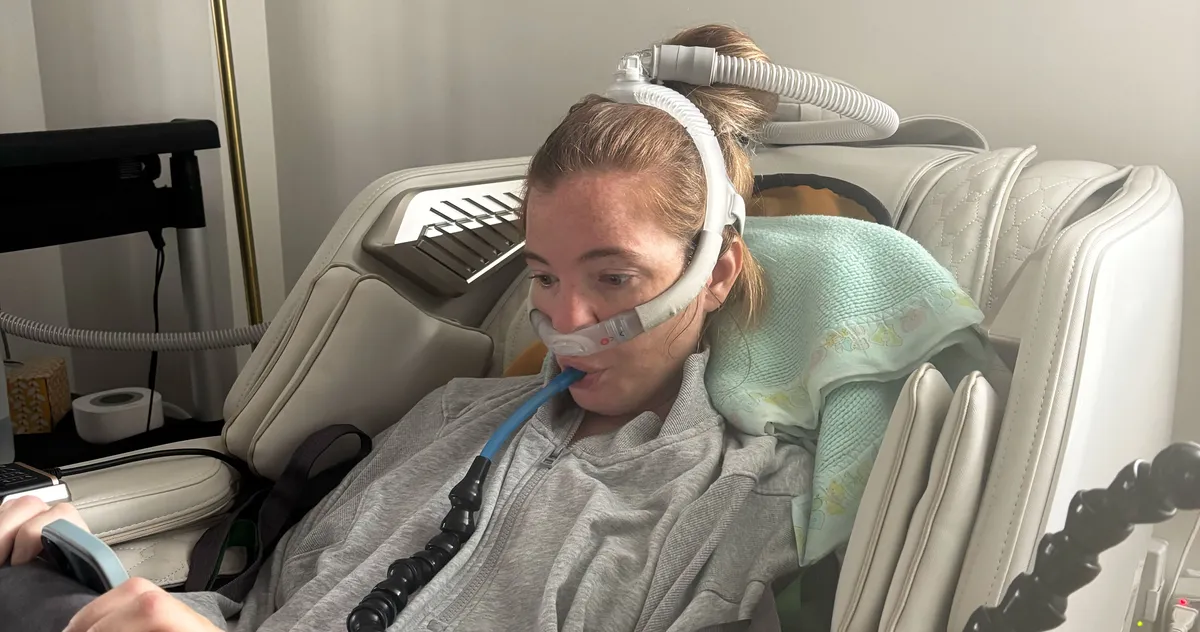
Brooke Eby, diagnosed with ALS at 33, shares her journey living with the disease, highlighting her use of humor and social media to raise awareness, her daily routines, and her efforts in fundraising and advocacy, despite her rapidly declining health.
A Canadian study links higher exposure to sulfur dioxide, a pollutant from fossil fuel combustion, with an increased risk of developing ALS, highlighting the need for stricter air quality regulations despite current guidelines.
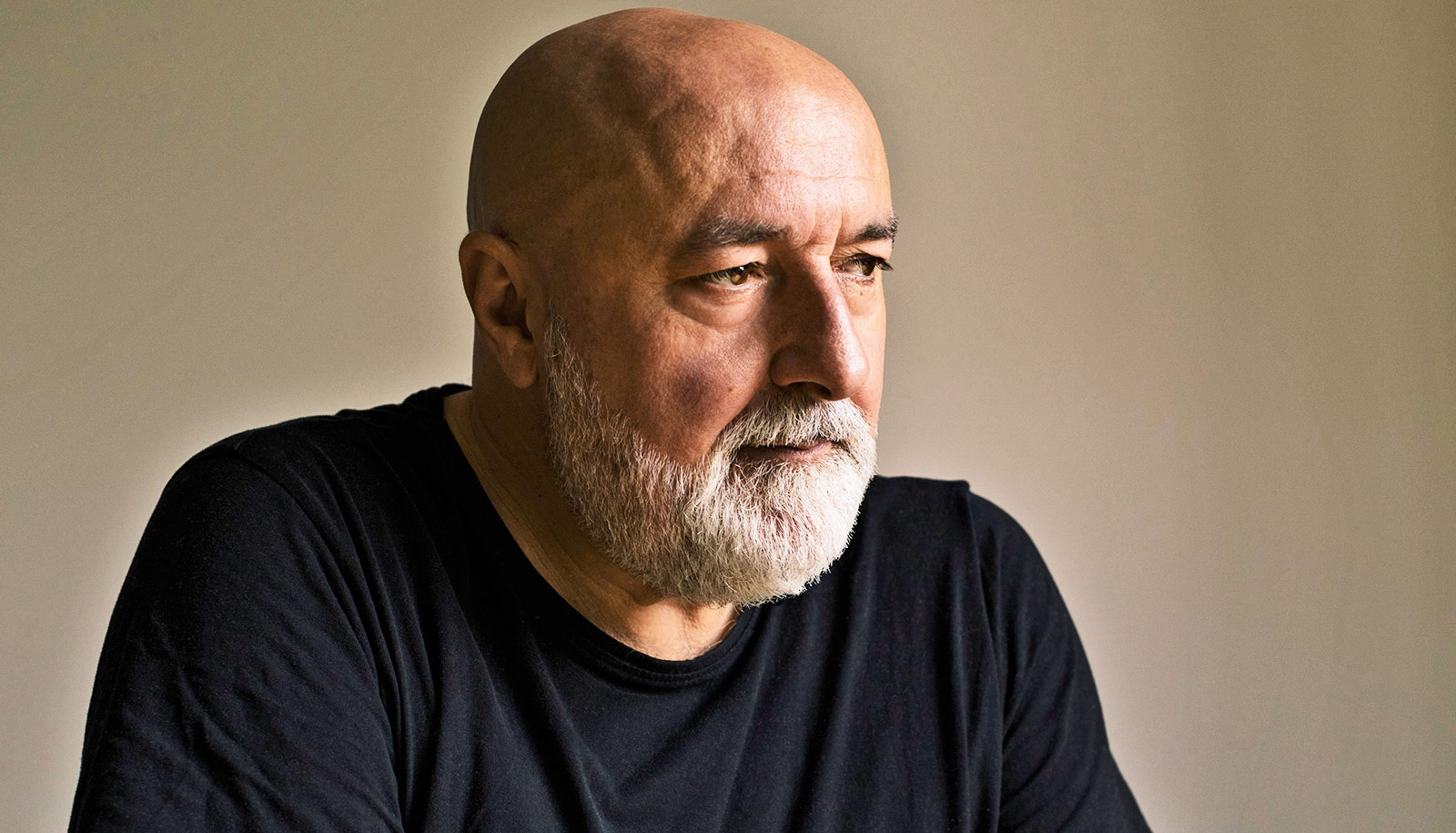
The article narrates the profound impact of frontotemporal dementia (FTD) on Marc Pierrat and his wife Julia, highlighting how the disease alters personality, cognition, and their relationship, while also emphasizing the importance of support, research, and advocacy for those affected by FTD.
The article narrates the profound impact of frontotemporal dementia (FTD) on Marc Pierrat and his wife Julia, highlighting how the disease alters personality, communication, and their relationship, while also emphasizing the importance of support, research, and adaptation in facing this challenging neurodegenerative condition.
Researchers discovered that gut immune cells, specifically B cells, migrate to the brains of mice with Alzheimer's disease, influenced by inflammatory signals, and that a high-fiber diet can restore gut immune balance and improve quality of life, suggesting a new therapeutic target for Alzheimer's.
A man with a family history of ALS undergoes testing at a Columbia University clinic, raising hope that a new drug might prevent or treat the disease, which has historically had limited treatment options.
A Swedish study found that the use of psychiatric medications such as anxiolytics, hypnotics, sedatives, and antidepressants is associated with an increased risk of developing ALS and worse outcomes after diagnosis, including shorter survival and faster functional decline, suggesting a potential link between psychiatric symptoms, medications, and ALS progression.
A neurologist discusses how dementia, particularly frontotemporal dementia, affects social behavior and the importance of maintaining a healthy social brain, highlighting insights from his research and upcoming book.
Quralis has initiated a Phase 1 clinical trial for QRL-101, a novel treatment aimed at reducing nerve cell overactivation in amyotrophic lateral sclerosis (ALS) patients, potentially slowing disease progression. The trial, conducted in the Netherlands, will assess the safety, tolerability, and pharmacological properties of QRL-101. This first-in-class therapy targets Kv7.2/7.3 ion channels to control motor neuron hyperexcitability, a key factor in ALS progression. Results from this study, along with parallel research, will guide future development of QRL-101.
Researchers at Mount Sinai Hospital have discovered that targeting the plexin-B1 protein can enhance the brain's ability to clear amyloid plaques, potentially slowing or halting Alzheimer's progression. This breakthrough emphasizes the role of reactive astrocytes and cellular interactions in developing new treatments for Alzheimer's disease.
The AHEAD study aims to identify risk factors for Alzheimer's, such as the buildup of amyloid proteins, in healthy individuals 15-20 years before symptom onset, offering them the opportunity to participate in a new FDA-approved medication trial designed to prevent or lessen the effects of the disease. The study, conducted at 75 sites nationwide, is open to all populations and aims to provide free monitoring and access to care, particularly for minority groups who may face disparities in healthcare access.
Amylyx, the maker of the ALS drug Relyvrio, is pulling the drug from the market and laying off 70% of its workforce after a large clinical trial showed the drug did not help patients. The drug, approved by the FDA in September 2022, failed to meet its goals in a 48-week trial involving 664 patients, leading to its withdrawal from the market. Patients already taking the medication can continue through a free drug program, but it is no longer available to new patients. Amylyx is now focusing on other drug candidates for neurodegenerative diseases and will lay off most of its employees.
A clinical study conducted by researchers at Ghent University Hospital, VIB, and Ghent University has shown promising results for using fecal microbiota transplantation (FMT) to improve symptoms in patients with Parkinson's disease. The study, named GUT-PARFECT, demonstrated that participants who received healthy donor stool transplants showed significant improvement in motor symptoms and reduced constipation over a 12-month period. This research suggests that FMT could be a valuable new treatment for Parkinson's disease, offering a potentially safe, effective, and cost-effective way to improve symptoms and quality of life for millions of people worldwide. Further research is needed to determine the long-term effects and potential development of targeted therapies.
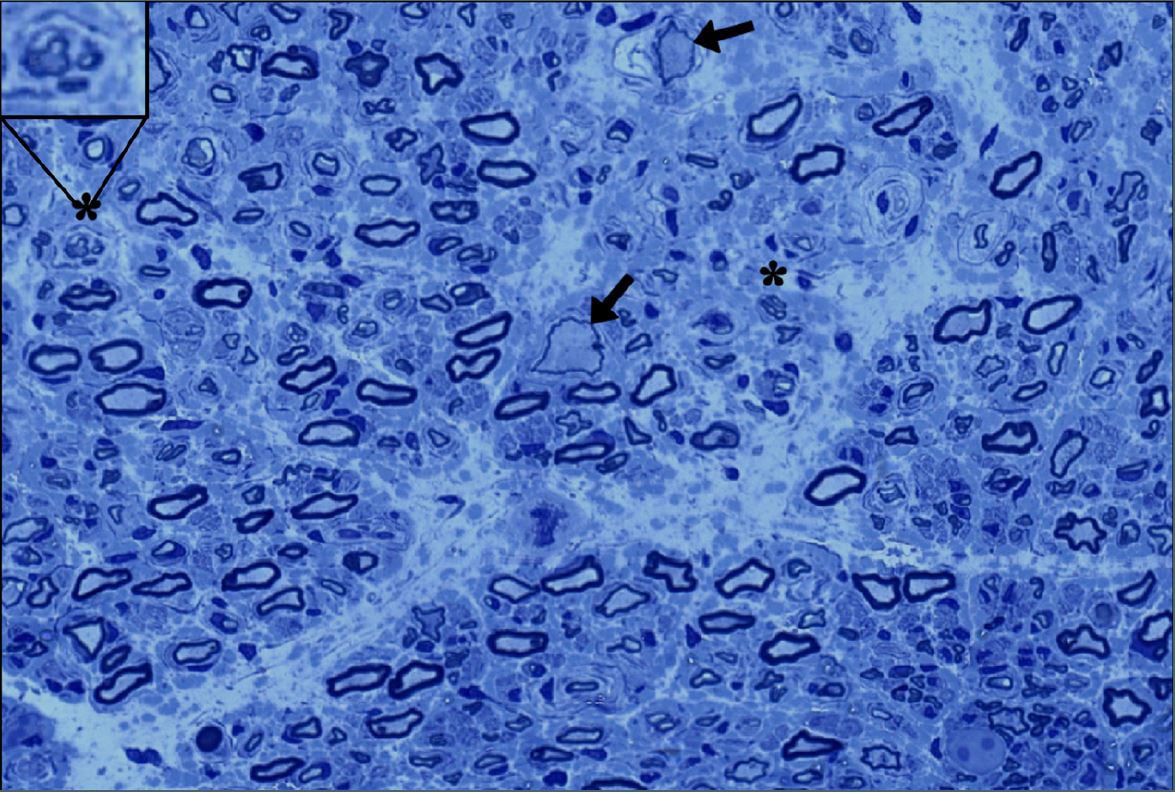
An experimental gene therapy for giant axonal neuropathy (GAN) has shown promise in a clinical trial led by the National Institutes of Health (NIH), with results published in the New England Journal of Medicine. The therapy, which uses a modified virus to deliver functional copies of the defective GAN gene to nerve cells, was well tolerated and appeared to slow the rate of motor function decline in some patients. Additionally, some patients showed signs of regeneration of sensory nerves. The study marks the first time that a sensory nerve affected in a genetic degenerative disease has been shown to be rescued with gene therapy. The next phase of the trial will focus on evaluating the therapy's safety and efficacy in younger children or those in an earlier stage of the disease.
A new gene therapy treatment, priced at $4.25 million, has already transformed the lives of children with a fatal neurodegenerative disease called metachromatic leukodystrophy (MLD). Addi and Oliver Rasberry, both born with the same genetic mutation causing MLD, have had vastly different experiences due to the availability of the gene therapy. While Addi struggles with daily medical interventions, Oliver, who received the gene therapy in Milan, is thriving. The therapy, manufactured by Orchard Therapeutics and approved in Europe in 2021, will soon be available in the U.S., offering hope to families affected by MLD.