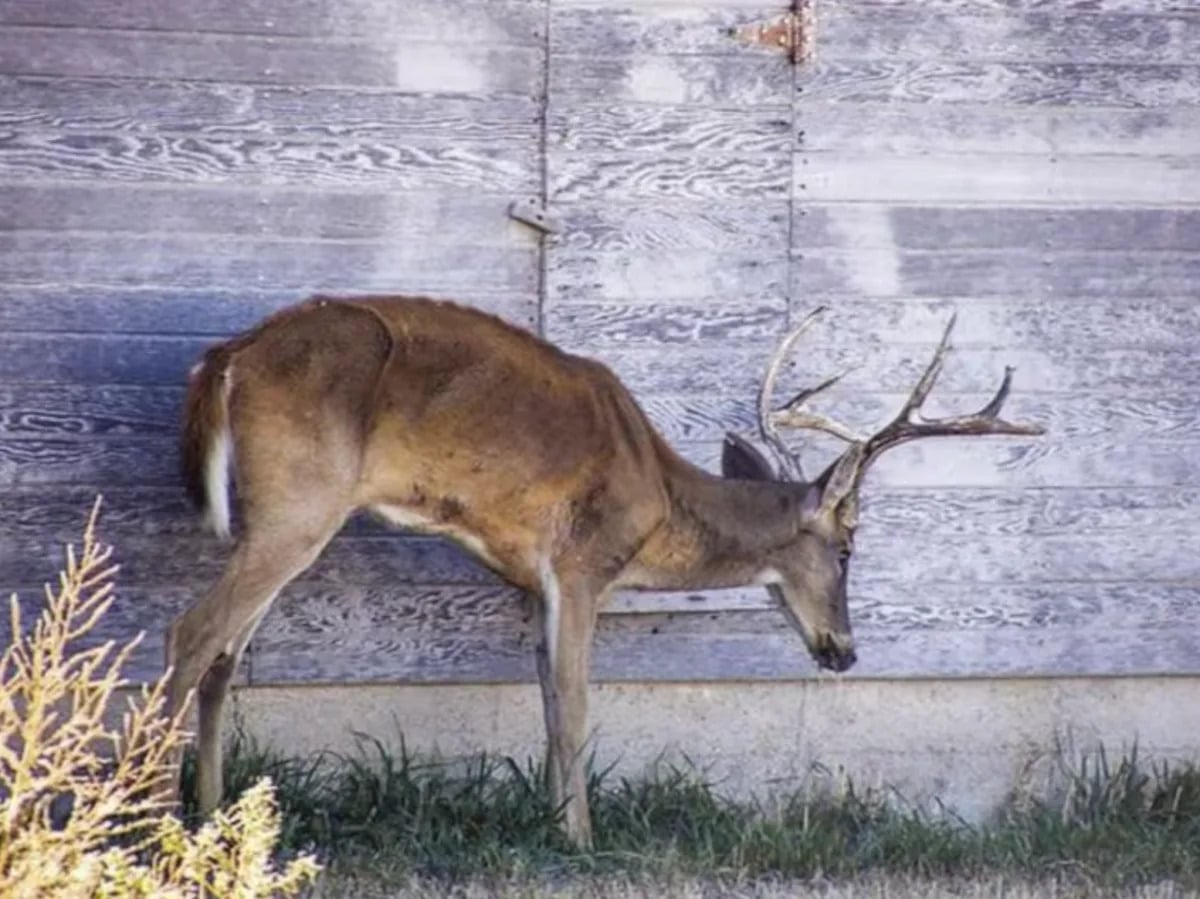
Wildlife officials are warning about the spread of chronic wasting disease (CWD), a deadly prion disease affecting deer in North America, with potential risks to humans and ecological impacts, as cases continue to emerge across multiple states and provinces.
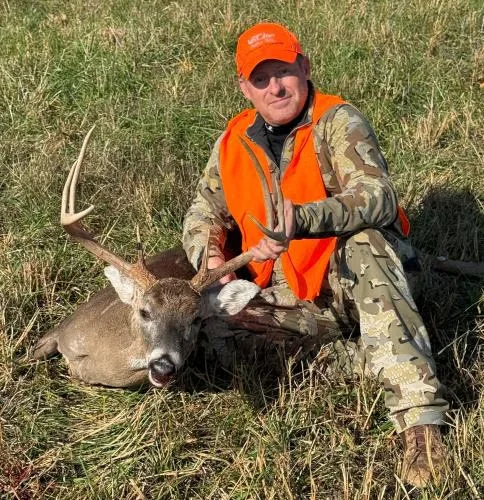
MDC Director Jason Sumners discusses the impact of chronic wasting disease (CWD) on Missouri's deer populations, highlighting ongoing management efforts, the importance of collaboration with hunters and landowners, and the need for sustainable strategies to protect the future of deer and hunting in the state.
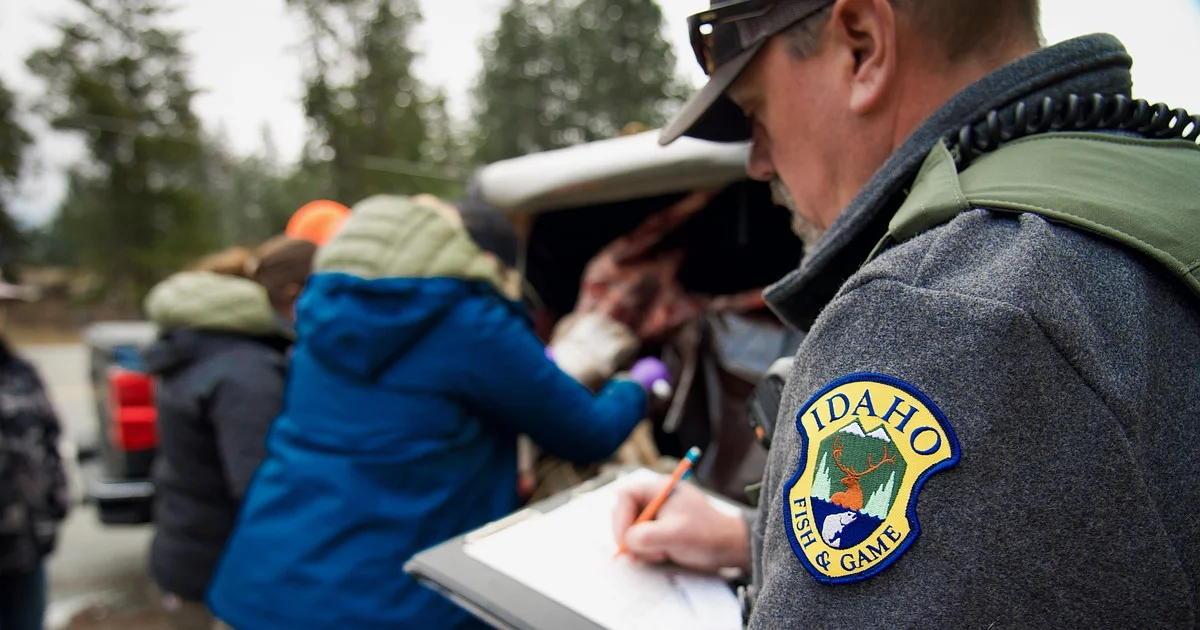
Idaho Fish and Game operated a check station on I-90 to monitor compliance with CWD transport laws, finding low adherence among hunters, highlighting the importance of understanding and following regulations to protect Idaho's big game herds from chronic wasting disease.
Wildlife officials in Florida have identified a second case of chronic wasting disease, also known as 'zombie deer disease,' prompting emergency measures to contain its spread, which poses a significant threat to local deer populations and hunting activities.
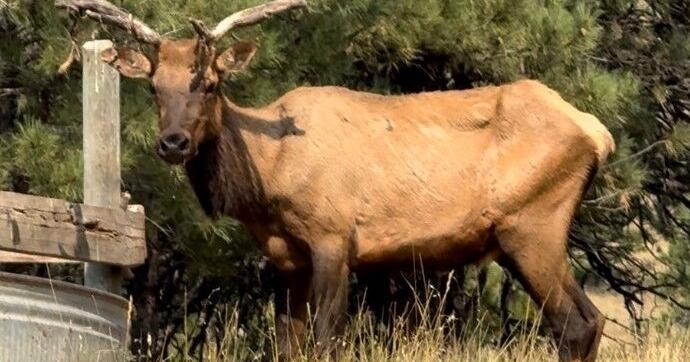
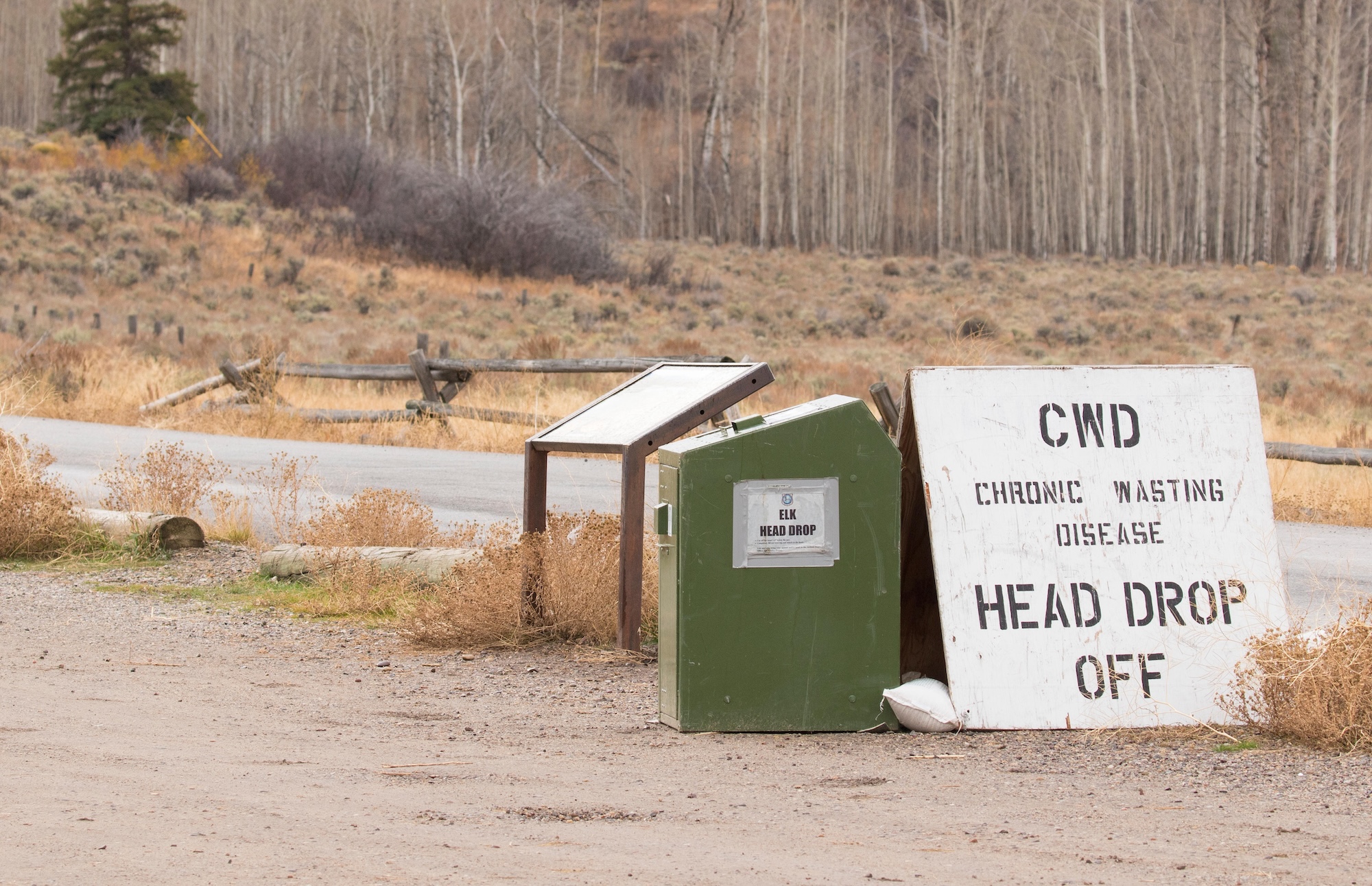
Montana Fish, Wildlife & Parks has confirmed the first case of Chronic Wasting Disease (CWD) in an elk in southeast Montana, marking the fourth elk statewide to test positive. The infected elk was found in Hunting District 704, an area with high elk concentrations. CWD is always fatal and affects both elk and deer, often without visible symptoms until late stages. The state encourages hunters to test both deer and elk to better understand disease prevalence and guide management decisions. CWD sampling assistance is available at various locations, and hunting remains a key strategy to control its spread.
Viral articles claiming that two hunters died after consuming chronic wasting disease (CWD)-infected venison are based on a research abstract that does not provide evidence of CWD transmission to humans. The abstract attempts to link two men's deaths from sporadic Creutzfeldt-Jakob disease to a population of CWD-infected deer they supposedly hunted and ate, but experts emphasize that there is no proven connection. The prevalence of CWD in deer populations is low, and there is no conclusive evidence of CWD infecting humans. The spread of misinformation has caused concerns in the hunting community, but wildlife experts stress the need for careful and evidence-based investigation into the potential risks of consuming CWD-infected deer.
A new study published in the journal Neurology suggests a potential transmission of Chronic Wasting Disease (CWD) from deer to humans, as two hunters who consumed CWD-infected venison were afflicted with Creutzfeldt-Jakob disease (CJD). The study highlights the case of a 72-year-old man who presented with symptoms of CJD after consuming meat from a CWD-infected deer population and subsequently died, as well as a friend who also died from CJD after consuming venison from the same deer population. While the causation remains unproven, the findings emphasize the serious risks of consuming CWD-infected meat and the importance of testing deer meat for CWD.
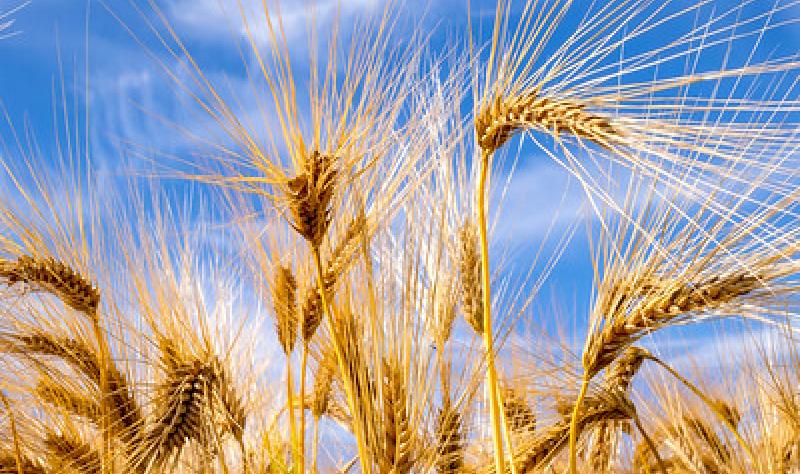
A study found that plants can absorb prions from contaminated soil, and lab mice that ingested these plants developed prion disease. This raises concerns about the potential for plants to spread chronic wasting disease (CWD) to new areas and expose animals or humans to the disease. While there is no evidence of prions in plants infecting deer or non-cervid animals, the possibility of prion uptake in crops and the lack of effective remediation methods pose challenges for agriculture and public health. Norway has implemented regulations to prevent the import of contaminated plants, aiming to confine or eradicate CWD.
Chronic Wasting Disease, also known as "zombie deer disease," has been spreading among North American deer populations, with potential risks for human infection. The disease, caused by prions, can lead to neurological damage in animals and has no known cure or vaccine. While there are currently no confirmed cases of CWD in humans, scientists are concerned about the potential for transmission through consumption of infected deer. The spread of CWD also poses ecological and economic risks, impacting deer populations, food security, and ecosystems. Measures to prevent the spread of the disease include following CDC guidelines for hunting and testing deer for CWD before consuming their meat.
Chronic Wasting Disease, also known as "zombie deer disease," is spreading among North American deer populations, with potential risks for human health. The disease, caused by abnormal proteins called prions, can lead to neurological damage in animals and has the potential to infect humans through consumption of infected deer. The spread of CWD poses ecological and economic risks, impacting deer populations, food security, and ecosystems. While there are currently no confirmed cases of CWD in humans, researchers are developing vaccines and recommending guidelines for hunters to prevent the spread of the disease.
Chronic Wasting Disease (CWD), also known as "zombie deer disease", is spreading among deer populations in North America, with concerns about its potential to jump to humans. The disease is caused by prions, which are notoriously resilient and can persist in the environment for years. While there is no conclusive evidence of direct transmission to humans, concerns persist due to potential exposure through hunting and consumption of infected animals. The spread of CWD poses significant ecological and economic risks, threatening deer populations, food security, and ecosystem dynamics. International cooperation and comprehensive measures, including surveillance, biosecurity, and research, are needed to address the challenges posed by CWD and protect both wildlife and human populations.
British Columbia has implemented measures to combat the spread of chronic wasting disease (CWD) after confirming cases in deer. The fatal disease affects cervid species, causing symptoms such as drooling and lethargy, leading to its nickname "zombie deer disease." While there is no direct evidence of transmission to humans, experts remain concerned about the potential risk, with some suggesting that CWD could infect humans in the future. The province has urged residents to report sick cervids, as research indicates the possibility of transmission to humans and a long incubation period for the disease.
A 5-year-old buck on a Sheboygan County deer farm has tested positive for chronic wasting disease, a fatal neurological disease affecting deer, elk, and moose. The farm is now quarantined as authorities conduct an epidemiological investigation, and the Wisconsin Department of Agriculture, Trade and Consumer Protection regulates the farm for disease testing and movement.
The Department of Ag, Trade and Consumer Protection confirmed the presence of Chronic Wasting Disease (CWD) on a Sheboygan County deer farm, leading to a quarantine of the premises while an epidemiological investigation is conducted. CWD is a fatal neurological disease affecting deer, elk, and moose, caused by an infectious protein. While there have been no reported cases of CWD infection in humans, precautions are advised, and Wisconsin state law mandates baiting and feeding bans in affected areas.
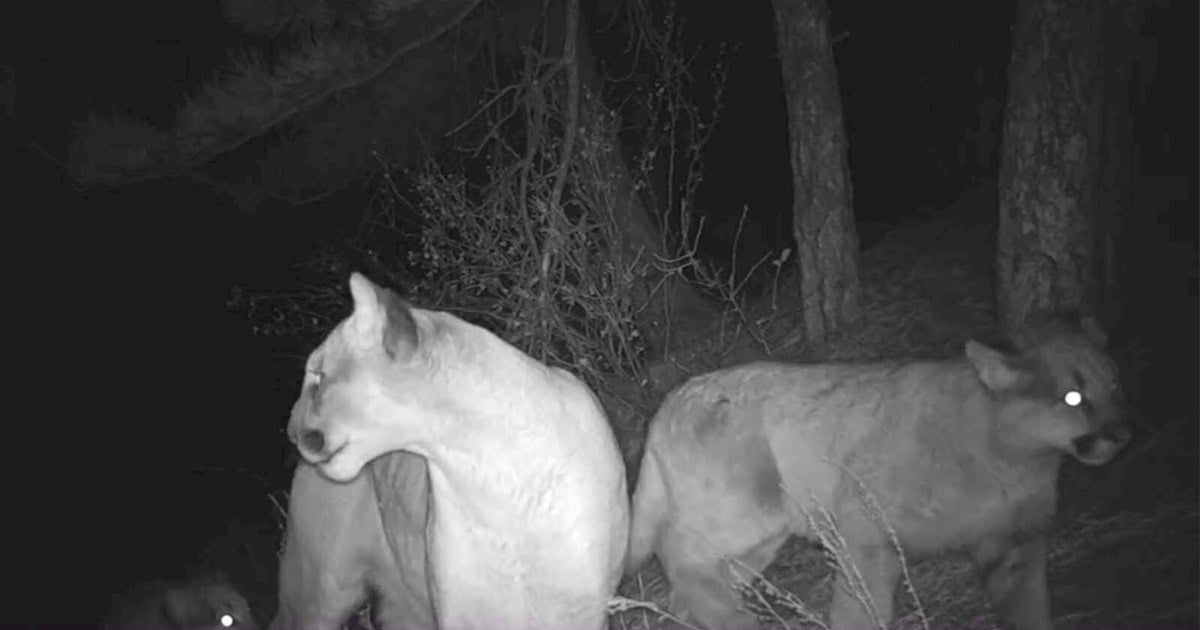
In rural Laramie County, Wyoming, a trail camera set up by resident Donald Harris captured a rare sight of a mother mountain lion with three cubs, indicating a successful breeding despite the low survival rates for kittens in the wild. Harris, who consulted a wildlife expert to optimize camera placement, is an advocate for the role of mountain lions in controlling deer populations affected by chronic wasting disease (CWD). While taking precautions for safety, Harris appreciates the presence of these top predators in maintaining ecological balance.