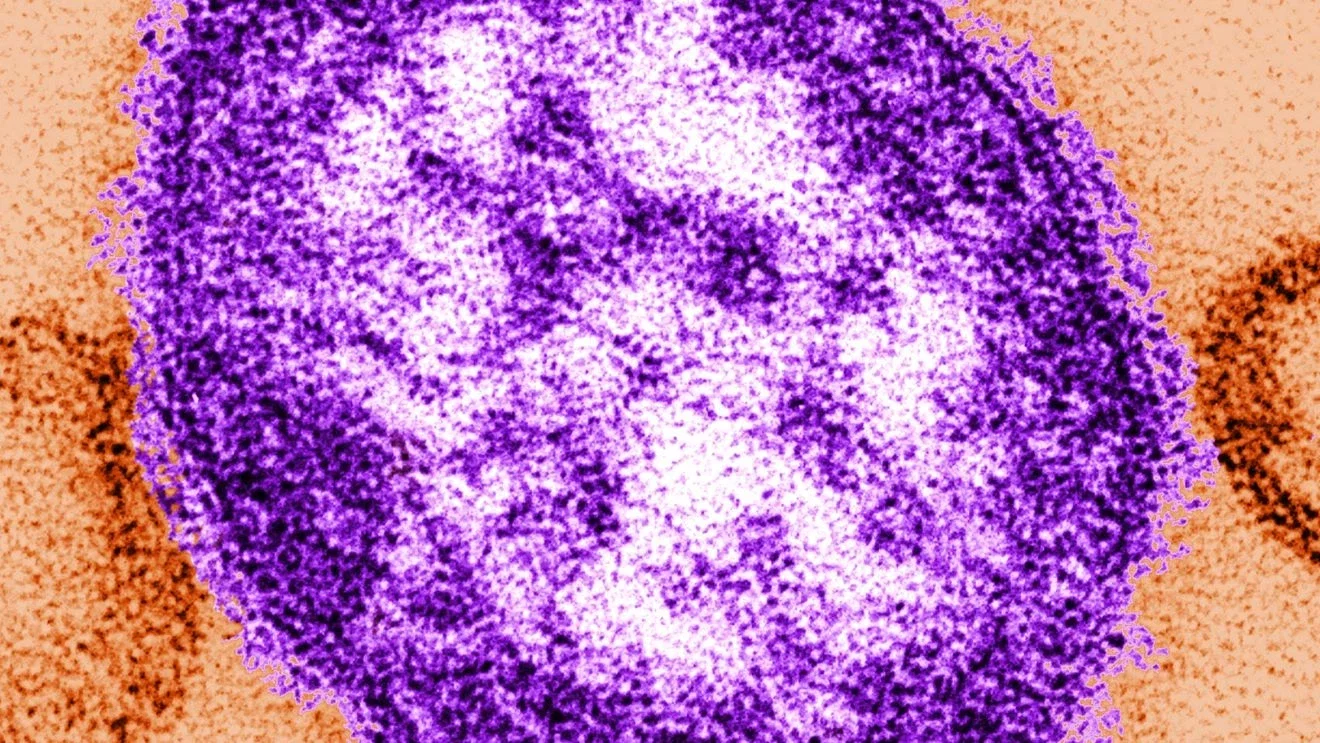
Measles cases are at a 25-year high in the US, spreading rapidly and causing concern among health officials. The highly contagious virus can be prevented with the MMR vaccine, which is highly effective. If exposed, those vaccinated or with presumed immunity generally do not need to take action, but unvaccinated individuals should consider vaccination or antibody treatment. Symptoms include fever, cough, and rash, and while there is no specific treatment, supportive care and prevention are key.
Measles cases are rising across the US, with nearly 2,100 cases in 2025, the highest in 25 years. The highly contagious virus spreads through respiratory droplets and surfaces, but vaccination with the MMR vaccine is highly effective in prevention. Experts advise vaccination after exposure and prompt medical consultation if symptoms develop, emphasizing the importance of herd immunity and vaccination to control outbreaks.
A traveler infected with measles was at Newark Liberty International Airport for 12 hours, raising concerns about potential exposure to thousands of passengers, prompting health advisories and vaccination reviews to prevent further spread of the highly contagious disease.
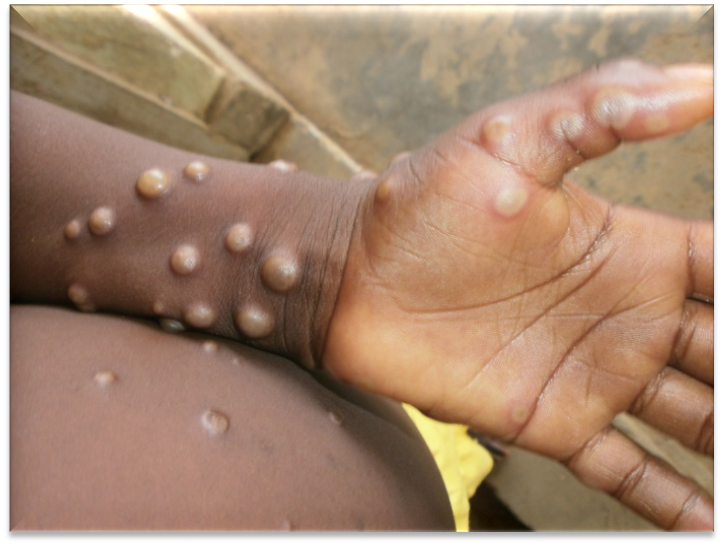
Barbados has confirmed three new cases of Mpox, bringing the total to six since 2022, with no travel history among the affected individuals. The cases are being managed with home isolation and contact tracing, emphasizing the importance of hygiene and cautious social interactions to prevent further spread.
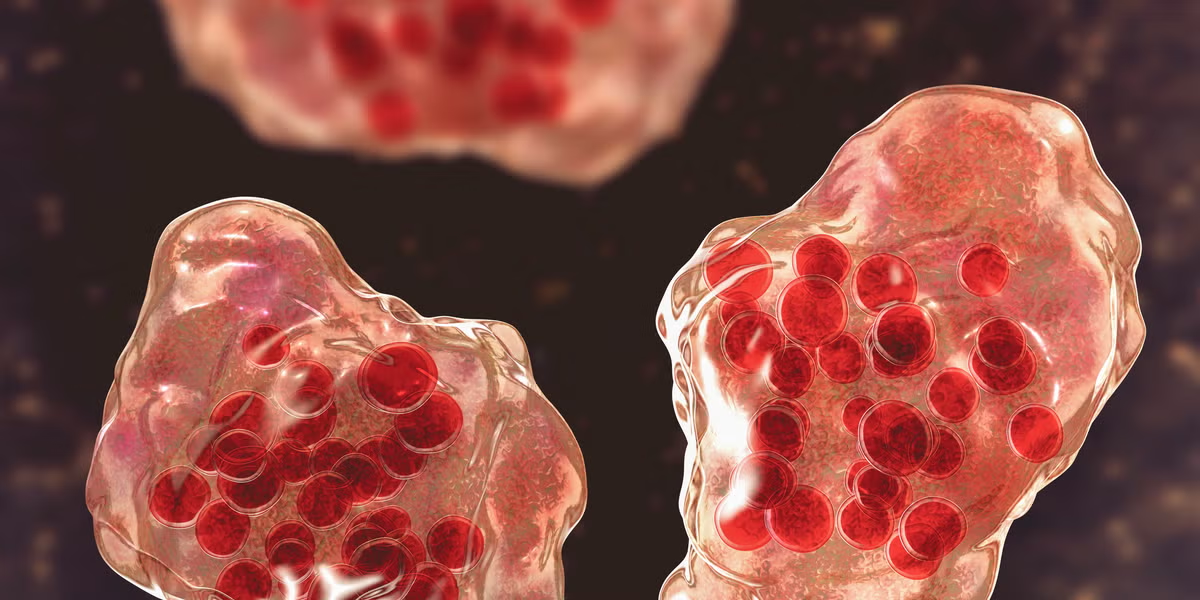
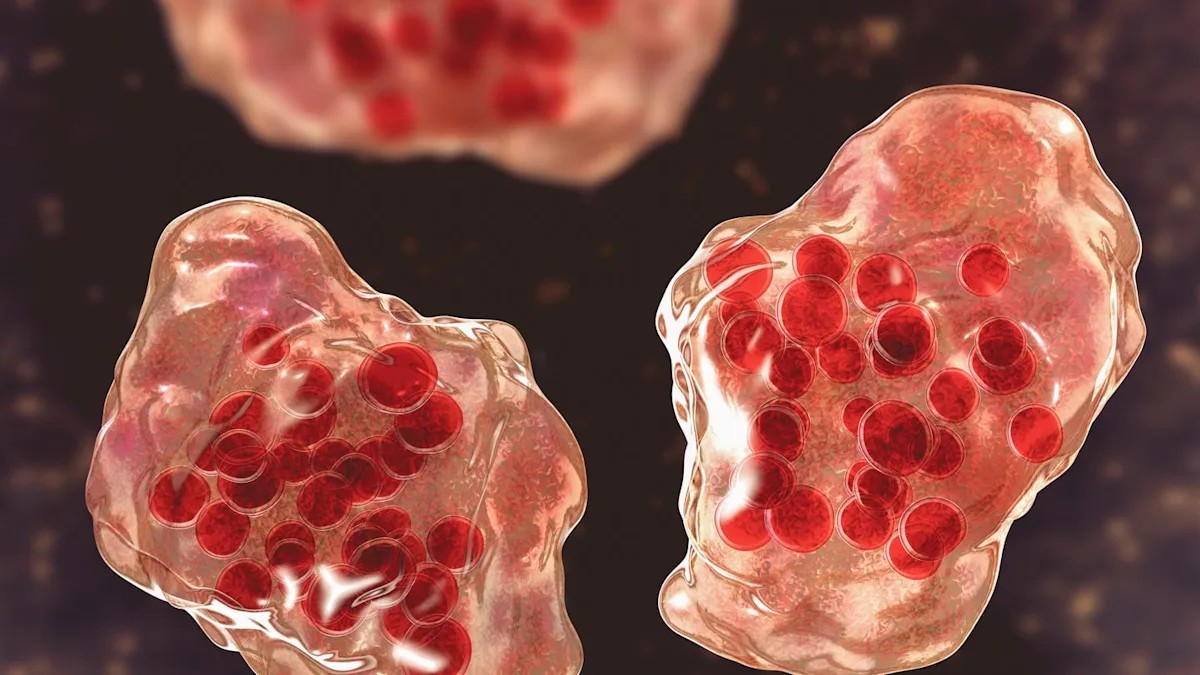
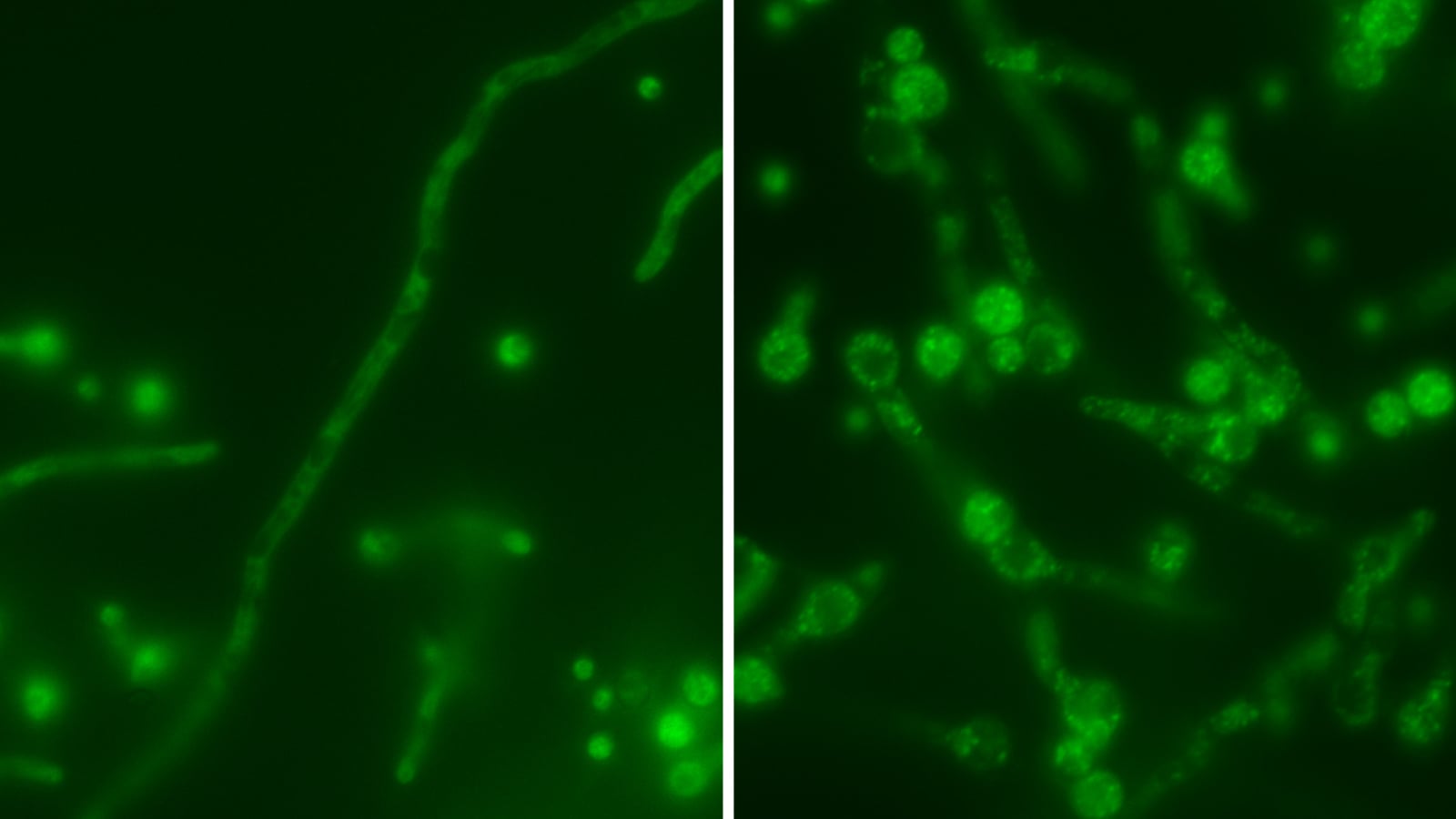
A study reveals that a hidden virus inside the deadly fungus Aspergillus fumigatus may be exploited to develop new treatments for fungal infections, as targeting the virus in mice improved survival and reduced fungal burden, suggesting a novel approach to combat invasive aspergillosis.
A groundbreaking study suggests that heart attacks may be caused by bacterial biofilms within arterial plaques, which can be activated by infections, leading to inflammation and plaque rupture, opening new possibilities for diagnosis, treatment, and prevention through vaccines.
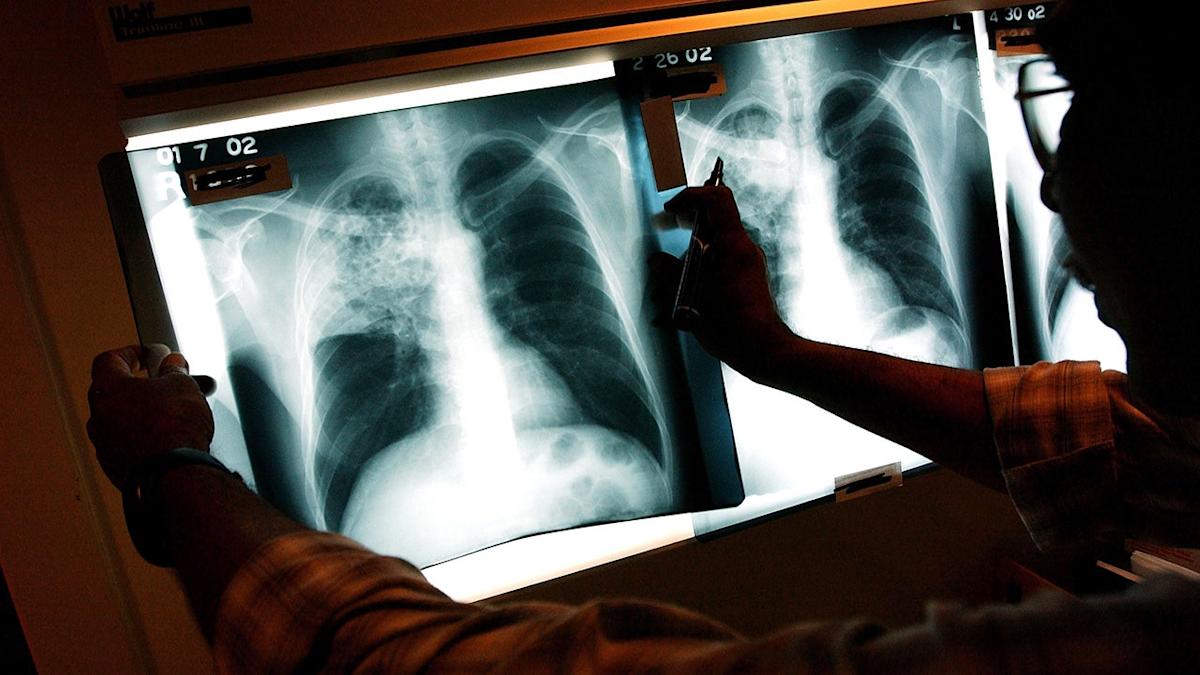
Maine has reported three active tuberculosis cases linked to the Greater Portland area, amid a nationwide increase in TB cases, which remain a serious global health concern despite being less contagious than COVID-19 and flu. The Maine CDC is actively responding and testing contacts, as TB cases have been rising since 2021, with 28 cases reported in Maine this year through July. TB is a bacterial lung infection that can also affect other organs, but is curable with antibiotics.
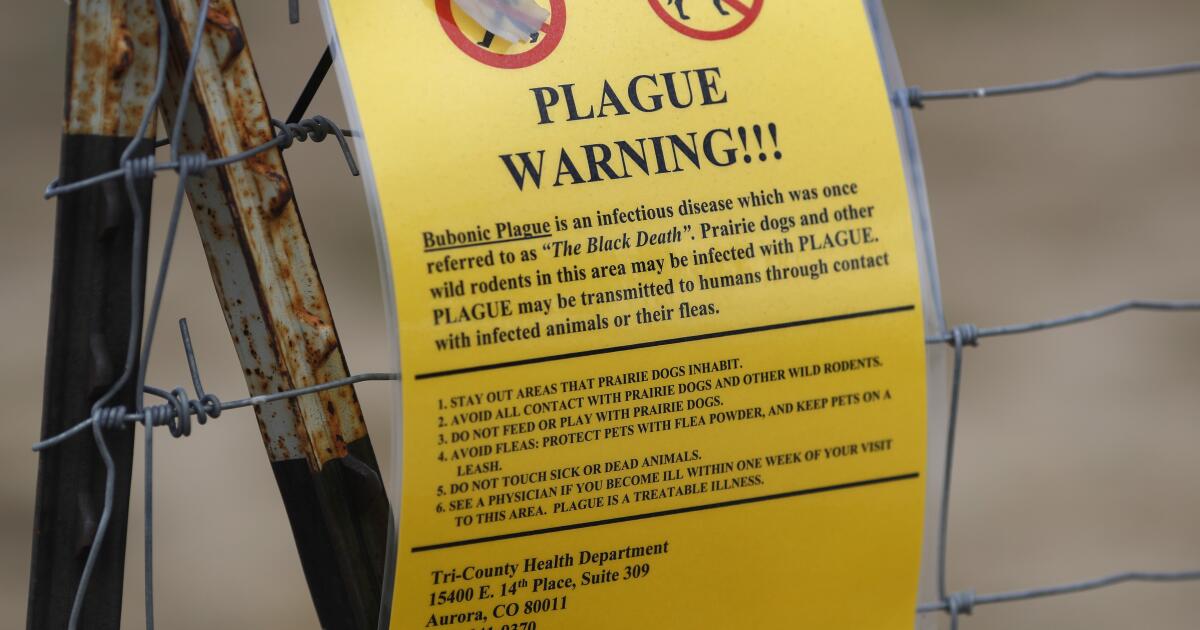
The reappearance of the plague in California, caused by infected fleas from wild rodents, highlights its ongoing presence despite medical advances. A recent case in South Lake Tahoe involved a patient recovering at home, with historical cases in the state showing the disease's persistence. The plague, primarily bubonic, can be treated with antibiotics if caught early, but remains a health concern in rural and wilderness areas where humans and pets can be exposed to infected rodents and fleas.
A rare case of the plague, caused by the bacterium Yersinia pestis, has reappeared in Northern California, likely contracted from a flea bite while camping. Despite being a disease of the past, it still exists in small numbers, primarily affecting rodents and occasionally humans, especially in rural and wilderness areas. There are no current FDA-approved vaccines, but the disease is treatable with antibiotics if caught early. Experts consider it under control and not a major public health threat today.
A California resident tested positive for plague after a flea bite while camping, highlighting the presence of the disease in the western U.S. where it circulates among wild rodents. The disease is treatable with antibiotics if caught early, and the risk to the public remains low.
Hand, foot, and mouth disease is experiencing an unusual surge this summer, with more cases reported in schools and daycares across several states, although exact data is limited due to reporting practices.
A US citizen in Arizona has died from pneumonic plague, the first death in the US since 2007, caused by the bacteria Yersinia pestis. The disease, which can spread person-to-person through infectious droplets, presents symptoms like fever, cough, and chest pain, but is treatable with antibiotics if caught early. The risk to the public remains low.
A resident of northern Arizona has died from pneumonic plague, marking the first death from this form of plague in the U.S. since 2007. The disease, which is rare and treatable with antibiotics, is highly deadly and easily spread through respiratory droplets. Most cases occur in rural western states, often linked to contact with infected animals or fleas.
Health officials in Arizona have reported the first plague death since 2007, involving the pneumonic form of the disease, which is highly contagious and deadly but treatable with antibiotics. The case highlights the rare occurrence of plague in the U.S., primarily in rural northern New Mexico and Arizona, and underscores the importance of caution when handling sick or dead animals.
An Arizona resident has died from pneumonic plague, marking the first death in the area since 2007, with health officials emphasizing that the risk to the public remains low and that the disease is rare and treatable with antibiotics.