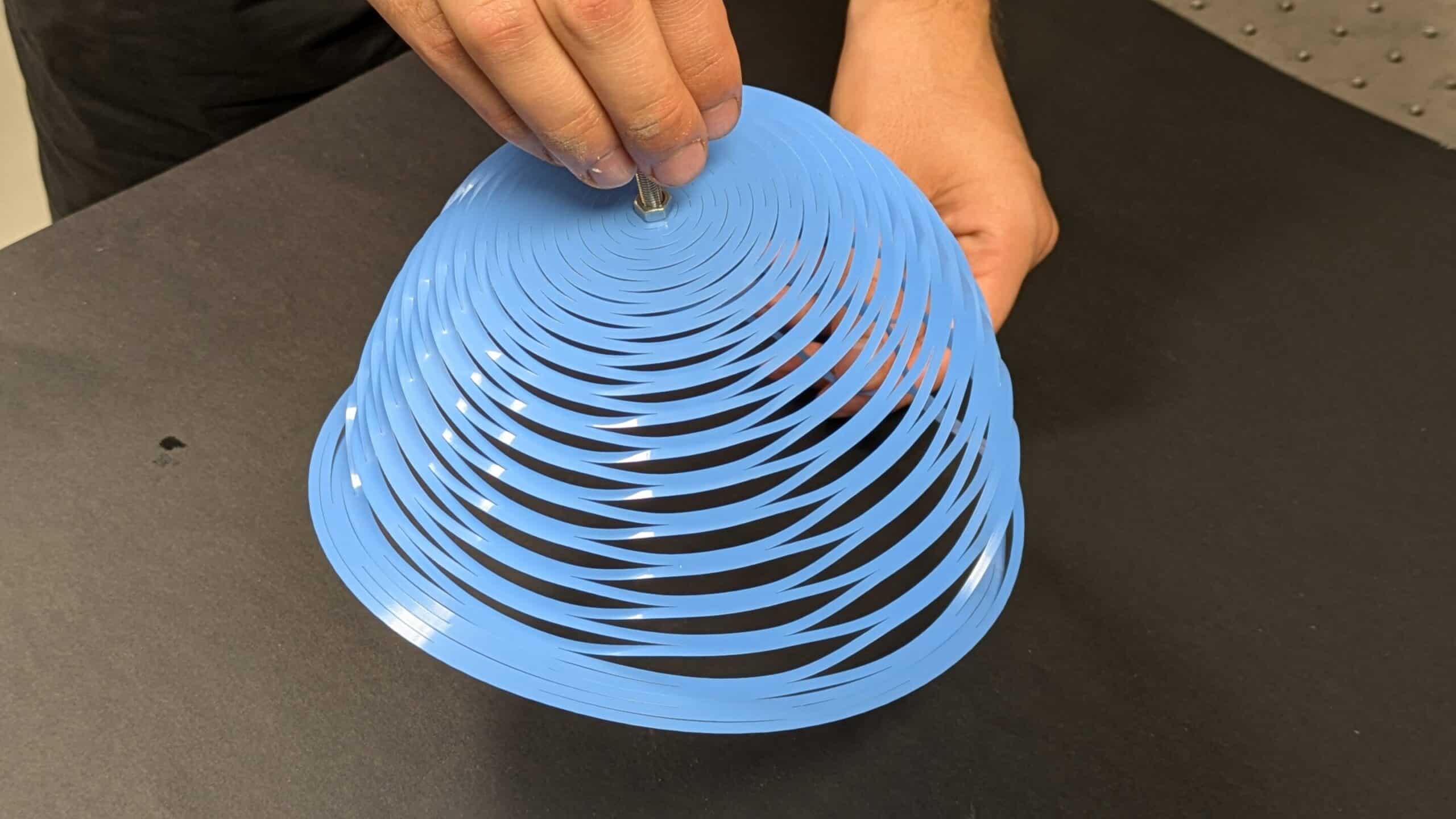
Researchers have developed a new type of parachute inspired by Japanese paper-cutting art (kirigami) that is lightweight, inexpensive, and highly accurate in landing, with potential applications in humanitarian aid and exploration. The design stabilizes quickly, follows a predictable trajectory, and can be scaled up for larger payloads, opening new possibilities for precise delivery systems.

NIST has developed the most precise atomic clock using aluminum ions, measuring time with unprecedented accuracy to the 19th decimal place, which could revolutionize scientific research, quantum technology, and geodesy.
Quantization, a technique used to make AI models more efficient by reducing the number of bits needed to represent information, has limitations that are becoming more apparent. A study by researchers from Harvard, Stanford, MIT, Databricks, and Carnegie Mellon found that quantized models perform worse if the original model was trained extensively on large datasets. This poses challenges for AI companies that rely on large models to improve answer quality and then quantize them to reduce costs. The study suggests that while lower precision can make models more robust, extremely low precision may degrade quality unless the model is very large. The findings highlight the need for careful data curation and the development of new architectures to support low precision training.
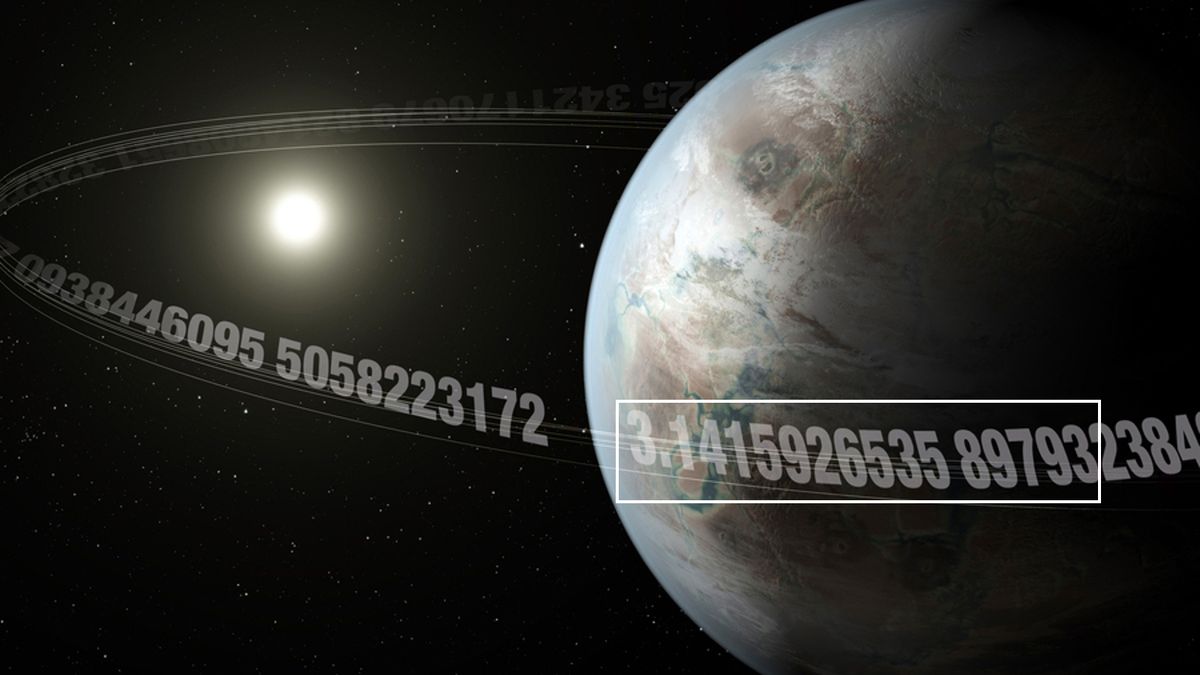
NASA scientists only need the first 15 decimal places of pi for most calculations, as even at cosmic scales, additional digits have minimal impact. While we know 62.8 trillion digits of pi, the first 15 suffice for real-world applications. For instance, Earth's circumference calculated with 16 digits of pi differs insignificantly from a more precise value. However, for calculations involving the known universe's circumference, 38 decimals are necessary for accuracy comparable to measuring the width of an atom.
Physicists have successfully entangled pairs of ultra-cold molecules using microscopically precise optical 'tweezer traps', a significant breakthrough in the field of quantum entanglement. Molecules have proven difficult to control due to their interactions with the environment, but by trapping individual molecules and manipulating them with laser light, researchers were able to create entangled quantum states. This development opens up new possibilities for quantum computing and quantum technologies, such as super-sensitive quantum sensors capable of detecting ultraweak electric fields.
Arms companies are modernizing artillery shells to enhance their range, precision, and lethality, deviating from the traditional ammunition that has remained unchanged for decades. Engineers in Norway are developing an artillery shell capable of traveling significantly farther than current ammunition used in the Ukrainian battlefield.
The Vero Impulse thin pocket knife is a durable and lightweight everyday carry tool made with a titanium handle and a drop point blade crafted from Böhler M390 steel. It features a flipper tab and ceramic bearings for easy one-handed deployment. With four finishes to choose from and a milled titanium pocket clip, this precision tool is ideal for outdoor enthusiasts and individuals seeking reliable and efficient EDC accessories.
Neuroscientist and psychiatrist Matthew Nour is researching how artificial intelligence (AI) can aid in the precise diagnosis of psychiatric conditions, particularly schizophrenia. He discusses his latest study and suggests that large language models like ChatGPT could potentially be used in clinical settings in the future.
The Hex Evo Left Hand Gaming Controller offers a no-compromise solution for gamers by combining the precision of a mouse with the flexibility and comfort of a gaming controller. It replaces the keyboard with 22 customizable buttons and allows users to perform all in-game actions with a true analog stick. The controller is fully repairable and compatible with consoles, PCs, and Macs. Its compact and portable design makes it easy to take anywhere, and its customizable features make it appealing to both gamers and productivity enthusiasts.
Attosecond-level precision in physics is an incredible achievement, but it is not fast enough to measure all processes in nature. While it can describe gravitational and electromagnetic interactions, it falls short in explaining and probing weak interactions and interactions mediated by the strong nuclear force. To truly understand the universe at its most fundamental levels, scientists will need to achieve yoctosecond (~10^-24 second) precision. This limitation arises from the nature of particles, their lifetimes, and the strong interactions. Attosecond-level precision is sufficient for measuring the positions and properties of atoms and molecules, but for subatomic particles, yoctosecond-level precision is required.
A Ukrainian sniper, known as Taras, recounted how he tracked down and killed a Russian soldier who had wounded his friend. He showed the video of the kill to his wounded comrade as a form of revenge. Taras, considered one of Ukraine's best snipers, emphasized the importance of video confirmation for logged kills. Ukrainian snipers have been playing an increasingly visible role in the conflict, with one elite unit claiming to have killed 558 Russians.
Two Overwatch 2 players engaged in a duel as Ana but realized they were both unable to land a shot. After repeatedly missing each other, they accepted their fate, saluted each other, and went their separate ways. The humorous encounter was shared on Reddit, with players joking about their lack of skill. Despite recent complaints about Ana's nerfs, she remains the most picked Support hero in Overwatch, but it is uncertain if this will change with the introduction of a new Support hero in Season 6.
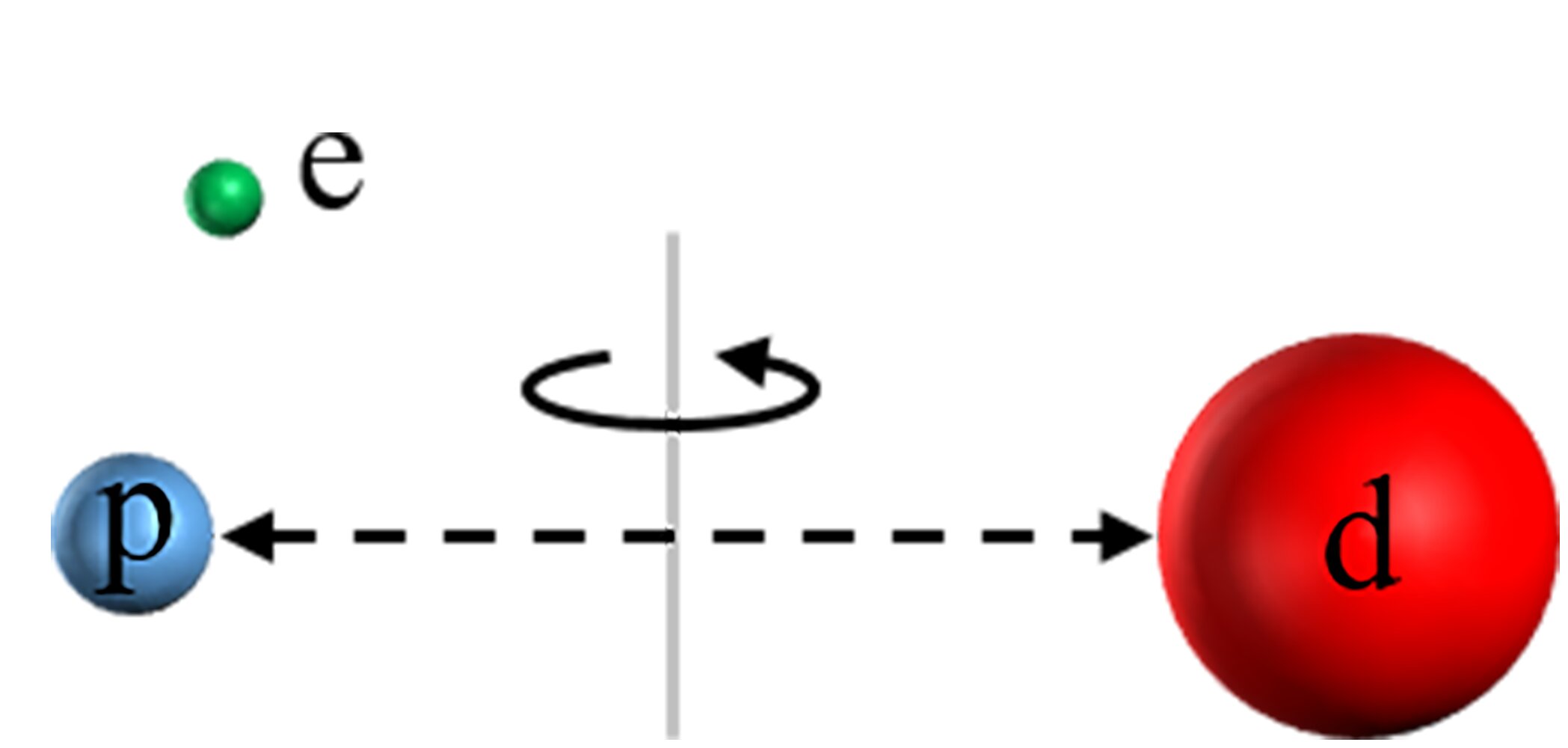
Physicists at Heinrich Heine University Düsseldorf have used ultra-high-precision laser spectroscopy to measure the wave-like vibration of atomic nuclei with unprecedented precision. By studying the molecular hydrogen ion (MHI), they confirmed the wave-like movement of nuclear material and found no evidence of any deviation from the established force between atomic nuclei. The researchers improved experimental precision to a level better than theory, establishing the most precise test of the quantum motion of charged baryons. Their findings provide valuable insights into the behavior of atomic nuclei and could potentially contribute to the search for new physical effects related to Dark Matter.
The ATLAS experiment at CERN has achieved a record precision in measuring the mass of the Higgs boson, reaching an unprecedented level of 0.09%. The Higgs boson's mass is a fundamental parameter that governs its interactions with other particles and is crucial for testing the predictions of the Standard Model. The new measurement combines data from the diphoton channel and the four-lepton channel, resulting in a mass of 125.11 GeV with a precision of 0.09%. The achievement is attributed to advanced calibration techniques and improvements in photon energy measurements.
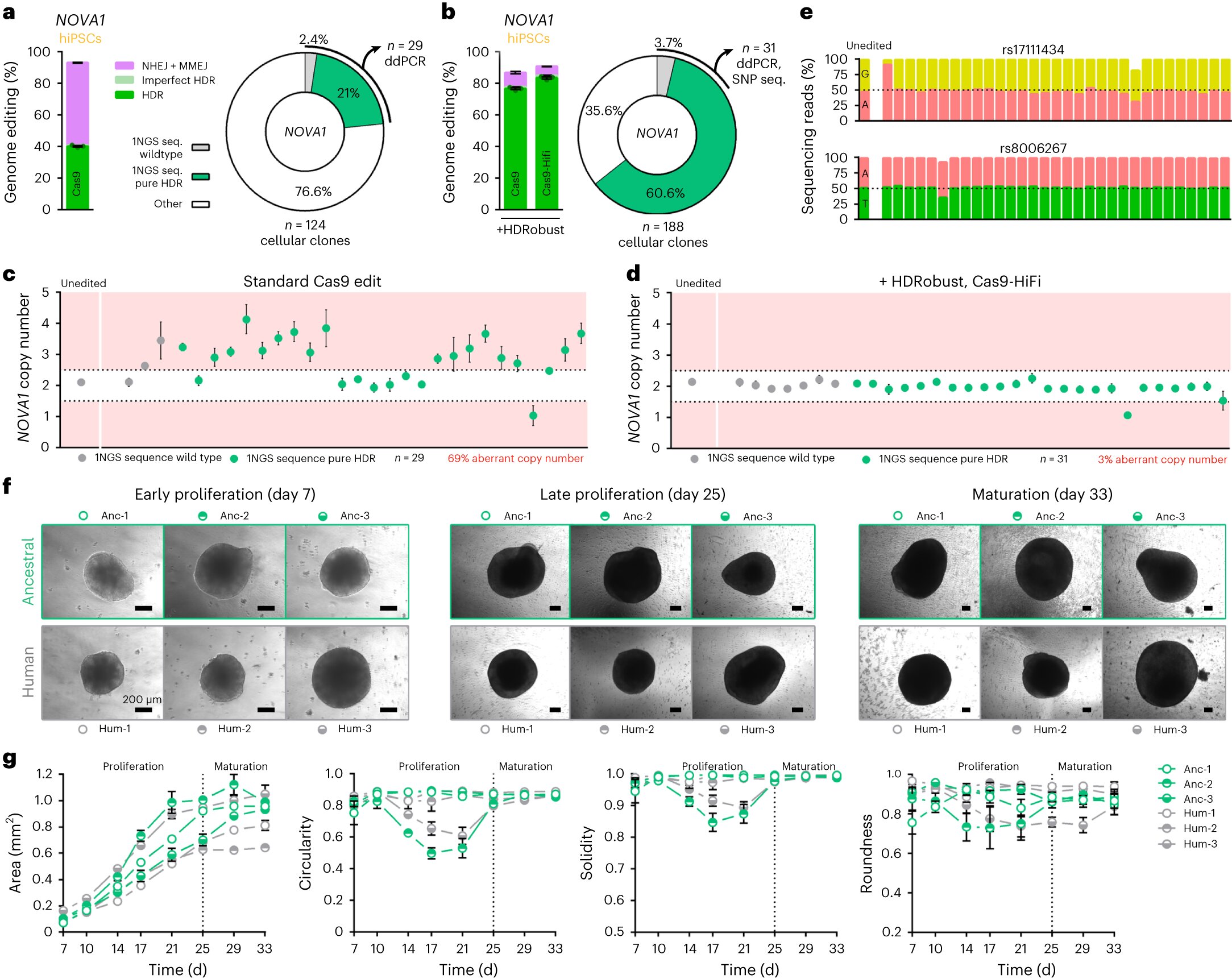
Researchers at the Max Planck Institute for Evolutionary Anthropology have developed a new method for DNA editing that significantly improves efficiency, precision, and reliability. By inhibiting competing repair pathways, the team achieved point mutations in up to 93% of chromosomes in cell populations, while minimizing unwanted insertions, deletions, and rearrangements. The method was successfully tested on 58 different target sites in human cells and corrected pathogenic mutations in cells derived from patients with genetic diseases. While the implications for curing human diseases are promising, further research and development are needed before applying the method to patients.