
defense-technology5.73 min read
"Israeli Defense: The Iron Dome's Role in Countering Iranian Threats"
1 year ago•Source: Reuters

The latest defense technology stories, summarized by AI
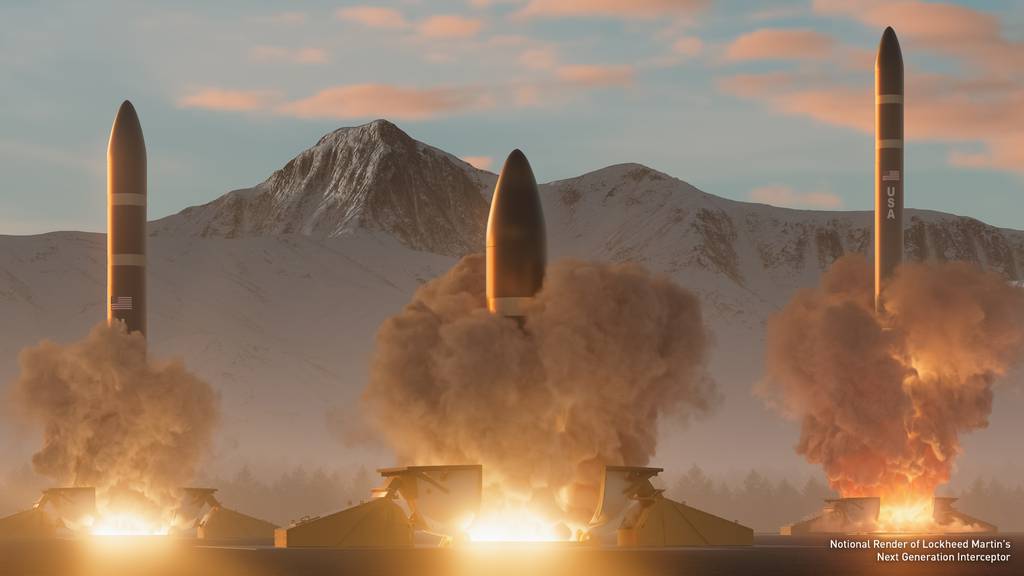
The Missile Defense Agency has chosen Lockheed Martin to proceed with the development of the Next-Generation Interceptor for homeland defense, ending the competition with Northrop and RTX. The decision comes after both teams completed the preliminary design review, with Lockheed now set to continue through the critical design review phase and subsequent testing. The Next-Generation Interceptor is intended to enhance the Ground-Based Midcourse Defense system's capability to counter complex missile threats, with an initial operational capability targeted for fiscal 2028.

Defense News•1 year ago
DefenseScoop•2 years ago
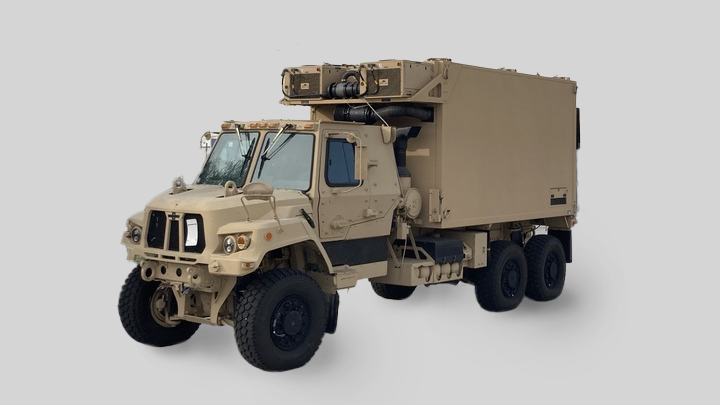
The US Army has awarded Palantir a $178.4 million contract to develop and produce 10 prototypes of the next-generation targeting node, TITAN, which connects Army units to high-altitude and space sensors for targeting data. TITAN is a key program for the Army’s shift to Joint All Domain Command and Control (JADC2) warfighting concept, and Palantir's use of AI to streamline the system was a major selling point. The contract covers both "advanced" and "basic" systems, with the goal of fielding prototypes for soldier feedback before full production begins, likely in FY26. Palantir teamed up with several companies to produce the physical aspects of TITAN, and the company anticipates 100-150 units being acquired by the Army.

Turkey's domestically built fifth-generation fighter aircraft, KAAN, successfully completed its maiden flight, reaching an altitude of 8,000 feet and achieving a speed of 230 knots. The aircraft, previously known as TF-X, has evolved into a multirole asset and is part of Turkey's ambitious plans for sixth-generation capabilities. While Turkey looks to bolster its air force with fourth-generation options like Eurofighter Typhoons and F-16 fighters, KAAN is seen as a significant tactical aviation asset with potential export opportunities, as demonstrated by Azerbaijan's involvement in the program.
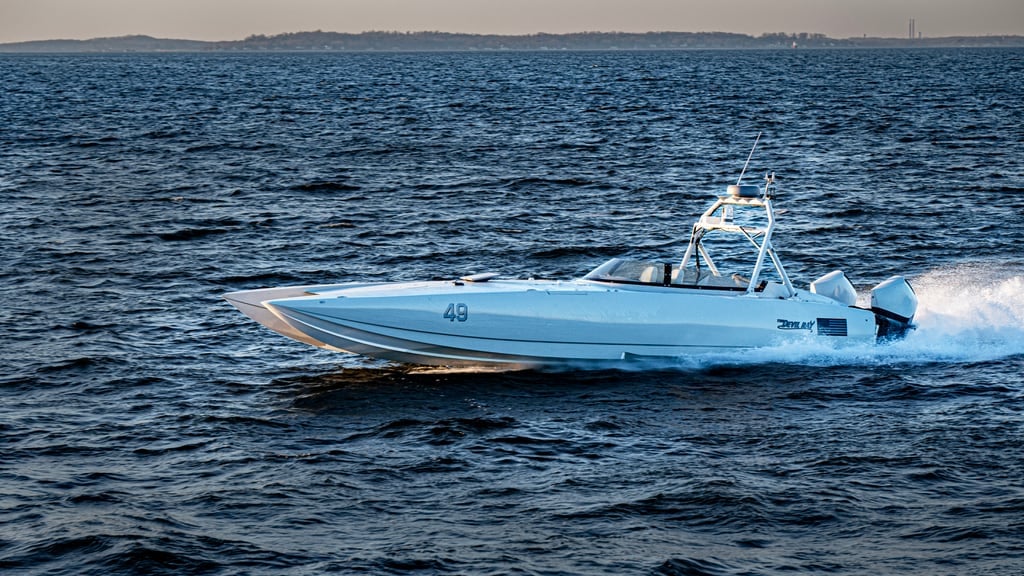
Northrop Grumman is set to showcase its Project Scion initiative's autonomy and electronic warfare payloads for unmanned surface vessels at upcoming events in California and Michigan. The company's focus on developing scalable technology for uncrewed vessels comes amid increasing interest from the U.S. Navy and Coast Guard in unmanned technologies. The Project Scion initiative aims to integrate technologies from various domains to create combat-and-surveillance systems for customers, addressing the need to do more with fewer resources in future conflicts. The company's efforts align with the Department of Defense's initiative to field thousands of uncrewed systems in the coming years.

Former Google CEO Eric Schmidt is reportedly working on a secretive military drone project, inspired by Ukraine's use of drones on the battlefield, with the help of Google alum Sebastian Thrun. The project aims to provide an American alternative to Chinese drones and develop unmanned aircraft systems specifically for battlefield use. Schmidt's recent visits to Ukraine have influenced the project, and it remains largely undisclosed with only a handful of people involved. Schmidt has been advocating for military technology investments and leveraging his government connections to inform his new drone project.

Defense contractor L3Harris has received approval from the Space Development Agency to begin production on 16 satellites designed to detect and monitor hypersonic missiles. These satellites, part of the Proliferated Warfighter Space Architecture, will form a resilient sensor platform to track the flight paths of hypersonic missiles, which are considered highly destabilizing weapons due to their maneuverability and varied launch points. The satellites are scheduled to launch in 2025, and L3Harris has already delivered four prototype tracking satellites under a previous contract.

Ukraine plans to produce a million FPV (first-person-view) drones, along with over 11,000 medium- and long-range attack drones, next year. These FPV drones have been extensively used by Ukraine for reconnaissance and attacks during the Russian invasion. The production facilities are ready, and contracting for 2024 has begun. President Zelenskiy emphasized the importance of drones in protecting soldiers' lives and stated that logistics will be faster. This move is part of Ukraine's efforts to increase domestic weapons production and reduce reliance on foreign aid. In December alone, Ukraine aims to produce over 50,000 FPV drones.
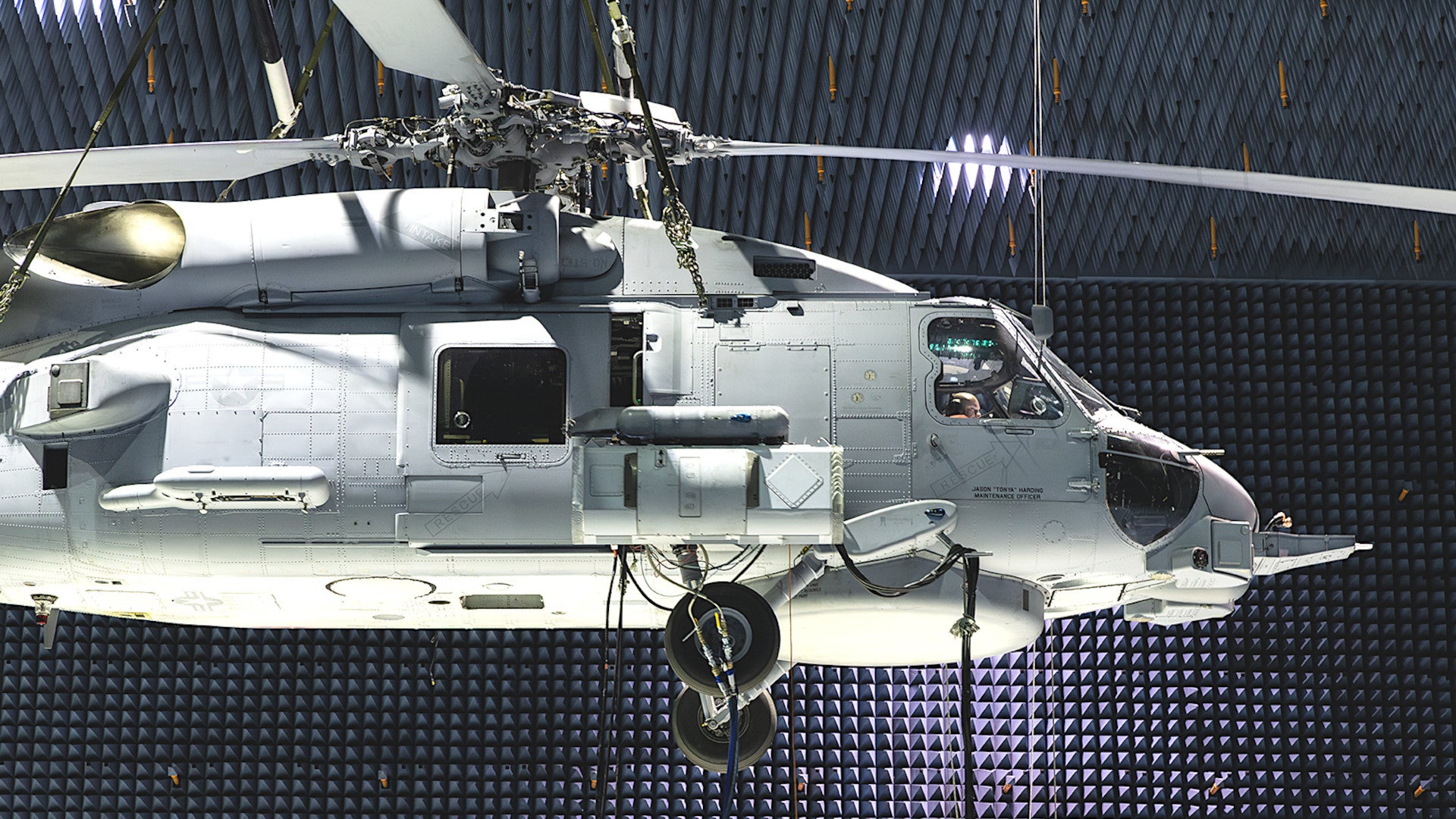
The U.S. Navy has successfully tested the Advanced Off-Board Electronic Warfare system (AOEW), a pod that can be carried by MH-60R and MH-60S Seahawk helicopters, demonstrating its ability to engage and defeat anti-ship missiles. Developed by Lockheed Martin, the AOEW pod provides distributed electronic warfare capabilities to protect Navy ships. The system is designed to detect and counter anti-ship missile threats by electronically presenting false targets and disrupting enemy sensors. The Navy plans to field the AN/ALQ-248 pod on MH-60S helicopters as well. The successful test marks a significant milestone in the Navy's broader electronic warfare ambitions.
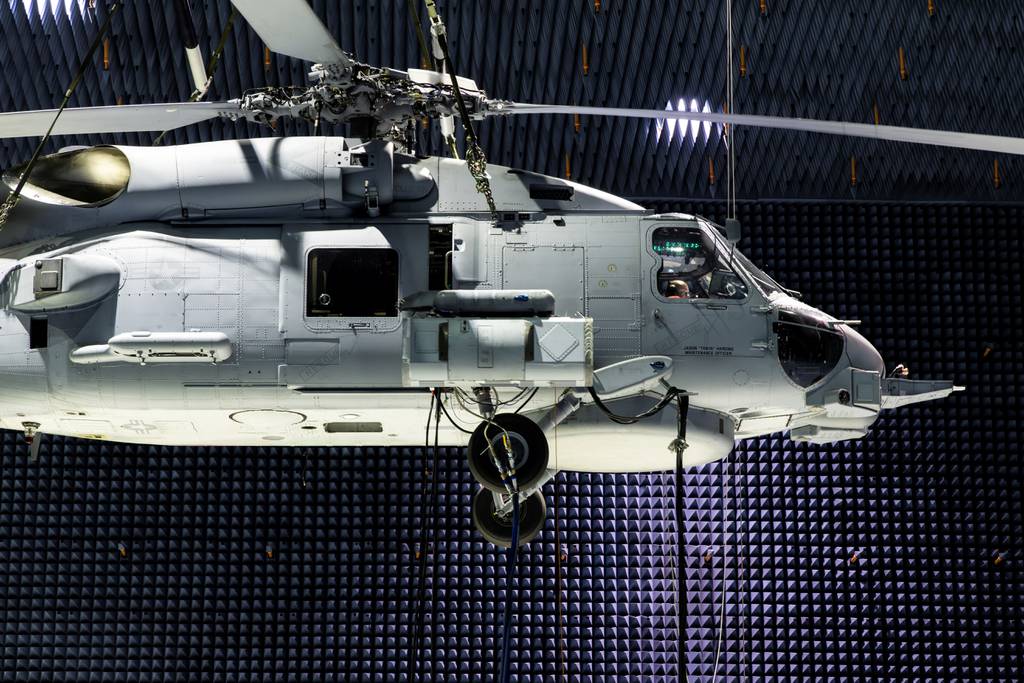
Lockheed Martin has successfully tested the Advanced Off-Board Electronic Warfare (AOEW) pod, an electronic warfare system designed to detect and deceive anti-ship missiles. The trials, conducted in collaboration with the US Navy, demonstrated the pod's ability to defeat threats while mounted on a Sikorsky MH-60R helicopter. The AOEW system is programmable and can develop new techniques as the threat landscape changes. Lockheed plans to conduct further testing with helicopters in 2024 and expects to deliver the first AOEW units in the coming year.

The Pentagon's Under Secretary of Defense for Acquisition and Sustainment, Bill LaPlante, has emphasized the urgent need for counter-drone technology, comparing it to the demand for 155mm artillery shells in conflict zones like Ukraine and Gaza. The Defense Department is pushing for advanced capabilities in response to the increasing use of drones against U.S. forces. LaPlante highlighted the importance of ramping up production capacity and funding for counter-UAS systems, stating that the industrial base must be able to produce them at high numbers. However, the Pentagon has yet to determine the exact quantity required, and the lack of a full-year appropriation passed by Congress may hinder production increases.
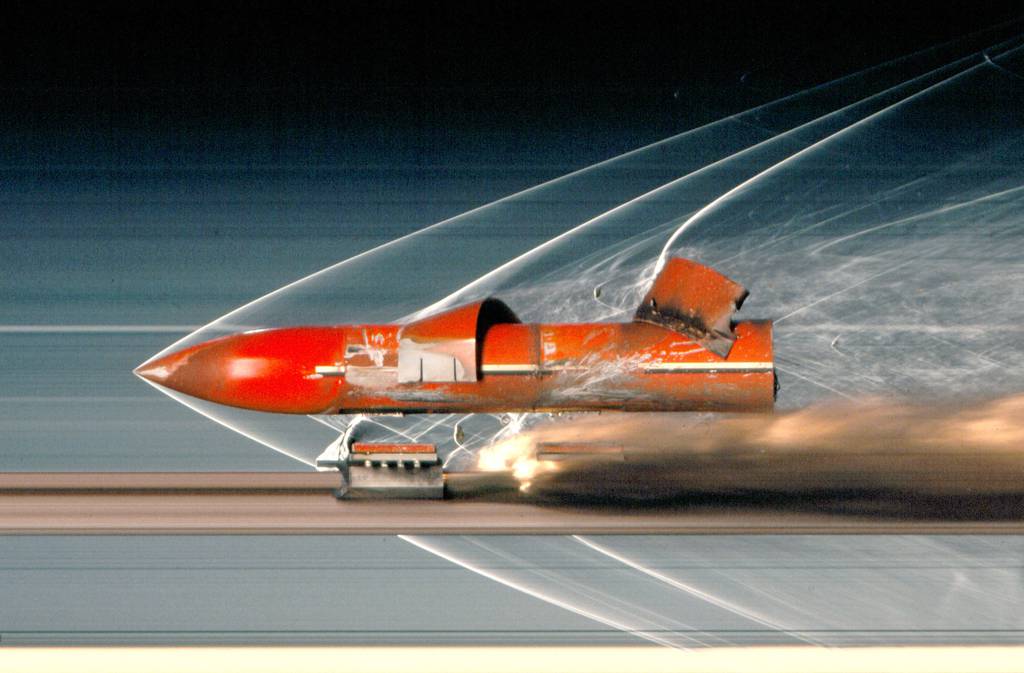
The US Defense Department plans to conduct joint hypersonics experiments with the Australian military in 2024 as part of their deepening partnership on hypersonics. The experiments will focus on integrating their experimentations and advancing hypersonic technology. This collaboration is part of the second phase of the AUKUS trilateral pact, which aims to develop advanced technologies such as hypersonics, quantum computing, autonomy, and electronic warfare. The US and Australia have been conducting hypersonic research together for over 15 years, and their previous efforts have contributed to the development of hypersonic weapons and subsystem designs. Additionally, discussions are underway to integrate their air and missile defense capabilities.