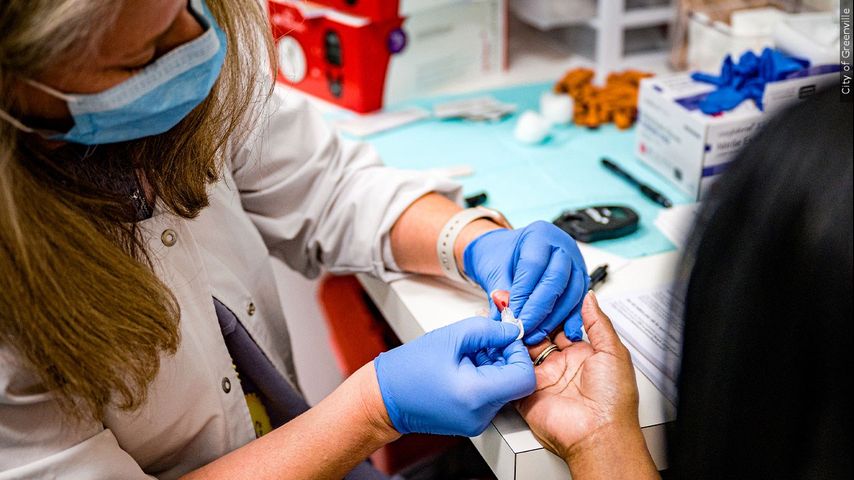
The American Diabetes Association has released its 2026 Standards of Care, a comprehensive guide emphasizing proactive management, regular screenings, and the integration of new technology like Continuous Glucose Monitors to improve diabetes diagnosis and treatment, especially in high-risk populations such as Louisiana.
A metabolic doctor shares an 8-step plan to reverse pre-diabetes in 21 days, emphasizing a protein-rich breakfast, meal sequencing, fiber-rich grains, early dinner, adequate sleep, stress management, and regular monitoring to improve blood sugar levels naturally.
Dr. Jen Caudle explains that pre-diabetes can be reversed through a low-carb diet, regular exercise, and weight loss, emphasizing the importance of lifestyle modifications and medical consultation.
Pre-diabetes, a reversible condition characterized by elevated blood sugar levels, can be effectively managed and potentially reversed through lifestyle modifications such as weight loss, regular exercise, a whole food diet, adequate sleep, stress management, quitting smoking, and monitoring progress, supported by scientific research.
Pre-diabetes affects millions worldwide and can lead to serious health issues if untreated. Key symptoms to watch for include darkened skin, increased thirst and urination, slow wound healing, blurred vision, tingling or numbness, unexplained fatigue, and weight fluctuations. Early detection and lifestyle changes are crucial to prevent progression to diabetes.
The article provides five dietary tips to help reverse or manage pre-diabetes, emphasizing whole foods, fiber-rich diets, healthy fats, portion control, and specific foods like cinnamon and bitter gourd that can lower blood sugar levels.
A 66-year-old man diagnosed with pre-diabetes reversed his condition by making simple lifestyle changes, including healthier eating habits and mindful eating, leading to weight loss and improved blood sugar levels.
A 66-year-old man who was diagnosed with pre-diabetes after routine testing reversed his condition by making simple lifestyle changes, including healthier eating and mindful eating habits, leading to weight loss and improved blood sugar levels.
A 66-year-old man diagnosed with pre-diabetes reversed his condition by making simple lifestyle changes, including healthier eating habits and mindful eating, leading to weight loss and improved blood sugar levels, highlighting the importance of routine health checks.
Stanford scientists found that eating fiber or protein before carbohydrates can reduce blood sugar spikes, potentially helping with weight management and pre-diabetes control, by simply changing the order of foods in a meal.
The YMCA of Greater Cleveland offers tips to manage blood sugar and prevent diabetes, especially during the holiday season. Key strategies include eating more non-starchy vegetables and lean proteins, increasing whole grains, avoiding added sugars, incorporating daily physical activity, and losing weight. The YMCA provides a Diabetes Prevention Program, approved by the CDC, to support long-term lifestyle changes and reduce the risk of developing diabetes, with coverage available through Medicare and some insurance plans.
Researchers suggest that Type 2 diabetes may be linked to an increased risk of Alzheimer's disease, potentially due to a combination of family history and elevated blood sugar levels starting at a young age. Dr. Elizabeth Bower from Mercy Medical Center notes that nearly half of Americans over 65 have elevated blood sugars, which may affect brain metabolism. Pre-diabetes is also being observed in children, and women are typically screened for diabetes during their first pregnancy.
Researchers from Japan's RIKEN Center have identified a specific strain of gut bacteria, Alistipes indistinctus, that may combat insulin resistance and protect against the development of type-2 diabetes. The study found that individuals with higher insulin resistance had excessive carbohydrates in their fecal matter, particularly monosaccharides like glucose, fructose, galactose, and mannose. The presence of gut bacteria from the taxonomic order Lachnospiraceae was associated with insulin resistance and excess fecal carbohydrates, while those with more Bacteroidales-type bacteria had lower insulin resistance and monosaccharide levels. Experiments with mice showed that A. indistinctus lowered blood sugar levels and reduced insulin resistance. However, further human trials are needed to validate these findings before recommending probiotics as a treatment for insulin resistance.
Early time-restricted feeding (eTRF), a type of intermittent fasting where participants only eat for the first six to eight hours of the day, could help people with pre-diabetes and obesity control their blood sugar levels, according to new research. Participants in the study ate 80% of their calories before 1 pm. The researchers found that eTRF, for even just a week, appeared to prevent fluctuations in blood glucose levels and decrease the time that blood glucose is above the range it should be, independent of a person's weight. However, more research needs to be done to understand the potential benefits of eTRF.