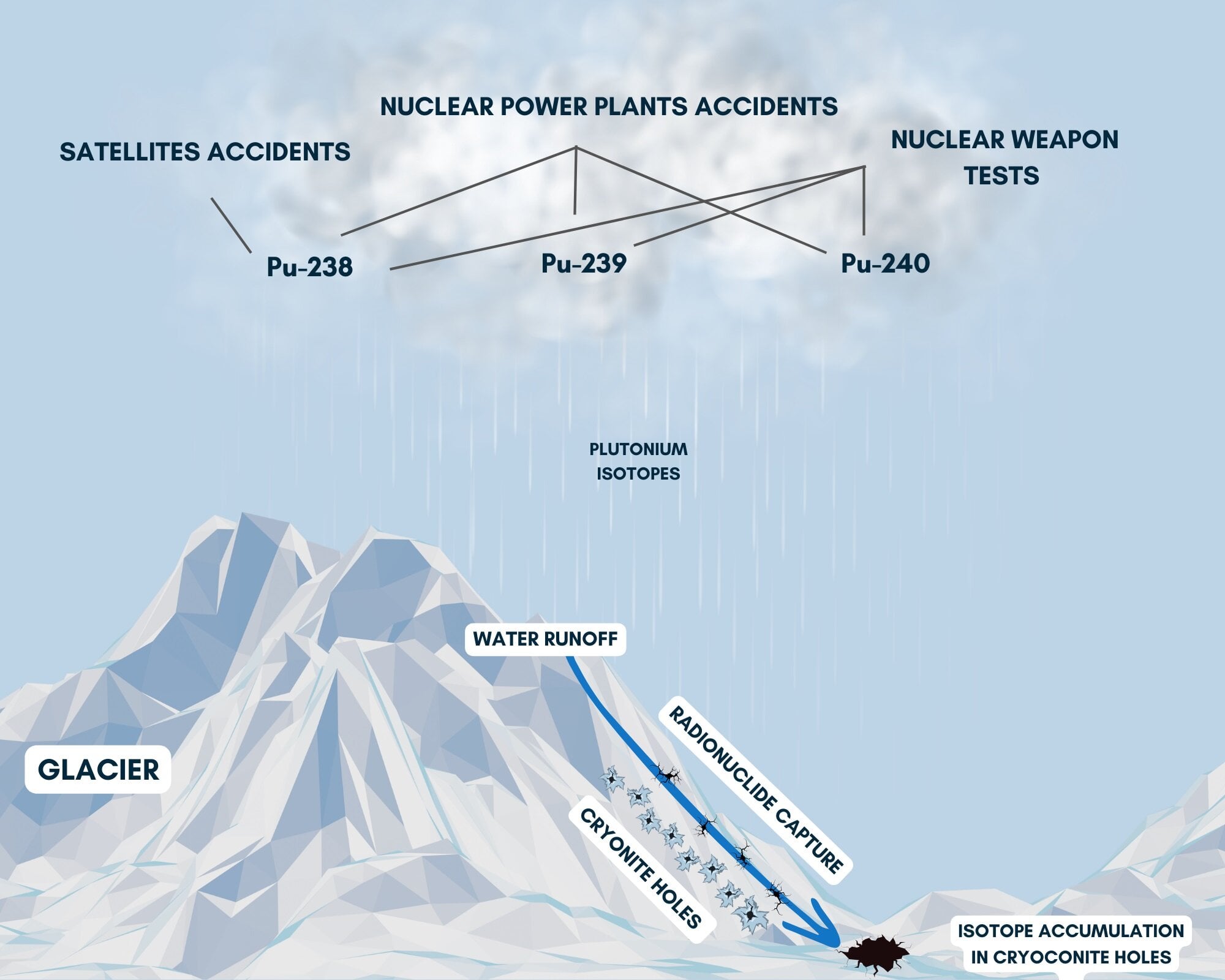
Researchers from the Institute of Nuclear Physics PAN have discovered unprecedented plutonium isotope anomalies in cryoconite samples from Southern Hemisphere glaciers, potentially linked to the 1996 Mars-96 spacecraft crash. The study, which analyzed samples from 49 glaciers worldwide, found higher plutonium concentrations in the Northern Hemisphere, reflecting historical nuclear tests. The findings highlight the role of cryoconite in accumulating radioactive contaminants, posing ecological risks and offering insights into pollutant diffusion.
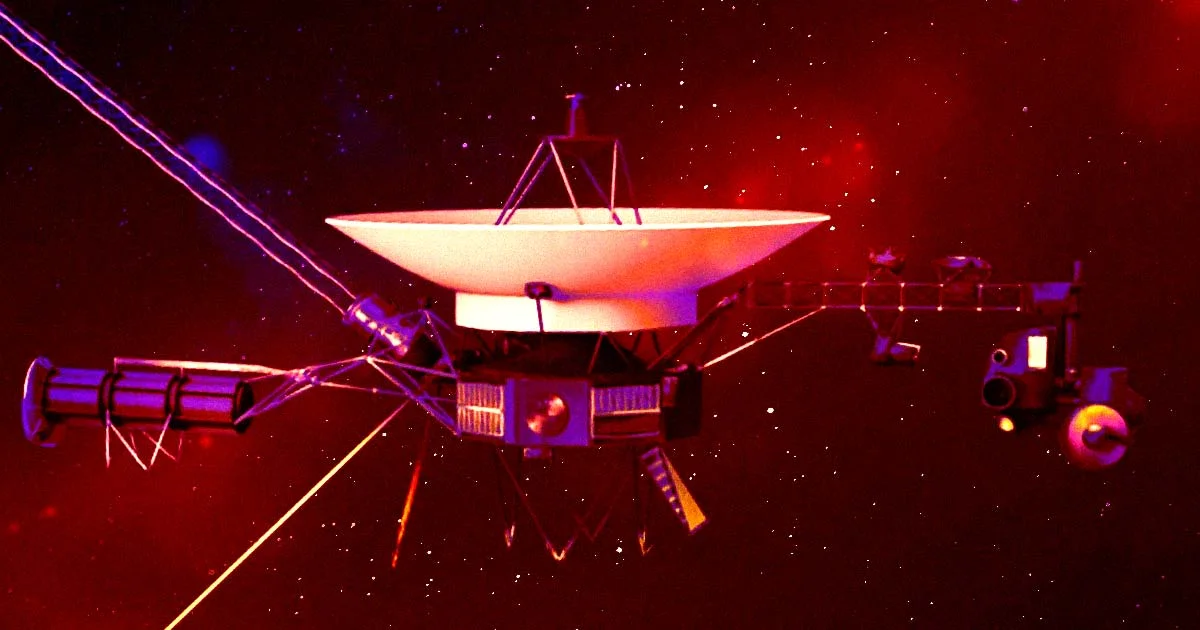
NASA's Voyager 1 and 2 spacecraft, launched in 1977, are nearing the end of their missions as their power sources, radioisotope thermoelectric generators using plutonium-238, are depleting. Despite entering interstellar space in 2012 and 2018, the probes are losing power at a rate of four watts per year, leading to the shutdown of scientific instruments. Engineers recently restored communication with Voyager 1 after a blackout, but both probes face challenges due to their dwindling power reserves. Scientists hope they will last until their 50th anniversary in space.
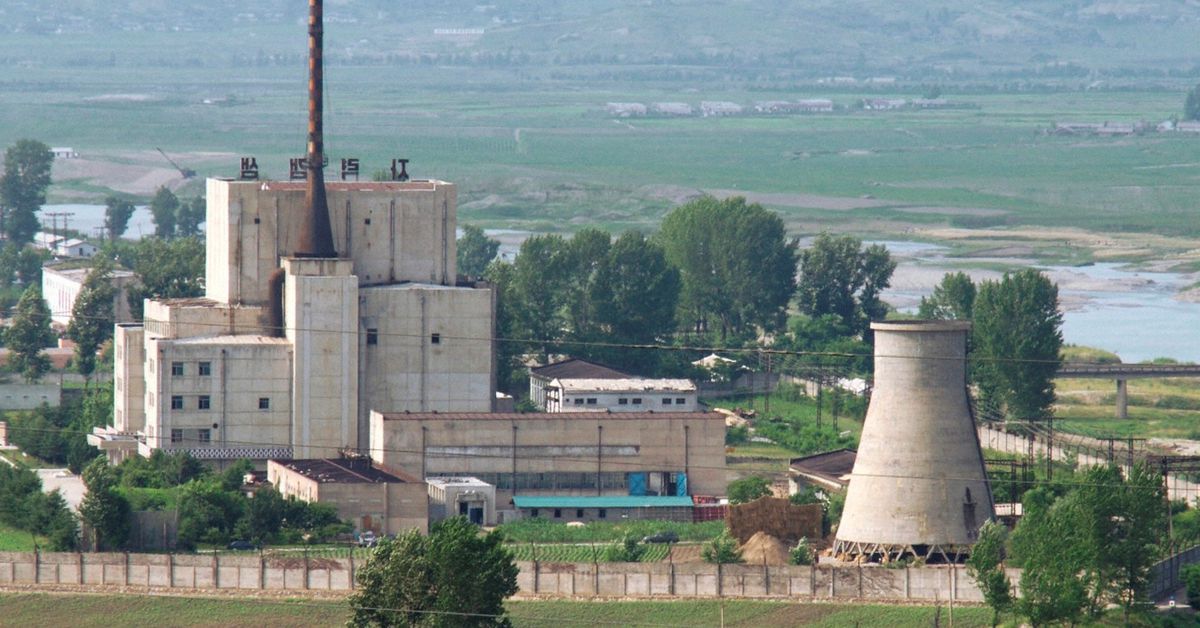
The International Atomic Energy Agency (IAEA) and independent experts have stated that a new reactor at North Korea's Yongbyon nuclear complex appears to be operational, potentially providing an additional source of plutonium for nuclear weapons. The discharge of warm water from the reactor suggests that it has reached criticality, indicating a self-sustaining nuclear chain reaction. The IAEA, which has not had access to North Korea since 2009, relies on satellite imagery to monitor the country's nuclear activities. The reactor's operational status cannot be confirmed without access. Researchers estimate that the reactor could significantly increase North Korea's plutonium production, raising concerns about the advancement of its nuclear program.
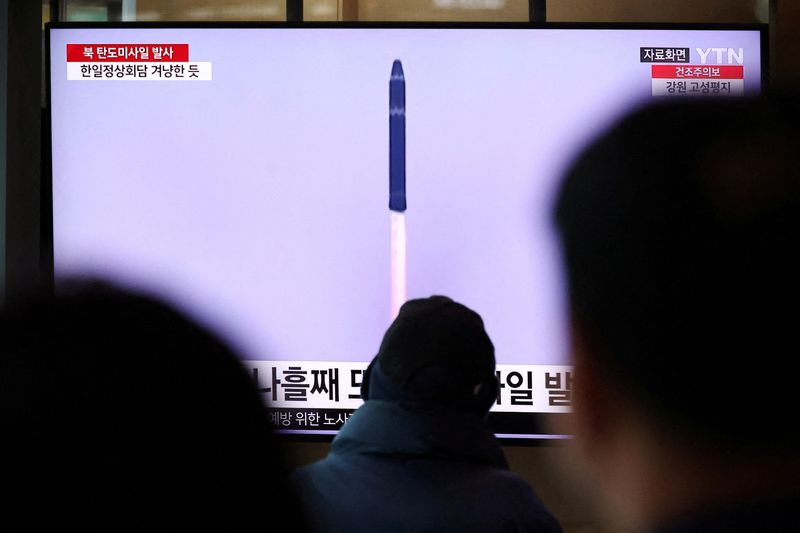
North Korea has reportedly halted the operation of its nuclear reactor at the Yongbyon nuclear complex, likely to extract plutonium for use in weapons. The suspension of the 5 megawatt reactor since late September suggests reprocessing work to obtain weapons-grade plutonium. North Korea's main source of plutonium, the Yongbyon complex, has been used in the past to build nuclear weapons. The country has also operated uranium enrichment facilities. There are concerns that North Korea may conduct another nuclear test, as it has conducted six underground tests and has been developing miniaturized nuclear warheads.
North Korea has reportedly halted the operation of its nuclear reactor at the Yongbyon complex, likely to extract plutonium for use in weapons. South Korean and U.S. intelligence assessments suggest that this move could be a sign of reprocessing work to obtain weapons-grade plutonium. North Korea has previously suspended and restarted the reactor, making it difficult to confirm the purpose of the current halt. The country claims to be a nuclear state, with estimates suggesting it may possess enough plutonium to build 20 or more weapons. Concerns remain about the possibility of another nuclear test as part of North Korea's ongoing efforts to develop miniaturized nuclear warheads.
Scientists have chosen a sinkhole lake in Canada, known as Crawford Lake, to represent the start of the Anthropocene epoch, marking the end of a stable global environment and the beginning of a new age dominated by human activities. The lake's sediments show clear spikes from the impact of human activities, such as plutonium from hydrogen bomb tests and particles from fossil fuel burning. If approved, the official declaration of the Anthropocene as a new geological epoch will come in August 2024. This decision holds social, political, and scientific significance, highlighting the scale and severity of the planetary transformation caused by industrialized humanity.
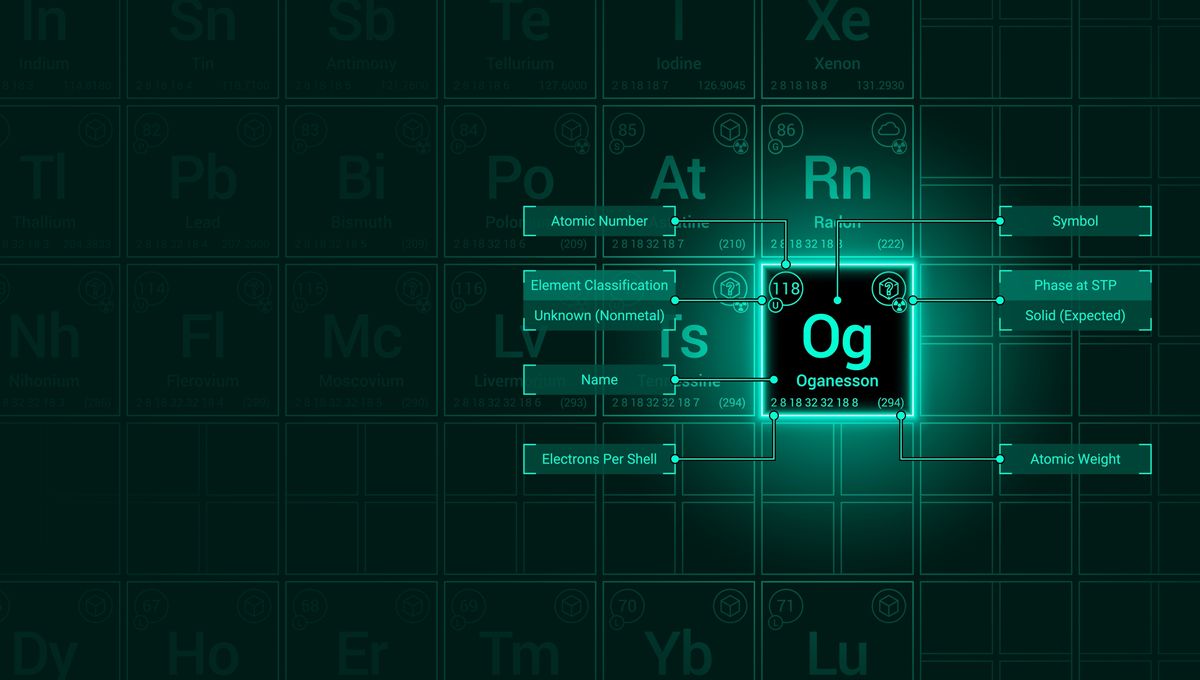
The heaviest element in the universe depends on how "heaviness" is defined. By atomic mass, oganesson is the heaviest element ever synthesized, with 118 protons and 176 neutrons. However, by natural occurrence, plutonium-244 is the heaviest element with 94 protons. Uranium-238 is the heaviest naturally occurring element with 92 protons. When considering density, osmium and iridium are the densest elements due to their high atomic mass and small atomic radius.