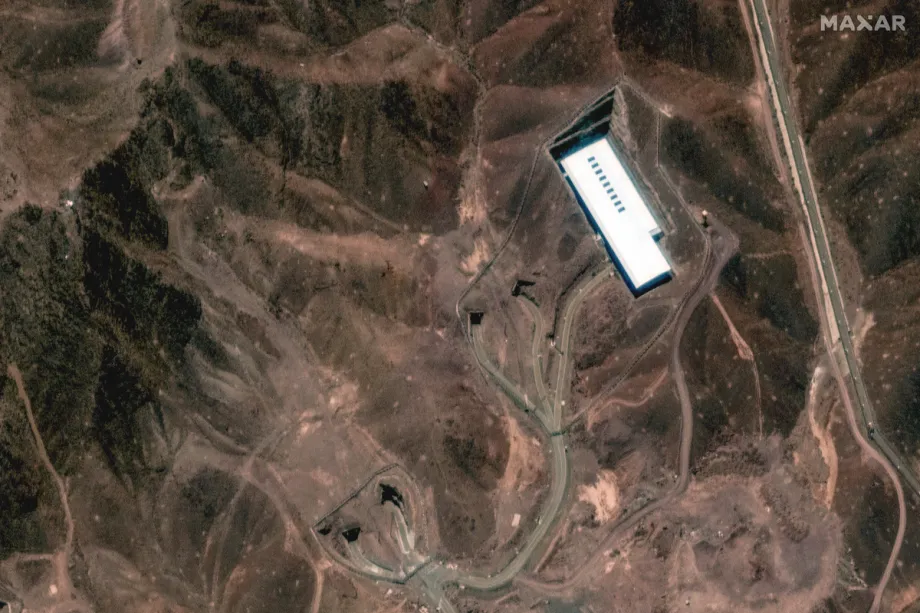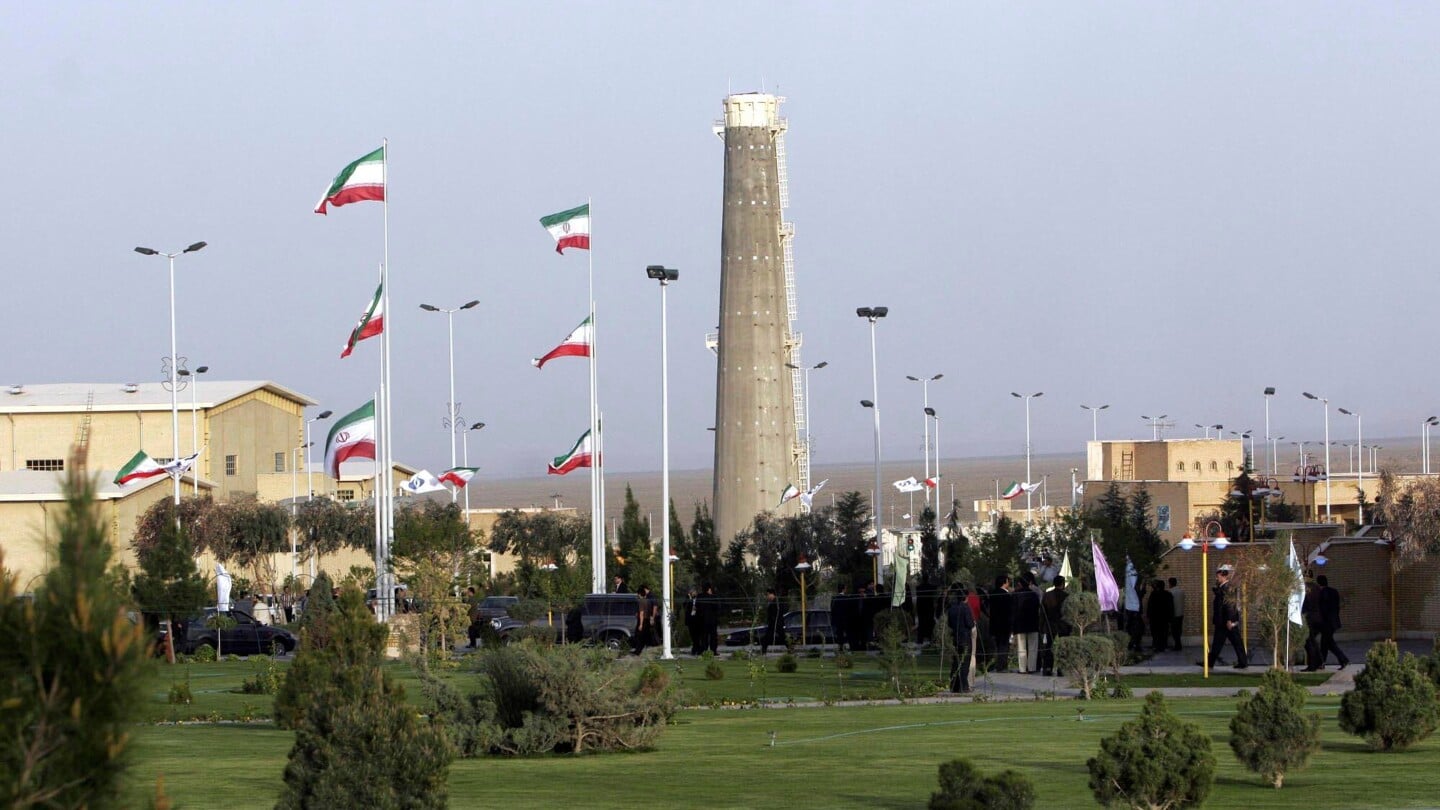
Iran's nuclear agency refuses to allow inspections of bombed nuclear sites until the IAEA defines 'post-war conditions,' citing concerns over military attacks and the legality of recent UN Security Council discussions, amid ongoing tensions with the US and Israel over nuclear activities and recent strikes.
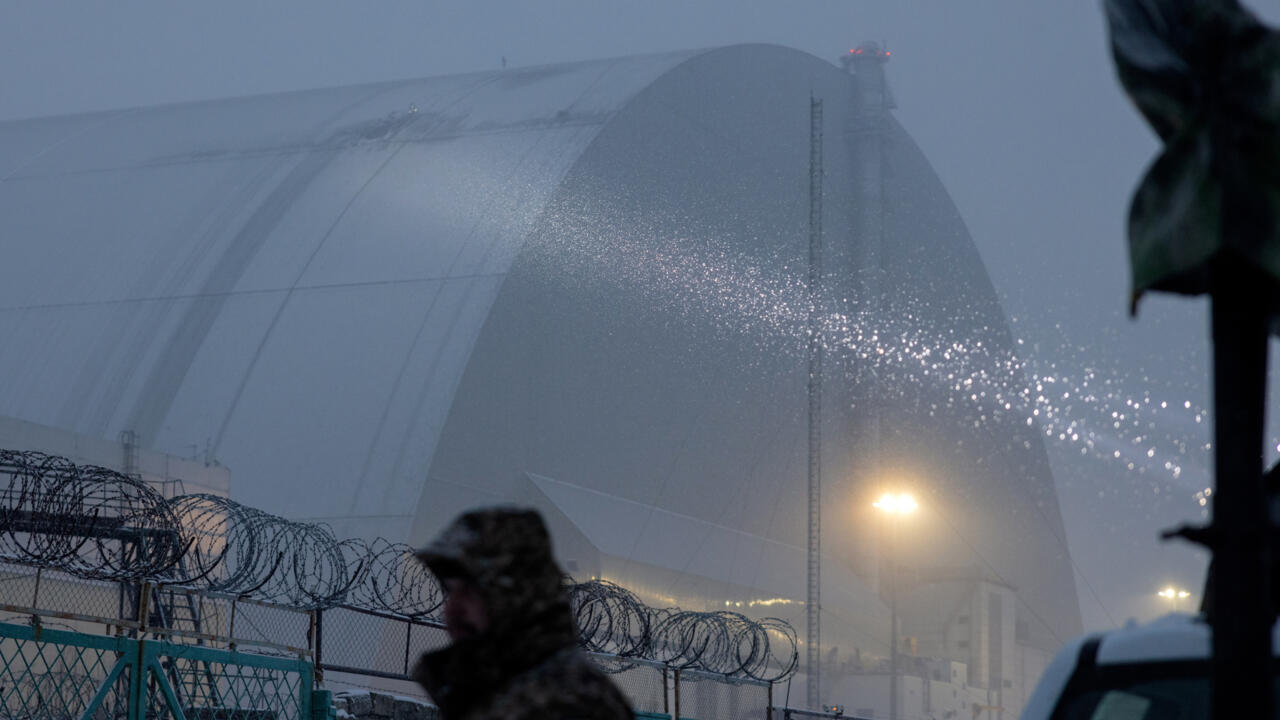
The Chernobyl nuclear plant's shelter is at risk of collapse due to repeated Russian attacks, with significant damage to the outer shell and safety functions, and full restoration estimated to take three to four years, raising concerns about potential nuclear safety hazards.
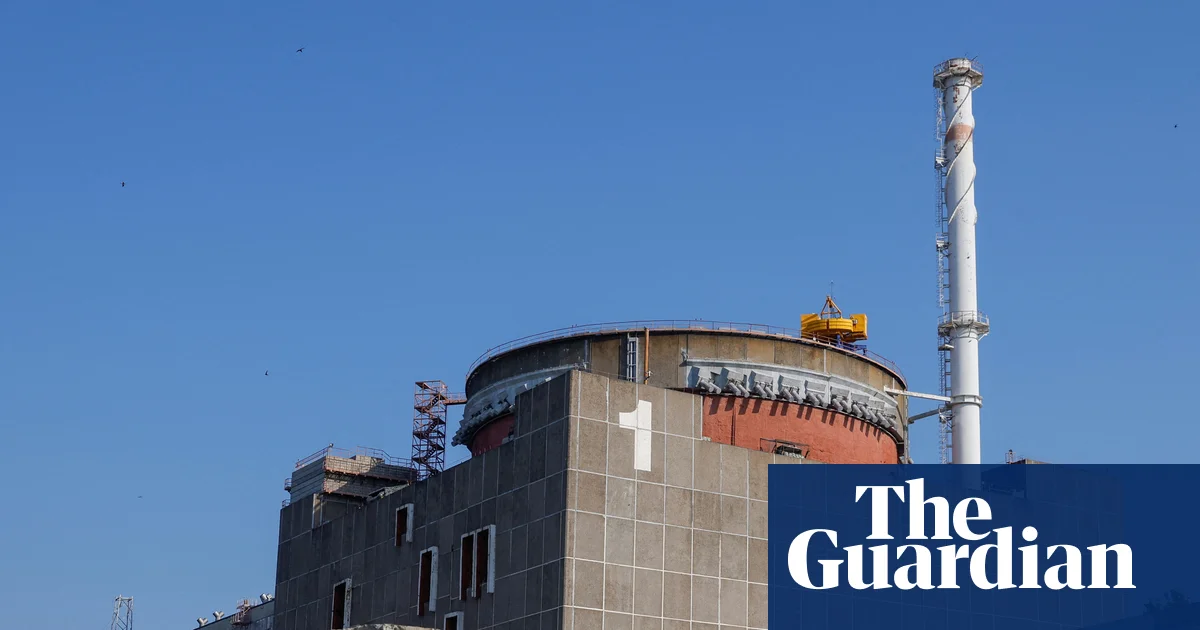
The IAEA has brokered a localized ceasefire near Ukraine's Zaporizhzhya Nuclear Power Plant to facilitate repairs and reconnect power lines, aiming to enhance nuclear safety amidst ongoing conflict, with the situation remaining highly precarious.
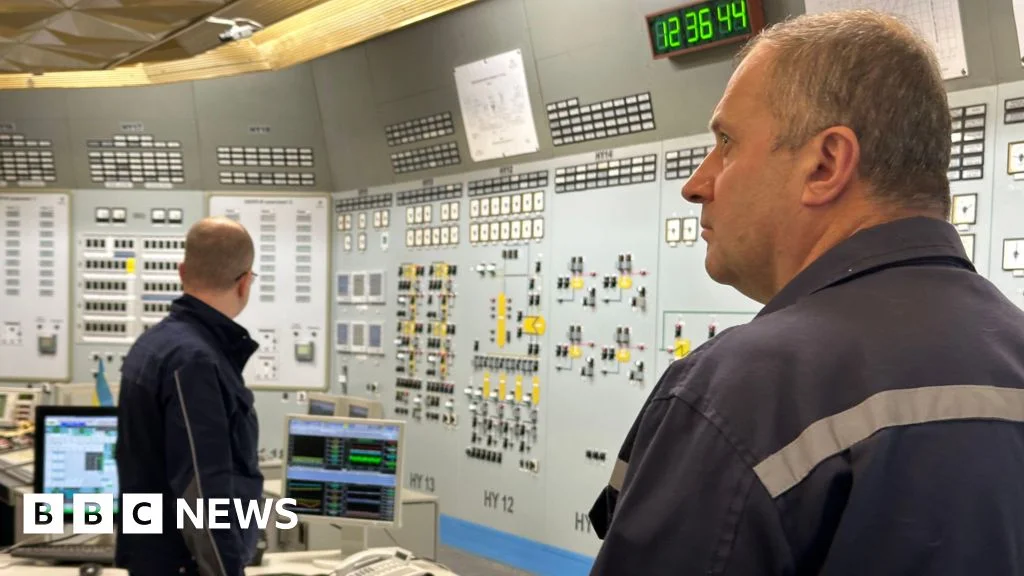
The IAEA reports ongoing efforts to repair critical power lines at Ukraine's Zaporizhzhya Nuclear Power Plant amid damage from military activity, highlighting the continued vulnerability of nuclear safety in the region and ongoing international assistance to Ukraine for environmental and health impacts of the conflict.
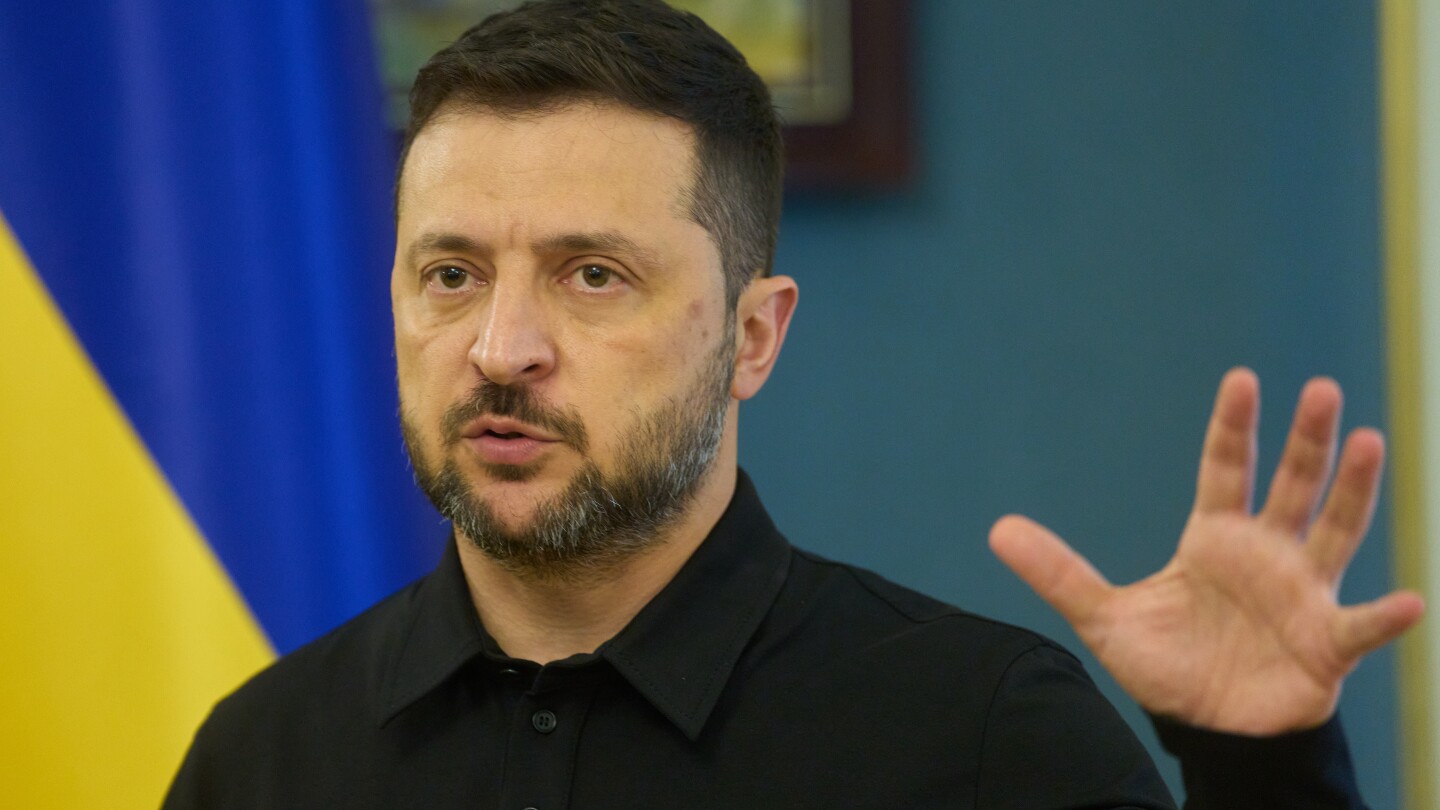
Ukrainian President Zelenskyy warned of a critical situation at Europe's largest nuclear plant, Zaporizhzhia, which has been off the grid for seven days due to Russian shelling preventing repairs, raising fears of a nuclear meltdown. The IAEA is working to restore power, but the situation remains dangerous as emergency generators are the only power source, and both sides are hindered by military activity. Zelenskyy condemned Russia's actions, emphasizing the threat to global safety.
The Zaporizhzhia nuclear plant in Ukraine has been operating on emergency generators for five days due to power outages caused by shelling and conflict, raising safety concerns about potential nuclear accidents. Meanwhile, Ukraine's President Zelenskyy announced a $90 billion arms deal with the U.S. and criticized Hungary's drone activities over Ukraine. The situation at the plant remains tense, with fears of further escalation and risks to nuclear safety.
Iran withdrew a proposed resolution at the IAEA meeting that condemned attacks on nuclear facilities, amid US lobbying and tensions over Iran's nuclear program. The resolution's withdrawal was influenced by US threats to cut funding and political pressure, as Western nations prepare to reimpose sanctions unless Iran complies with nuclear agreements. The situation remains tense with ongoing debates over Iran's nuclear activities and international responses.
The article discusses the complexities of reaching a nuclear agreement with Iran, highlighting the recent military strikes, Iran's refusal to give up domestic enrichment, and potential diplomatic solutions such as a limited, verified enrichment program or interim agreements. It emphasizes the importance of negotiations, monitoring, and verification to prevent Iran from developing nuclear weapons, while also considering the risks of military options and the obstacles to reaching a comprehensive deal.
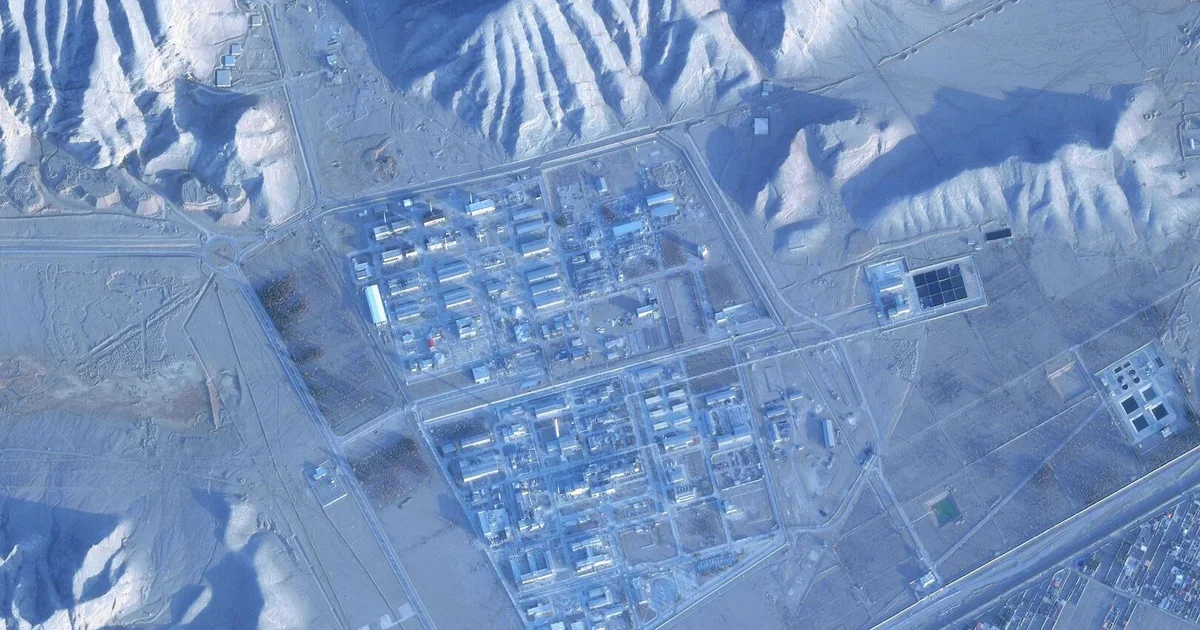
Iran is actively sanitizing its SPND nuclear site following Israeli airstrikes in June, aiming to prevent international inspectors from gathering evidence of military nuclear activities, with satellite images showing extensive site cleanup and destruction, and Iran only allowing limited access to some civilian sites.
The UN's IAEA reports no evidence of movement of Iran's near-bomb grade uranium since a US attack, but highlights challenges in monitoring Iran's nuclear sites due to recent conflicts and lack of access, raising concerns about Iran's nuclear capabilities and ongoing negotiations with European nations.
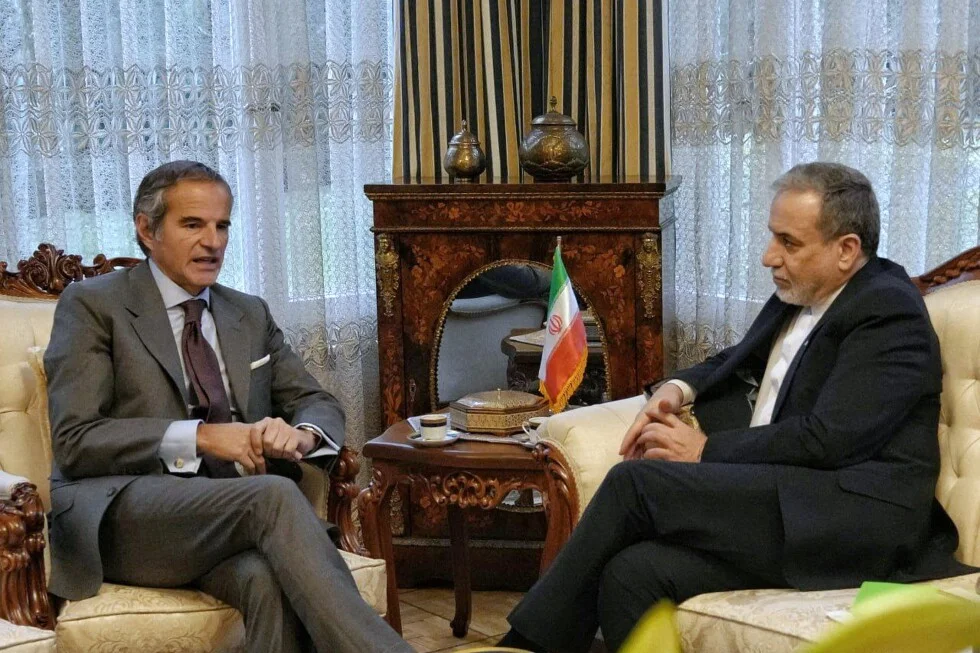
The IAEA has sent its first team of inspectors to Iran to resume nuclear inspections amid ongoing tensions and damage to nuclear sites, following meetings between Iranian leaders and E3 representatives in Geneva, with discussions focusing on inspection modalities and Iran's nuclear activities.
IAEA inspectors have returned to Iran as the UN Security Council considers approving new inspections, amid ongoing concerns over Iran's nuclear activities.
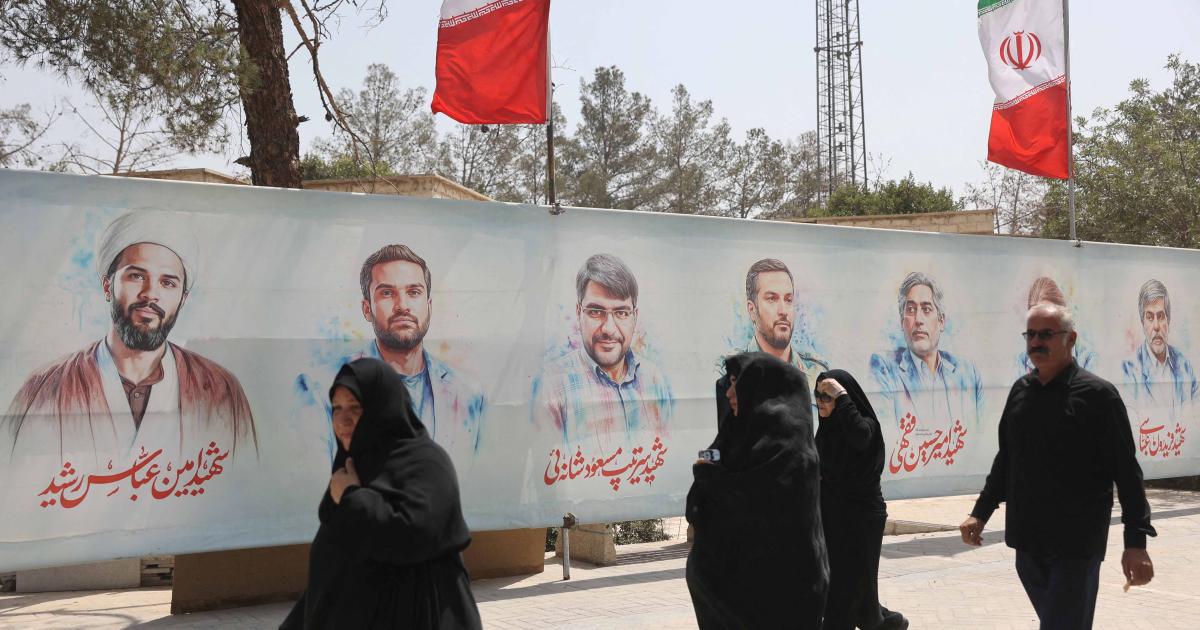
A UN nuclear watchdog official is set to visit Iran amid ongoing tensions, with Iran emphasizing that cooperation with the IAEA will only occur under a new framework approved by its Parliament and the Supreme National Security Council. Iran has limited IAEA inspections as a pressure tactic in negotiations with the West, and recent conflicts have escalated tensions, including Israeli airstrikes on Iranian nuclear sites, resulting in significant casualties.
Explosions and smoke were observed near Ukraine's Zaporizhzhia nuclear plant, which is under Russian occupation, following shelling and drone attacks on a nearby auxiliary facility. The incident raises concerns over nuclear safety amid ongoing military tensions, with Russia reportedly constructing power lines that could connect the plant to Russia's energy grid. Russia's drone attacks against Ukraine have also surged, intensifying the conflict.
The IAEA reports explosions and smoke near Ukraine's Zaporizhzhya Nuclear Power Plant following shelling and drone attacks, raising concerns over nuclear safety amid ongoing conflict, with the IAEA urging maximum restraint to prevent nuclear accidents.