Tag

Plastics

All articles tagged with #plastics

EU Targets Cheap Plastic Imports Amid Recycling Plant Closures

Originally Published 21 days ago — by Financial Times

Featured image for EU Targets Cheap Plastic Imports Amid Recycling Plant Closures
Source: Financial Times

The EU is planning to implement checks on imported plastics and other measures to support its struggling recycling industry, which has faced closures due to low demand and cheap imports, including from China. Proposed measures include monitoring imports, establishing a single waste market, and clarifying chemical recycling rules to promote circularity and protect domestic producers.

Microplastics in the Environment: Hidden Health Risks and Urban Air Concerns

Originally Published 1 month ago — by SciTechDaily

Featured image for Microplastics in the Environment: Hidden Health Risks and Urban Air Concerns
Source: SciTechDaily

Research indicates that chemicals in everyday plastics, such as phthalates, bisphenols, and PFAS, may contribute to lifelong health issues like obesity, infertility, and asthma, especially when exposure occurs early in life. Experts call for reduced plastic use, better regulations, and public awareness to protect future generations, while acknowledging the essential role of plastics in medicine.

The Global Challenge of Microplastics: Health Risks and Environmental Impact

Originally Published 1 year ago — by CNN

Featured image for The Global Challenge of Microplastics: Health Risks and Environmental Impact
Source: CNN

In a podcast episode of "Chasing Life," Dr. Sanjay Gupta discusses the pervasive issue of microplastics with Dr. Leonardo Trasande, Director of Environmental Pediatrics at NYU School of Medicine. Microplastics, tiny plastic particles found in various human organs, raise significant health concerns, including potential impacts on fertility and cardiovascular health. The conversation highlights how microplastics enter the body through ingestion, inhalation, and skin contact, and the role of associated chemicals like phthalates and PFAs as endocrine disruptors. The episode emphasizes the need for awareness and strategies to reduce exposure to these pollutants.

BPA Alternatives May Pose Health Risks, Study Finds

Originally Published 1 year ago — by SciTechDaily

Featured image for BPA Alternatives May Pose Health Risks, Study Finds
Source: SciTechDaily

A new study from Miguel Hernández University of Elche reveals that bisphenol analogs BPF and BPS, used as replacements for BPA in plastics, may pose similar health risks, including obesity, diabetes, and hormone disruption. Using computer simulations, the research shows these compounds accumulate in biological membranes, affecting their function and potentially leading to adverse health effects. The findings suggest that BPF and BPS are not safer alternatives to BPA, urging a reevaluation of their use in consumer products.

N.Y. Lawmakers Focus on Social Media, Climate, and Elections as Session Ends

Originally Published 1 year ago — by The New York Times

Featured image for N.Y. Lawmakers Focus on Social Media, Climate, and Elections as Session Ends
Source: The New York Times

With just a week left in the 2024 legislative session, New York lawmakers are rushing to pass key environmental and health-related laws, including measures to restrict social media algorithms for minors and reduce plastic packaging. Governor Kathy Hochul supports some of these initiatives, but others face significant challenges.

"Plastics Industry Exposed: The Fraud of Plastic Recycling"

Originally Published 1 year ago — by CBS News

Featured image for "Plastics Industry Exposed: The Fraud of Plastic Recycling"
Source: CBS News

Critics are accusing the plastics industry of perpetuating a "fraud" by misleading the public about the feasibility of plastic recycling, with only 5 to 6 percent of plastic waste actually being recycled in the U.S. The industry's promotion of recycling as a solution is being called into question, as it is revealed that most plastics cannot be effectively recycled together. Despite a new ad campaign claiming that "Recycling is real," critics argue that the industry's focus on recycling is primarily a public relations strategy, and that the real issue lies in the production and disposal of plastic. With plastic production set to triple by 2050, more than 170 countries are working on a United Nations treaty to end plastic pollution, while the plastics industry opposes bans on plastic production but supports increased recycling efforts.

Plastic Producers' Deception Exposed: Recycling Fraud Unveiled

Originally Published 1 year ago — by The Hill

Featured image for Plastic Producers' Deception Exposed: Recycling Fraud Unveiled
Source: The Hill

A report from the Center for Climate Integrity reveals that plastics producers have long been aware that the vast majority of plastics cannot be effectively recycled, despite promoting recycling as an environmental solution. Only a small percentage of plastics have viable end markets for recycling, while the rest are either burned or deposited in landfills. The petrochemical industry has been accused of deceiving consumers, policymakers, and regulators about plastic recycling, with the report stating that they have failed to overcome the technical and economic limitations that make plastics unrecyclable. The industry defends its practices, citing outdated technologies and emphasizing ongoing efforts to improve sustainability.

"Link Between Plastics on Everyday Products and Rise in Premature Births Revealed in Study"

Originally Published 1 year ago — by Yahoo Entertainment

Featured image for "Link Between Plastics on Everyday Products and Rise in Premature Births Revealed in Study"
Source: Yahoo Entertainment

A new study suggests that synthetic chemicals called phthalates, commonly found in everyday products like vinyl flooring, furniture, personal care items, and food packaging, may be contributing to an increase in premature births in the United States. The study, published in Lancet Planetary Health, found that nearly 57,000 preterm births in 2018 could potentially be linked to phthalates, which are known to act as hormone disruptors and impact the placenta during pregnancy. The American Chemistry Council, representing the plastics industry, has disputed the study's claims, stating that the association does not establish a causal relationship.

"2024: Earth's TLC, AIDS End, Empathy Increase, Light Decrease - Readers' Wishes"

Originally Published 2 years ago — by NPR

Featured image for "2024: Earth's TLC, AIDS End, Empathy Increase, Light Decrease - Readers' Wishes"
Source: NPR

Readers express their wishes for 2024, emphasizing the need for prioritizing the health of the planet, addressing climate change, reducing plastic pollution, and minimizing light pollution. They also call for more empathy, compassion, and inclusion for all humans, including those with intellectual disabilities, and advocate for universal healthcare coverage and an end to AIDS transmission. Additionally, there is a plea for positive news coverage and a call to take tangible action to address global issues.

Plastic Contamination in Local Placentas on the Rise, JABSOM Study Reveals

Originally Published 2 years ago — by Honolulu Star-Advertiser

Featured image for Plastic Contamination in Local Placentas on the Rise, JABSOM Study Reveals
Source: Honolulu Star-Advertiser

Researchers at the John A. Burns School of Medicine (JABSOM) have discovered an increase in the presence of plastic in local placentas, raising concerns about the potential impact on human health. Plastics are widely used in various products and have become ubiquitous in our daily lives, but their effects on human health have been a subject of concern. The study highlights the need for further research into the potential risks associated with plastic exposure during pregnancy.

"Republic Services Unveils Revolutionary $75M Plastics Recycling Facility in Las Vegas"

Originally Published 2 years ago — by KLAS - 8 News Now

Featured image for "Republic Services Unveils Revolutionary $75M Plastics Recycling Facility in Las Vegas"
Source: KLAS - 8 News Now

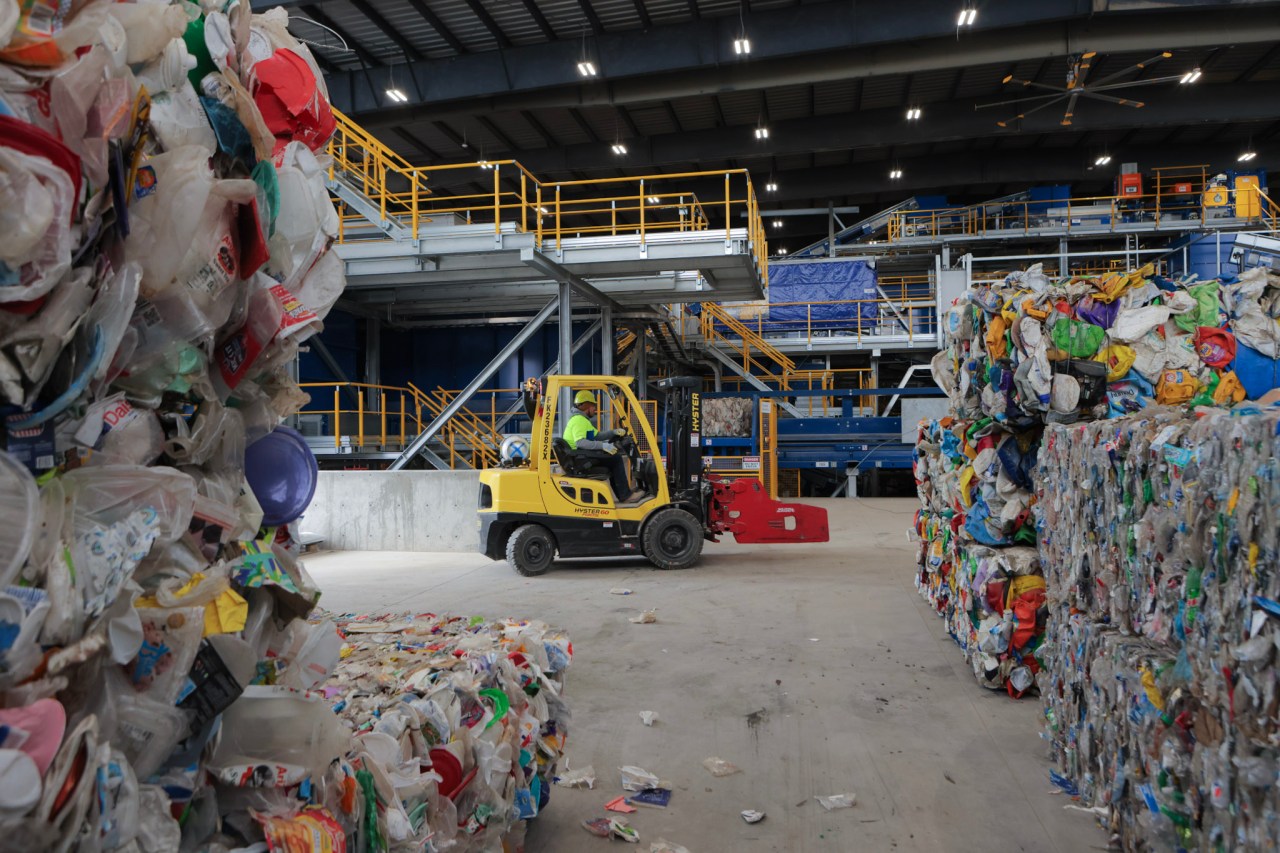
Republic Services has opened a unique $75 million recycling plastics facility in Las Vegas, aiming to reduce plastic waste in landfills. The facility, called the Polymer Center, will convert water bottles into flakes and use them to create new plastic bottles, extending their lifecycle. It is expected to produce over 100 million pounds of recycled plastics annually and will be the first of its kind in North America. The plant is set to be operational by January 2024 and will have a significant economic impact on the northeast valley of Las Vegas. Coca-Cola will be the facility's first customer, committed to using 50% recycled plastics in its packaging by 2030.

"Breakthrough: Scientists Achieve Full Cycle Recycling of Mixed Plastics"

Originally Published 2 years ago — by Phys.org

Featured image for "Breakthrough: Scientists Achieve Full Cycle Recycling of Mixed Plastics"
Source: Phys.org

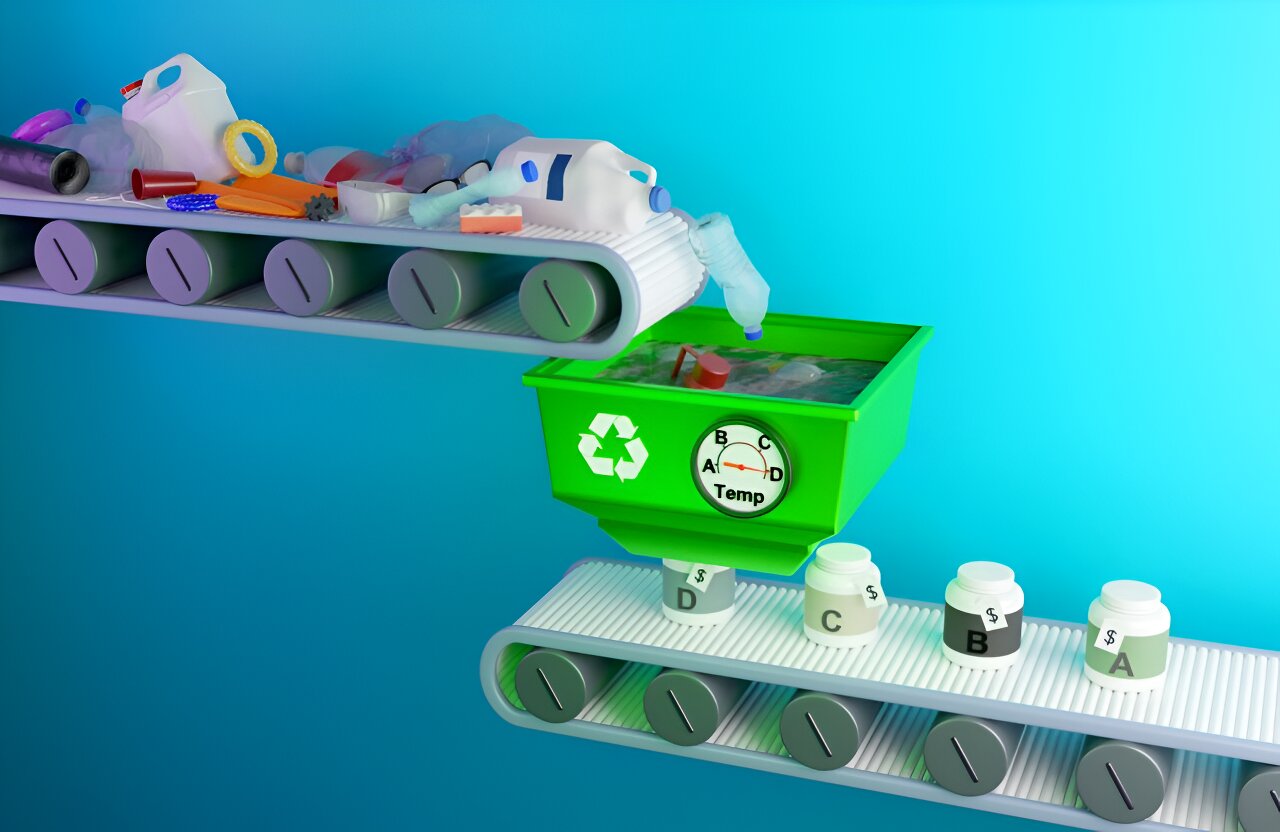
Scientists at the Department of Energy's Oak Ridge National Laboratory have developed a new catalytic recycling process that selectively deconstructs multiple polymers in mixed plastics into reusable monomers. The process offers a promising strategy for combating global plastic waste and could reduce greenhouse gas emissions, energy consumption, and fossil fuel consumption. The new organocatalyst has proven effective on polymers used in materials such as safety goggles, foams, water bottles, and ropes, which make up over 30% of global plastic production. The process replaces harsh chemicals, offers good selectivity, and can deconstruct multicomponent plastics.

Microwaving Plastics: A Wake-Up Call for Microplastics?

Originally Published 2 years ago — by Yahoo News

Featured image for Microwaving Plastics: A Wake-Up Call for Microplastics?
Source: Yahoo News

A study from the University of Nebraska warns against microwaving plastics, as it releases billions of nanoplastics and millions of microplastics per square centimeter. The health impact of these synthetic materials is still unknown, but studies suggest they could be harmful. Researchers exposed kidney cells to the microplastics released during the experiment and found that about 75% of the cells were killed, indicating a potential link to kidney damage. Experts urge the FDA to take a more proactive approach in addressing this issue, and recommend avoiding microwaving plastics and opting for plastic-free alternatives.

Microwaving Plastic Baby Food Packaging: A Microparticle Release Concern

Originally Published 2 years ago — by Medical Xpress

Featured image for Microwaving Plastic Baby Food Packaging: A Microparticle Release Concern
Source: Medical Xpress

Plastic baby food pouches release high numbers of microplastic particles when heated in a microwave oven, according to a study by researchers at the University of Nebraska-Lincoln. The study found that even organic baby food products packaged in plastic pouches released significant amounts of microplastics when heated. The researchers discovered that one container released approximately 580,000 microplastic particles after being refrigerated for six months, and an additional 4 million particles when heated in a microwave. The findings highlight the potential health and environmental implications of plastic packaging in the food industry.