Tag

Phthalates

All articles tagged with #phthalates

Warning: 60 Millions de consommateurs identifies four olive oils to avoid

Originally Published 2 months ago — by Sofeminine.co.uk

France's 60 Millions de consommateurs tested 24 popular extra-virgin olive oils and found some samples contaminated with plasticizers and mineral oils, linked to packaging and processing. Four brands showed elevated levels of harmful phthalates, prompting advice to consumers to choose oils in glass or metal containers, check harvest dates, and store in cool, dark places to reduce exposure. The findings highlight the importance of packaging, storage, and purchasing habits in minimizing chemical intake from olive oil.

Oncologist's Advice on Endocrine Disruptors: Should We Be Concerned?

Originally Published 6 months ago — by The Washington Post

Featured image for Oncologist's Advice on Endocrine Disruptors: Should We Be Concerned?
Source: The Washington Post

The article discusses everyday exposure to endocrine disruptors like BPA, PFAS, and phthalates, which are found in common products and may interfere with hormones, raising concerns about potential health risks including cancer. It emphasizes the need to understand the level of danger these chemicals pose and whether they warrant concern.

Experts Warn of Health Risks from Hidden Chemicals in Perfumes

Originally Published 1 year ago — by Futurism

Featured image for Experts Warn of Health Risks from Hidden Chemicals in Perfumes
Source: Futurism

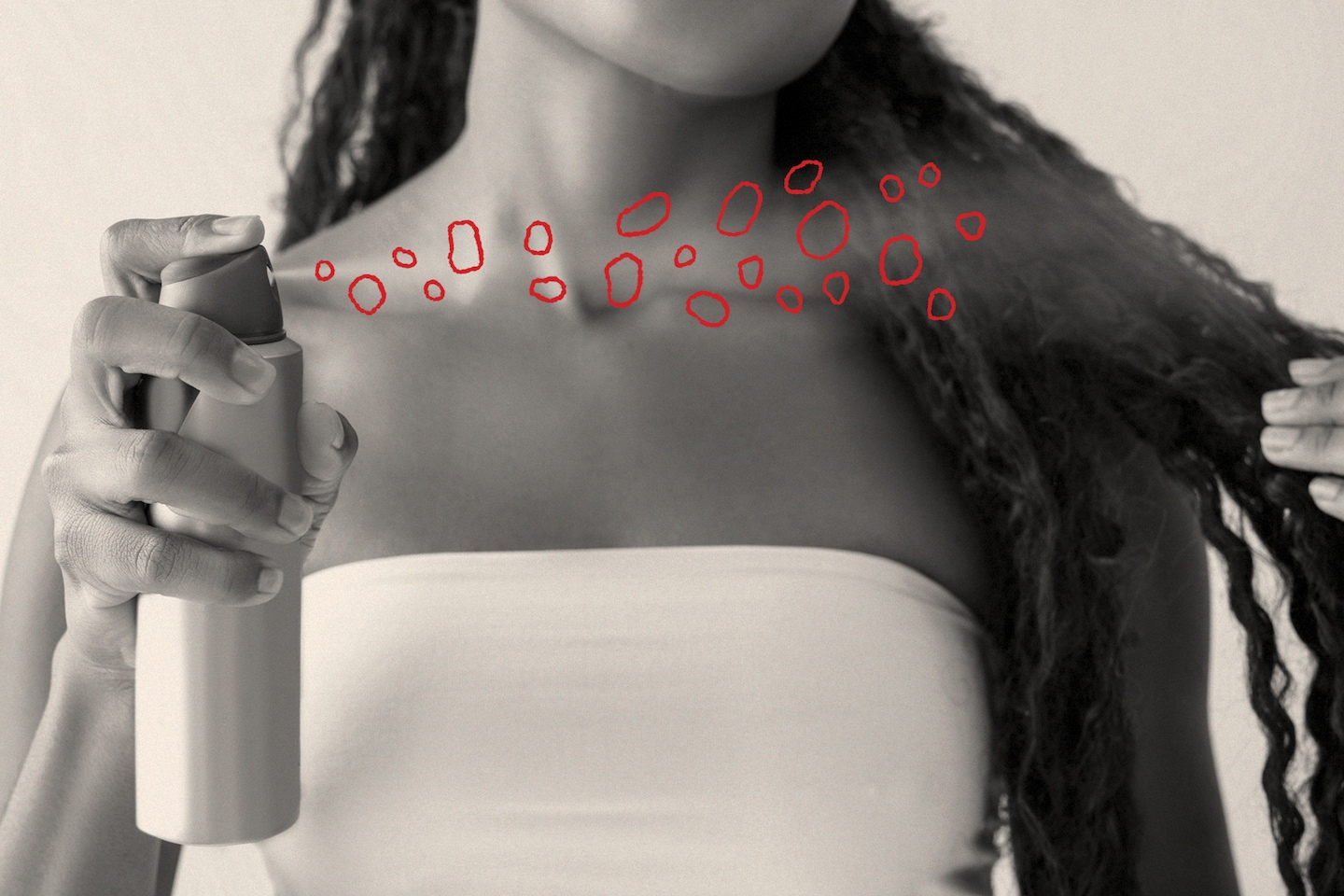
Scientists warn about the health risks of phthalates, chemicals used in perfumes and other self-care products to prolong scent. Phthalates are known endocrine disruptors linked to developmental issues in children and cardiovascular disease in adults. Despite being banned in children's toys, they remain prevalent in many consumer products. Experts recommend avoiding added fragrances and opting for phthalate-free alternatives to reduce exposure. While some argue the data on human harm is insufficient, animal studies suggest significant risks, prompting calls for more cautious consumer choices.

The Hidden Dangers of Everyday Fragrances

Originally Published 1 year ago — by newsindiatimes.com

Research is raising concerns about phthalates, chemicals found in many personal care products like perfumes and nail polishes, due to their potential health risks, including insulin resistance and impaired neurodevelopment. Experts recommend reducing exposure to these endocrine-disrupting chemicals (EDCs) by using phthalate-free products and minimizing processed food consumption. While critics argue the data isn't conclusive, studies in animals suggest EDCs can cause significant health issues, potentially affecting future generations.

Understanding the Impact of Microplastics and Plastics on Daily Life

Originally Published 1 year ago — by The Washington Post

Featured image for Understanding the Impact of Microplastics and Plastics on Daily Life
Source: The Washington Post

Consumer Reports highlights the pervasive presence of synthetic chemicals like microplastics, PFAS, BPA, and phthalates in everyday items such as food, water, and household products. These substances have been found in various consumer goods, raising concerns about potential health risks.

"General Mills Urged to Eliminate Toxic Chemicals from Food Products"

Originally Published 1 year ago — by CBS News

Featured image for "General Mills Urged to Eliminate Toxic Chemicals from Food Products"
Source: CBS News

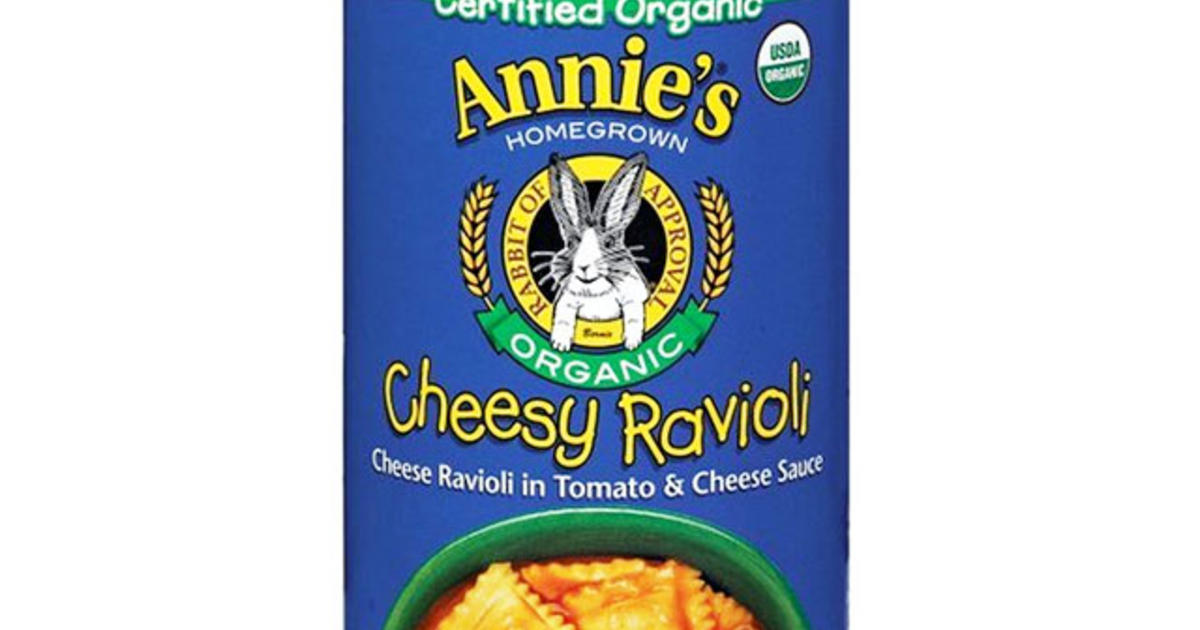
Consumer Reports has delivered a petition with over 30,000 signatures to General Mills, urging the company to eliminate plastic chemicals, specifically phthalates, from its food products. Tests revealed concerning levels of these chemicals in various General Mills brands, including Annie's, Yoplait, Cheerios, Green Giant, and Progresso. Phthalates, used to make plastics flexible, have been linked to serious health risks. General Mills asserts that their products meet regulatory standards and that they regularly review their ingredients and suppliers.

"Link Between Plastics on Everyday Products and Rise in Premature Births Revealed in Study"

Originally Published 1 year ago — by Yahoo Entertainment

Featured image for "Link Between Plastics on Everyday Products and Rise in Premature Births Revealed in Study"
Source: Yahoo Entertainment

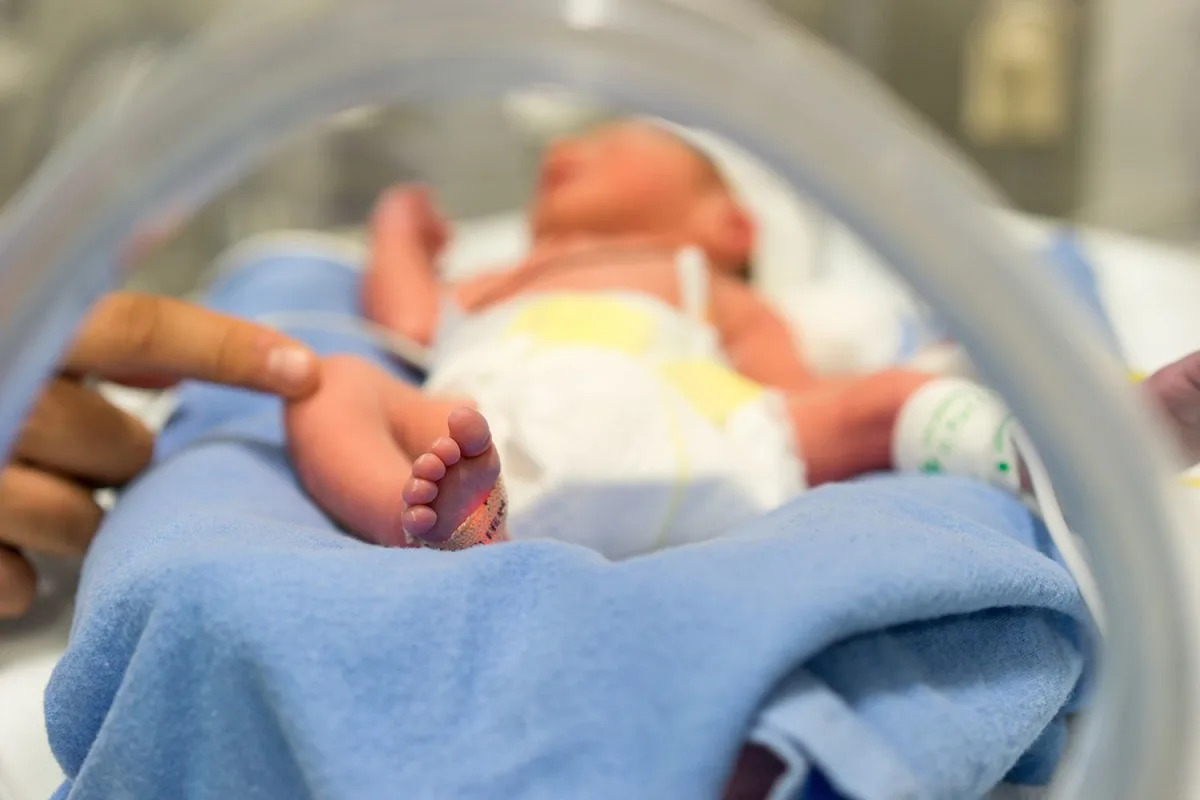
A new study suggests that synthetic chemicals called phthalates, commonly found in everyday products like vinyl flooring, furniture, personal care items, and food packaging, may be contributing to an increase in premature births in the United States. The study, published in Lancet Planetary Health, found that nearly 57,000 preterm births in 2018 could potentially be linked to phthalates, which are known to act as hormone disruptors and impact the placenta during pregnancy. The American Chemistry Council, representing the plastics industry, has disputed the study's claims, stating that the association does not establish a causal relationship.

"Plastics and Preterm Births: The Link You Need to Know"

Originally Published 1 year ago — by Yahoo Life

Featured image for "Plastics and Preterm Births: The Link You Need to Know"
Source: Yahoo Life

A new study published in Lancet Planetary Health suggests that phthalates, synthetic chemicals found in plastics, may be linked to tens of thousands of premature births in the U.S. each year, leading to significant lifetime medical costs. Exposure to these chemicals has been associated with hormone disruption and various health concerns. The study found that phthalate exposure was associated with lower gestational age and increased risk of premature birth, particularly with certain types of phthalates used as replacements for DEHP. The findings highlight the need for regulating phthalates as a class and suggest reducing the use of plastic whenever possible to mitigate health risks.

"Plastic Chemicals Linked to 10% of US Premature Births: Study"

Originally Published 1 year ago — by ScienceAlert

Featured image for "Plastic Chemicals Linked to 10% of US Premature Births: Study"
Source: ScienceAlert

A major study has found that one in 10 premature births in the US may be linked to pregnant women's exposure to phthalates, chemicals commonly found in plastic products. These chemicals, known as hormone disruptors, can lead to early labor and birth. The study estimated that nearly 10% of premature births in the US in 2018 could be attributed to phthalate exposure, with associated medical and social costs ranging from $1.6 to $8.1 billion. The researchers called for global efforts to reduce plastic production and regulate phthalates as a group, while advising people to minimize exposure by avoiding plastic-wrapped food and phthalate-containing personal care products.

"Plastic Chemicals Linked to Rise in Preterm Births, Doctors Warn"

Originally Published 1 year ago — by New York Post

Featured image for "Plastic Chemicals Linked to Rise in Preterm Births, Doctors Warn"
Source: New York Post

A new study suggests that synthetic chemicals called phthalates, found in everyday products from food containers to shampoo, may be linked to the rise in preterm births in the US, with one of the most well-established phthalates, DEHP, being a major contributor. The study estimates that phthalates were responsible for 57,000 premature US births in 2018. While the American Chemistry Council disputes the connection, experts warn of the potential health risks associated with phthalates, including cancer, infertility, birth defects, obesity, asthma, heart disease, and diabetes. Calls for regulatory action to limit phthalates in food packaging and consumer products are being made to address the public health concerns.

"Plastic Chemicals: A Major Contributor to Preterm Births, Study Finds"

Originally Published 1 year ago — by Phys.org

Featured image for "Plastic Chemicals: A Major Contributor to Preterm Births, Study Finds"
Source: Phys.org

A study has found that one in 10 premature births in the United States may be linked to pregnant women's exposure to phthalates, chemicals commonly found in plastic products. These chemicals, known as hormone disruptors, can lead to early labor and birth. The study estimated that nearly 56,600 preterm births in the US in 2018 could have been linked to phthalate exposure, with resulting medical and social costs estimated to be between $1.6 and $8.1 billion. Researchers suggest reducing plastic production and avoiding phthalate exposure to mitigate these health risks.

"Plastic Exposure Linked to Rise in Premature Births, Study Finds"

Originally Published 1 year ago — by CNN

Featured image for "Plastic Exposure Linked to Rise in Premature Births, Study Finds"
Source: CNN

A new study suggests that synthetic chemicals called phthalates, commonly found in clear food packaging and personal care products, could be contributing to the rise in premature births. These "everywhere chemicals" are known to disrupt hormones and impact the placenta's function, potentially leading to preterm labor. The study estimates that phthalates may be responsible for 5% to 10% of preterm births in the US in 2018, with a cost of nearly $4 billion. The research also indicates that industry replacements for phthalates may not be safer. Experts recommend reducing plastic use and avoiding microwaving food in plastic to minimize exposure to these harmful chemicals.

"Plastics and Chemicals Linked to Rising Preterm Births, Study Finds"

Originally Published 1 year ago — by USA TODAY

Featured image for "Plastics and Chemicals Linked to Rising Preterm Births, Study Finds"
Source: USA TODAY

A new study published in Lancet Planetary Health suggests that chemicals commonly used in plastics are linked to tens of thousands of preterm births in the U.S. annually, leading to billions of dollars in medical costs over the affected children's lifetimes. The study highlights the need to address global plastic pollution and the potential harms of chemical substitutes. While the study does not establish a causal relationship, it adds to existing evidence and emphasizes the importance of revamping chemical regulation to protect human health. Researchers recommend reducing plastic use and opting for glass or stainless steel storage to limit exposure to these harmful chemicals.

"Widespread Presence of Harmful Plastics and Chemicals Found in Packaged Foods, Reports Indicate"

Originally Published 2 years ago — by New York Post

Featured image for "Widespread Presence of Harmful Plastics and Chemicals Found in Packaged Foods, Reports Indicate"
Source: New York Post

Consumer Reports has found that plastic chemicals known as phthalates, which may cause serious health issues like cancer and infertility, are present in 84 out of 85 tested food products, including popular brands like Cheerios and Coca-Cola. Although these levels do not exceed US regulatory limits, experts suggest any presence of these chemicals can be harmful. The report highlights the need for stricter regulations and demonstrates that it is possible to reduce the amount of these chemicals in food products.

"Widespread Presence of Harmful Plastics in Packaged Foods Raises Health Concerns"

Originally Published 2 years ago — by CBS News

Featured image for "Widespread Presence of Harmful Plastics in Packaged Foods Raises Health Concerns"
Source: CBS News

Consumer Reports has found that harmful chemicals like BPA and phthalates are prevalent in a wide range of supermarket foods and fast foods, regardless of packaging or organic certification. These chemicals, which are linked to health risks such as hormone disruption and diabetes, were found in 99% of tested foods for phthalates and 79% for BPA. The FDA has rejected a petition to ban phthalates in food packaging and processing, and current regulations are considered outdated by many experts. Safety activists are concerned about the cumulative exposure to these chemicals from various sources.