Scientists accidentally created gold hydride under extreme pressure and temperature conditions, challenging gold's reputation as an inert metal and providing new insights into dense hydrogen behavior relevant to planetary interiors and fusion research.
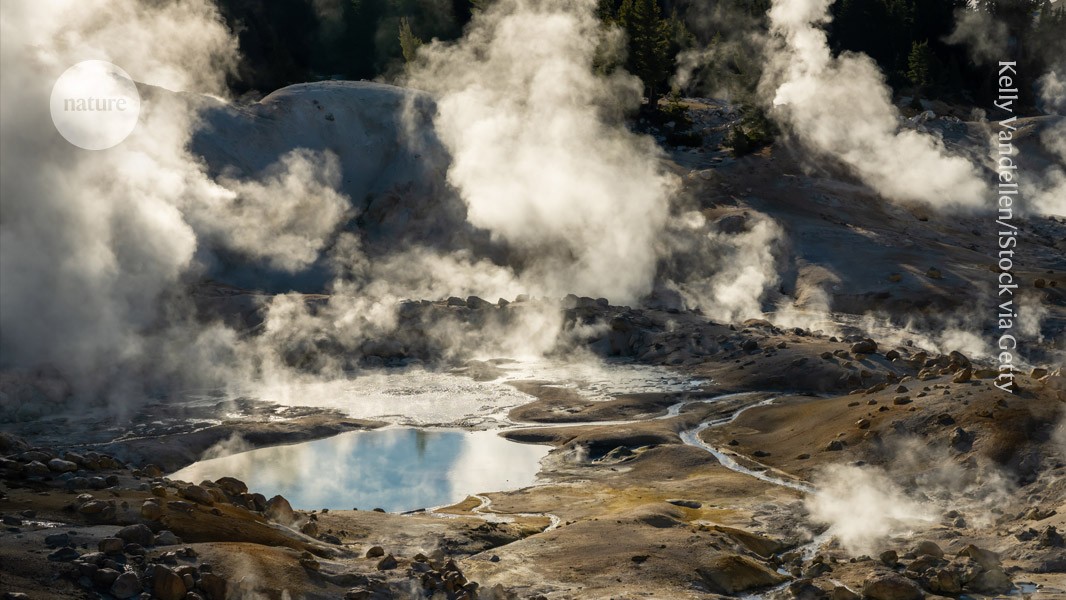
A newly discovered single-celled amoeba, Incendiamoeba cascadensis, can survive and grow at temperatures up to 63°C, surpassing previous records for eukaryotic organisms, challenging assumptions about the thermal limits of complex life.
Researchers have directly measured the temperature of superheated gold at around 19,000 kelvins using ultrafast X-ray scattering, challenging the long-held belief that the entropy catastrophe limits the superheating of solids, and opening new avenues for studying extreme states of matter.
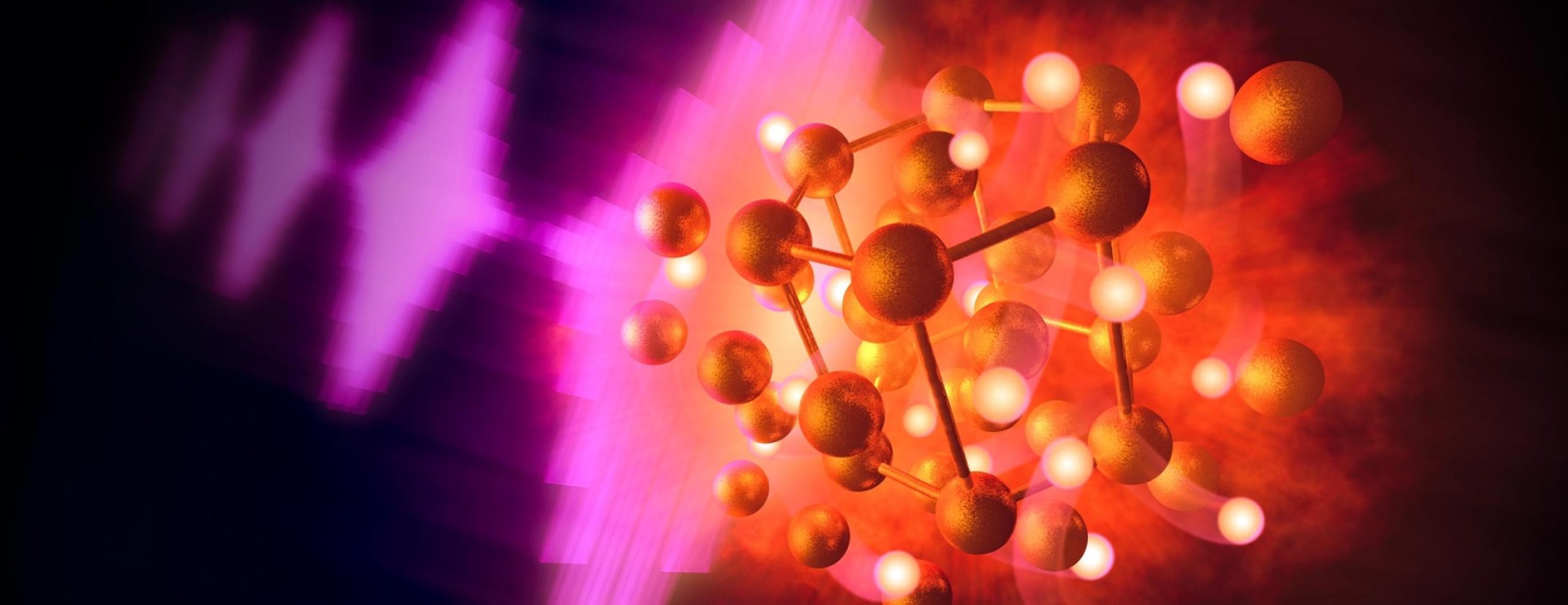
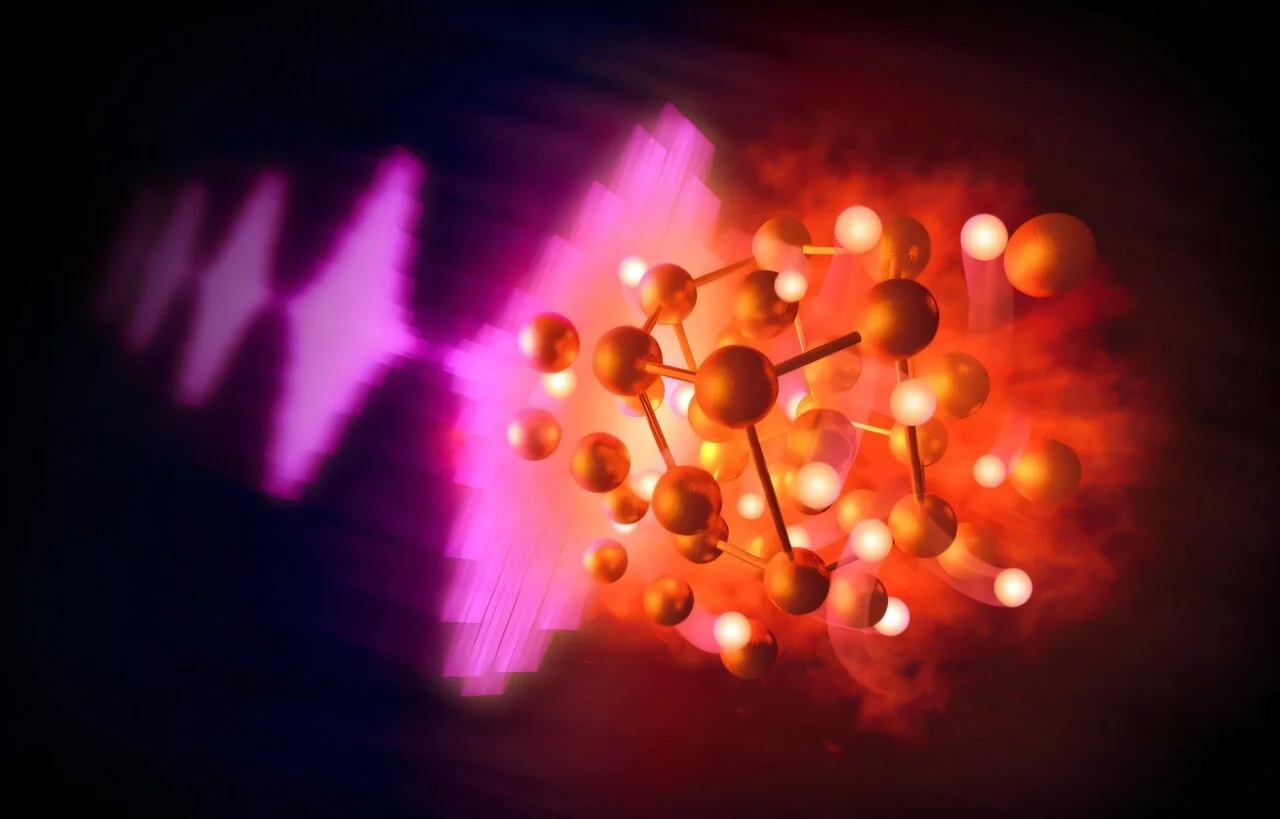
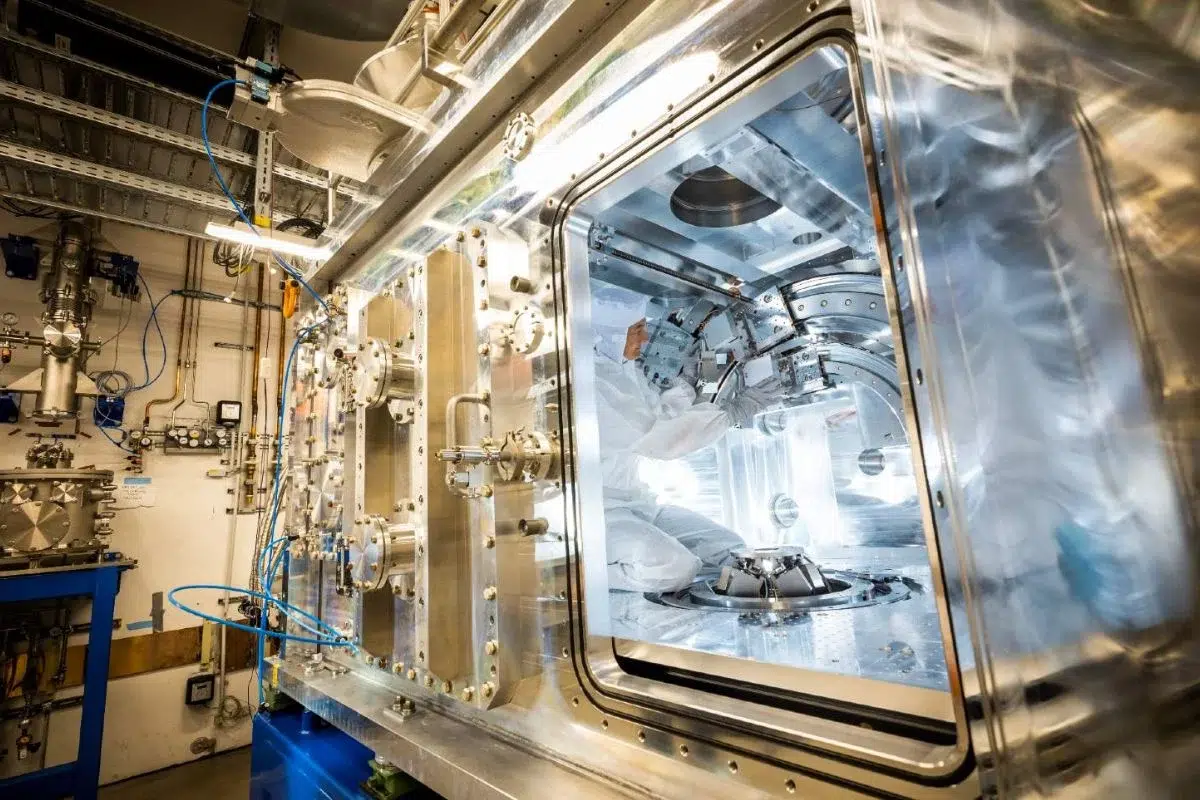
Researchers at SLAC accidentally created a new gold hydride compound by heating gold and hydrocarbons under extreme pressures and temperatures, revealing novel chemical behaviors and providing insights into dense hydrogen and fusion processes, with potential applications in planetary science and energy research.
Scientists at SLAC and European XFEL unexpectedly created solid gold hydride by combining gold and hydrogen under extreme pressure and temperature, revealing new chemistry possibilities and insights into dense hydrogen relevant to planetary interiors and fusion energy research.
A new study reveals that gold can be heated up to 14 times beyond its traditional melting point without melting, challenging existing models of superheating limits and suggesting that some solids may not have a definitive melting point under ultra-fast heating conditions. This discovery has significant implications for understanding matter behavior in extreme environments like space and nuclear reactors.
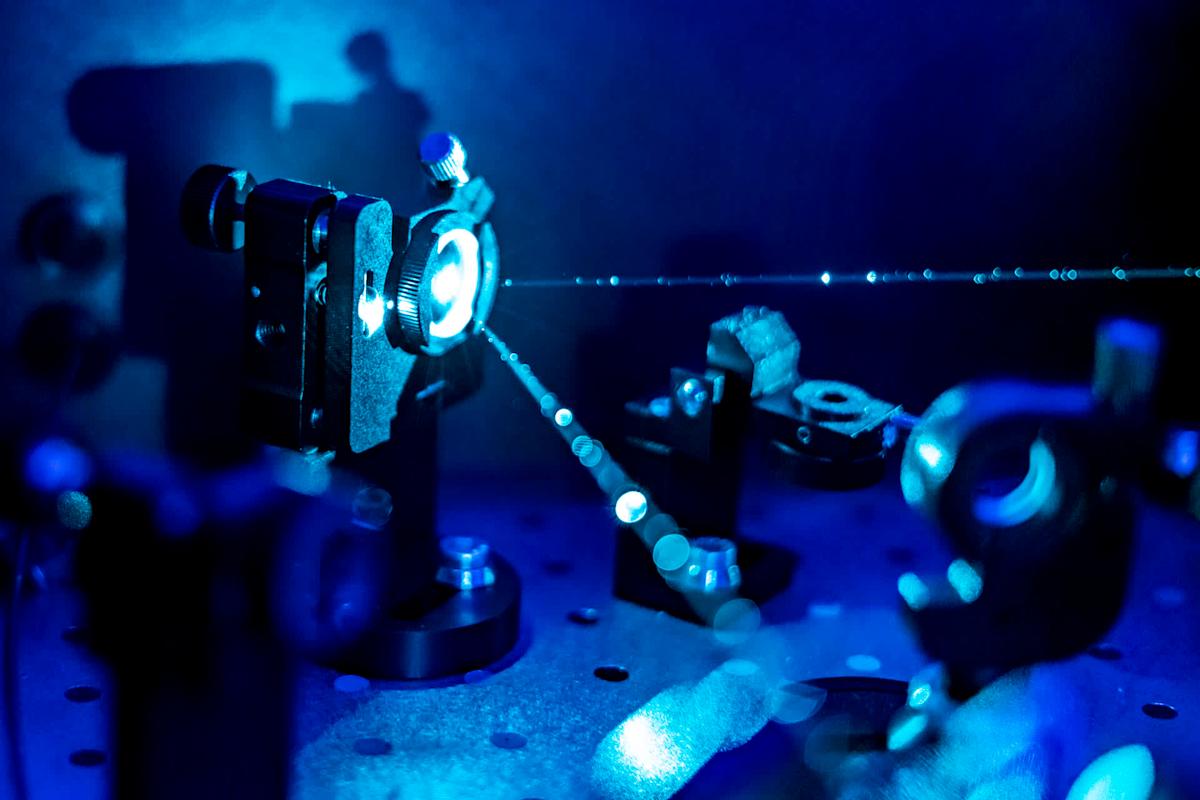
Scientists at SLAC used giant lasers and X-ray techniques to heat gold to unprecedented temperatures, surpassing the traditional superheating limit and challenging established physics models, with potential applications in spaceflight, astrophysics, and nuclear chemistry.
Scientists have created liquid carbon in a lab for the first time by using high-powered lasers to study a material that exists only for billionths of a second under extreme conditions, potentially advancing fusion energy technology by providing a durable material for future reactors.
Scientists have successfully created liquid carbon in the lab for the first time, using high temperatures and pressures, which has significant implications for nuclear fusion technology, understanding planetary interiors, and advancing materials science. This breakthrough could accelerate fusion energy development and provide insights into cosmic phenomena, demonstrating the power of advanced laser technology and international collaboration.
Videographer Brad Jacobson has released an edit showcasing the intense and harrowing experience of paddling out in XL surf conditions, featuring broken boards, frantic duck dives, trips over the falls, and colossal beatdowns, providing a visceral reminder of the challenging journey surfers face before even attempting to ride massive waves.
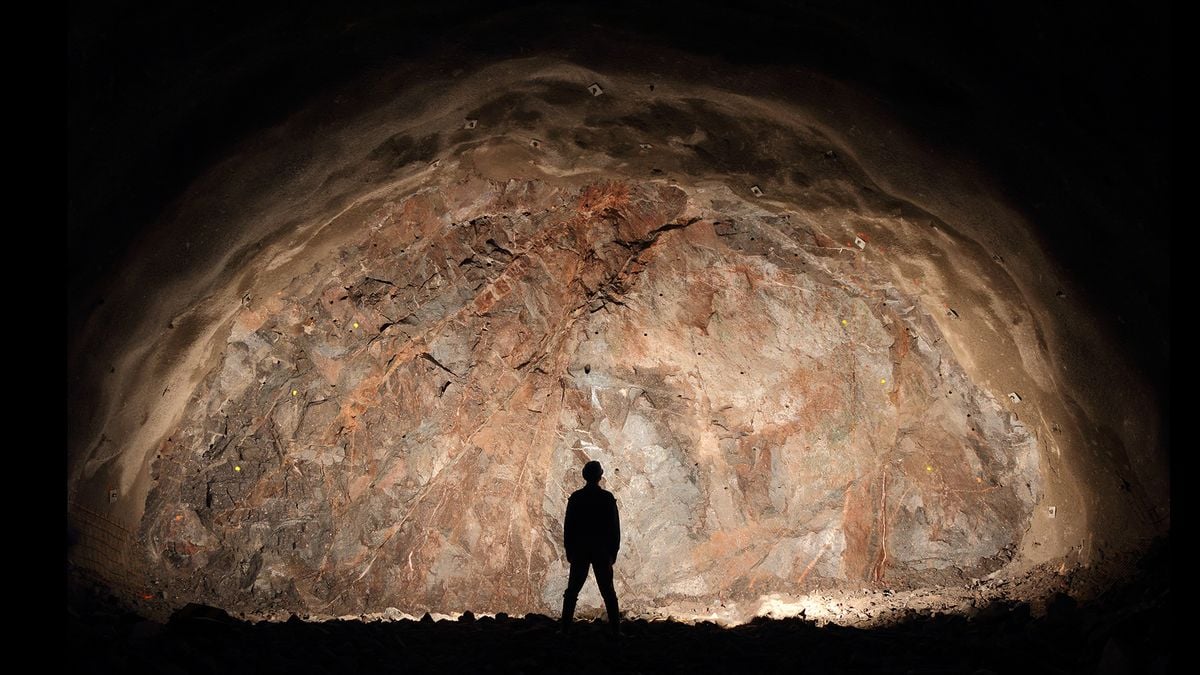
Scientists have explored the hypothetical scenario of drilling through the Earth's layers to the other side. The process would require a massive drill and decades of work. The deepest human-made hole, the Kola Superdeep Borehole in Russia, is only 7.6 miles deep, far from reaching the mantle, which is about 50 miles away. The extreme pressures and temperatures, such as 2,570 degrees Fahrenheit in the mantle and 7,200 to 9,000 degrees Fahrenheit in the outer core, would pose significant challenges. Additionally, the drill would have to overcome the pull of gravity and work against it to reach the other side.
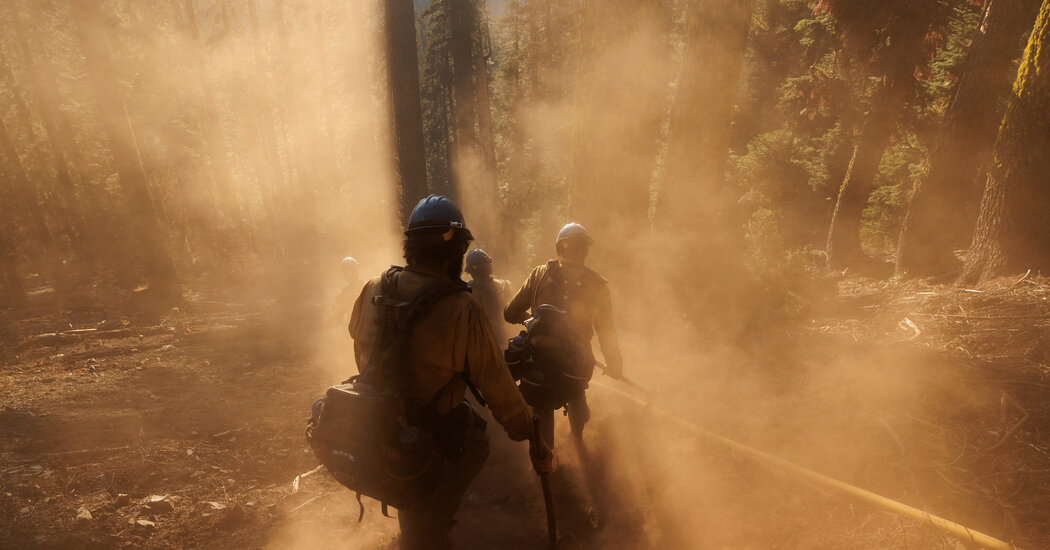
Hotshot fire crews, elite U.S. firefighters who battle the biggest wildfires in the American West, work in extreme conditions for long periods of time, often without access to basic amenities like showers or cellphone signals. They use hand tools and chain saws to carve out dirt tracks to control the spread of fires. Despite the dangers and low pay, hotshots are drawn to the camaraderie and the challenge of the job. A report by the University of Washington highlights the pay disparity between federal firefighters and their counterparts in state agencies, leading to legislation that aims to raise the base pay of entry-level federal firefighters.
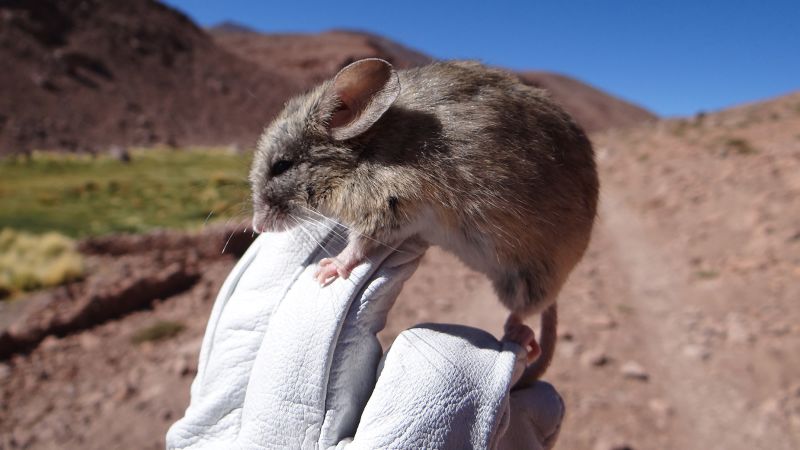
A team of scientists from Argentina, Chile, Bolivia, and the United States have discovered 13 mummified mice at elevations above 6,000 meters in the Andes mountains, making them the world's highest dwelling mammal. The mice, called Phyllotis vaccarum, are commonly found at lower elevations but have been found at extreme heights on the Atacama Plateau. The harsh conditions, similar to those on Mars, create perfect conditions for preservation. The researchers are conducting further studies to understand how the mice survive in these extreme conditions and are exploring theories such as their diet of lichens or the transportation of food by wind. This discovery challenges previous beliefs about species' survival capabilities in high-altitude environments.
Scientists have discovered a new phase of high-density, ultra-hot ice called Ice XIX, which could exist in the interiors of gas giants like Uranus and Neptune. Using high-power lasers and X-ray laser facilities, researchers observed the body-centered cubic structure of Ice XIX, with freely moving hydrogen atoms that dramatically increase conductivity. This discovery provides insight into the complex magnetic fields observed by the Voyager II spacecraft and expands our understanding of water ice under extreme conditions.
The PGA Tour is taking additional measures to ensure player and caddie hydration and reduce health concerns during the ongoing heatwave. Coolers with water and electrolyte drinks, shade tents with misting fans, and CoolMitt devices are being provided on every third hole. The Tour has also reminded players that IV fluids over 200 ml are prohibited due to anti-doping policies. Trainers are emphasizing the importance of staying hydrated and replenishing electrolytes to combat the extreme heat and its effects on cognitive ability and energy loss.